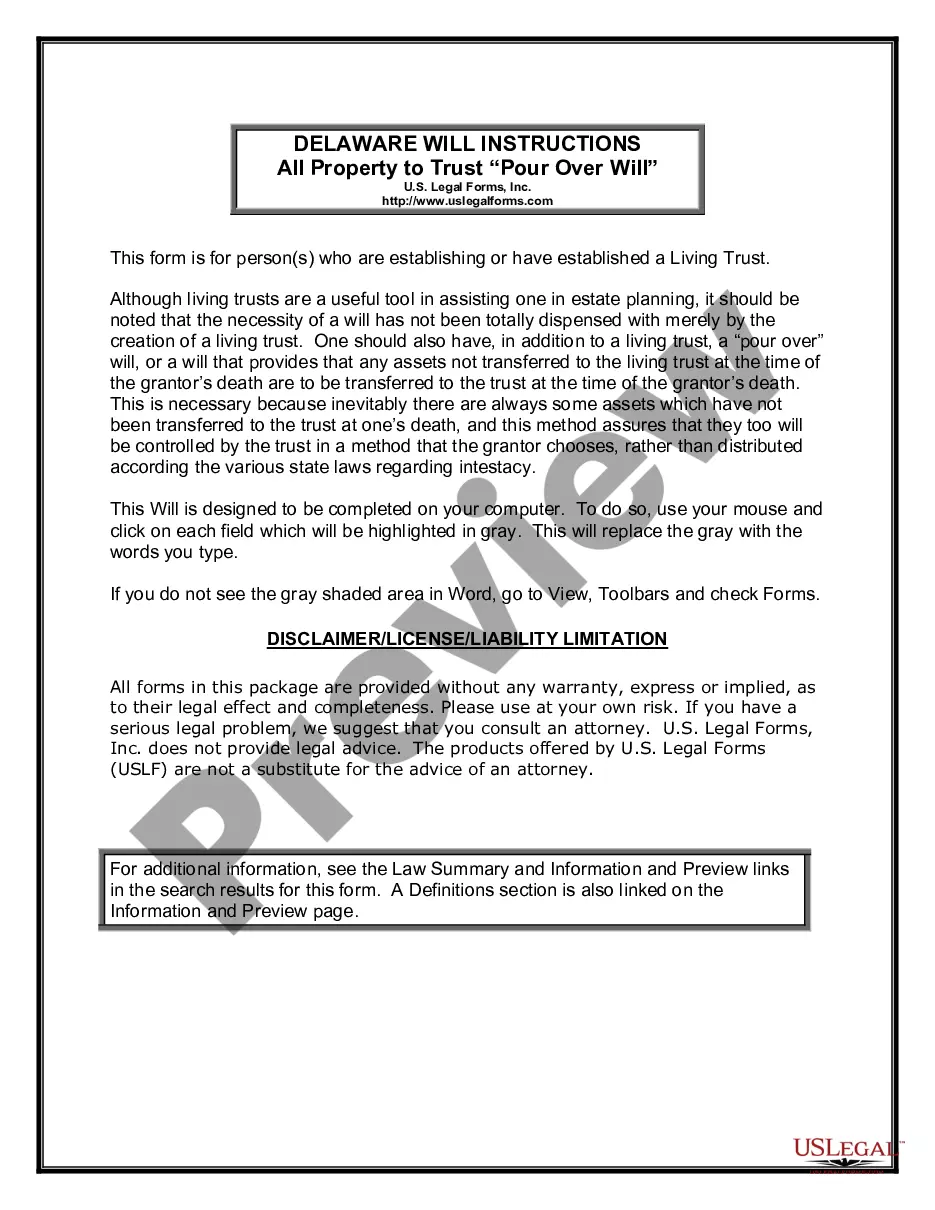
Delaware Last Will and Testament with All Property to Trust called a Pour Over Will
What is this form?
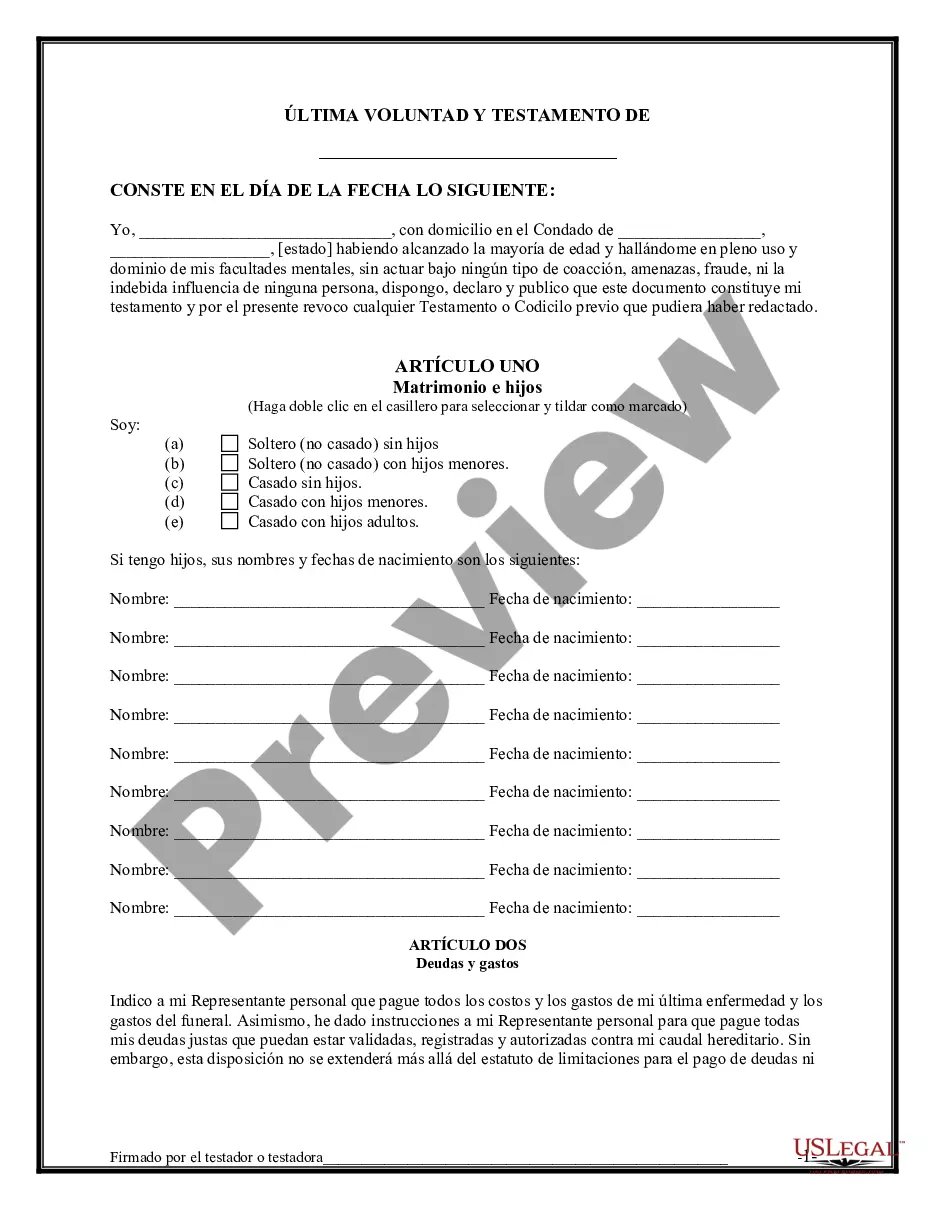
This Last Will and Testament, known as a Pour Over Will, ensures that any property not already placed in your living trust is directed to that trust upon your passing. Unlike a standard will, which distributes assets according to state laws, this form specifically channels untransferred assets into your pre-established trust, simplifying the process of estate management.
Form components explained
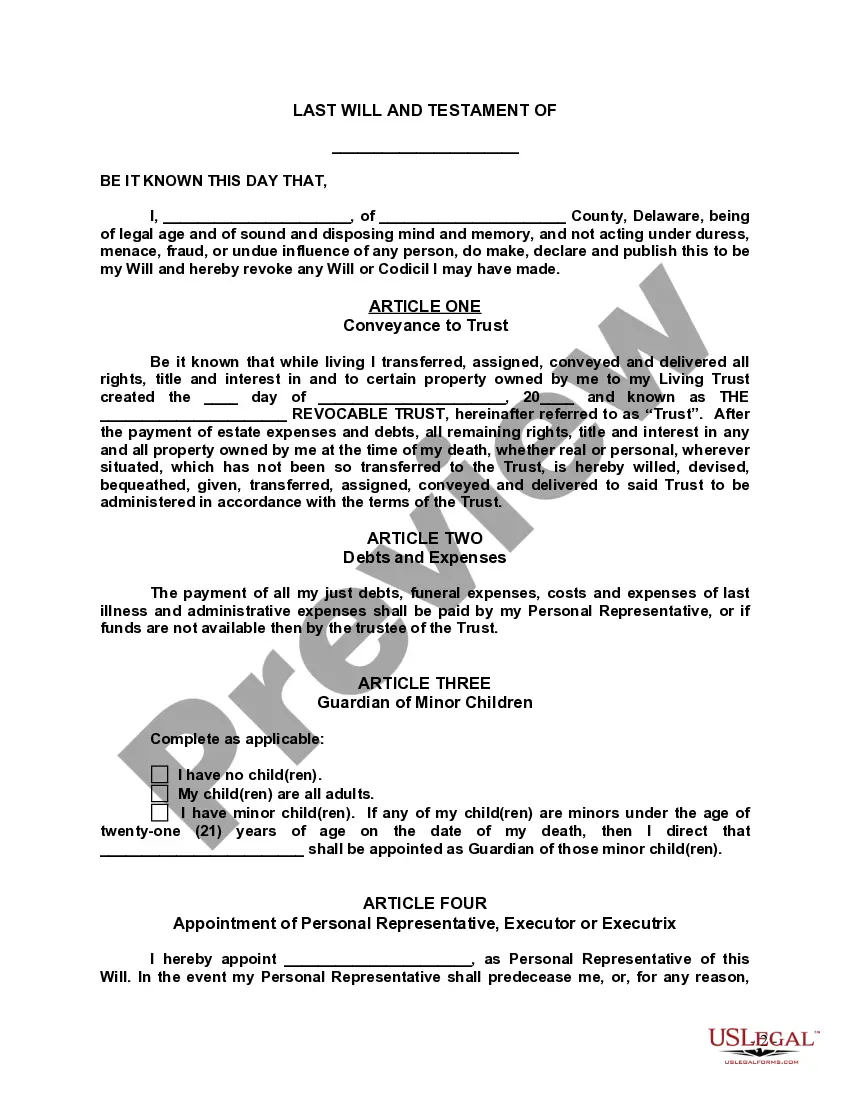
- Declaration of intent to revoke any previous wills.
- Conveyance of all remaining property to the living trust after settling debts and expenses.
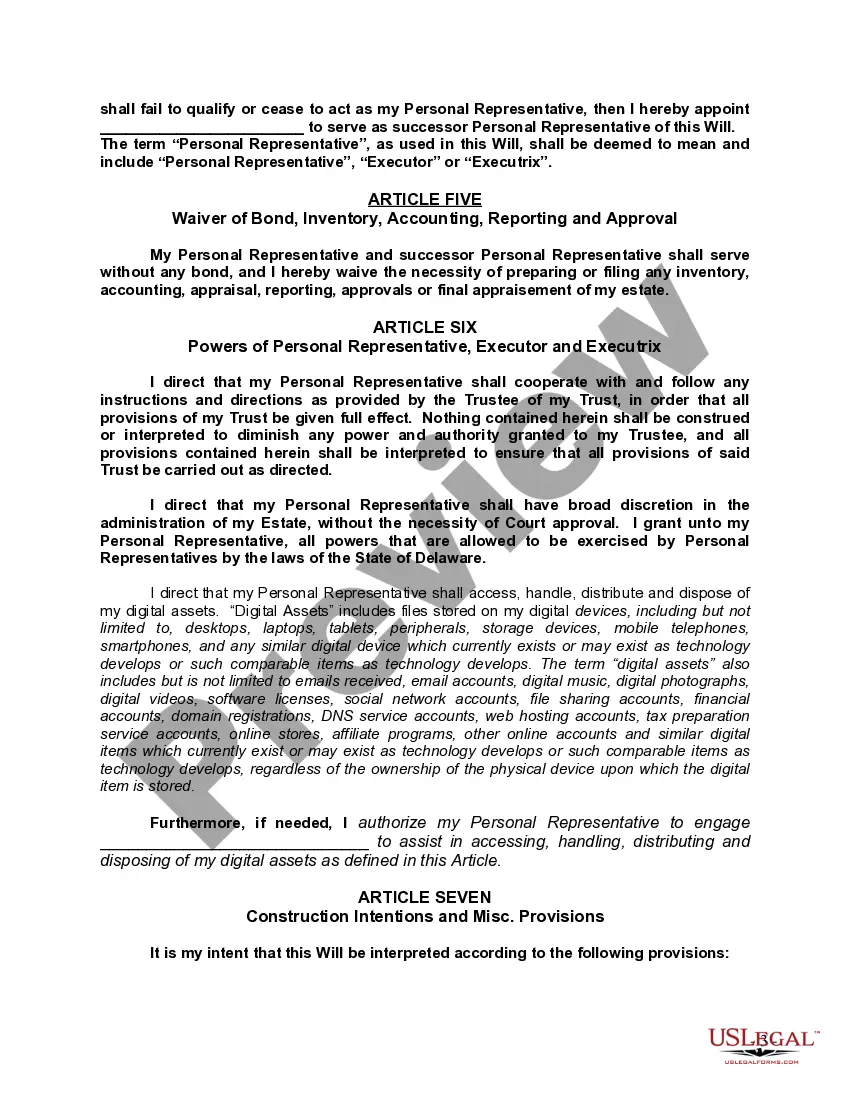
- Appointment of a personal representative for the estate.
- Specification of a guardian for minor children, if applicable.
- Details regarding the powers and duties of the personal representative.
- Provisions for waiving bond and accounting requirements.



When this form is needed
This form is ideal if you have established a living trust and want to ensure all remaining assets are transferred to it upon your death. It is particularly useful for those who want a streamlined distribution of their estate and wish to avoid the complications of intestacy laws for assets that were not previously transferred to the trust.
Who this form is for
This form is suitable for:
- Individuals who have set up a living trust.
- Anyone wanting to direct remaining assets to their trust at the time of their death.
- Those looking for a comprehensive approach to estate planning.
Steps to complete this form
- Start by entering your name and county of residence in the designated sections.
- Specify the details of your living trust, including the date it was created and its name.
- Identify any minor children and appoint a guardian if applicable.
- Name your personal representative to oversee your estate's distribution.
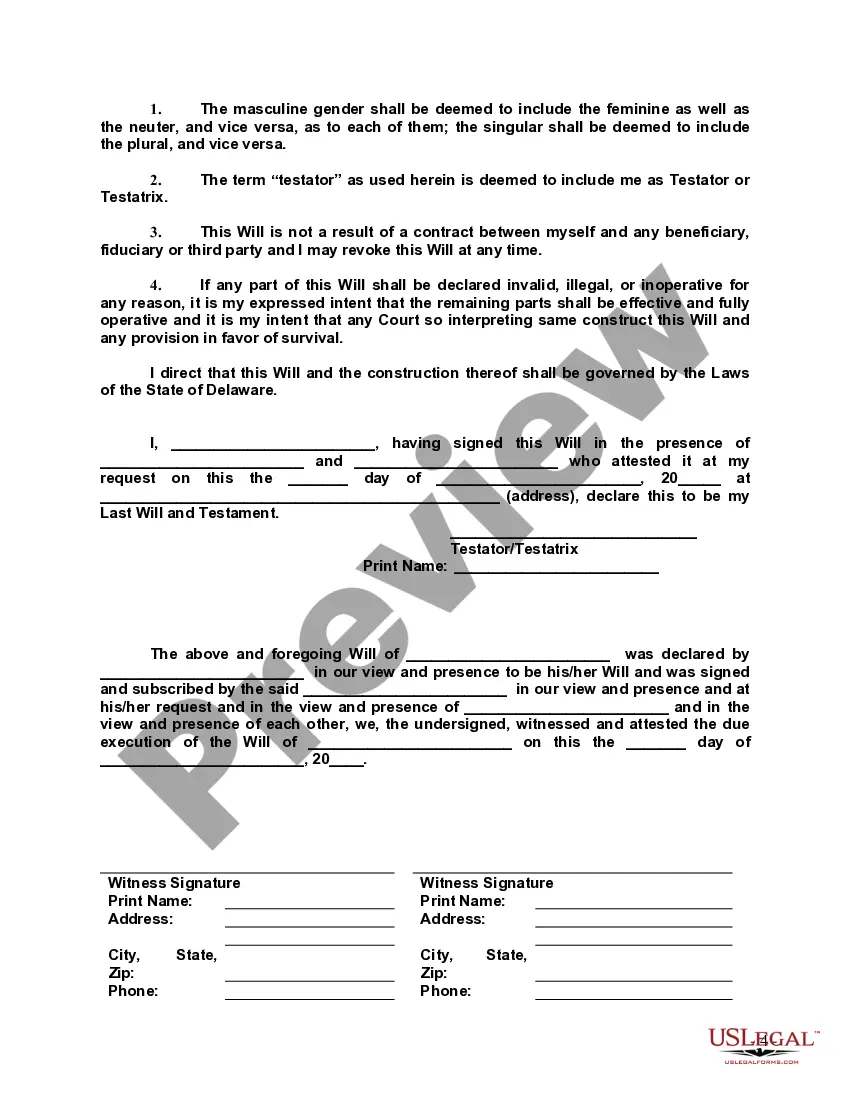
- Sign the will in the presence of witnesses to ensure its validity.
Notarization requirements for this form
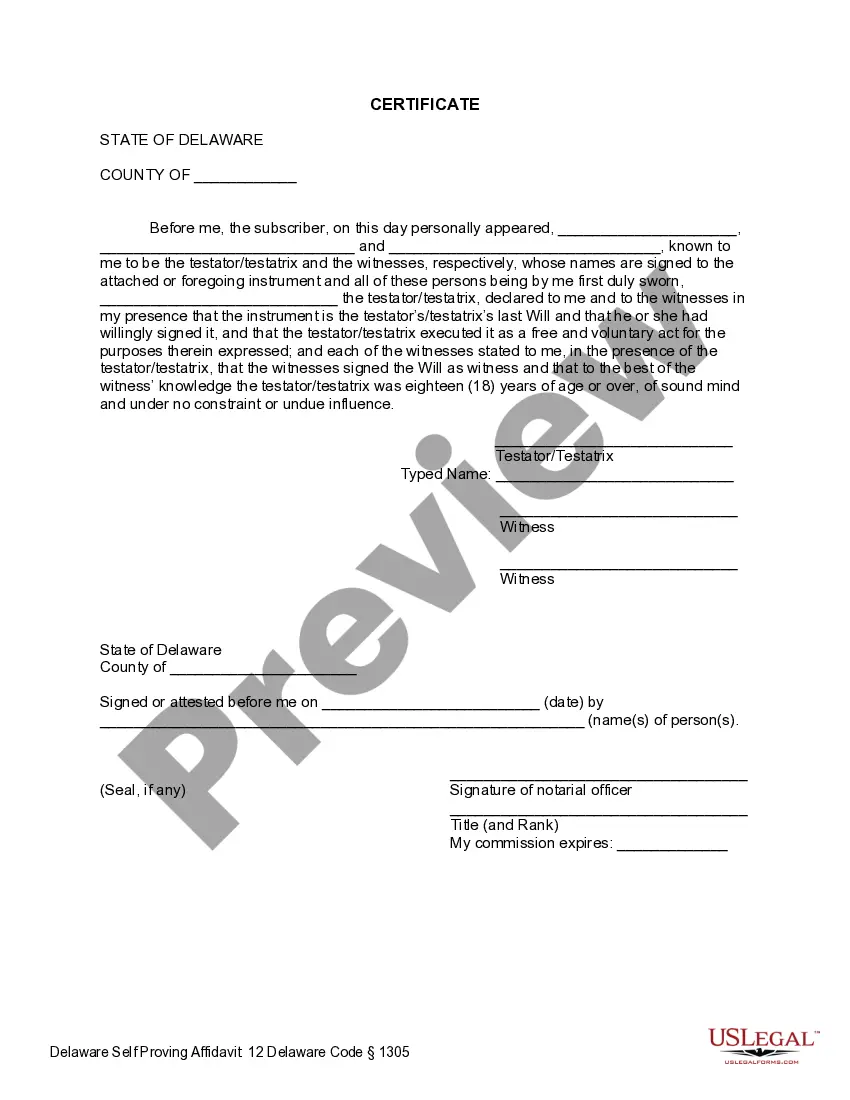
This form must be notarized to be legally valid. US Legal Forms provides secure online notarization powered by Notarize, allowing you to complete the process through a verified video call.
Get your form ready online
Our built-in tools help you complete, sign, share, and store your documents in one place.
Make edits, fill in missing information, and update formatting in US Legal Forms—just like you would in MS Word.
Download a copy, print it, send it by email, or mail it via USPS—whatever works best for your next step.
Sign and collect signatures with our SignNow integration. Send to multiple recipients, set reminders, and more. Go Premium to unlock E-Sign.
If this form requires notarization, complete it online through a secure video call—no need to meet a notary in person or wait for an appointment.
We protect your documents and personal data by following strict security and privacy standards.

Make edits, fill in missing information, and update formatting in US Legal Forms—just like you would in MS Word.

Download a copy, print it, send it by email, or mail it via USPS—whatever works best for your next step.

Sign and collect signatures with our SignNow integration. Send to multiple recipients, set reminders, and more. Go Premium to unlock E-Sign.

If this form requires notarization, complete it online through a secure video call—no need to meet a notary in person or wait for an appointment.

We protect your documents and personal data by following strict security and privacy standards.
Typical mistakes to avoid
- Failing to properly sign the document in front of witnesses.
- Not stating the name or details of the living trust clearly.
- Omitting to appoint a guardian for minor children, if applicable.
Advantages of online completion
- Convenience of completing the form from home at your own pace.
- Editable fields allow you to make changes easily as your circumstances evolve.
- Access to lawyer-drafted templates ensures reliability and legal compliance.
Legal use & context
- This pour over will is legally presumed to be valid in Delaware, provided it meets all execution requirements.
- Utilizing a pour over will can help in efficiently managing your estate and easing the transition of assets into your trust.
Summary of main points
- A Pour Over Will directs assets to your existing living trust upon your death.
- It provides peace of mind by ensuring all your assets are managed according to your wishes.
- Proper execution, including witnessing and signing, is crucial for legality.
Looking for another form?
Form popularity
FAQ
Using a trust instead of a will can provide several advantages, including asset management flexibility and probate avoidance. A trust can control how assets are distributed over time, which is helpful for minor children or loved ones who need assistance. With a Delaware Last Will and Testament with All Property to Trust called a Pour Over Will, you can leverage these benefits while still ensuring all your assets are directed to the trust upon your passing.
In general, a last will and testament does not override a trust, especially when the trust includes specific directives for asset distribution. If the assets are in the trust, they will be managed according to the trust’s guidelines rather than the provisions of the will. By understanding the dynamics of a Delaware Last Will and Testament with All Property to Trust called a Pour Over Will, you can effectively ensure your estate plan works harmoniously.
Yes, a trust can override a last will and testament if the terms of the trust specify otherwise. For example, any assets placed in a trust during your lifetime will be distributed according to the trust and not according to your Delaware Last Will and Testament with All Property to Trust called a Pour Over Will. This emphasizes the importance of proper estate planning to ensure your wishes are clearly delineated.
over will functions by directing any assets not included in a trust at the time of your passing to be transferred into the trust. This ensures that everything you own can be managed under the same trust, which can make it easier to handle your estate. By utilizing a Delaware Last Will and Testament with All Property to Trust called a Pour Over Will, you streamline your estate management and ensure your final wishes are honored.
over will is a specific type of last will and testament designed to transfer assets into a trust upon your death. In contrast, a traditional last will and testament only distributes assets directly to recipients. When you create a Delaware Last Will and Testament with All Property to Trust called a Pour Over Will, you ensure that any remaining assets not already in the trust will be moved there automatically, simplifying the estate process.
Beneficiaries do not take precedence over a trust; instead, they gain their rights through the terms of the trust. In the case of a Delaware Last Will and Testament with All Property to Trust called a Pour Over Will, the distribution of assets depends on what is outlined in the trust document. This means that the trust can dictate how and when beneficiaries receive their inheritances, which is not the case with a simple will.
A trust generally holds more power than a Delaware Last Will and Testament with All Property to Trust called a Pour Over Will. This is because a trust can manage your assets while you are alive and after you pass away. Unlike a will, a trust allows for more control over how your assets are distributed, often avoiding probate. By using a trust, you can protect your loved ones from lengthy legal proceedings.
Distributing trust property to beneficiaries involves following the instructions laid out in the trust document. The trustee is responsible for managing assets and ensuring that distributions are made according to the terms of the trust. Utilizing a Delaware Last Will and Testament with All Property to Trust called a Pour Over Will can simplify this process, as it helps to designate any remaining assets to flow directly into the trust for distribution.
Generally, a will does not override a trust, but it can influence how assets are distributed if there are conflicting directives. A Delaware Last Will and Testament with All Property to Trust called a Pour Over Will functions to align any leftover assets with your trust. If properly executed, this ensures your property will be managed according to your wishes established in the trust.
One disadvantage of a will is that it typically goes through probate, which can be a lengthy and public process. In contrast, a trust, particularly when combined with a Delaware Last Will and Testament with All Property to Trust called a Pour Over Will, can help your estate avoid the probate process. This benefit allows for quicker and more private distribution of assets to your beneficiaries.