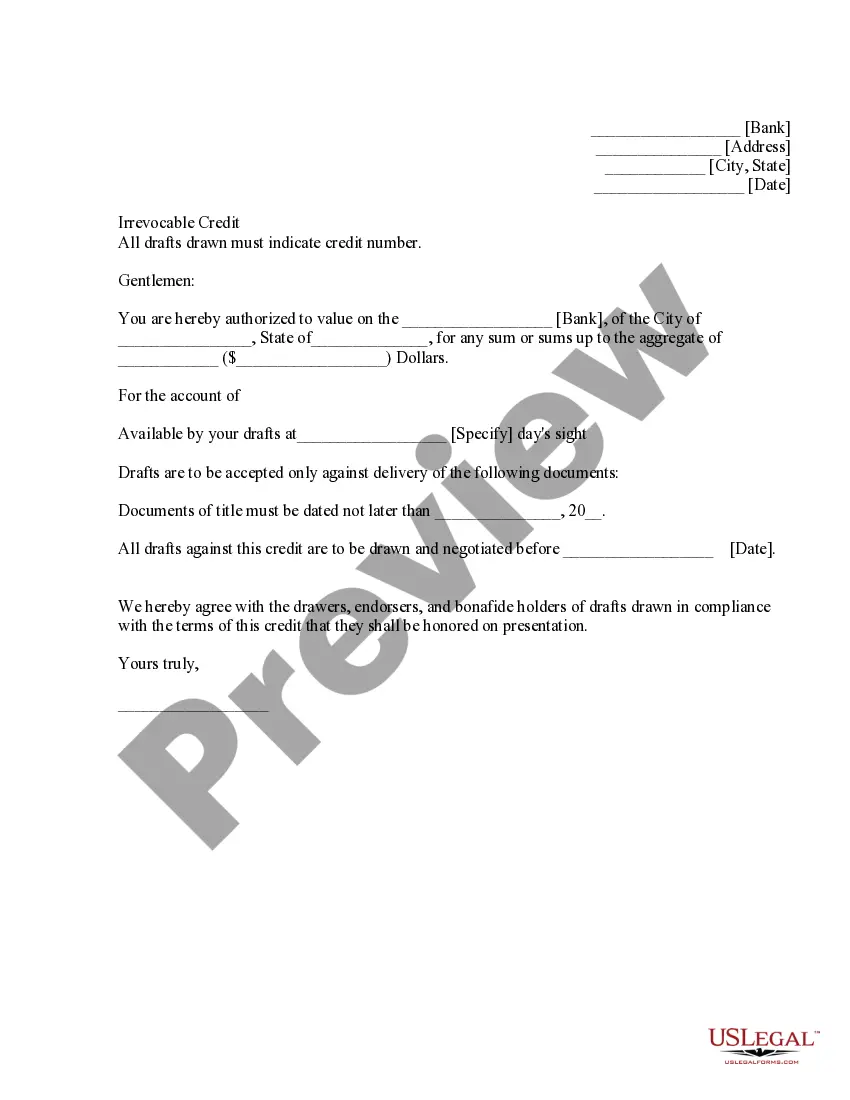
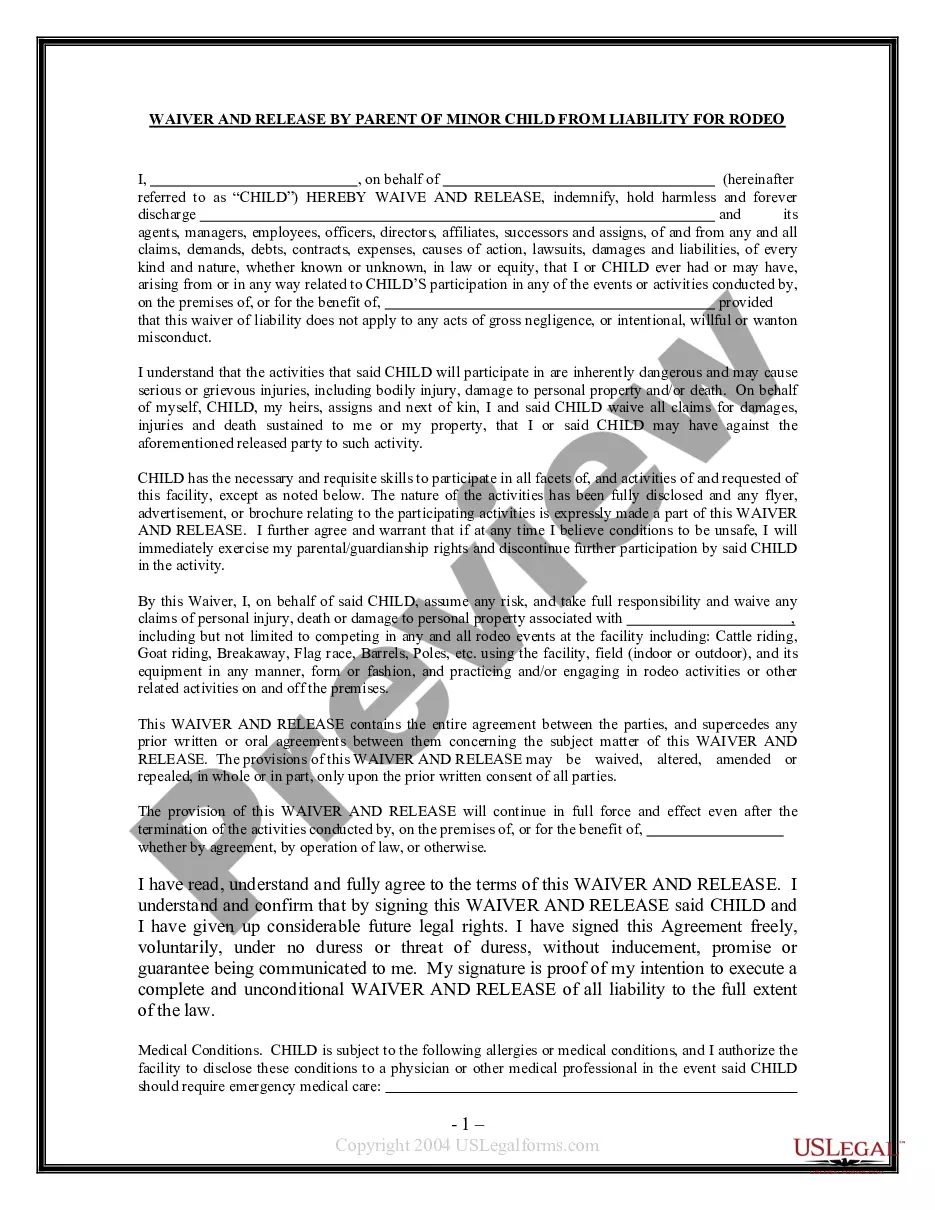
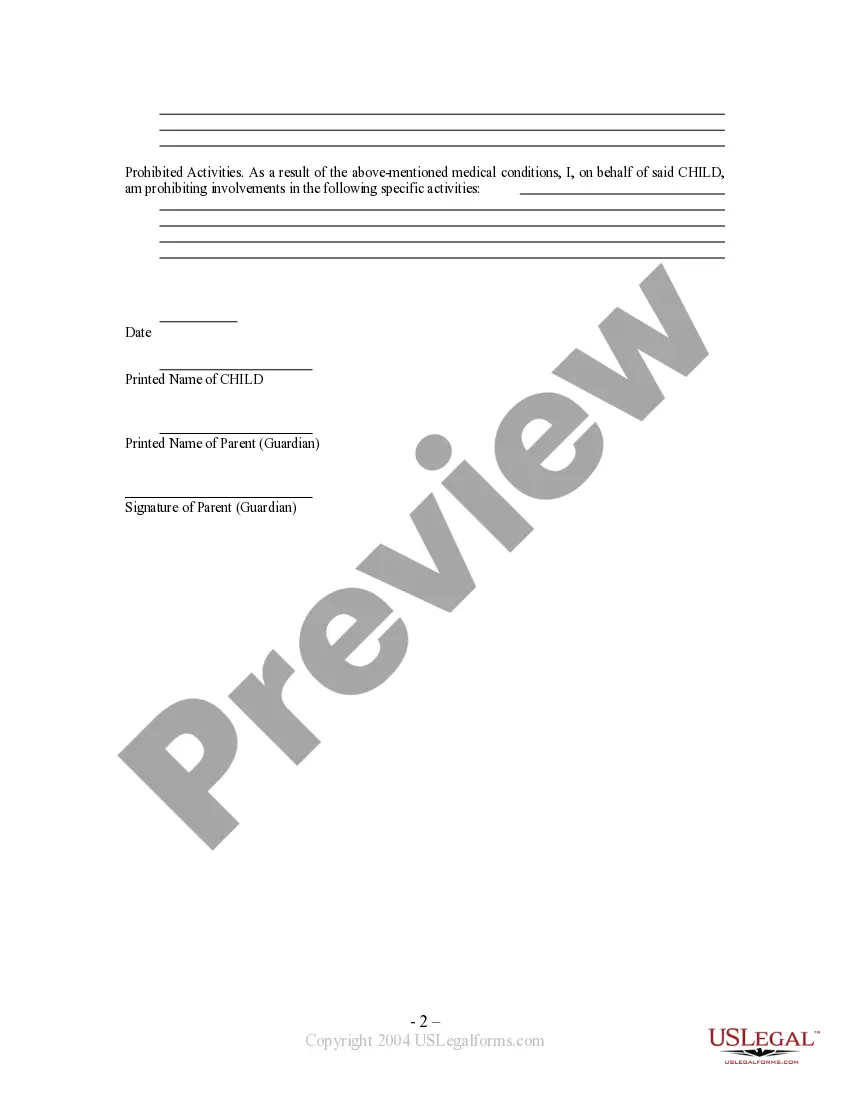
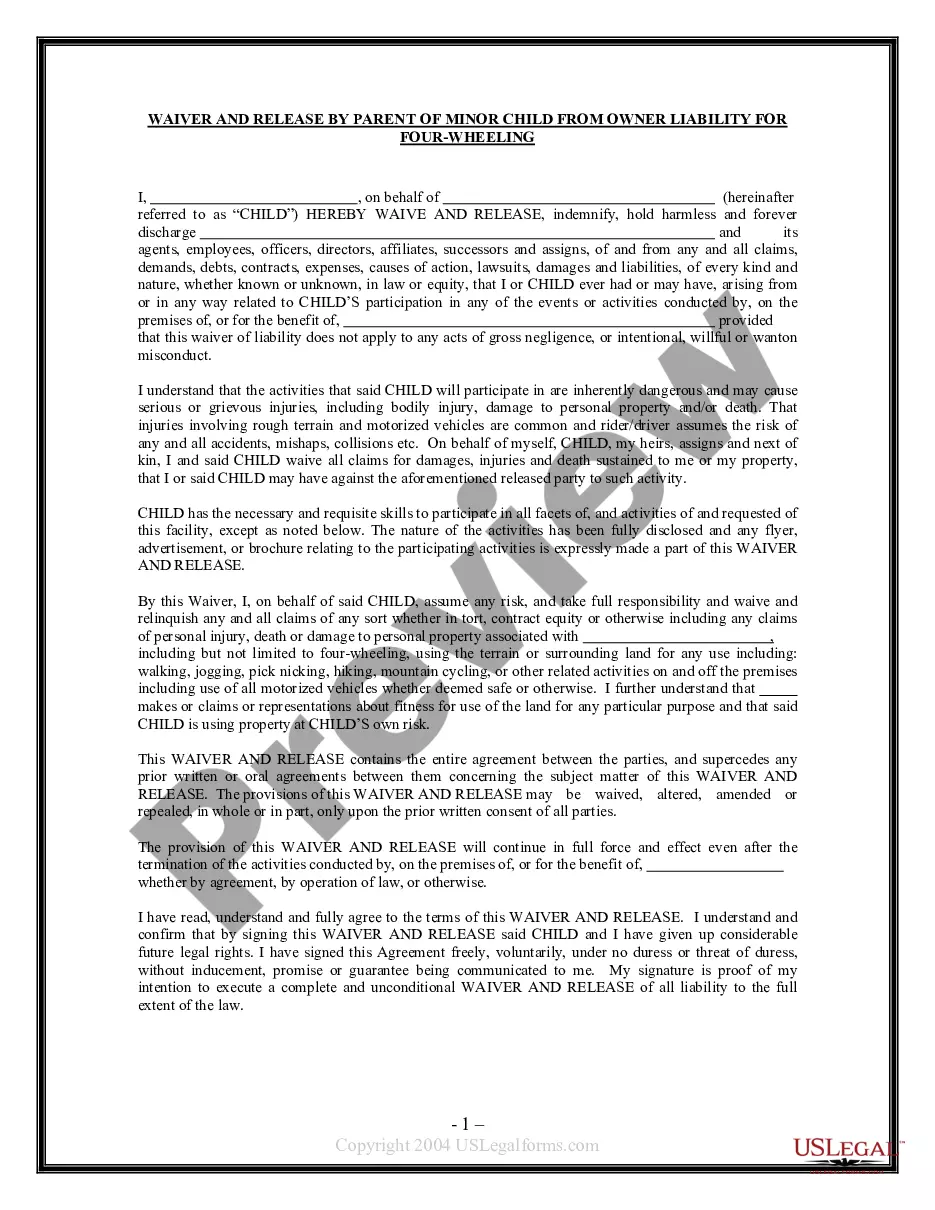
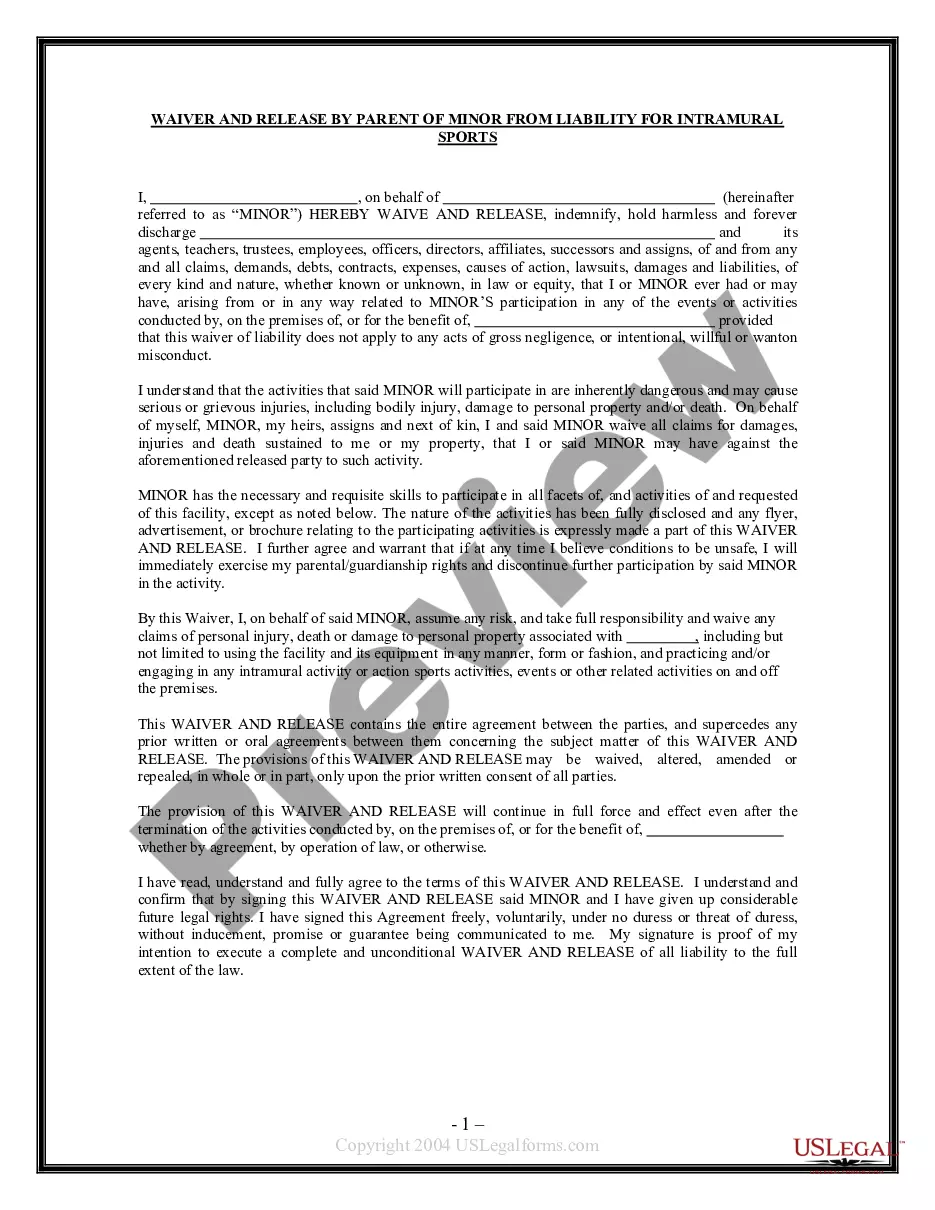
This form allows a parent or guardian to release a rodeo facility from liability for injuries which may be incurred by a minor child while on the premises, taking part in activities, etc.
Delaware Waiver and Release From Liability For Minor Child for Rodeo
Category:
State:
Multi-State
Control #:
US-WAV-49M
Format:
Word;
Rich Text
Instant download
Description
Free preview
How to fill out Waiver And Release From Liability For Minor Child For Rodeo?
You can spend hours online looking for the legal document template that meets the federal and state requirements you need. US Legal Forms offers a vast array of legal forms that can be reviewed by experts. You can download or print the Delaware Waiver and Release From Liability For Minor Child for Rodeo from the service.
If you have a US Legal Forms account, you can Log In and click the Obtain button. After that, you can complete, modify, print, or sign the Delaware Waiver and Release From Liability For Minor Child for Rodeo. Each legal document template you acquire is yours permanently. To obtain another copy of a purchased form, go to the My documents section and click the relevant button.
If you are using the US Legal Forms website for the first time, follow the straightforward instructions below: First, ensure that you have selected the correct document template for the region/city you choose. Review the form description to confirm that you have chosen the appropriate form. If available, use the Preview button to view the document template as well.
Utilize professional and state-specific templates to address your business or personal needs.
- If you want to find another version of the form, use the Search field to locate the template that suits you and your requirements.
- Once you have found the template you desire, click on Obtain now to proceed.
- Select the pricing plan you prefer, enter your details, and register for an account on US Legal Forms.
- Complete the purchase. You can use your credit card or PayPal account to buy the legal form.
- Choose the format of the document and download it to your device.
- Make changes to your document if possible. You can complete, edit, sign, and print the Delaware Waiver and Release From Liability For Minor Child for Rodeo.
- Obtain and print a wide variety of document templates using the US Legal Forms Website, which offers the largest collection of legal forms.
Form popularity
FAQ
The definition of a waiver is the act of voluntarily giving up rights or privileges, usually through a written statement. An example of waiver is a person signing a form releasing the owners of an event location from liability if the person signing the waiver was injured while at the event.
The main difference between releases and waivers is the transferring of ownership. When rights are released, they are transferred to another party. When rights are waived, they are gone altogether.
A liability waiver is a legal document that a person who participates in an activity may sign to acknowledge the risks involved in their participation. By doing so, the company attempts to remove legal liability from the business or person responsible for the activity.
Waiver and release refers to the waiving of rights or privileges and the release of a party from their obligations or rights.
A release of liability, also known as a liability waiver or a hold harmless agreement, is a contract in which one party agrees not to hold another party liable for damages or injury. These contracts are common in fields that involve some risk to property, finances, or health.
What is a Waiver And Release Agreement? A waiver and release agreement is a legal document that releases a party from liability and creates an enforceable promise for one party to not take legal action against another.
A waiver is a formal statement giving up a right. If you go on a school trip, your mom might sign a waiver saying that the school is not responsible if you get hurt on the trip. When you sign a waiver, you're voluntarily giving up a privilege or legal right.
Signing a waiver does not mean you automatically do not have the right to file a lawsuit after suffering a serious injury in California. Liability laws are complex and often require an attorney's assistance. If you signed a waiver before an activity that gave you an injury, speak to a lawyer about your rights.
A waiver is a legal agreement the primary purpose of which is to let you or another party modify or relinquish a right, privilege, or claim. The agreement can be a separate document on its own, such as if you sign a waiver form, or added to a contract as a waiver clause.
A waiver explained A release form or a waiver is simply a legal document containing an agreement between two parties. The first party is the releasor (person promising not to sue) and the releasee (the party that is reliable).