Delaware Room Rental Agreement
Description
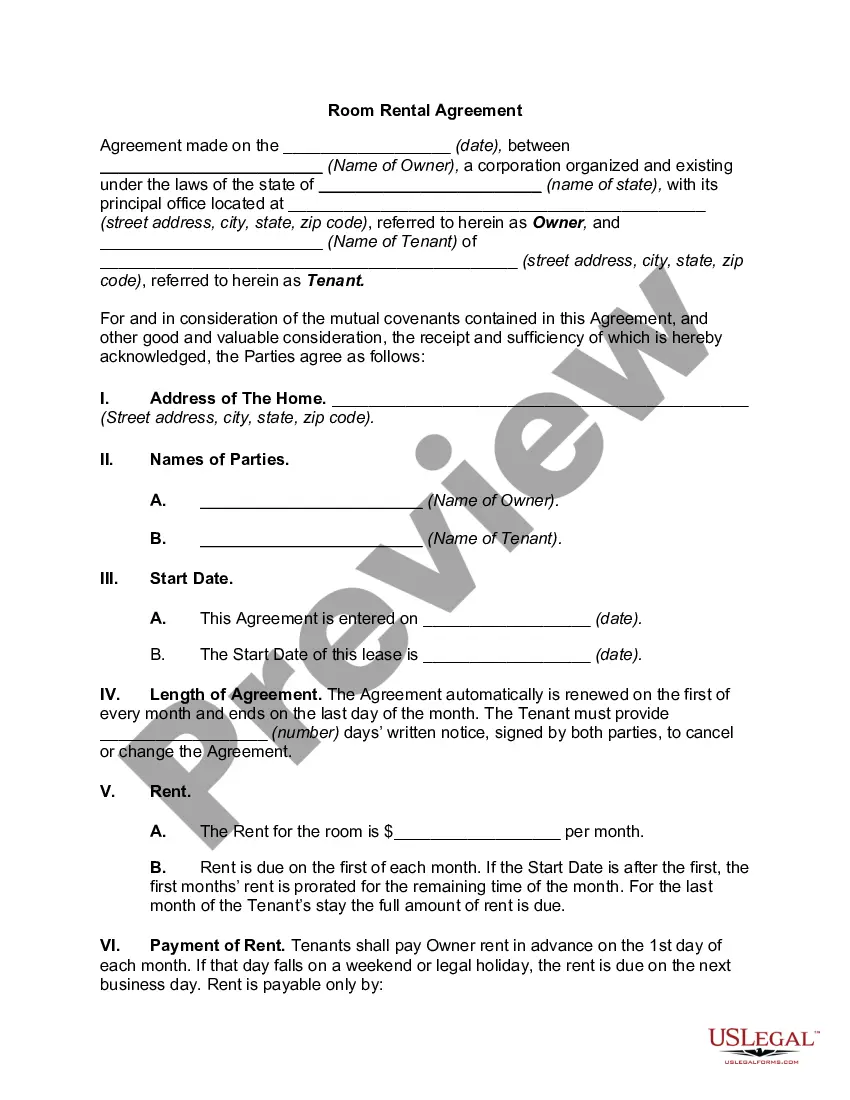
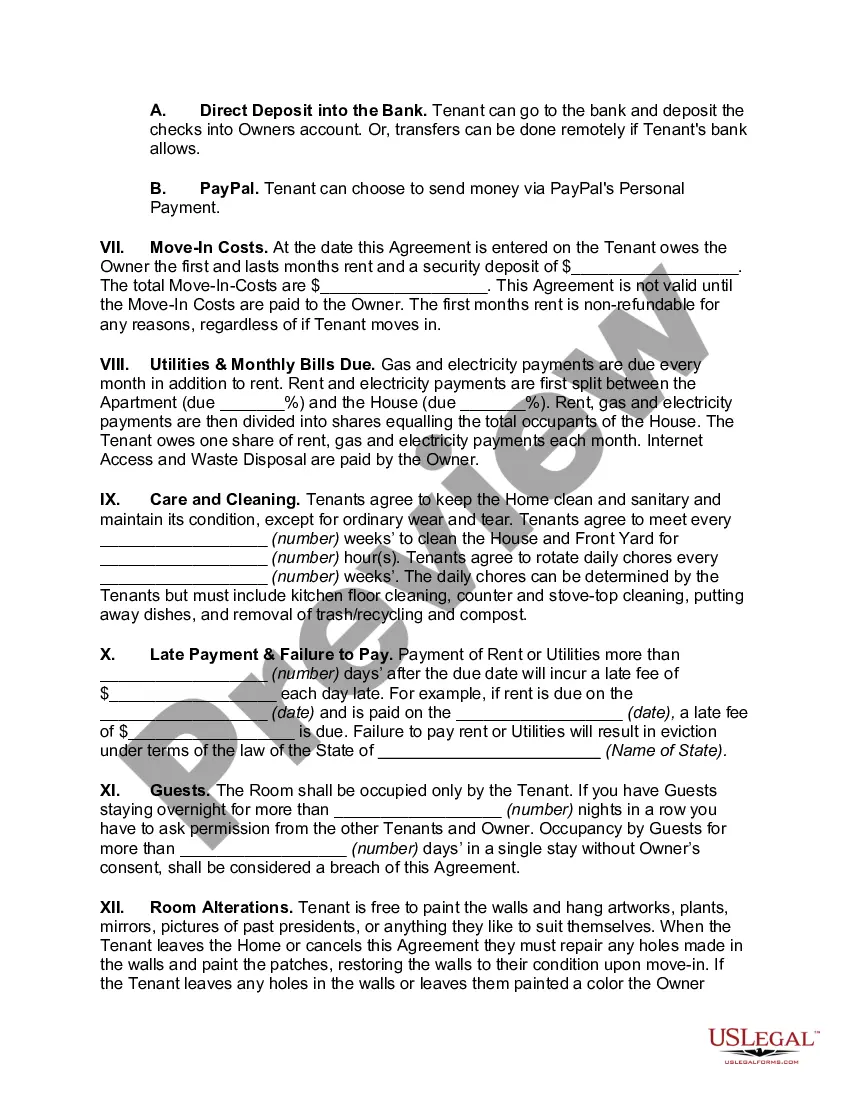
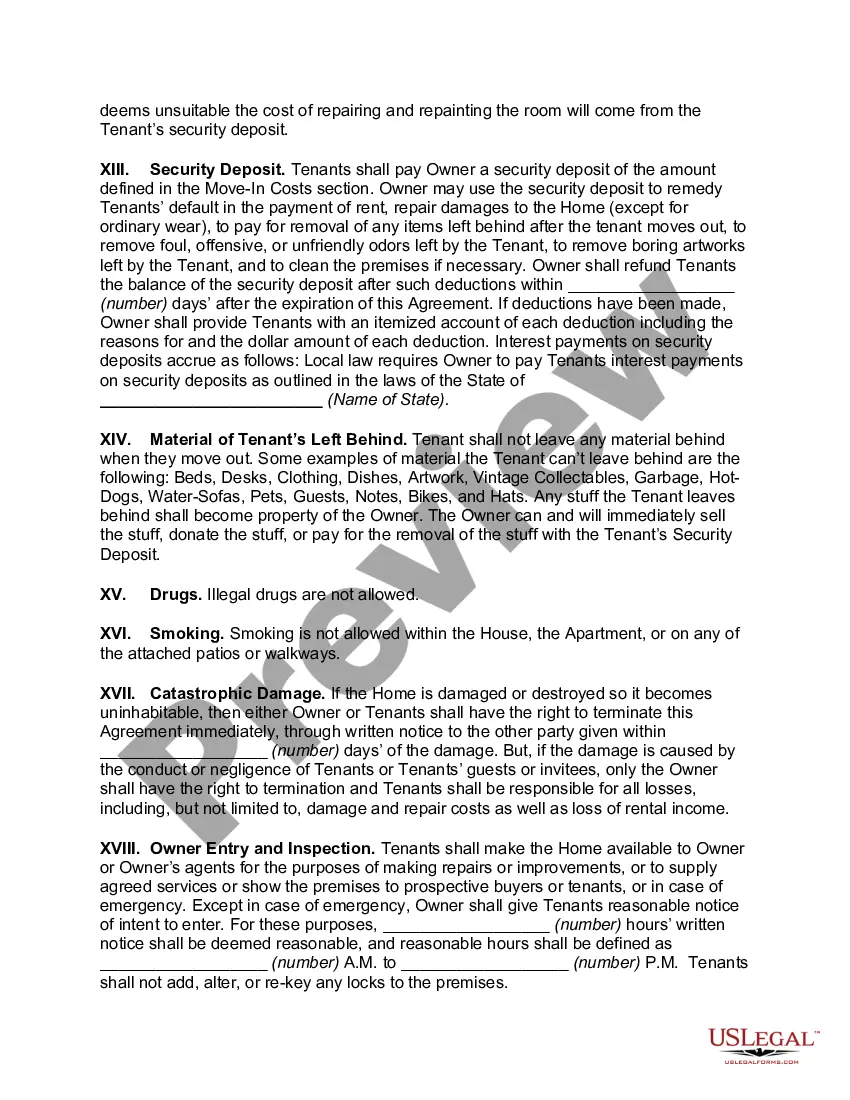
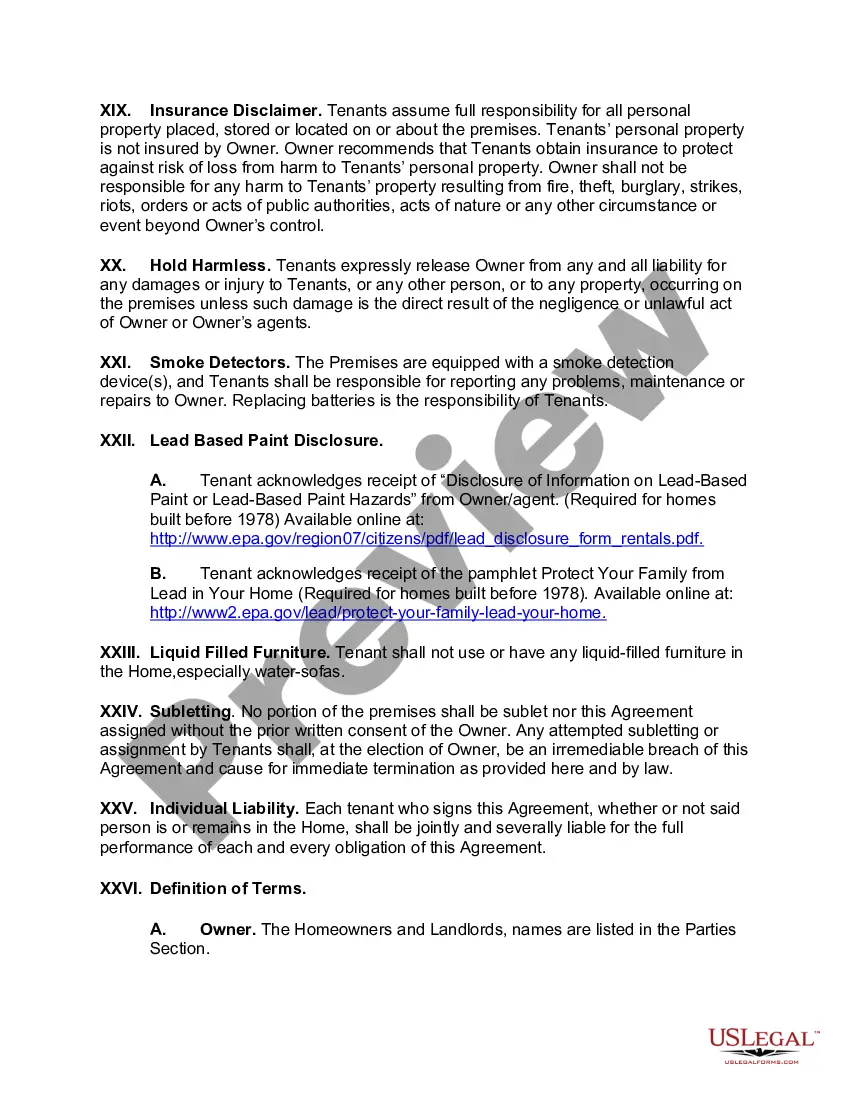
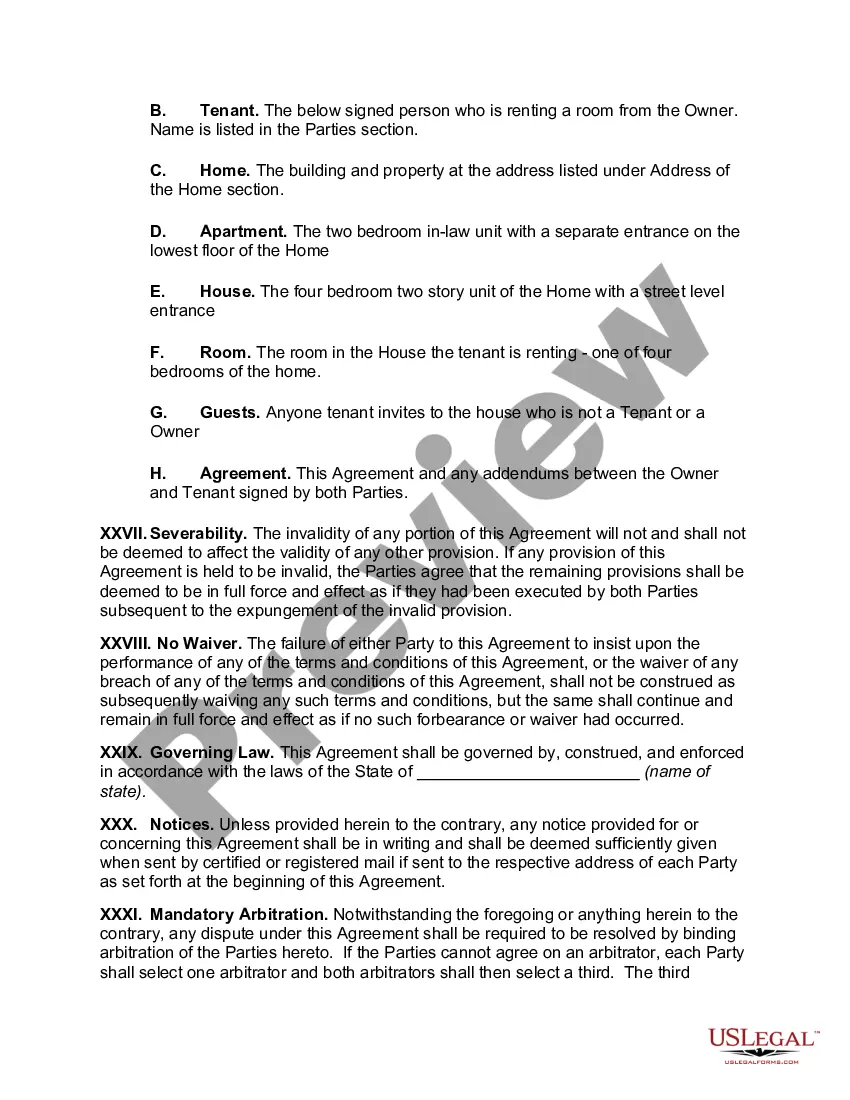
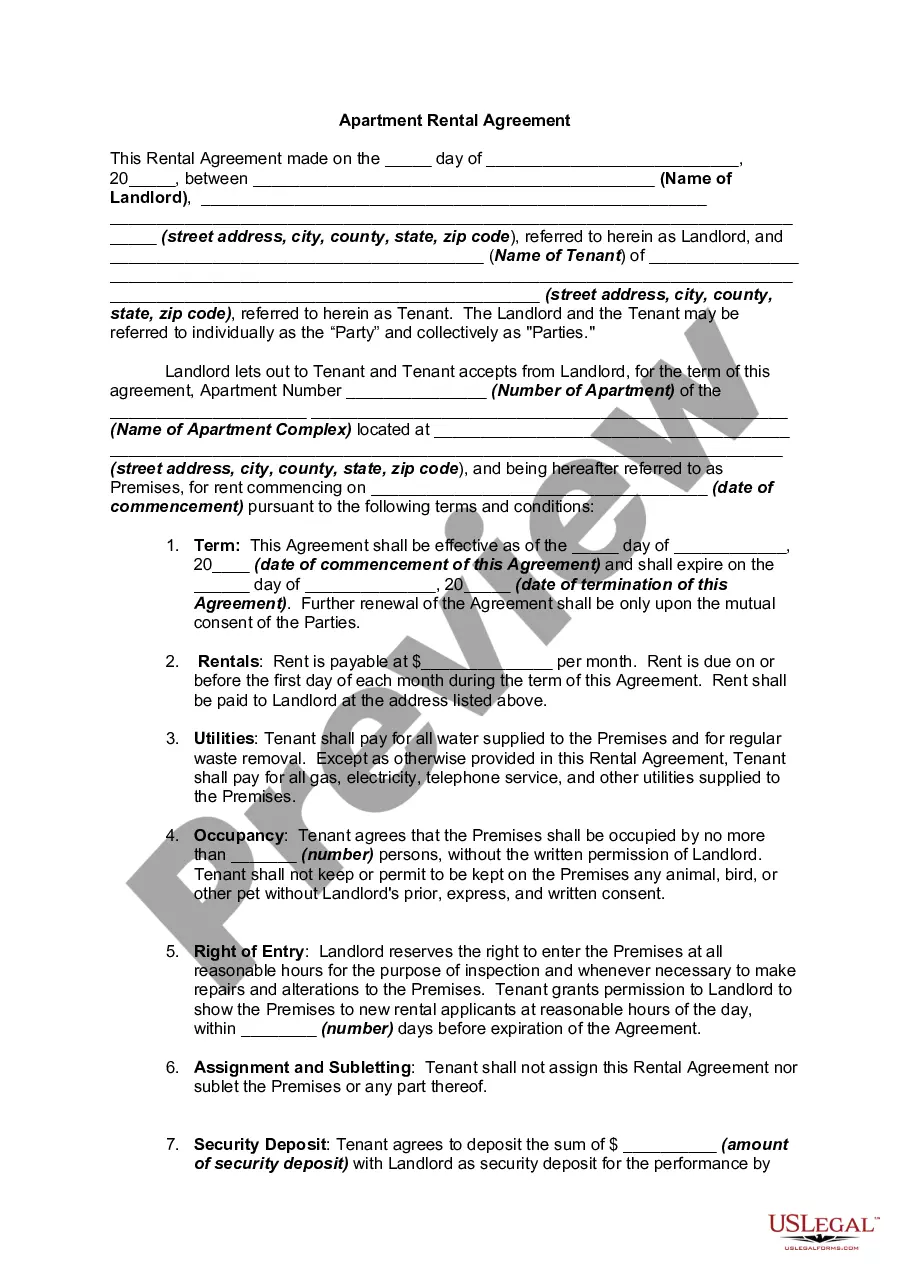
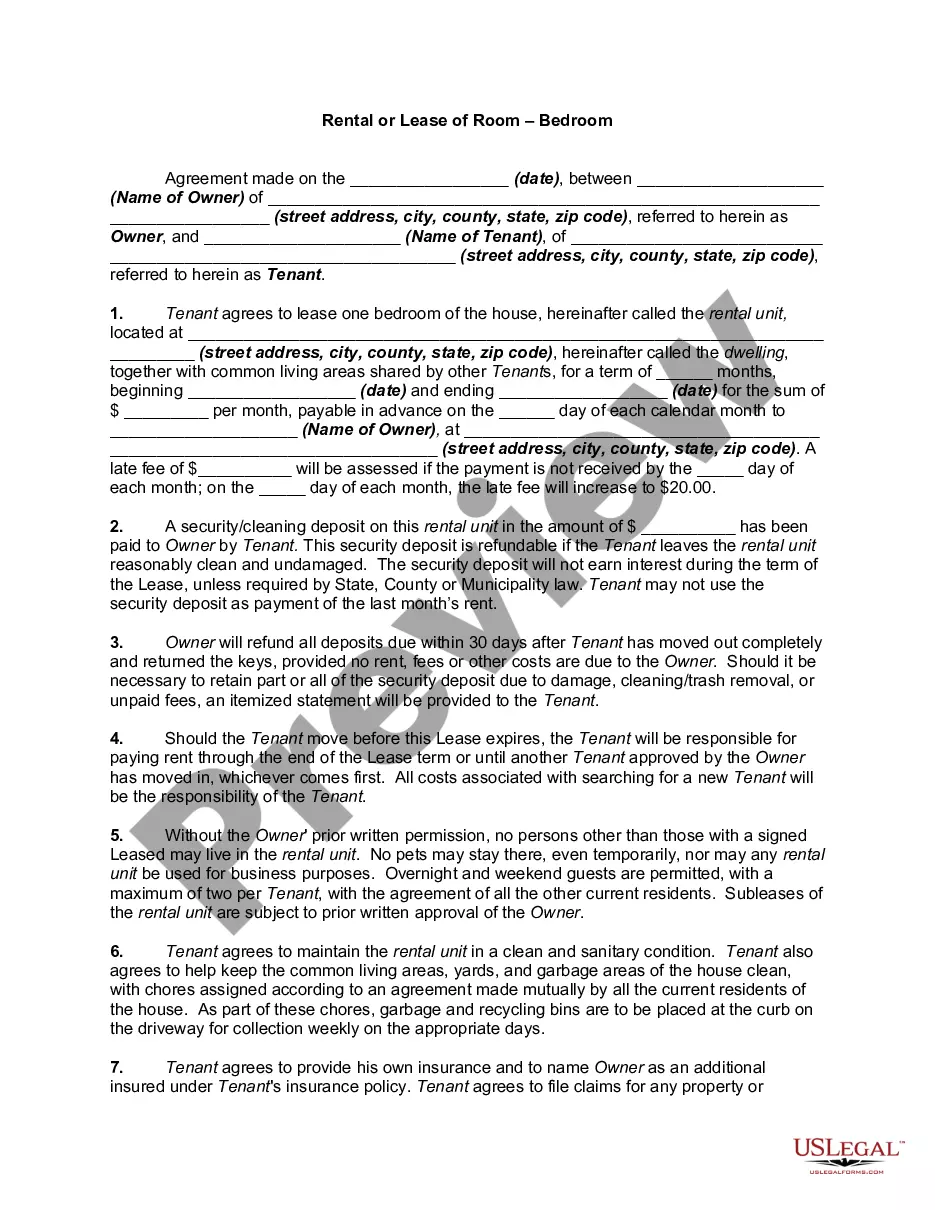
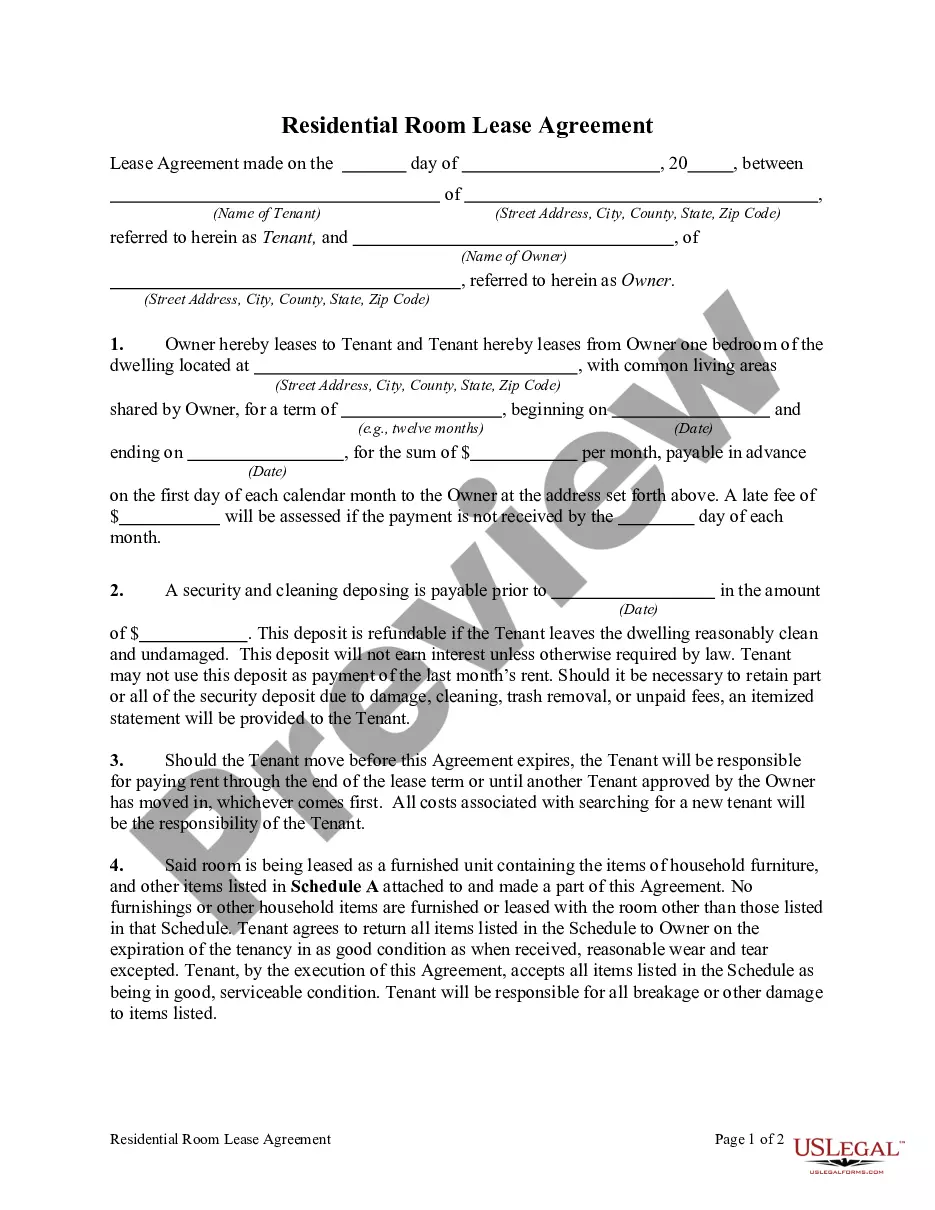
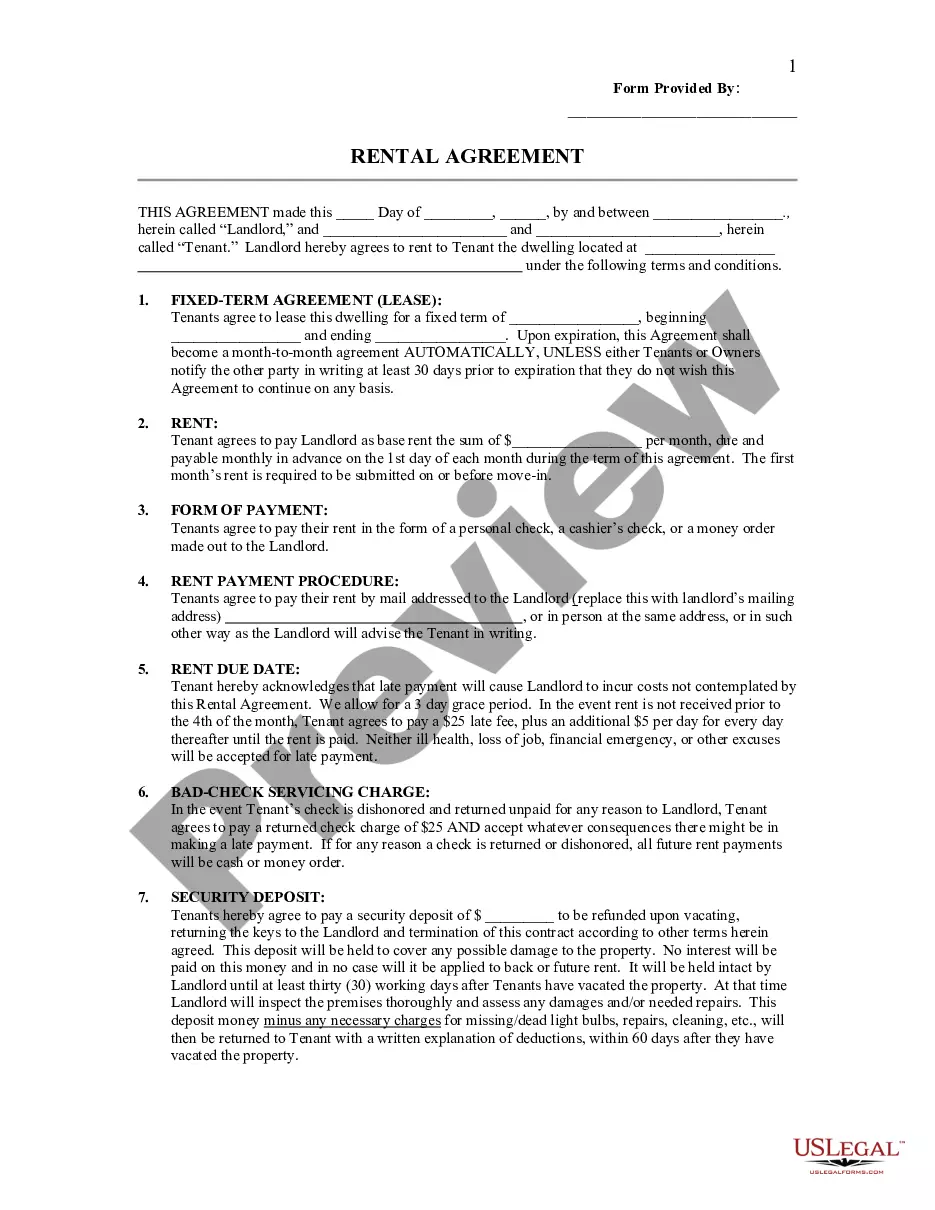
Get your form ready online
Our built-in tools help you complete, sign, share, and store your documents in one place.
Make edits, fill in missing information, and update formatting in US Legal Forms—just like you would in MS Word.
Download a copy, print it, send it by email, or mail it via USPS—whatever works best for your next step.
Sign and collect signatures with our SignNow integration. Send to multiple recipients, set reminders, and more. Go Premium to unlock E-Sign.
If this form requires notarization, complete it online through a secure video call—no need to meet a notary in person or wait for an appointment.
We protect your documents and personal data by following strict security and privacy standards.

Make edits, fill in missing information, and update formatting in US Legal Forms—just like you would in MS Word.

Download a copy, print it, send it by email, or mail it via USPS—whatever works best for your next step.

Sign and collect signatures with our SignNow integration. Send to multiple recipients, set reminders, and more. Go Premium to unlock E-Sign.

If this form requires notarization, complete it online through a secure video call—no need to meet a notary in person or wait for an appointment.

We protect your documents and personal data by following strict security and privacy standards.
Looking for another form?

How to fill out Room Rental Agreement?
US Legal Forms - one of the largest collections of legal documents in the United States - offers a broad spectrum of legal document templates that you can download or create.
By using the website, you can access thousands of forms for business and personal use, categorized by types, states, or keywords.
You can find the latest versions of documents like the Delaware Room Rental Agreement in a matter of seconds.
If the form does not suit your needs, utilize the Search area at the top of the screen to find one that does.
Once you are satisfied with the form, confirm your selection by clicking the Buy now button. Then, choose your pricing plan and provide your details to register for an account.
- If you already have an account, Log In and download the Delaware Room Rental Agreement from your US Legal Forms library.
- The Download button will appear on every form you view.
- You can find all previously acquired forms in the My documents section of your account.
- If you are using US Legal Forms for the first time, here are some basic tips to get you started.
- Ensure you select the correct form for your city/state.
- Click the Preview button to review the form’s content.
Form popularity
FAQ
Delaware does not currently enforce or prohibit rent control policies. As it stands, landlords are free to charge what they want in rental prices. Rental increases. Landlords must provide 60 days' notice before raising rental prices, and the tenant has 15 days to accept or refuse.
The tenant may provide the landlord with a 7 days' written notice to terminate the lease if there is substantial damage to the rental unit. The tenant is only liable for rent only until they vacate the unit after written notice is given.
Delaware does not currently enforce or prohibit rent control policies. As it stands, landlords are free to charge what they want in rental prices. Rental increases. Landlords must provide 60 days' notice before raising rental prices, and the tenant has 15 days to accept or refuse.
Tenant Rights to Withhold Rent in DelawareTenants may withhold rent or exercise the right to "repair and deduct" if a landlord fails to take care of important repairs, such as a broken heater.
2- Delaware The Delaware housing market is not particularly landlord friendly. In fact, the tenant enjoys a host of privileges in the state. Much like Vermont, they are allowed to withhold rent when services are not provided and can deduct most repair expenses from monthly payments.
In Delaware, you can sublet unless your lease prohibits it. Landlords cannot unreasonably refuse your request to sublet, which means that if you provide an equally qualified subtenant, you should be good to go.
Tenant's Remedies: If the landlord fails to keep the rental unit in proper condition, the tenant has a right to withhold rent until repairs are made. The tenant has the right to make repairs to the rental unit, and then deduct those costs from the rent. 25 Del.
Whether the tenant's lease/rental agreement is weekly, monthly, or fixed-term, a Delaware landlord must provide all tenants a 60-days' written eviction notice to vacate the premises.
The Model Act limits the security deposit to be paid by the tenant to a maximum of two months' rent in case of residential premises and a maximum of six months' rent in case of non-residential premises. The Model Act prohibits the tenants from subletting or transferring its rights in the tenancy agreement.