Delaware Toll Manufacturing Agreement
Description
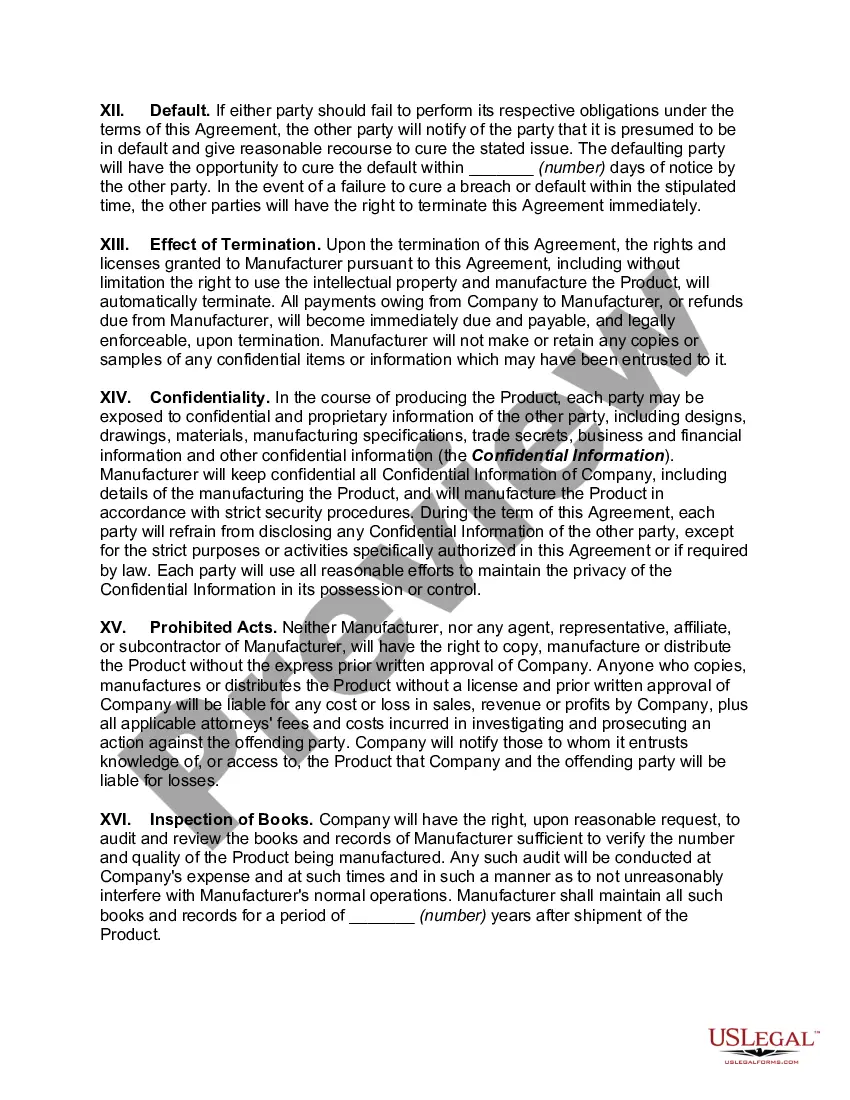
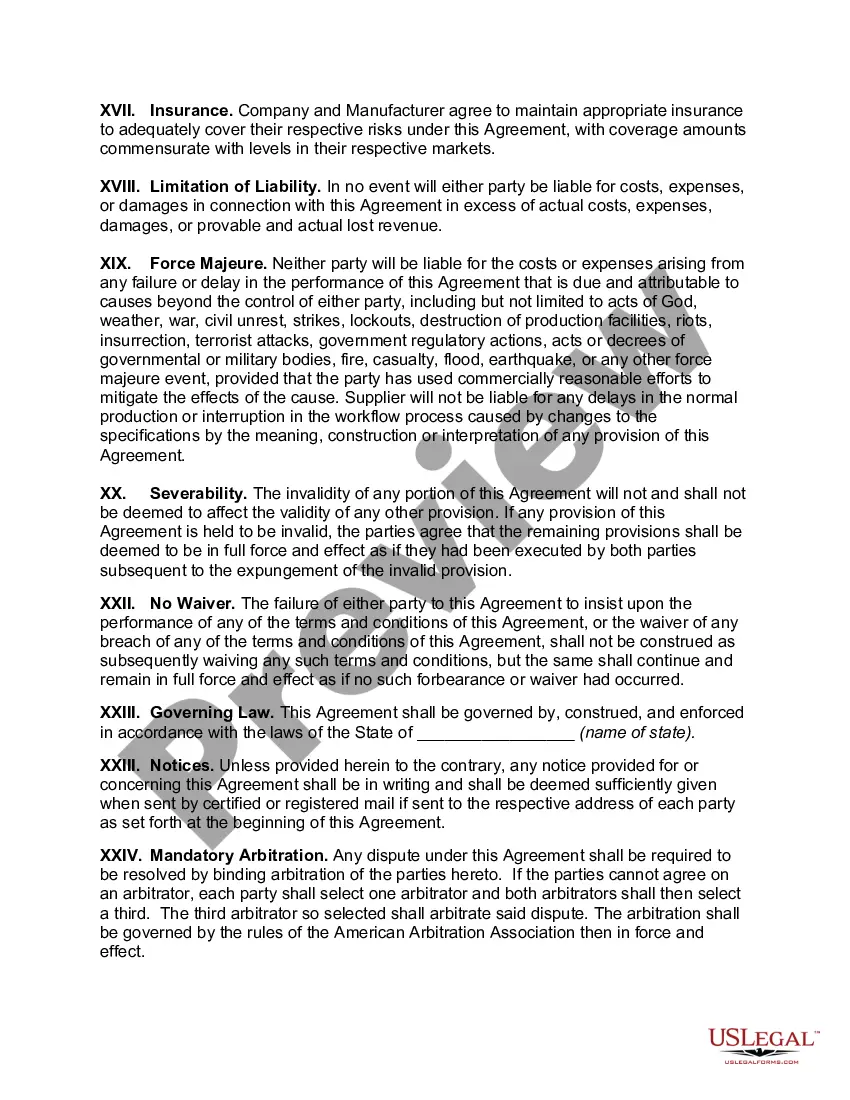
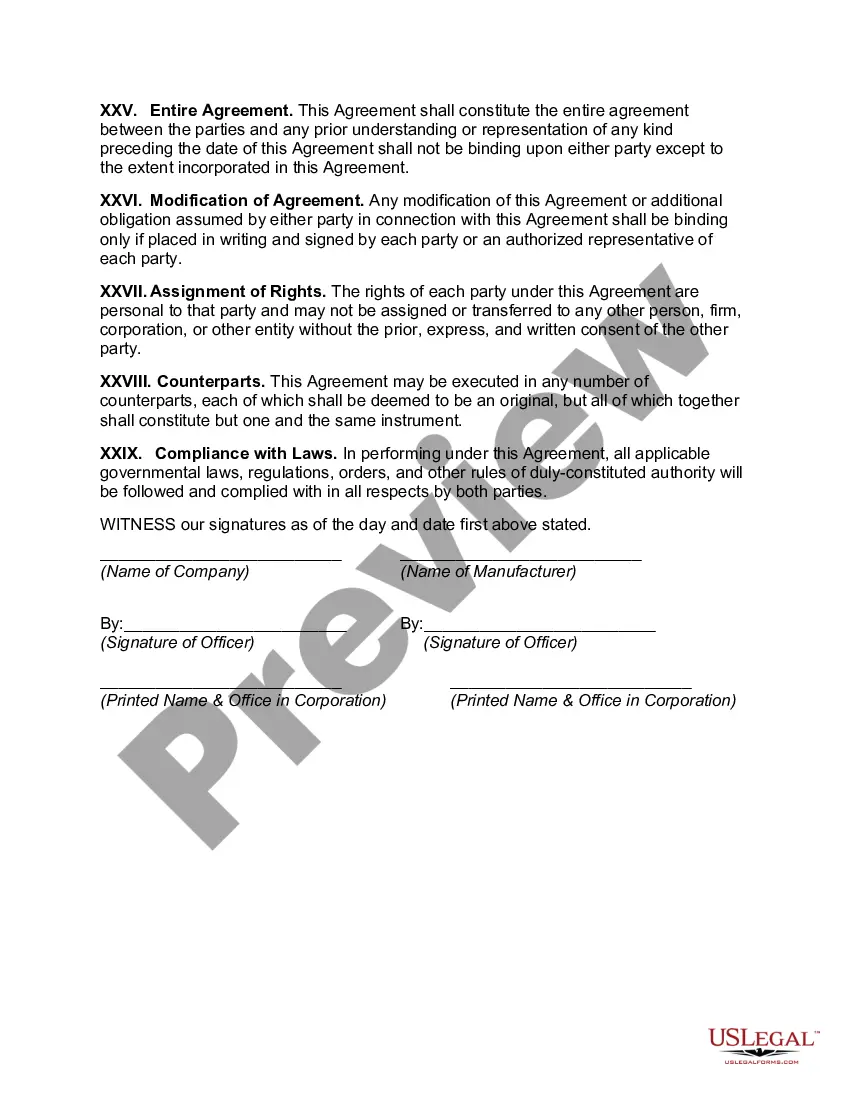
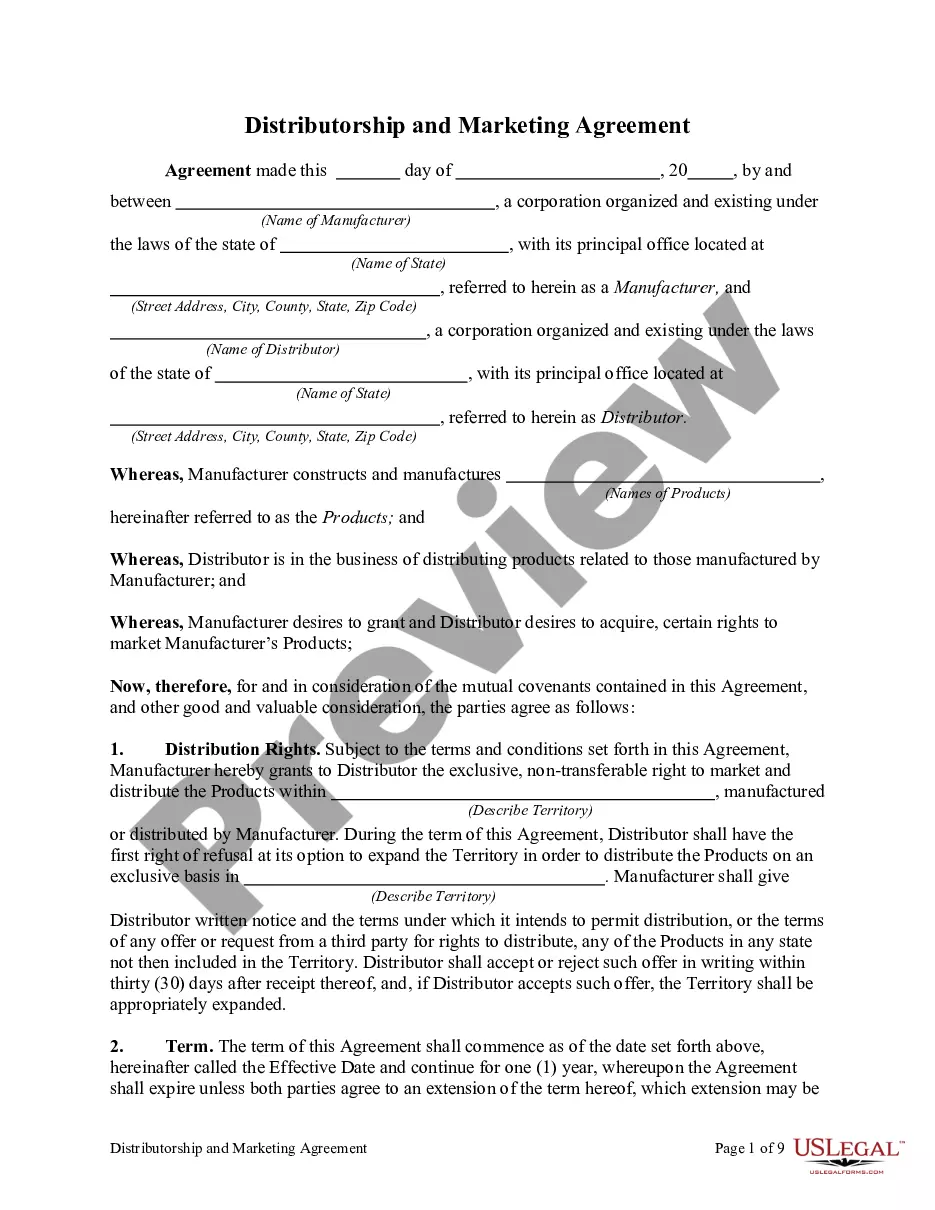
Get your form ready online
Our built-in tools help you complete, sign, share, and store your documents in one place.
Make edits, fill in missing information, and update formatting in US Legal Forms—just like you would in MS Word.
Download a copy, print it, send it by email, or mail it via USPS—whatever works best for your next step.
Sign and collect signatures with our SignNow integration. Send to multiple recipients, set reminders, and more. Go Premium to unlock E-Sign.
If this form requires notarization, complete it online through a secure video call—no need to meet a notary in person or wait for an appointment.
We protect your documents and personal data by following strict security and privacy standards.

Make edits, fill in missing information, and update formatting in US Legal Forms—just like you would in MS Word.

Download a copy, print it, send it by email, or mail it via USPS—whatever works best for your next step.

Sign and collect signatures with our SignNow integration. Send to multiple recipients, set reminders, and more. Go Premium to unlock E-Sign.

If this form requires notarization, complete it online through a secure video call—no need to meet a notary in person or wait for an appointment.

We protect your documents and personal data by following strict security and privacy standards.
Looking for another form?



How to fill out Toll Manufacturing Agreement?
Selecting the appropriate authorized document format could be a challenge. Obviously, there are numerous templates accessible online, but how can you acquire the legal form you require.
Utilize the US Legal Forms site. The service offers a vast array of templates, such as the Delaware Toll Manufacturing Agreement, suitable for both business and personal purposes. All documents are reviewed by experts and comply with federal and state regulations.
If you are already a registered user, sign in to your account and click on the Obtain button to locate the Delaware Toll Manufacturing Agreement. Use your account to browse through the legal forms you have previously acquired. Visit the My documents section of your account to download another copy of the document you need.
Select the file format and download the legal document format to your device. Complete, edit, print, and sign the downloaded Delaware Toll Manufacturing Agreement. US Legal Forms offers the largest collection of legal forms where you can find a variety of document templates. Use the service to download well-crafted papers that adhere to state regulations.
- Firstly, ensure you have selected the correct form for your state/region.
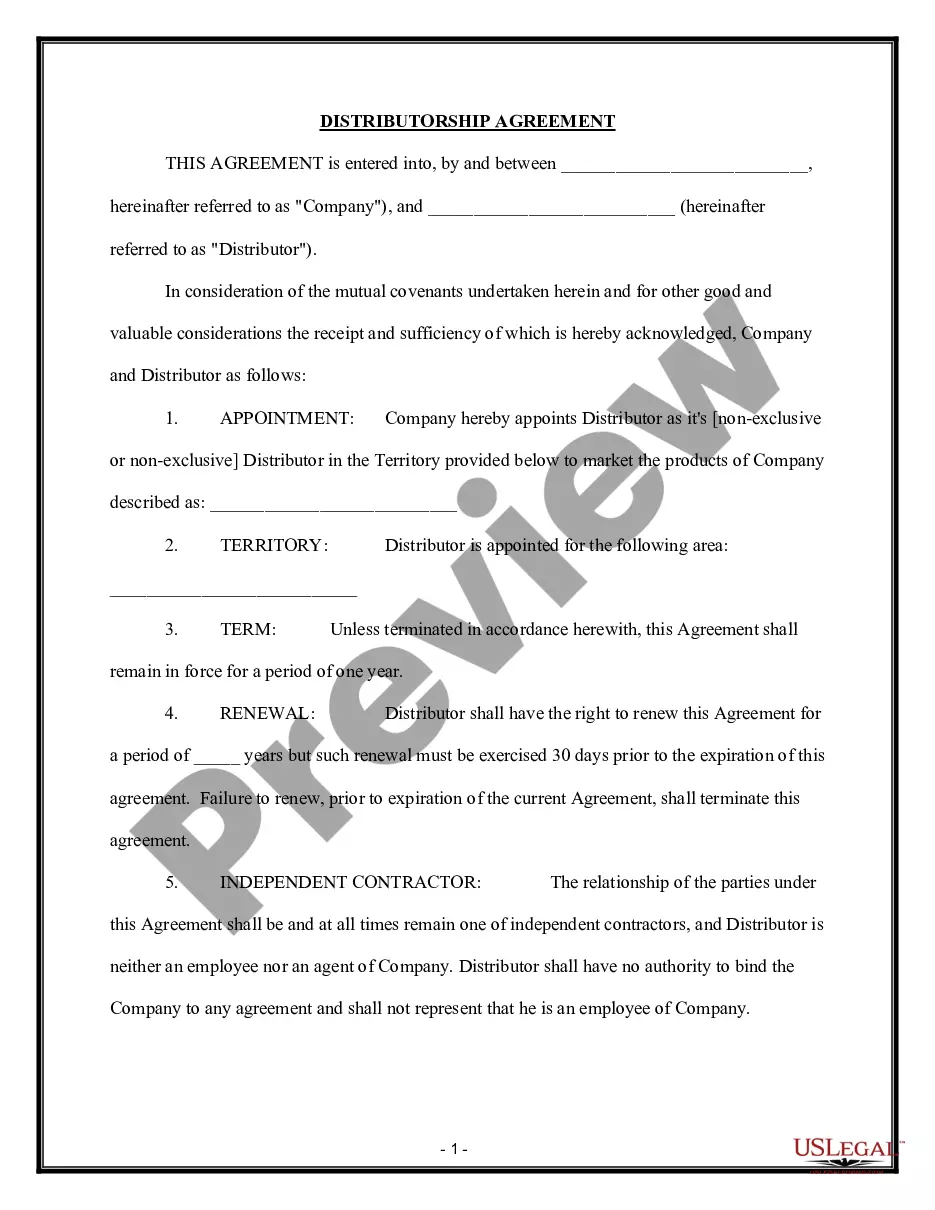
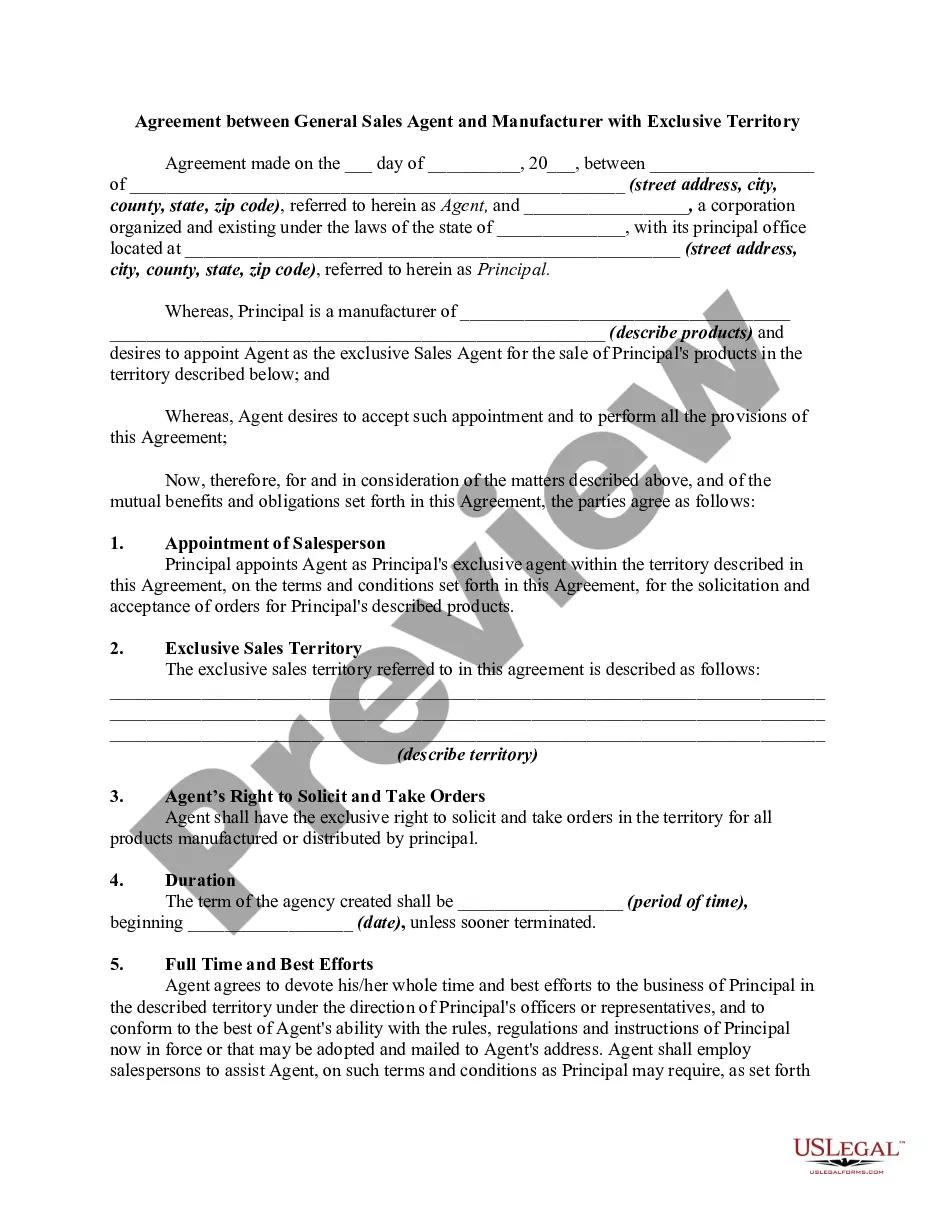
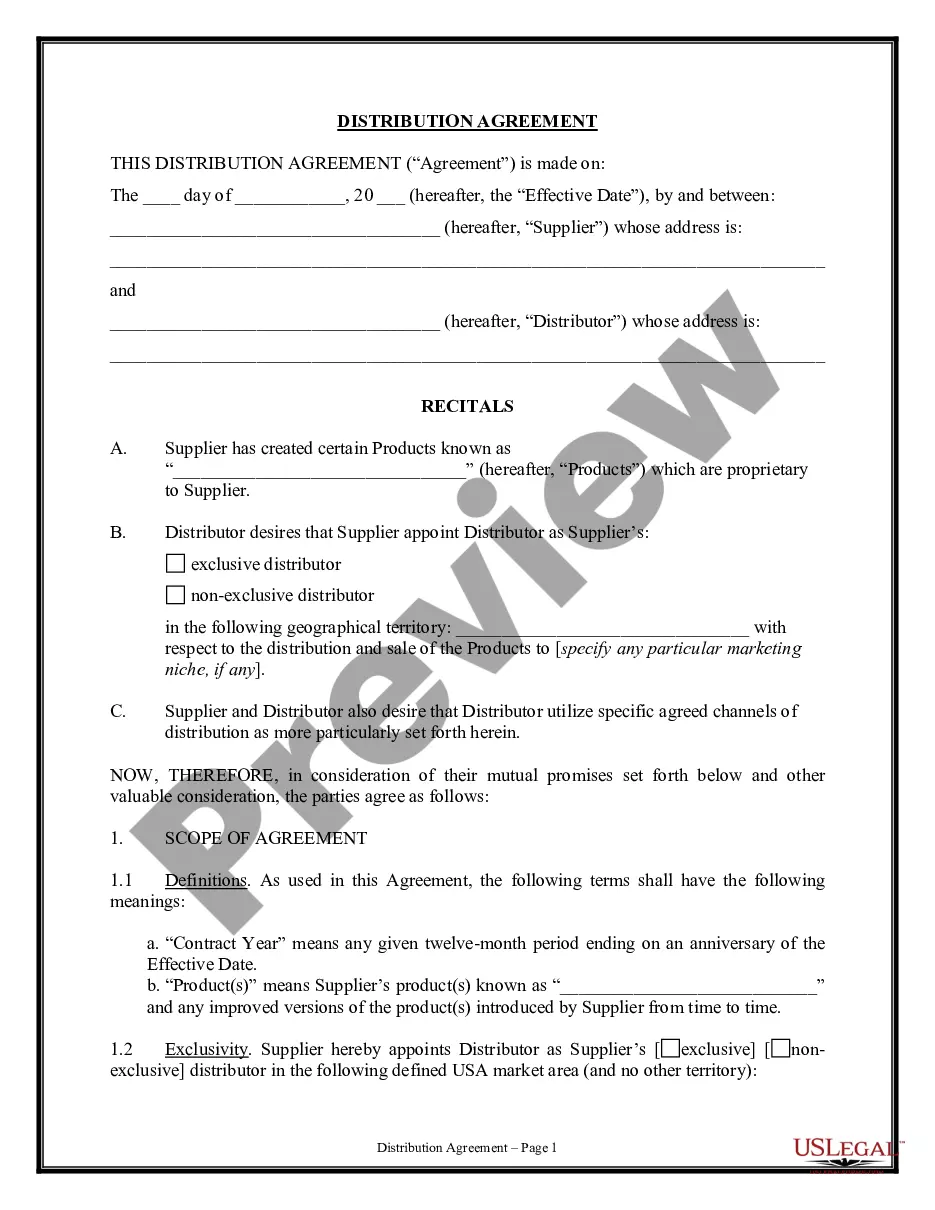
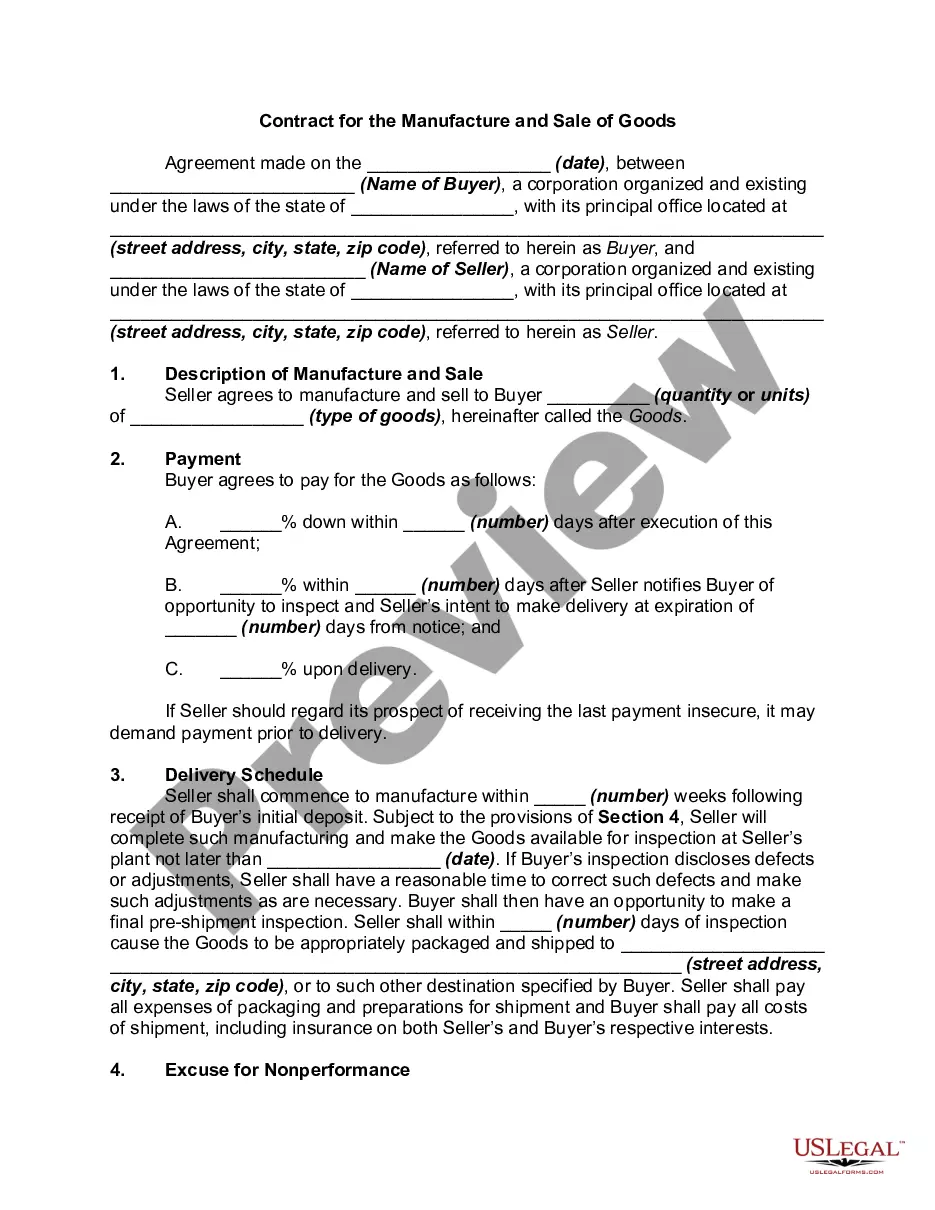
- You can view the document using the Preview button and read the document description to confirm it is suitable for you.
- If the form does not meet your requirements, utilize the Search field to find the right form.
- Once you are confident that the form is accurate, click on the Purchase now button to obtain the document.
- Choose your preferred pricing plan and input the necessary information.
- Create your account and pay for your order using your PayPal account or credit card.
Form popularity
FAQ
A toll agreement is a contractual arrangement where one company (the client) pays another (the toll manufacturer) to produce goods on its behalf. In the context of a Delaware Toll Manufacturing Agreement, this setup enables companies to leverage specialized expertise and equipment without significant capital investment. These agreements efficiently streamline operations, allowing businesses to access high-quality manufacturing services tailored to their specific needs.
A manufacturer is a company that produces goods from raw materials and typically sells those goods directly to consumers. In contrast, a contract manufacturer, as defined in a Delaware Toll Manufacturing Agreement, produces goods on behalf of another company, which retains ownership of the products. This difference enables businesses to outsource their production needs while focusing on their core activities, making it a strategic choice for many companies seeking efficiency.
The primary difference between contract manufacturing and toll manufacturing lies in the ownership of materials. In contract manufacturing, the contractor often buys the materials, handles production, and sells finished goods to the client. However, in a Delaware Toll Manufacturing Agreement, the client retains ownership of the materials and pays the manufacturer only for processing fees. This distinction allows businesses to maintain tighter control over their inventory and production costs.
A toll manufacturing arrangement is a contractual agreement where one company provides manufacturing services to another. This typically involves the client supplying raw materials, while the toll manufacturer produces the final products according to agreed specifications. Utilizing a Delaware Toll Manufacturing Agreement can streamline operations, reduce costs, and improve time to market for both parties involved. Such arrangements are ideal for businesses looking to enhance their production without assuming the burdens of ownership.
A tolling manufacturer is a business that produces goods for another company using the latter's materials. In a Delaware Toll Manufacturing Agreement, the manufacturer processes the raw materials on behalf of the client, transforming them into finished products. This arrangement allows companies to leverage specialized equipment and expertise without investing heavily in manufacturing infrastructure. It is an efficient solution for businesses that require flexibility in production.
Subcontractors are typically engaged to perform specific tasks in a broader project, while manufacturers are responsible for producing entire products. In many cases, a manufacturer may also use subcontractors for particular functions within the production process. When considering a Delaware Toll Manufacturing Agreement, it’s important to clarify the roles of each party to ensure smooth operations and clear expectations.
Toll manufacturing refers to the practice of a company (the toll manufacturer) producing goods for another company through a contractual arrangement. The customer retains ownership of the materials and the final product, allowing for flexibility in production without the commitment to full-scale manufacturing. This model is widely used in various industries and exemplified by the Delaware Toll Manufacturing Agreement, which enables efficient resource use.
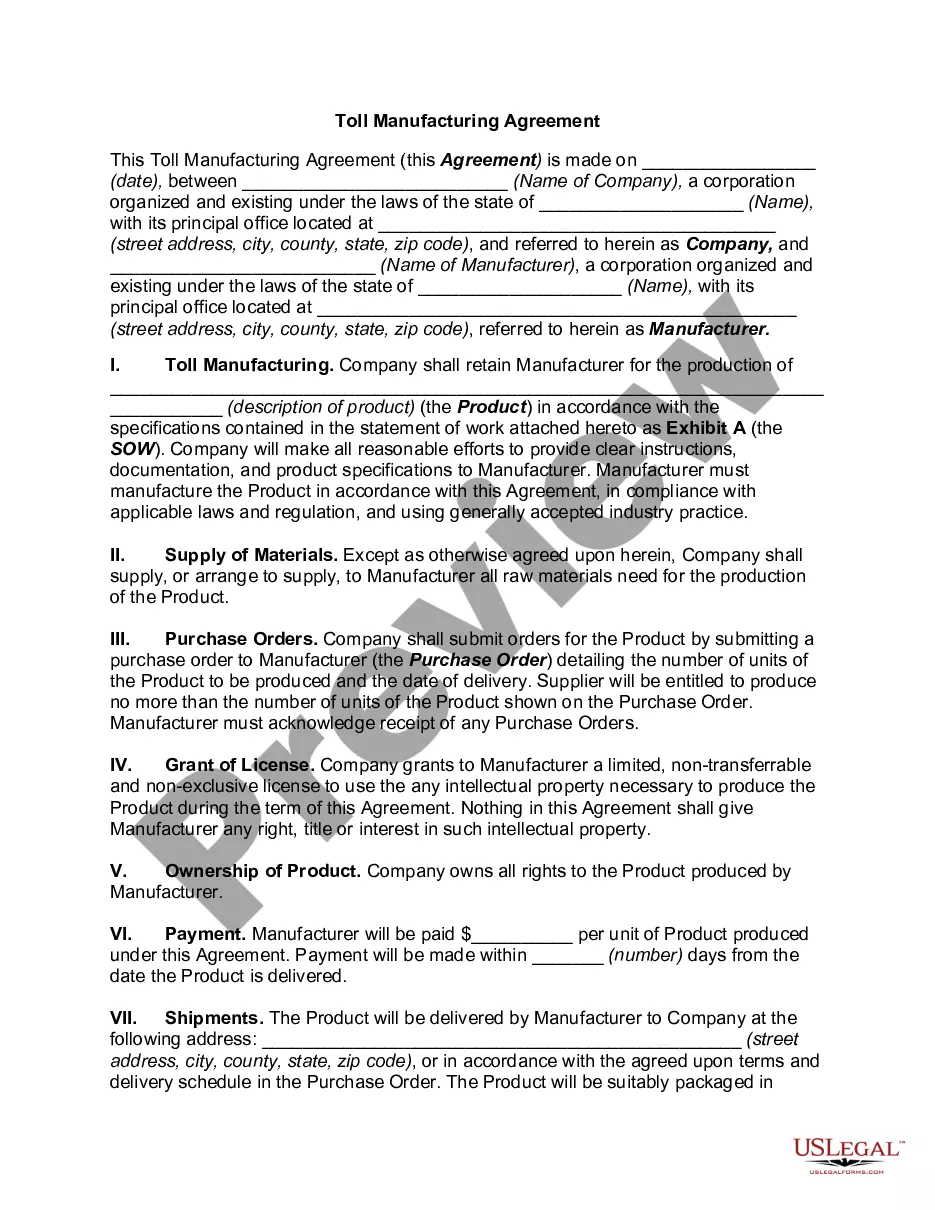
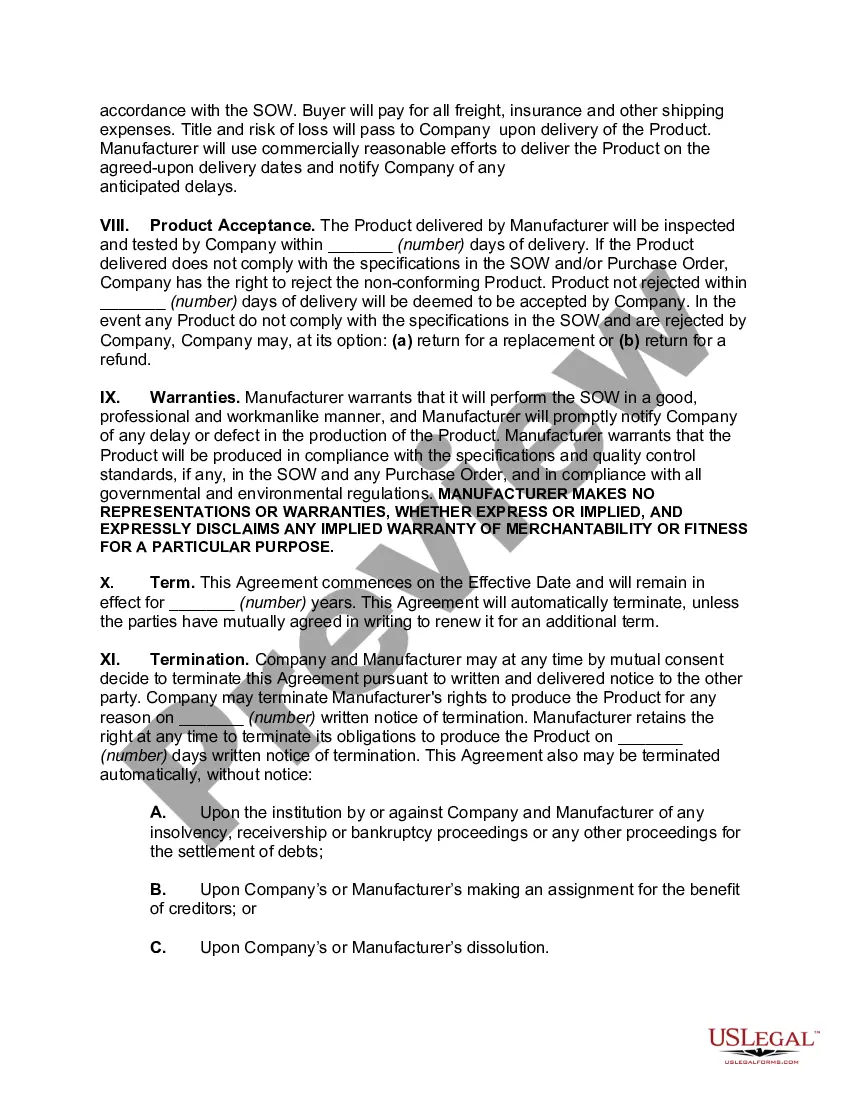
A toll manufacturing agreement is a contract where one company provides manufacturing services for another company's products without taking ownership of the goods. Under this agreement, the toll manufacturer processes raw materials supplied by the customer and delivers the finished products. This arrangement can be particularly beneficial when companies want to reduce costs, avoid investments in equipment, or expand production capabilities.
Toll manufacturing, as described in a Delaware Toll Manufacturing Agreement, means that a manufacturer processes a client's raw materials, while the client retains ownership of the finished goods. Subcontracting, however, typically transfers more responsibility to the subcontractor for producing the product. Essentially, toll manufacturers work under specific agreements, while subcontractors may have broader operational control.
Subcontract manufacturing involves hiring another company to perform specific production functions for your products. This approach allows you to focus on core operations while leveraging the expertise of specialized manufacturers. Within the framework of a Delaware Toll Manufacturing Agreement, subcontracting can help streamline processes while ensuring quality and efficiency.