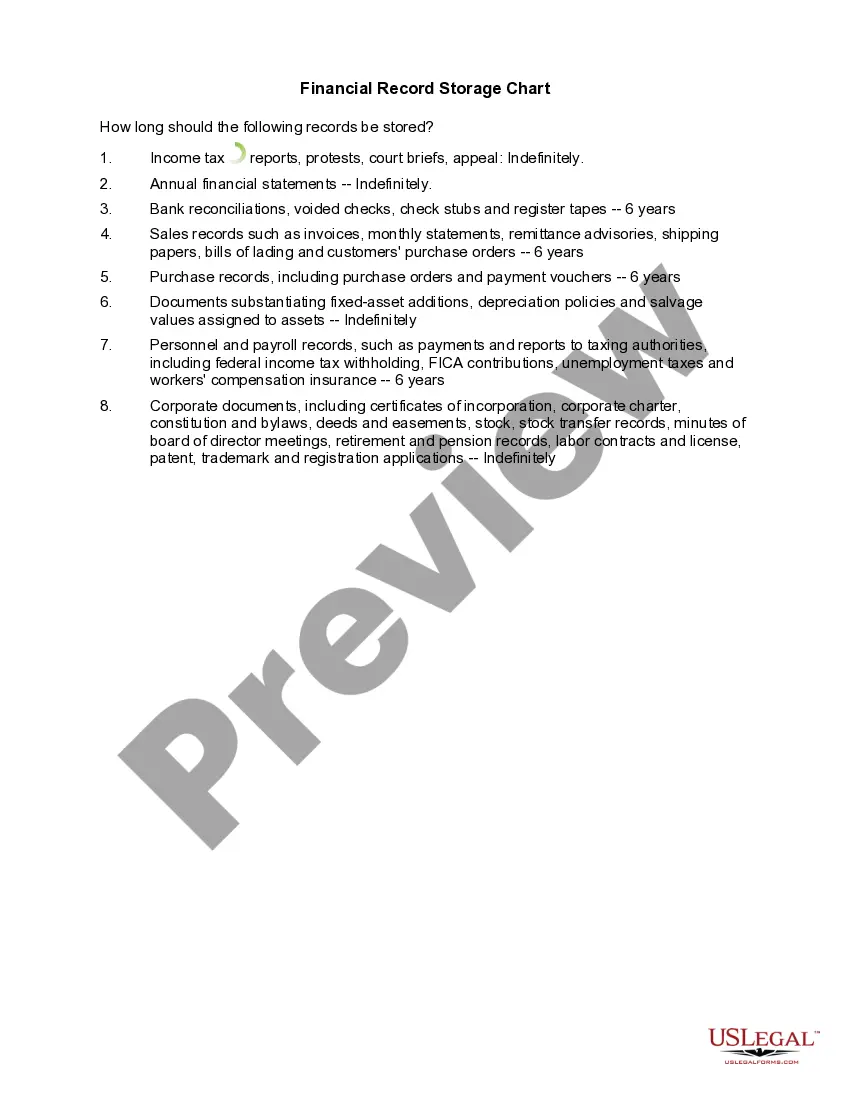
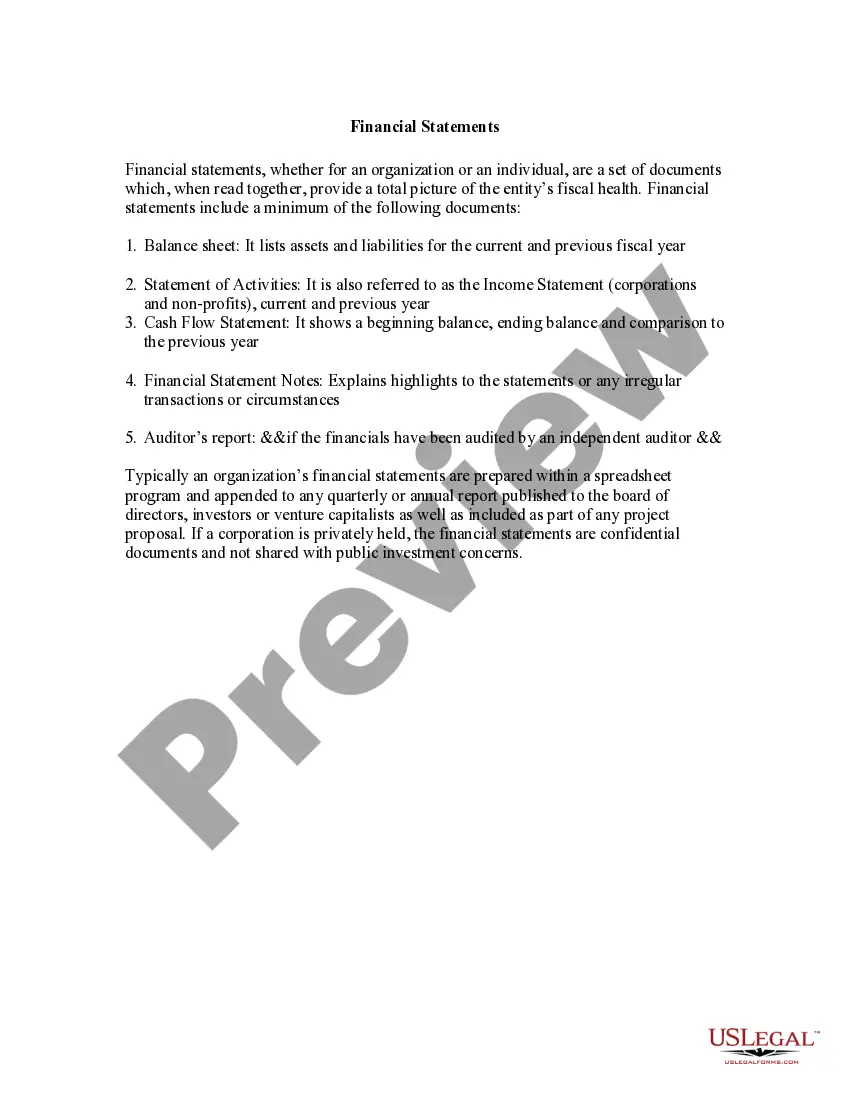
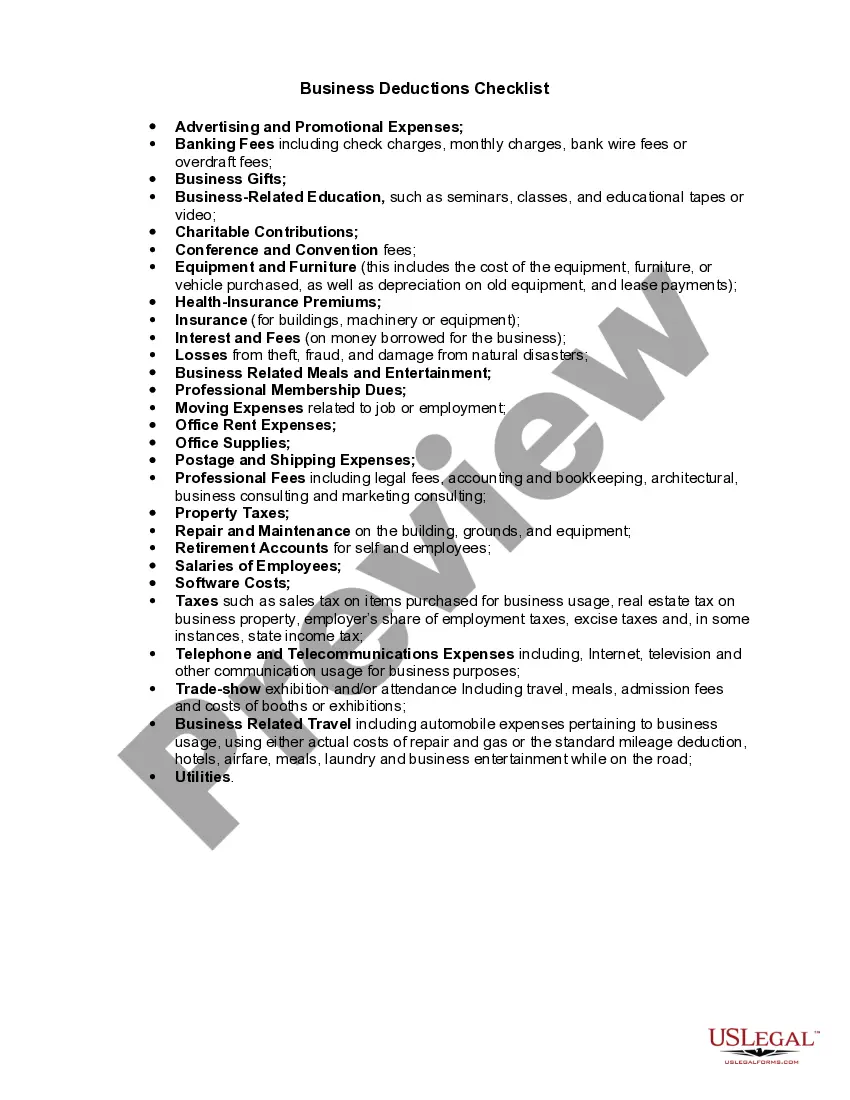
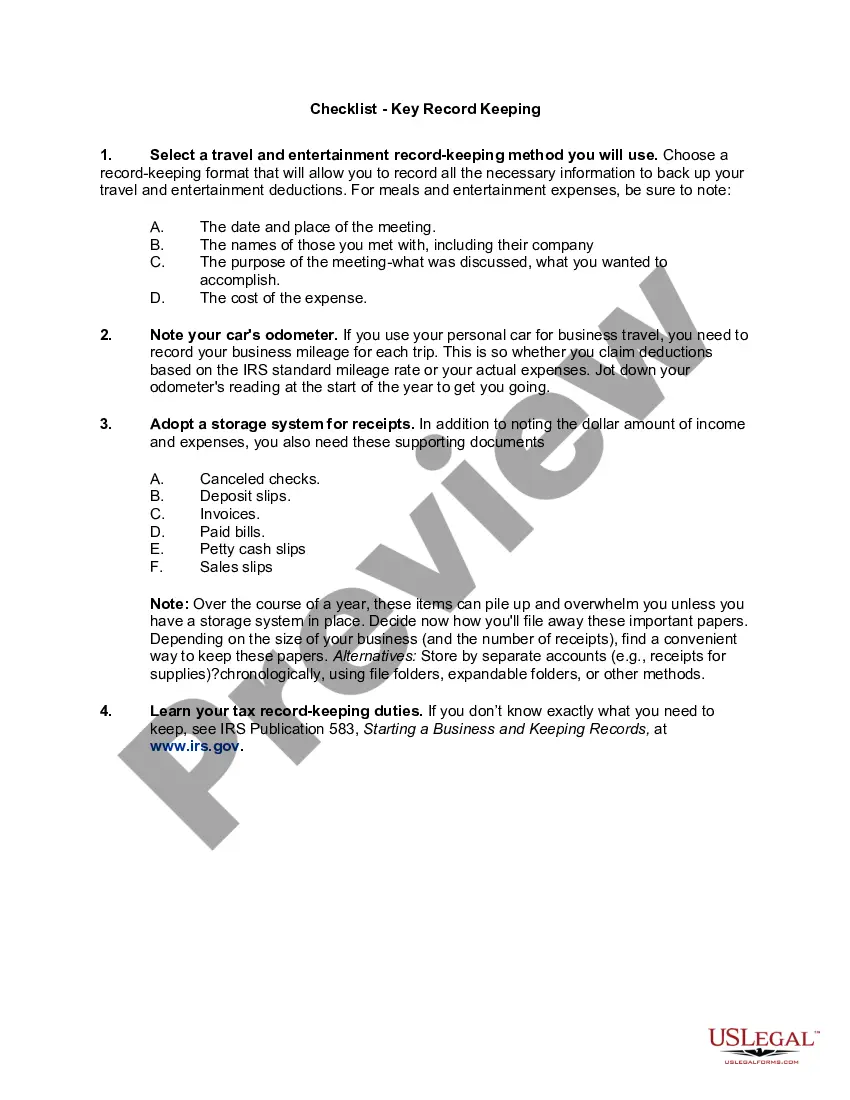
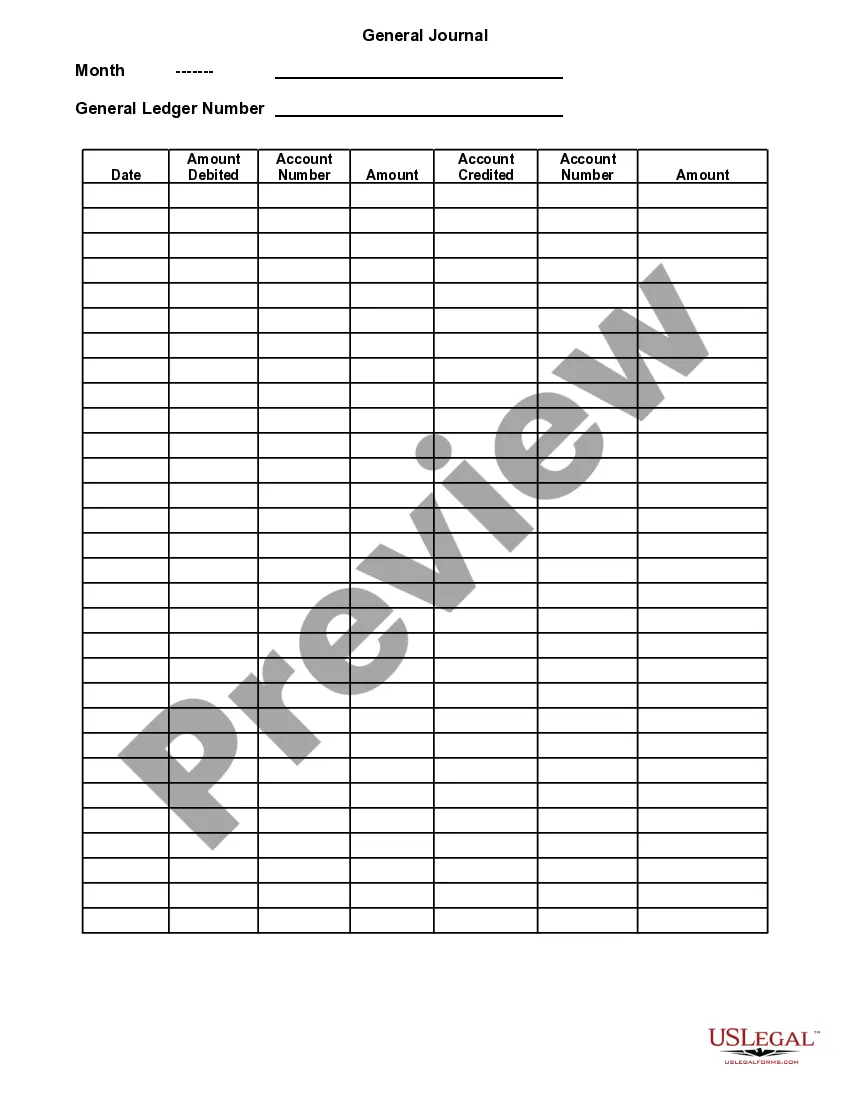
Delaware Financial Record Storage Chart
Description
Get your form ready online
Our built-in tools help you complete, sign, share, and store your documents in one place.
Make edits, fill in missing information, and update formatting in US Legal Forms—just like you would in MS Word.
Download a copy, print it, send it by email, or mail it via USPS—whatever works best for your next step.
Sign and collect signatures with our SignNow integration. Send to multiple recipients, set reminders, and more. Go Premium to unlock E-Sign.
If this form requires notarization, complete it online through a secure video call—no need to meet a notary in person or wait for an appointment.
We protect your documents and personal data by following strict security and privacy standards.

Make edits, fill in missing information, and update formatting in US Legal Forms—just like you would in MS Word.

Download a copy, print it, send it by email, or mail it via USPS—whatever works best for your next step.

Sign and collect signatures with our SignNow integration. Send to multiple recipients, set reminders, and more. Go Premium to unlock E-Sign.

If this form requires notarization, complete it online through a secure video call—no need to meet a notary in person or wait for an appointment.

We protect your documents and personal data by following strict security and privacy standards.
Looking for another form?
How to fill out Financial Record Storage Chart?
Locating the appropriate approved document template can be a challenge.
Of course, there are numerous templates accessible online, but how will you find the official form you need.
Utilize the US Legal Forms website. This service offers thousands of templates, such as the Delaware Financial Document Storage Chart, which can be utilized for both business and personal purposes.
You can preview the form using the Preview button and read the form description to ensure it is the right one for you.
- All the documents are vetted by experts and comply with state and federal regulations.
- If you are already registered, Log In to your account and click the Download button to obtain the Delaware Financial Document Storage Chart.
- You can access the legal documents you have previously acquired using your account.
- Go to the My documents section of your account to retrieve another copy of the document you need.
- If you are a new user of US Legal Forms, here are easy steps for you to follow.
- First, make sure you have selected the correct form for your city or county.
Form popularity
FAQ
Financial documents should generally be kept for three to seven years, depending on the type of document and its relevance. Important documents, such as tax returns and financial statements, often need longer retention. The Delaware Financial Record Storage Chart offers a comprehensive overview of these timeframes. Using uslegalforms can streamline your document management and ensure compliance with both state and federal retention policies.
The IRS guidelines recommend keeping tax-related documents for at least three years after filing your tax return. However, if you have claimed deductions for a loss or unreported income, you may need to retain records for longer. The Delaware Financial Record Storage Chart can assist you in understanding how long to keep specific documents for IRS compliance. Online resources, such as uslegalforms, can provide further clarity and support for your document retention needs.
The Generally Accepted Accounting Principles (GAAP) dictate that financial records must be retained for a minimum of seven years. This timeframe ensures compliance and allows for adequate review and auditing. For businesses in Delaware, the Delaware Financial Record Storage Chart provides clear retention timelines and recommendations. Using a platform like uslegalforms helps ensure your records meet GAAP standards and contributes to effective financial management.
The guidelines for financial document retention focus on keeping essential records that support your financial transactions. Typically, you should store these documents for a minimum of three to seven years, depending on their nature. The Delaware Financial Record Storage Chart can help you understand specific requirements for your state. Utilizing a reliable platform like uslegalforms can make managing these records easier and more efficient.
The length of time a company must keep financial records can vary based on state laws and the type of record. Generally, companies in Delaware should keep financial records for a period of seven years, as noted in the Delaware Financial Record Storage Chart. Understanding these requirements is crucial for compliance. Utilizing services like US Legal Forms can help you navigate record retention more easily.
In general, you should keep essential financial records such as tax returns, receipts, invoices, and bank statements for at least seven years. This duration helps ensure you meet legal requirements and can provide documentation if needed. To manage these documents efficiently, consult the Delaware Financial Record Storage Chart. Solutions like US Legal Forms can also assist in maintaining organized records.
Many banks typically keep records for longer than seven years. However, the duration can vary, depending on the bank's policies and the type of record. It is important to refer to the Delaware Financial Record Storage Chart for specific details regarding record retention. You might also consider using platforms like US Legal Forms to simplify record-keeping processes.
Financial record keeping is a shared responsibility within a business, typically falling on the accountants or financial officers. Business owners also play a significant role in ensuring that records are maintained accurately. Utilizing tools and resources, like the Delaware Financial Record Storage Chart, can enhance the efficiency of record keeping. Clarity in roles and responsibilities ensures compliance and accountability.
Financial institutions generally need to keep records for a minimum of five years according to federal regulations. However, specific types of records may require longer retention periods. It is wise to refer to the Delaware Financial Record Storage Chart for precise information on various record types. Compliance with these timelines is crucial for avoiding penalties.
The responsibility for storing financial records lies with the business owners and designated staff members. It is essential to have clear policies regarding who manages these records. Additionally, using a secure storage solution will protect sensitive information. The Delaware Financial Record Storage Chart can help you understand best practices and legal requirements for record storage.