Delaware Specific Power of Attorney
Understanding this form
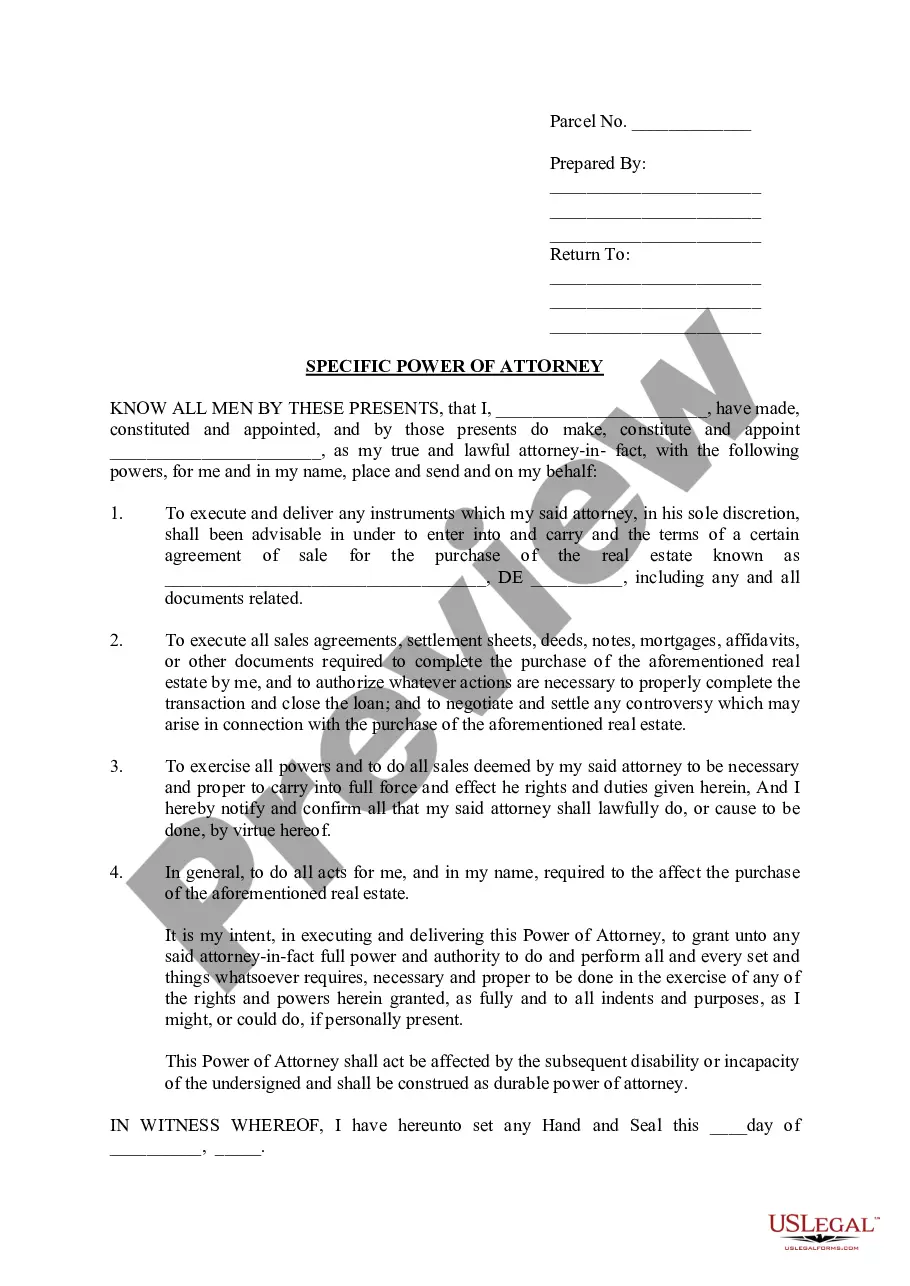
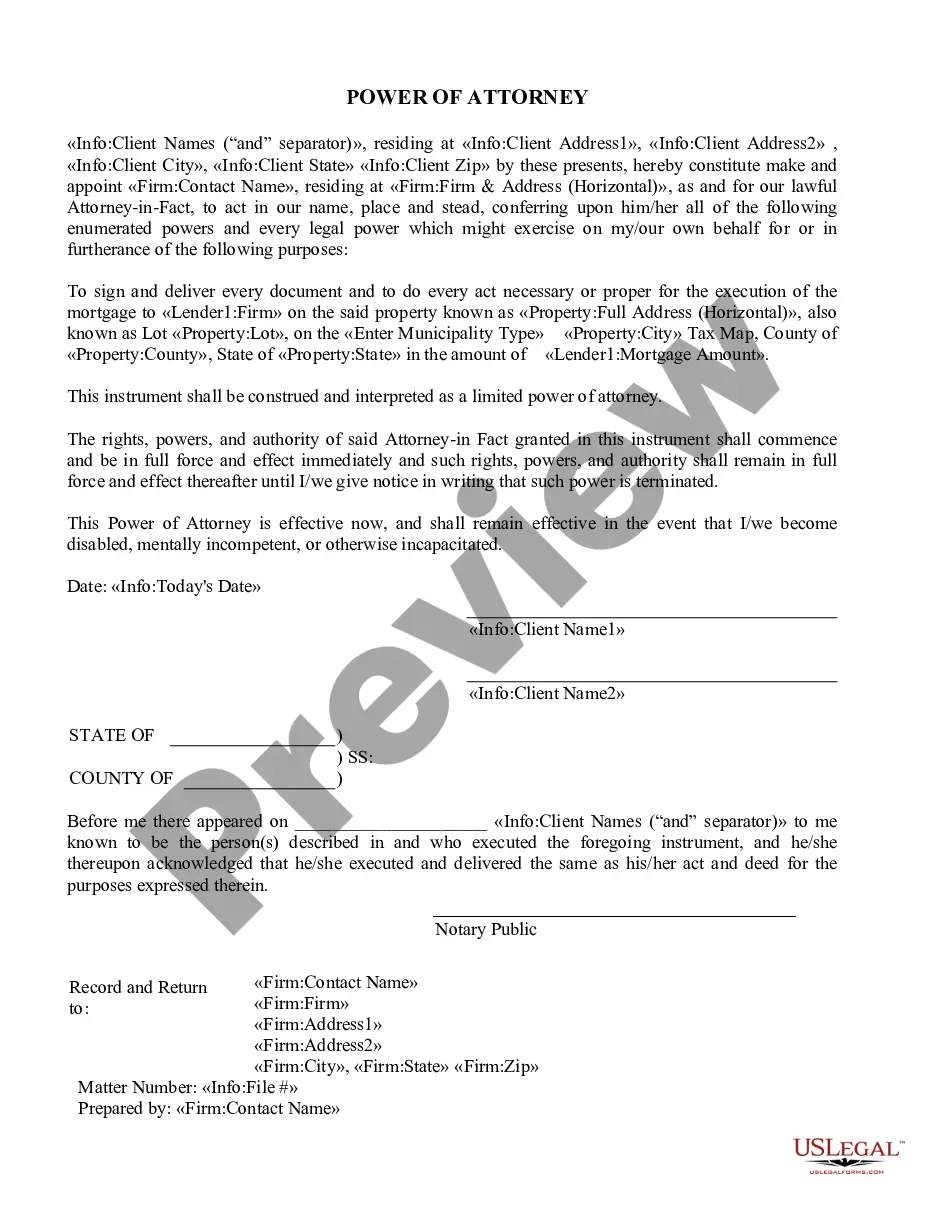
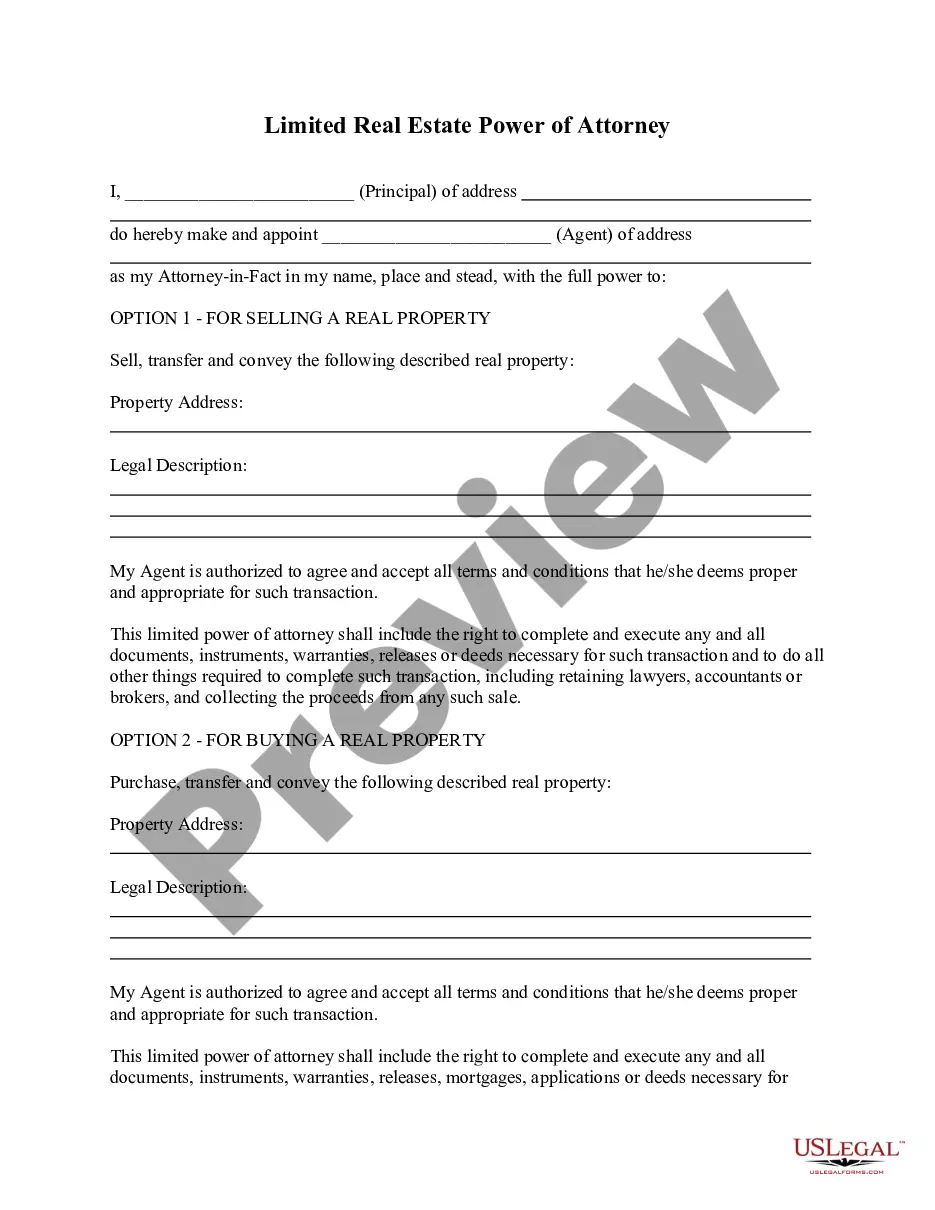
A specific power of attorney is a legal document that allows you to appoint an agent to act on your behalf for a limited purpose, specifically regarding a particular parcel of real estate. Unlike a general power of attorney, which grants broad authority, a specific power of attorney limits the agent's powers to the specifics outlined in the document, such as purchasing or selling property. This ensures that the agent can only make decisions within the parameters set by you, the principal.
Form components explained
- Parcel Number: Identifies the specific real estate property involved.
- Principal Information: Details the name of the principal granting the power.
- Agent Information: Names the attorney-in-fact being appointed.
- Powers Granted: Specifies the actions the agent can take, including executing sales agreements and related documents.
- Durability Clause: States that the power remains effective even if the principal becomes incapacitated.
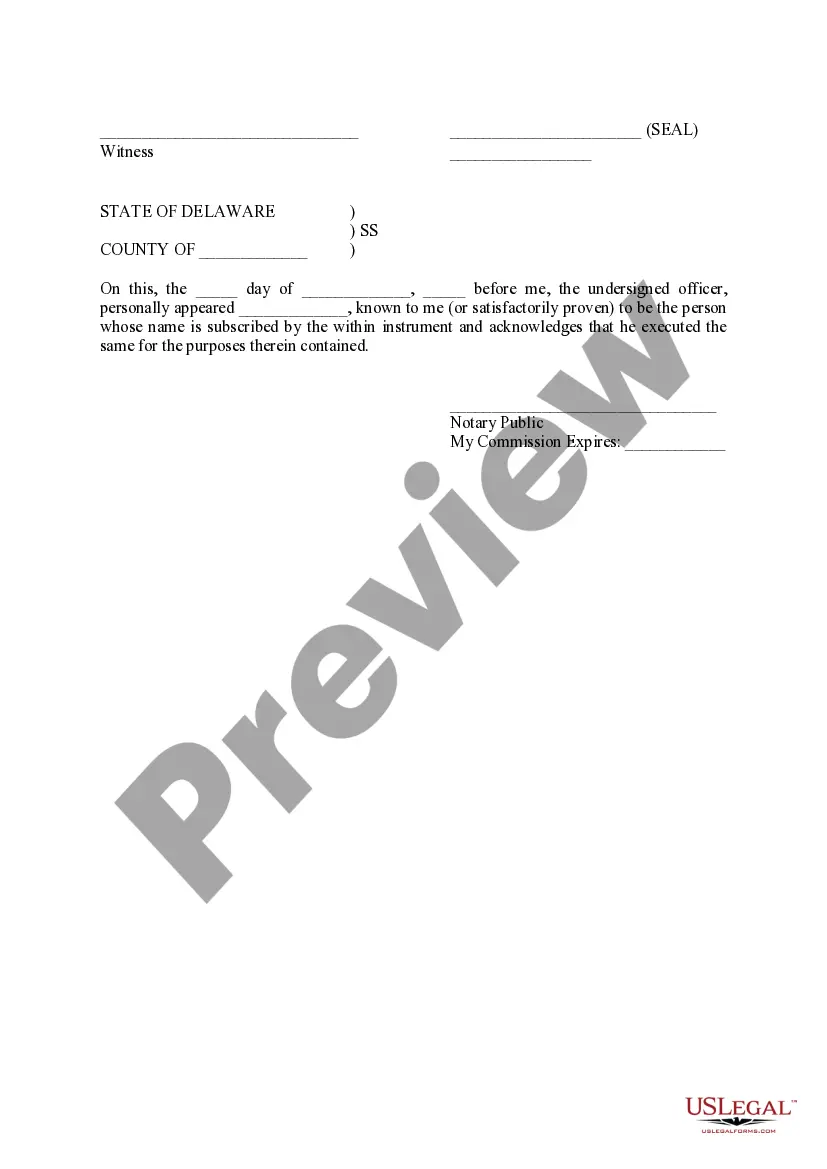
- Witness and Notary Sections: Provides space for witnesses and a notary public to validate the document.
When to use this document
This specific power of attorney should be used when you need someone to act on your behalf in a real estate transaction, especially if you cannot be physically present. Common scenarios include cases where the principal is out of state, unable to attend closing meetings, or requires someone to manage the details of a property sale or purchase due to time constraints or health issues.
Who needs this form
- Individuals looking to authorize someone else to handle specific real estate transactions.
- Property owners who are unable to attend closing meetings or sign documents due to absence or incapacity.
- Clients working with real estate agents who need formal authorization to act on their behalf.
Completing this form step by step
- Identify the parcel number of the real estate involved.
- Enter the names of the principal and the agent you are appointing.
- Detail the specific powers granted to the agent regarding the real estate transaction.
- Sign and date the form in the presence of a witness and a notary public, if required.
- Ensure all fields are filled out correctly to avoid any disputes or legal issues.
Notarization guidance
Yes, this form must be notarized to be legally valid. Notarization serves to verify the identity of the signatories and the integrity of the document. US Legal Forms offers integrated online notarization services, allowing you to complete this process securely through a video call, 24/7, without needing to travel.
Get your form ready online
Our built-in tools help you complete, sign, share, and store your documents in one place.
Make edits, fill in missing information, and update formatting in US Legal Forms—just like you would in MS Word.
Download a copy, print it, send it by email, or mail it via USPS—whatever works best for your next step.
Sign and collect signatures with our SignNow integration. Send to multiple recipients, set reminders, and more. Go Premium to unlock E-Sign.
If this form requires notarization, complete it online through a secure video call—no need to meet a notary in person or wait for an appointment.
We protect your documents and personal data by following strict security and privacy standards.

Make edits, fill in missing information, and update formatting in US Legal Forms—just like you would in MS Word.

Download a copy, print it, send it by email, or mail it via USPS—whatever works best for your next step.

Sign and collect signatures with our SignNow integration. Send to multiple recipients, set reminders, and more. Go Premium to unlock E-Sign.

If this form requires notarization, complete it online through a secure video call—no need to meet a notary in person or wait for an appointment.

We protect your documents and personal data by following strict security and privacy standards.
Avoid these common issues
- Failing to specify the parcel number or details of the real estate involved.
- Not signing the document in front of a witness or notary when required.
- Leaving blank fields that could lead to confusion about the powers granted.
Main things to remember
- A specific power of attorney limits the authority of the agent to certain actions regarding a specified real estate property.
- It is crucial to provide complete and accurate information to avoid legal complications.
- Notarization is essential for the document's validity.
Looking for another form?
Form popularity
FAQ
The easiest way to get a power of attorney in Delaware is to use an online service, like uslegalforms, that specializes in legal documents. You can select a Delaware Specific Power of Attorney template that suits your needs and fill it out conveniently from home. This method saves you time and ensures that the document adheres to the state's legal standards. By using such a platform, you can streamline the process, making it simple and efficient.
In Delaware, a medical power of attorney does not require notarization to be valid. However, it is advisable to have your Delaware Specific Power of Attorney notarized to prevent potential disputes. This added step can enhance the credibility of the document and ensure it meets all legal requirements. If you are unsure about the process, uslegalforms can guide you in creating a legally sound document.
A 2848 power of attorney in Delaware refers to a specific form used for tax purposes, allowing an individual to authorize an agent to represent them before the IRS. This form is particularly useful when handling tax matters, ensuring agents can act on your behalf. If you’re looking for guidance on how to effectively use this form, consider resources like US Legal Forms, which can help streamline the documentation process and enhance your understanding of a Delaware Specific Power of Attorney.
A limited power of attorney restricts authority to specific actions, while a specific power of attorney outlines precise tasks or decisions for a designated agent. Both types allow for more control over your affairs compared to a general power of attorney. When drafting a Delaware Specific Power of Attorney, it’s crucial to clearly define the scope of authority to ensure your wishes are followed. This clarity helps prevent any misunderstandings or misuse.
Yes, in Delaware, a power of attorney must be notarized to be valid. This notarization serves as a safeguard, ensuring that the document is authentic and that you are granting authority willingly. When preparing your Delaware Specific Power of Attorney, it’s vital to follow this requirement to prevent any issues down the line. Utilizing platforms like US Legal Forms can simplify this process further.
In Delaware, the four main types of power of attorney include general, limited, durable, and healthcare powers of attorney. Each type serves a different purpose, allowing you to grant varying levels of authority. A general power of attorney gives broad powers, while a limited power of attorney restricts authority to specific tasks. Understanding these types is essential when creating a Delaware Specific Power of Attorney, ensuring your needs are met.
To grant someone a Delaware Specific Power of Attorney, start by completing a power of attorney form that complies with Delaware law. Ensure that the form clearly states the powers you are granting to your agent, whether it includes managing finances, making health care decisions, or other specific tasks. After filling out the form, sign it in the presence of a notary public to ensure its validity. For a seamless process, consider using US Legal Forms, which provides accurate templates tailored to Delaware's requirements.
Filling out a Delaware Specific Power of Attorney form involves a few key steps. First, you need to identify the person you want to appoint as your agent; this person will act on your behalf. Next, provide the necessary personal information for both you and your agent, and clearly state the powers you wish to grant. Finally, ensure that you sign the document in the presence of a notary public to make it legally binding.