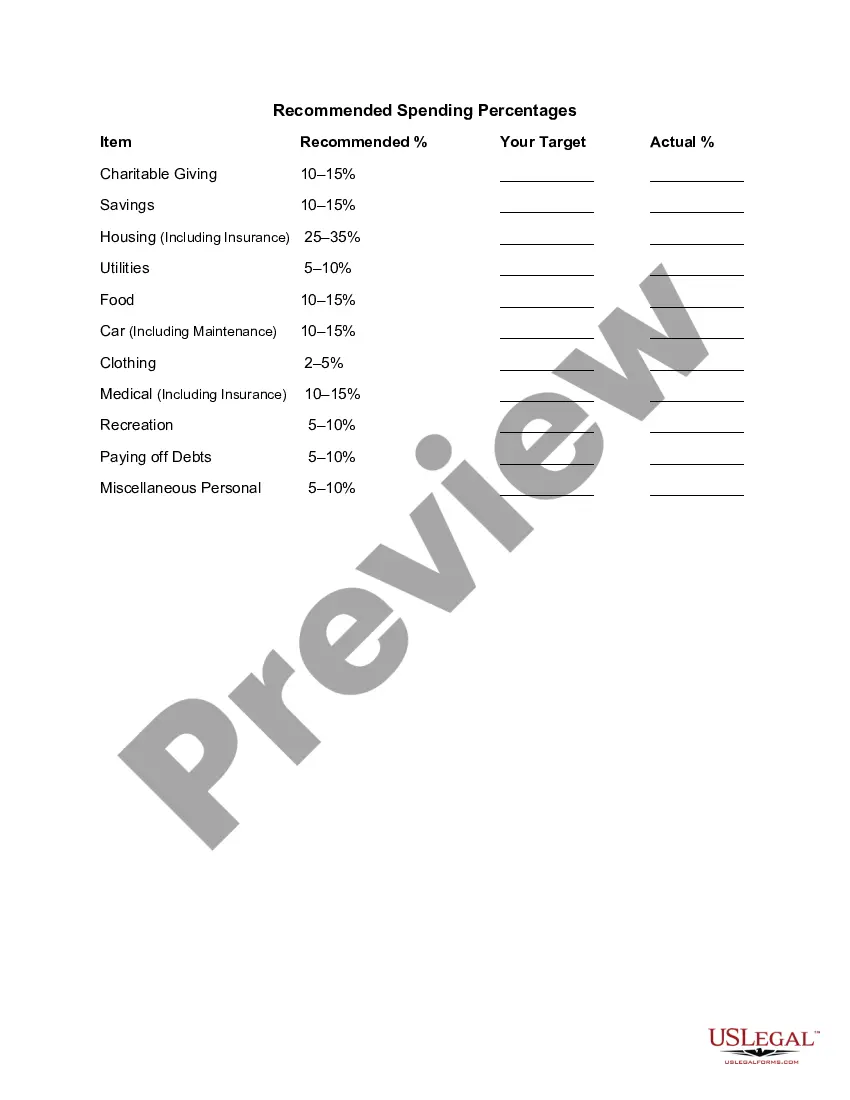
District of Columbia Recommended Spending Percentages
Description
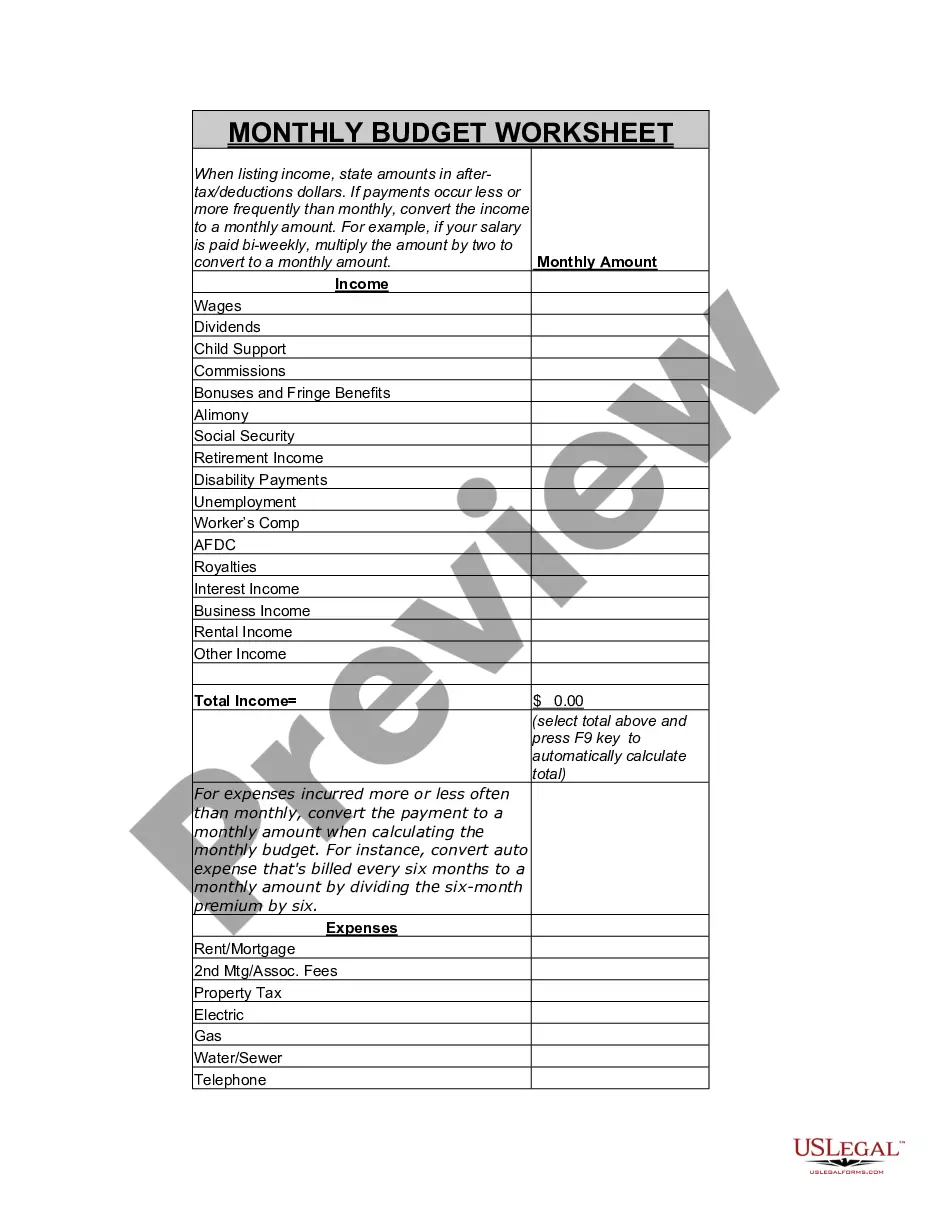
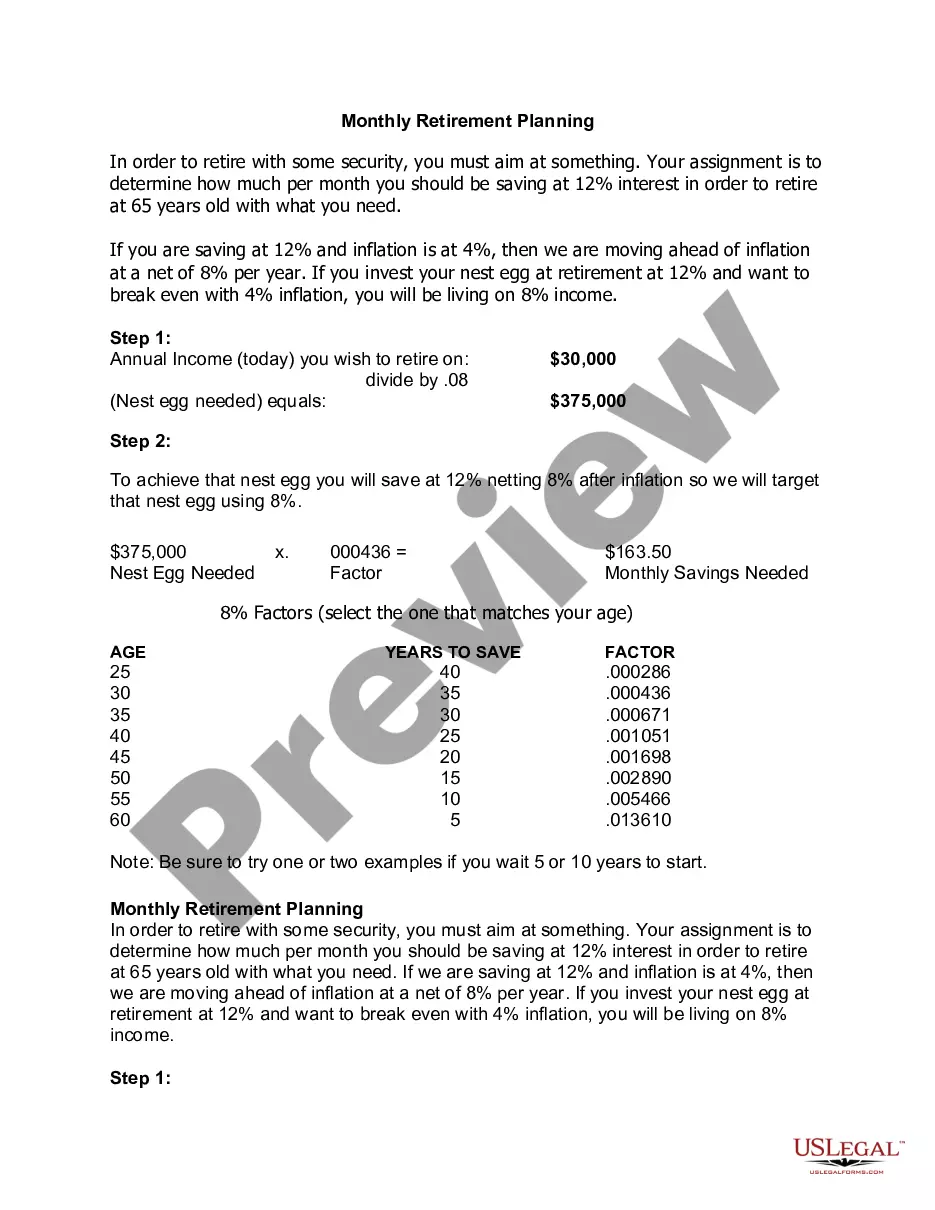
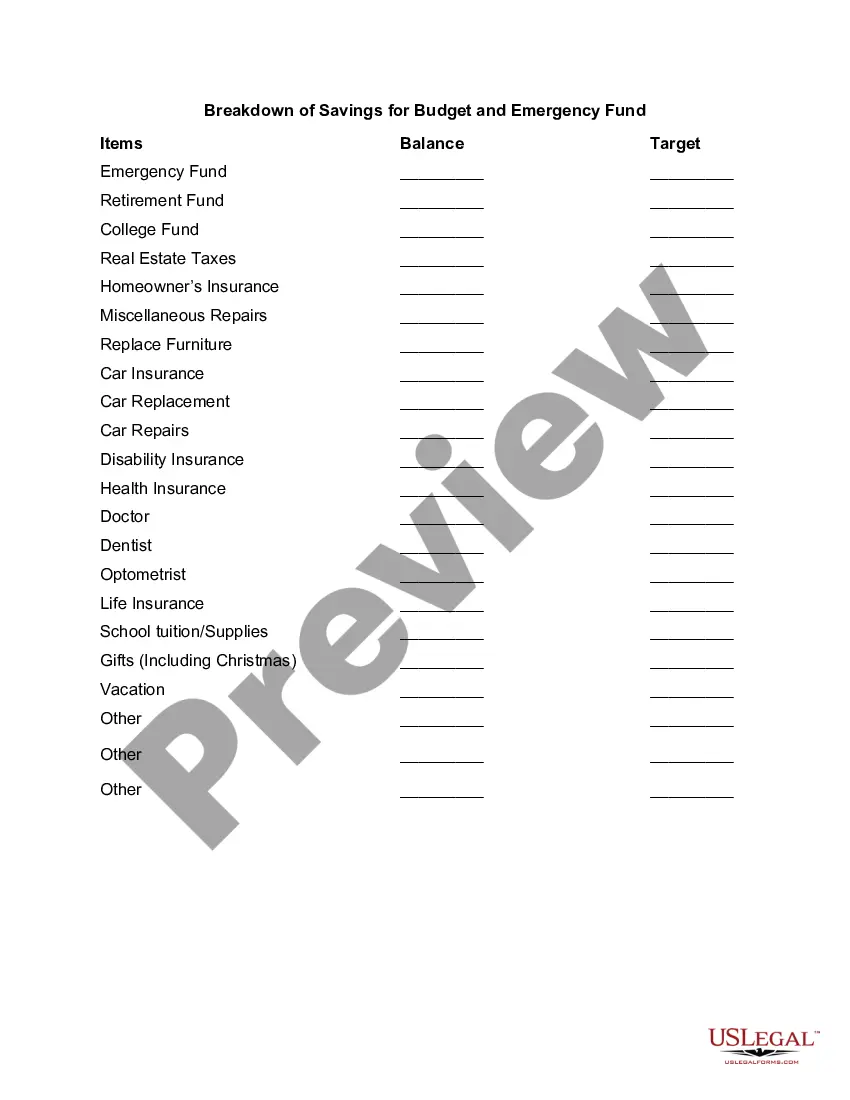
Get your form ready online
Our built-in tools help you complete, sign, share, and store your documents in one place.
Make edits, fill in missing information, and update formatting in US Legal Forms—just like you would in MS Word.
Download a copy, print it, send it by email, or mail it via USPS—whatever works best for your next step.
Sign and collect signatures with our SignNow integration. Send to multiple recipients, set reminders, and more. Go Premium to unlock E-Sign.
If this form requires notarization, complete it online through a secure video call—no need to meet a notary in person or wait for an appointment.
We protect your documents and personal data by following strict security and privacy standards.

Make edits, fill in missing information, and update formatting in US Legal Forms—just like you would in MS Word.

Download a copy, print it, send it by email, or mail it via USPS—whatever works best for your next step.

Sign and collect signatures with our SignNow integration. Send to multiple recipients, set reminders, and more. Go Premium to unlock E-Sign.

If this form requires notarization, complete it online through a secure video call—no need to meet a notary in person or wait for an appointment.

We protect your documents and personal data by following strict security and privacy standards.
Looking for another form?


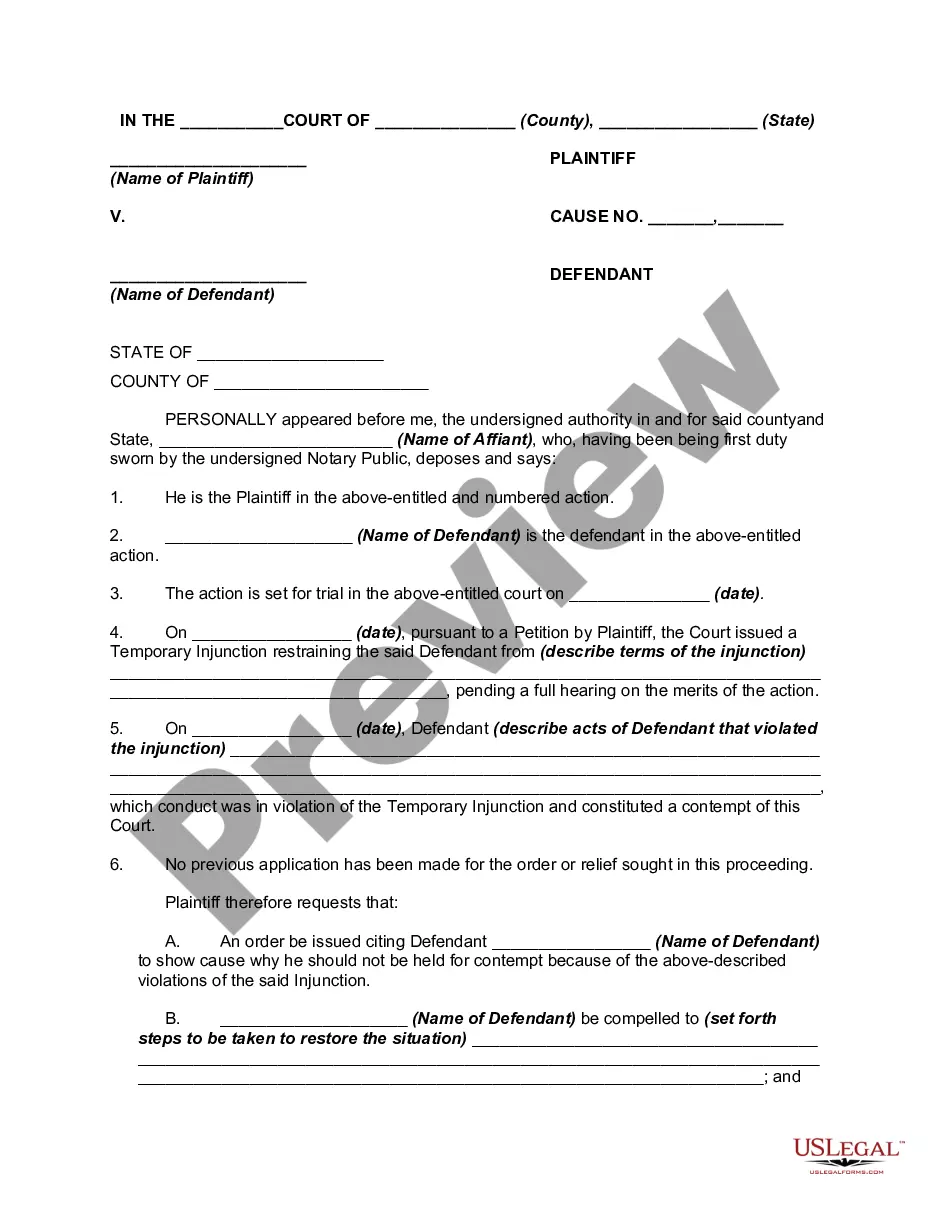


How to fill out Recommended Spending Percentages?
US Legal Forms - one of the most extensive collections of legal templates in the United States - offers a variety of legal document formats that you can download or print.
By using the site, you can access thousands of templates for business and personal purposes, categorized by type, state, or keywords. You can find the latest versions of documents such as the District of Columbia Recommended Spending Percentages in just minutes.
If you already have a monthly subscription, Log In and download the District of Columbia Recommended Spending Percentages from the US Legal Forms collection. The Download option will appear on every form you view. You have access to all previously acquired templates in the My documents section of your account.
Complete the transaction. Use your Visa, Mastercard, or PayPal account to finalize the transaction.
Select the format and download the document to your device. Make edits. Fill out, modify, print, and sign the downloaded District of Columbia Recommended Spending Percentages. Each template you add to your account does not have an expiration date and is yours permanently. Therefore, to download or print another copy, simply go to the My documents section and click on the template you need. Gain access to the District of Columbia Recommended Spending Percentages with US Legal Forms, one of the largest collections of legal document formats. Utilize thousands of professional and jurisdiction-specific templates that meet your business or personal needs.
- If you want to use US Legal Forms for the first time, here are simple steps to get started.
- Make sure you have selected the correct template for your city/state.
- Click on the Preview option to review the content of the form.
- Check the form summary to ensure you have chosen the appropriate template.
- If the template does not fit your criteria, use the Search box at the top of the screen to find one that does.
- If you are satisfied with the document, confirm your choice by clicking the Get now button.
- Next, select the pricing plan you prefer and provide your details to create an account.
Form popularity
FAQ
A salary of $90,000 in Washington, DC, can be manageable, depending on your lifestyle and spending habits. It is essential to align your budget with the District of Columbia Recommended Spending Percentages to ensure you can meet your needs comfortably. Consider your housing, transportation, and daily expenses while evaluating this salary.
Average Daily Costs While meal prices in Washington can vary, the average cost of food in Washington is $30 per day. Based on the spending habits of previous travelers, when dining out an average meal in Washington should cost around $12 per person. Breakfast prices are usually a little cheaper than lunch or dinner.
Budgeting Living in DCFigure out where your money goes. Start looking at your bank account records and receipts to figure out where you spend your money.Break down your paycheck with the 50/20/30 rule.Break down your current spending.Keep track of your expenses.Stick with your budget.
Once agreement is reached between the Mayor and the Council, the budget is adopted and transmitted to the President of the United States for submission to Congress for approval. Congress must approve the District's budget as part of one of the 12 annual federal appropriations bills.
Once agreement is reached between the Mayor and the Council, the budget is adopted and transmitted to the President of the United States for submission to Congress for approval. Congress must approve the District's budget as part of one of the 12 annual federal appropriations bills.
In 2015, DC's budget totaled $11 billion. 1 It funds more than 130 agencies performing services from recycling pickup to recreation to rental housing assistance. But in some basic ways, the city's budget is a lot like your own. In deciding how to spend your money, you determine your priorities.
Budgeting Living in DCFigure out where your money goes. Start looking at your bank account records and receipts to figure out where you spend your money.Break down your paycheck with the 50/20/30 rule.Break down your current spending.Keep track of your expenses.Stick with your budget.
The money came from three general categories: Local funds. This is mostly tax revenue generated from property, income, and sales taxes, as well as several other taxes and non-tax revenue. Local funds totaled $7.5 billion in FY 2017.
The $17.5 billion budget crafted by Mayor Muriel Bowser and tweaked by lawmakers over the last two months dramatically expands spending on housing and homeless services, directs payments and aid to low-income residents, funnels more funding to violence interruption programs while trimming police spending, and gives