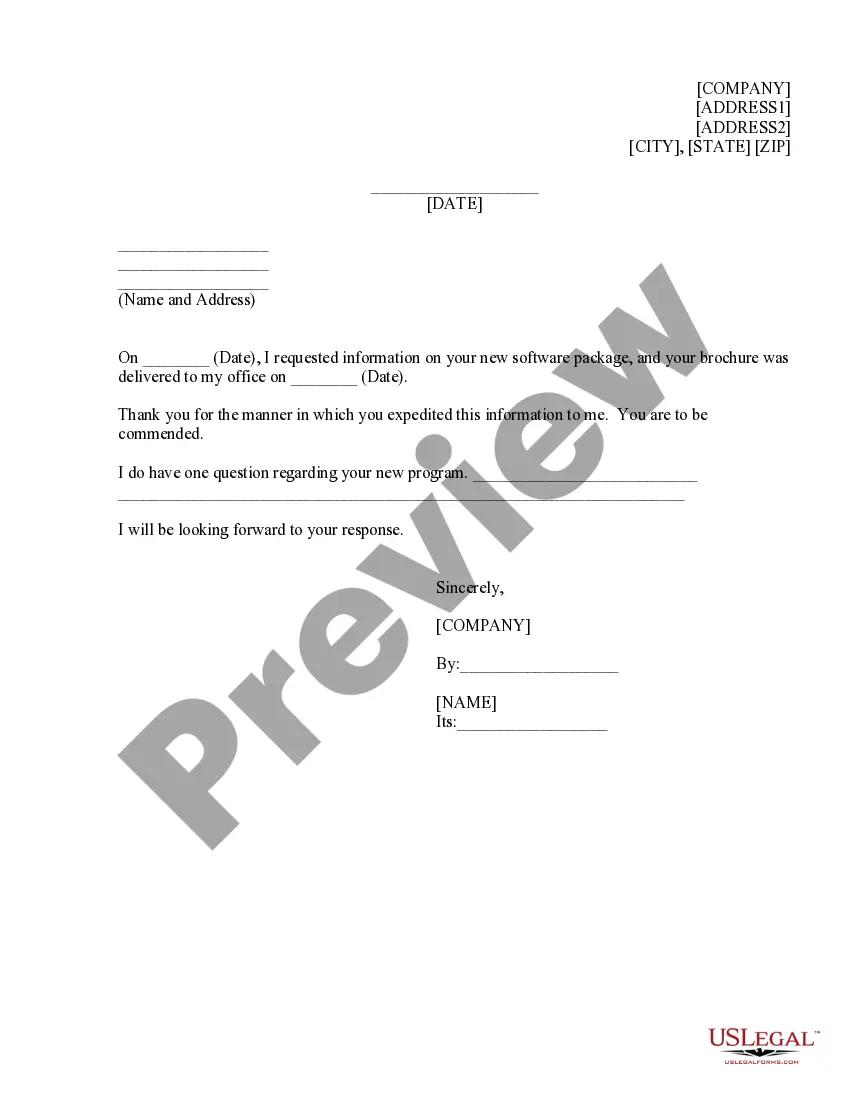
District of Columbia Early Possession Agreement
Description
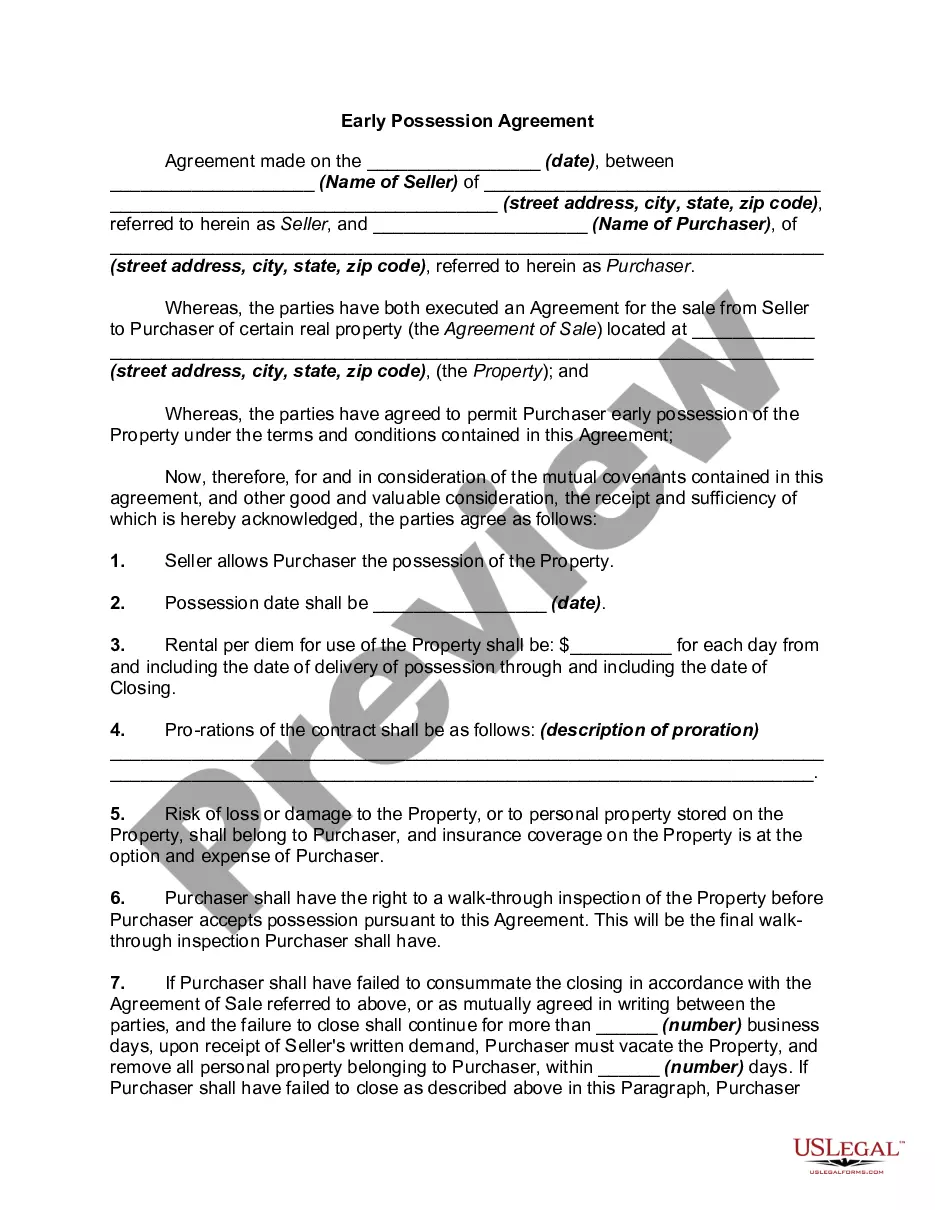
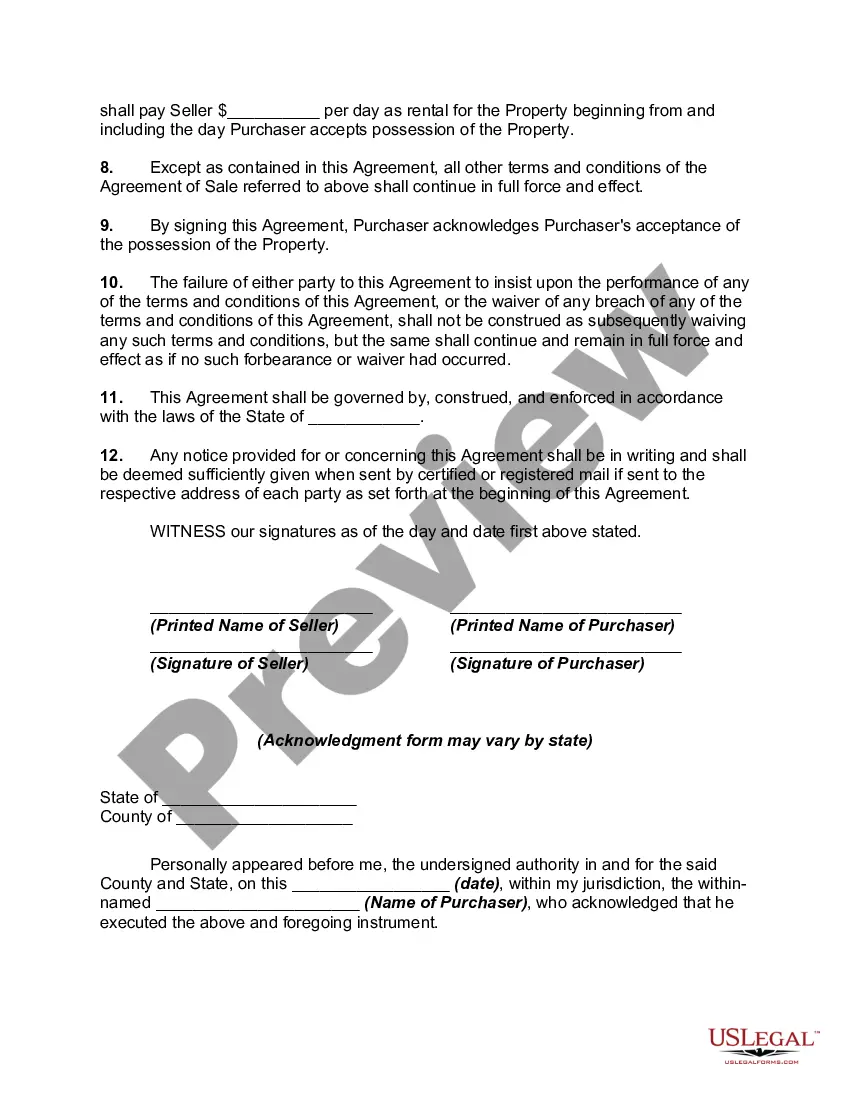
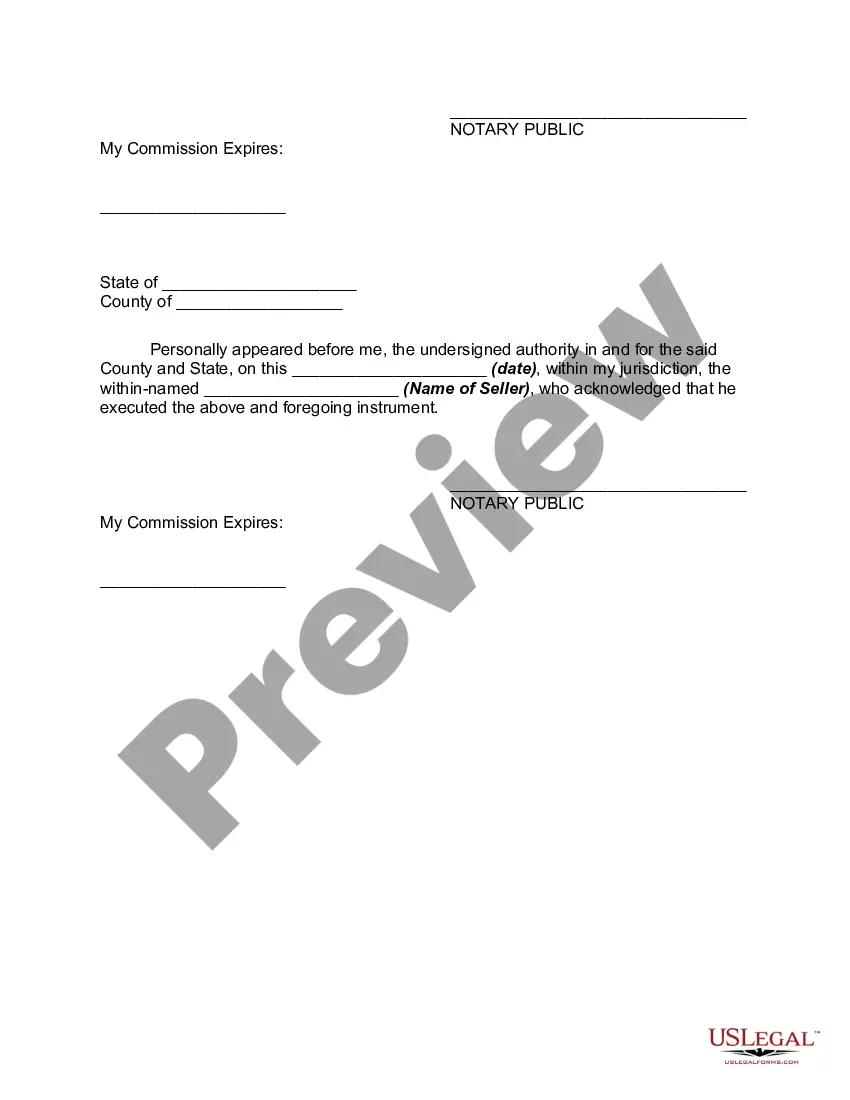
Get your form ready online
Our built-in tools help you complete, sign, share, and store your documents in one place.
Make edits, fill in missing information, and update formatting in US Legal Forms—just like you would in MS Word.
Download a copy, print it, send it by email, or mail it via USPS—whatever works best for your next step.
Sign and collect signatures with our SignNow integration. Send to multiple recipients, set reminders, and more. Go Premium to unlock E-Sign.
If this form requires notarization, complete it online through a secure video call—no need to meet a notary in person or wait for an appointment.
We protect your documents and personal data by following strict security and privacy standards.

Make edits, fill in missing information, and update formatting in US Legal Forms—just like you would in MS Word.

Download a copy, print it, send it by email, or mail it via USPS—whatever works best for your next step.

Sign and collect signatures with our SignNow integration. Send to multiple recipients, set reminders, and more. Go Premium to unlock E-Sign.

If this form requires notarization, complete it online through a secure video call—no need to meet a notary in person or wait for an appointment.

We protect your documents and personal data by following strict security and privacy standards.
Looking for another form?



How to fill out Early Possession Agreement?
If you wish to obtain, acquire, or generate legal document templates, utilize US Legal Forms, the top selection of legal forms available online.
Take advantage of the site’s straightforward and user-friendly search feature to find the documents you need.
A range of templates for business and personal purposes are organized by categories and states, or keywords.
Step 4. Once you find the form you need, click on the Purchase now button. Choose the pricing plan you prefer and enter your information to register for an account.
Step 5. Process the payment. You may use your credit card or PayPal account to complete the transaction.
- Use US Legal Forms to access the District of Columbia Early Possession Agreement with just a few clicks.
- If you are already a US Legal Forms user, sign in to your account and then click the Download button to retrieve the District of Columbia Early Possession Agreement.
- You can also access forms you previously downloaded in the My documents tab of your account.
- If you are using US Legal Forms for the first time, follow the instructions below.
- Step 1. Ensure you have selected the form for the correct region/state.
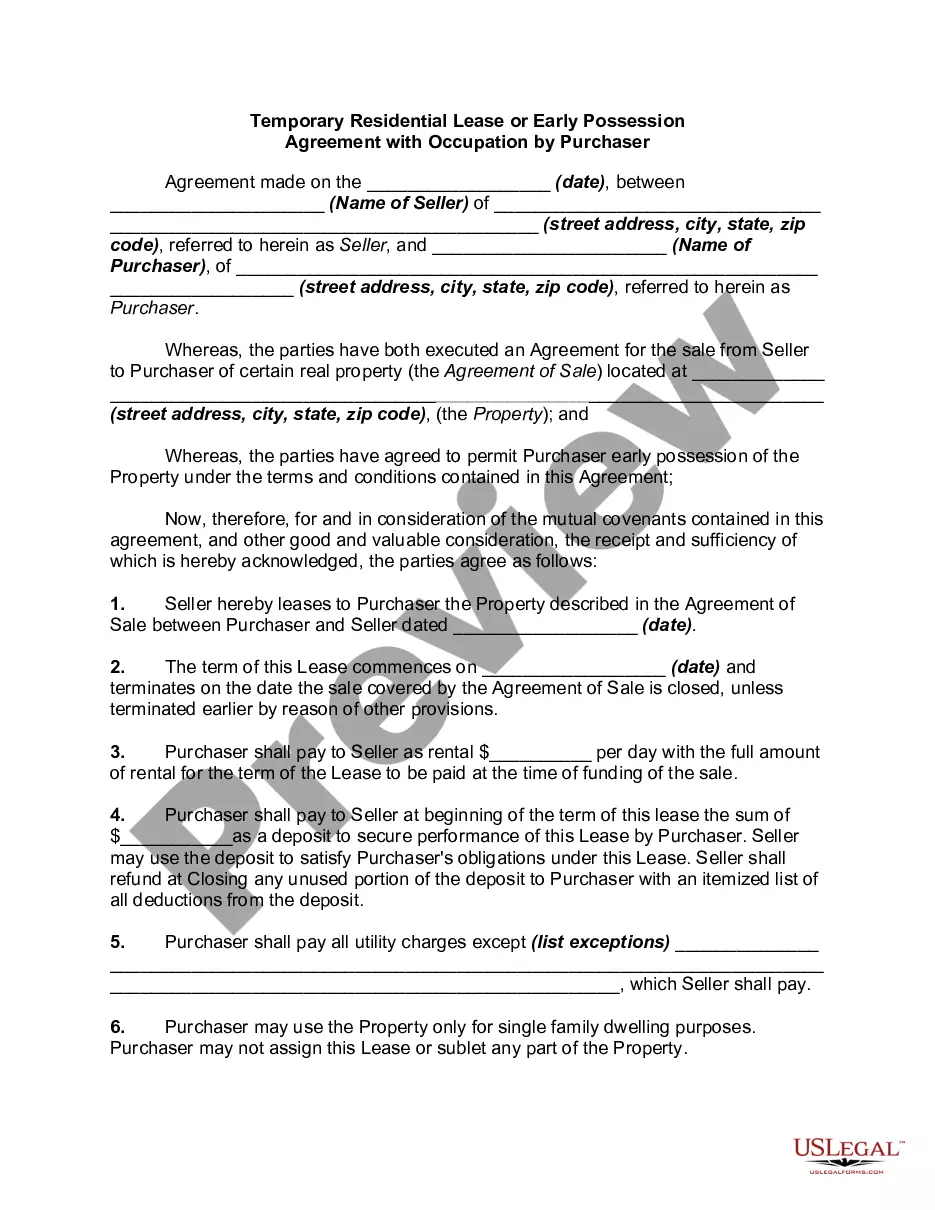
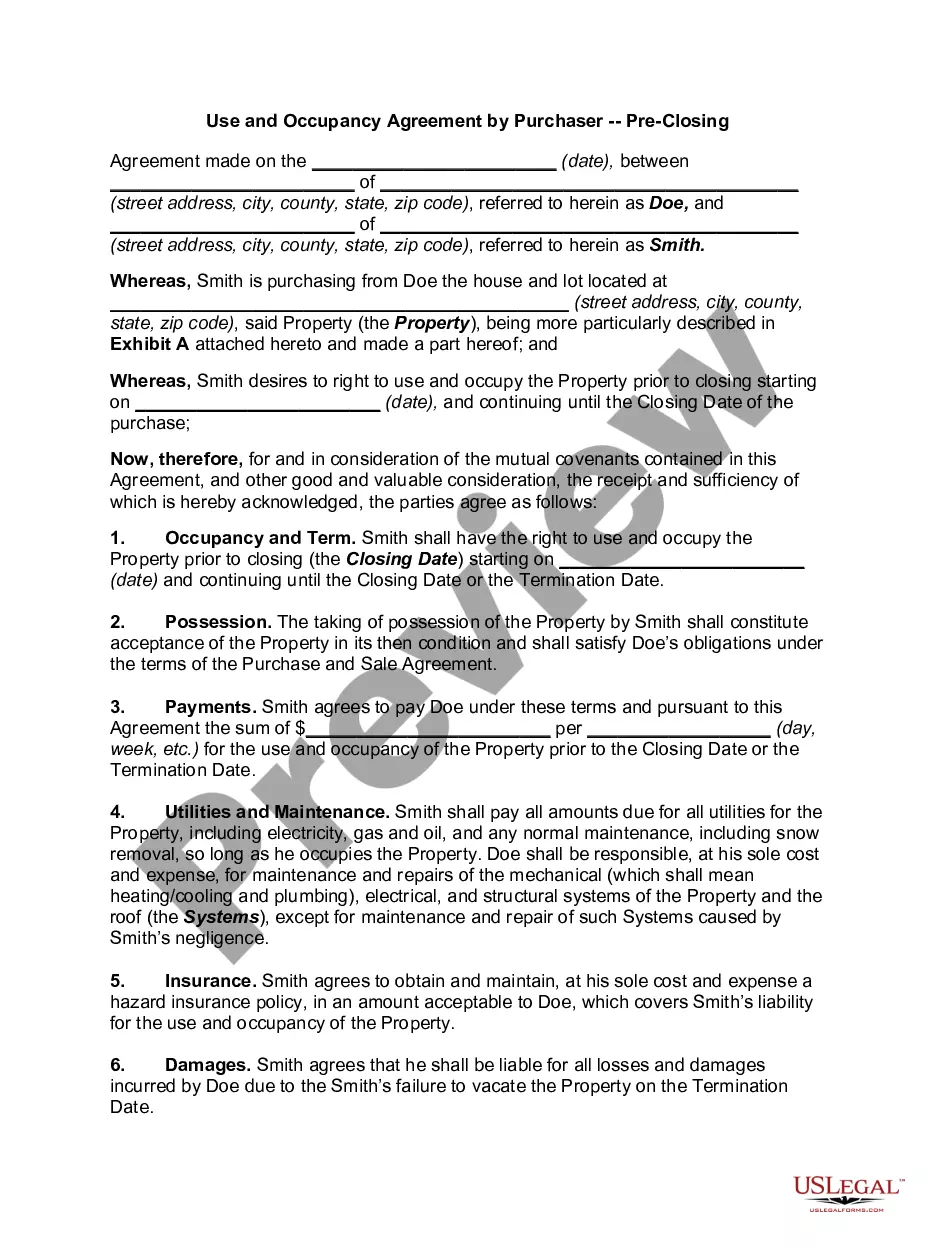
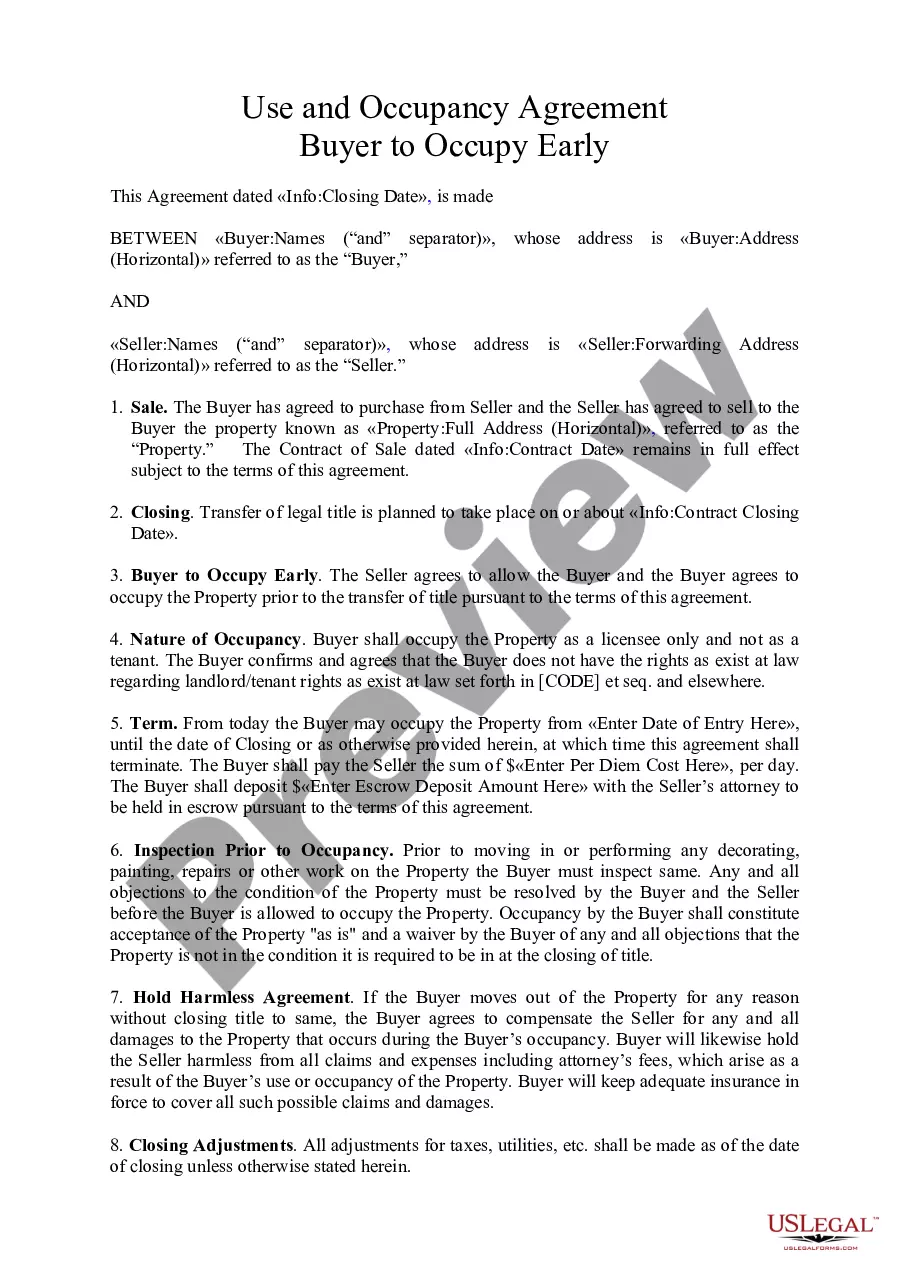
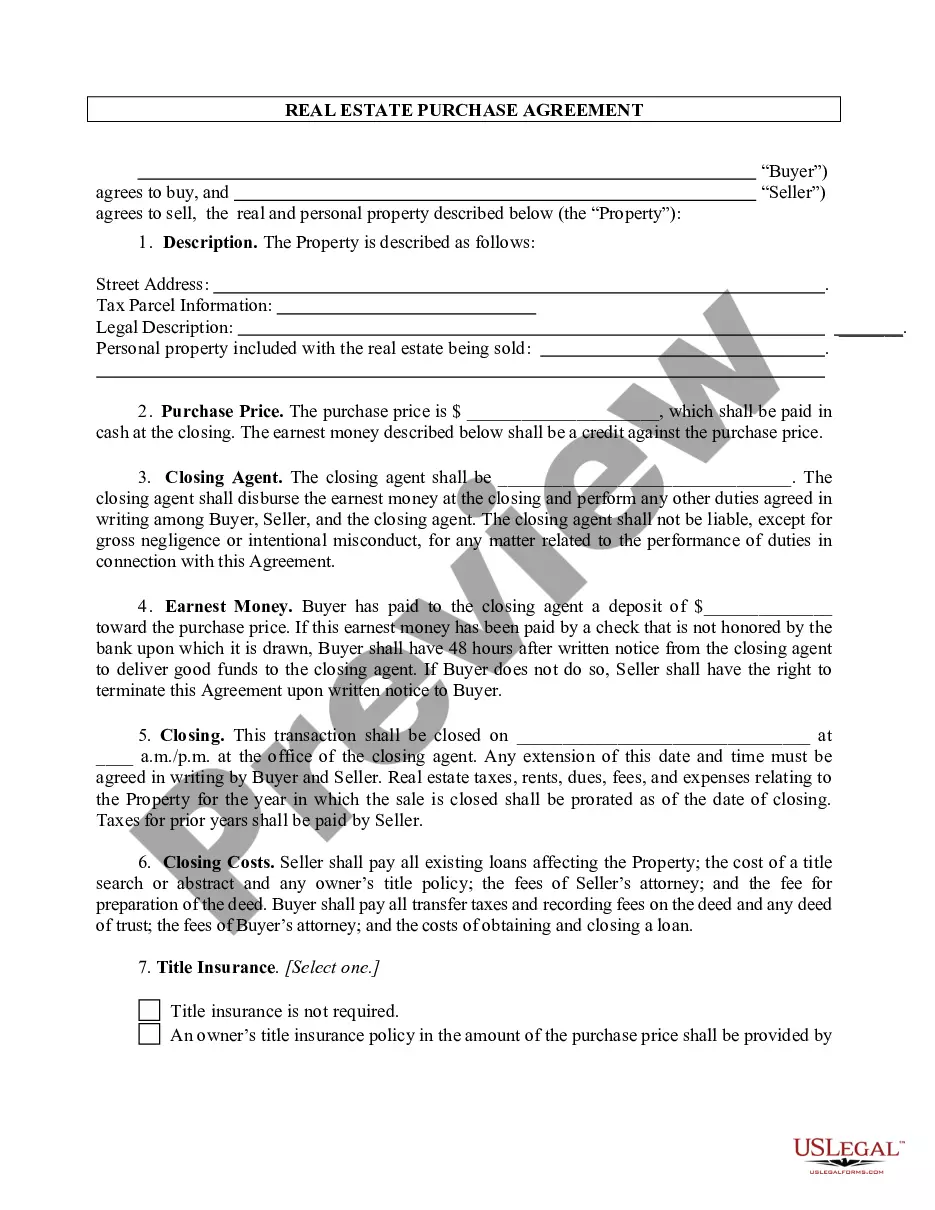
- Step 2. Use the Preview option to review the form’s content. Be sure to check the details.
- Step 3. If you are dissatisfied with the form, utilize the Search field at the top of the screen to find alternative versions of the legal form template.
Form popularity
FAQ
In Washington, DC, the soonest you can evict a tenant depends on the type of notice you issued. Typically, landlords must provide a notice period of at least 30 days. After the notice period, if the tenant fails to comply, you can proceed with the eviction process. The District of Columbia Early Possession Agreement supports landlords in navigating these timelines effectively.
To get approved for an eviction in DC, you need to file the necessary paperwork with the court, demonstrating valid grounds for eviction. Ensure you provide any required notices to the tenant before filing. After filing, the court will review your case and may schedule a hearing. Familiarizing yourself with the District of Columbia Early Possession Agreement helps ensure you have the correct procedures in place for a favorable outcome.
To begin the eviction process in the District of Columbia, you must first provide the tenant with a valid notice to vacate. After the notice period, if the tenant has not left, you can file an eviction complaint in the appropriate court. Keep detailed records throughout this process to support your case. Utilizing the District of Columbia Early Possession Agreement can often help streamline the eviction proceedings.
A 30 day notice to correct or vacate in Washington, DC, is a legal document that informs tenants of violations or lease breaches. This notice gives tenants 30 days to fix the issues or vacate the property. If not resolved, landlords may proceed with the eviction process. It's essential to understand the District of Columbia Early Possession Agreement's nuances to handle such situations effectively.
The eviction process in Washington, DC, typically spans several weeks to a few months, depending on various factors like court schedules or the specific circumstances of the case. Tenants can often stave off eviction by responding promptly to any notices. If you’re concerned about the potential for eviction, refer to your District of Columbia Early Possession Agreement for insights on your rights and the eviction proceedings.
Avoiding eviction in Washington, DC, starts with understanding your rights as a tenant and maintaining open communication with your landlord. If you encounter payment difficulties, seeking assistance early can provide options before a situation escalates. A District of Columbia Early Possession Agreement might offer guidance and clarity on your responsibilities and help you stay in good standing.
For the year 2025, predictions indicate that rent increases in Washington, DC, will likely be influenced by the inflation rate and regulatory changes. These adjustments may differ depending on whether the dwelling is subject to rent control. To navigate these changes effectively, consider how a District of Columbia Early Possession Agreement might provide you with flexibility and security in a fluctuating market.
Washington, DC, follows a specific formula to determine how much rent can be raised, particularly through the Rent Control provisions in place. These rules are designed to protect tenants, and the increases are guided by annual inflation rates. When entering into a District of Columbia Early Possession Agreement, reviewing how these regulations apply can save you from future disputes.
The maximum rent increase allowed in Washington, DC, primarily depends on the type of rental agreement and local regulations. Rent control properties have set guidelines that specify how much landlords can increase rent each year. If you’re managing a property or considering a District of Columbia Early Possession Agreement, knowing these limits helps in planning your finances.
In Washington, DC, a landlord can typically raise rent based on the District’s annual inflation rate, often capped at a specific percentage. For tenants under rent control, increases may be limited, ensuring affordability. It’s wise to consult the specifics of your lease and the District of Columbia Early Possession Agreement to understand your situation better.