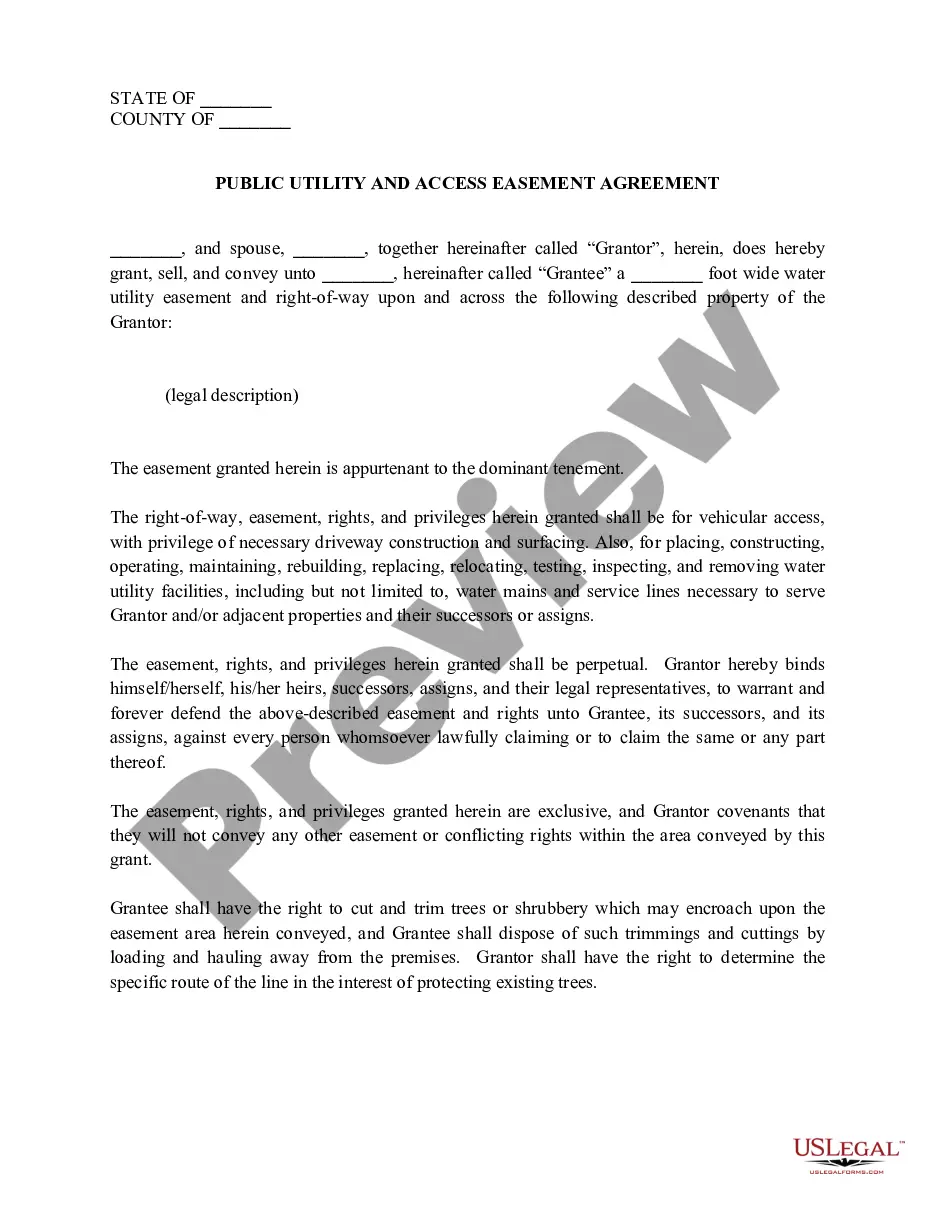
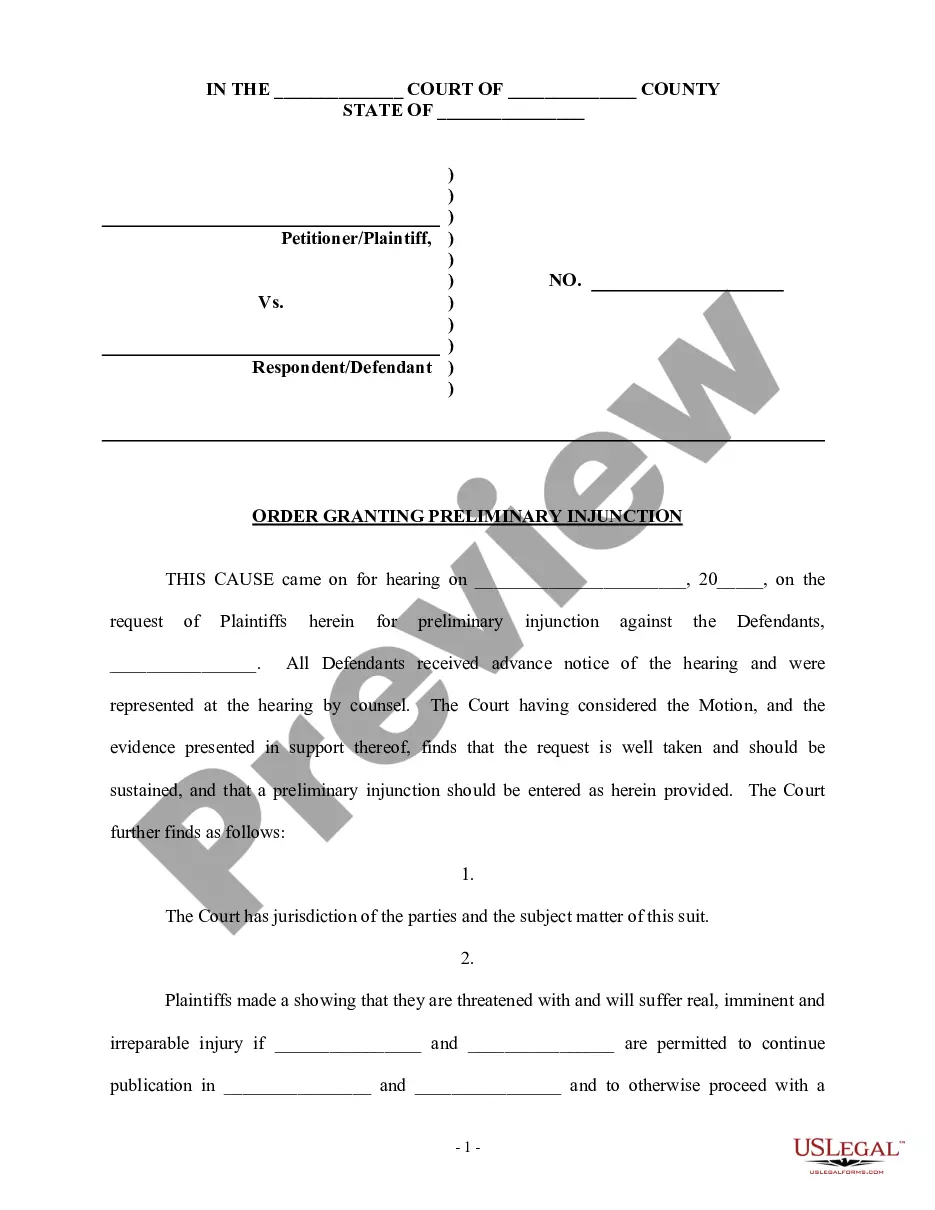
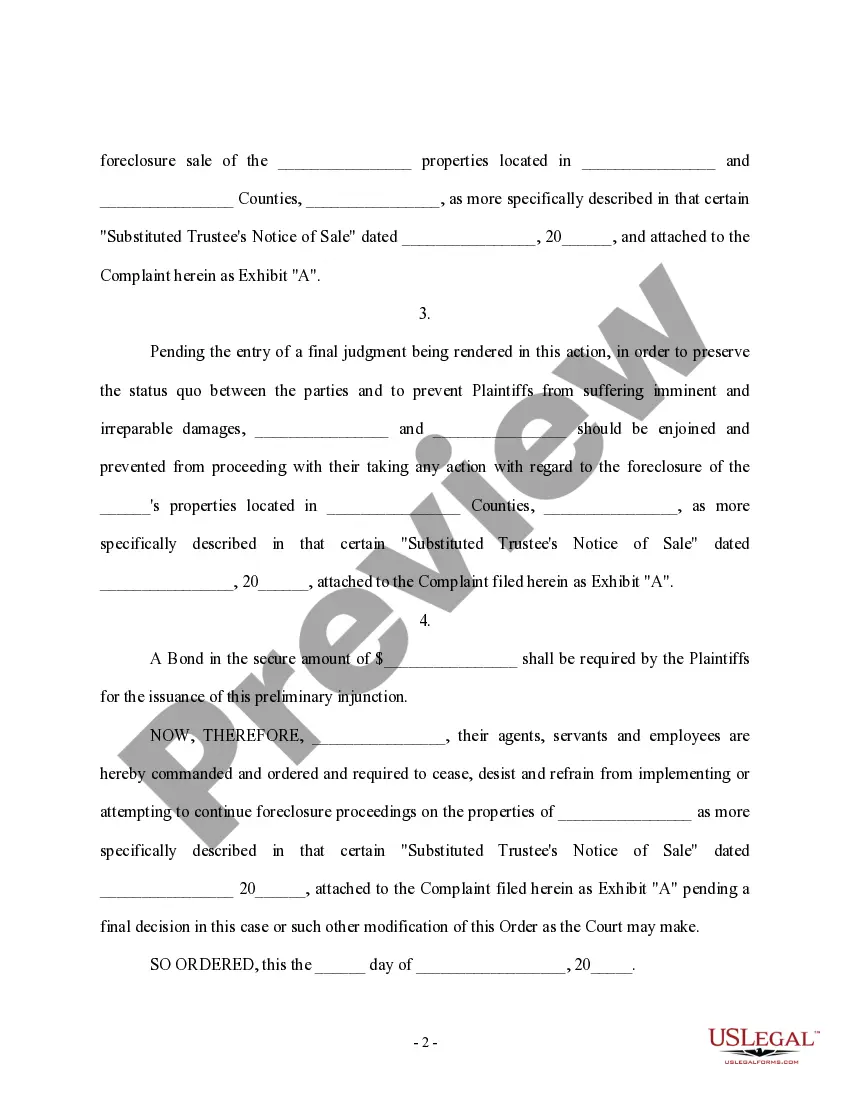
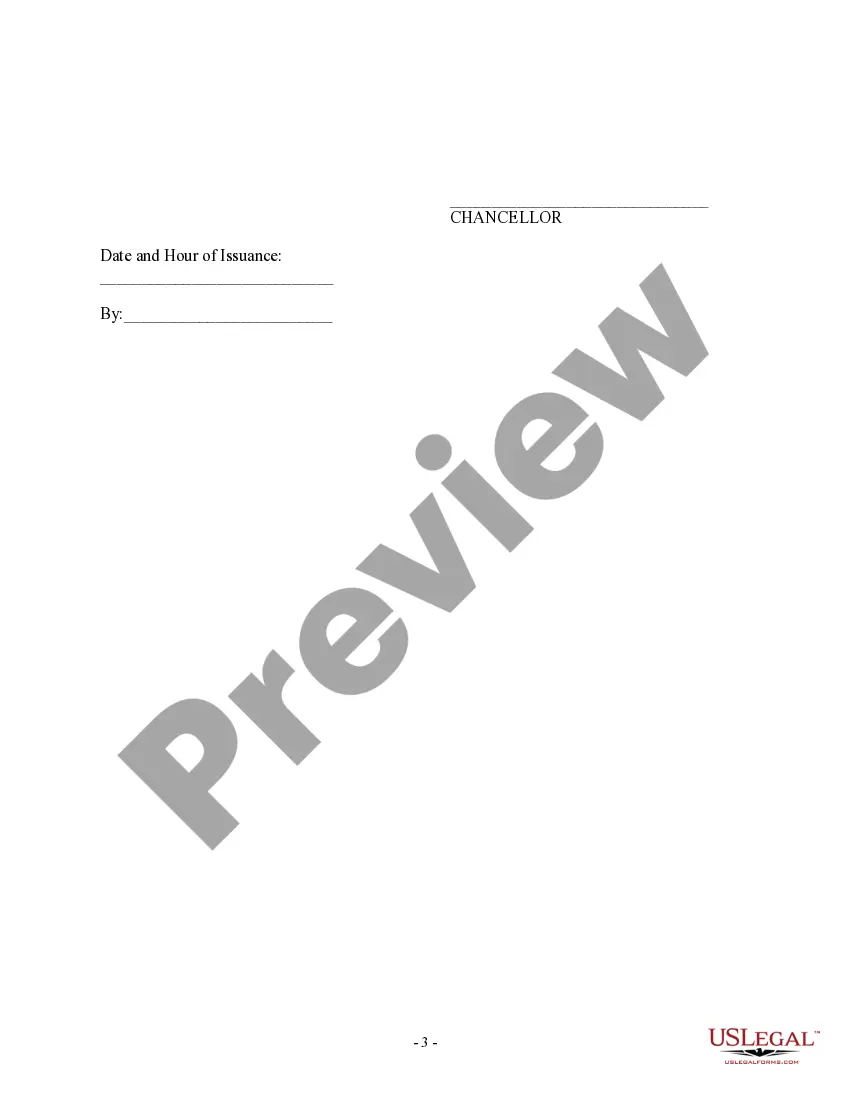
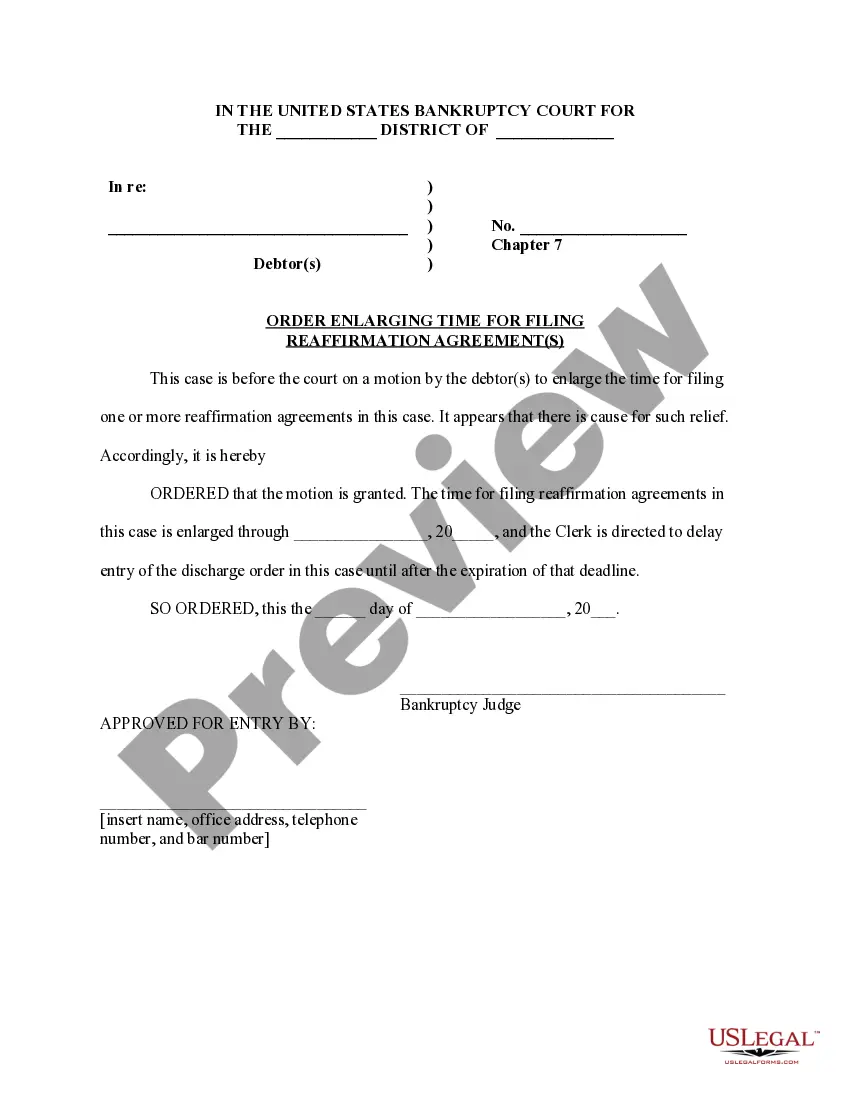
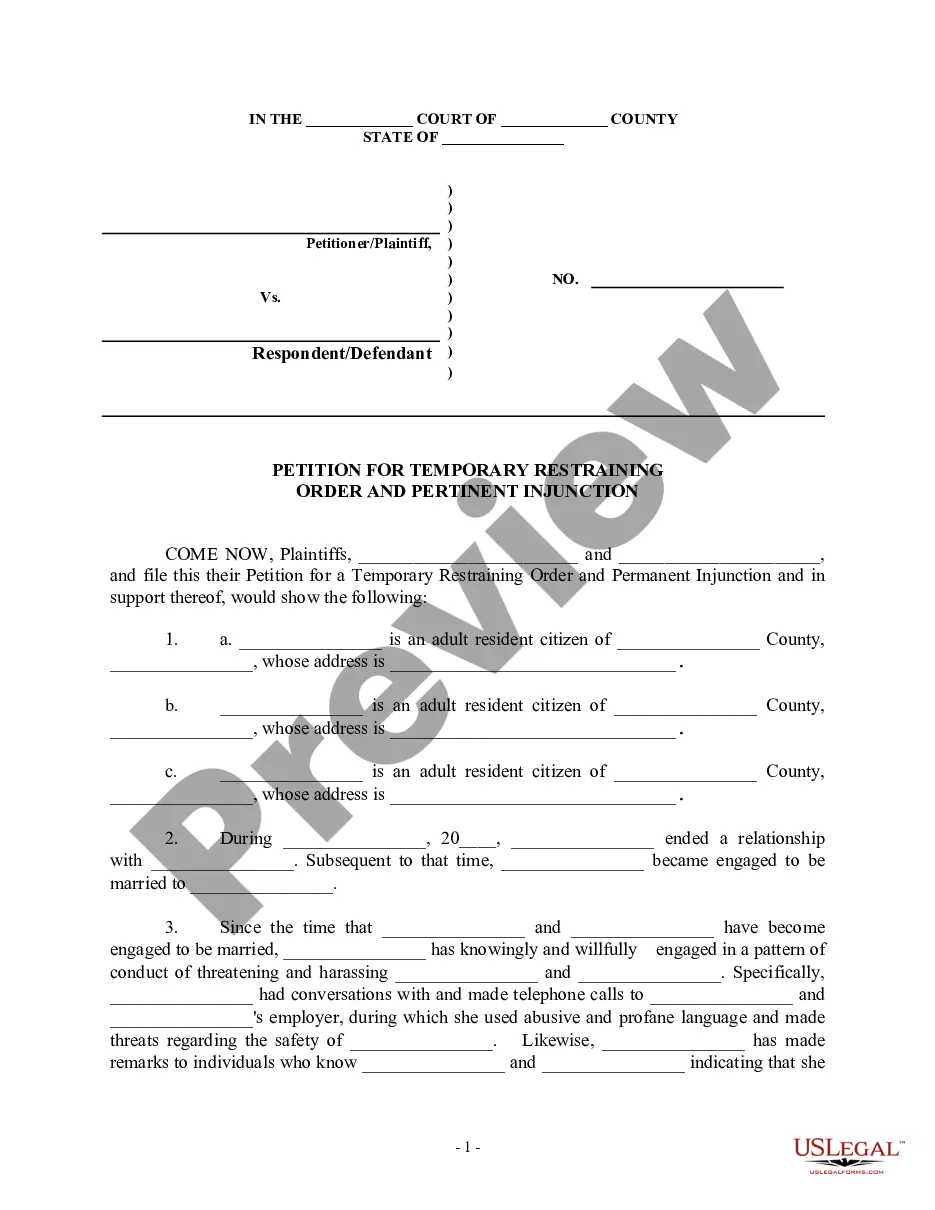
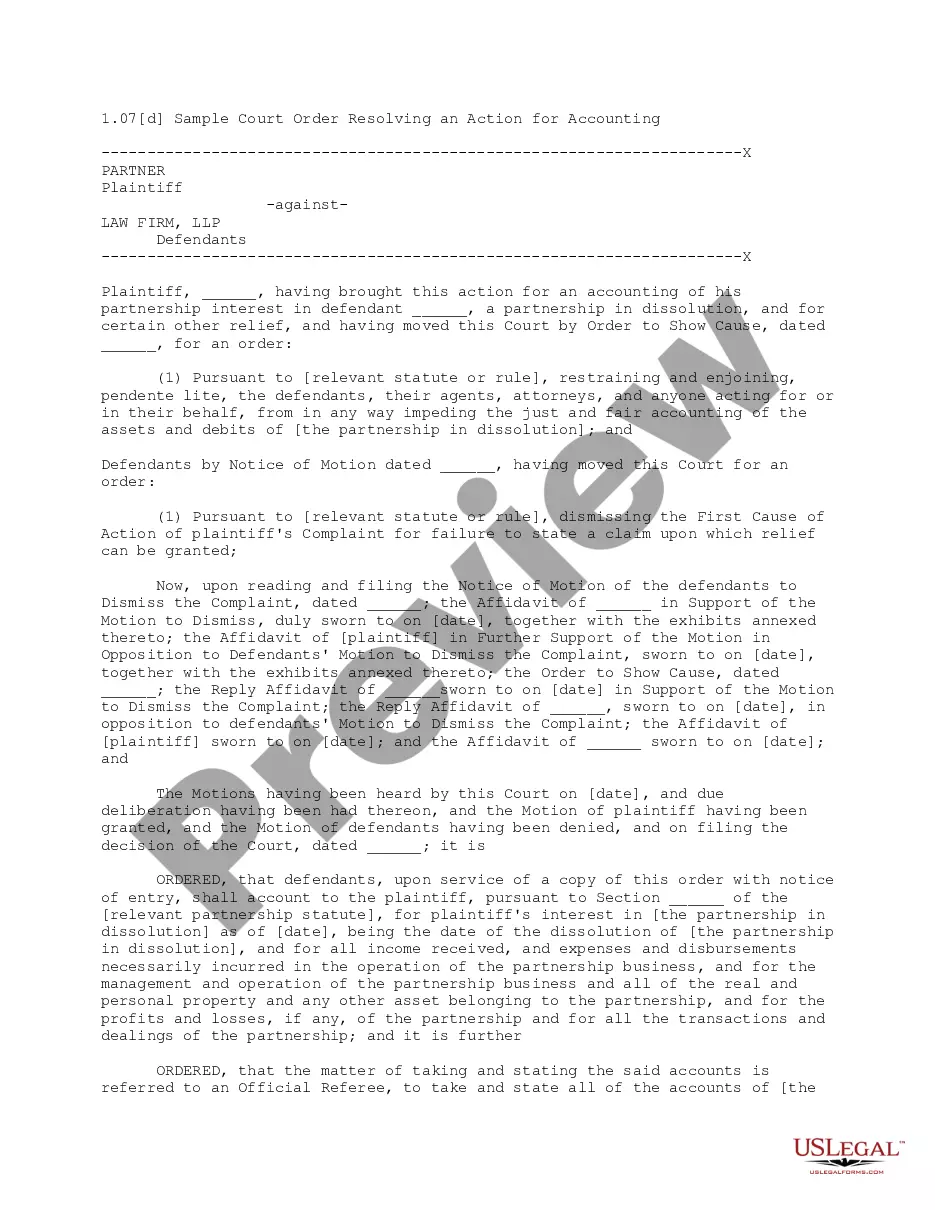
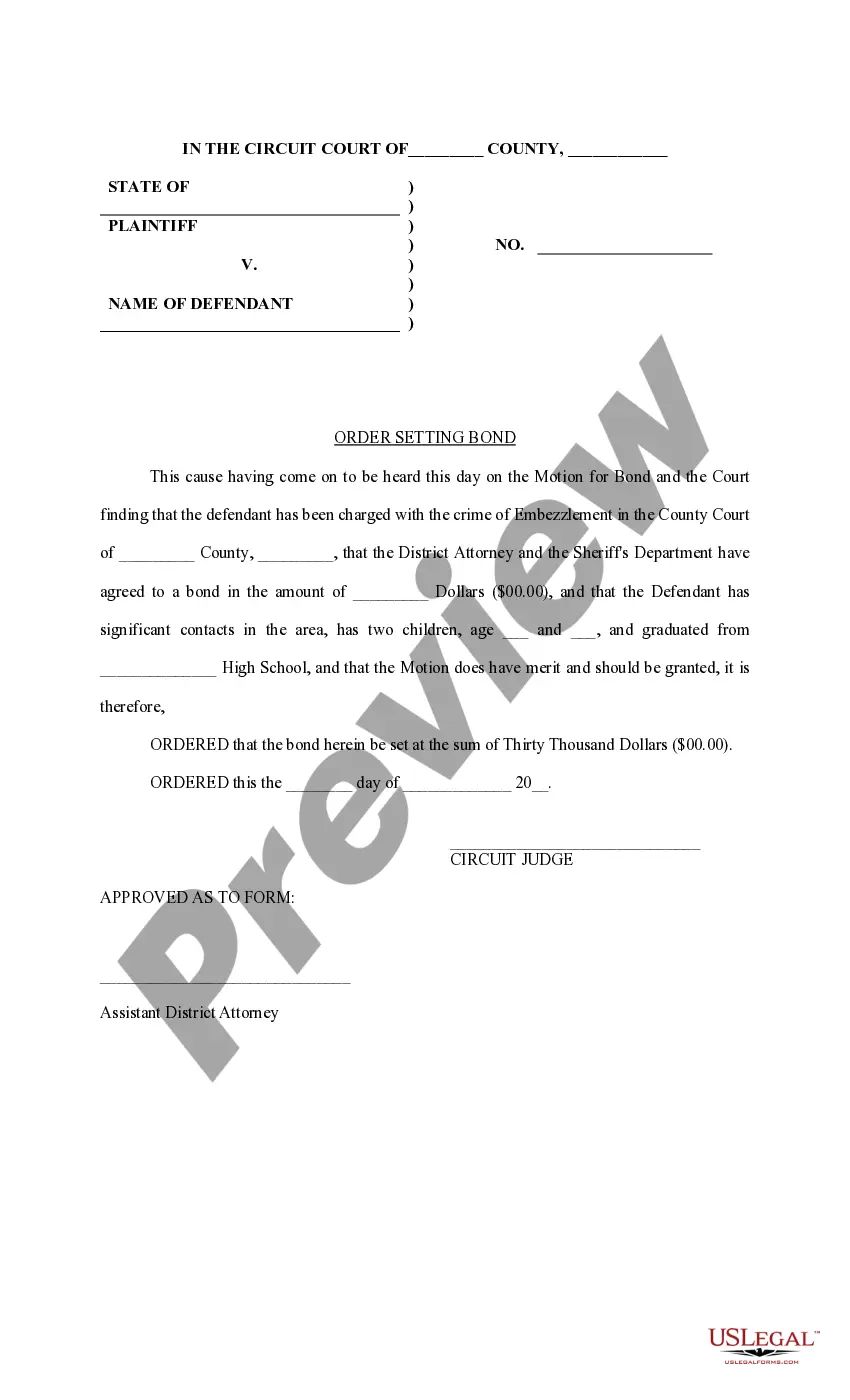
This is an Order Granting a Preliminary Injunction against defendants. The order provides that the court having considered the motion and the evidence submitted in support of the motion, finds that the request is well taken and should be sustained.
District of Columbia Order Granting Preliminary Injunction
Category:
State:
Multi-State
Control #:
US-01009
Format:
Word;
Rich Text
Instant download
Description
Free preview


Get your form ready online
Our built-in tools help you complete, sign, share, and store your documents in one place.
Built-in online Word editor
Make edits, fill in missing information, and update formatting in US Legal Forms—just like you would in MS Word.
Export easily
Download a copy, print it, send it by email, or mail it via USPS—whatever works best for your next step.
E-sign your document
Sign and collect signatures with our SignNow integration. Send to multiple recipients, set reminders, and more. Go Premium to unlock E-Sign.
Notarize online 24/7
If this form requires notarization, complete it online through a secure video call—no need to meet a notary in person or wait for an appointment.
Store your document securely
We protect your documents and personal data by following strict security and privacy standards.

Make edits, fill in missing information, and update formatting in US Legal Forms—just like you would in MS Word.

Download a copy, print it, send it by email, or mail it via USPS—whatever works best for your next step.

Sign and collect signatures with our SignNow integration. Send to multiple recipients, set reminders, and more. Go Premium to unlock E-Sign.

If this form requires notarization, complete it online through a secure video call—no need to meet a notary in person or wait for an appointment.

We protect your documents and personal data by following strict security and privacy standards.
Looking for another form?


How to fill out Order Granting Preliminary Injunction?
If you want to finalize, acquire, or produce authentic document templates, utilize US Legal Forms, the largest collection of authentic forms, which are accessible online.
Employ the site's straightforward and convenient search feature to find the documents you require.
Numerous templates for commercial and personal purposes are categorized by types and jurisdictions, or keywords. Use US Legal Forms to obtain the District of Columbia Order Granting Preliminary Injunction in just a few clicks.
Step 5. Process the transaction. You can use your credit card or PayPal account to complete the transaction.
Step 6. Choose the format of the legal form and download it to your device. Step 7. Complete, edit, and print or sign the District of Columbia Order Granting Preliminary Injunction. Every legal document template you purchase is yours permanently. You have access to every form you acquired in your account. Click the My documents section and select a form to print or download again. Stay competitive and download, and print the District of Columbia Order Granting Preliminary Injunction with US Legal Forms. There are millions of professional and state-specific forms available for your business or personal needs.
- If you are currently a US Legal Forms user, sign in to your account and click the Download button to retrieve the District of Columbia Order Granting Preliminary Injunction.
- You can also access forms you previously downloaded in the My documents tab of your account.
- If you are using US Legal Forms for the first time, follow the steps below.
- Step 1. Ensure you have selected the form for the correct city/state.
- Step 2. Use the Preview option to review the form's details. Don't forget to check the summary.
- Step 3. If you are not satisfied with the form, utilize the Search field at the top of the screen to find additional forms in the legal form template.
- Step 4. Once you have found the form you need, select the Buy now button. Choose the pricing plan you prefer and enter your information to register for an account.
Form popularity
FAQ
Although the test for obtaining a TRO or PI may vary slightly across jurisdictions, generally a plaintiff seeking preliminary injunctive relief must satisfy a four-factor test: (1) that he or she is likely to succeed on the merits of his claims; (2) that he or she is likely to suffer irreparable harm without ...
A preliminary injunction is temporary relief that preserves the status quo until the courts decide on the merits of the case. The relief sought often involves asking a court to prevent an opposing party from taking specific action or continuing a current course of action.
So it looks like the only difference is that mandamus is directed against a government official (which may be not a party to a proceeding?), while injunction is directed to a party of a proceeding.
A mandatory injunction is issued when a court directs a person to perform certain acts, as opposed to prohibitory injunction, which seeks to preserve the status quo. The defendant named in a mandatory injunction must undo the wrong or injury that one has caused.
A mandatory injunction compels an affirmative act, and thus changes the position of the parties. A mandatory injunction is much more difficult to obtain, and are granted only in extraordinary circumstances. A preliminary injunction is issued to preserve the parties' respective positions pending the outcome of the case.
Preliminary injunction is an order granted at any stage of an action or proceeding prior to the judgment or final order, requiring a party or a court, agency or a person to perform to refrain from performing a particular act or acts.
Interlocutory injunctions and mandatory orders are important because they allow the court to order a party to stop doing something (interlocutory injunction) or order a party to do something (mandatory order) while their cases are being prepared for or awaiting trial.
A writ of preliminary injunction is issued to: [P]reserve the status quo ante, upon the applicant's showing of two important requisite conditions, namely: (1) the right to be protected exists prima facie, and (2) the acts sought to be enjoined are violative of that right.