District of Columbia Assignment to Living Trust
What this document covers
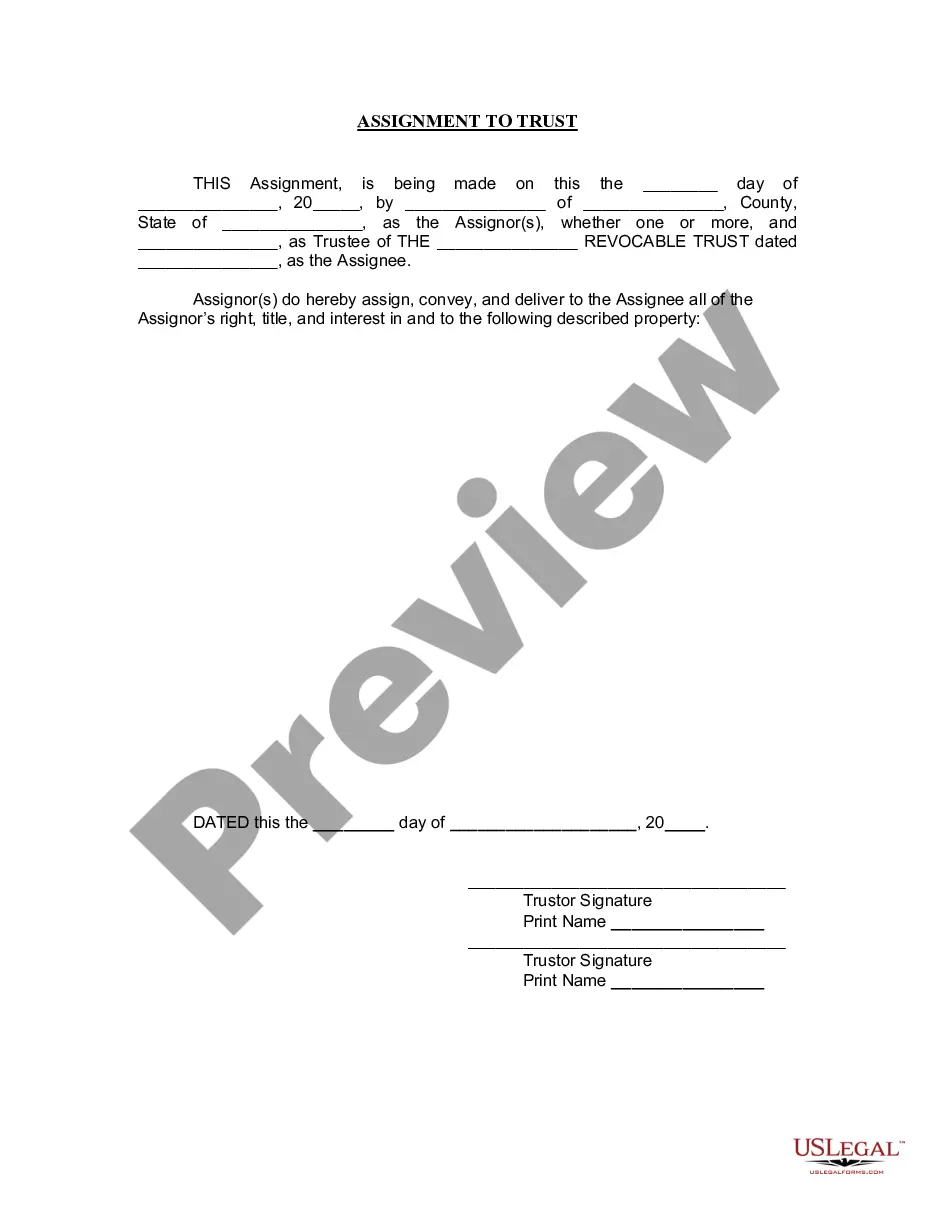
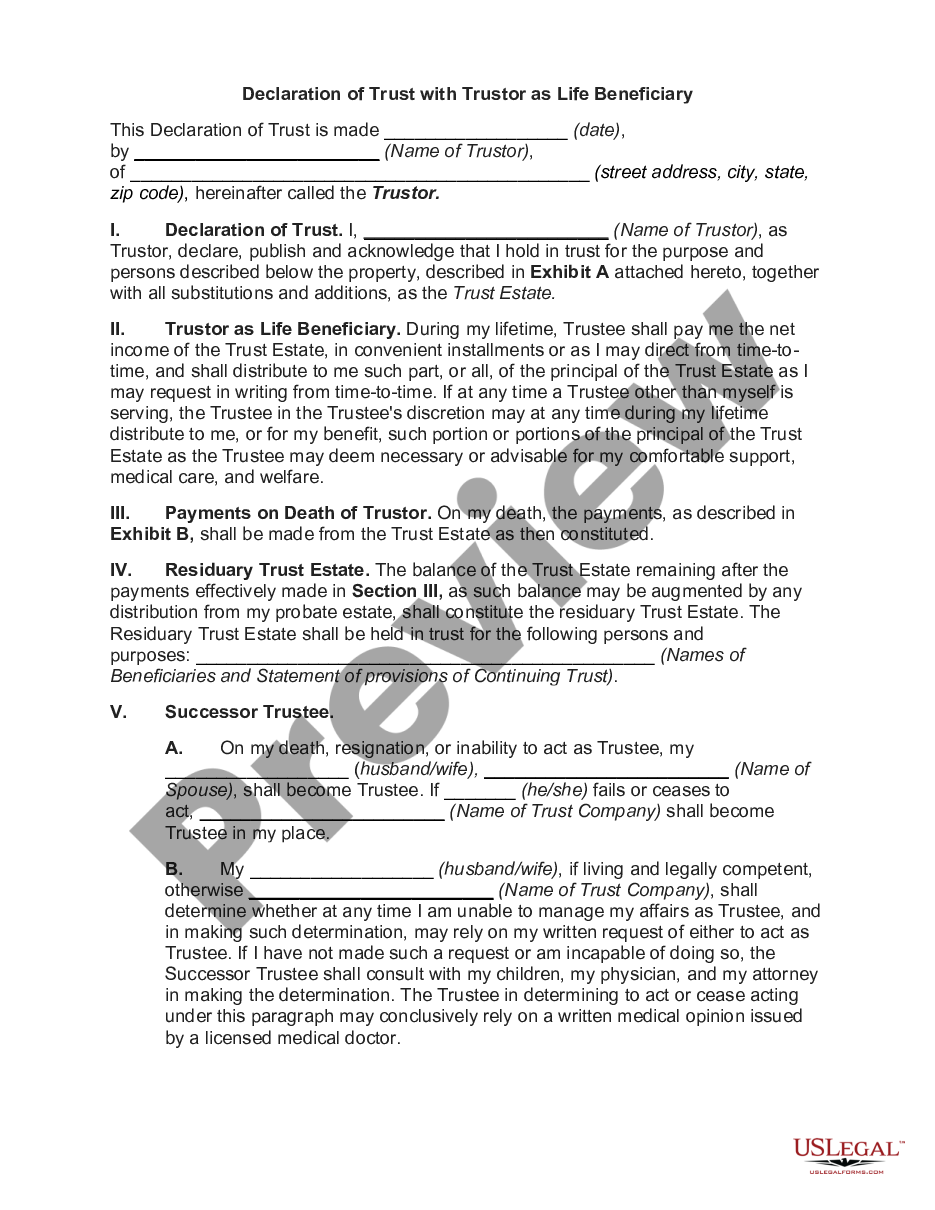
The Assignment to Living Trust form allows you to assign your rights, title, and interest in specific property to a Living Trust. A living trust is created during a person's lifetime to manage their assets, usually for estate planning purposes. This form is essential for transferring property to the trust, ensuring that your assets are managed according to your wishes while you are alive and after your passing.
Key parts of this document
- Assignor details: Name and address of the person assigning the property.
- Trustee information: Name of the trustee managing the Living Trust.
- Property description: Clear identification of the property being assigned.
- Date of assignment: The date on which the assignment is executed.
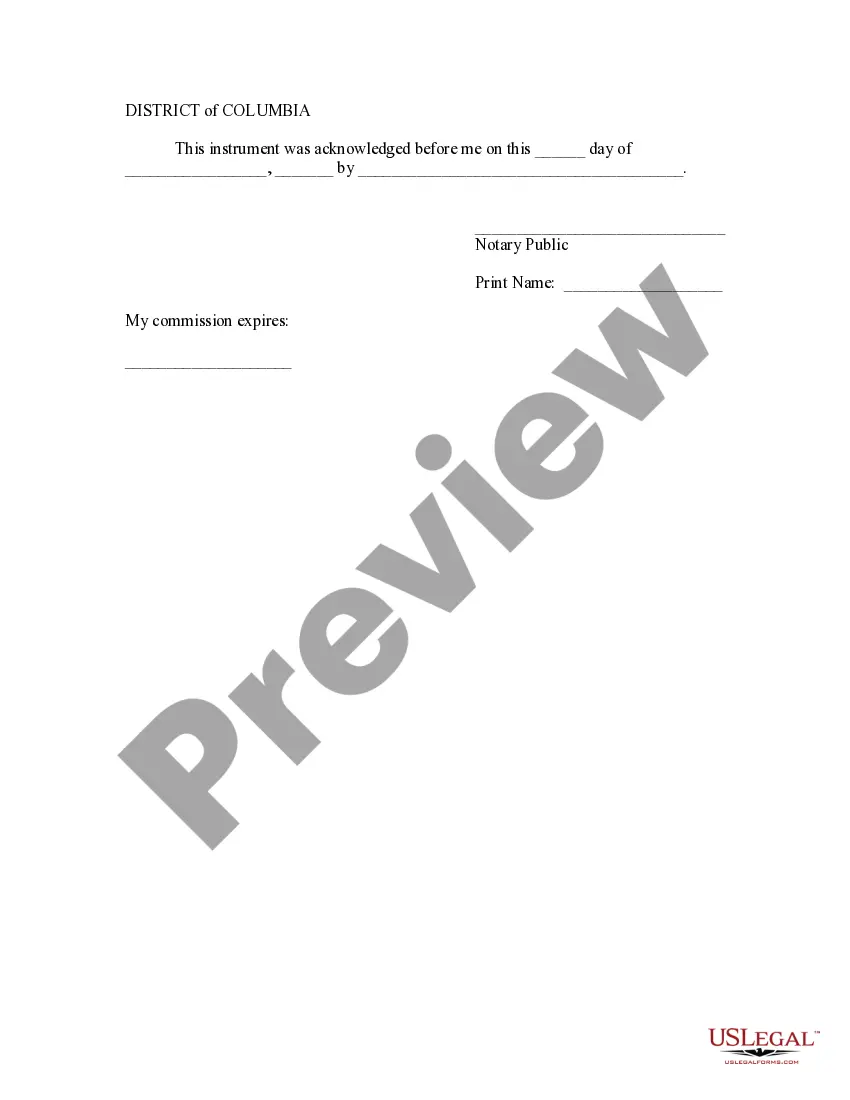
- Signature: Requires the Assignor's signature and acknowledgment by a notary public.

Common use cases
This form is needed when you want to officially transfer ownership of specific assets or property into your Living Trust. It is particularly useful when managing your estate, ensuring that your assets are handled according to your desires while minimizing probate complications after your death.
Who this form is for
- Individuals creating or managing a Living Trust.
- Trustors looking to assign personal property to their trust.
- Estate planners aiming to streamline asset management and transfer.
Instructions for completing this form
- Identify the parties involved: Fill in the names and addresses of the Assignor and Trustee.
- Specify the property: Clearly describe the property being assigned to the Living Trust.
- Enter the date: Fill in the date of the assignment.
- Sign the form: The Assignor must sign the form in the presence of a notary.
- Complete notarization: Ensure the notary public acknowledges the signature to validate the assignment.
Is notarization required?
Yes, this form must be notarized to be legally valid. The Assignor's signature requires acknowledgment by a notary public to ensure that the assignment is executed correctly and can be enforced in court.
Get your form ready online
Our built-in tools help you complete, sign, share, and store your documents in one place.
Make edits, fill in missing information, and update formatting in US Legal Forms—just like you would in MS Word.
Download a copy, print it, send it by email, or mail it via USPS—whatever works best for your next step.
Sign and collect signatures with our SignNow integration. Send to multiple recipients, set reminders, and more. Go Premium to unlock E-Sign.
If this form requires notarization, complete it online through a secure video call—no need to meet a notary in person or wait for an appointment.
We protect your documents and personal data by following strict security and privacy standards.

Make edits, fill in missing information, and update formatting in US Legal Forms—just like you would in MS Word.

Download a copy, print it, send it by email, or mail it via USPS—whatever works best for your next step.

Sign and collect signatures with our SignNow integration. Send to multiple recipients, set reminders, and more. Go Premium to unlock E-Sign.

If this form requires notarization, complete it online through a secure video call—no need to meet a notary in person or wait for an appointment.

We protect your documents and personal data by following strict security and privacy standards.
Avoid these common issues
- Failing to accurately describe the property being assigned.
- Not signing the form in front of a notary.
- Leaving out the date of the assignment.
- Using vague language that could lead to confusion about the transfer.
Why use this form online
- Convenient access: Download the form anytime from anywhere.
- Editability: Fill in the form digitally and save your progress.
- Trustworthy templates: Forms are drafted by licensed attorneys to ensure compliance.
Quick recap
- The Assignment to Living Trust form facilitates the transfer of property into a living trust.
- It is essential for estate planning to ensure asset management aligns with the individual's wishes.
- Proper completion and notarization of the form are critical for legal validity.
Looking for another form?
Form popularity
FAQ
Creating a District of Columbia Assignment to Living Trust involves several key steps. First, you will need to decide what assets to include in the trust and consult a qualified attorney to assist with draft preparation. Next, you will need to sign the trust document and transfer the titles of the assets into the trust. Platforms like uslegalforms provide resources to guide you through this process smoothly.
While a District of Columbia Assignment to Living Trust offers numerous benefits, one potential downfall is the administrative burden it can create. Managing a trust requires litigation, compliance with legal obligations, and regular tax filings. Furthermore, if trustees mismanage the trust, it could lead to disputes within the family. Clearly defining roles and responsibilities from the start can mitigate such issues.
A common mistake parents make when setting up a trust fund is failing to fund the trust properly. This means not transferring their assets into the District of Columbia Assignment to Living Trust, which can render the trust ineffective. Additionally, parents sometimes neglect to update the trust as their circumstances change. Regular reviews and updates ensure that the trust operates as intended.
The downside of placing assets in a District of Columbia Assignment to Living Trust can include the initial costs and administrative duties involved. Creating a trust often requires legal fees and ongoing maintenance. Furthermore, transferring assets into the trust must be completed properly to avoid complications. It's crucial to weigh these factors before proceeding.
One potential disadvantage of a family trust, specifically a District of Columbia Assignment to Living Trust, is the complexity involved in setting it up. Establishing the trust requires time and careful documentation. Additionally, if assets are not properly funded into the trust, the intended benefits may not be realized. It’s essential to consult a legal expert to navigate these challenges effectively.
Considering a District of Columbia Assignment to Living Trust can be a wise choice for your parents. Trusts provide a clear pathway for asset management and distribution, offering peace of mind. They can help avoid probate and ensure that assets are transferred smoothly to beneficiaries. By using a living trust, your parents may also maintain control over their assets while simplifying their estate planning.
Filling out a living trust involves several important steps. First, gather information about your assets, including real estate, bank accounts, and personal property. Next, decide who you want to designate as your beneficiaries and trustee. The District of Columbia Assignment to Living Trust can simplify this process, allowing you to easily complete and manage your documents through the US Legal Forms platform, ensuring everything is accurately filled out and legally sound.