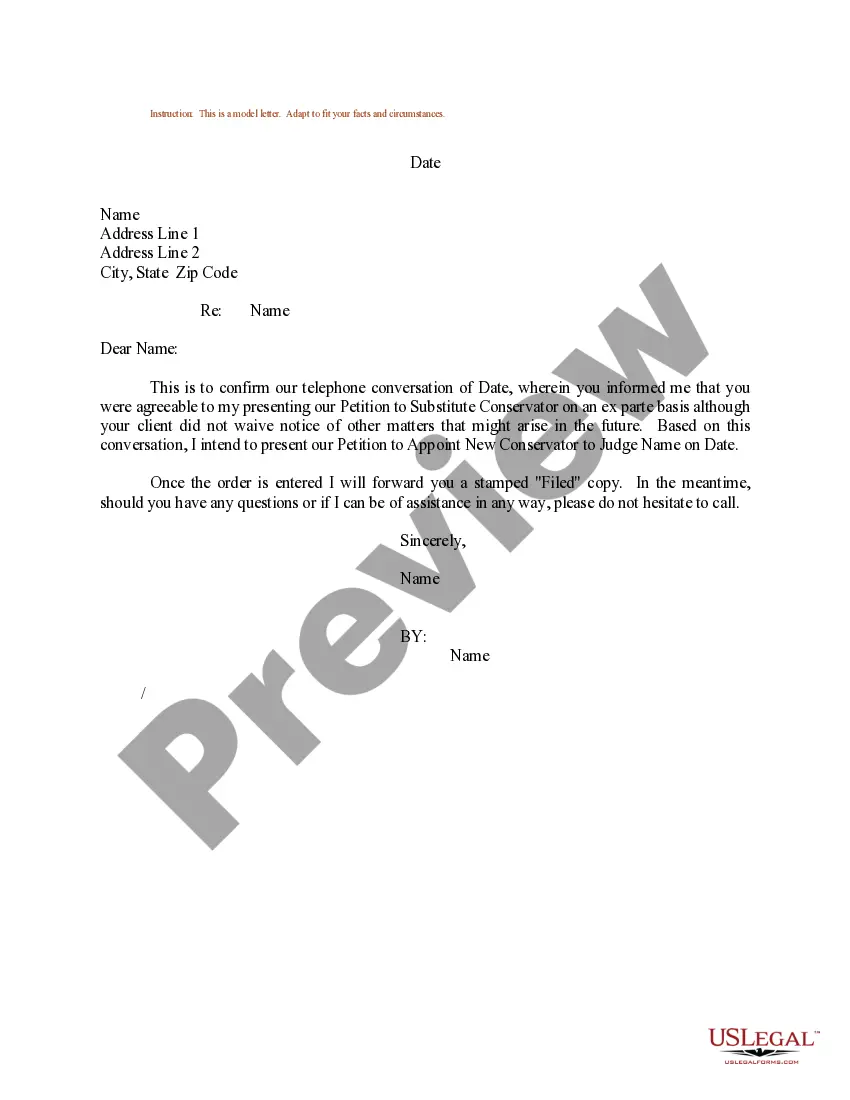
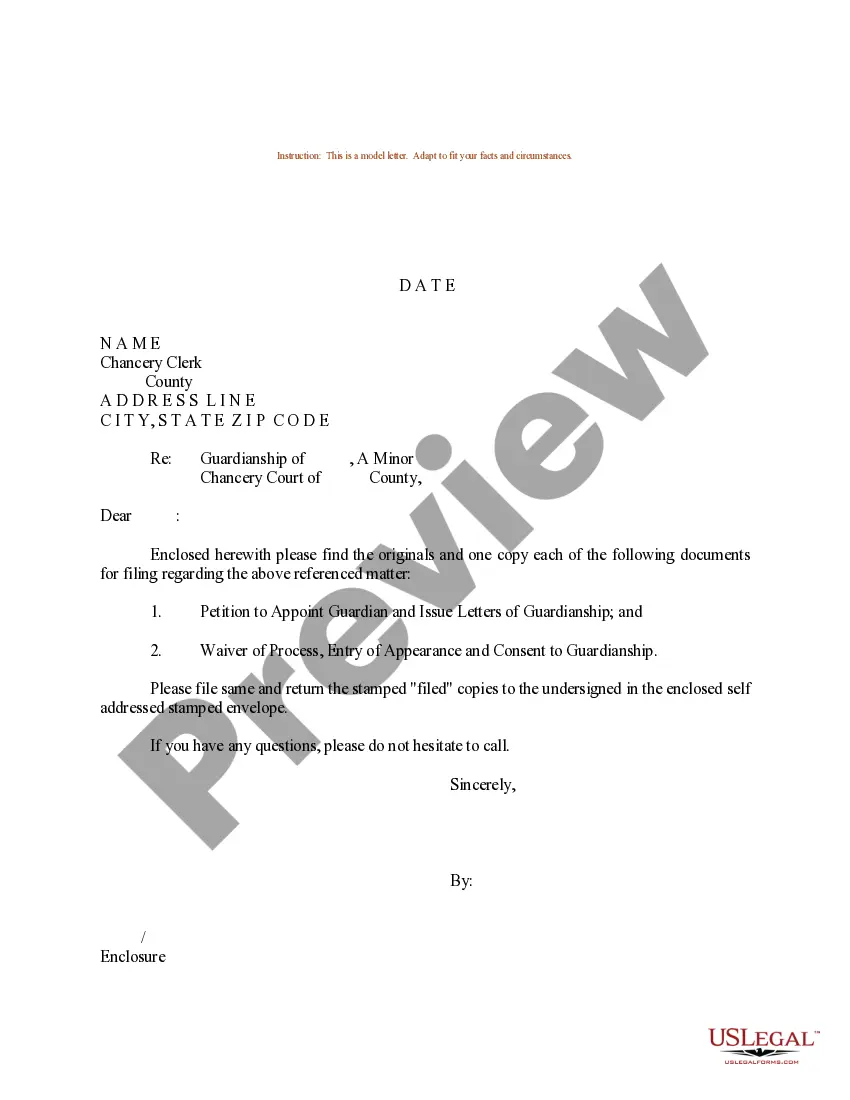
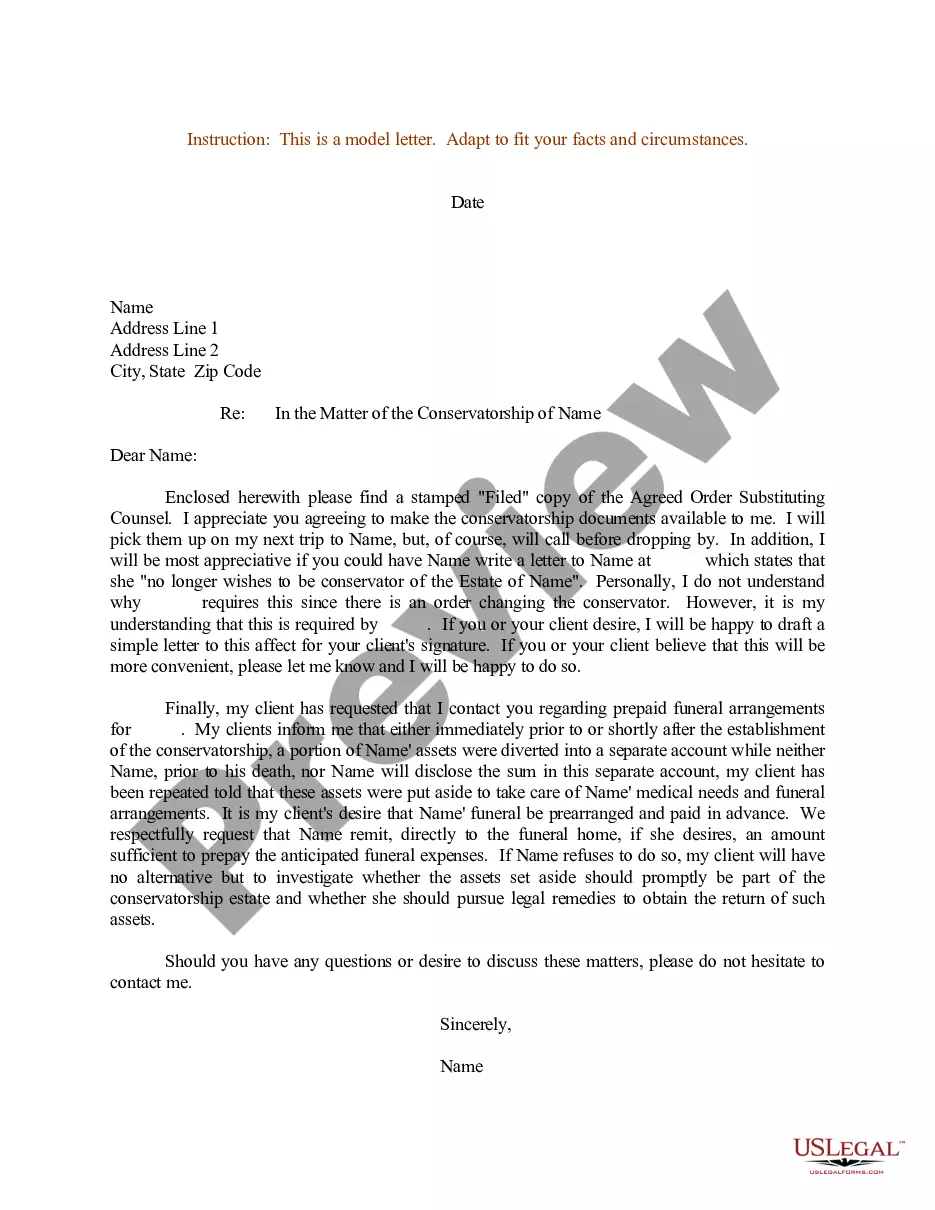
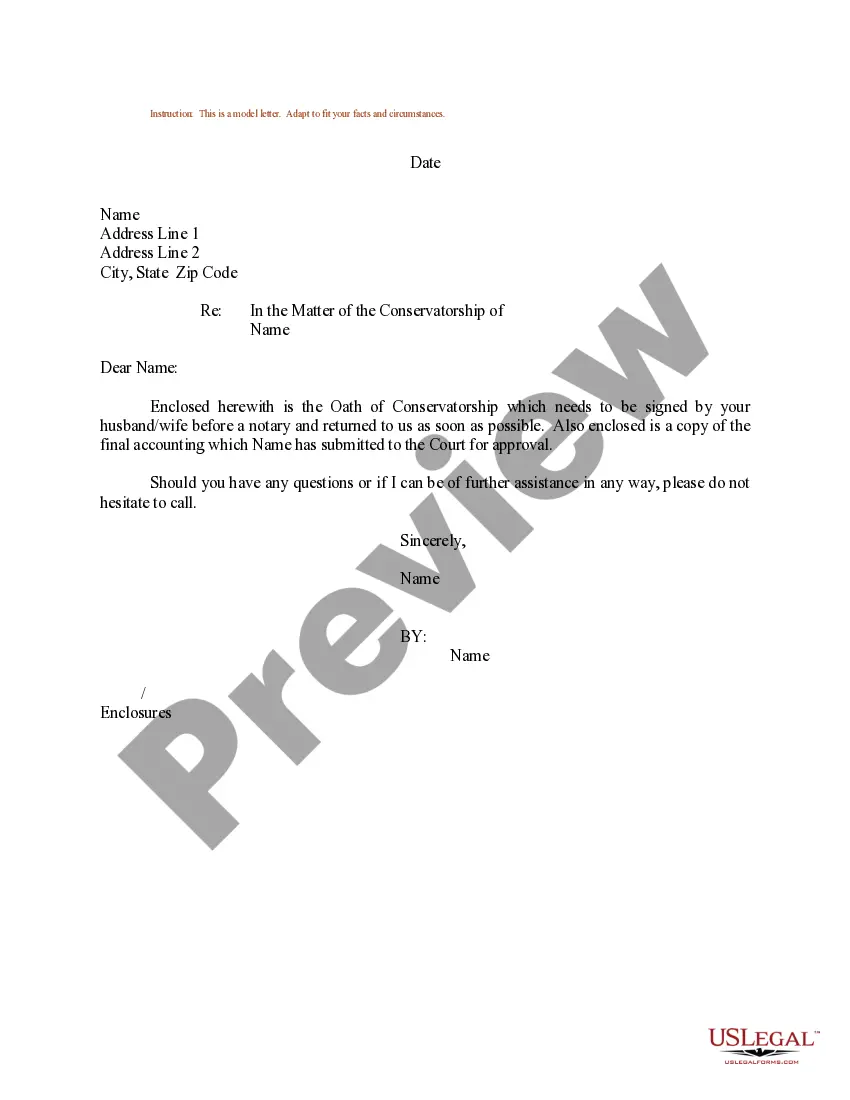
Connecticut Sample Letter for Petition to Substitute Conservator
Description
Get your form ready online
Our built-in tools help you complete, sign, share, and store your documents in one place.
Make edits, fill in missing information, and update formatting in US Legal Forms—just like you would in MS Word.
Download a copy, print it, send it by email, or mail it via USPS—whatever works best for your next step.
Sign and collect signatures with our SignNow integration. Send to multiple recipients, set reminders, and more. Go Premium to unlock E-Sign.
If this form requires notarization, complete it online through a secure video call—no need to meet a notary in person or wait for an appointment.
We protect your documents and personal data by following strict security and privacy standards.

Make edits, fill in missing information, and update formatting in US Legal Forms—just like you would in MS Word.

Download a copy, print it, send it by email, or mail it via USPS—whatever works best for your next step.

Sign and collect signatures with our SignNow integration. Send to multiple recipients, set reminders, and more. Go Premium to unlock E-Sign.

If this form requires notarization, complete it online through a secure video call—no need to meet a notary in person or wait for an appointment.

We protect your documents and personal data by following strict security and privacy standards.
Looking for another form?

How to fill out Sample Letter For Petition To Substitute Conservator?
Choosing the best authorized document template can be quite a have difficulties. Needless to say, there are tons of layouts available on the Internet, but how will you find the authorized form you want? Utilize the US Legal Forms internet site. The support gives thousands of layouts, like the Connecticut Sample Letter for Petition to Substitute Conservator, that you can use for company and private requires. Each of the types are inspected by experts and meet up with state and federal needs.
Should you be previously listed, log in to the account and click on the Down load key to obtain the Connecticut Sample Letter for Petition to Substitute Conservator. Make use of account to check with the authorized types you may have purchased previously. Proceed to the My Forms tab of your own account and obtain yet another version of the document you want.
Should you be a brand new customer of US Legal Forms, here are simple guidelines for you to adhere to:
- Very first, make sure you have selected the appropriate form to your city/county. You may look over the form utilizing the Preview key and browse the form information to make sure this is basically the right one for you.
- In the event the form does not meet up with your preferences, utilize the Seach discipline to discover the proper form.
- When you are certain that the form is acceptable, click on the Get now key to obtain the form.
- Pick the costs program you need and enter the essential information and facts. Build your account and purchase an order utilizing your PayPal account or Visa or Mastercard.
- Select the data file format and download the authorized document template to the product.
- Comprehensive, change and produce and indicator the acquired Connecticut Sample Letter for Petition to Substitute Conservator.
US Legal Forms may be the biggest catalogue of authorized types that you can find various document layouts. Utilize the service to download professionally-made files that adhere to condition needs.
Form popularity
FAQ
The principal can revoke their power of attorney and change the agent or their scope of authority at any time. Conservatorships, however, are established through a public legal process and require proof of the ward's incompetence. The conservator's actions are monitored by the Court and require the Judge's permission.
A conservatorship may be terminated when the conserved person requests in writing for the Probate Court Judge to terminate the conservatorship. Following that request, the judge must begin a hearing within 30 days (which may be continued for good cause).
A legal guardian can make a wide range of personal and medical decisions for the person in their care while a conservatorship generally grants much more limited decision-making powers. A conservator usually only has the authority to pay bills, make investments, and handle other financial matters.
A conservatorship may be established after a relative, friend, or public official petitions the court for appointment of a conservator. The petition must contain information on why the individual cannot manage his or her financial affairs or make appropriate decisions concerning his or her personal care.
In Connecticut, the probate courts have sole jurisdiction over the appointment of conservators. A person filing an application for conservatorship must apply to the probate court in the probate district where the respondent (the person alleged to be incapable) resides at the time the application is filed.
By law, the general fee for most probate court matters related to conservatorship is $250 (CGS § 45a-106a). This includes filing motions to (1) appoint a conservator, (2) change residence or placement in a long- term care facility, and (3) terminate a conservatorship.
Many conservators serve without compensation. In more complex cases and cases in which no family member is available to serve, the conservator may be paid from the income and assets of the conserved person. If the conserved person is indigent, the conservator is paid from the Probate Court Administration Fund.
In Connecticut, the Probate Courts have sole jurisdiction over the appointment of conservators. A person filing a petition for a conservatorship must apply to the Probate Court for the probate district where the respondent's permanent home is located or where the respondent currently resides or is currently located.