Connecticut Loan Agreement for Vehicle
Description
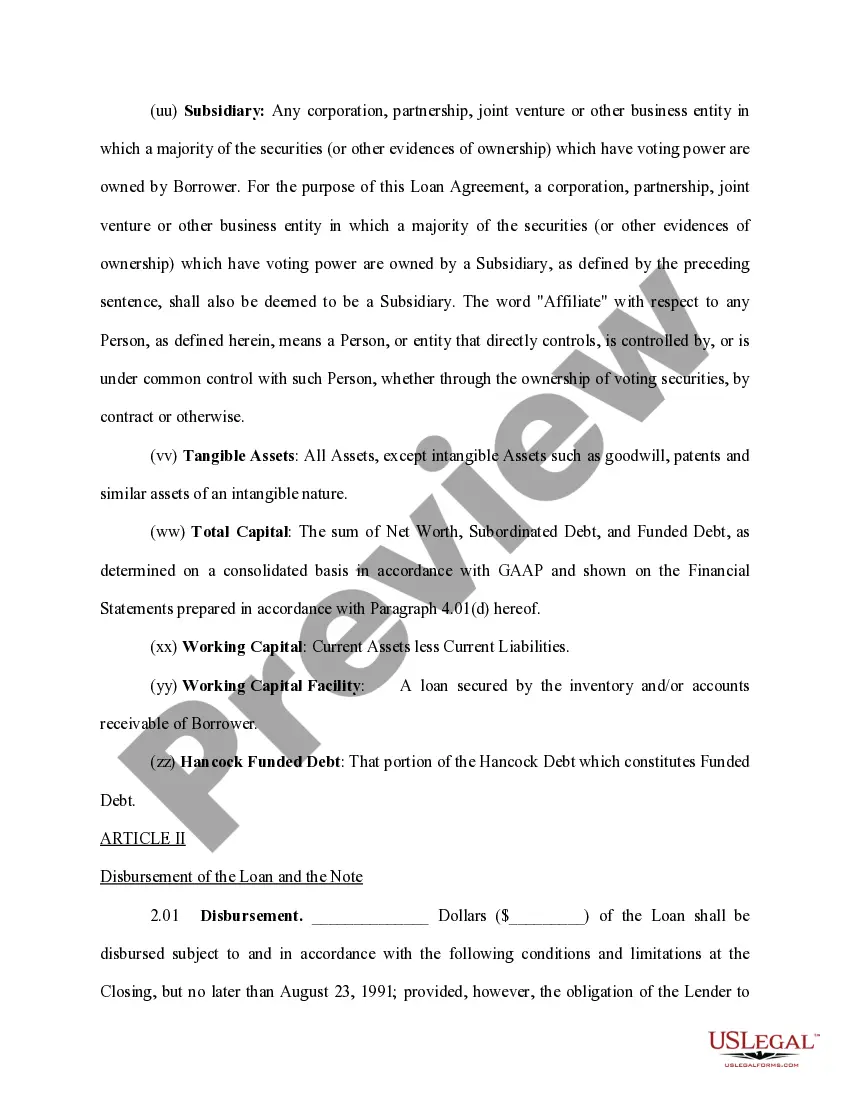
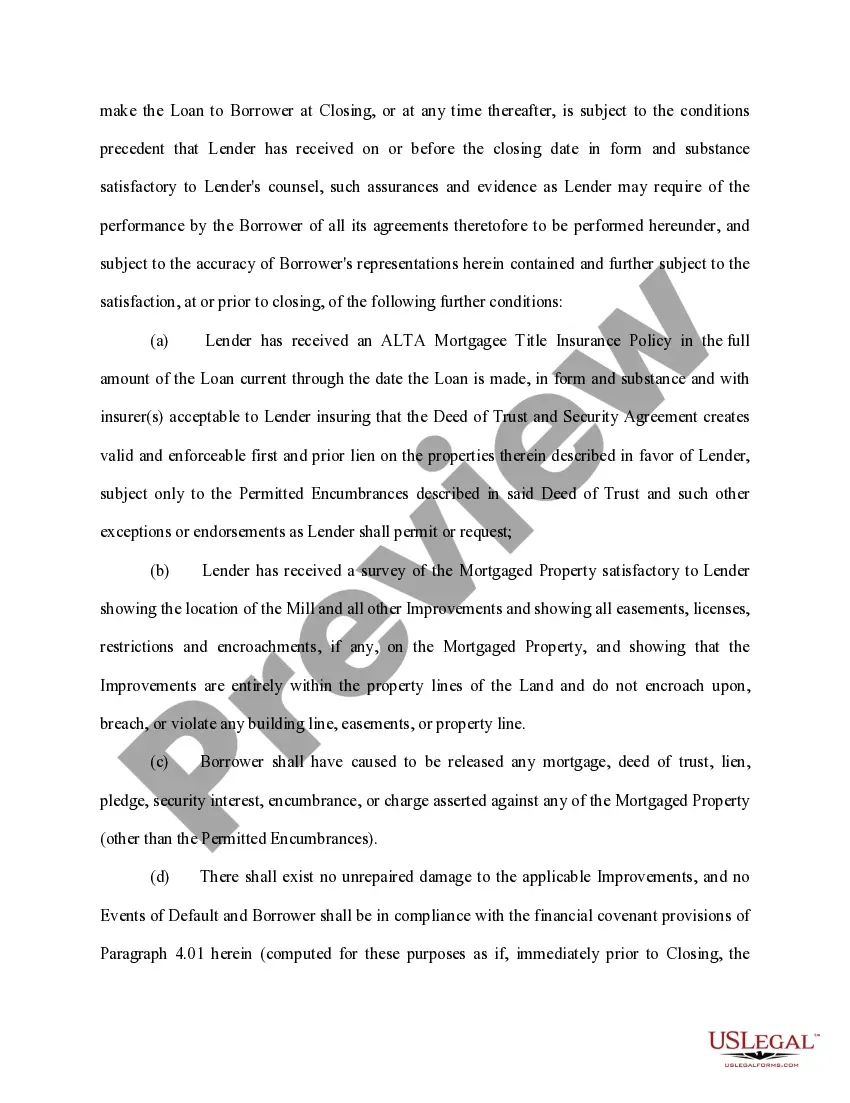

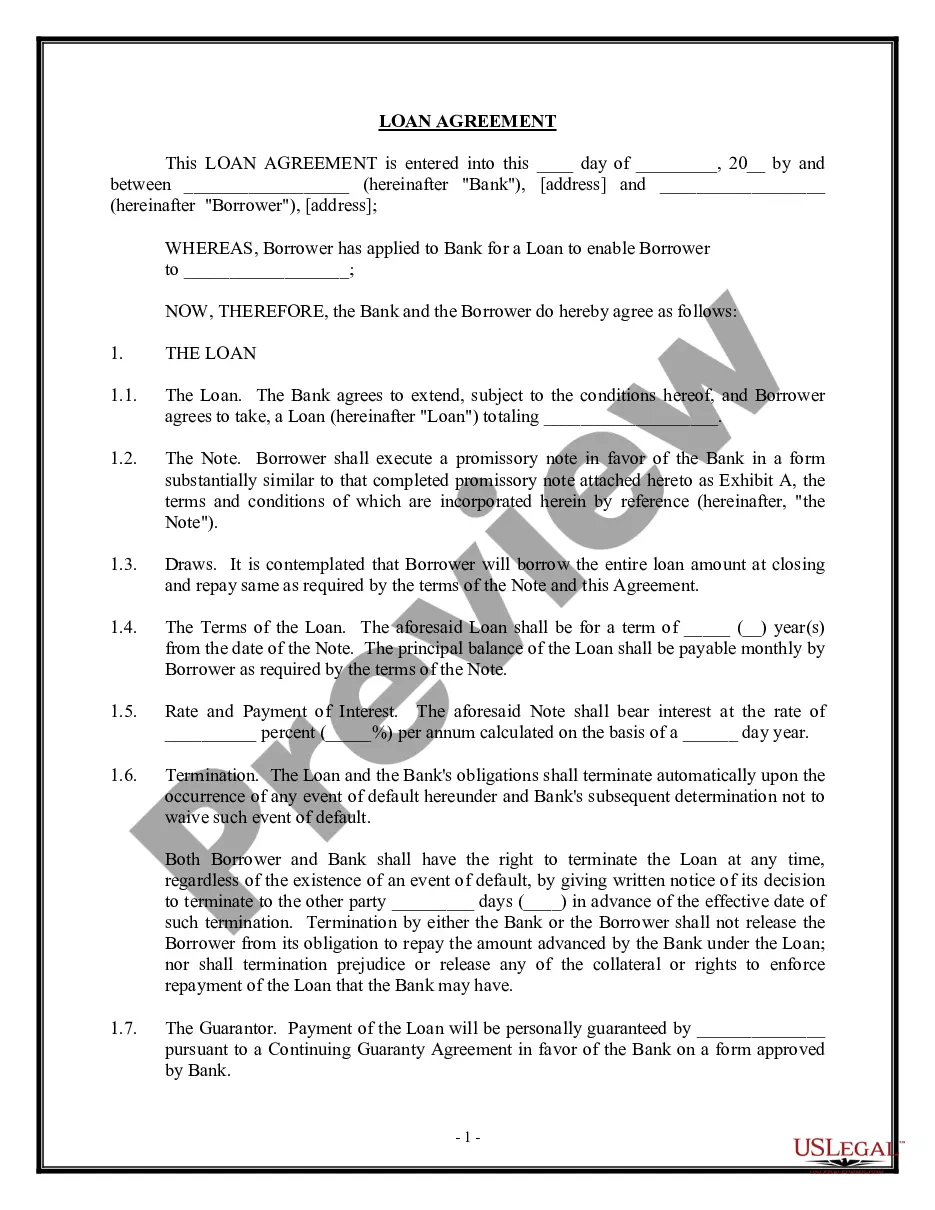
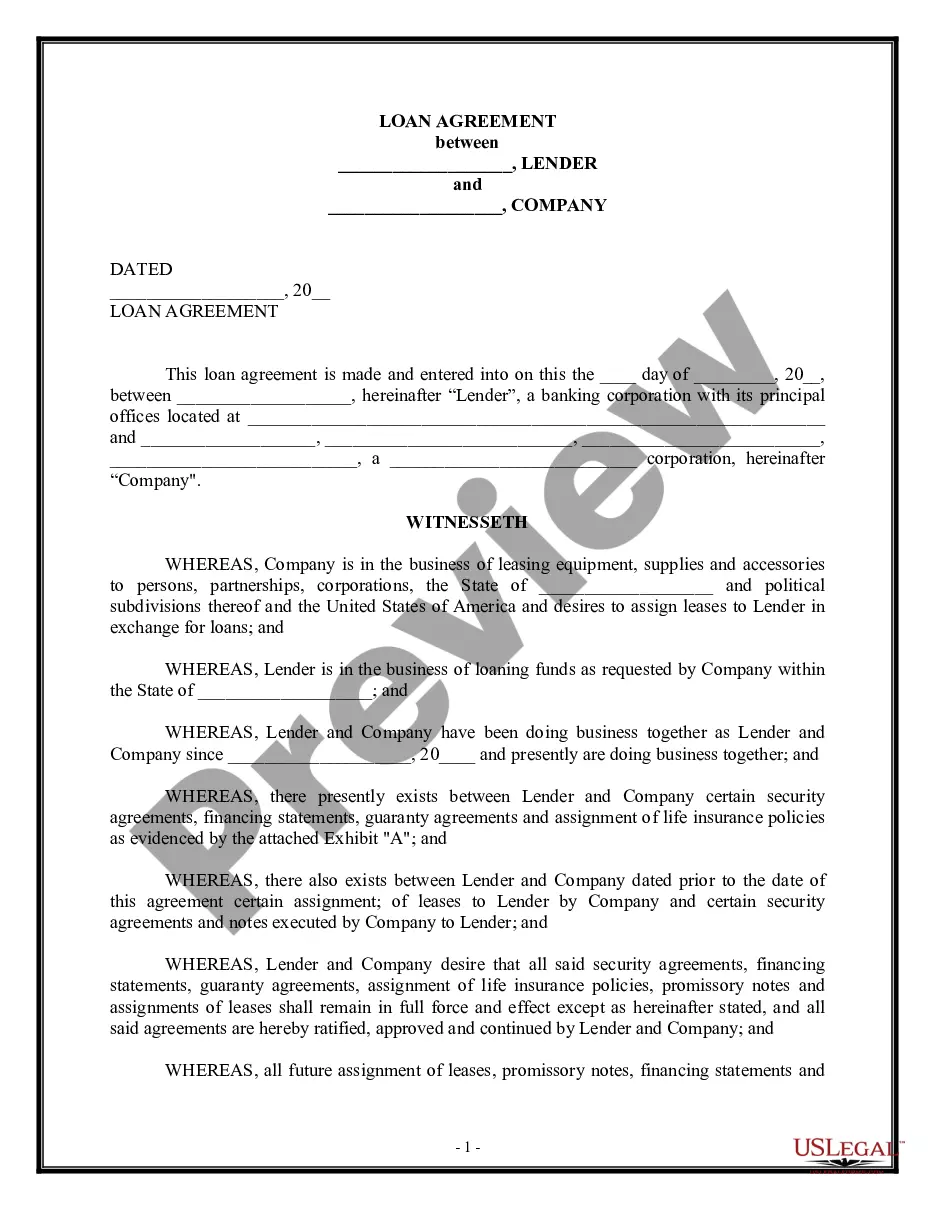
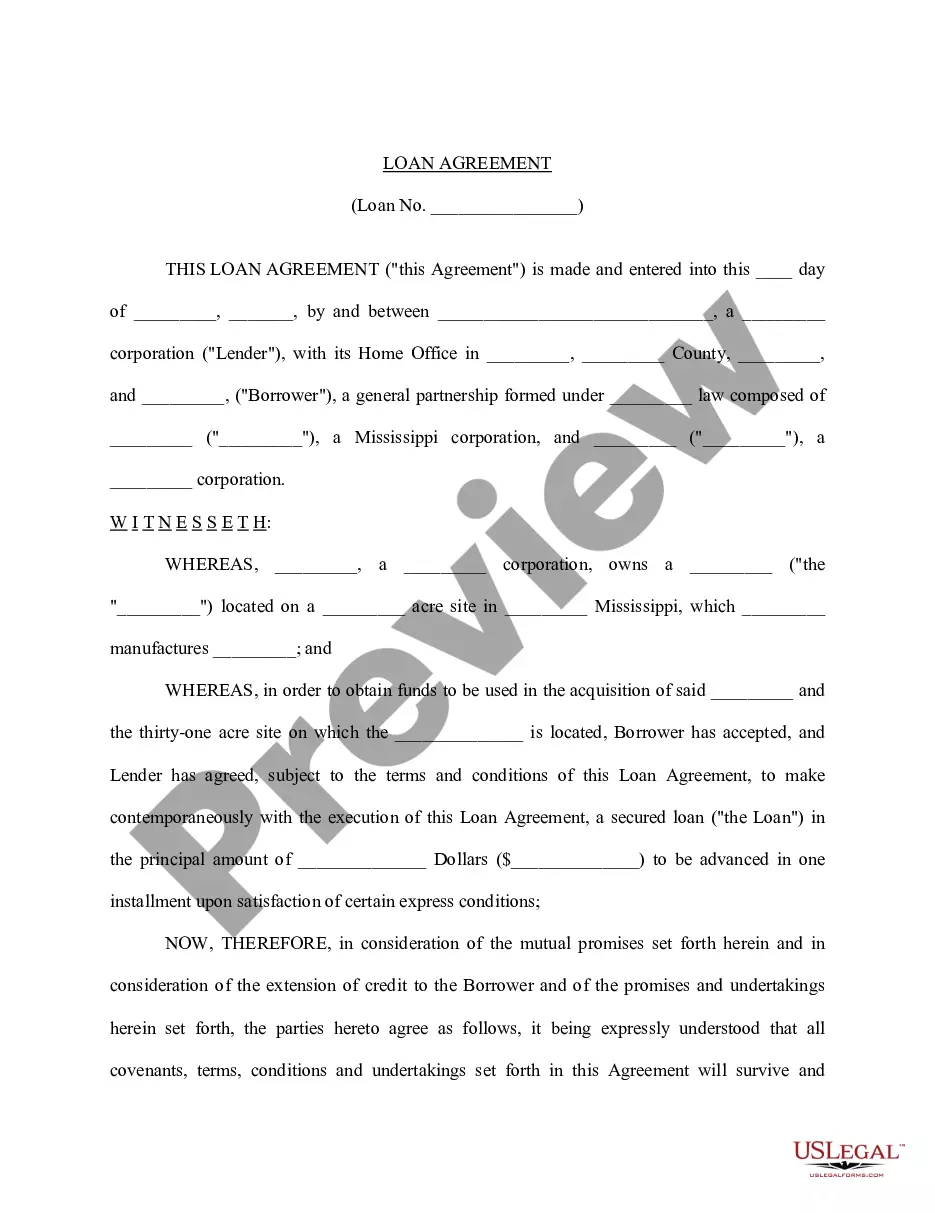
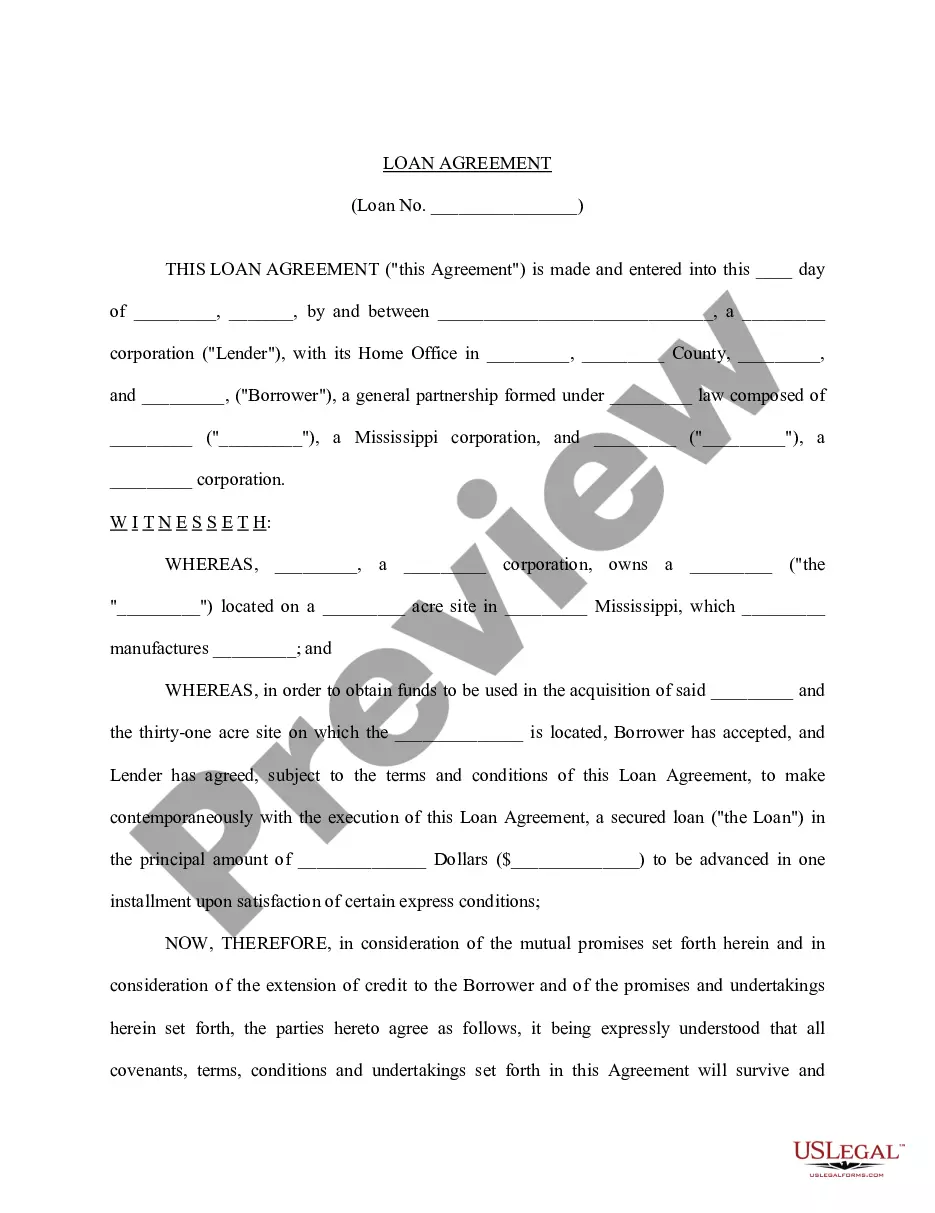
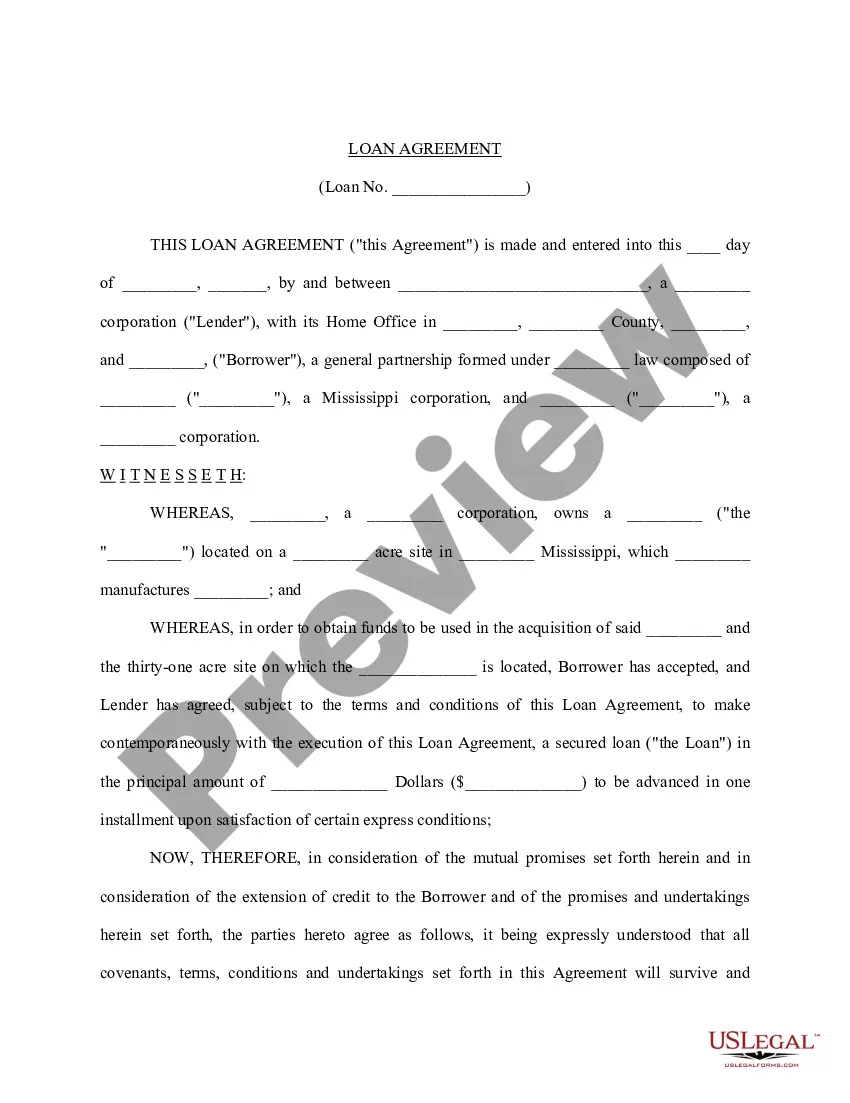
Get your form ready online
Our built-in tools help you complete, sign, share, and store your documents in one place.
Make edits, fill in missing information, and update formatting in US Legal Forms—just like you would in MS Word.
Download a copy, print it, send it by email, or mail it via USPS—whatever works best for your next step.
Sign and collect signatures with our SignNow integration. Send to multiple recipients, set reminders, and more. Go Premium to unlock E-Sign.
If this form requires notarization, complete it online through a secure video call—no need to meet a notary in person or wait for an appointment.
We protect your documents and personal data by following strict security and privacy standards.

Make edits, fill in missing information, and update formatting in US Legal Forms—just like you would in MS Word.

Download a copy, print it, send it by email, or mail it via USPS—whatever works best for your next step.

Sign and collect signatures with our SignNow integration. Send to multiple recipients, set reminders, and more. Go Premium to unlock E-Sign.

If this form requires notarization, complete it online through a secure video call—no need to meet a notary in person or wait for an appointment.

We protect your documents and personal data by following strict security and privacy standards.
Looking for another form?
How to fill out Loan Agreement For Vehicle?
If you want to complete, down load, or print out legitimate document templates, use US Legal Forms, the greatest variety of legitimate varieties, which can be found on the web. Use the site`s simple and convenient lookup to find the files you require. Different templates for enterprise and specific reasons are sorted by classes and claims, or keywords and phrases. Use US Legal Forms to find the Connecticut Loan Agreement for Vehicle within a couple of clicks.
When you are already a US Legal Forms buyer, log in for your accounts and click the Acquire switch to obtain the Connecticut Loan Agreement for Vehicle. Also you can gain access to varieties you formerly delivered electronically within the My Forms tab of your accounts.
If you are using US Legal Forms for the first time, follow the instructions under:
- Step 1. Be sure you have chosen the shape for the appropriate area/region.
- Step 2. Utilize the Preview solution to look through the form`s information. Do not neglect to learn the explanation.
- Step 3. When you are not happy using the type, make use of the Research field towards the top of the monitor to get other models of the legitimate type format.
- Step 4. Once you have located the shape you require, select the Get now switch. Choose the costs prepare you favor and include your references to sign up for an accounts.
- Step 5. Method the deal. You may use your charge card or PayPal accounts to complete the deal.
- Step 6. Pick the file format of the legitimate type and down load it in your system.
- Step 7. Complete, edit and print out or indication the Connecticut Loan Agreement for Vehicle.
Each legitimate document format you purchase is your own property permanently. You possess acces to every single type you delivered electronically within your acccount. Click on the My Forms area and pick a type to print out or down load once more.
Contend and down load, and print out the Connecticut Loan Agreement for Vehicle with US Legal Forms. There are millions of specialist and status-specific varieties you can use for your enterprise or specific demands.
Form popularity
FAQ
To draft a Loan Agreement, you should include the following: The addresses and contact information of all parties involved. The conditions of use of the loan (what the money can be used for) Any repayment options. The payment schedule. The interest rates.
One such site shows that for those with a high credit score (720 and above) the average APR is 3.65% for new cars and for those with low credit scores (579 or below) the average APR is 14.39% for new cars. One way that a good lender can help with your car loan interest rate is by helping you improve your credit score.
The law says that the most a lender can charge for an auto loan are about 16% APR, but some lenders get away with 25% or more. Your annual percentage rate (APR) for a car loan depends on your credit score and whether you want a new or used car.
Interest Rates Laws in Connecticut Code SectionGeneral Statutes of Connecticut Title 37-1, et seq.: InterestLegal Maximum Rate of Interest12% (§37-4)Penalty for Usury (Unlawful Interest Rate)Loan is not enforceable (§36a-573)Interest Rates on JudgmentsAbsent agreement to contrary, 8% (§37-1)1 more row
USURY LAW (LIMITATIONS ON INTEREST RATES CHARGED ON LOANS) The California Constitution prohibits loans that are made primarily for personal, family or household purposes from having interest rates above 10% per year. This is California's general usury law. However, there are many exceptions.
The highest interest rate for a car loan is about 25%. However, the highest car interest rate limits vary by state. And while state laws called usury laws are meant to keep lenders from charging exorbitant rates, there are loopholes in some of these laws.