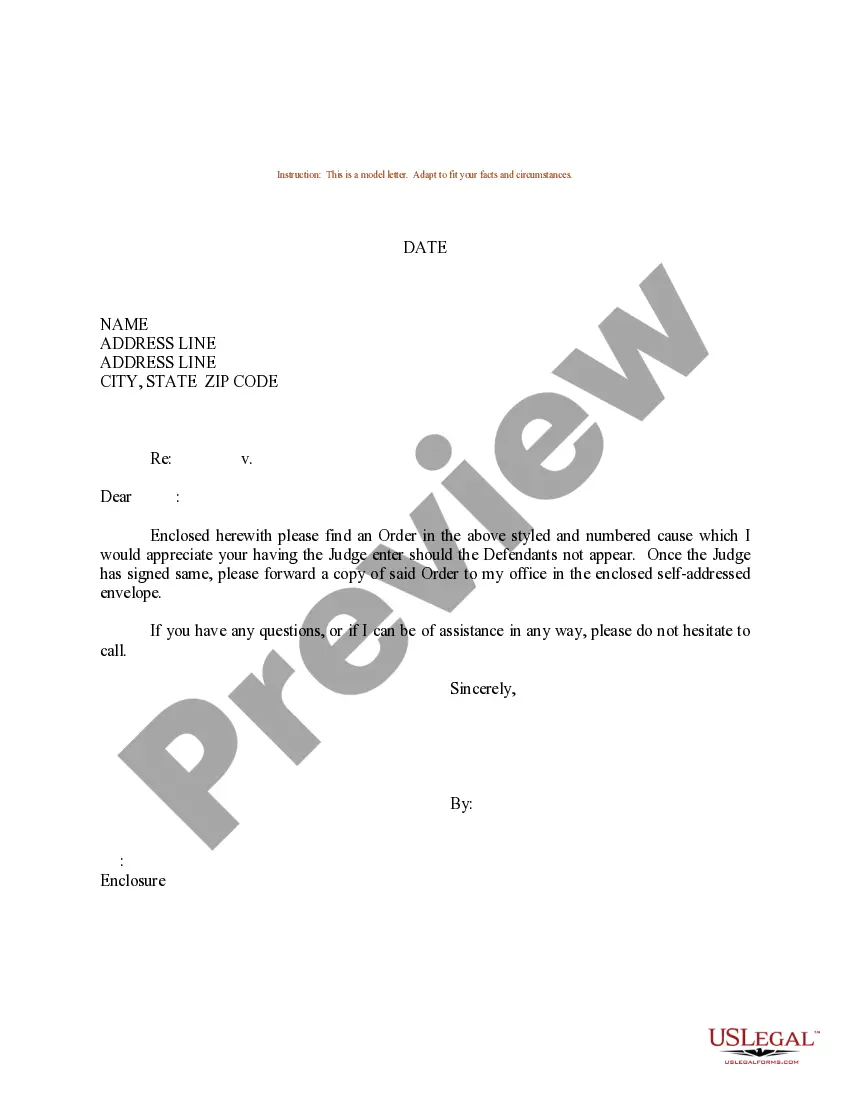
Connecticut Sample Letter sending Order
Description

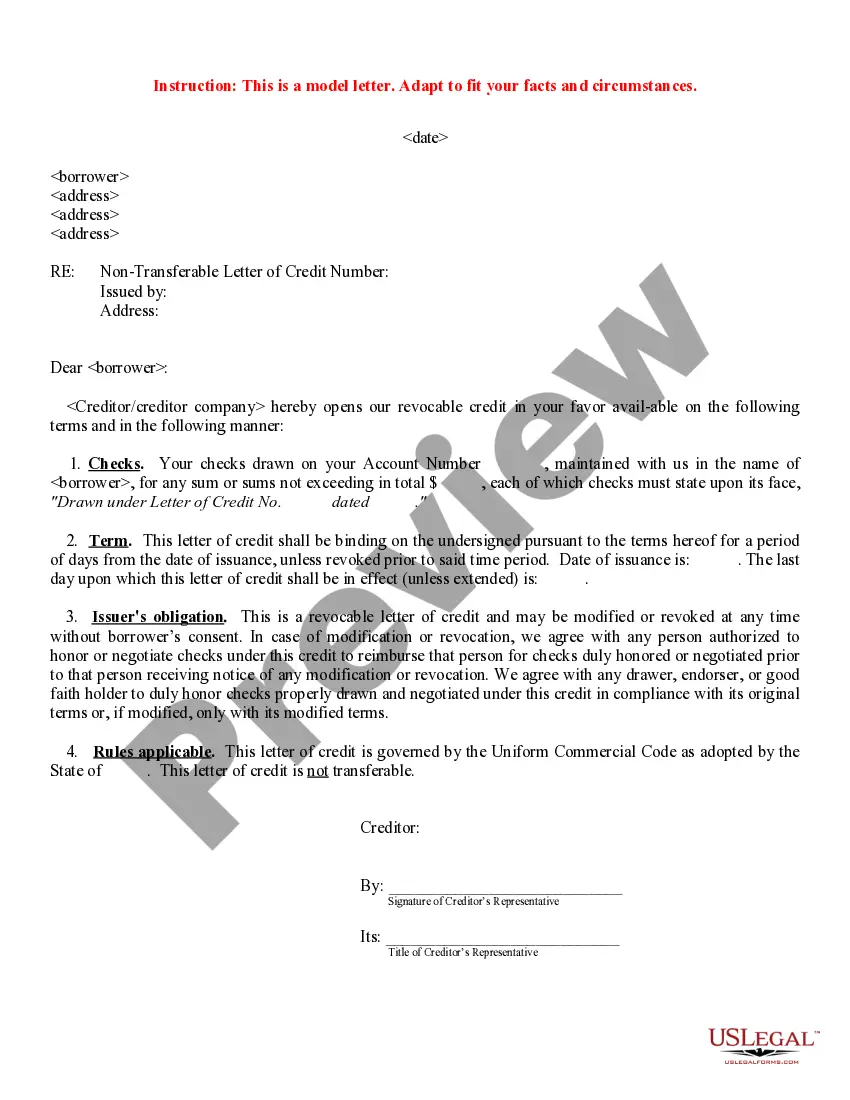
Get your form ready online
Our built-in tools help you complete, sign, share, and store your documents in one place.
Make edits, fill in missing information, and update formatting in US Legal Forms—just like you would in MS Word.
Download a copy, print it, send it by email, or mail it via USPS—whatever works best for your next step.
Sign and collect signatures with our SignNow integration. Send to multiple recipients, set reminders, and more. Go Premium to unlock E-Sign.
If this form requires notarization, complete it online through a secure video call—no need to meet a notary in person or wait for an appointment.
We protect your documents and personal data by following strict security and privacy standards.

Make edits, fill in missing information, and update formatting in US Legal Forms—just like you would in MS Word.

Download a copy, print it, send it by email, or mail it via USPS—whatever works best for your next step.

Sign and collect signatures with our SignNow integration. Send to multiple recipients, set reminders, and more. Go Premium to unlock E-Sign.

If this form requires notarization, complete it online through a secure video call—no need to meet a notary in person or wait for an appointment.

We protect your documents and personal data by following strict security and privacy standards.
Looking for another form?

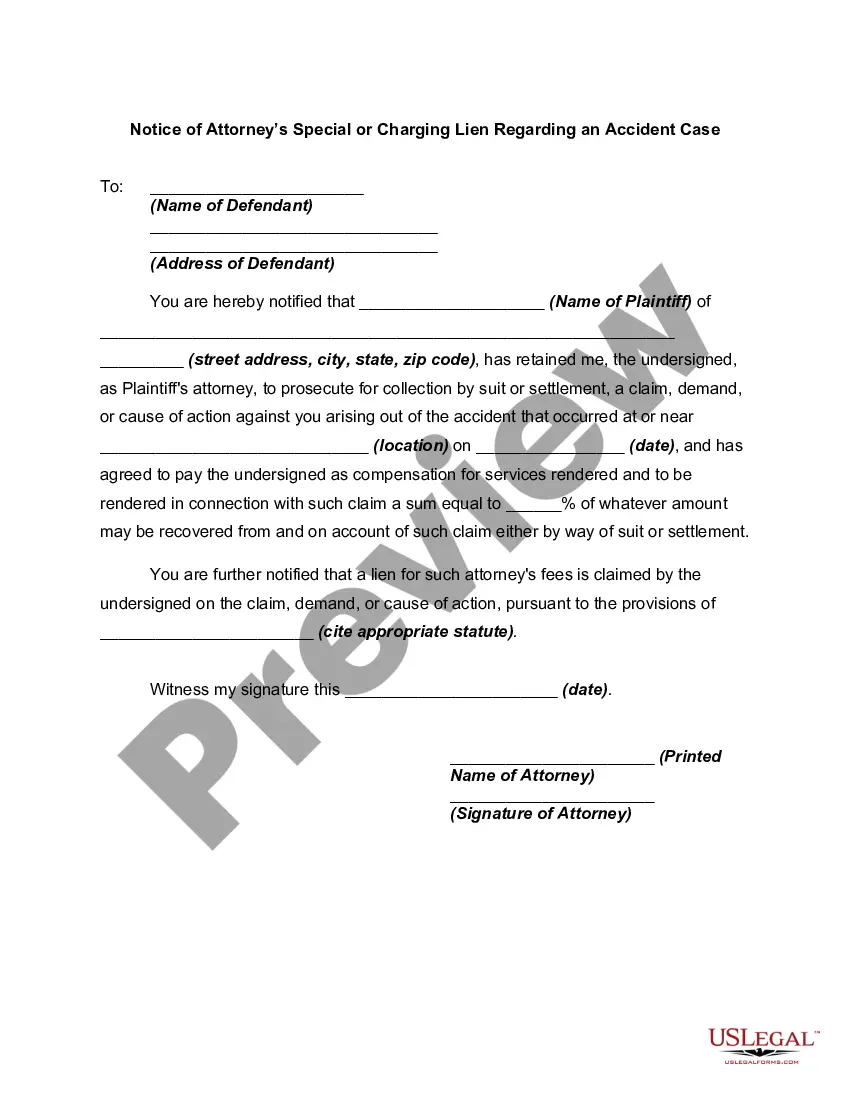


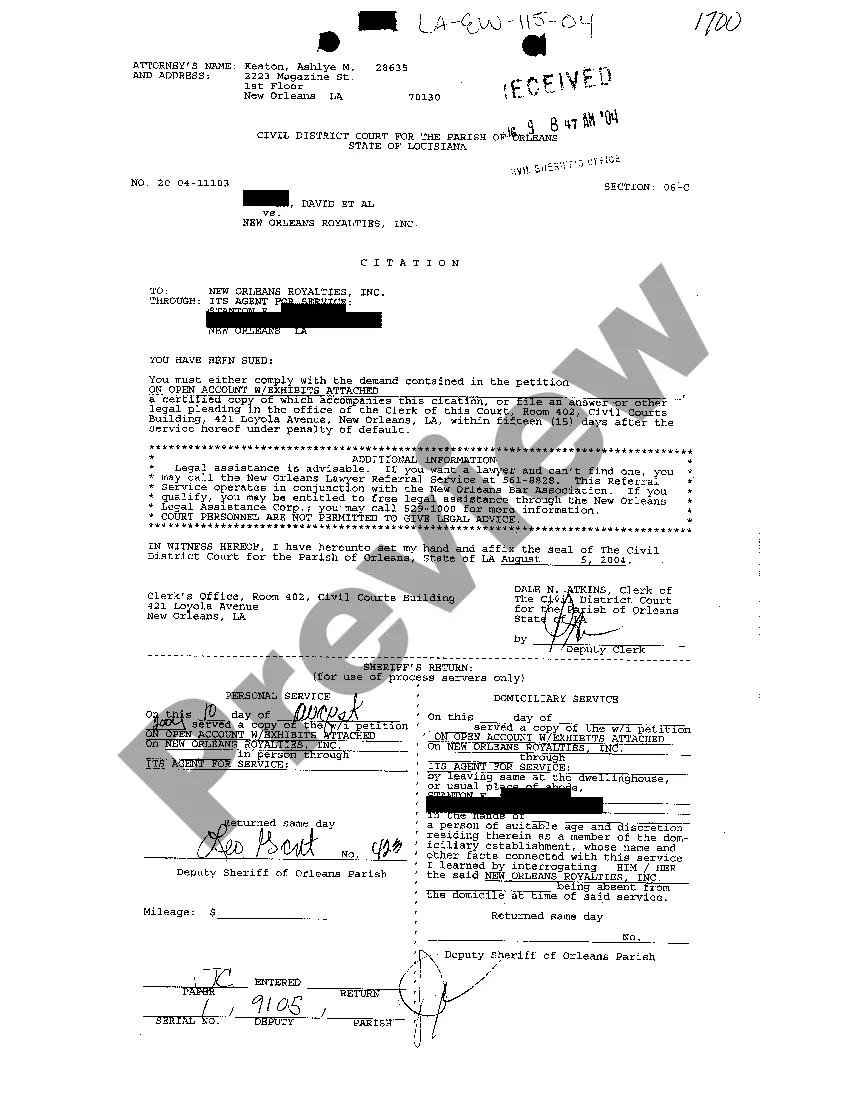
How to fill out Sample Letter Sending Order?
US Legal Forms - one of the largest collections of legal documents in the United States - provides a variety of legal document templates that you can download or print. By using the website, you can access thousands of forms for business and personal purposes, organized by categories, states, or keywords. You can find the most recent versions of forms such as the Connecticut Sample Letter sending Order in just moments.
If you already have a subscription, Log In and download the Connecticut Sample Letter sending Order from the US Legal Forms library. The Download option will appear on every form you view. You have access to all previously saved forms from the My documents section of your account.
If you are using US Legal Forms for the first time, here are simple instructions to help you begin: Make sure you have selected the correct form for your city/state. Click on the Preview button to review the form's content. Check the form description to confirm that you have chosen the right form. If the form does not meet your needs, use the Search field at the top of the screen to find one that does. If you are satisfied with the form, confirm your selection by clicking the Purchase now button. Then, choose the pricing plan you desire and provide your information to create an account. Process the payment. Use a credit card or PayPal account to complete the transaction. Select the format and download the form to your device. Make edits. Fill out, modify, print, and sign the saved Connecticut Sample Letter sending Order. Each template you added to your account does not have an expiration date and belongs to you indefinitely. Therefore, if you wish to download or print another copy, simply go to the My documents section and click on the form you need.
- Access the Connecticut Sample Letter sending Order with US Legal Forms, the most extensive library of legal document templates.
- Utilize a vast array of professional and state-specific templates that meet your business or personal needs and requirements.
Form popularity
FAQ
Rule 7.1. A lawyer shall not make a false or misleading communication about the lawyer or the lawyer's services. A communication is false or misleading if it contains a material misrepresentation of fact or law, or omits a fact necessary to make the statement considered as a whole not materially misleading.
Rule 4.2 of the Rules of Professional Conduct provides that ?[i]n representing a client, a lawyer shall not communicate about the subject of the representation with a party the lawyer knows to be represented by another lawyer in the matter, unless the lawyer has the consent of the other lawyer or is authorized by law ...
Rule 1.10 - Imputation of Conflicts of Interest: General Rule (a) While lawyers are associated in a firm, none of them shall knowingly represent a client when any one of them practicing alone would be prohibited from doing so by Rules 1.7, 1.8(c), or 1.9, unless the prohibition is based on a personal interest of the ...
The responding party must serve its answers and any objections within 30 days after being served with the interrogatories, except that a defendant may serve answers or objections within 45 days after service of the summons and complaint upon that defendant or within 75 days after service of the summons and complaint ...
Ing to Connecticut Practice Book section 10-37(a), the Request to Revise shall be considered granted by the Clerk on the date it is filed. The Plaintiff has 30 days to make the requested revisions to the Complaint, unless the Plaintiff files an Objection.