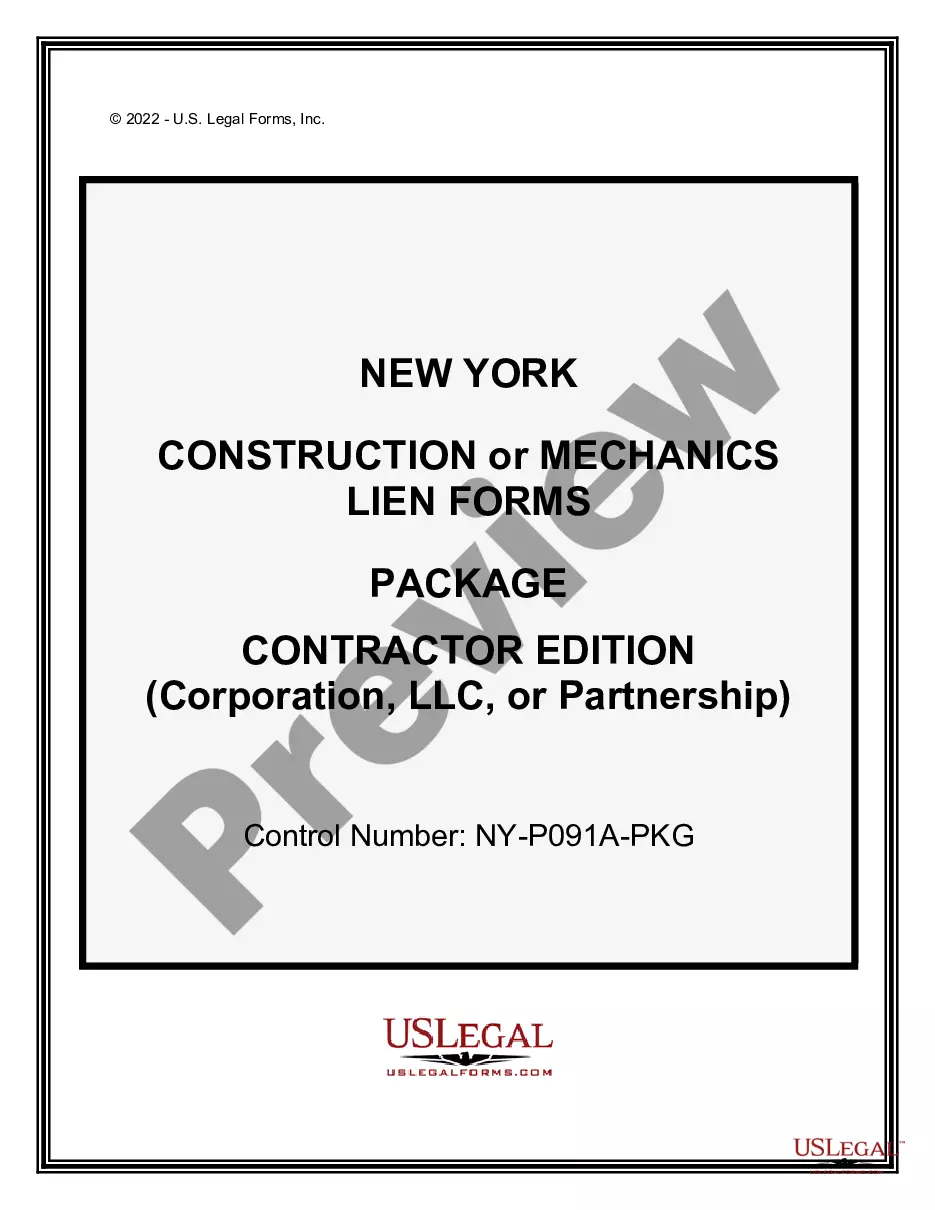
New York Construction or Mechanics Lien Package - Individual

Overview of this form package
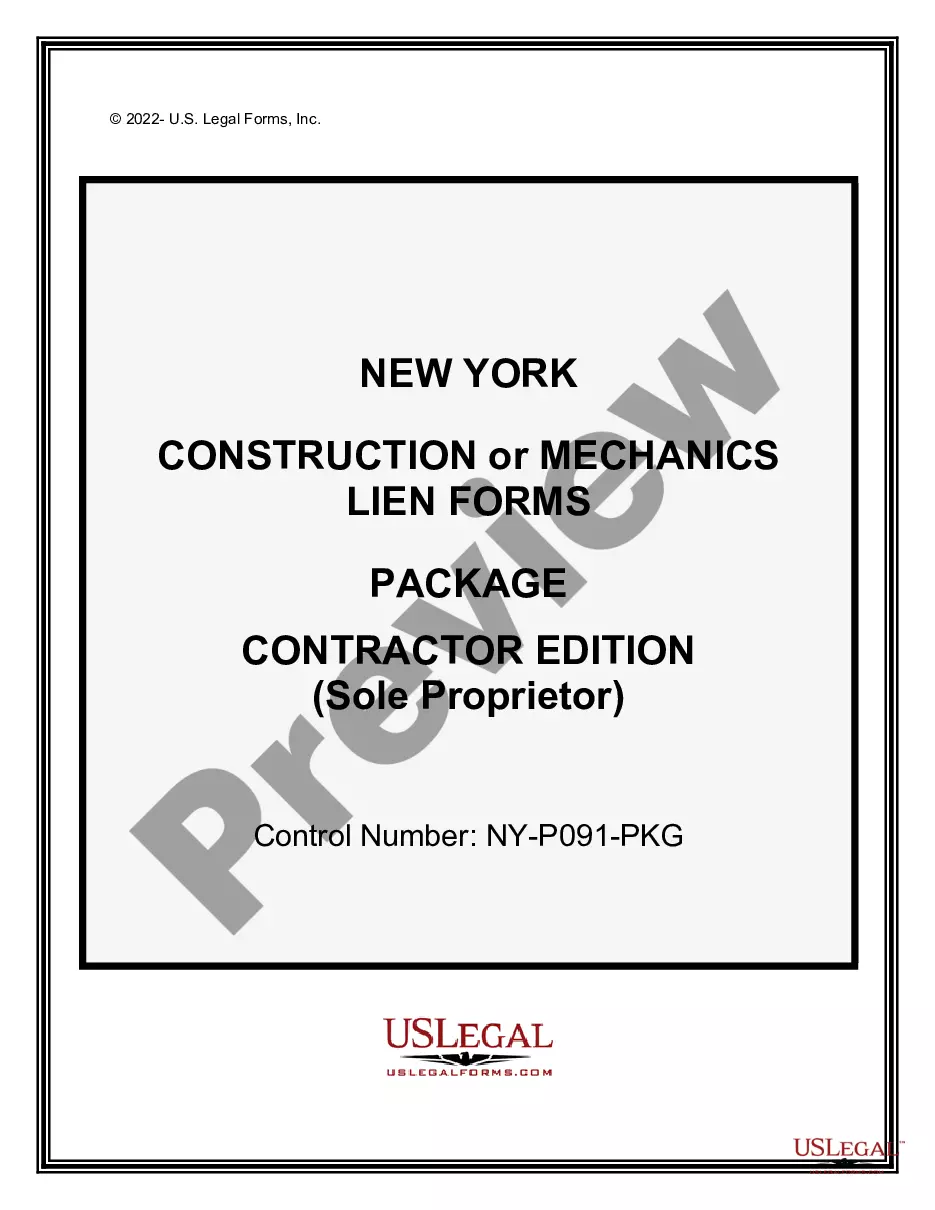
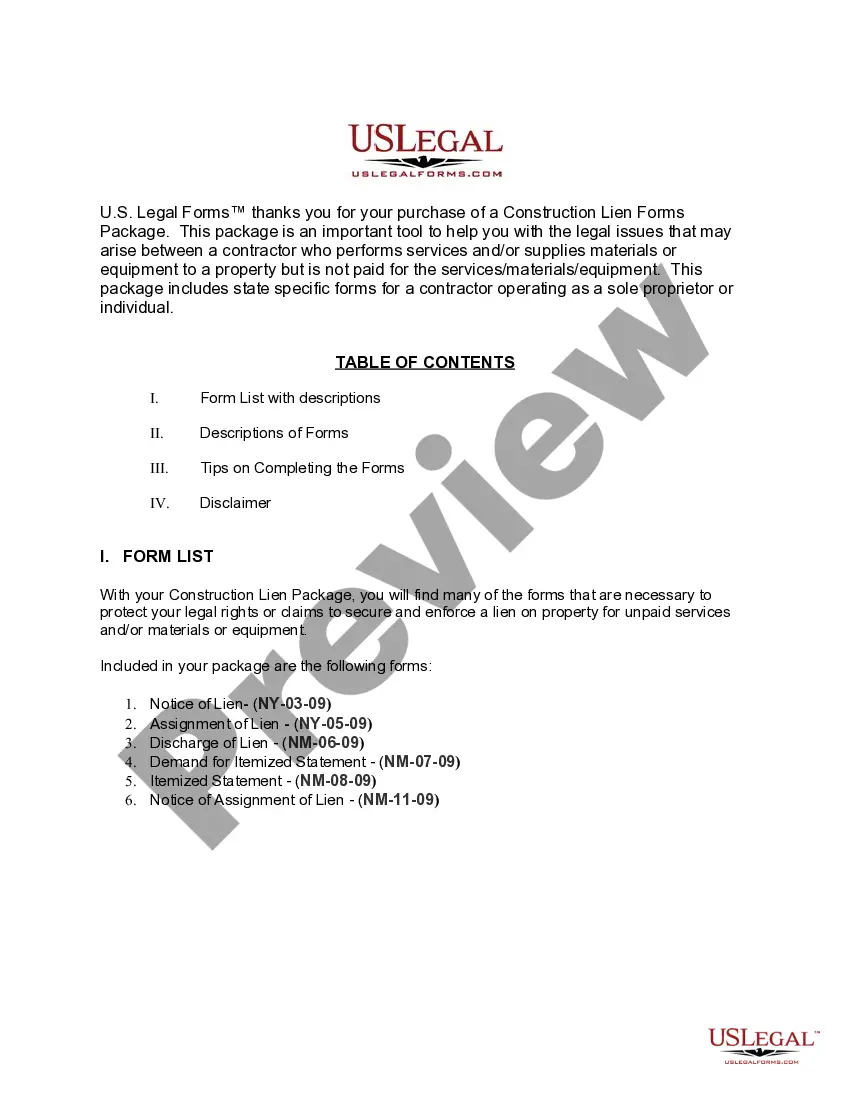
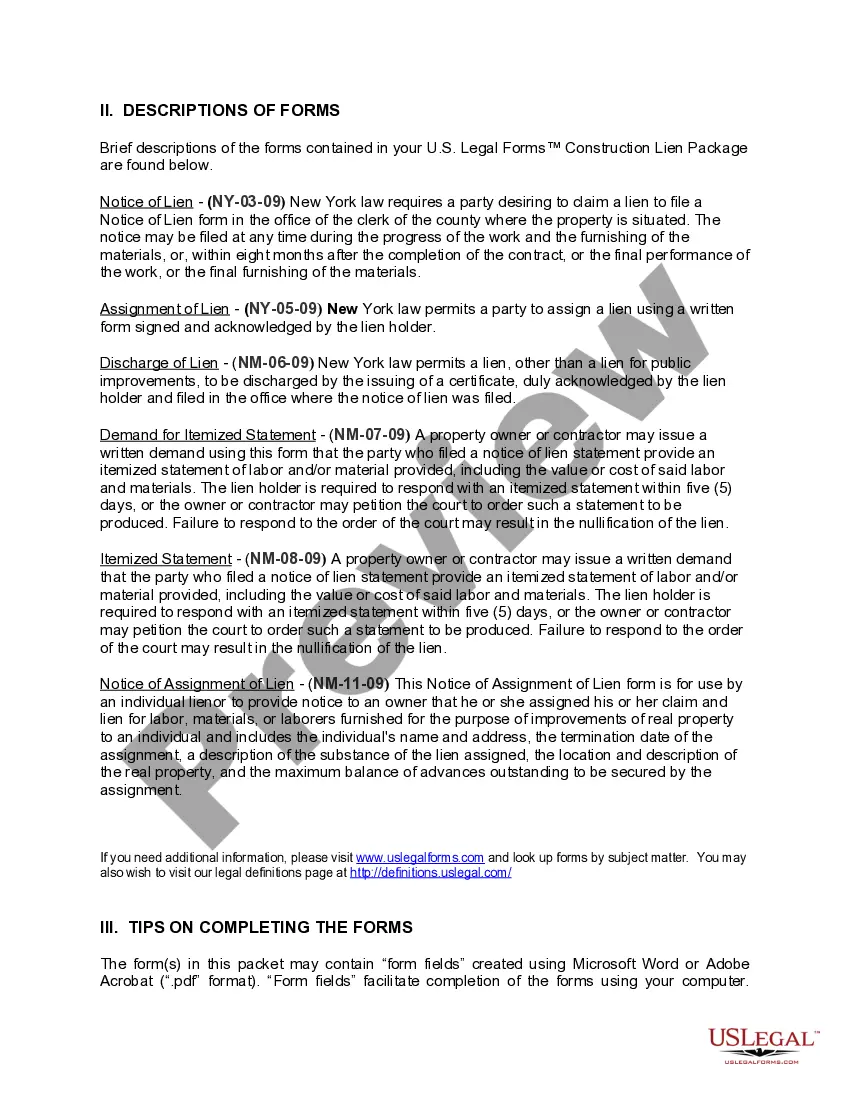
The New York Construction or Mechanics Lien Package for individuals is designed to help sole proprietors recover money owed for labor, materials, or services provided for property improvements. This package includes essential forms and guidance to effectively impose a lien on the property in question, ensuring that your legal rights are protected. Unlike other packages, this is specifically tailored for individual contractors and does not contain forms for property owners.
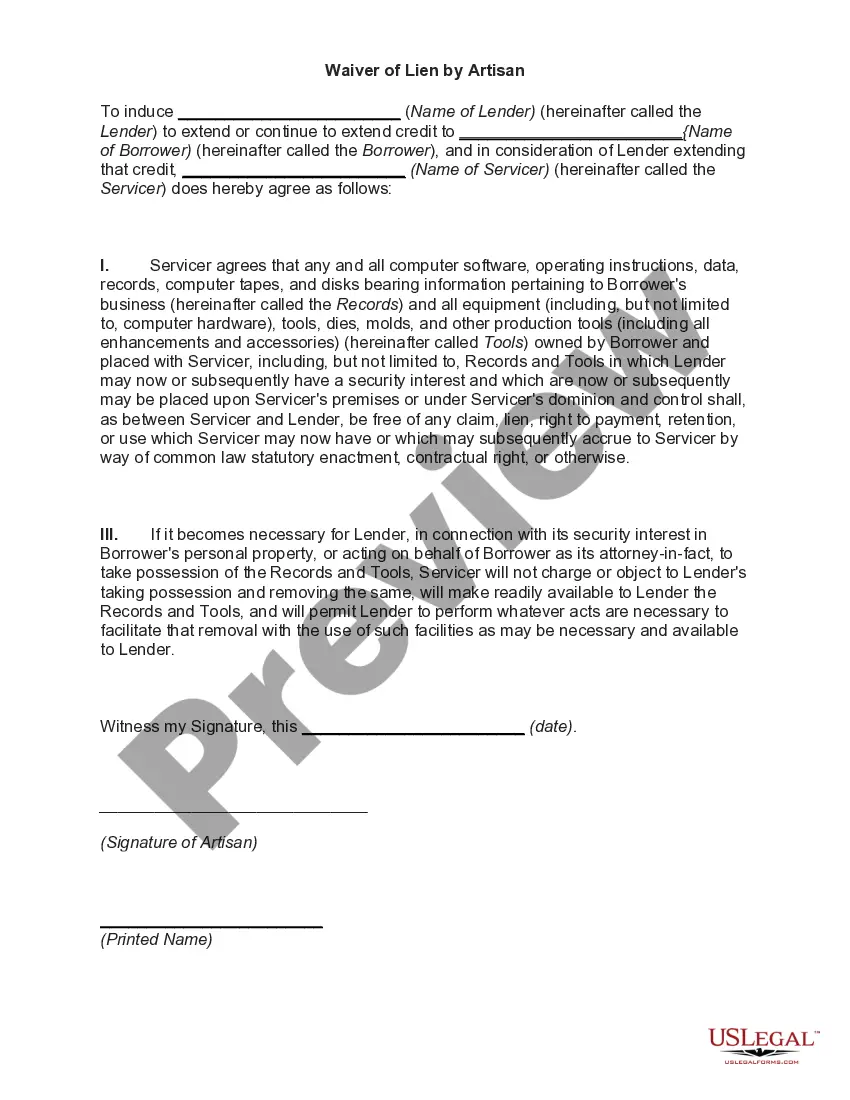
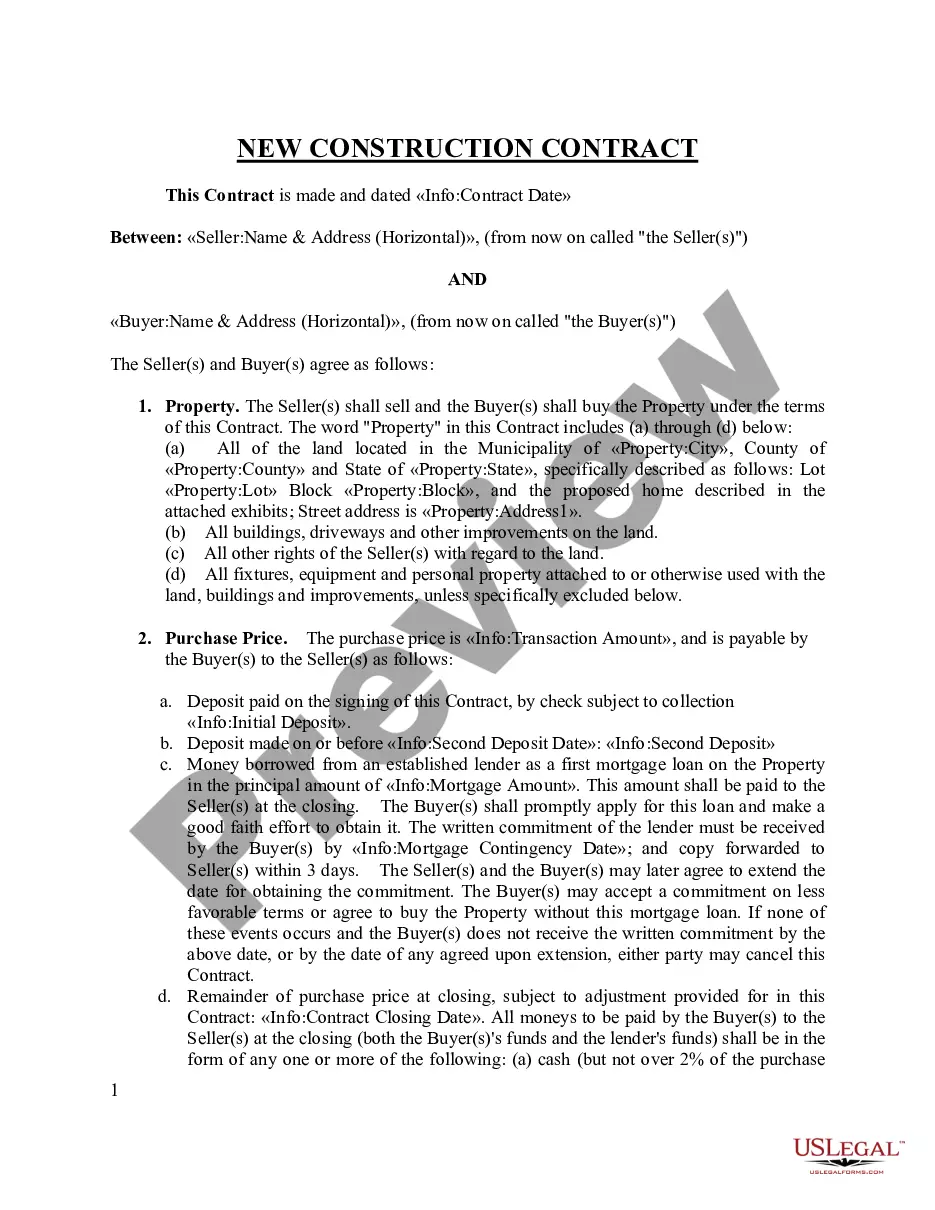
What’s included in this form package
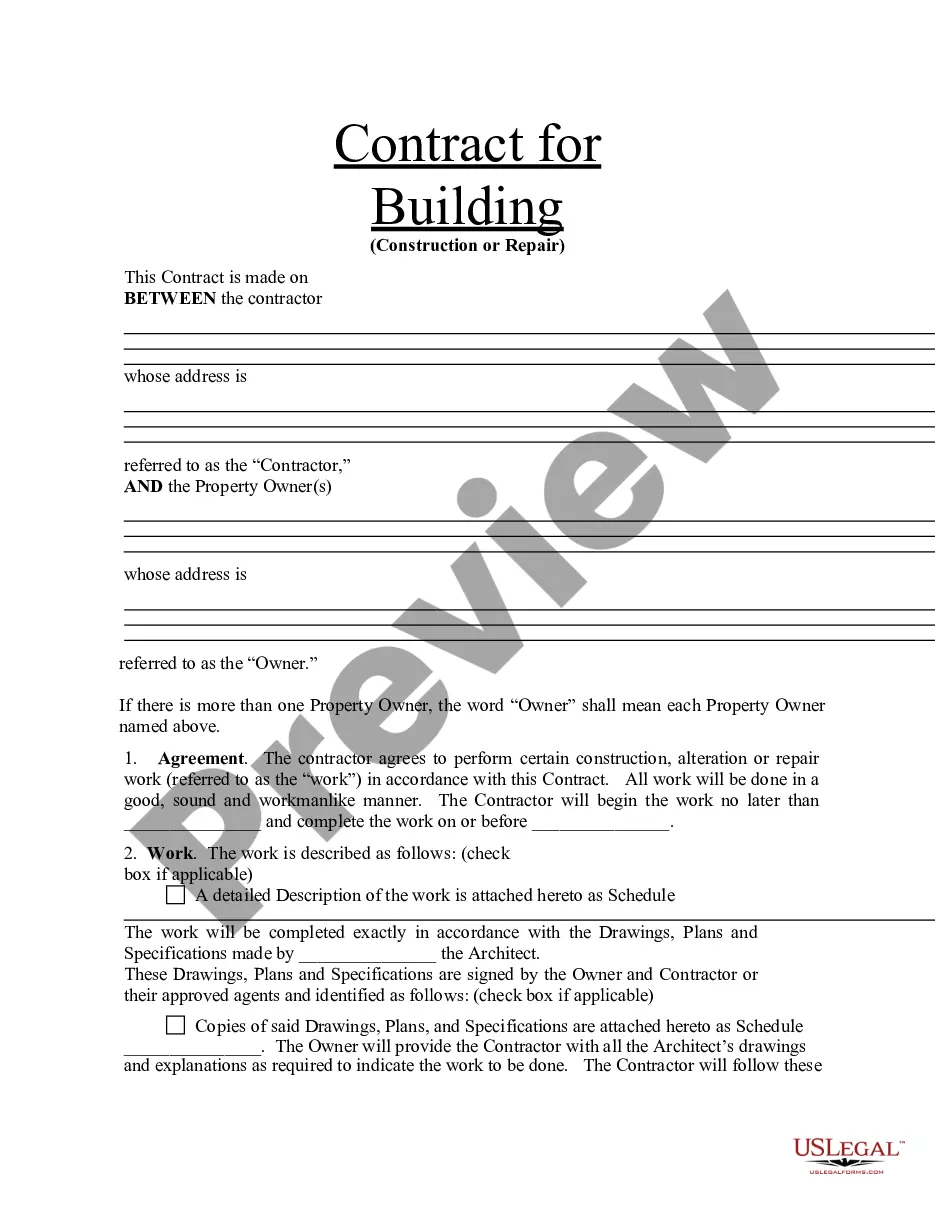
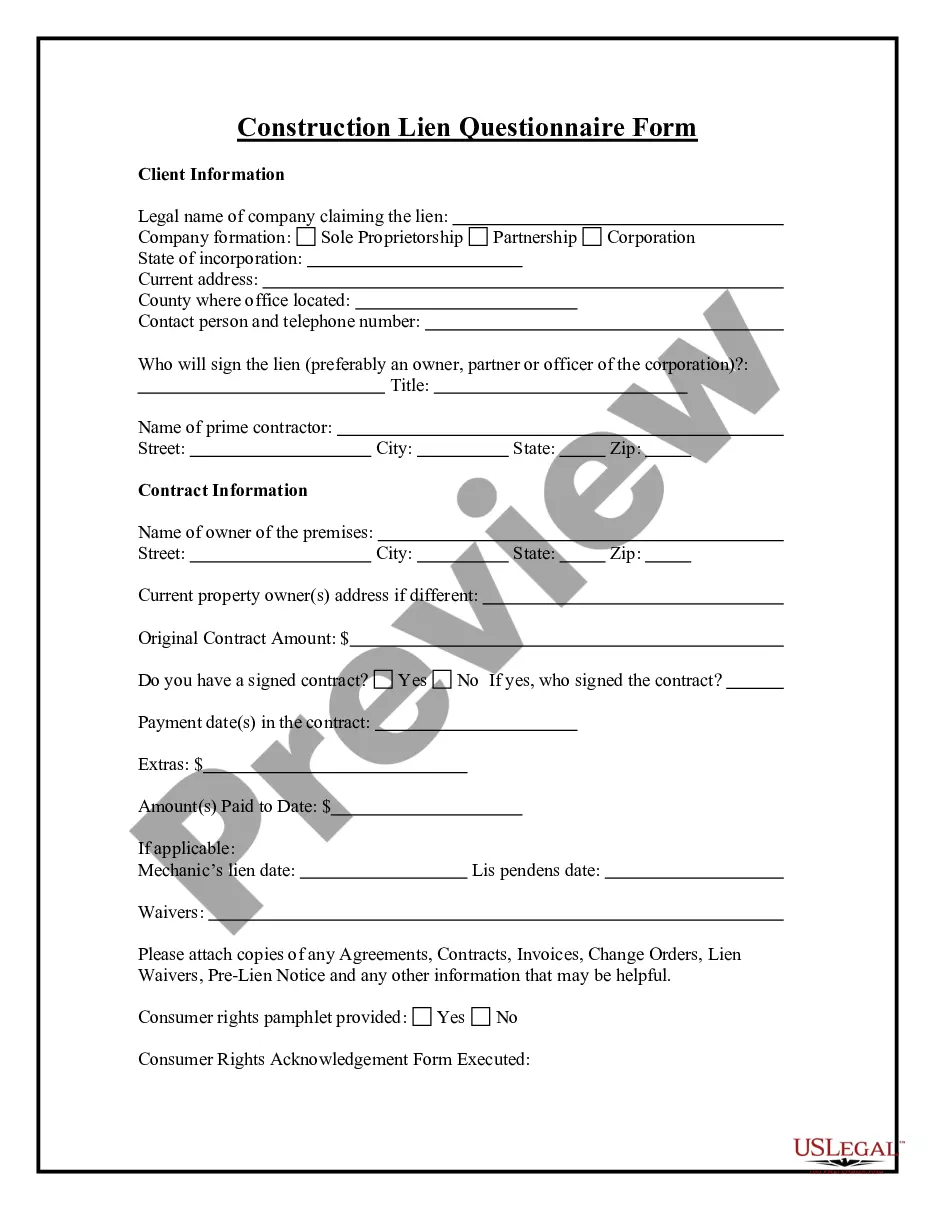
When to use this form package
This package is essential when a sole proprietor has provided services or materials to a property and has not been paid. It is particularly useful in the following scenarios:
- When you have completed a project and the client has defaulted on payment.
- When you want to secure your right to payment by placing a lien on the property that benefited from your services.
- When you need to enforce your claim for unpaid services or materials legally.
Who should use this form package
- Sole proprietors who provide labor, services, or materials for property improvements.
- Independent contractors wanting to secure payment through a lien.
- Individuals who have not received payment for their work on real property.
How to prepare this document
- Review the included forms to understand what is required for your lien filing.
- Identify the parties involved and ensure correct information is provided.
- Complete the necessary forms, ensuring all required details are filled out accurately.
- Sign the forms where indicated, and gather any additional documentation required.
- File the forms with the appropriate local authority as instructed in the package.
Do documents in this package require notarization?
Notarization is required for one or more forms in this package. US Legal Forms provides secure online notarization powered by Notarize, allowing you to complete the process through a verified video call.
Get your form ready online
Our built-in tools help you complete, sign, share, and store your documents in one place.
Make edits, fill in missing information, and update formatting in US Legal Forms—just like you would in MS Word.
Download a copy, print it, send it by email, or mail it via USPS—whatever works best for your next step.
Sign and collect signatures with our SignNow integration. Send to multiple recipients, set reminders, and more. Go Premium to unlock E-Sign.
If this form requires notarization, complete it online through a secure video call—no need to meet a notary in person or wait for an appointment.
We protect your documents and personal data by following strict security and privacy standards.

Make edits, fill in missing information, and update formatting in US Legal Forms—just like you would in MS Word.

Download a copy, print it, send it by email, or mail it via USPS—whatever works best for your next step.

Sign and collect signatures with our SignNow integration. Send to multiple recipients, set reminders, and more. Go Premium to unlock E-Sign.

If this form requires notarization, complete it online through a secure video call—no need to meet a notary in person or wait for an appointment.

We protect your documents and personal data by following strict security and privacy standards.
Typical mistakes to avoid
- Failing to provide all necessary information in the forms.
- Not filing the forms within the appropriate time frame.
- Incorrectly identifying the property or parties involved.
Benefits of using this package online
- Convenient access to forms tailored to your needs at any time.
- Edit and save forms in a secure digital format before printing.
- Comprehensive guidance and resources simplify the lien filing process.
Legal use & context
- Mechanics liens allow service providers to claim rights against a property for non-payment.
- These liens must be filed according to state laws to be enforceable.
- Failure to follow proper procedures may result in the loss of lien rights.
What to keep in mind
- The New York Construction or Mechanics Lien Package is essential for sole proprietors seeking owed payments.
- Understanding the lien process and following legal requirements ensures your rights are protected.
- Utilizing this online form package simplifies the preparation and filing of necessary documentation.
Looking for another form?

Form popularity
FAQ
Fill out the proper NY mechanics lien form. New York law sets specific requirements for the form to use when filing a mechanics lien claim. Serve a copy of the lien on the property owner. You must notify the property owner of the lien. Record the lien with the NY county recorder.
The simplest way to prevent liens and ensure that subcontractors and suppliers are paid is to pay with joint checks. This is when both parties endorse the check. Compare the contractor's materials or labor bill to the schedule of payments in your contract and the Preliminary Notices.
It is extremely important to pay attention to the time periods for filing a mechanics lien in NY. Mechanics' liens in New York on private property must be filed within eight months of the last date the lienor provided materials or services to the Project.
The process of bonding off a mechanics lien starts after a claimant has filed a mechanics lien. After the claim is made, a general contractor or a property owner can contact a surety bond company to purchase a surety bond that replaces the value of the lien that was filed against the property.
With the judgment in hand, a judgment creditor can place a judgment lien on your real estate and occasionally on personal property depending on the state in which you live.
Filing a construction lien on residential projects requires filing a Notice of Unpaid Balance and Right to File Lien within 90 days of the last day of service. The homeowner must also get a copy of that notice within 10 days of its filing.
Placing the Lien With a direct contractor, the notice is part of her contract with you. If the bills go unpaid, the contractor or sub sends you a notice along with her claim of lien. She then files the lien with the county within 90 days of the project being finished or your acceptance of the work.
A contractor's lien (often known as a mechanic's lien, or a construction lien) is a claim made by contractors or subcontractors who have performed work on a property, and have not yet been paid.After all, contractors would rather work out a deal than go through the hassle of filing a lien against your property.
A mortgage creates a lien on your property that gives the lender the right to foreclose and sell the home to satisfy the debt. A deed of trust (sometimes called a trust deed) is also a document that gives the lender the right to sell the property to satisfy the debt should you fail to pay back the loan.