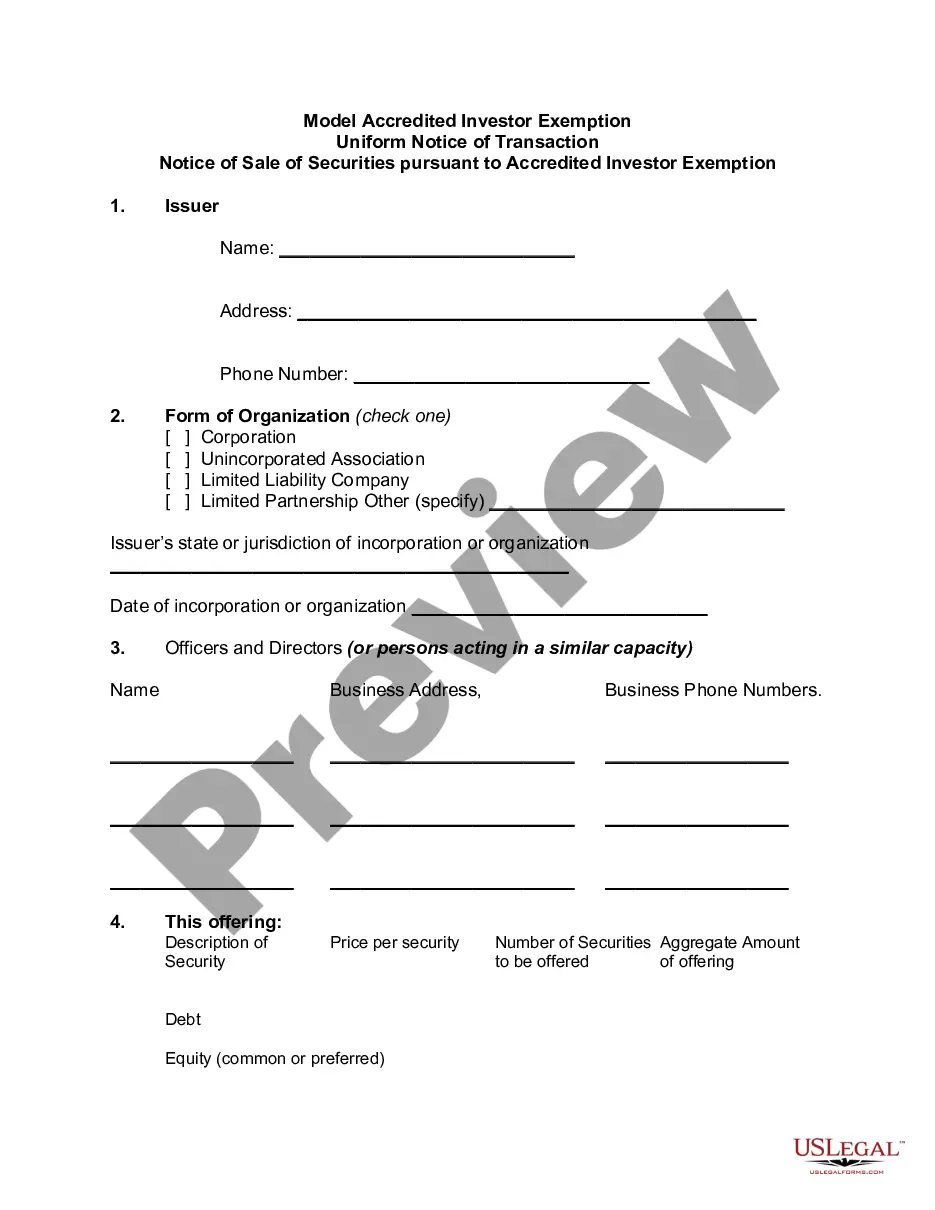
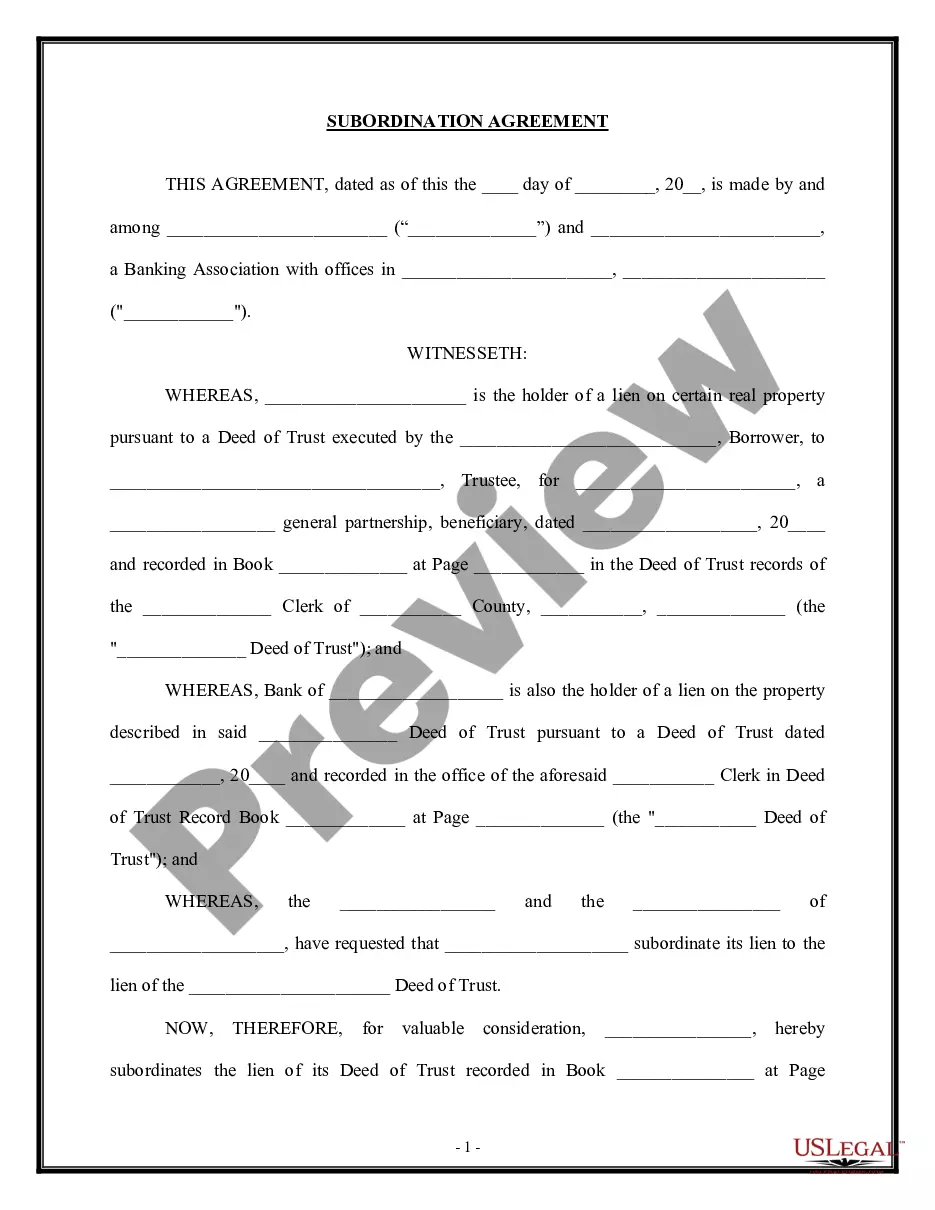
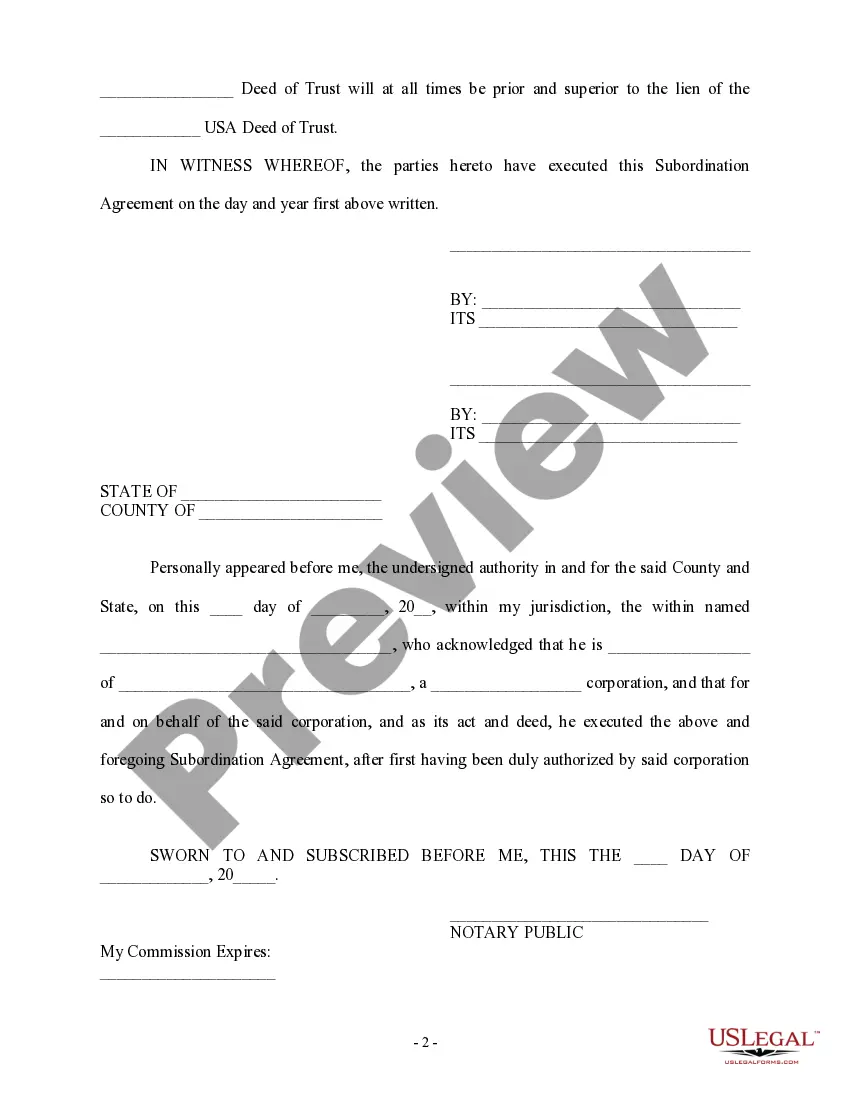
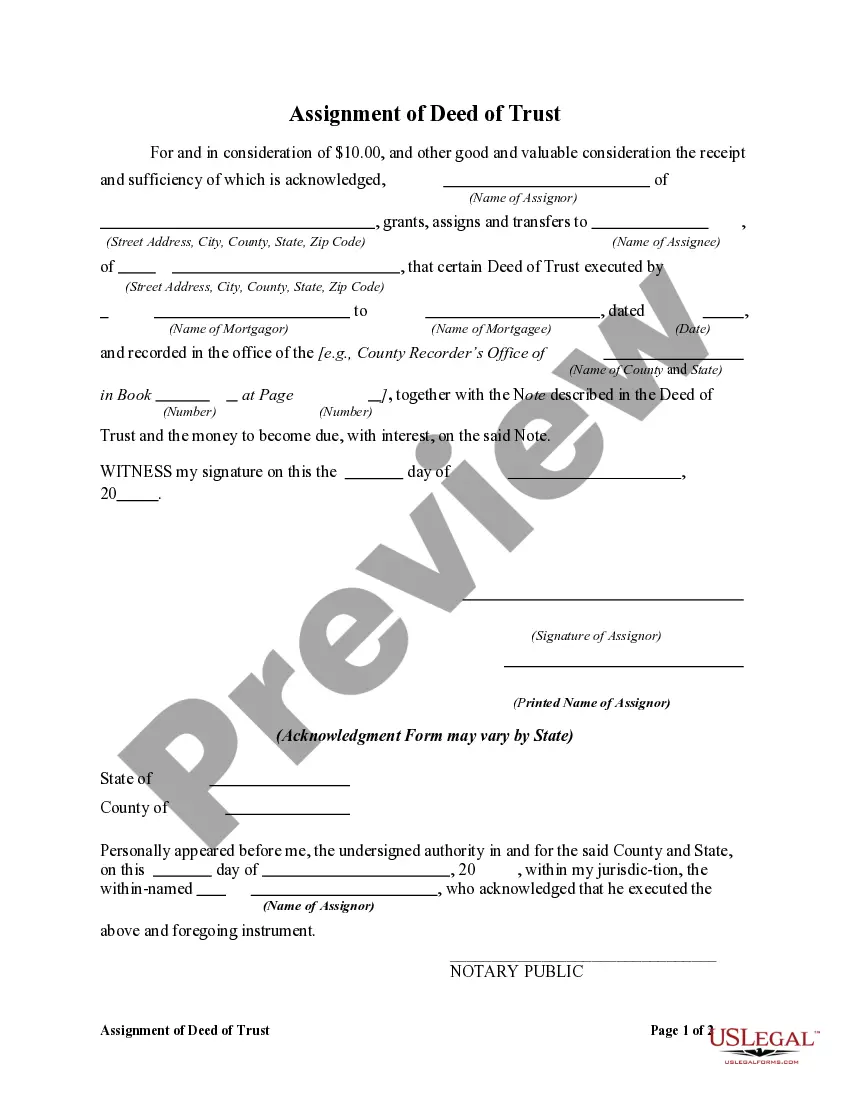
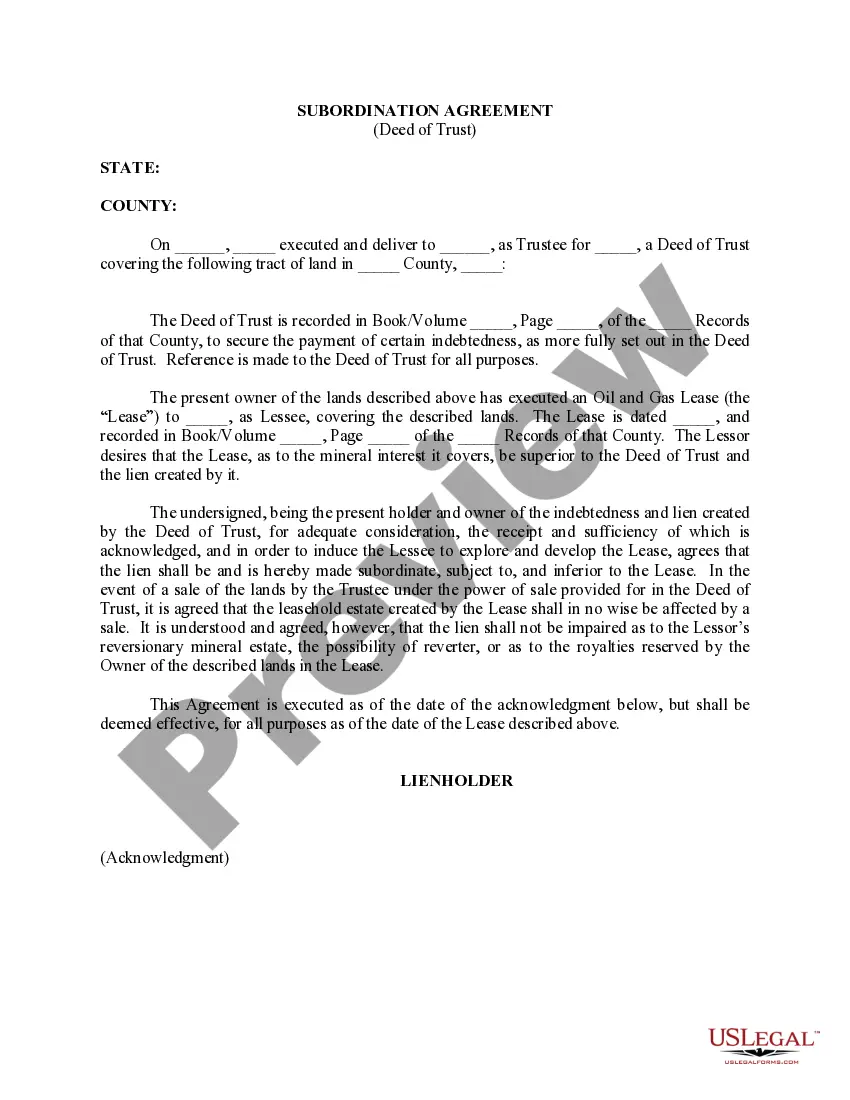
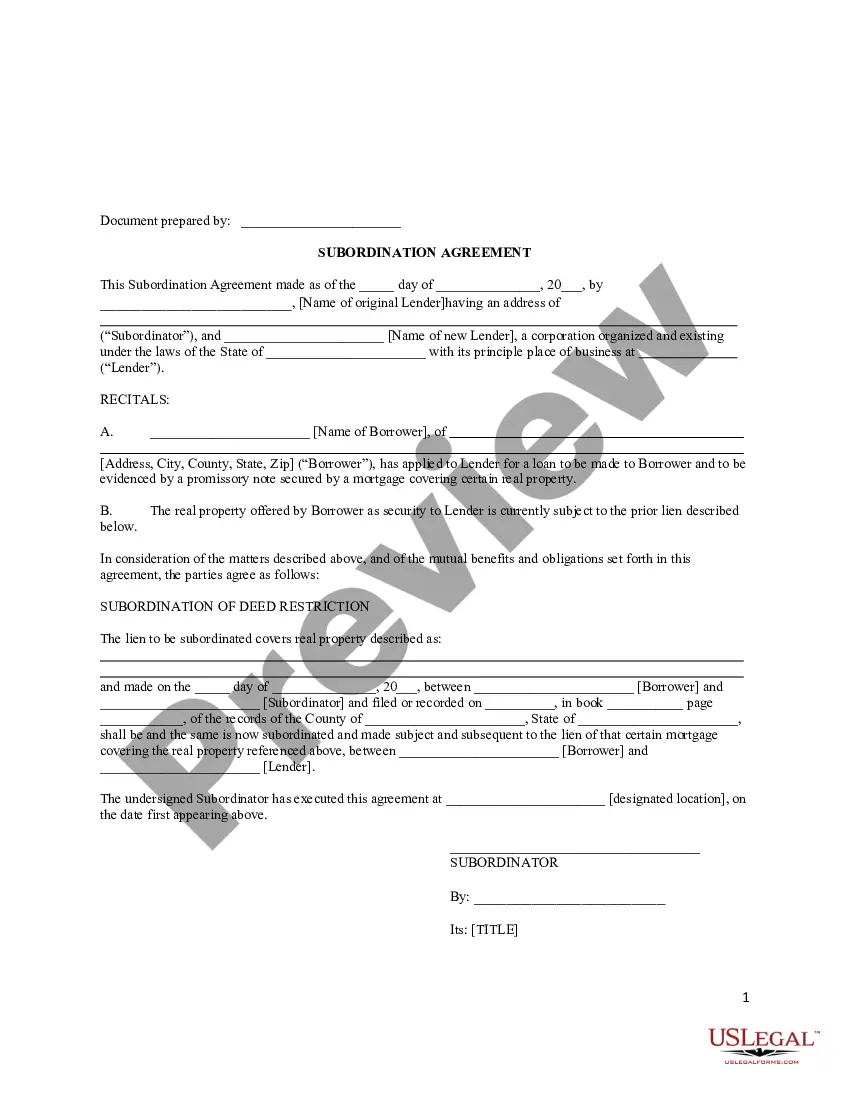
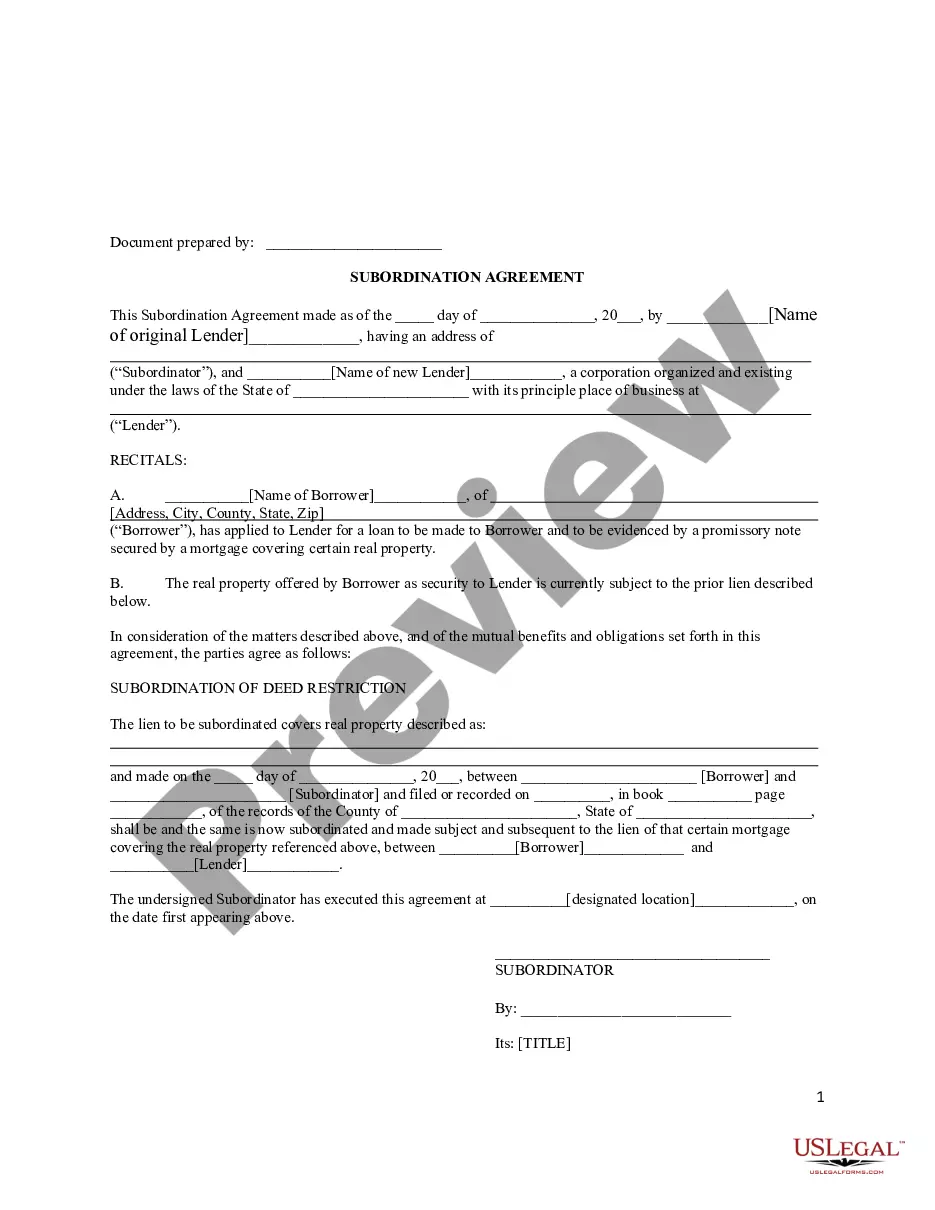
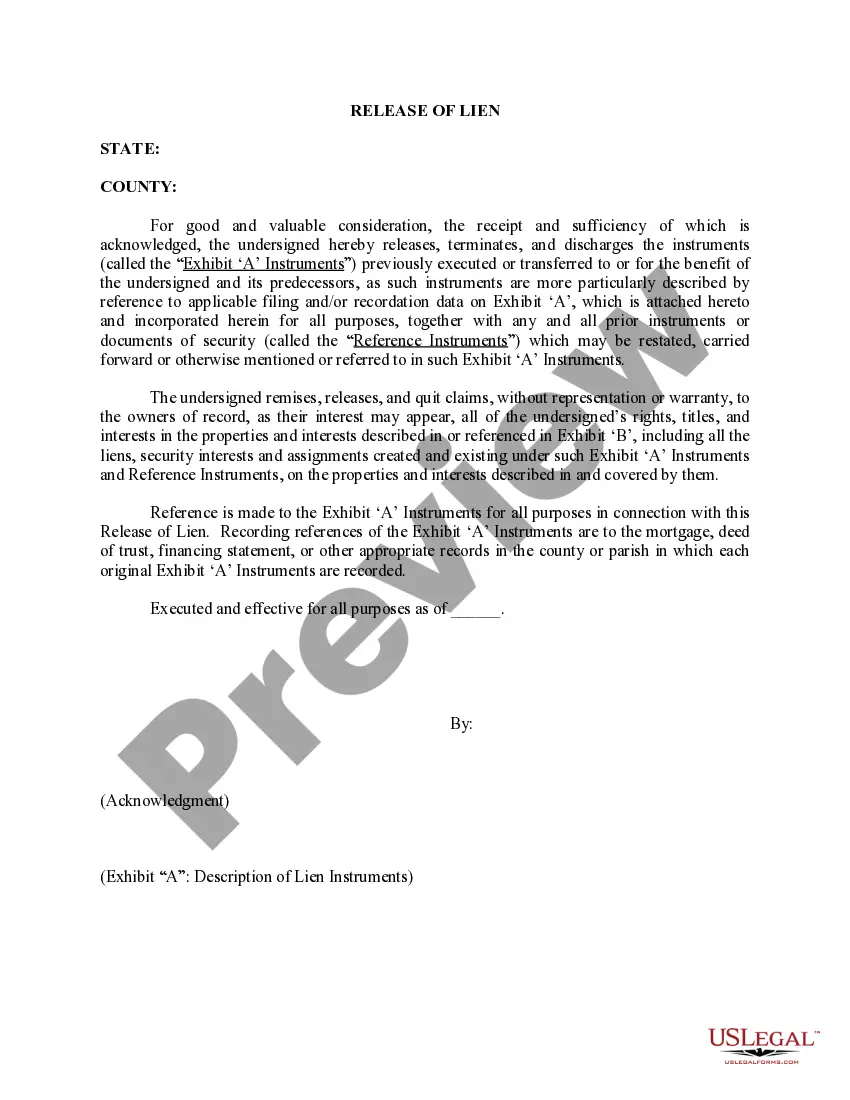
This agreement allows one lien holder to subordinate its deed of trust to the lien of another lien holder. For valuable consideration, a particular deed of trust will at all times be prior and superior to the subordinate lien.
Connecticut Subordination Agreement of Deed of Trust
State:
Multi-State
Control #:
US-00185
Format:
Word;
Rich Text
Instant download
Description
Free preview
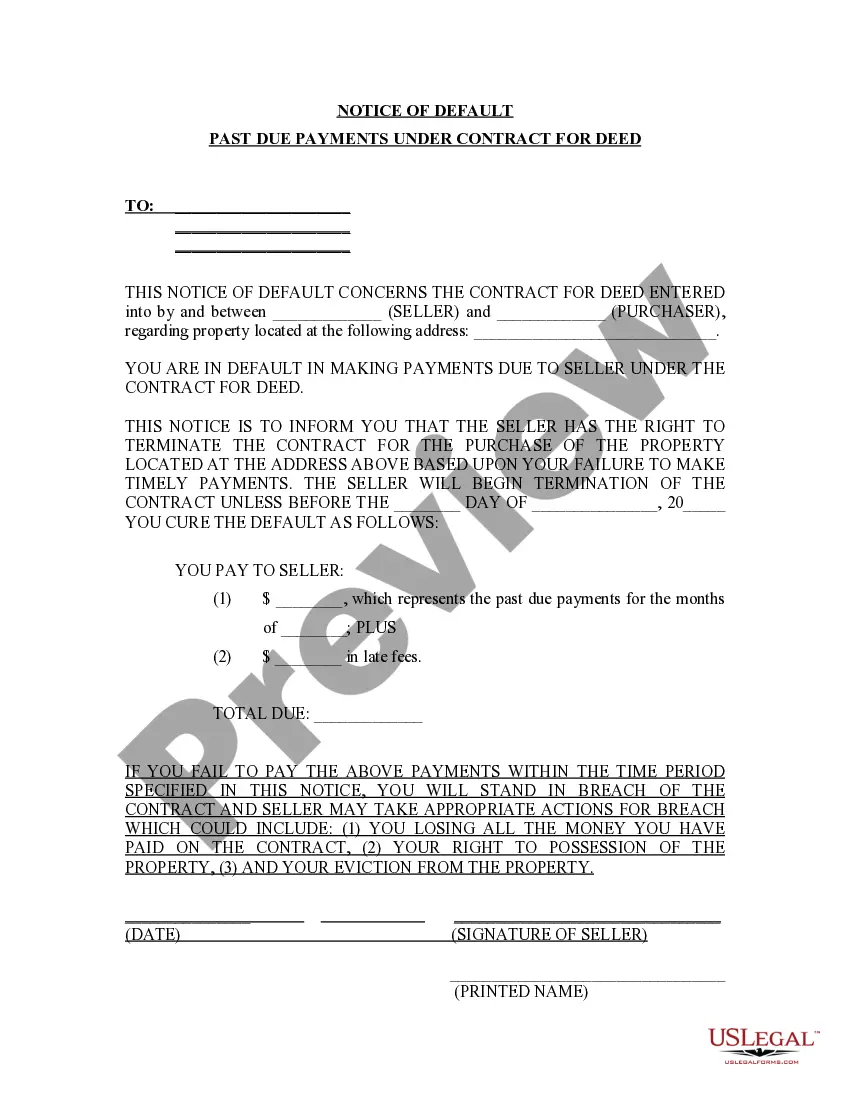
How to fill out Subordination Agreement Of Deed Of Trust?
If you need to obtain, download, or create legal document templates, utilize US Legal Forms, the largest repository of legal forms available online. Take advantage of the website's straightforward and user-friendly search to locate the documents you require. A variety of templates for business and personal purposes are organized by categories and states, or keywords. Use US Legal Forms to locate the Connecticut Subordination Agreement of Deed of Trust in just a few clicks.
If you are already a US Legal Forms customer, Log In to your account and click the Download button to access the Connecticut Subordination Agreement of Deed of Trust. You can also retrieve forms you previously downloaded in the My documents section of your account.
If you are using US Legal Forms for the first time, follow the steps below: Step 1. Ensure you have selected the form for the correct city/state. Step 2. Use the Preview option to review the form's content. Don't forget to read the details. Step 3. If you are not satisfied with the form, use the Search area at the top of the screen to find alternative forms in the legal document format. Step 4. After locating the form you need, click the Get now button. Choose the pricing plan you prefer and enter your details to register for the account. Step 5. Complete the transaction. You can use your Visa or MasterCard or PayPal account to finalize the purchase. Step 6. Select the format of the legal document and download it to your device. Step 7. Complete, edit, and print or sign the Connecticut Subordination Agreement of Deed of Trust.
- Every legal document template you obtain is yours indefinitely.
- You will have access to every form you downloaded with your account.
- Go to the My documents section and select a form to print or download again.
- Stay competitive and download, and print the Connecticut Subordination Agreement of Deed of Trust with US Legal Forms.
- There are numerous professional and state-specific forms available for your business or personal needs.
Form popularity
FAQ
To add a name to a deed in Connecticut, you must create a new deed that clearly states the change. This new deed should be signed and notarized by the current owner and then filed with the town clerk's office. It is essential to ensure that the new deed complies with Connecticut laws. If you're uncertain about the process, consider using the US Legal Forms platform, which provides templates and guidance for creating a Connecticut Subordination Agreement of Deed of Trust and other legal documents.
To put a lien on someone's property in Connecticut, you must file a Notice of Lien with the town clerk where the property is located. This document should include relevant details about the debt owed. Once filed, it becomes a public record, and the property owner must be notified. Utilizing a Connecticut Subordination Agreement of Deed of Trust can help you clarify your claim and prioritize your lien over others.
It states that any other loans or liens on the property take a second lien position. Most first mortgage lenders won't fund a loan unless there is a subordination clause giving them first lien position. Typically, the subordination clause is only necessary when you refinance your mortgage.
Subordination agreements are used to legally establish the order in which debts are to be repaid in the event of a foreclosure or bankruptcy. In return for the agreement, the lender with the subordinated debt will be compensated in some manner for the additional risk.
When you get a mortgage loan, the lender will likely include a subordination clause essentially stating that their lien will take precedence over any other liens placed on the house. A subordination clause serves to protect the lender if a homeowner defaults.
A subordination agreement must be signed and acknowledged by a notary and recorded in the official records of the county to be enforceable.
Get the terminology right In addition, a deed of priority usually addresses what steps each lender may take to enforce its security. Subordination deed ? this deals with the entitlement of the different creditors to receive payments .
Subordination agreements are prepared by your lender. The process occurs internally if you only have one lender. When your mortgage and home equity line or loan have different lenders, both financial institutions work together to draft the necessary paperwork.
An example is a trust document that includes a subordinate clause. This requires it to state that once the primary lien becomes active, a secondary lien becomes automatically subordinate. For instance, if a trust pays education funding as a first priority, the first lien is tuition.
Legal counsel drafts subordination agreements to suit the needs of the parties. It is common practice for retail lending, particularly when a mortgage is refinanced and often multiple mortgages and lenders are involved.