This form is an Application for Release of Right to Redeem Property from IRS After Foreclosure. Check for compliance with your specific facts and circumstances.
Connecticut Application for Release of Right to Redeem Property from IRS After Foreclosure
62 downloads
Description
Free preview
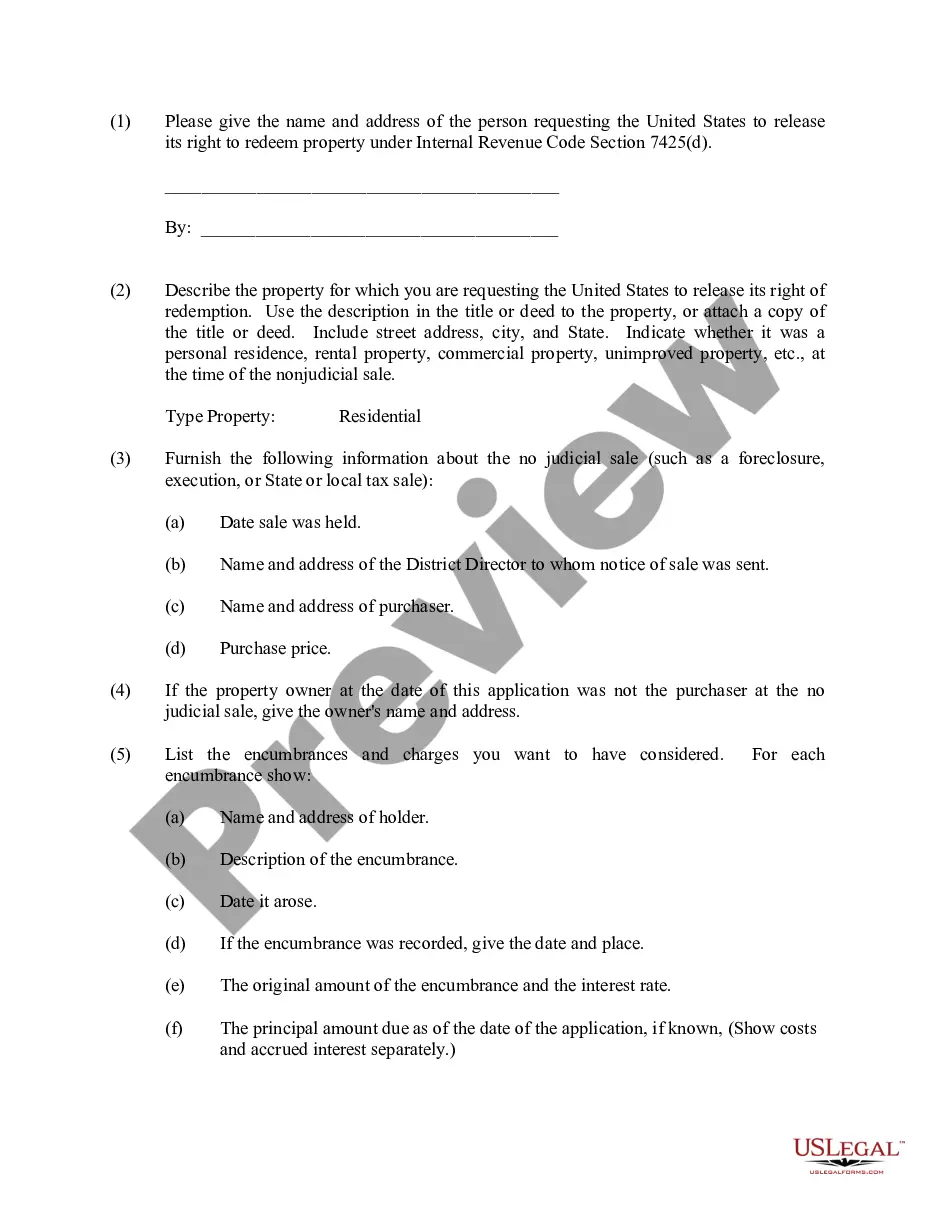
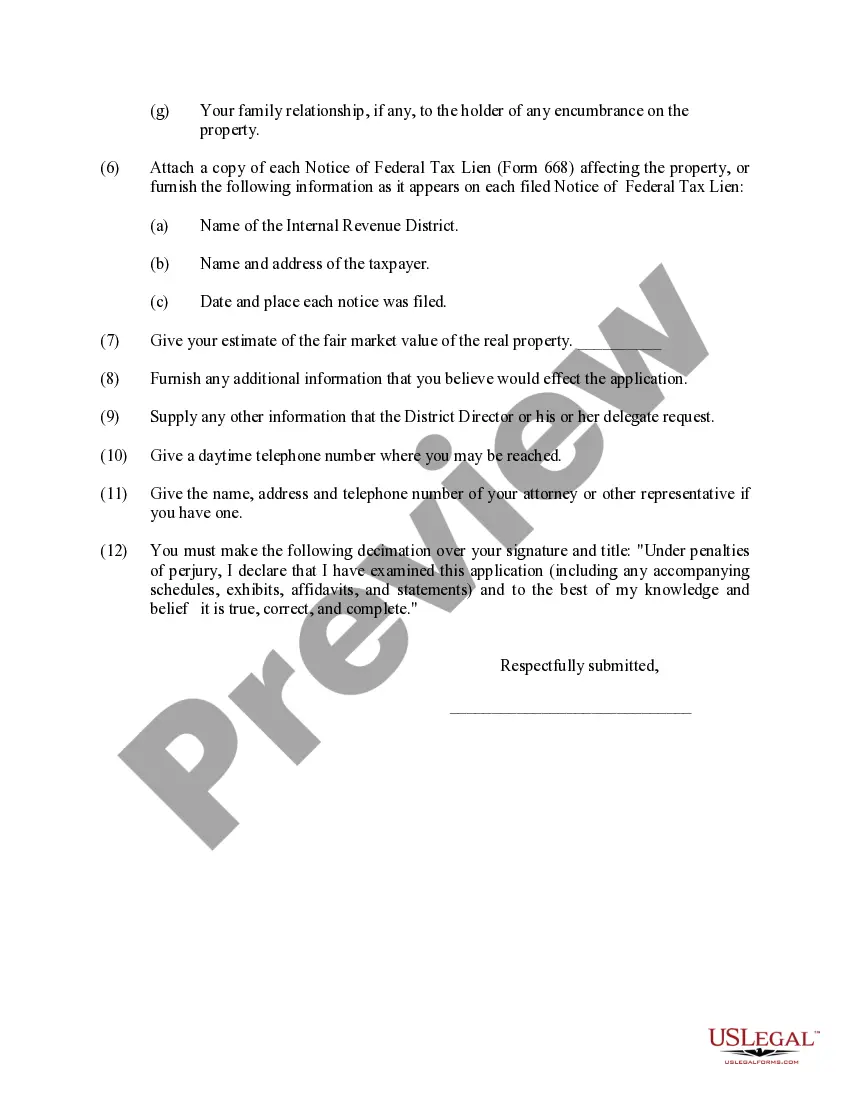

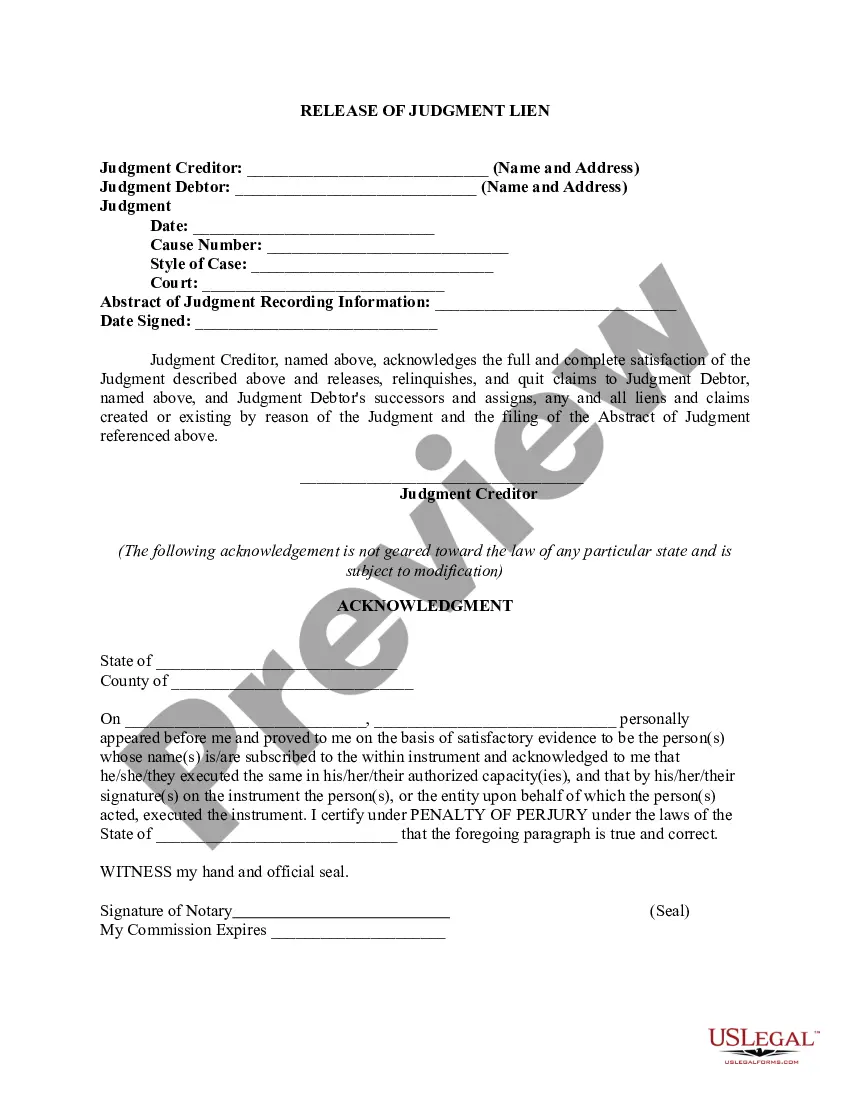
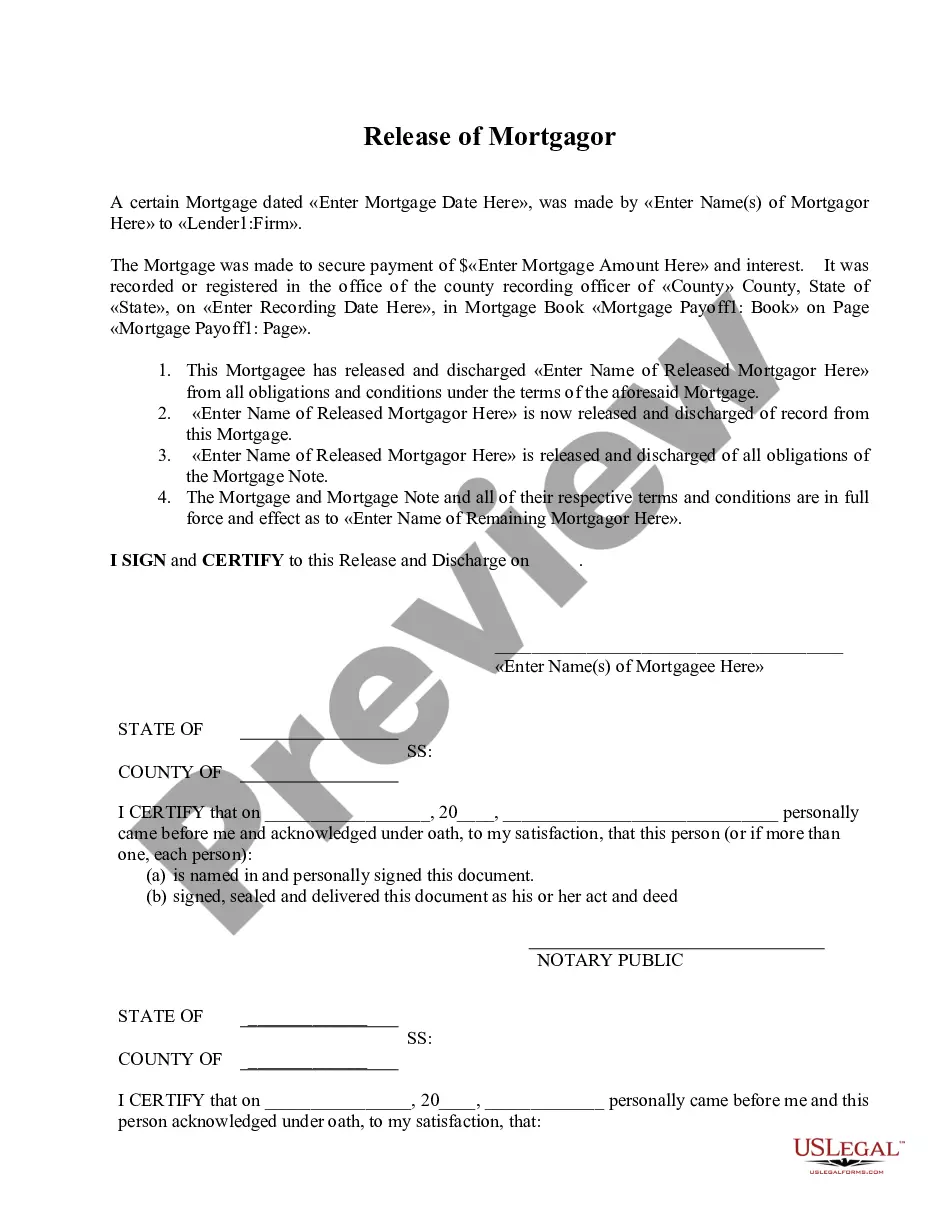
Get your form ready online
Our built-in tools help you complete, sign, share, and store your documents in one place.
Built-in online Word editor
Make edits, fill in missing information, and update formatting in US Legal Forms—just like you would in MS Word.
Export easily
Download a copy, print it, send it by email, or mail it via USPS—whatever works best for your next step.
E-sign your document
Sign and collect signatures with our SignNow integration. Send to multiple recipients, set reminders, and more. Go Premium to unlock E-Sign.
Notarize online 24/7
If this form requires notarization, complete it online through a secure video call—no need to meet a notary in person or wait for an appointment.
Store your document securely
We protect your documents and personal data by following strict security and privacy standards.

Make edits, fill in missing information, and update formatting in US Legal Forms—just like you would in MS Word.

Download a copy, print it, send it by email, or mail it via USPS—whatever works best for your next step.

Sign and collect signatures with our SignNow integration. Send to multiple recipients, set reminders, and more. Go Premium to unlock E-Sign.

If this form requires notarization, complete it online through a secure video call—no need to meet a notary in person or wait for an appointment.

We protect your documents and personal data by following strict security and privacy standards.
Looking for another form?
How to fill out Application For Release Of Right To Redeem Property From IRS After Foreclosure?
Selecting the optimal legal document template can be challenging. Naturally, there are numerous templates available on the web, but how do you locate the legal form you need? Utilize the US Legal Forms site. The service offers thousands of templates, including the Connecticut Application for Release of Right to Redeem Property from IRS After Foreclosure, which you can use for business and personal purposes. All of the forms are verified by experts and comply with state and federal regulations.
If you are already registered, Log In to your account and click the Download button to acquire the Connecticut Application for Release of Right to Redeem Property from IRS After Foreclosure. Use your account to browse through the legal forms you have previously obtained. Go to the My documents section of your account and retrieve another copy of the document you need.
If you are a new user of US Legal Forms, here are simple instructions for you to follow: First, ensure you have selected the correct form for your city/county. You can review the document using the Preview button and read the form description to confirm it is the right one for you. If the form does not meet your requirements, use the Search field to find the appropriate form. Once you are confident that the document is suitable, click the Buy now button to obtain the form. Choose the payment plan you prefer and enter the necessary information. Create your account and complete the transaction using your PayPal account or credit card. Select the file format and download the legal document template to your device. Fill out, edit, print, and sign the downloaded Connecticut Application for Release of Right to Redeem Property from IRS After Foreclosure.
Utilize US Legal Forms to access a wide range of legal documents that are tailored to meet your specific requirements.
- US Legal Forms is the largest repository of legal forms.
- You can find various document templates.
- Utilize the service to download properly-crafted documents.
- Documents comply with state regulations.
- Easy access to forms for business and personal use.
- Expert-verified templates for your needs.
Form popularity
FAQ
Form 14135 is an application used to request a certificate of discharge from a federal tax lien, allowing the sale or refinancing of a property. Completing this form is an essential step for property owners looking to clear their title. Understanding how to incorporate the Connecticut Application for Release of Right to Redeem Property from IRS After Foreclosure can enhance your ability to manage these legal requirements.
After foreclosure, the federal tax lien may remain attached to the property until the debt is resolved. This can complicate the sale or recovery of the property. To address this, using the Connecticut Application for Release of Right to Redeem Property from IRS After Foreclosure can be a strategic move to clear any outstanding liens.
The IRS right of redemption in a foreclosure grants the IRS the ability to reclaim a property within a certain time frame after a foreclosure sale. This right can significantly impact the previous owner's efforts to regain their property. By using the Connecticut Application for Release of Right to Redeem Property from IRS After Foreclosure, you can better understand your options.
The IRS right to redeem foreclosure allows the IRS to reclaim a property that has been sold due to tax delinquency. This right can complicate the foreclosure process, as the IRS may assert its claim after the sale. Knowing how to navigate the Connecticut Application for Release of Right to Redeem Property from IRS After Foreclosure can help you protect your interests.
The IRS 7 year rule refers to the period during which the IRS can collect unpaid federal taxes after a tax lien is filed. After seven years, the lien may be removed if it has not been resolved. Understanding how this rule interacts with the Connecticut Application for Release of Right to Redeem Property from IRS After Foreclosure is vital for property owners facing foreclosure.
The right to redeem property after a foreclosure allows the original owner to reclaim their property within a specific time frame, often by paying the full amount owed. This legal right varies by state, and in Connecticut, the process can be complex. Utilizing the Connecticut Application for Release of Right to Redeem Property from IRS After Foreclosure can help streamline this process.
Foreclosure redeemed refers to the process where a property owner regains ownership of their property after a foreclosure sale. This usually involves paying off the outstanding debt or fulfilling specific conditions set by the lender. In Connecticut, understanding the Application for Release of Right to Redeem Property from IRS After Foreclosure is crucial for those looking to reclaim their homes.
In the United States, several states do not offer a redemption period for tax liens. This means that once a property is sold at a tax lien auction, the owner loses all rights to reclaim the property. Particularly in Connecticut, understanding the process related to the Connecticut Application for Release of Right to Redeem Property from IRS After Foreclosure is crucial. This application allows homeowners to reclaim their property even after foreclosure, making it essential to know your rights and options.
You should file Form 14135 directly with the IRS at the address specified in the form's instructions. Typically, this involves mailing the form to the appropriate IRS service center based on your location. Ensure you keep a copy for your records. Completing this step is important when pursuing the Connecticut Application for Release of Right to Redeem Property from IRS After Foreclosure.
To obtain a lien payoff from the IRS, you need to request a payoff amount for the tax lien associated with your property. You can do this by submitting Form 668(Z) to the IRS, which will detail your request. After processing, the IRS will provide you with the necessary payoff amount. This process is crucial when you're looking to file the Connecticut Application for Release of Right to Redeem Property from IRS After Foreclosure.