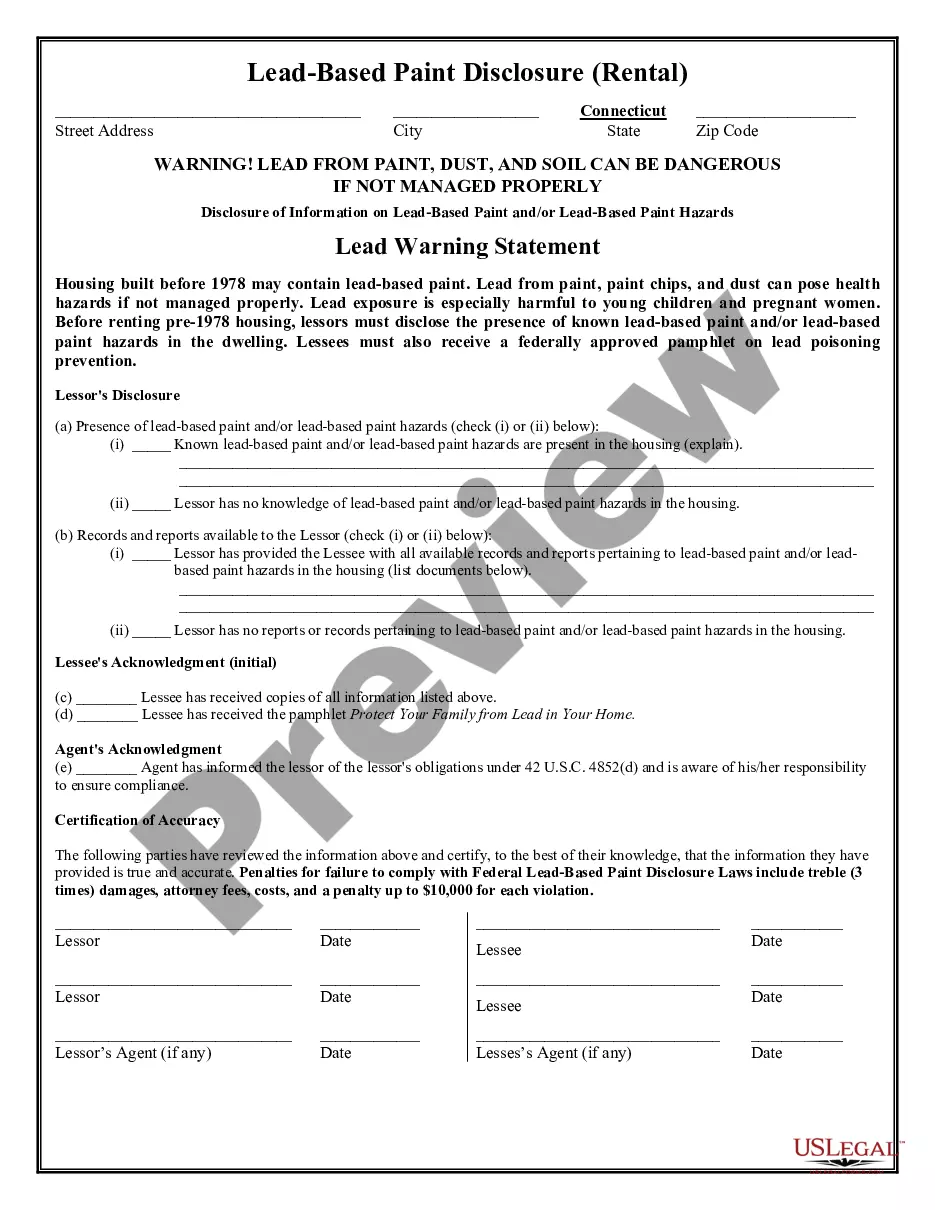
Connecticut Lead Based Paint Disclosure for Rental Transaction
Understanding this form
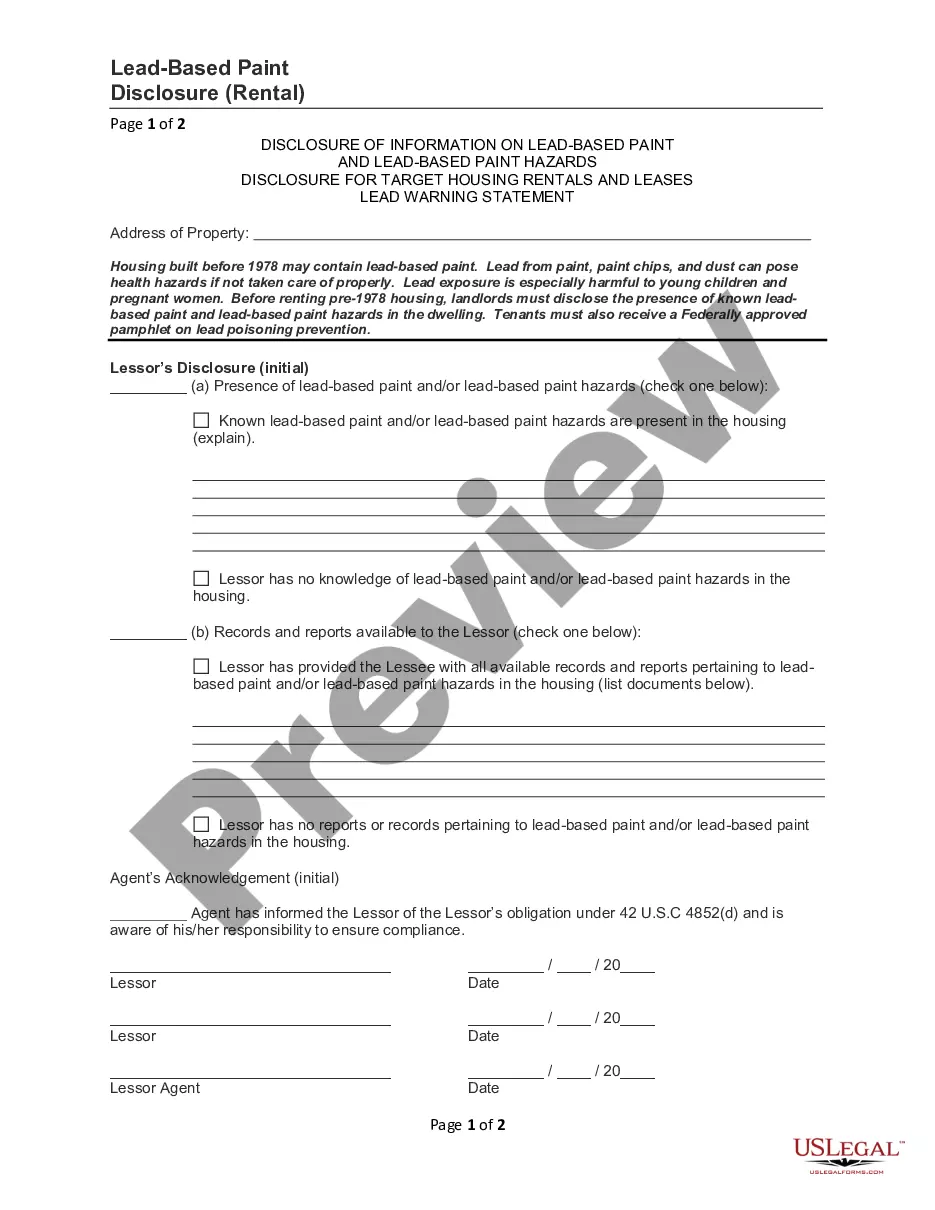
The Lead Based Paint Disclosure for Rental Transaction is a legal document required when renting residential dwellings built before 1978. This form aims to inform tenants about potential lead-based paint hazards in older properties that could pose health risks, especially for young children and pregnant women. Unlike other rental agreements, this specific disclosure serves to ensure compliance with federal law mandated to protect tenants from lead exposure.
Main sections of this form
- Property information including address details.
- Disclosure of known lead-based paint and/or hazards by the landlord.
- Records and reports related to lead-based paint provided to the tenant.
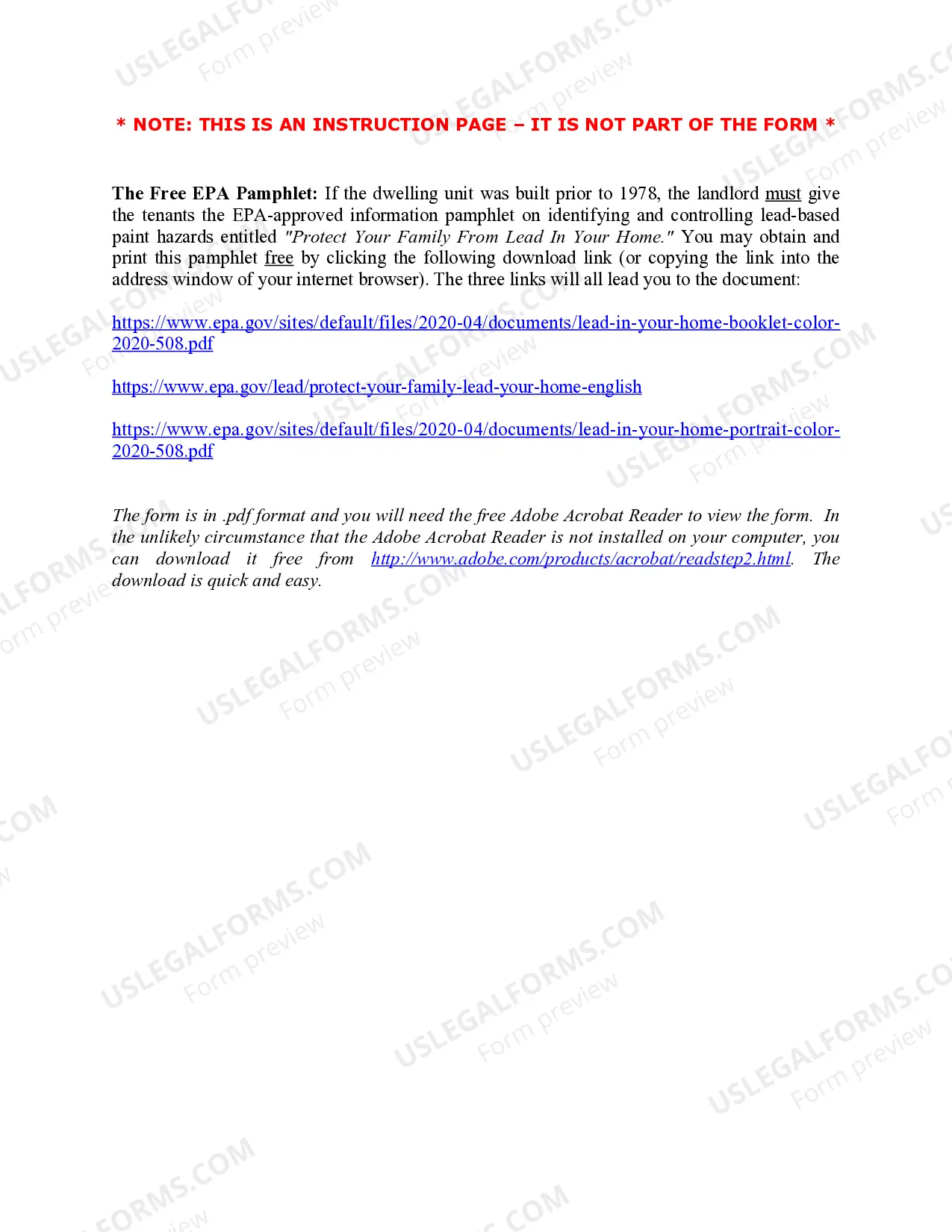
- Tenant acknowledgment of receiving the necessary information and EPA pamphlet.
- Signature fields for landlord, tenant, and any agents involved.
When to use this form
This form should be used whenever a residential rental property built before 1978 is leased. It becomes necessary to ensure tenants are aware of potential lead-based paint hazards in the property prior to signing a rental agreement. If there is uncertainty regarding the construction date, using this disclosure form is advisable to maintain compliance and protect tenant health.
Who should use this form
- Landlords renting residential properties built prior to 1978.
- Real estate agents representing landlords in rental transactions.
- Tenants leasing properties constructed before 1978 who need information about potential lead hazards.
Completing this form step by step
- Enter the full address of the rental property, including city, state, and zip code.
- Indicate whether known lead-based paint and/or hazards are present by checking the appropriate box.
- Provide any available records or reports related to lead-based paint to the tenant.
- Have the tenant initial to acknowledge receipt of the information and the EPA pamphlet.
- Ensure all parties (landlord, tenant, agents) sign and date the form to validate the disclosure.
Does this form need to be notarized?
Notarization is not commonly needed for this form. However, certain documents or local rules may make it necessary. Our notarization service, powered by Notarize, allows you to finalize it securely online anytime, day or night.
Get your form ready online
Our built-in tools help you complete, sign, share, and store your documents in one place.
Make edits, fill in missing information, and update formatting in US Legal Forms—just like you would in MS Word.
Download a copy, print it, send it by email, or mail it via USPS—whatever works best for your next step.
Sign and collect signatures with our SignNow integration. Send to multiple recipients, set reminders, and more. Go Premium to unlock E-Sign.
If this form requires notarization, complete it online through a secure video call—no need to meet a notary in person or wait for an appointment.
We protect your documents and personal data by following strict security and privacy standards.

Make edits, fill in missing information, and update formatting in US Legal Forms—just like you would in MS Word.

Download a copy, print it, send it by email, or mail it via USPS—whatever works best for your next step.

Sign and collect signatures with our SignNow integration. Send to multiple recipients, set reminders, and more. Go Premium to unlock E-Sign.

If this form requires notarization, complete it online through a secure video call—no need to meet a notary in person or wait for an appointment.

We protect your documents and personal data by following strict security and privacy standards.
Common mistakes to avoid
- Failing to provide the EPA pamphlet to the tenant.
- Not disclosing known lead-based paint hazards accurately.
- Omitting signatures or dates from the form.
- Using the form for properties built after 1978.
Benefits of using this form online
- Immediate access to the form allows for quicker processing of rental agreements.
- Editable fields ensure that landlords can customize the form as needed.
- Reliable legal templates drafted by licensed attorneys help ensure compliance with regulations.
Legal use & context
- Disclosure is required by law for properties built before 1978.
- Failure to comply may result in penalties, including treble damages and fines.
- Landlords are legally obligated to inform tenants of lead hazards to avoid liability.
Main things to remember
- This form is essential for rental transactions involving homes built before 1978.
- Compliance with lead disclosure laws protects tenants' health and provides legal coverage for landlords.
- Landlords must provide a pamphlet and accurately disclose all relevant information.
Looking for another form?




Form popularity
FAQ
The seller or landlord is responsible for disclosing lead-based paint hazards to a buyer or tenant as part of the requirements. This obligation is part of the Connecticut Lead Based Paint Disclosure for Rental Transaction, which protects individuals by ensuring everyone has the necessary information. Open communication about potential lead hazards is vital in maintaining a safe living environment.
The lead-based paint disclosure must be filled out by the seller or landlord prior to the transaction. It is part of the process outlined in the Connecticut Lead Based Paint Disclosure for Rental Transaction, ensuring that all necessary information regarding lead hazards is communicated effectively. Proper completion of this form is essential to protect all parties involved.
To get your apartment tested for lead, you can hire a qualified professional who specializes in lead inspections. They will conduct a thorough assessment to identify any lead-based paint hazards, in accordance with the Connecticut Lead Based Paint Disclosure for Rental Transaction. If you need assistance, consider using US Legal Forms to find resources or a testing service.
If a seller fails to disclose lead paint, they may face legal consequences, including potential lawsuits from buyers or tenants. The Connecticut Lead Based Paint Disclosure for Rental Transaction is designed to protect individuals from such situations, ensuring transparency in rental transactions. It is vital to address any lead paint issues upfront to avoid complications later on.
Yes, you can live in a house with lead paint, but you should be aware of the health risks associated with exposure. As a tenant or homeowner, it is crucial to understand the implications of lead-based paint, especially when considering the Connecticut Lead Based Paint Disclosure for Rental Transaction. Regular inspections and safety measures can help reduce risks.
Connecticut has established specific lead laws that require disclosure and proper management of lead-based paint in rental properties built before 1978. These laws mandate that landlords provide tenants with the Connecticut Lead Based Paint Disclosure for Rental Transaction and educate them about the risks. Adhering to these laws is crucial for tenant safety and reducing lead exposure in the community.
The enforcement of the Connecticut Lead Based Paint Disclosure for Rental Transaction is overseen by local housing authorities and the Environmental Protection Agency (EPA). These entities monitor compliance, investigate complaints, and may impose penalties for non-compliance. Landlords and property managers should ensure they are well-informed about these regulations to avoid potential fines.
The Connecticut Lead Based Paint Disclosure for Rental Transaction must occur before a tenant signs a lease agreement for a property built before 1978. It is essential that this disclosure is made timely to ensure that tenants are aware of the risks associated with lead paint prior to entering into a rental agreement. This proactive approach promotes transparency between landlords and tenants.
A real estate licensee must inform sellers that they are required to provide a Connecticut Lead Based Paint Disclosure for Rental Transaction when selling properties built before 1978. This information is vital for sellers to understand their obligations under federal law and state regulations. By accurately disclosing lead information, they can protect potential buyers and enhance the sale process.
The Connecticut Lead Based Paint Disclosure for Rental Transaction requires landlords to inform tenants about the presence of lead-based paint in properties built prior to 1978. This also involves providing tenants with an EPA-approved pamphlet outlining the risks associated with lead exposure. Accurate disclosures contribute to informed decision-making and enhance tenant safety.