Connecticut Postnuptial Property Agreement

Overview of this form
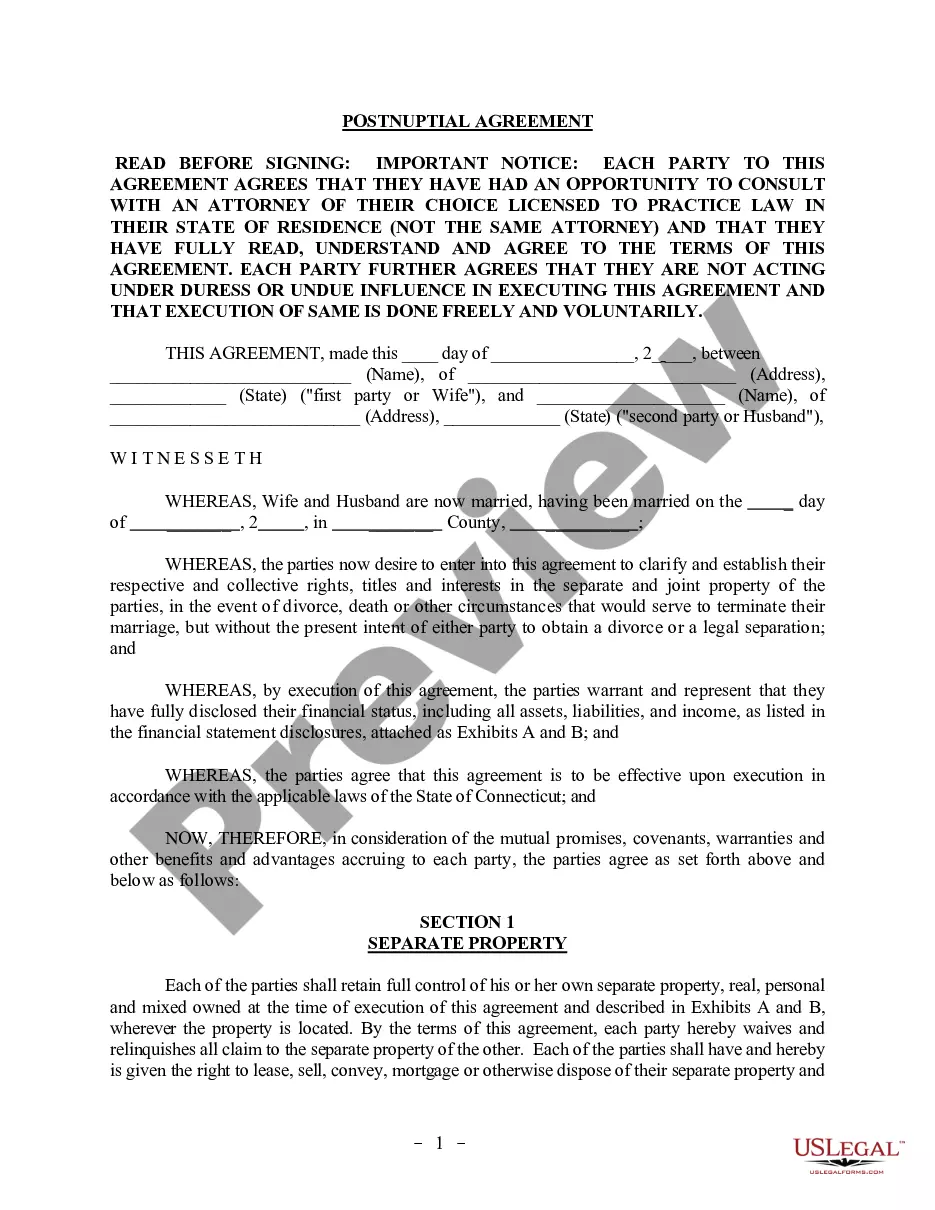
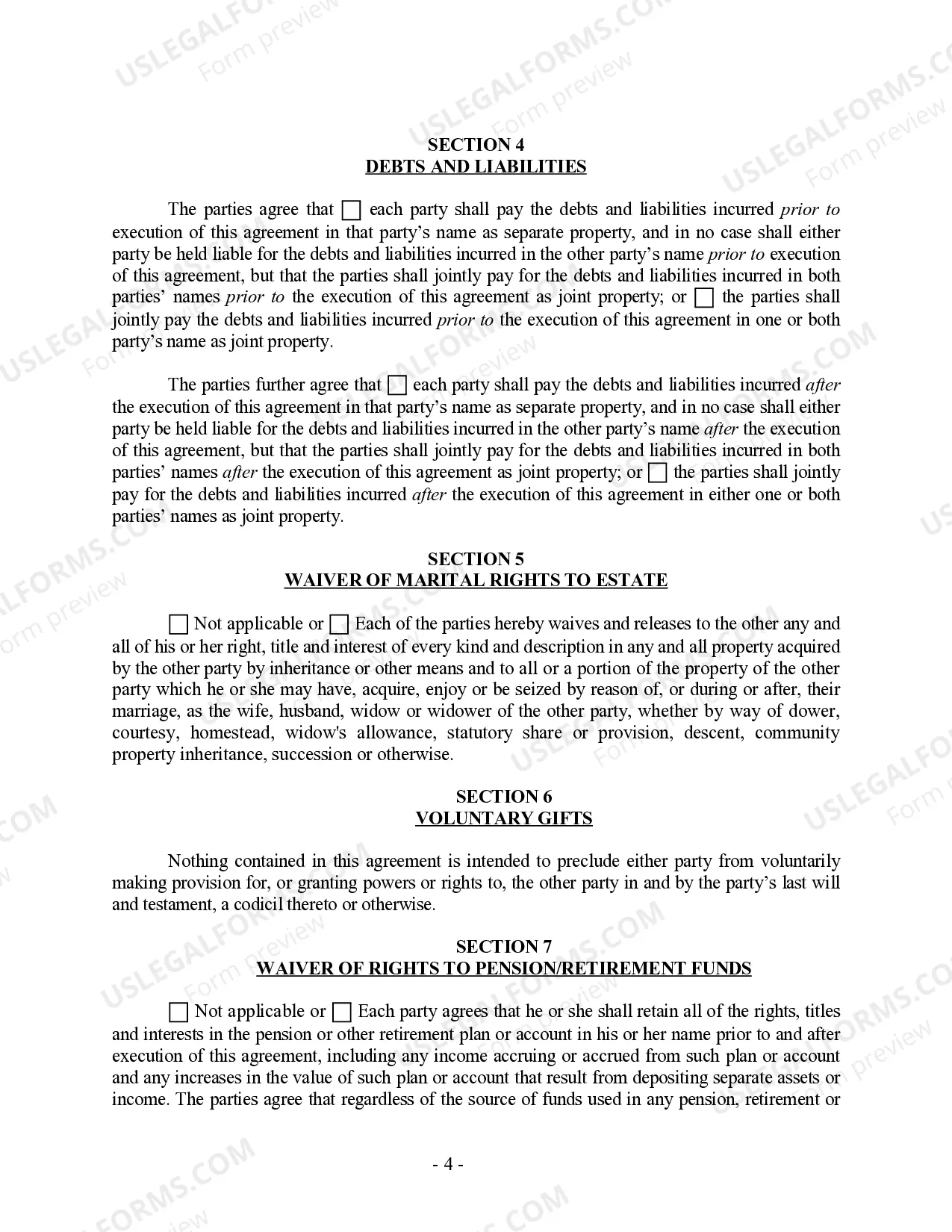
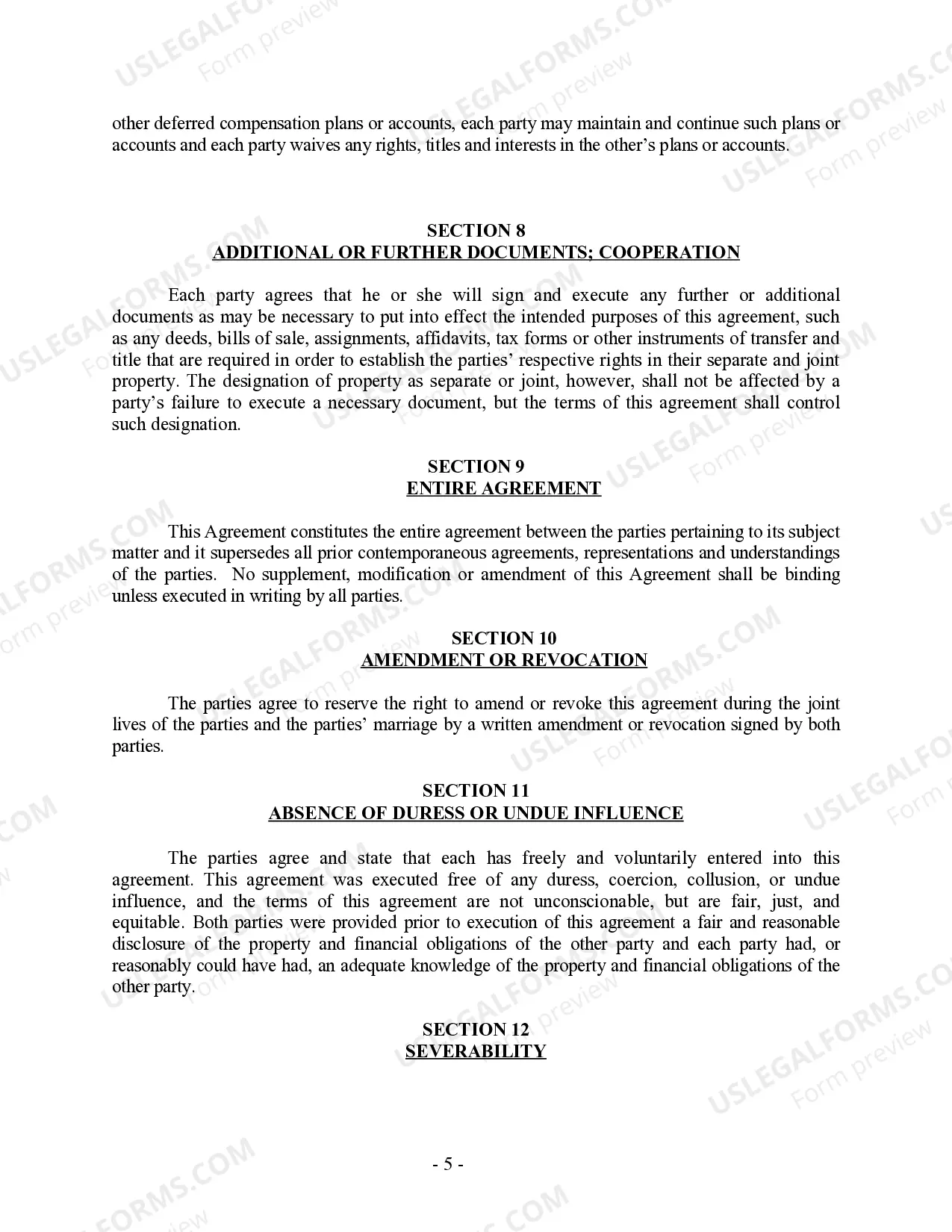
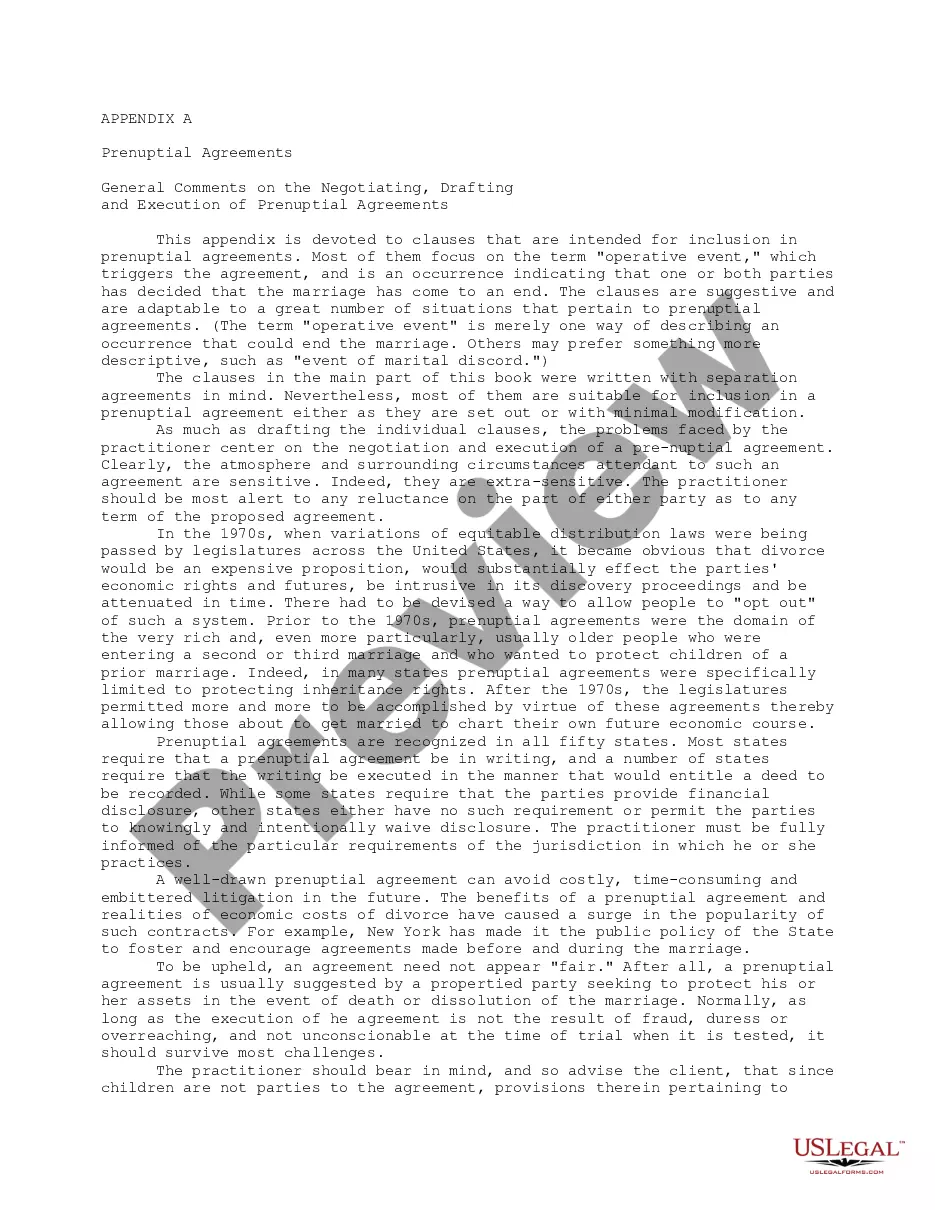
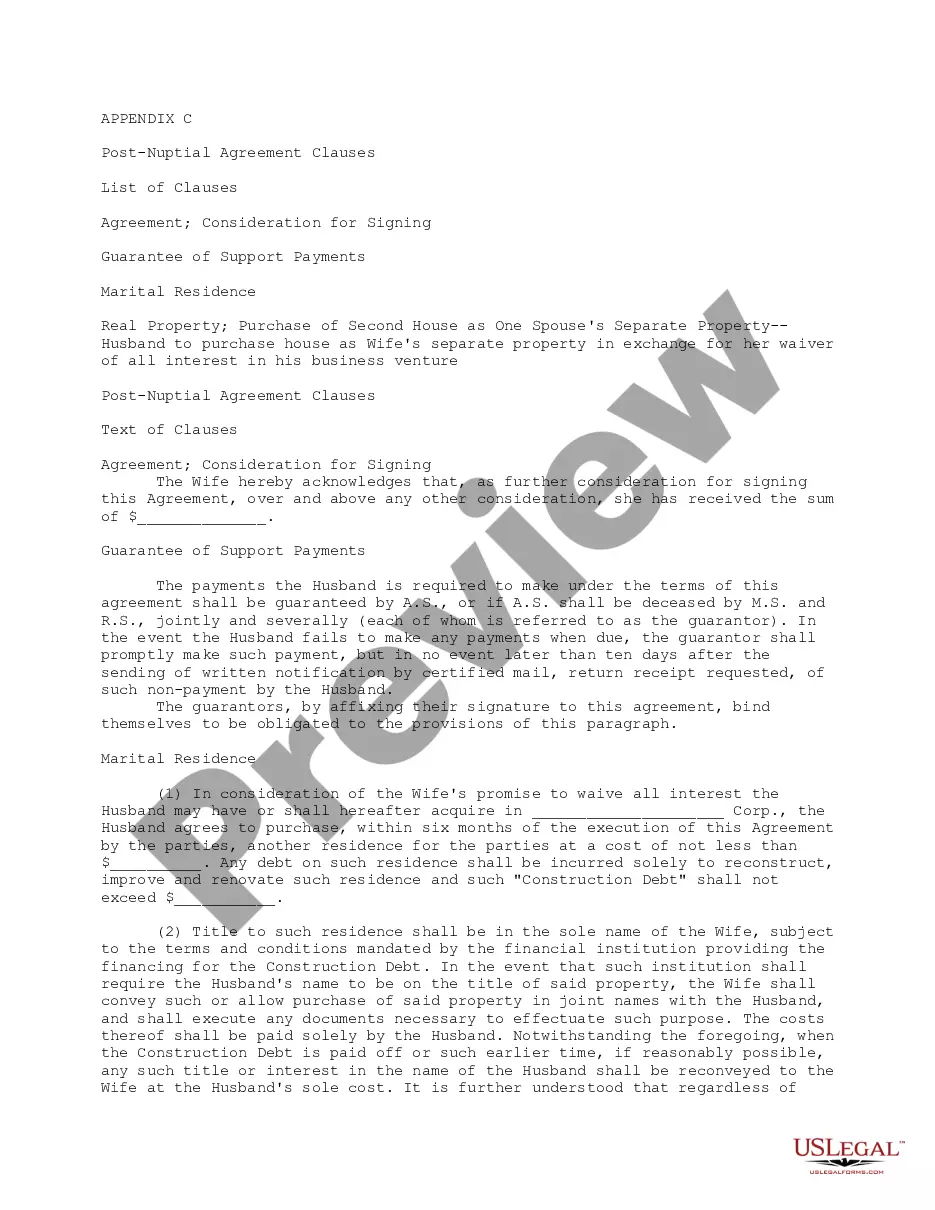
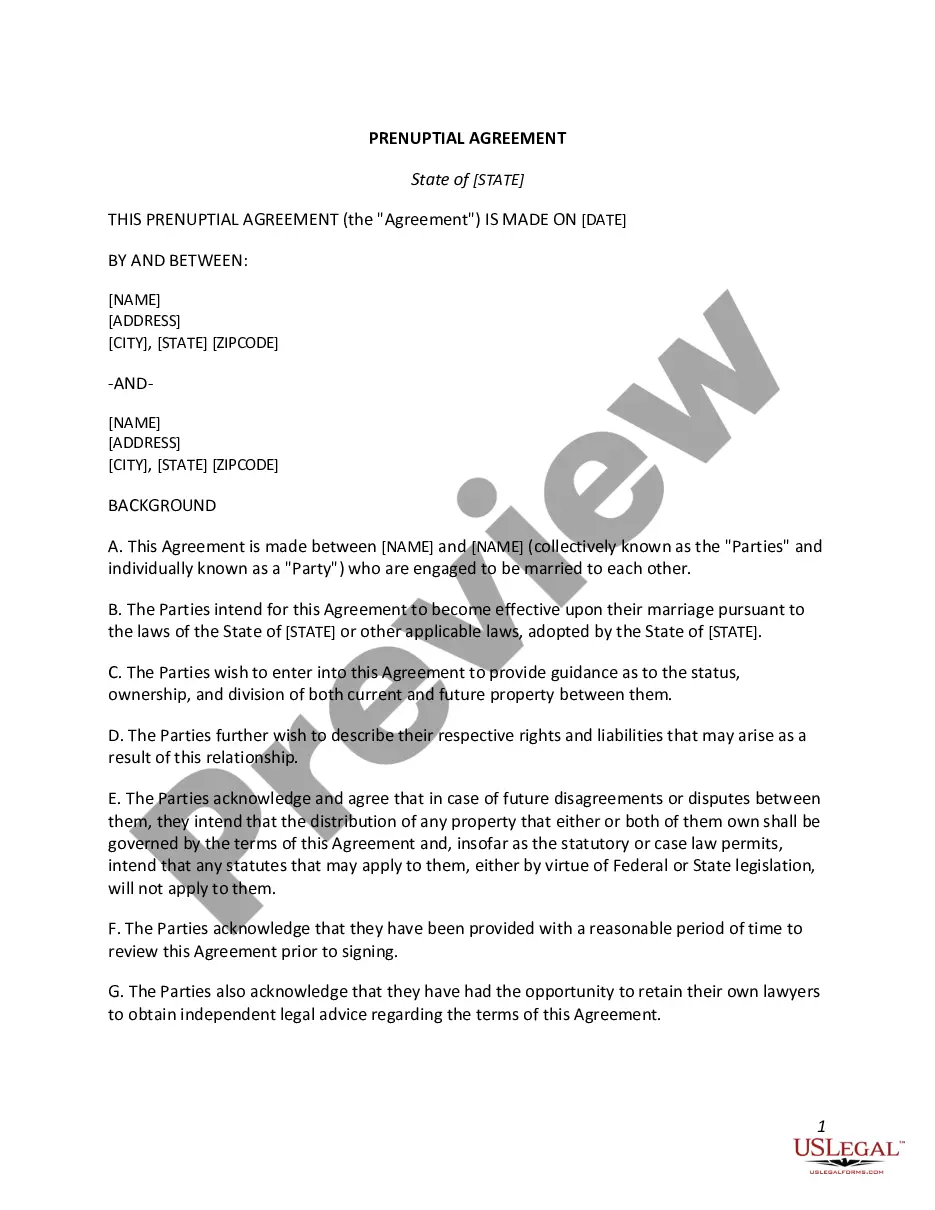
The Postnuptial Property Agreement is a legal document designed to clarify and outline the respective rights of spouses regarding their separate and joint property. Unlike a prenuptial agreement, which is created before marriage, this form is established after the marriage has occurred. It helps couples manage their property rights and provides clarity in cases of separation or divorce.
Main sections of this form
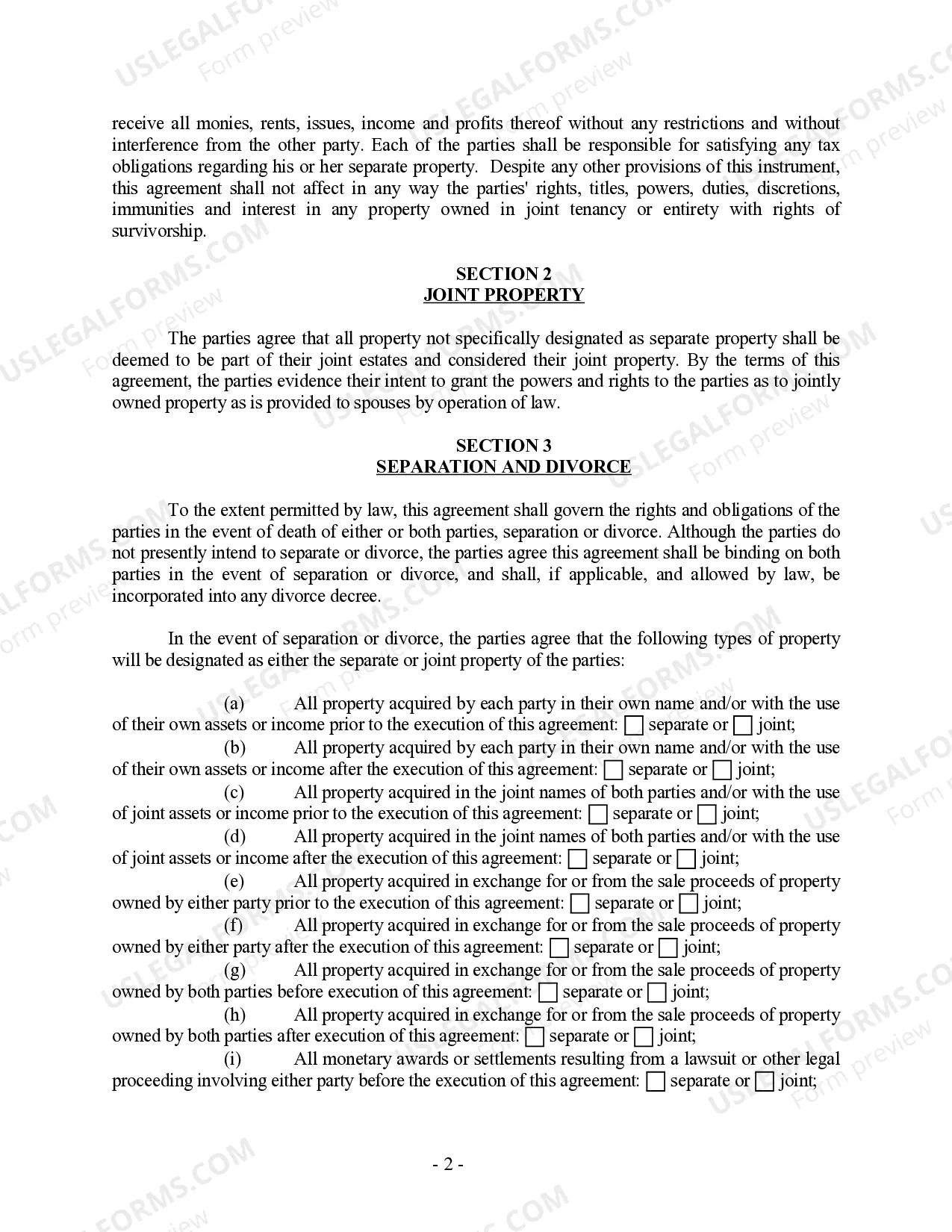
- Definition of separate and joint property.
- Provisions for management and control of both property types.
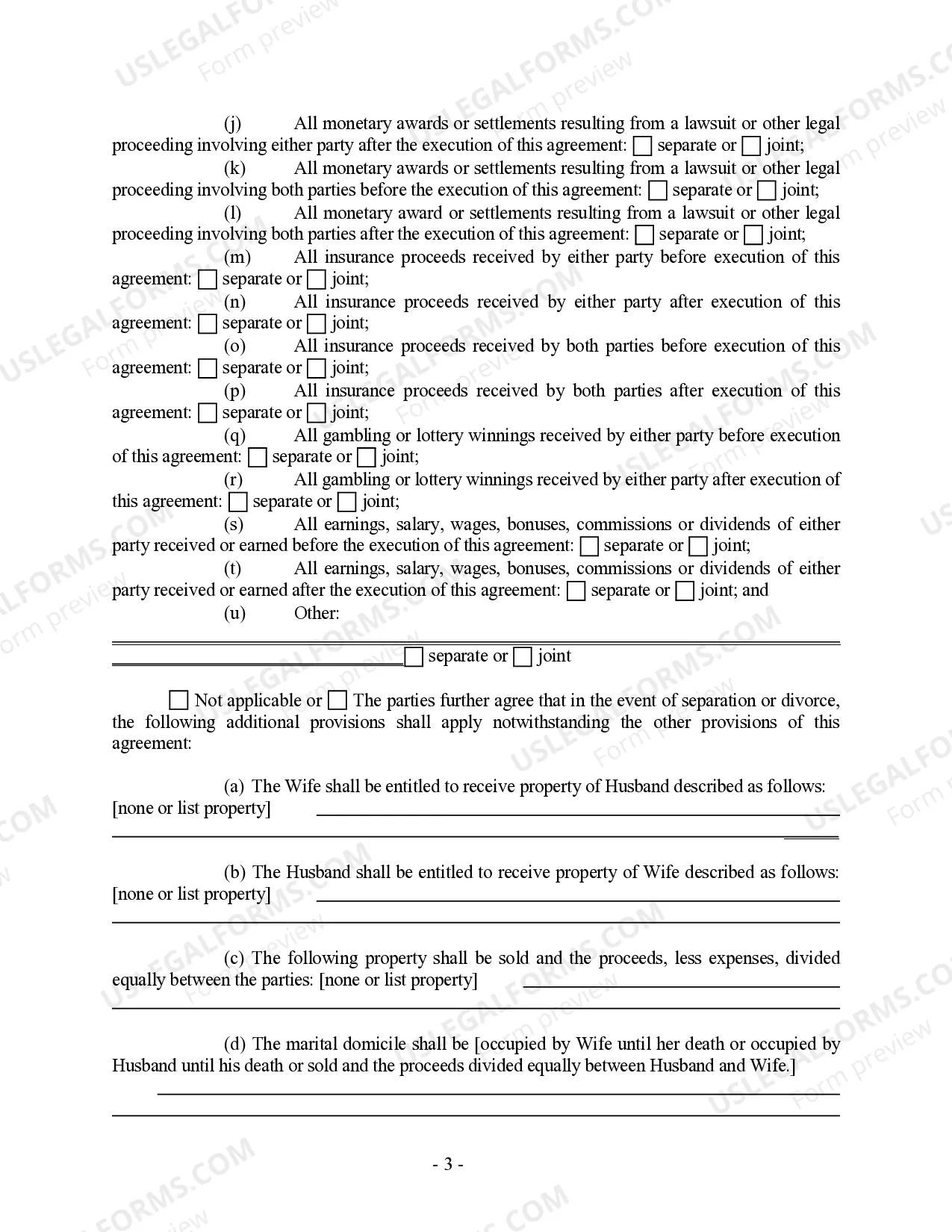
- Guidelines on how property rights shift in case of separation or divorce.
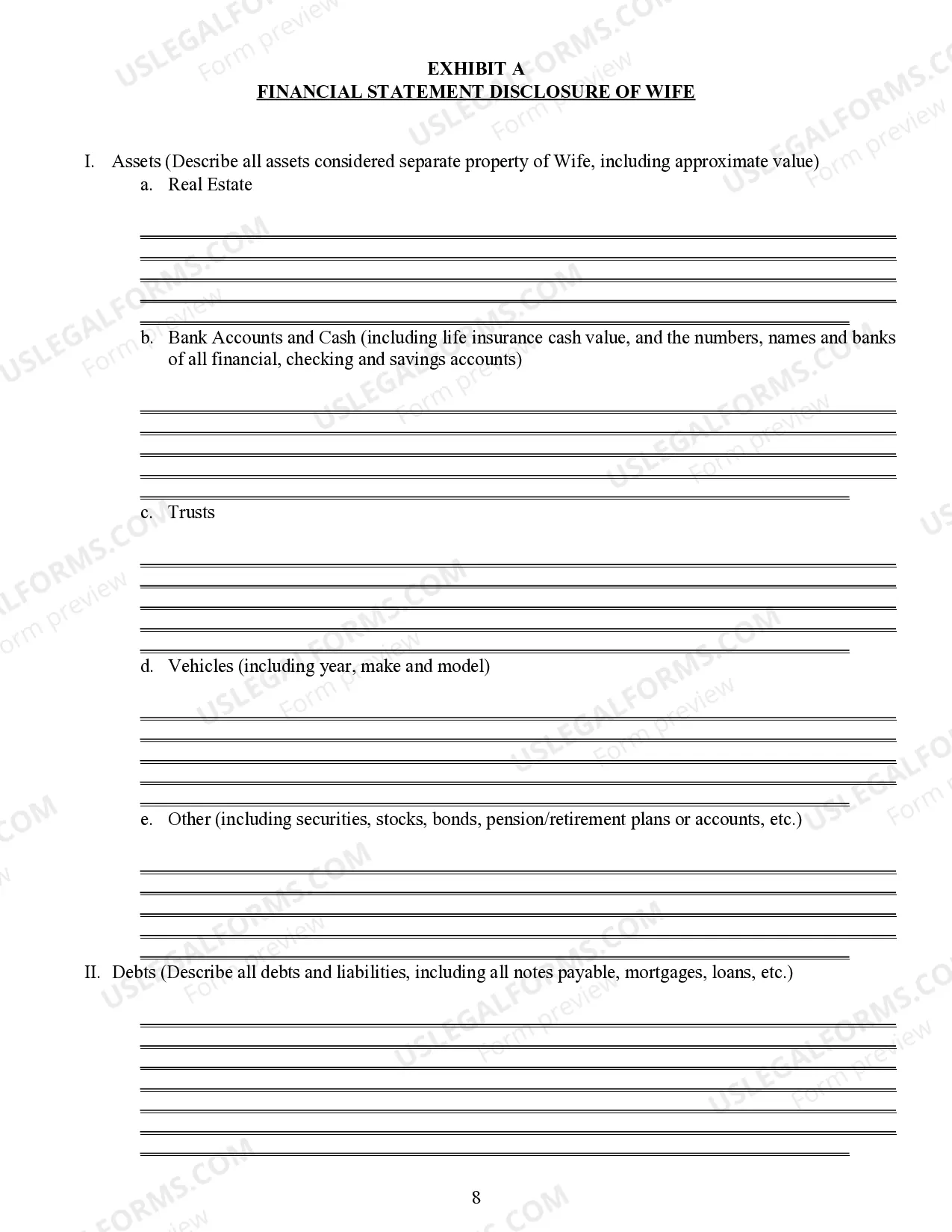
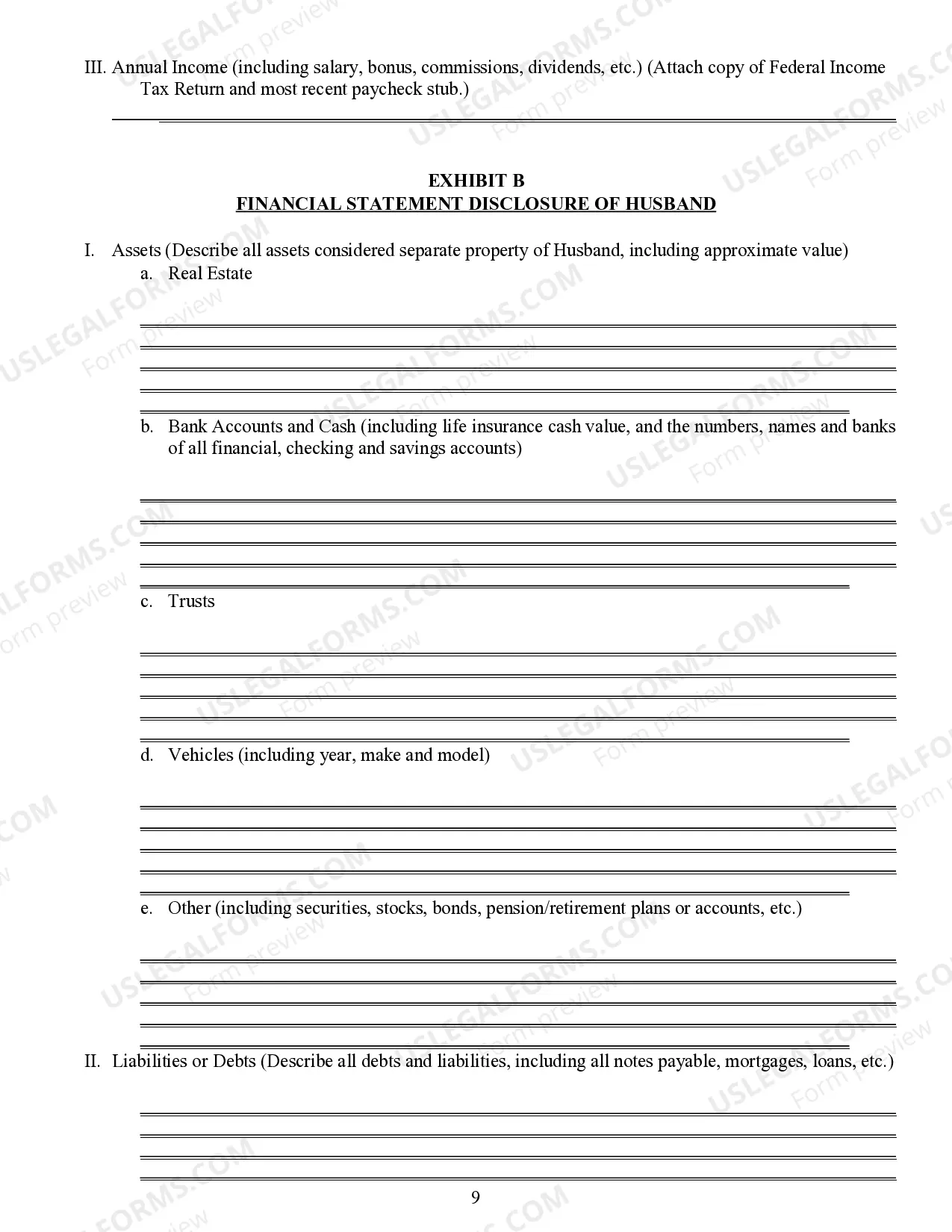
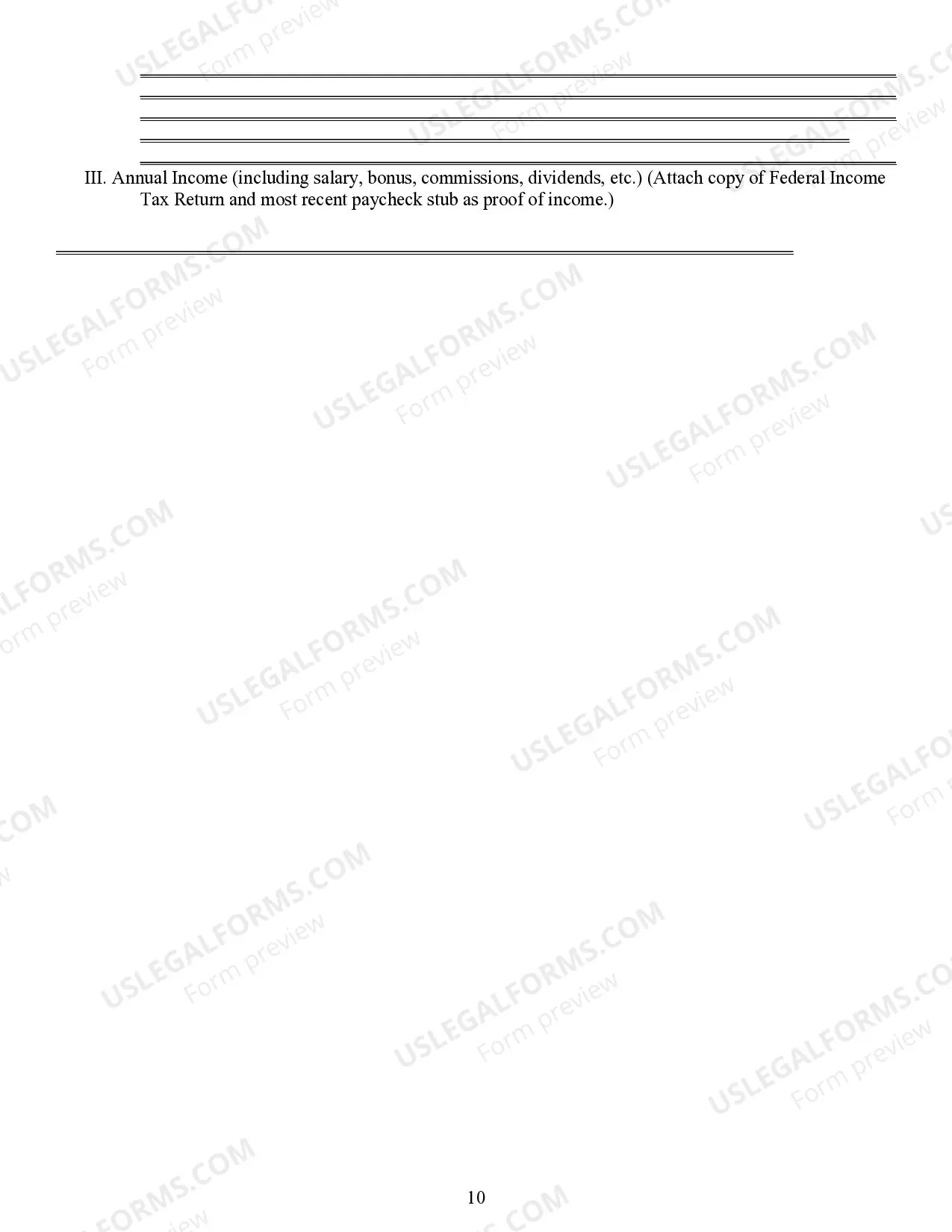
- Financial disclosure requirements from both parties.
- Voluntary waivers of certain marital rights.
When to use this document
This form is typically used when married couples want to clarify their financial rights and responsibilities concerning property after marriage. It is beneficial in situations where one or both parties have significant separate assets, or if the couple intends to ensure a clear division of property in the event of divorce or death.
Who should use this form
- Married couples wanting to protect individual assets.
- Couples expecting major changes in their financial situation.
- Individuals with substantial pre-marital property they wish to keep separate.
- Partners who wish to outline property management during the marriage.
- Couples planning to provide clear terms for potential future separations.
Steps to complete this form
- Identify and list the parties involved in the agreement.
- Specify and document the separate property owned by each party.
- Define what will be considered joint property.
- Include provisions related to separation, divorce, and death.
- Both parties should review the agreement with separate legal counsel.
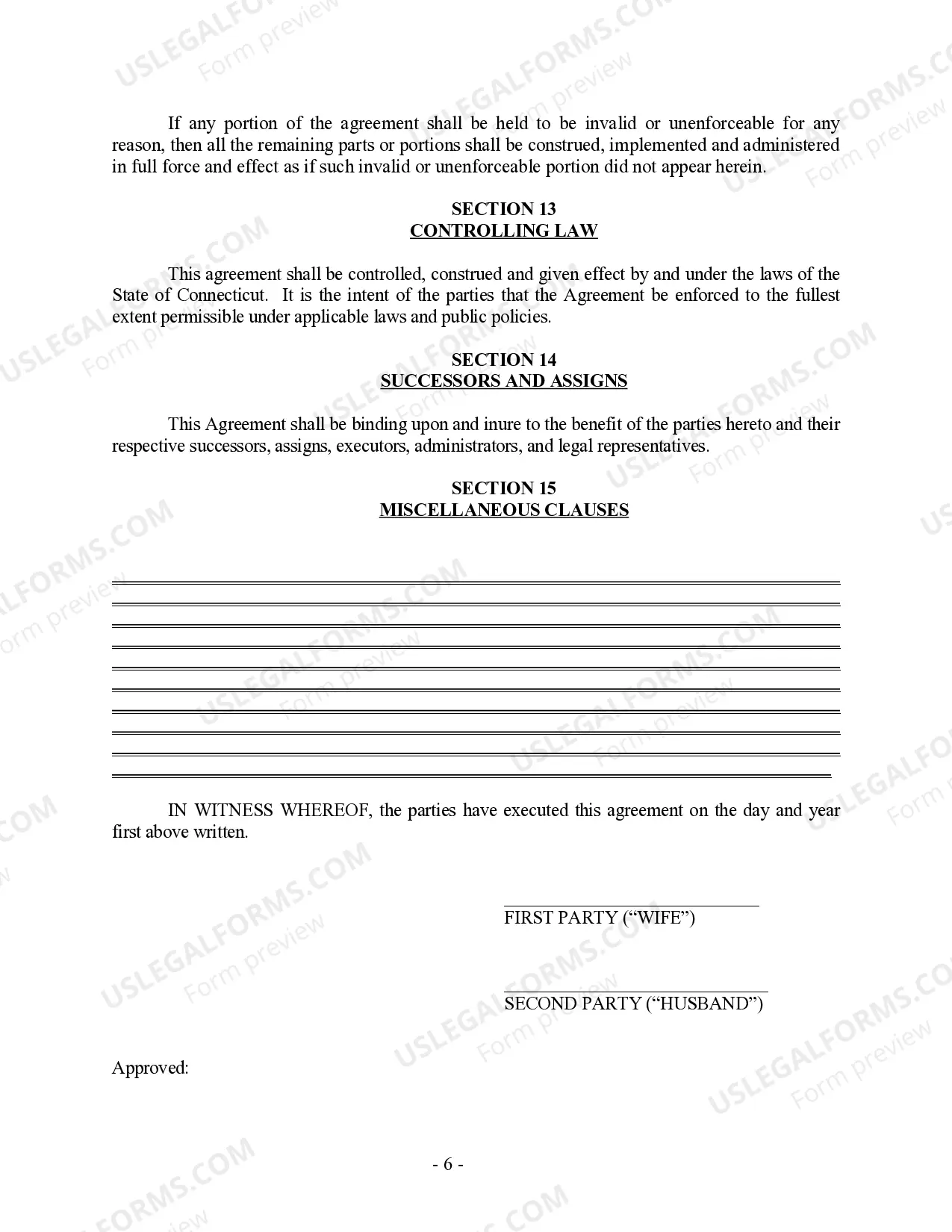
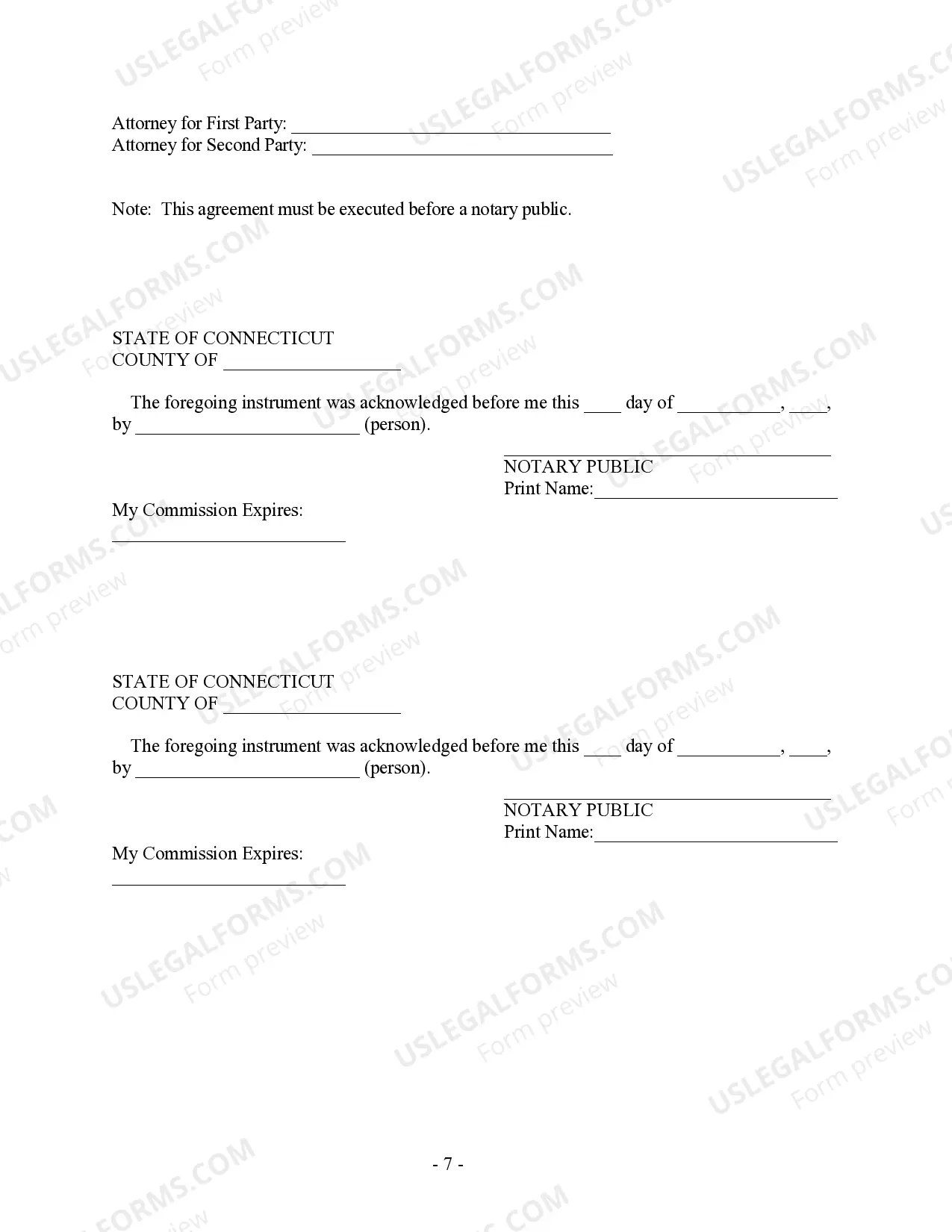
- Sign the agreement in the presence of a notary public for validation.
Notarization requirements for this form
To make this form legally binding, it must be notarized. Our online notarization service, powered by Notarize, lets you verify and sign documents remotely through an encrypted video session.
Get your form ready online
Our built-in tools help you complete, sign, share, and store your documents in one place.
Make edits, fill in missing information, and update formatting in US Legal Forms—just like you would in MS Word.
Download a copy, print it, send it by email, or mail it via USPS—whatever works best for your next step.
Sign and collect signatures with our SignNow integration. Send to multiple recipients, set reminders, and more. Go Premium to unlock E-Sign.
If this form requires notarization, complete it online through a secure video call—no need to meet a notary in person or wait for an appointment.
We protect your documents and personal data by following strict security and privacy standards.

Make edits, fill in missing information, and update formatting in US Legal Forms—just like you would in MS Word.

Download a copy, print it, send it by email, or mail it via USPS—whatever works best for your next step.

Sign and collect signatures with our SignNow integration. Send to multiple recipients, set reminders, and more. Go Premium to unlock E-Sign.

If this form requires notarization, complete it online through a secure video call—no need to meet a notary in person or wait for an appointment.

We protect your documents and personal data by following strict security and privacy standards.
Common mistakes to avoid
- Failing to disclose complete financial information.
- Not having the agreement reviewed by separate attorneys.
- Neglecting to define joint property clearly.
- Signing without proper notarization.
- Using vague language that may lead to misinterpretation.
Advantages of online completion
- Convenience of completing and downloading the form from home.
- Editability to customize the agreement according to specific needs.
- Access to reliable, attorney-drafted content ensuring legal compliance.
Looking for another form?
Form popularity
FAQ
To write a postnuptial agreement in Connecticut, start by outlining the assets and debts of both parties. Clearly state how you wish to divide property in the event of a divorce or separation. After drafting your Connecticut Postnuptial Property Agreement, both parties should review it independently with legal counsel to ensure fairness and compliance with state laws before signing.
Yes, postnuptial agreements are generally considered binding in Connecticut as long as they meet the legal criteria set forth by the state. The agreement must be made voluntarily by both parties and be fair and reasonable at the time of signing. Additionally, a well-drafted Connecticut Postnuptial Property Agreement is recognized by the courts, provided both parties fully disclose their assets and liabilities.
Yes, you can draft your own Connecticut Postnuptial Property Agreement, but it is advisable to seek legal guidance to ensure its enforceability. Writing the agreement yourself may lead to oversights that could complicate its validity. By consulting a legal professional, you can create a comprehensive and clear document that meets Connecticut's legal requirements.
A postnuptial agreement may become void if it is proven that one party did not act in good faith or if significant changes in circumstances occur that were not anticipated at the time of the agreement. If the agreement was signed under pressure or if essential details were omitted, that can also void the agreement. In Connecticut, continuous negotiations or changes without mutual consent can threaten the validity of a postnuptial property agreement.
A Connecticut Postnuptial Property Agreement can be deemed invalid if it lacks the required signatures or if one party did not fully understand the terms at the time of signing. Furthermore, if there was fraud, coercion, or duress involved in the agreement process, it can be contested in court. Even a failure to disclose all assets and debts by either party can also render the agreement void.
In a Connecticut Postnuptial Property Agreement, you cannot include provisions that deal with child custody or child support. Courts prioritize the best interests of children, so any agreements regarding these topics may not be enforceable. Additionally, agreements that encourage divorce or bad behavior cannot be included, as they contradict public policy.
Filing a Connecticut Postnuptial Property Agreement involves a few straightforward steps. First, both spouses need to draft the agreement, ensuring it includes all relevant information about property and debts. Once you finalize the document, each spouse should sign it in the presence of a notary. Utilizing services like USLegalForms can guide you through this process, ensuring you properly file and execute your agreement.
Yes, Connecticut Postnuptial Property Agreements can hold up in court when they meet specific legal requirements. To ensure enforceability, both parties must fully disclose their assets and liabilities. Moreover, the agreement should be fair and reasonable at the time it is signed. If you use a reliable platform like USLegalForms, you can create a solid post-nuptial agreement that adheres to these standards.
Yes, a Connecticut Postnuptial Property Agreement should be notarized to enhance its credibility in court. Notarization verifies that both parties have signed willingly and acknowledges their understanding of the agreement's terms. While it adds an important layer of protection, using a professional service like USLegalForms can help ensure that every step, including notarization, is properly handled.
Setting up a Connecticut Postnuptial Property Agreement involves several steps. First, both spouses need to communicate openly about their financial goals and property division. Next, it's wise to use a template or service like USLegalForms that provides guidance and ensures compliance with Connecticut law. Finally, both parties should review the agreement with legal counsel before signing.