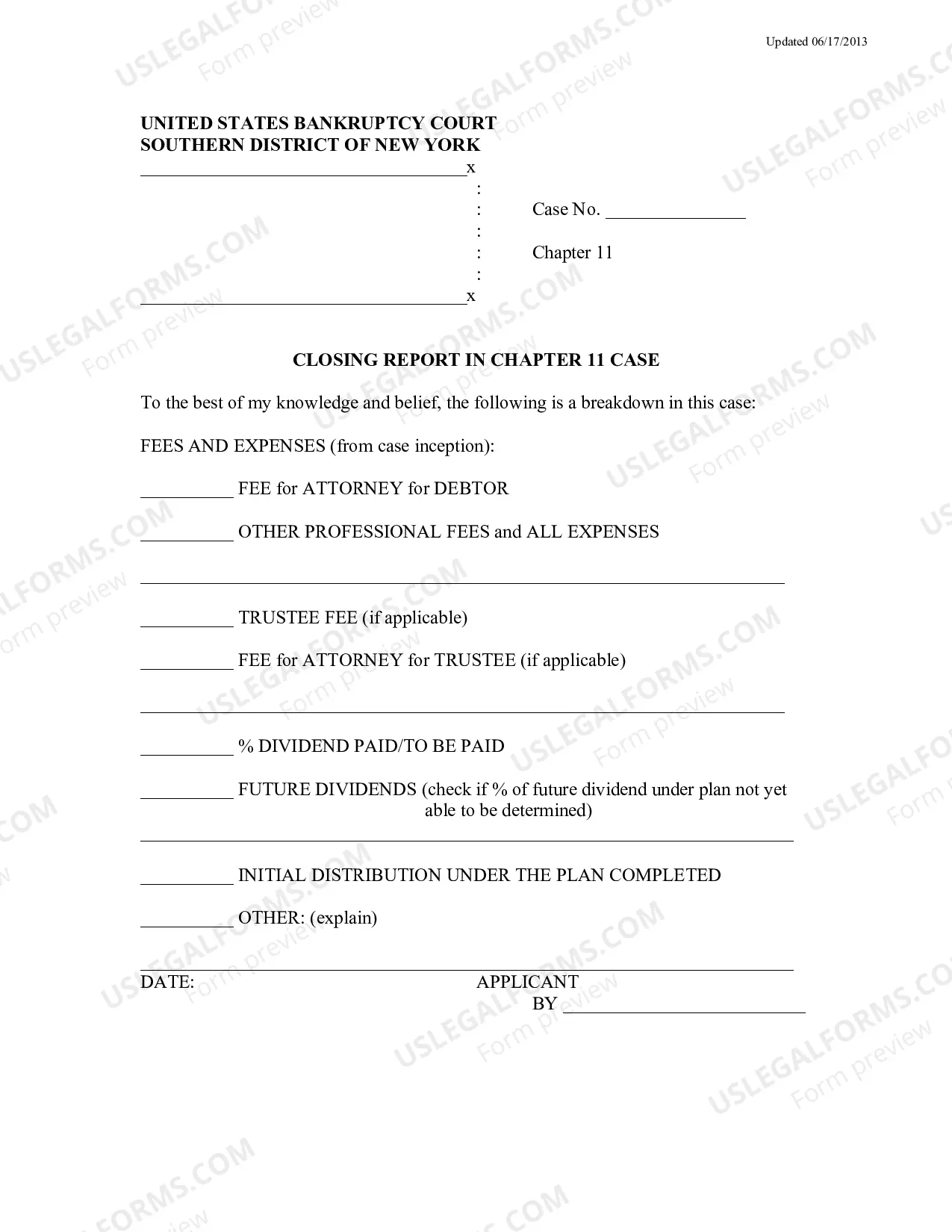
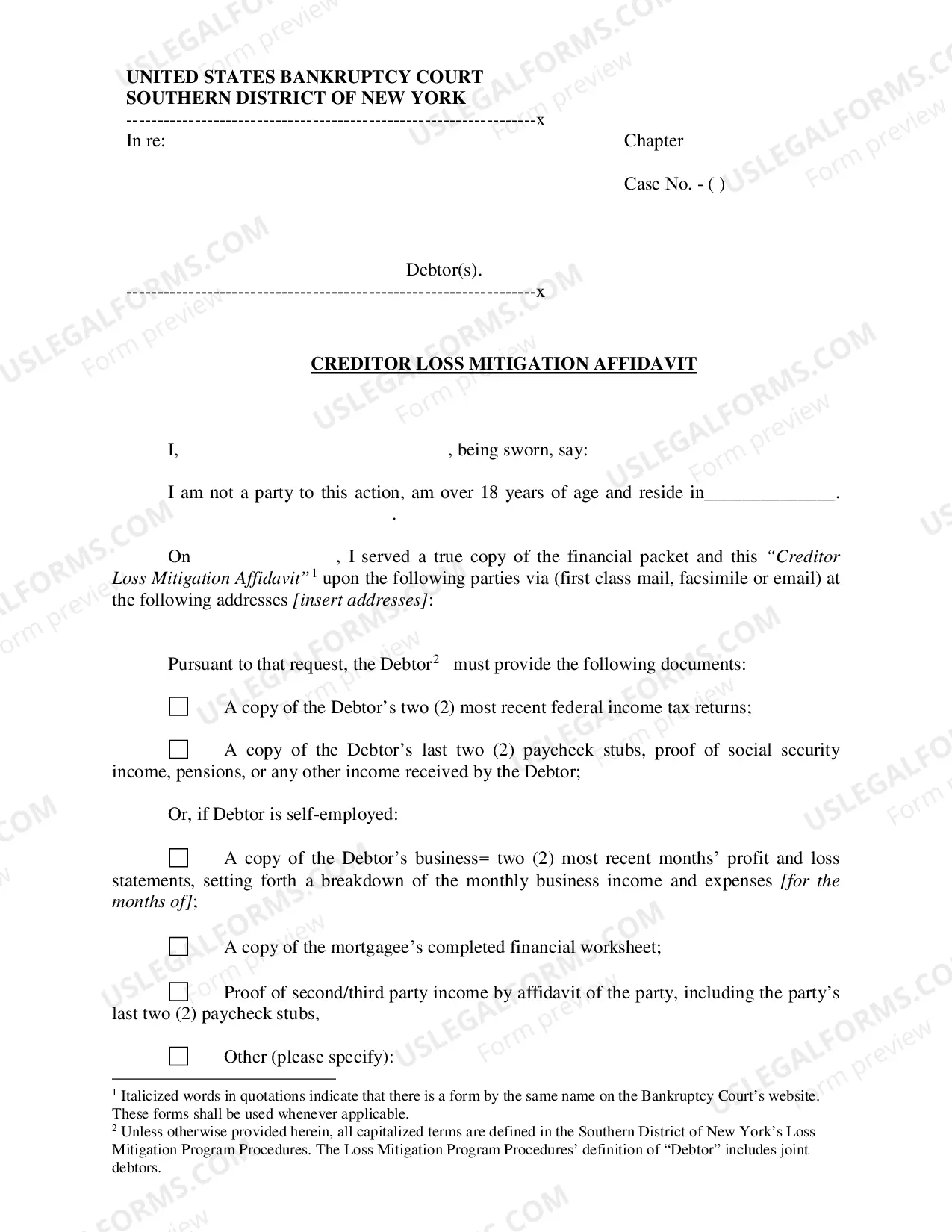
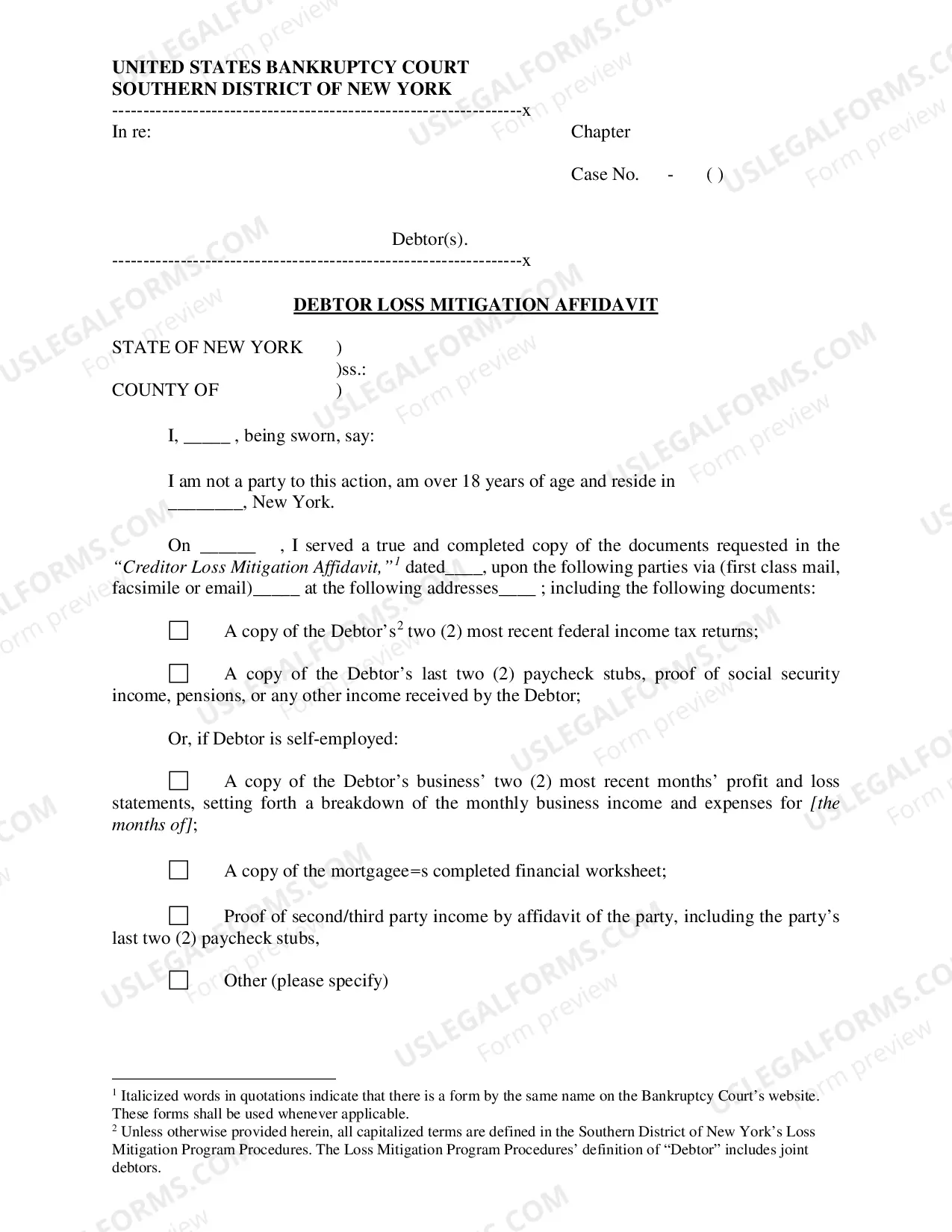
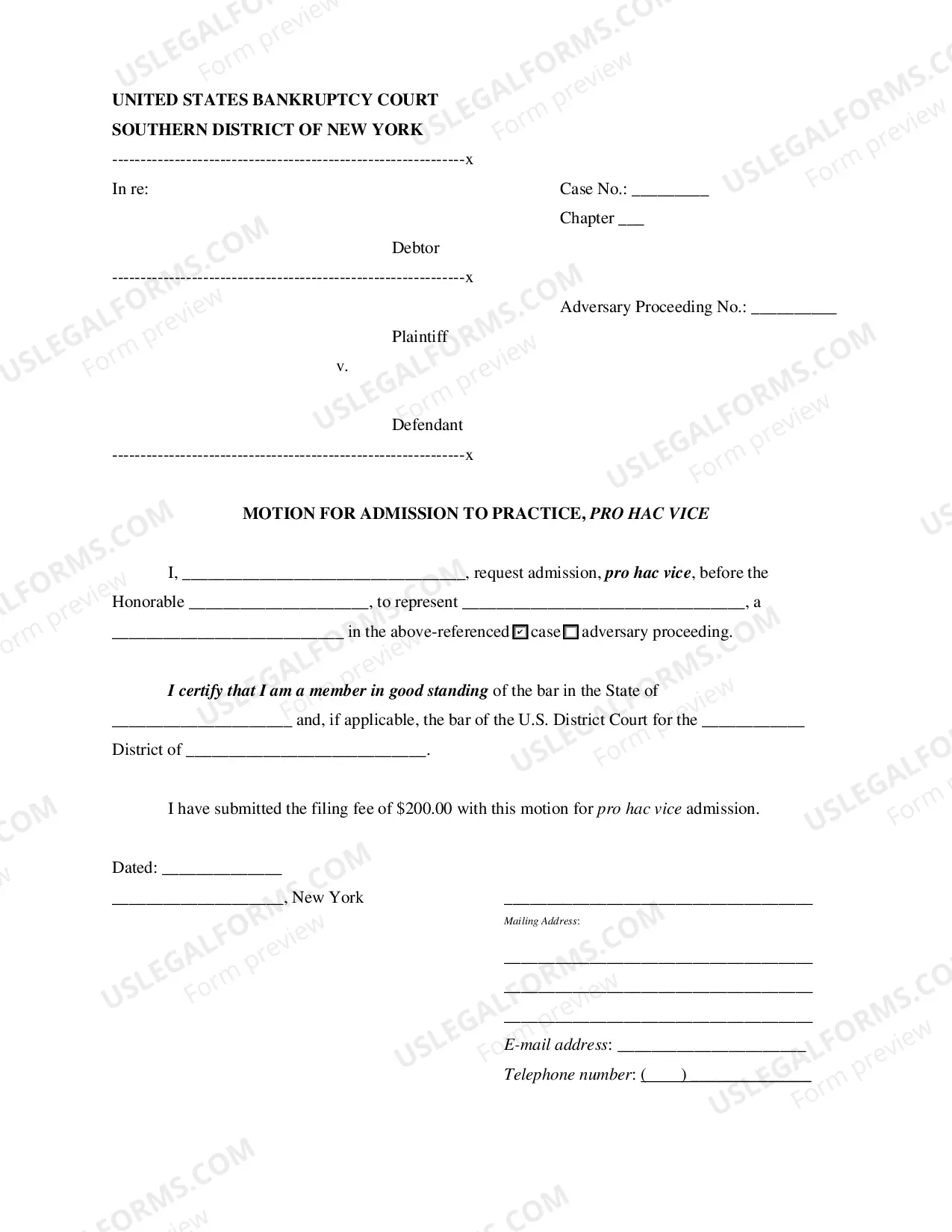
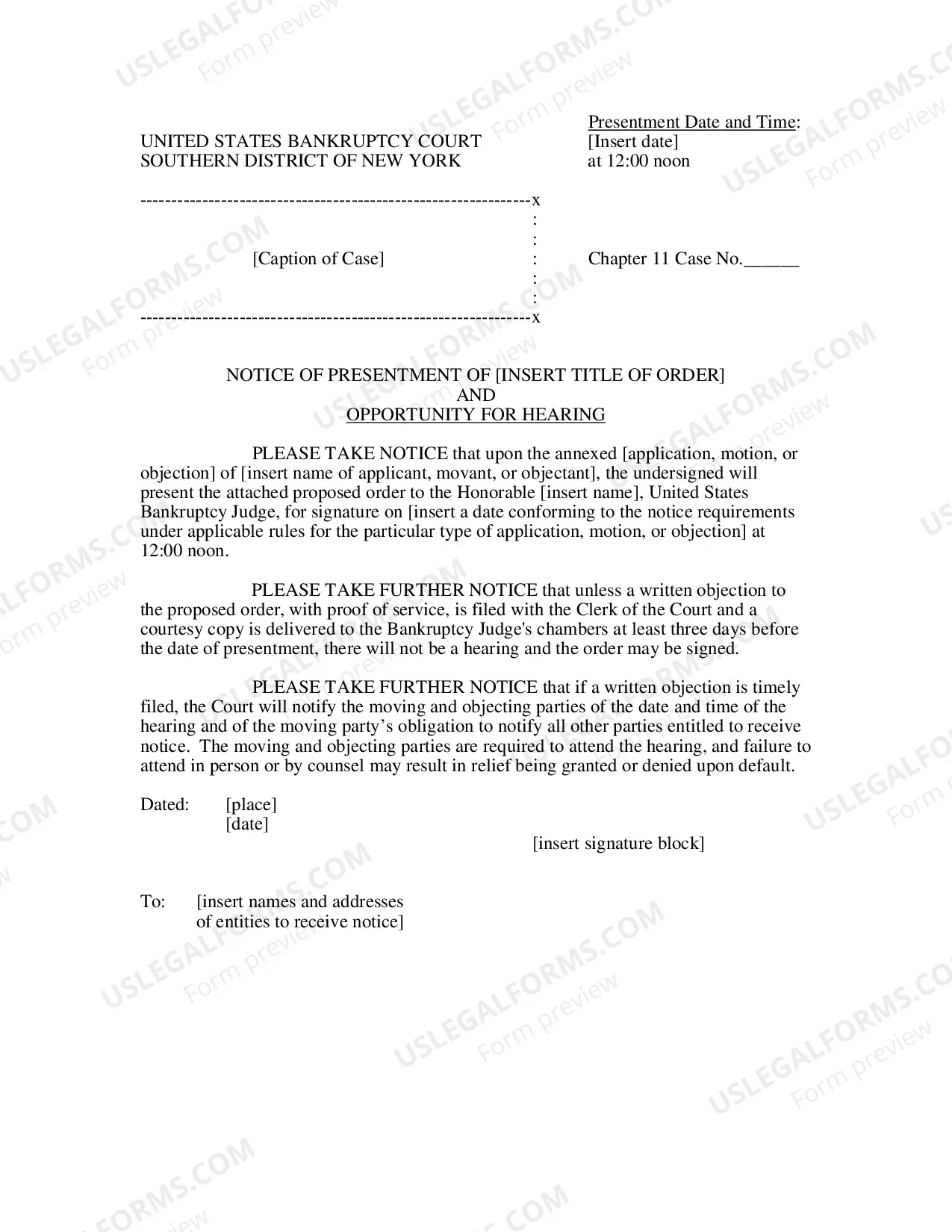
Connecticut Seller's Information for Appraiser provided to Buyer
What is this form?
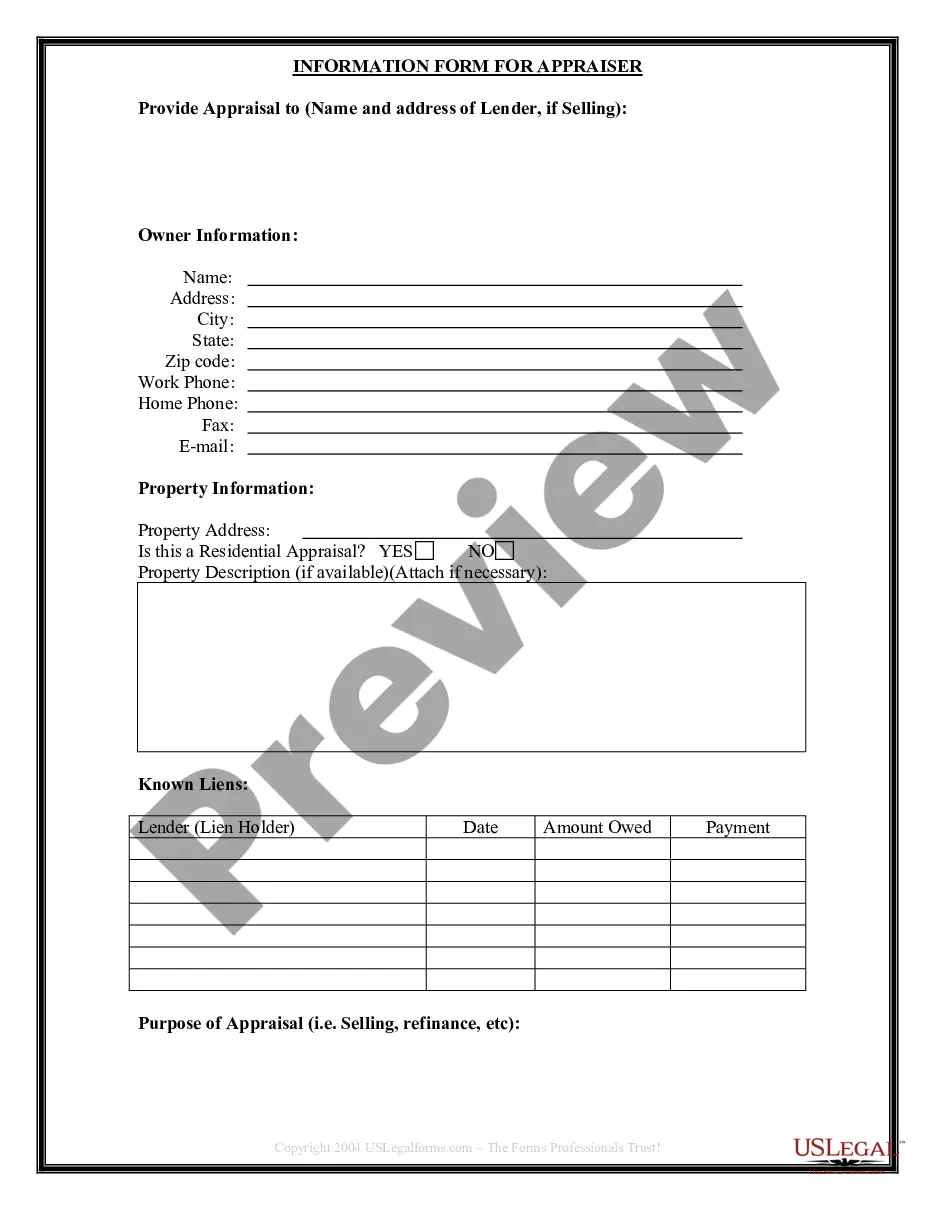
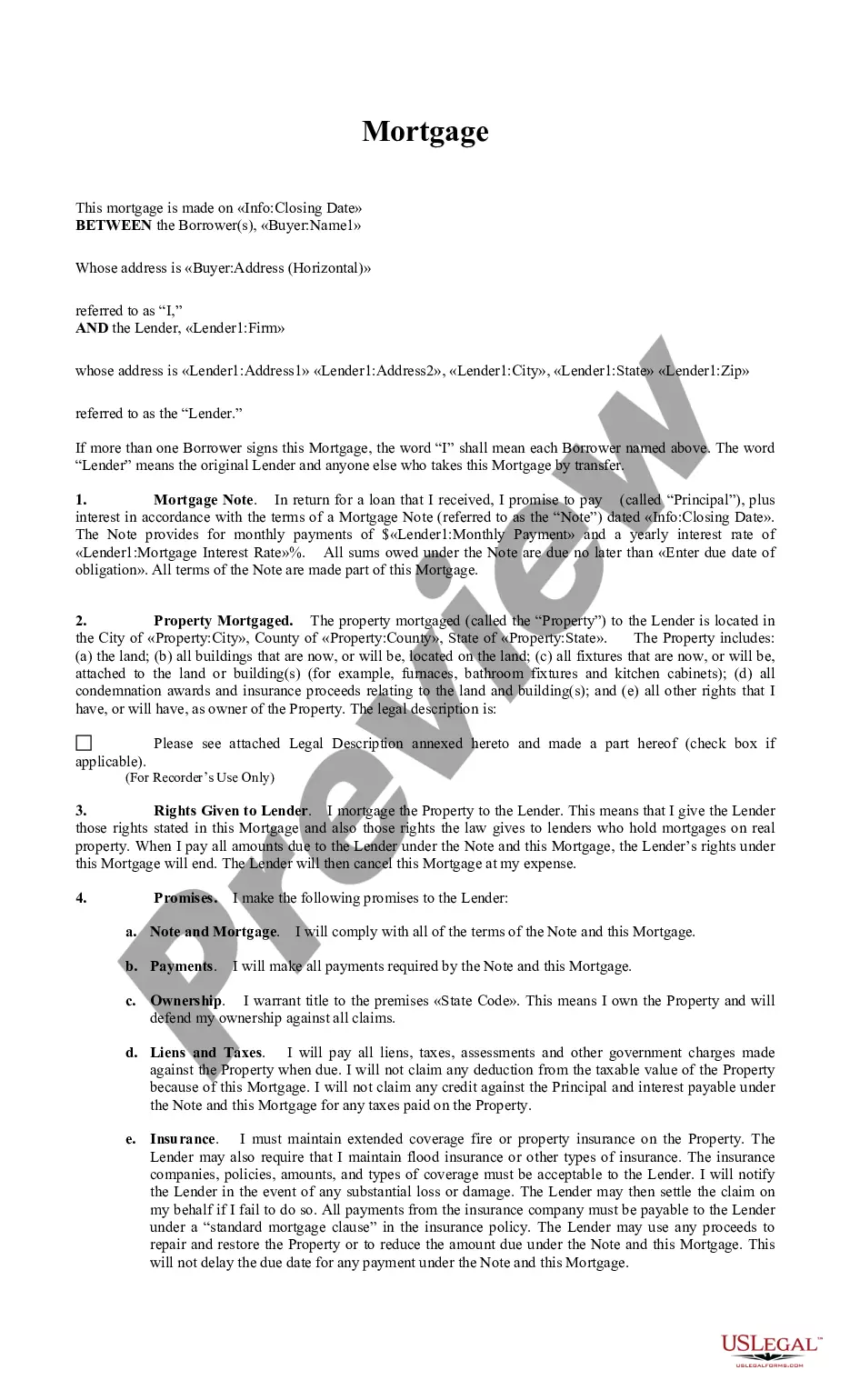
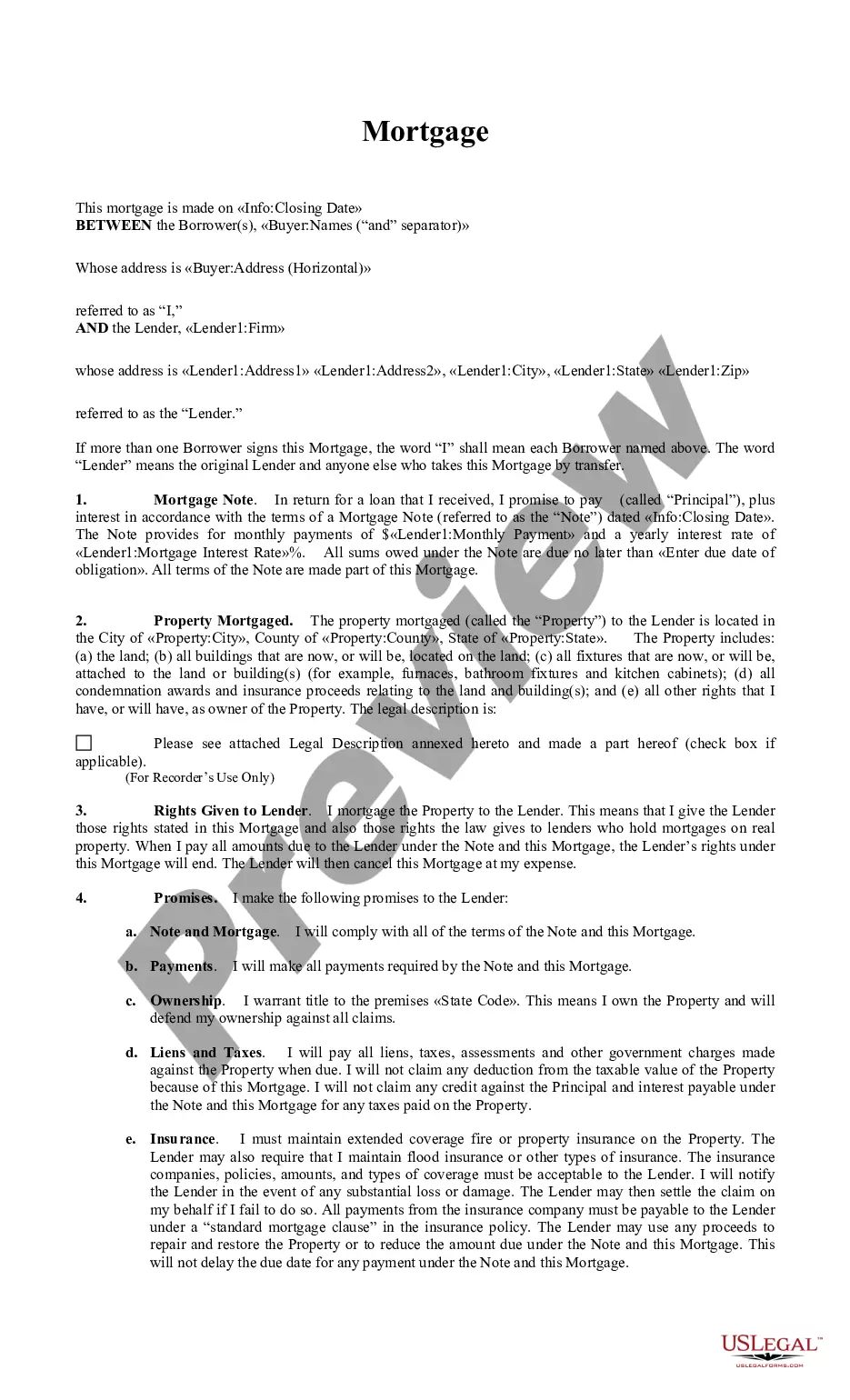
The Seller's Information for Appraiser provided to Buyer form is used in Connecticut to supply relevant details that an appraiser requires to assess a property before it is purchased. This distinct form allows the Seller to efficiently share essential property information with the Buyer, who then provides it to the appraiser, enhancing the appraisal process.
Key components of this form
- Identification of the Seller's information, including name and contact details.
- Property details, including the address and description of the property.
- Disclosure of any financing details relevant to the appraisal.
- Any necessary statements about the property's condition or prior improvements.
- Signature fields for both the Seller and the Buyer to confirm the information provided.


When to use this document
This form should be used when a Buyer in Connecticut is preparing to have a property appraised prior to purchase. It provides the appraiser with necessary Seller information to help determine the property's value, making it critical in real estate transactions.
Who should use this form
- Sellers looking to sell their property in Connecticut.
- Buyers who are in the process of purchasing a property and require an appraisal.
- Real estate agents assisting Sellers and Buyers with property transactions.
Instructions for completing this form
- Identify and provide the Seller's complete information at the beginning of the form.
- Specify the property details, including its address and any relevant description.
- Enter any financing information that may impact the appraisal.
- Include details regarding the condition of the property and any significant improvements made.
- Ensure both the Seller and Buyer sign the form to authenticate the information.
Does this form need to be notarized?
This form does not typically require notarization to be legally valid. However, some jurisdictions or document types may still require it. US Legal Forms provides secure online notarization powered by Notarize, available 24/7 for added convenience.
Get your form ready online
Our built-in tools help you complete, sign, share, and store your documents in one place.
Make edits, fill in missing information, and update formatting in US Legal Forms—just like you would in MS Word.
Download a copy, print it, send it by email, or mail it via USPS—whatever works best for your next step.
Sign and collect signatures with our SignNow integration. Send to multiple recipients, set reminders, and more. Go Premium to unlock E-Sign.
If this form requires notarization, complete it online through a secure video call—no need to meet a notary in person or wait for an appointment.
We protect your documents and personal data by following strict security and privacy standards.

Make edits, fill in missing information, and update formatting in US Legal Forms—just like you would in MS Word.

Download a copy, print it, send it by email, or mail it via USPS—whatever works best for your next step.

Sign and collect signatures with our SignNow integration. Send to multiple recipients, set reminders, and more. Go Premium to unlock E-Sign.

If this form requires notarization, complete it online through a secure video call—no need to meet a notary in person or wait for an appointment.

We protect your documents and personal data by following strict security and privacy standards.
Avoid these common issues
- Failing to include complete property details, which can hinder the appraisal process.
- Not disclosing necessary financing information that can affect the property value.
- Leaving signatures or dates blank, making the form invalid.
Benefits of using this form online
- Instant access to required information without waiting for legal consultations.
- Easy customization and editing allow for quick adjustments as needed.
- Reliable templates drafted by licensed attorneys ensure legal compliance.
What to keep in mind
- This is an essential form for buyers needing property appraisals in Connecticut.
- The seller must provide complete and accurate information to facilitate a smooth appraisal process.
- Ensure all sections of the form are completed and signed before submission.
Looking for another form?


Form popularity
FAQ
As a last resort, a homeowner may file a lawsuit against the seller within a limited amount of time, known as a statute of limitations. Statutes of limitations are typically two to 10 years after closing. Lawsuits may be filed in small claims court relatively quickly and inexpensively, and without an attorney.
The seller often does not generally get a copy of the appraisal, but they can request one. The CRES Risk Management legal advice team noted that an appraisal is material to a transaction and like a property inspection report for a purchase, it needs to be provided to the seller, whether or not the sale closes.
If you're a seller, you almost never see the appraisal, unless the buyer wants to show it to you. If the home appraised for more than sale price, the buyer might be a little reluctant to show the appraisal to you!
A: An appraisal is generally considered a professional opinion of the market value of a property, not a fact. Although it's both legally and ethically necessary to disclose a material fact, the same requirement doesn't apply to an opinion.
A: An appraisal is generally considered a professional opinion of the market value of a property, not a fact. Although it's both legally and ethically necessary to disclose a material fact, the same requirement doesn't apply to an opinion.
Will the homebuyer receive a copy of the appraisal? A. Yes! Regulations allow real estate agents, or other persons with an interest in the real estate transaction, to communicate with the appraiser and provide additional property information, including a copy of the sales contract.
Home sellers aren't entitled to copies of the appraisals mortgage lenders conduct on behalf of their borrowers. If a home seller wants a copy of an appraisal, she should consider asking for a copy from the buyer.However, a copy may come in handy if the appraisal comes in low and price negotiations must ensue.
A home that appraises for higher than the purchase price is a benefit to buyers as it means instant equity. Its impact on sellers is subject to how motivated they are. Still, offering something for sale only to find out that it's worth much more may be enough to make a seller reconsider.
Death in the Home. Neighborhood Nuisances. Hazards. HOA Information. Repairs. Water Damage. Missing Items. Other Possible Disclosures.