Connecticut Fencing Contract for Contractor
What is this form?
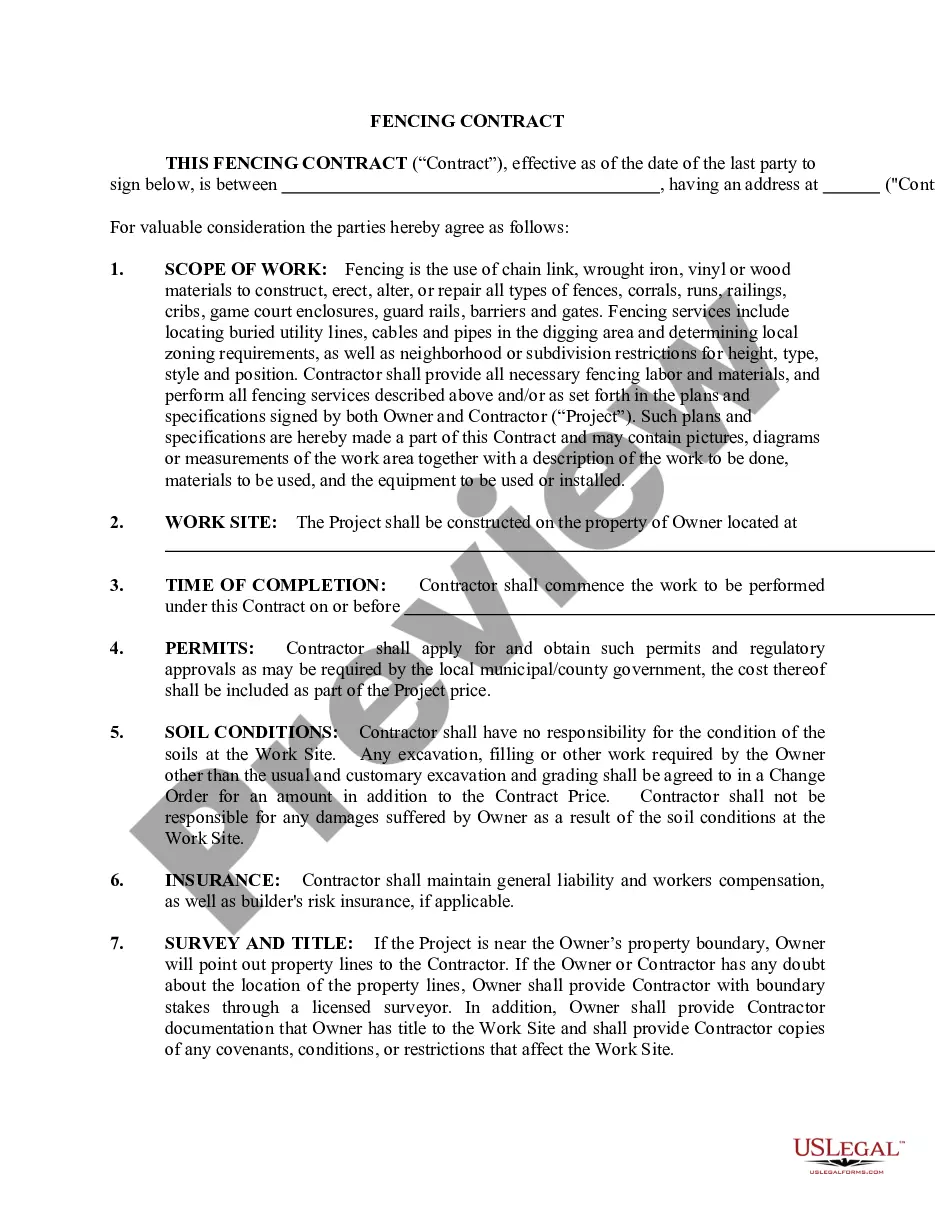
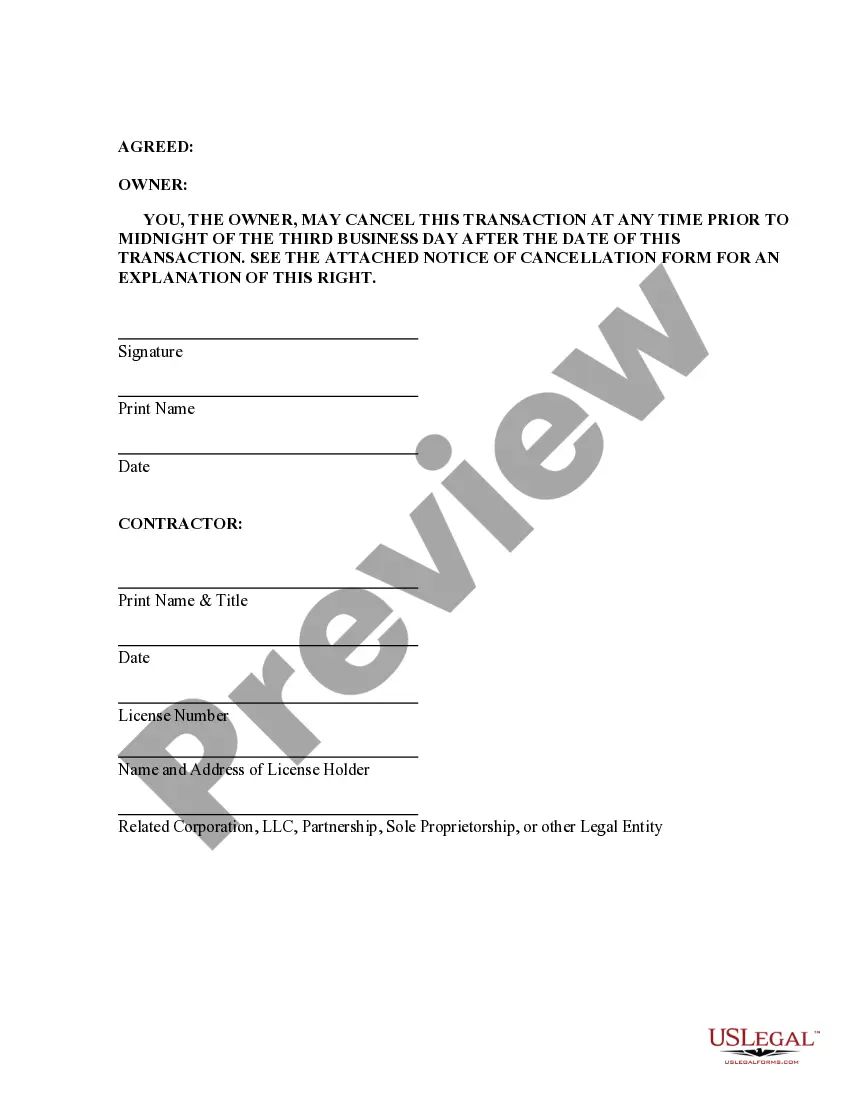
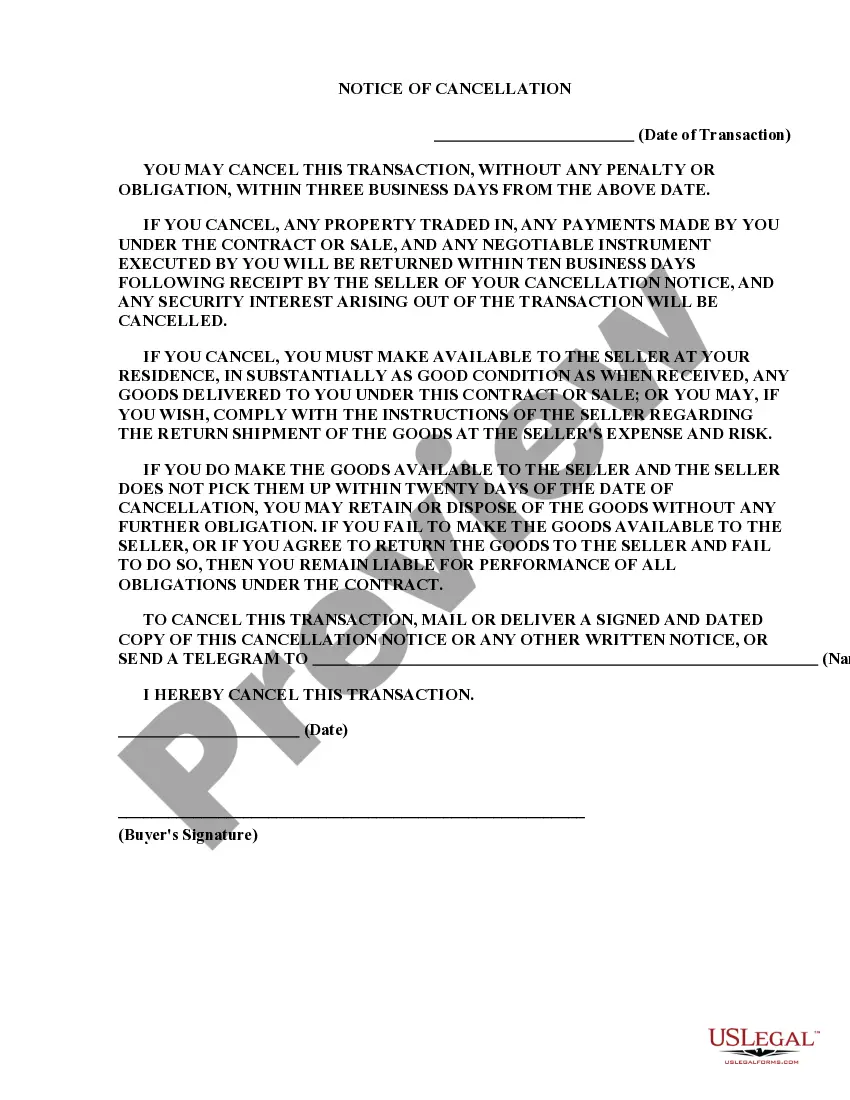
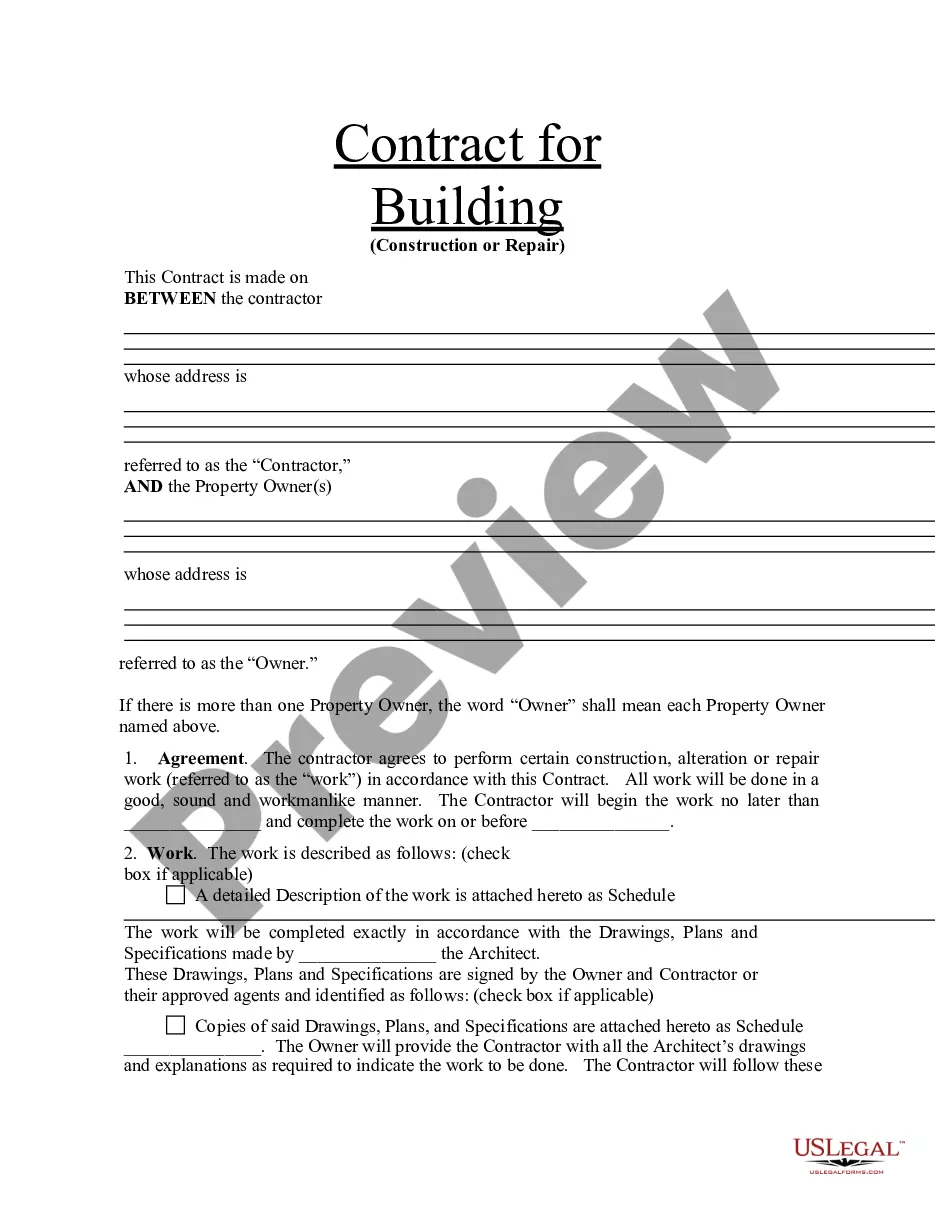
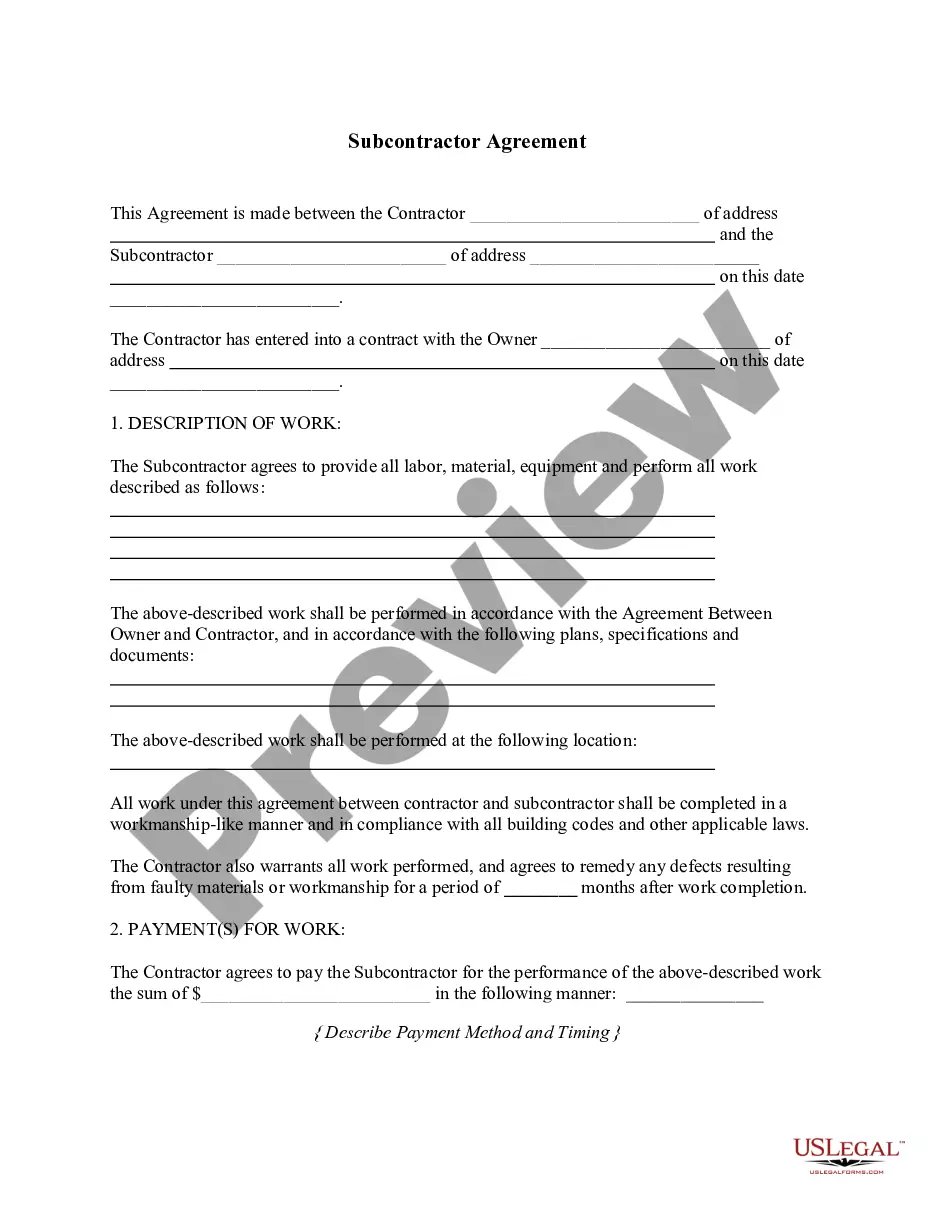
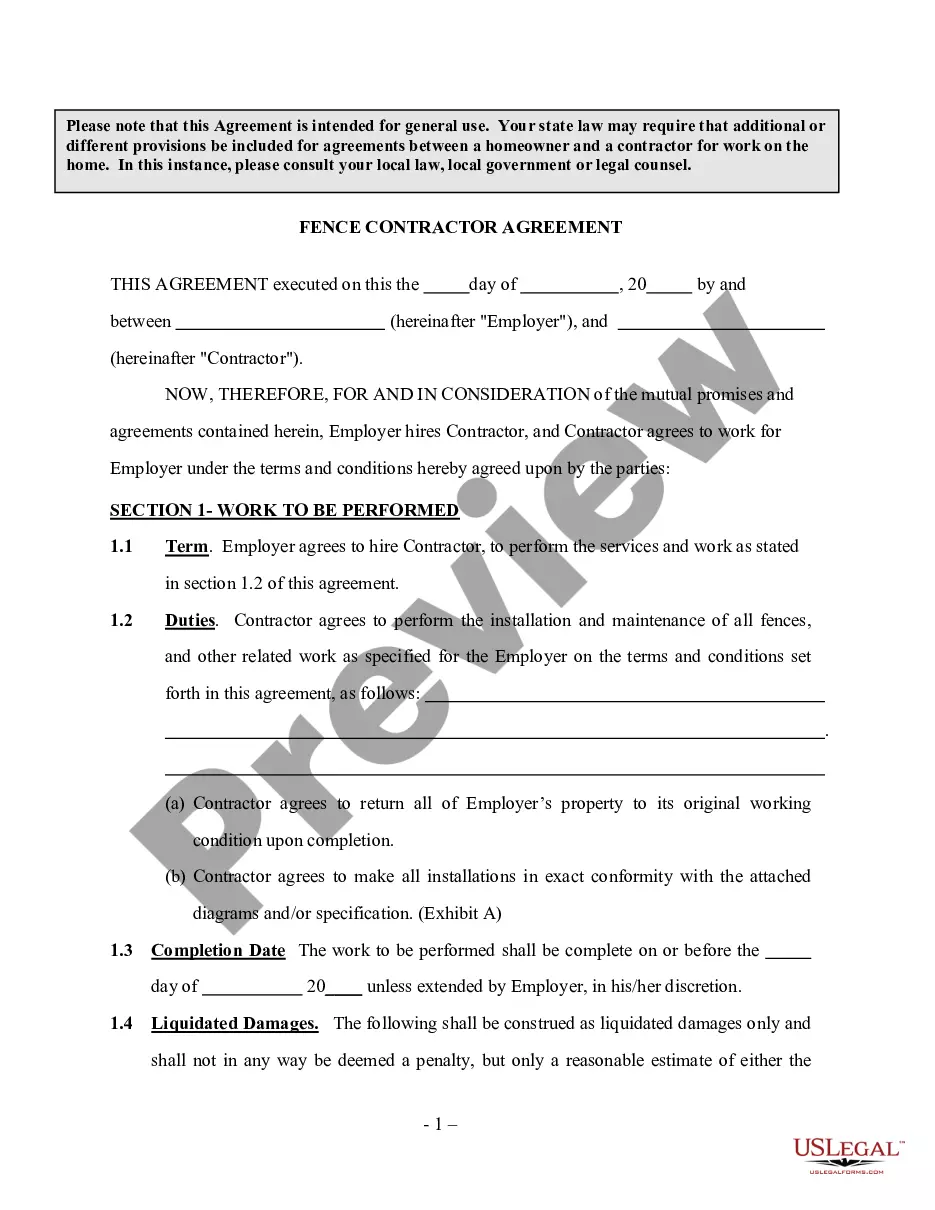
The Fencing Contract for Contractor is a legal document that formalizes the agreement between a fencing contractor and a property owner. This contract outlines the details of the fencing project, including payment arrangements, responsibilities, and legal protections for both parties. Unlike generic agreements, this form is tailored specifically to meet the legal requirements of Connecticut, ensuring compliance with state laws.
Key components of this form
- Work site information specifying the project location.
- Details on permits and regulatory approvals required for the project.
- Clauses regarding soil conditions and associated responsibilities.
- Insurance requirements protecting both contractor and owner.
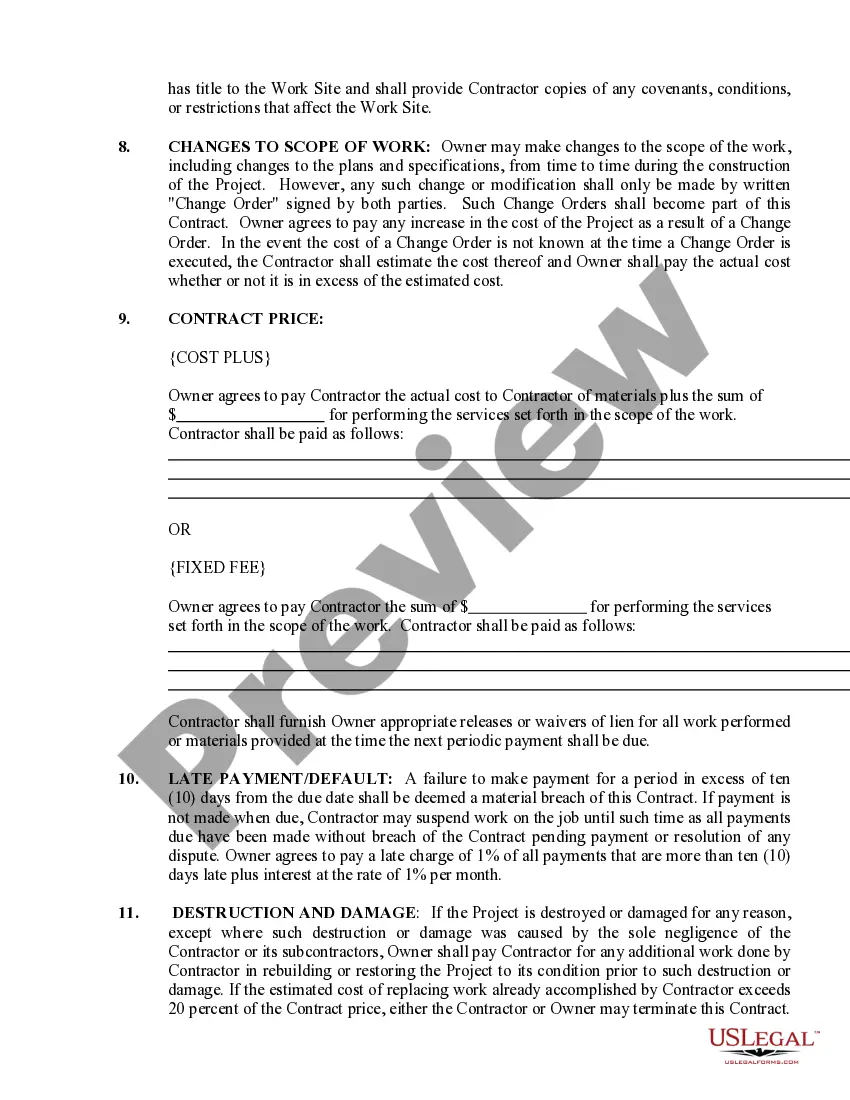
- Procedures for making changes to the scope of work through Change Orders.
- Provisions on late payments and potential breaches of contract.
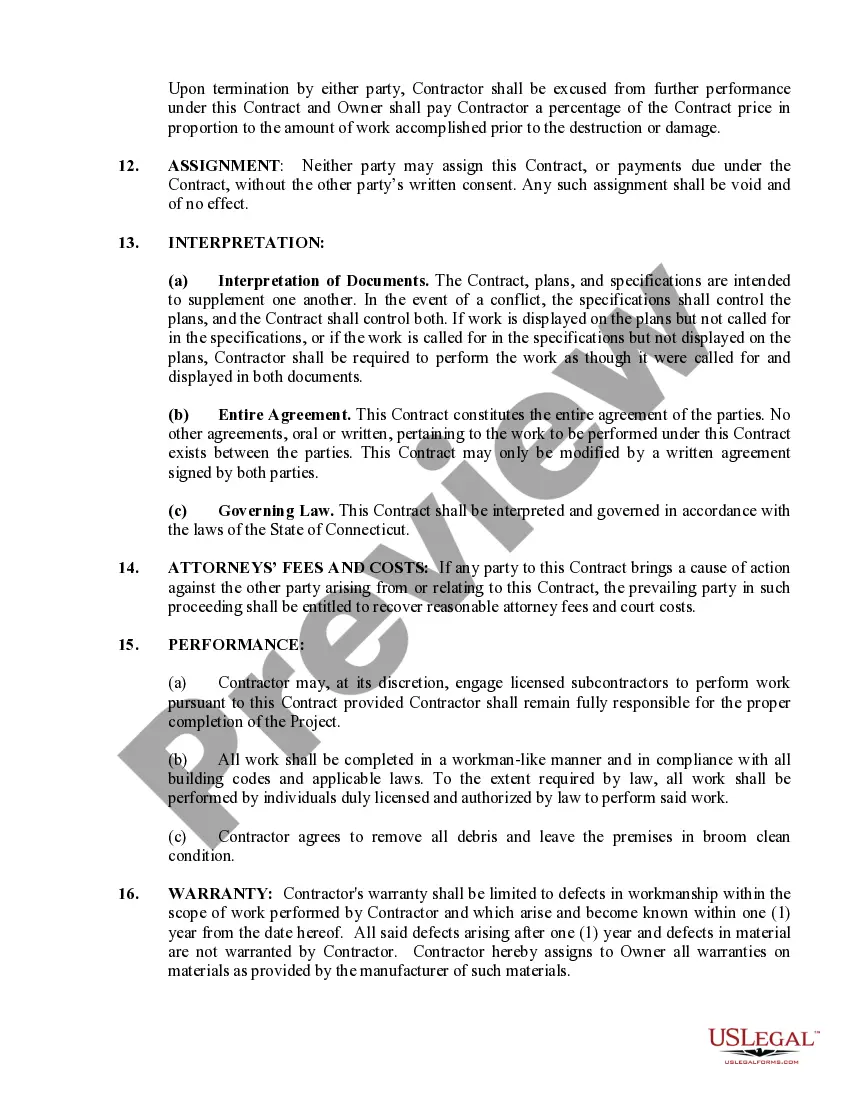
- Warranties that cover defects in workmanship for a period of one year.


When to use this document
This form should be used when a property owner is hiring a fencing contractor for a project. It is essential when there are specific requirements regarding cost arrangements, insurance, and scope modifications. Whether the payment is fixed or cost-plus, having a well-drafted contract helps ensure clarity and protects both parties throughout the duration of the project.
Who can use this document
- Property owners looking to hire fencing contractors.
- Fencing contractors seeking to formalize their agreements with clients.
- Individuals or companies involved in fence installation or construction projects in Connecticut.
How to complete this form
- Identify the parties involved, including the contractor and property owner.
- Specify the address of the work site where the fencing will be constructed.
- Detail any permits required and ensure the contractor agrees to obtain them.
- Clearly outline the scope of work and any potential changes that may occur.
- Include the payment terms and conditions regarding late payments.
- Sign and date the contract to finalize the agreement.
Does this document require notarization?
Notarization is generally not required for this form. However, certain states or situations might demand it. You can complete notarization online through US Legal Forms, powered by Notarize, using a verified video call available anytime.
Get your form ready online
Our built-in tools help you complete, sign, share, and store your documents in one place.
Make edits, fill in missing information, and update formatting in US Legal Forms—just like you would in MS Word.
Download a copy, print it, send it by email, or mail it via USPS—whatever works best for your next step.
Sign and collect signatures with our SignNow integration. Send to multiple recipients, set reminders, and more. Go Premium to unlock E-Sign.
If this form requires notarization, complete it online through a secure video call—no need to meet a notary in person or wait for an appointment.
We protect your documents and personal data by following strict security and privacy standards.

Make edits, fill in missing information, and update formatting in US Legal Forms—just like you would in MS Word.

Download a copy, print it, send it by email, or mail it via USPS—whatever works best for your next step.

Sign and collect signatures with our SignNow integration. Send to multiple recipients, set reminders, and more. Go Premium to unlock E-Sign.

If this form requires notarization, complete it online through a secure video call—no need to meet a notary in person or wait for an appointment.

We protect your documents and personal data by following strict security and privacy standards.
Typical mistakes to avoid
- Failing to clearly define the scope of work, leading to disputes.
- Not including details about permits or required approvals.
- Overlooking insurance requirements, which can expose parties to liability.
- Neglecting to detail change order processes, causing confusion during the project.
- Not addressing late payment terms, which can affect project timelines.
Why complete this form online
- Convenience of accessing and completing the form from anywhere.
- Editable templates that allow customization to meet specific needs.
- Reliable legal language drafted by licensed attorneys.
- Quick download for immediate use, streamlining the contracting process.
Looking for another form?
Form popularity
FAQ
In other words, contractors pay sales and use tax on all their purchases as is the case in Connecticut. Typically, the gross receipts of contractors are not subject to sales or use tax.
Name of contractor and contact information. Name of homeowner and contact information. Describe property in legal terms. List attachments to the contract. The cost. Failure of homeowner to obtain financing. Description of the work and the completion date. Right to stop the project.
While home improvement and new home construction contractors must be registered to do business in Connecticut, certain types of skilled work requires the additional training, experience and education that professional licensing helps to ensure.
Determine if you are applying as an individual or sole proprietor, or if you are in another business structure, you will need to use the new home construction contractor legal entity application. Complete your application. Sign application in front of a notary. Pay application fees.
If you run a small business that hires 1099 contractors, also known as independent contractors, it is vital that you have them sign an independent contractor contract. This is because there is a significant gray area between who is classified as an independent contractor and who is classified as an employee.
Both parties should sign the contract, and both should be bound by the terms and conditions spelled out in the agreement. In general that means the contractor will be obliged to provide specified materials and to perform certain services for you. In turn, you will be required to pay for those goods and that labor.
Handymen do not need a state license to work in Connecticut. However, if you consider yourself a home improvement contractor who creates permanent changes to a residential property, you'll need to register with the Department of Consumer Protection.
For most types of projects you hire an independent contractor (IC) to do, the law does not require you to put anything in writing. You can meet with the IC, agree on the terms of your arrangement, and have an oral contract or agreement that is legally binding. Just because you can doesn't mean you should, however.
Yes, absolutely. Starting work without a signed contract means that your position isn't clear, or even worse it's weak.It also means that the contract is legally enforceable and will be able to support you if you decide to take legal action.