Colorado Self-Employed Independent Contractor Payment Schedule
Description
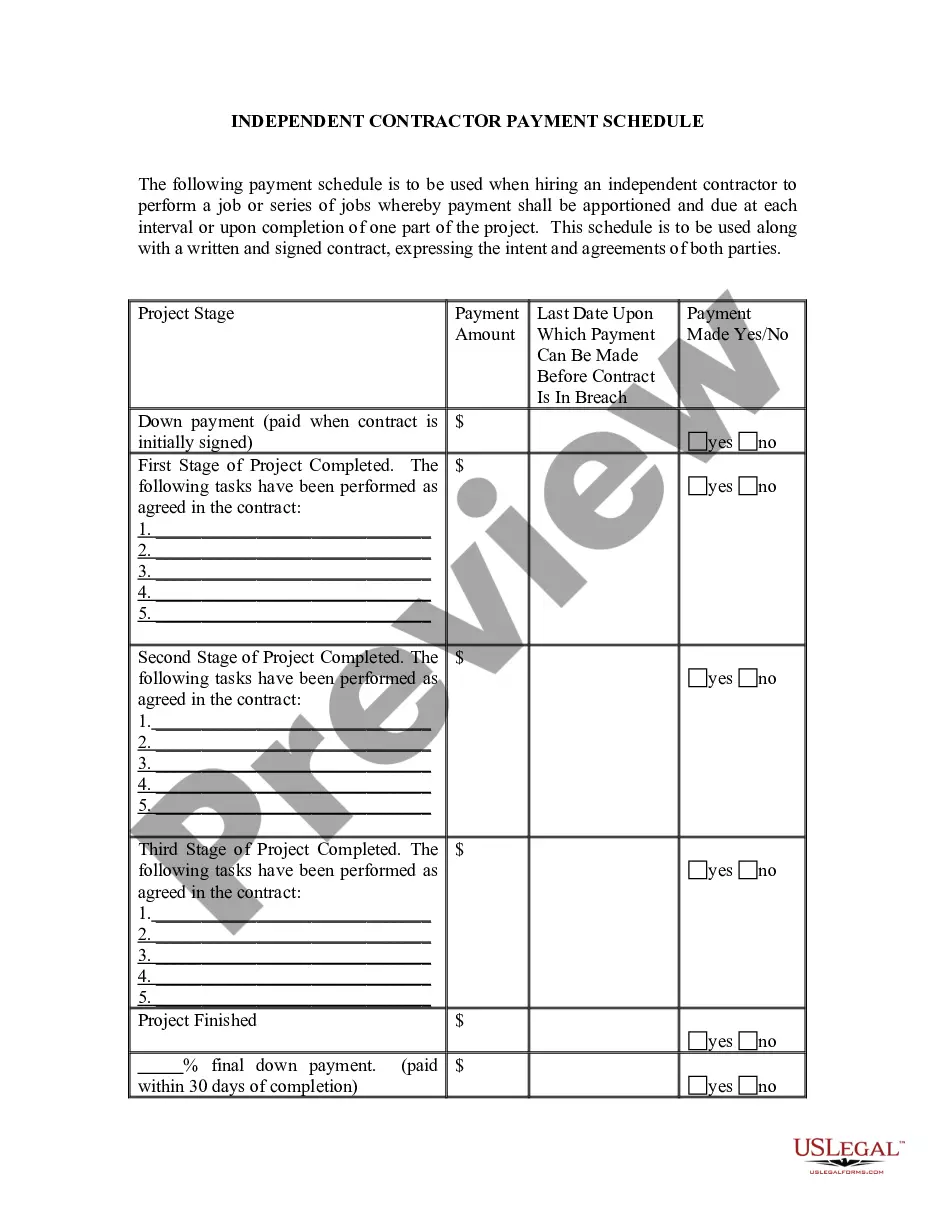

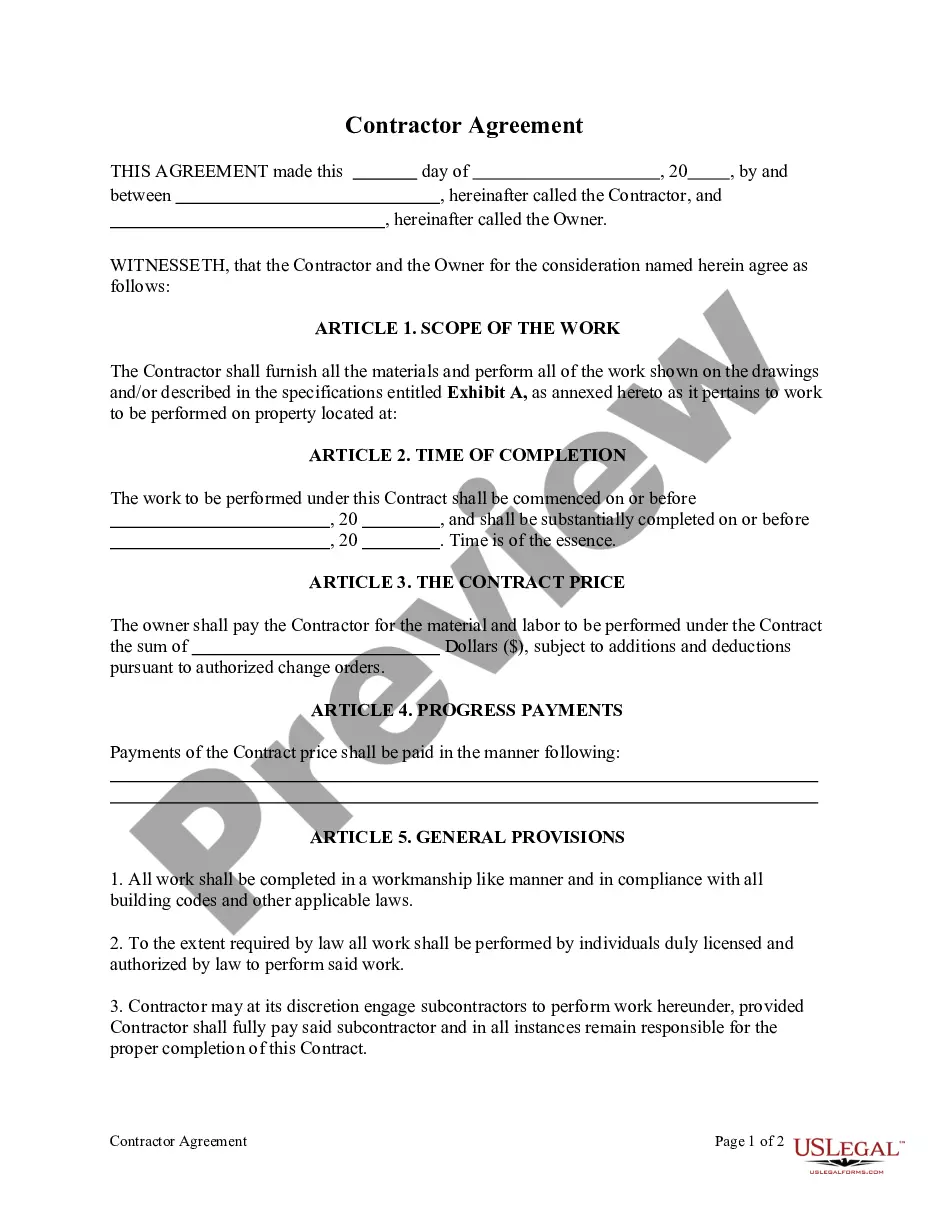
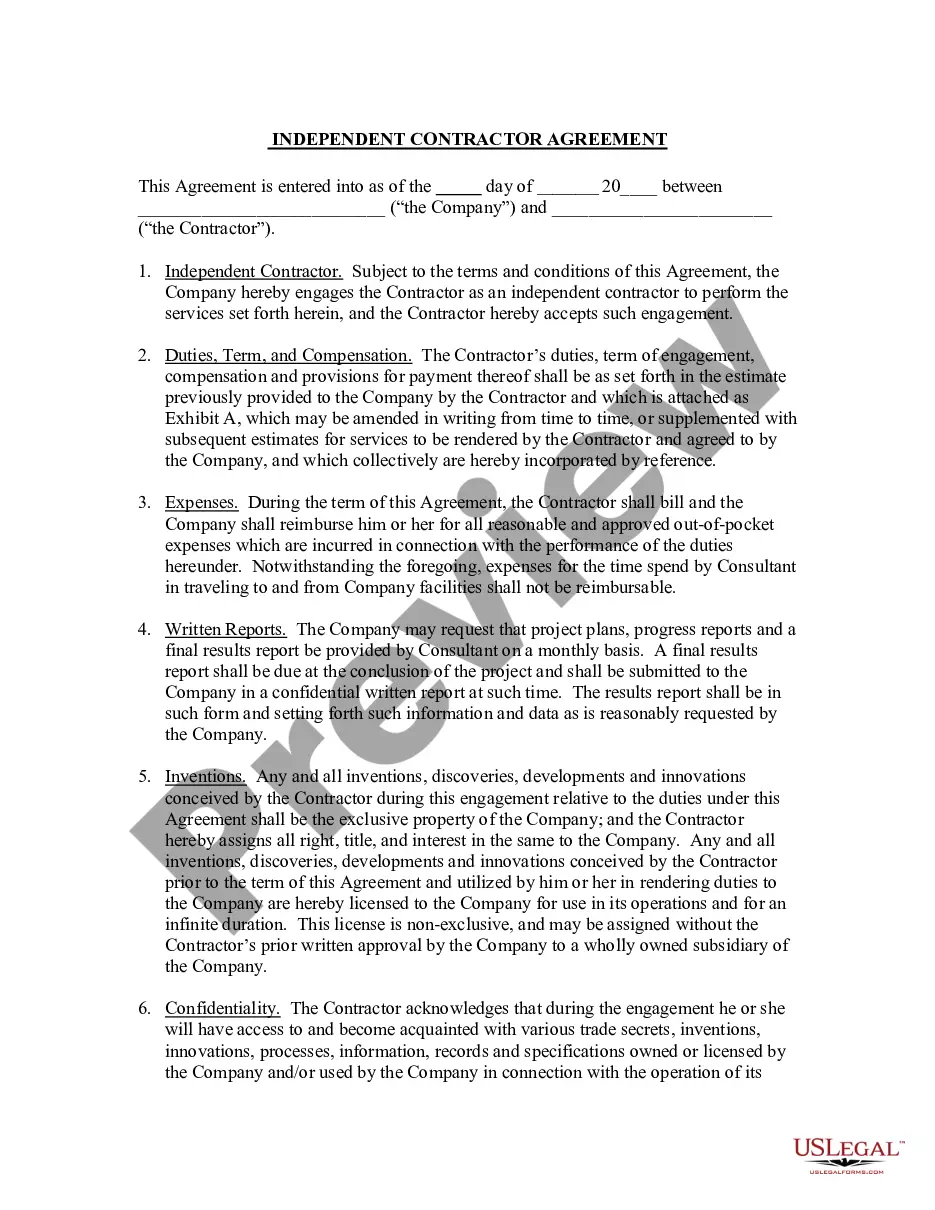
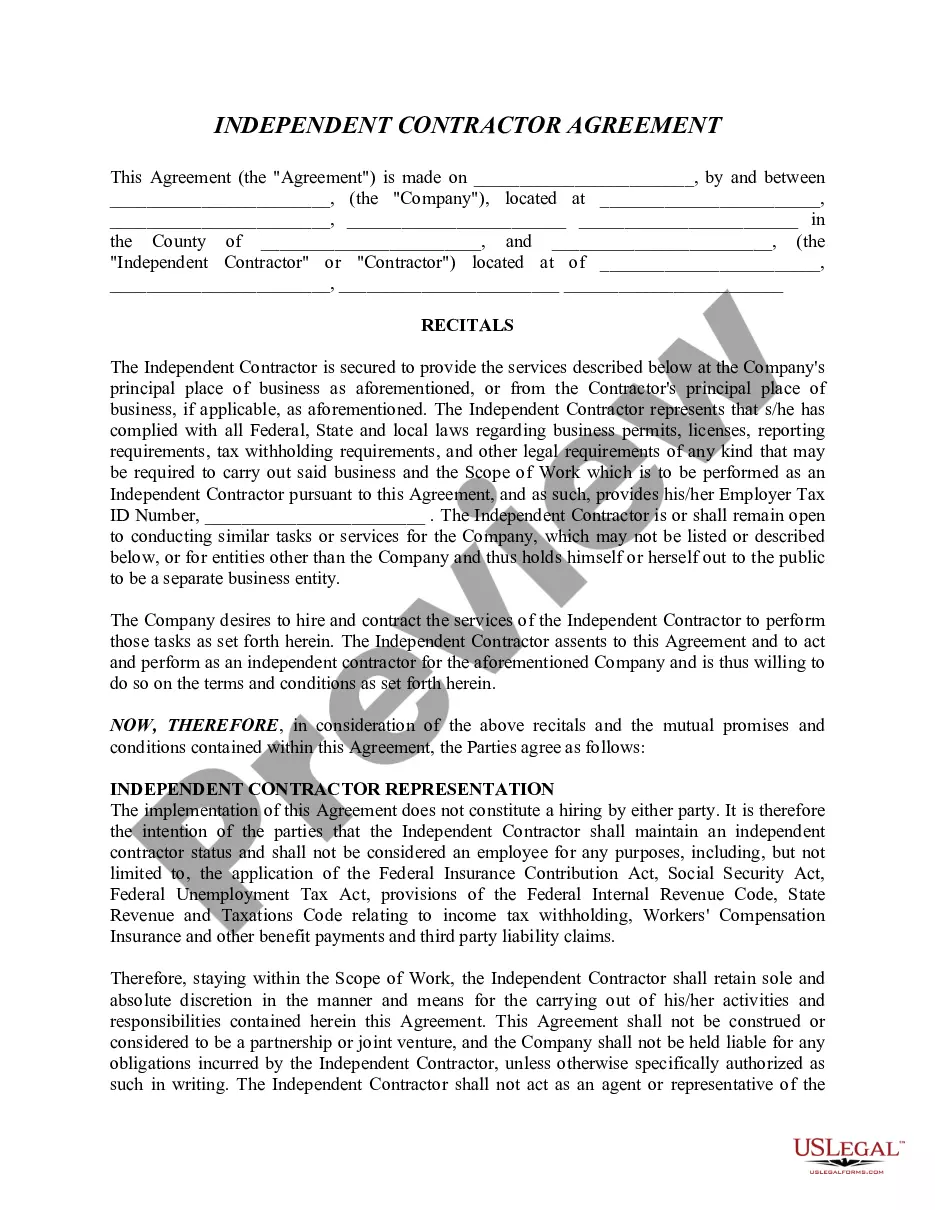





How to fill out Self-Employed Independent Contractor Payment Schedule?
US Legal Forms - one of the largest collections of legal documents in the United States - offers a broad selection of legal paperwork templates that you can download or print.
By utilizing the website, you will find thousands of forms for business and personal use, organized by categories, states, or keywords. You can access the most recent versions of forms such as the Colorado Self-Employed Independent Contractor Payment Schedule in just moments.
If you have an account, Log In and download the Colorado Self-Employed Independent Contractor Payment Schedule from your US Legal Forms collection. The Download button will appear on every form you view. You can find all previously downloaded forms in the My documents section of your profile.
Select the format and download the form to your device. Make modifications. Fill out, edit, print, and sign the downloaded Colorado Self-Employed Independent Contractor Payment Schedule.
Every template you add to your account has no expiration date and is yours indefinitely. Therefore, if you wish to download or print another copy, simply navigate to the My documents section and click on the form you need. Gain access to the Colorado Self-Employed Independent Contractor Payment Schedule with US Legal Forms, one of the most extensive libraries of legal document templates. Utilize a wide range of professional and state-specific templates that cater to your business or personal needs and requirements.
- If you are using US Legal Forms for the first time, here are simple steps to help you get started.
- Ensure you have selected the correct form for your location/region. Click the Preview button to review the form's details.
- Read the form description to confirm that you have picked the right form.
- If the form doesn’t meet your needs, use the Search bar at the top of the screen to locate one that does.
- If you are satisfied with the form, confirm your selection by clicking the Buy now button. Then, choose the payment plan you prefer and provide your details to create an account.
- Process the payment. Use your credit card or PayPal account to complete the transaction.
Form popularity
FAQ
The $2500 expense rule allows you to deduct business expenses without needing to itemize them on your Schedule C. Specifically, if your expense is under $2500, you can report it without additional documentation. This rule simplifies the record-keeping process, especially when managing your Colorado Self-Employed Independent Contractor Payment Schedule.
Filling out Schedule C as an independent contractor involves detailing your business information, reporting your total income, and listing your deductible expenses. Ensure you stay organized by keeping thorough records that align with your Colorado Self-Employed Independent Contractor Payment Schedule. Adequately representing your financial situation helps you optimize your tax filing.
You can definitely fill out your own Schedule C if you feel comfortable with the process. Many independent contractors choose to do this to save on costs, especially with the help of online resources and tools. Utilizing a platform like uslegalforms can simplify this task, especially when tracking your Colorado Self-Employed Independent Contractor Payment Schedule.
Yes, independent contractors typically use Schedule C to report their income and expenses to the IRS. This form allows you to detail your earnings and costs associated with your contracting work, making it easier to manage your finances. Effectively using the Colorado Self-Employed Independent Contractor Payment Schedule is crucial for compliance and tracking your profitability.
To fill out Schedule C for independent contractors, begin by entering your business name and address. Next, report your income and any applicable expenses under the correct categories. It’s essential to keep records of all business activities, as this will help you accurately complete your Colorado Self-Employed Independent Contractor Payment Schedule.
Independent contractors usually negotiate payment terms that fit their workload and financial needs. Typical practices involve partial payments upfront, with the remainder due upon project completion. A well-defined payment schedule benefits both you and your client, promoting transparency and trust. Downloading a Colorado Self-Employed Independent Contractor Payment Schedule can provide the guidance you need.
Contractors often receive payments based on specific milestones or deliverable completion. Common terms include net 30 or net 15, meaning payment is due within 30 or 15 days after invoicing. Establishing a clear payment schedule ensures you receive timely compensation for your work. Resources like a Colorado Self-Employed Independent Contractor Payment Schedule can simplify this process.
The payment terms for a 1099 typically involve arrangements between you and the client. In most cases, payments may occur upon completion of work or according to a set schedule, such as weekly or monthly. It's essential to clarify these terms upfront to avoid misunderstandings. Using a Colorado Self-Employed Independent Contractor Payment Schedule can help outline these details clearly.
Independent contractors operate under specific guidelines that differentiate them from traditional employees. Key rules include maintaining control over how, when, and where work is completed. Understanding these rules, as well as the Colorado Self-Employed Independent Contractor Payment Schedule, is vital for both parties to prevent misclassification and ensure compliance.
Paying independent contractors involves issuing a 1099 form at the end of the tax year. You do not withhold taxes; instead, contractors are responsible for their own tax payments. To streamline the process, consider solutions like uslegalforms, which provides templates and guidance tailored to managing the Colorado Self-Employed Independent Contractor Payment Schedule effectively.