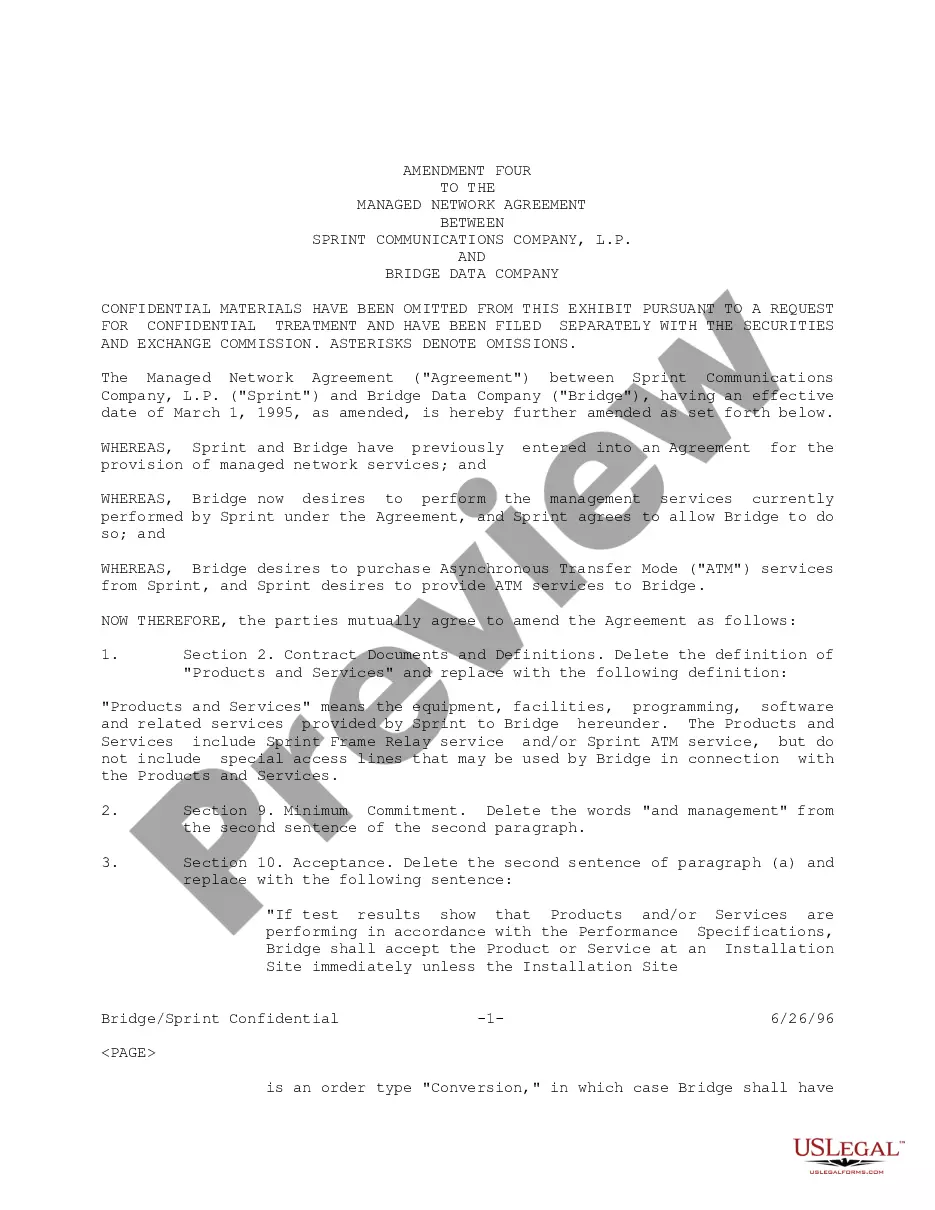
Colorado Stockholder derivative actions
Description
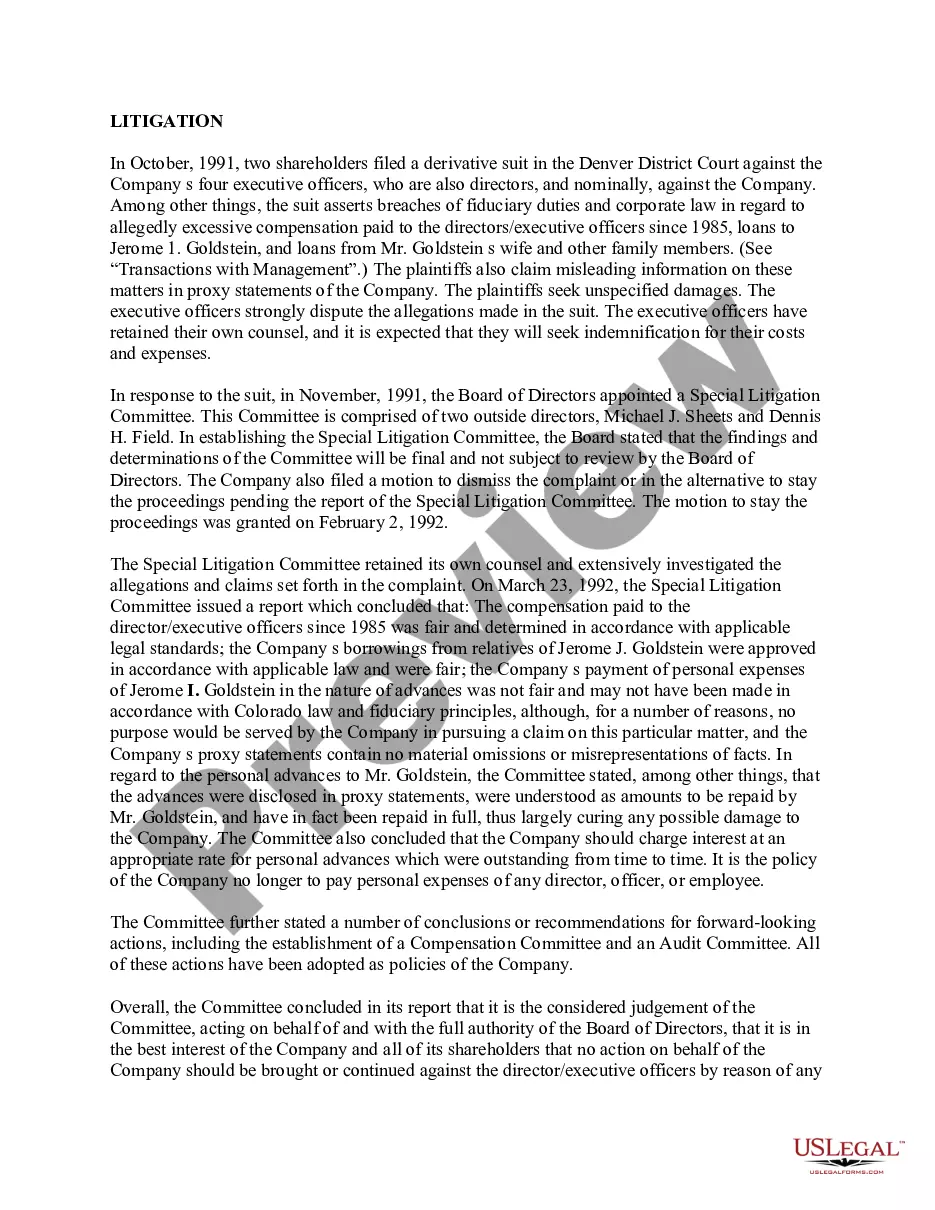
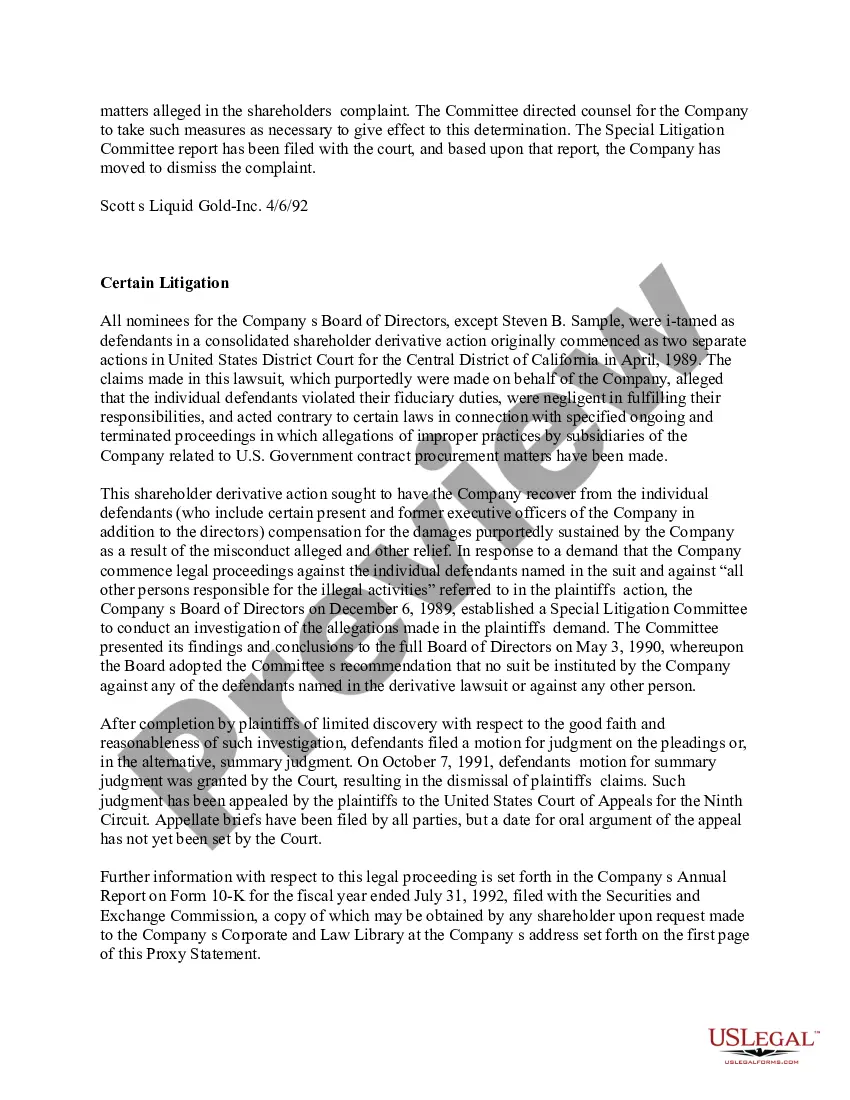
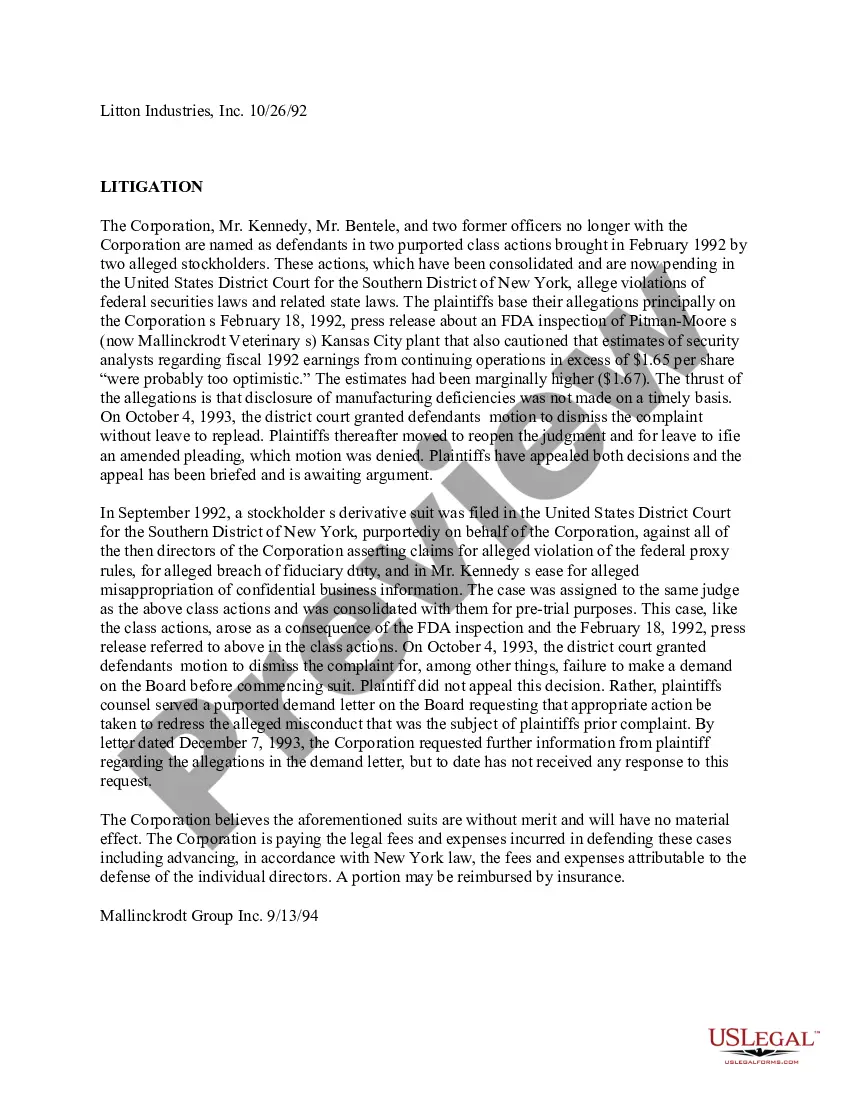
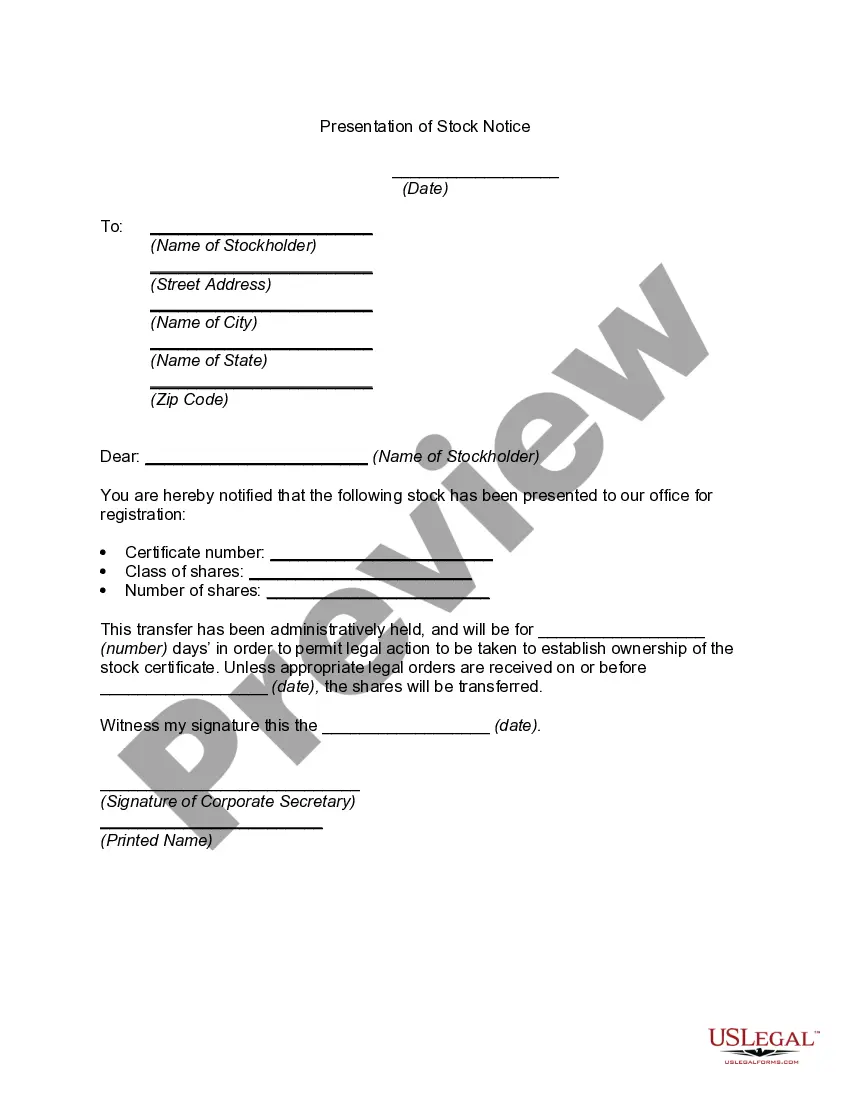






How to fill out Stockholder Derivative Actions?
Discovering the right lawful document design can be quite a struggle. Needless to say, there are a lot of templates available on the Internet, but how will you obtain the lawful form you will need? Make use of the US Legal Forms web site. The services delivers 1000s of templates, for example the Colorado Stockholder derivative actions, which can be used for enterprise and private needs. All of the kinds are checked out by specialists and fulfill federal and state needs.
In case you are already authorized, log in in your accounts and then click the Down load button to find the Colorado Stockholder derivative actions. Make use of your accounts to appear throughout the lawful kinds you might have ordered previously. Check out the My Forms tab of your respective accounts and have one more duplicate of the document you will need.
In case you are a brand new user of US Legal Forms, allow me to share simple directions that you can adhere to:
- First, ensure you have selected the right form for the town/area. It is possible to look over the shape utilizing the Preview button and browse the shape explanation to make certain it will be the right one for you.
- In case the form will not fulfill your needs, take advantage of the Seach field to get the appropriate form.
- Once you are positive that the shape is acceptable, select the Acquire now button to find the form.
- Opt for the pricing prepare you desire and type in the essential details. Create your accounts and buy an order utilizing your PayPal accounts or bank card.
- Select the file format and download the lawful document design in your system.
- Comprehensive, change and print out and indicator the obtained Colorado Stockholder derivative actions.
US Legal Forms will be the largest local library of lawful kinds where you can see a variety of document templates. Make use of the company to download appropriately-created papers that adhere to express needs.
Form popularity
FAQ
A derivative action may be settled, voluntarily dismissed, or compromised only with the court's approval. Notice of a proposed settlement, voluntary dismissal, or compromise must be given to shareholders or members in the manner that the court orders.
What is the difference between a stockholder's derivative suit and a class action? A derivative lawsuit is brought by a shareholder of a corporation for the benefit of the corporation. A shareholder's class action lawsuit is brought by a shareholder for the benefit of themselves and the other shareholders.
A shareholder (stockholder) derivative suit is a lawsuit brought by a shareholder or group of shareholders on behalf of the corporation against the corporation's directors, officers, or other third parties who breach their duties. The claim of the suit is not personal but belongs to the corporation.
A shareholder (stockholder) derivative suit is a lawsuit brought by a shareholder or group of shareholders on behalf of the corporation against the corporation's directors, officers, or other third parties who breach their duties. The claim of the suit is not personal but belongs to the corporation.
Firstly, a shareholder has to seek permission from the court to commence derivative proceedings. The court must refuse to grant permission if it considers there is no prima facie case. If permission is not refused at that stage then the court will order the application for permission to be served on the company.
The derivative action is the route by which shareholders, usually minority shareholders, are able to enforce the company's rights where directors have breached their duties (since in these circumstances it is unlikely that the directors, who usually act on behalf of the company, will want to take action).
Examples of successful derivative actions may include lawsuits against directors or officers for mismanagement of funds, failure to divulge material information, or breach of fiduciary duty.
Remedies commonly sought in derivative actions include corporate governance reforms designed to prevent future fiduciary misconduct, the removal of officers or directors whose misconduct injured the corporation, monetary payments to remedy damages incurred by the company, and repayment of funds obtained illegally.