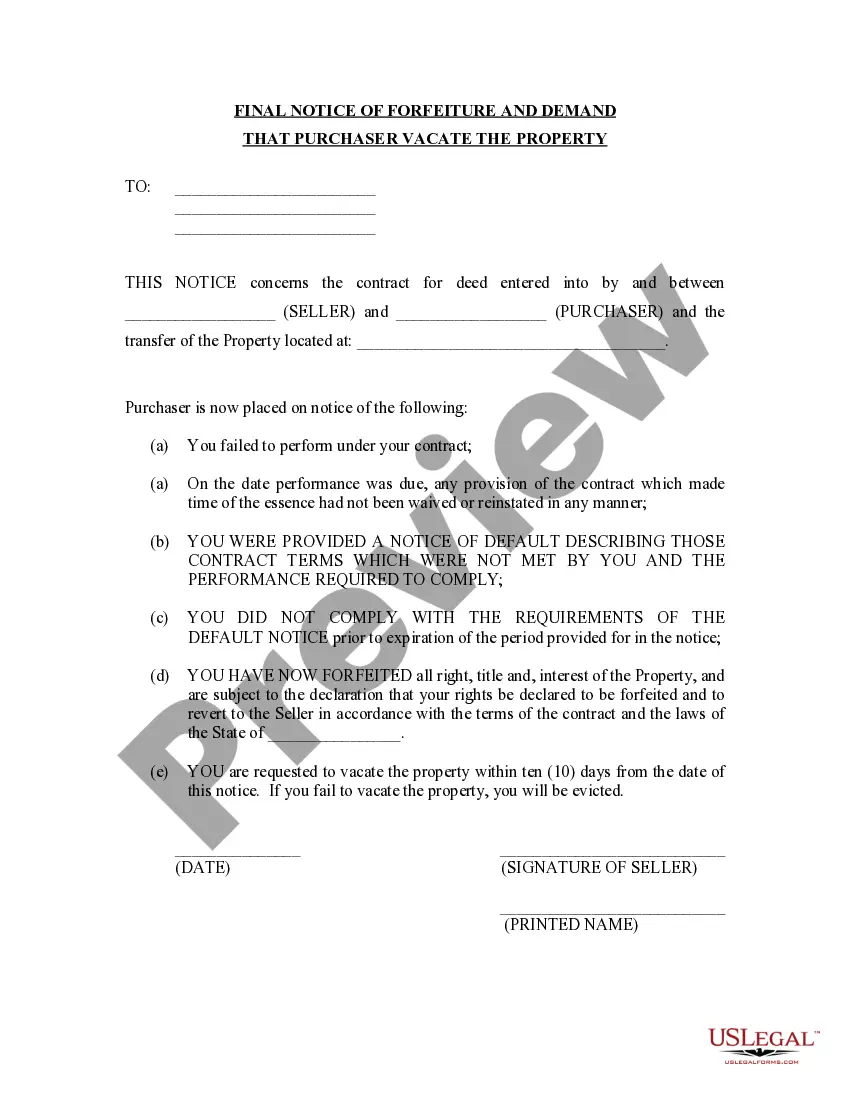
Expense Limitation Agreement
About this form
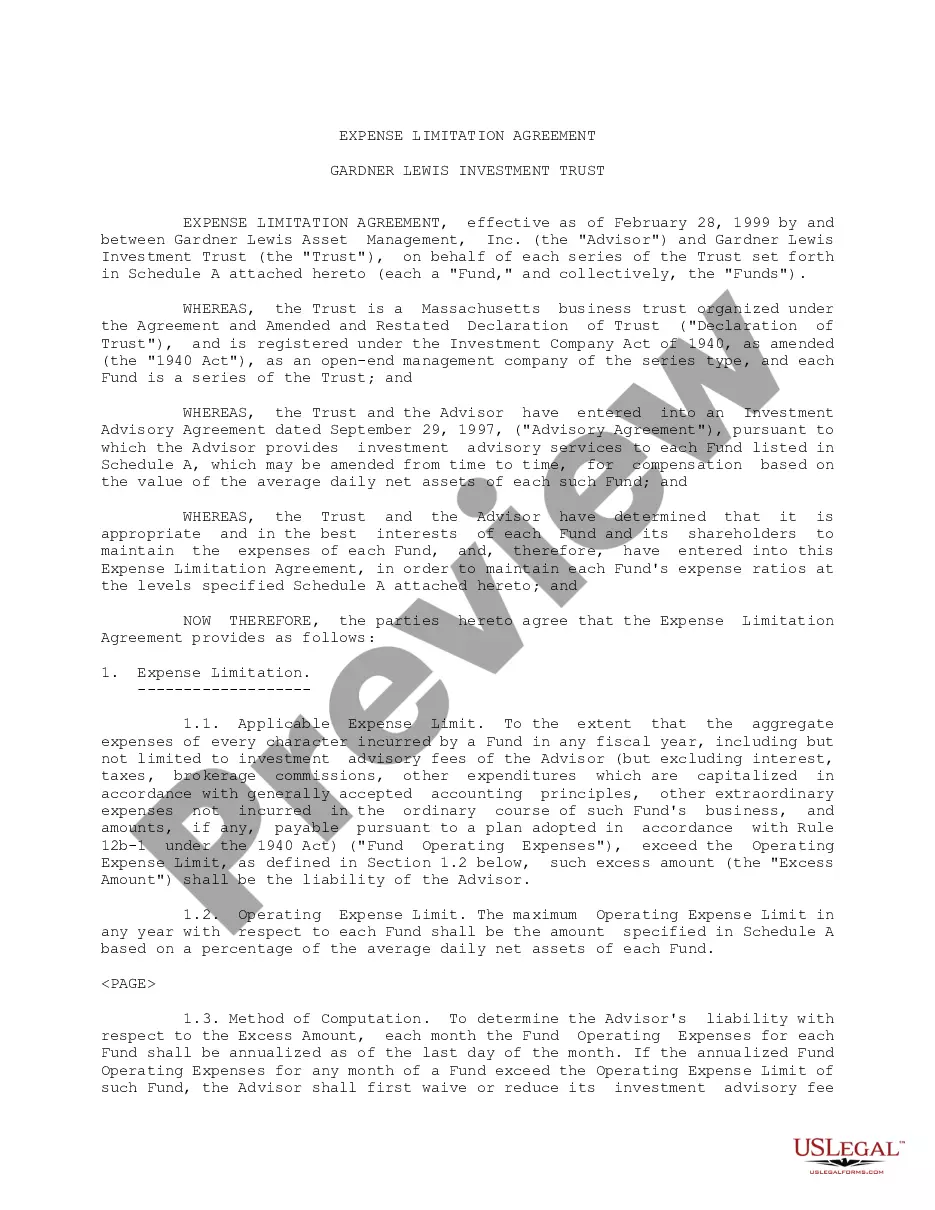
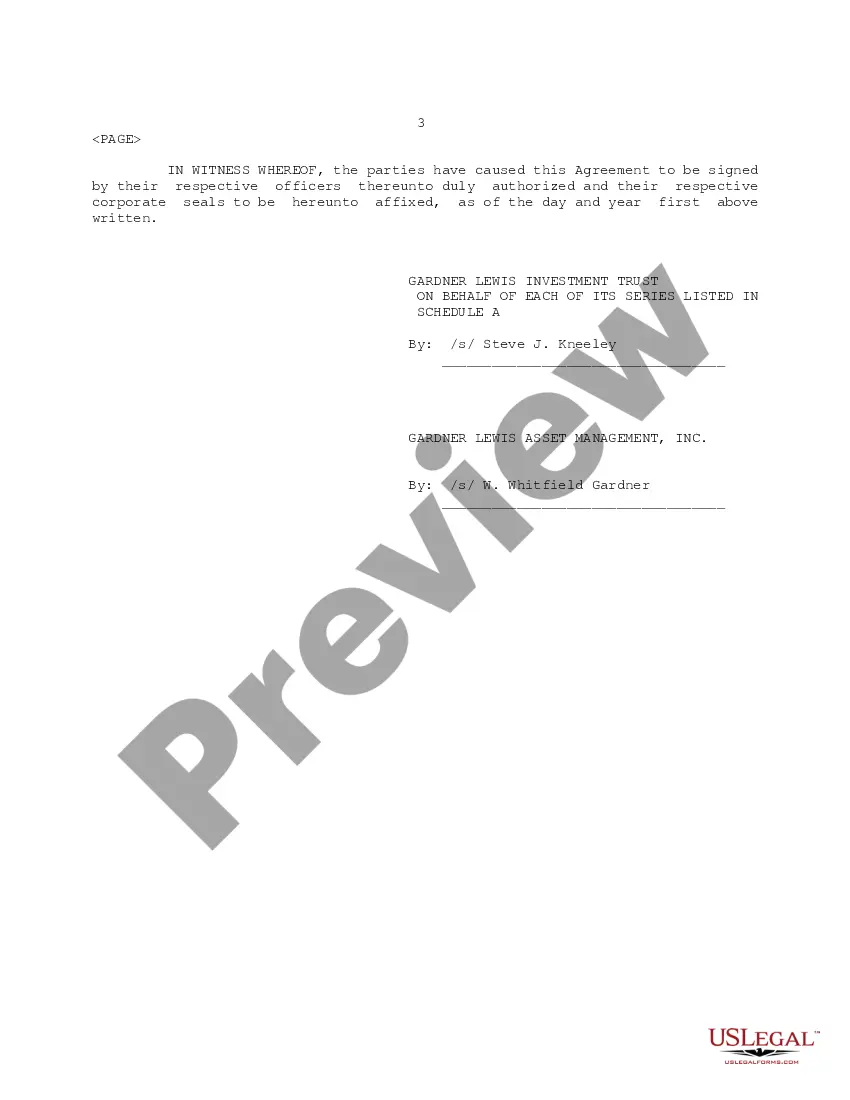
The Expense Limitation Agreement is a legal document that outlines the terms under which a registered investment trust and its asset management advisor agree to limit the fund's operating expenses. This agreement aims to protect shareholders by ensuring that fund expenses do not exceed a specified limit, thereby maintaining profitability and transparency in fund management. Unlike standard investment agreements, this form specifically addresses the limitation of expenses incurred by the fund, helping to promote fiscal responsibility and safeguard investor interests.
What’s included in this form
- Effective Date: Specifies the start date of the agreement and the parties involved.
- Expense Limitation: Defines what constitutes excess fund operating expenses and outlines the advisor's liabilities.
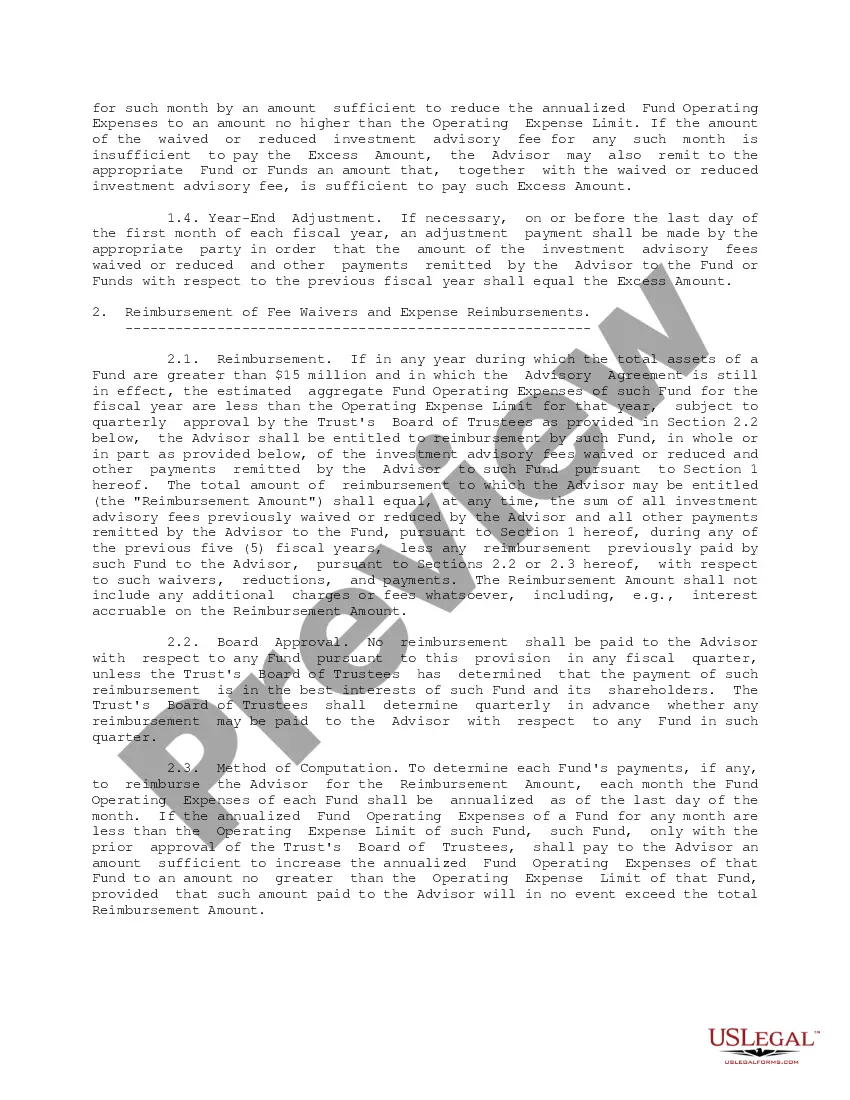
- Reimbursement Process: Details the conditions under which the advisor can be reimbursed for waived fees.
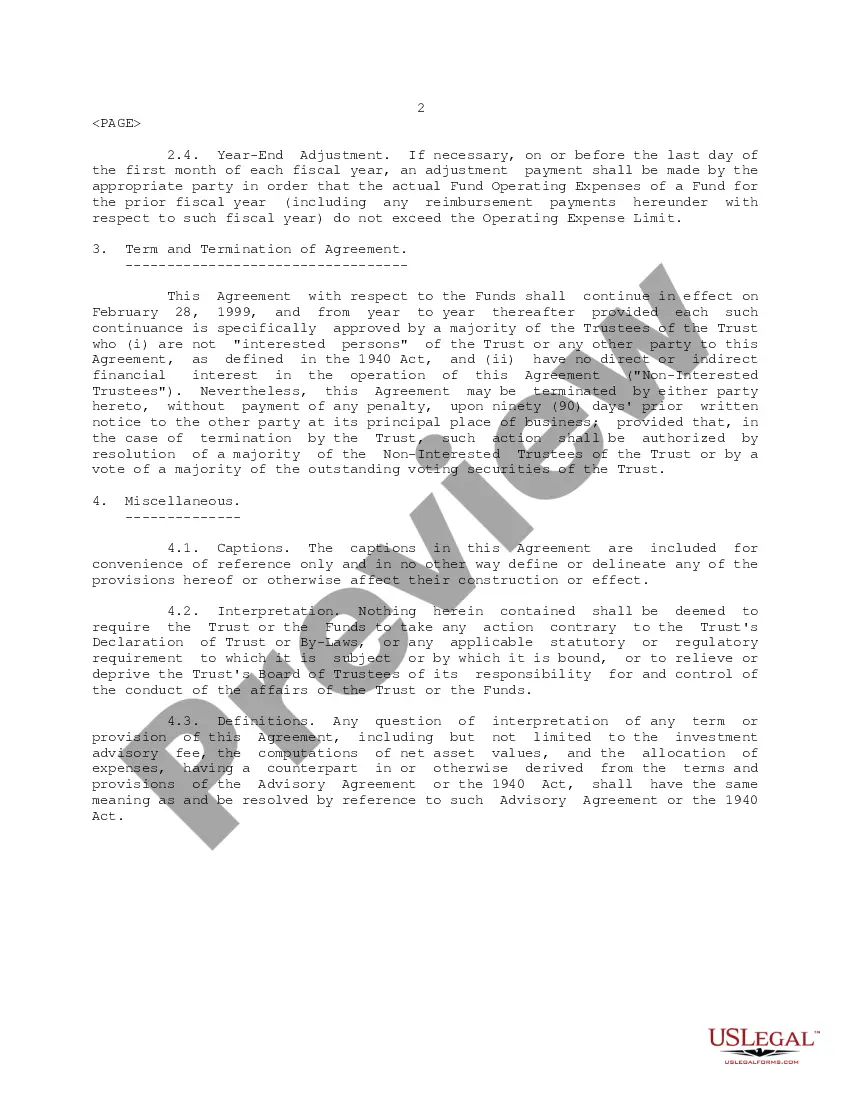
- Term and Termination: Describes the duration of the agreement and the procedure for termination by either party.
- Miscellaneous Provisions: Includes clauses for captions, interpretation, and definitions relevant to the agreement.
Common use cases
Who should use this form
- Investment trusts looking to control and limit operating expenses.
- Asset management companies that provide advisory services to investment funds.
- Trust boards and trustees responsible for managing fund governance and compliance.
- Shareholders interested in understanding the operational cost parameters of their investment.
Steps to complete this form
- Identify the parties involved: Enter the names of the investment trust and the asset management advisor.
- Specify the effective date: Clearly state the date the agreement will take effect.
- Define the expense limits: Fill in the maximum allowable operating expenses for each fund as specified in Schedule A.
- Detail reimbursement provisions: Outline the terms under which fee waivers may be reimbursed by the funds.
- Obtain signatures: Ensure that the authorized representatives of both parties sign the document on the appropriate lines.
Notarization requirements for this form
Notarization is not commonly needed for this form. However, certain documents or local rules may make it necessary. Our notarization service, powered by Notarize, allows you to finalize it securely online anytime, day or night.
Get your form ready online
Our built-in tools help you complete, sign, share, and store your documents in one place.
Make edits, fill in missing information, and update formatting in US Legal Forms—just like you would in MS Word.
Download a copy, print it, send it by email, or mail it via USPS—whatever works best for your next step.
Sign and collect signatures with our SignNow integration. Send to multiple recipients, set reminders, and more. Go Premium to unlock E-Sign.
If this form requires notarization, complete it online through a secure video call—no need to meet a notary in person or wait for an appointment.
We protect your documents and personal data by following strict security and privacy standards.

Make edits, fill in missing information, and update formatting in US Legal Forms—just like you would in MS Word.

Download a copy, print it, send it by email, or mail it via USPS—whatever works best for your next step.

Sign and collect signatures with our SignNow integration. Send to multiple recipients, set reminders, and more. Go Premium to unlock E-Sign.

If this form requires notarization, complete it online through a secure video call—no need to meet a notary in person or wait for an appointment.

We protect your documents and personal data by following strict security and privacy standards.
Common mistakes to avoid
- Failing to accurately specify the maximum operating expense limits for each fund.
- Leaving out signature lines for key parties, which can render the agreement invalid.
- Not updating the Schedule A with the correct funds or series captured in the trust.
- Overlooking local regulations that may impact the enforceability of the agreement.
Why use this form online
- Convenience: Download and fill out the form from anywhere at any time.
- Editability: Easily update or adjust terms and sections as needed.
- Reliability: Access professionally drafted forms created by licensed attorneys.
- Fast turnaround: Quickly complete the form without waiting for printed copies.
Looking for another form?

Form popularity
FAQ
A limitation clause is a constitutional provision which enables constitutionally protected rights to be partially limited, to a specified extent and for certain democratically justifiable purposes.
The Constitution of the United States puts limits on the powers of the federal and state governments. These include the prohibition of bills of attainder and ex post facto laws, and the requirements for statutory clarity, equal protection, freedom of speech, and privacy.
To Benefit from a Limit of Liability, You Have to Breach That doesn't mean the limit of liability does the indemnitor no good. It can take advantage of the limit, but only if it breaches the contract. If it refuses its indemnity obligations, the limit of liability restricts the other party's damages for that breach.
A limitation of liability clause is a provision in a contract that limits the amount of exposure a company faces in the event a lawsuit is filed or another claim is made. If found to be enforceable, a limitation of liability clause can "cap" the amount of potential damages to which a company is exposed.
A limitation clause is where a party to the contract seeks to limit his liability for certain breaches of the contract. An exemption clause is the term used where either an exclusion or limitation clause has been upheld by the court.
Indemnity, the major difference is that a limited liability clause is all about how much liability one party can be assigned if something goes wrong with a contract. In contrast, an indemnity clause is all about which party will have to bear the cost of defending a legal claim.
For example, a clause purporting to limit or exclude a party's liability for negligence other than negligence which causes personal injury or death, which cannot be limited in any way will only be effective if it is reasonable.
In this article, "the limitation of rights" refers to situations in which laws or actions, after the commencement of the Constitution, affect the conduct and interests protected by the constitutional rights. Constitutionally valid limitations must comply with all of the requirements imposed by the Constitution.