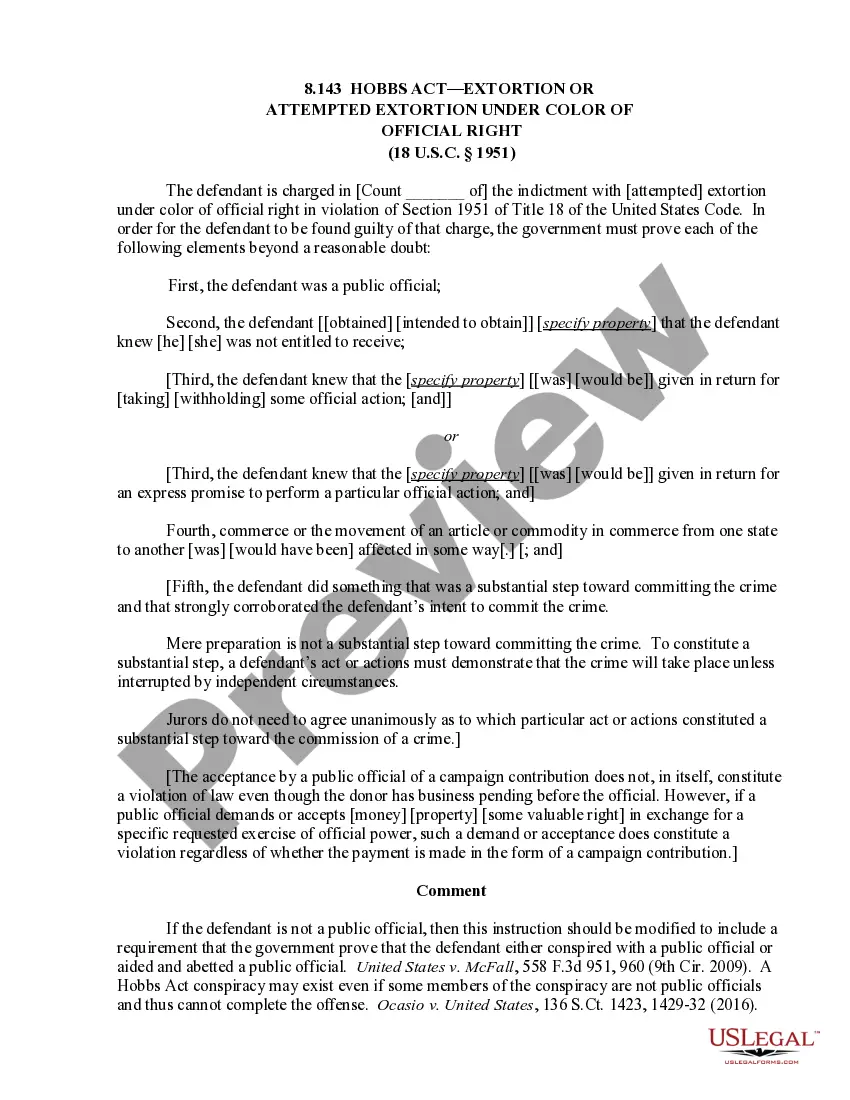
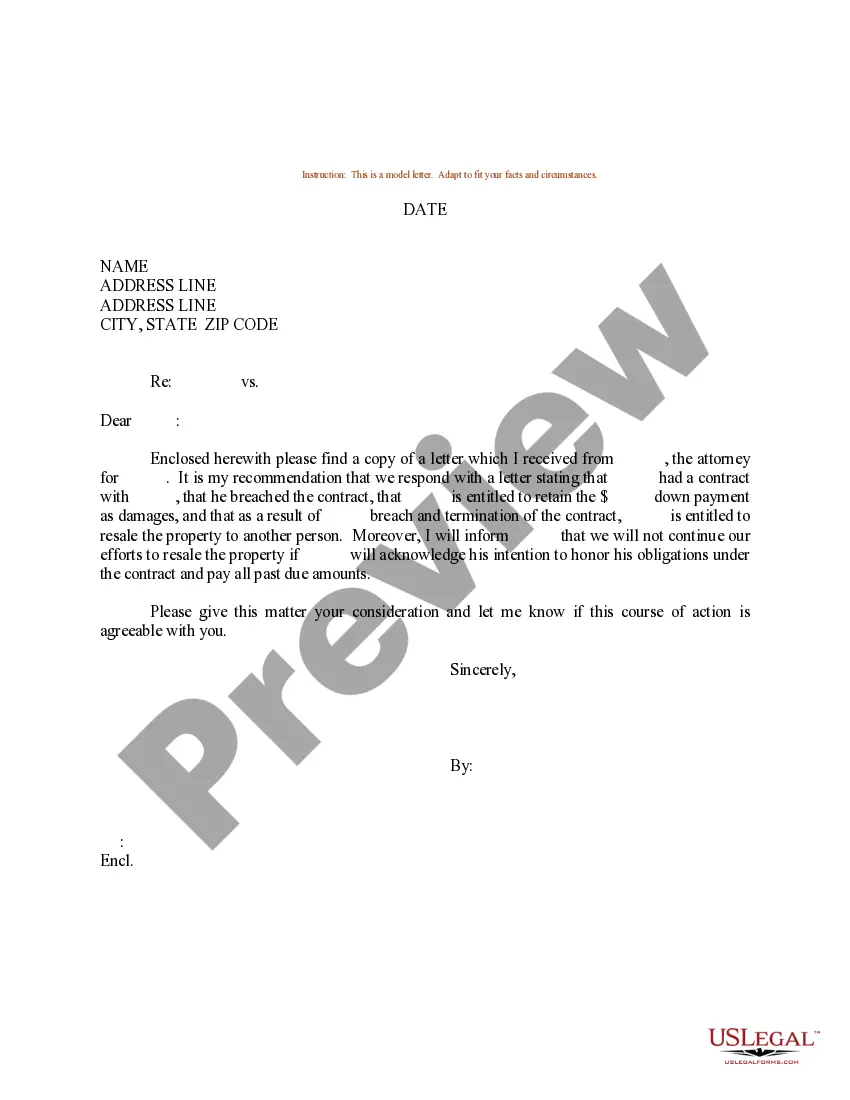
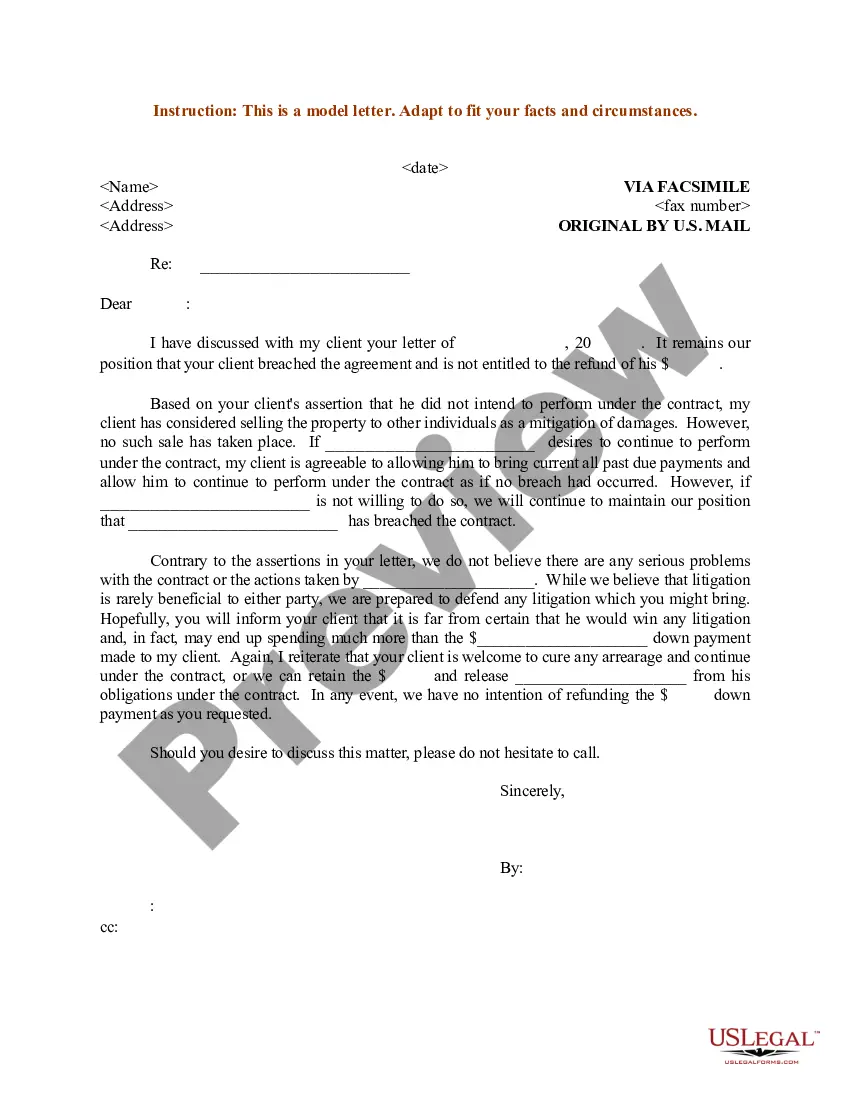
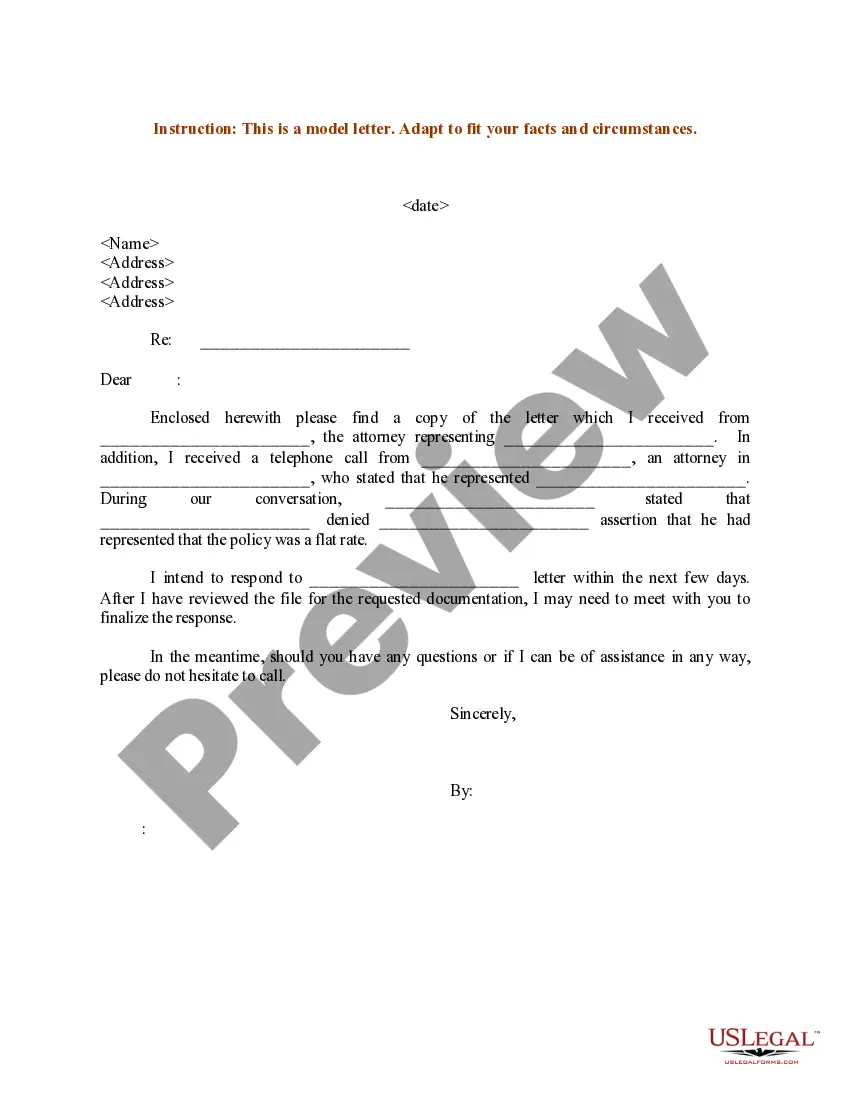
Colorado Sample Letter to Client with Case Update - Breach of Contract Litigation
Description
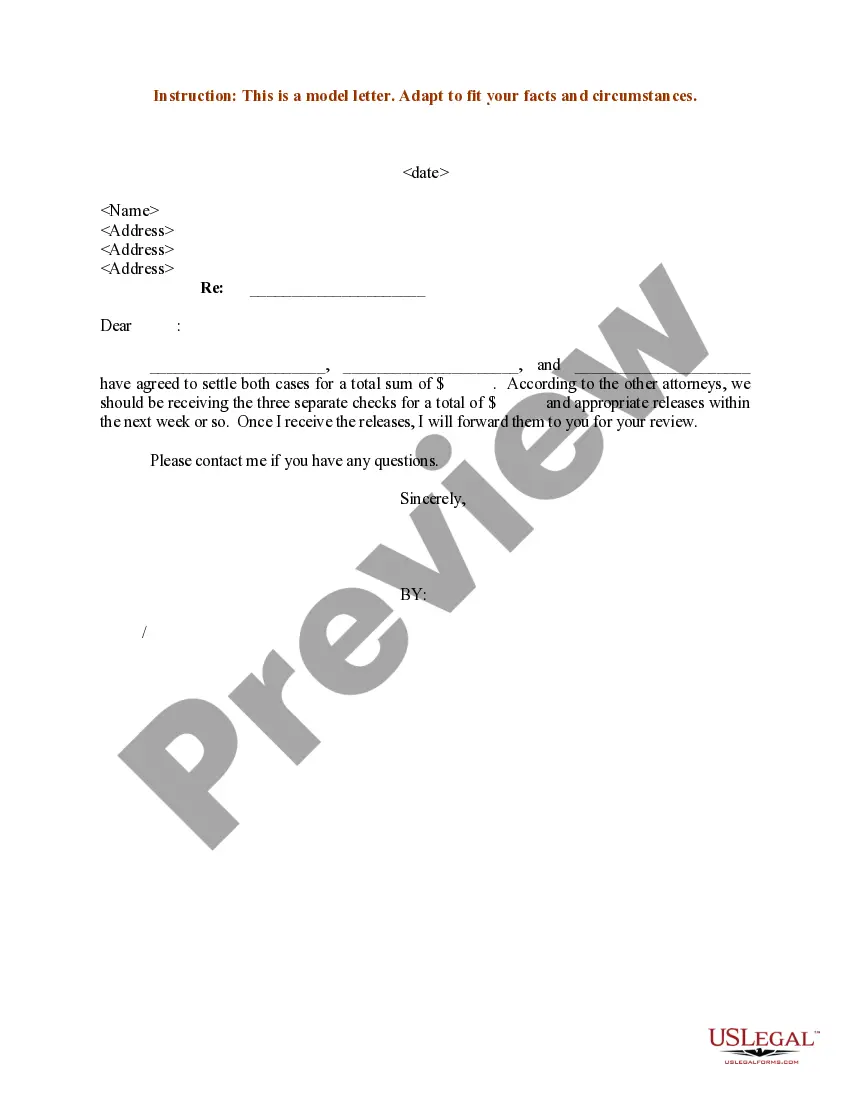
Get your form ready online
Our built-in tools help you complete, sign, share, and store your documents in one place.
Make edits, fill in missing information, and update formatting in US Legal Forms—just like you would in MS Word.
Download a copy, print it, send it by email, or mail it via USPS—whatever works best for your next step.
Sign and collect signatures with our SignNow integration. Send to multiple recipients, set reminders, and more. Go Premium to unlock E-Sign.
If this form requires notarization, complete it online through a secure video call—no need to meet a notary in person or wait for an appointment.
We protect your documents and personal data by following strict security and privacy standards.

Make edits, fill in missing information, and update formatting in US Legal Forms—just like you would in MS Word.

Download a copy, print it, send it by email, or mail it via USPS—whatever works best for your next step.

Sign and collect signatures with our SignNow integration. Send to multiple recipients, set reminders, and more. Go Premium to unlock E-Sign.

If this form requires notarization, complete it online through a secure video call—no need to meet a notary in person or wait for an appointment.

We protect your documents and personal data by following strict security and privacy standards.
Looking for another form?

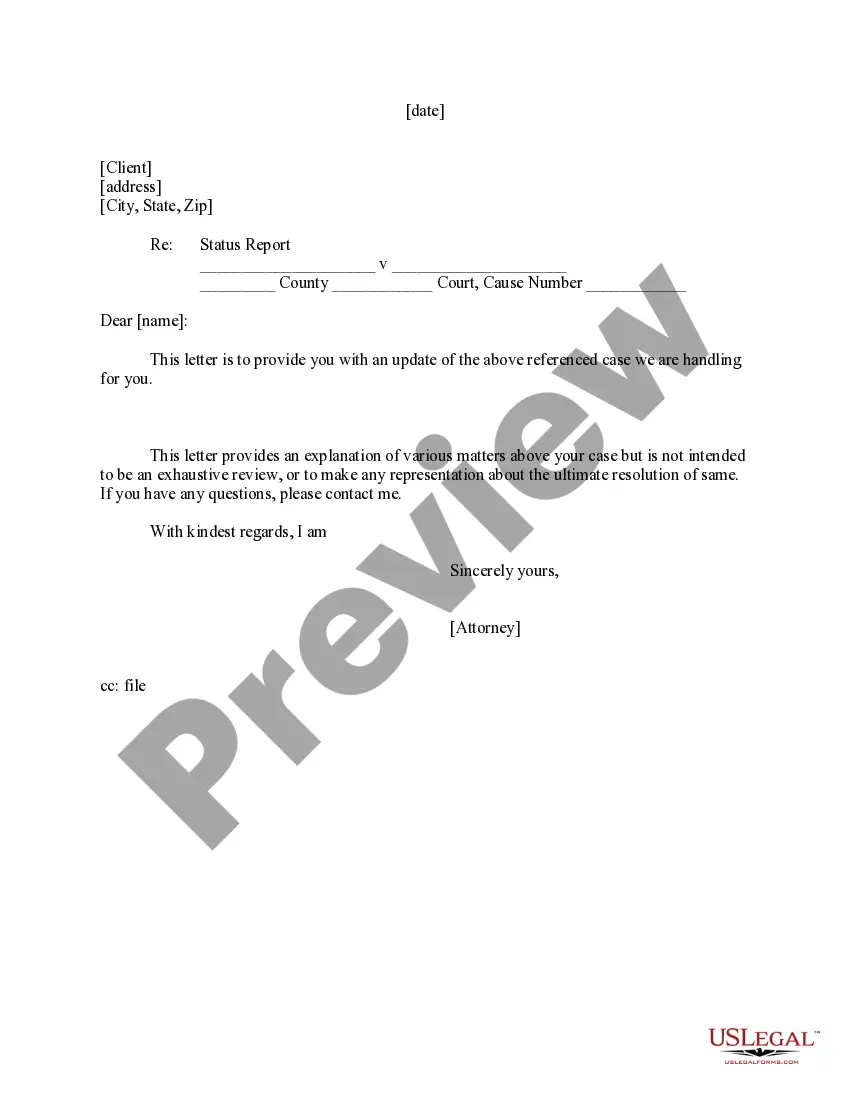
How to fill out Sample Letter To Client With Case Update - Breach Of Contract Litigation?
Are you in a position that requires documentation for potential business or personal reasons nearly every workday.
There is a multitude of valid document templates available online, but finding ones you can trust isn’t easy.
US Legal Forms provides an extensive selection of form templates, including the Colorado Sample Letter to Client with Case Update - Breach of Contract Litigation, that are designed to comply with state and federal regulations.
Once you find the appropriate form, click Acquire now.
Select the pricing plan you desire, provide the required information to create your account, and pay for your order using your PayPal or credit card.
- If you are already familiar with the US Legal Forms website and have an account, simply Log In.
- Then, you can download the Colorado Sample Letter to Client with Case Update - Breach of Contract Litigation template.
- If you do not have an account and wish to start using US Legal Forms, follow these steps.
- Find the form you need and ensure it is for the correct city/county.
- Utilize the Review button to examine the form.
- Read the description to confirm you have selected the correct form.
- If the form is not what you are searching for, use the Lookup field to find the form that fits your needs and requirements.
Form popularity
FAQ
Yes, breach of contract is indeed considered litigation. When one party fails to fulfill their obligations as outlined in a contract, the affected party has the right to seek legal remedy. This often leads to a legal dispute, which can result in court proceedings. A Colorado Sample Letter to Client with Case Update - Breach of Contract Litigation can effectively communicate updates and necessary actions to ensure your case moves forward.
Counsel must issue a litigation hold letter to the client as soon as they anticipate potential litigation, especially in cases involving breach of contract. This letter serves to inform the client about the importance of preserving relevant documents and communications that could impact the case. By sending a timely Colorado Sample Letter to Client with Case Update - Breach of Contract Litigation, you help ensure that the client understands their responsibilities in preserving evidence. This proactive step can significantly strengthen your position should the case proceed to court.
Filing a lawsuit for breach of contract involves several key steps. First, gather all relevant documentation that supports your claim, including contracts, communications, and records of damages. Next, consult resources such as the 'Colorado Sample Letter to Client with Case Update - Breach of Contract Litigation' to understand the legal framework. Platforms like US Legal Forms can provide valuable templates and guidance to streamline the filing process.
To craft a strong settlement letter, start by clearly stating your purpose and the background of the case. Include specific details about the breach of contract and the damages incurred. Utilize the 'Colorado Sample Letter to Client with Case Update - Breach of Contract Litigation' as a template to ensure you cover all essential points. This structured approach helps convey your position effectively, encouraging a positive response.
A breach of contract notice needs to explain the nature of the breach and clearly state what action is required. This can usually be done with a one-page letter. Explaining the nature of the breach involves stating what requirement of the contract has not been fulfilled.
Letters to clients are documents written by business professionals to current or potential customers. Many marketing and sales professionals often write letters to clients for an abundance of reasons, like promoting a product or service, launching a new business or responding to client complaints.
How to write demand letters Your information and the debtors' information (contact details, address etc.) The date when the debt began and the amount of money owed. Details and dates of any disputes relating to this payment. Description of the nature of the agreement and breach of contract.
These letters can be personalized for the recipient and sent out by multiple companies. They should not exceed one page in length and should be written in professional language that is simple to understand. Remember that business letters should be written for the benefit of the recipient and not for your own.
To help you create clear, effective communications that customers will appreciate, here are the first five of 10 best practices to apply to your writing. Focus on the customer. ... Create a positive tone. ... Use a subject line and state your purpose up front. ... Include a clear call to action.
A letter to customers is a document that companies use to communicate with clients. These letters serve different purposes, such as informing a client, responding to requests, or making a request.