Colorado Certificate of Satisfaction
Understanding this form
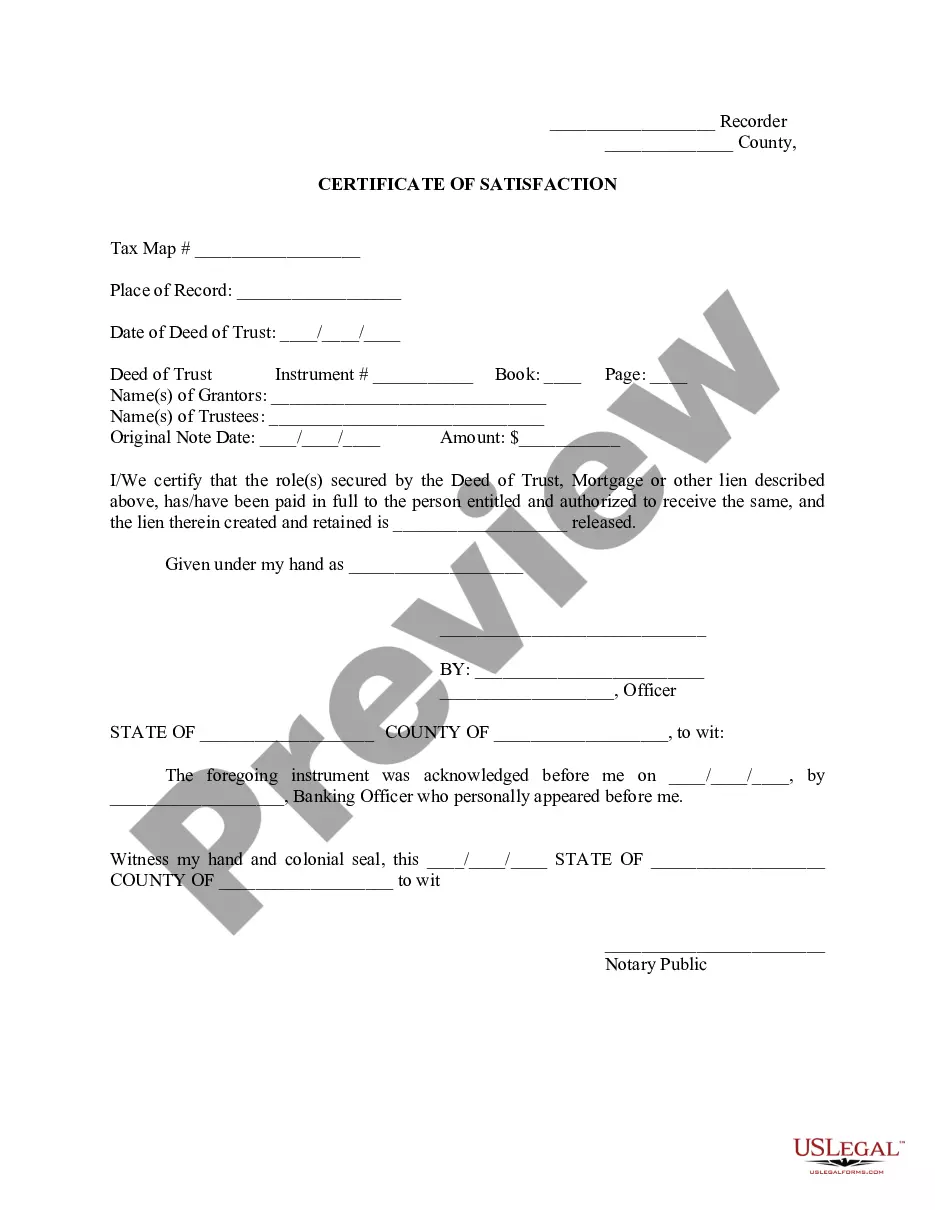
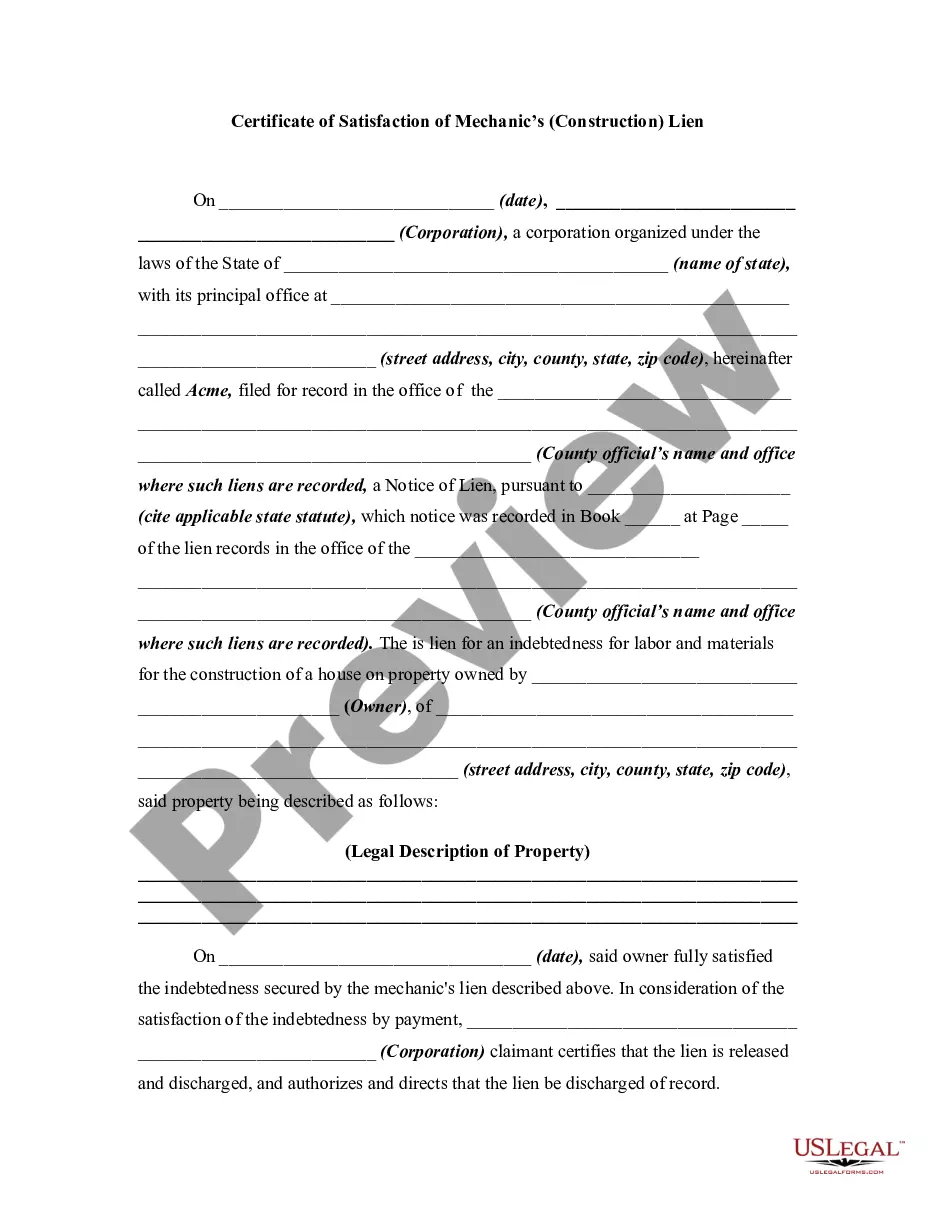
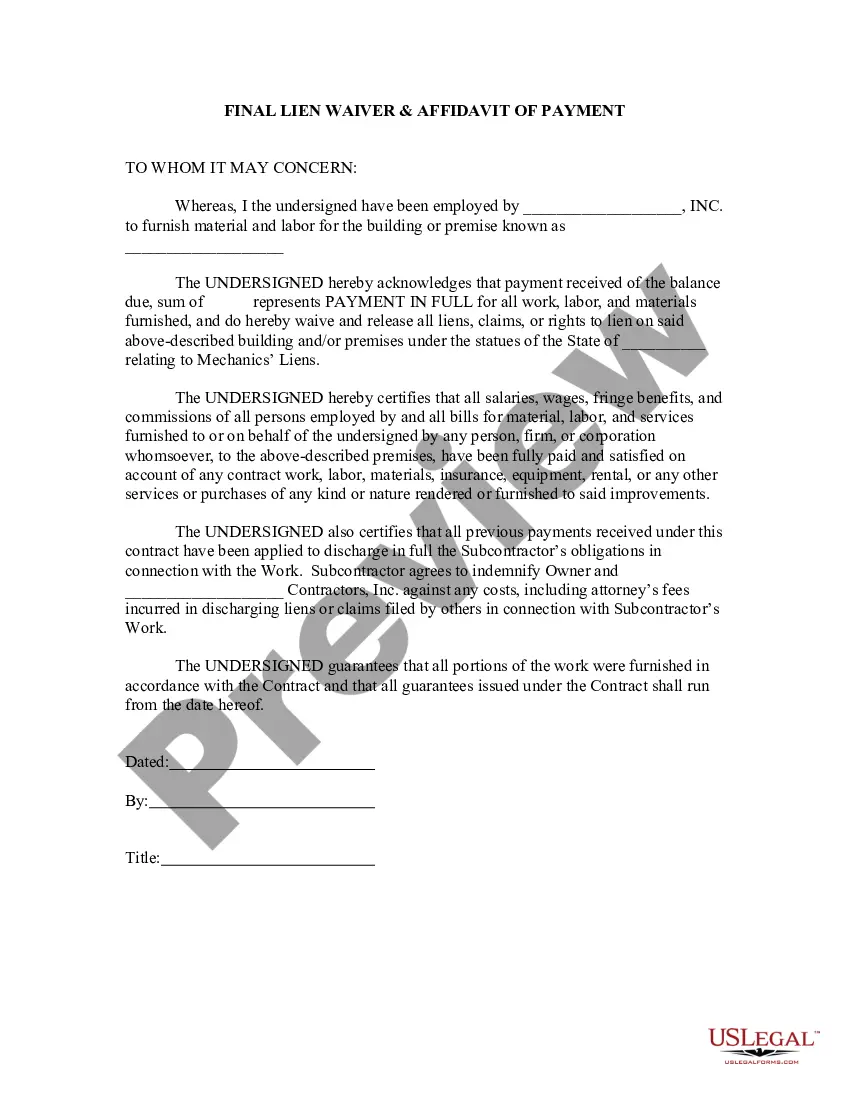
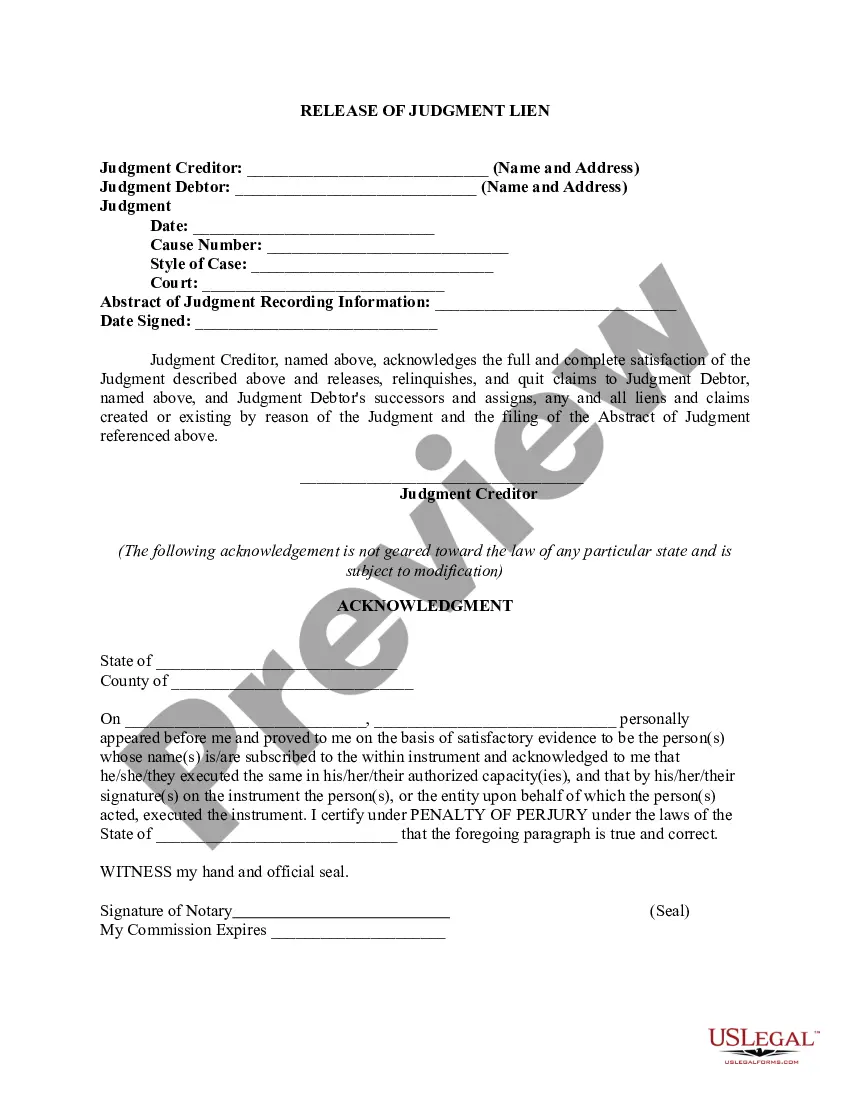
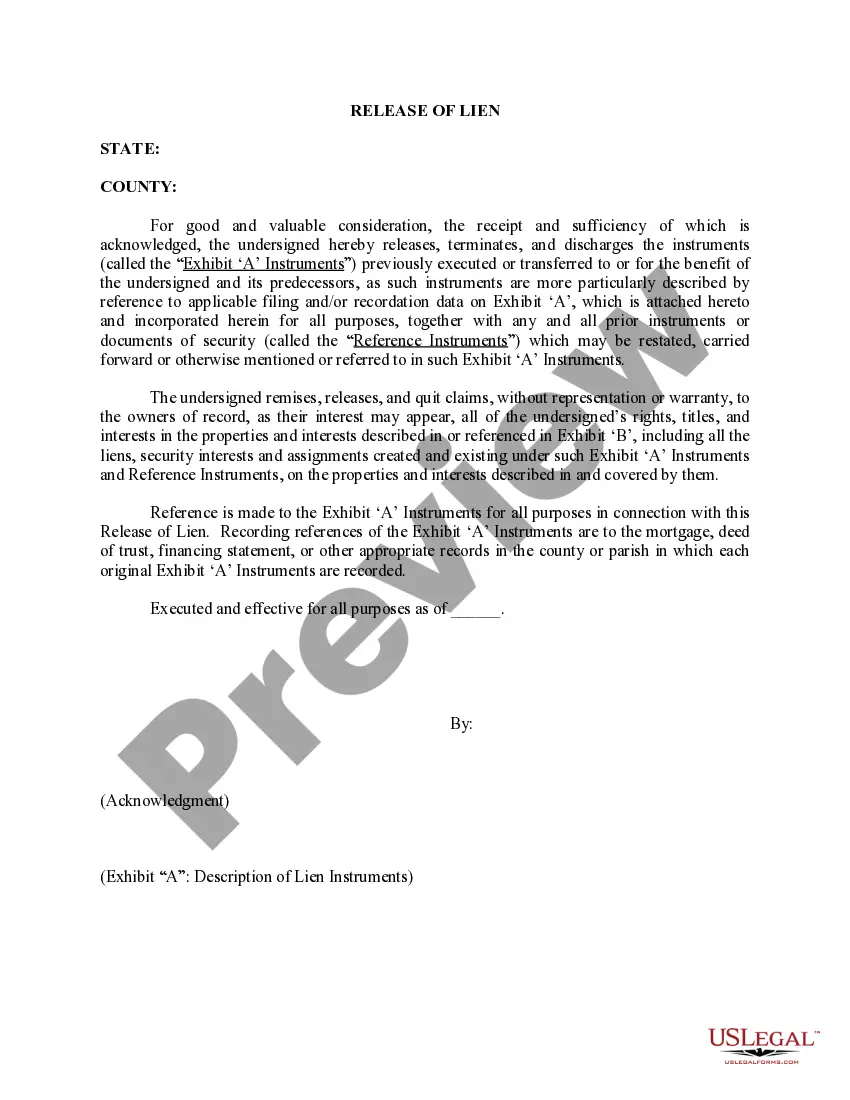
The Certificate of Satisfaction is a legal document used to certify that a lien on real property has been fully paid. This form is filed in public records and is essential for clearing the title of the property. It is different from other lien-related documents, as it specifically indicates the completion of a debt obligation related to the property.
What’s included in this form
- Recorder and county information
- Tax Map number
- Date of the deed of trust and instrument number
- Names of grantors and trustees
- Original note date and amount
- Certification statement confirming lien satisfaction
- Notary acknowledgment section
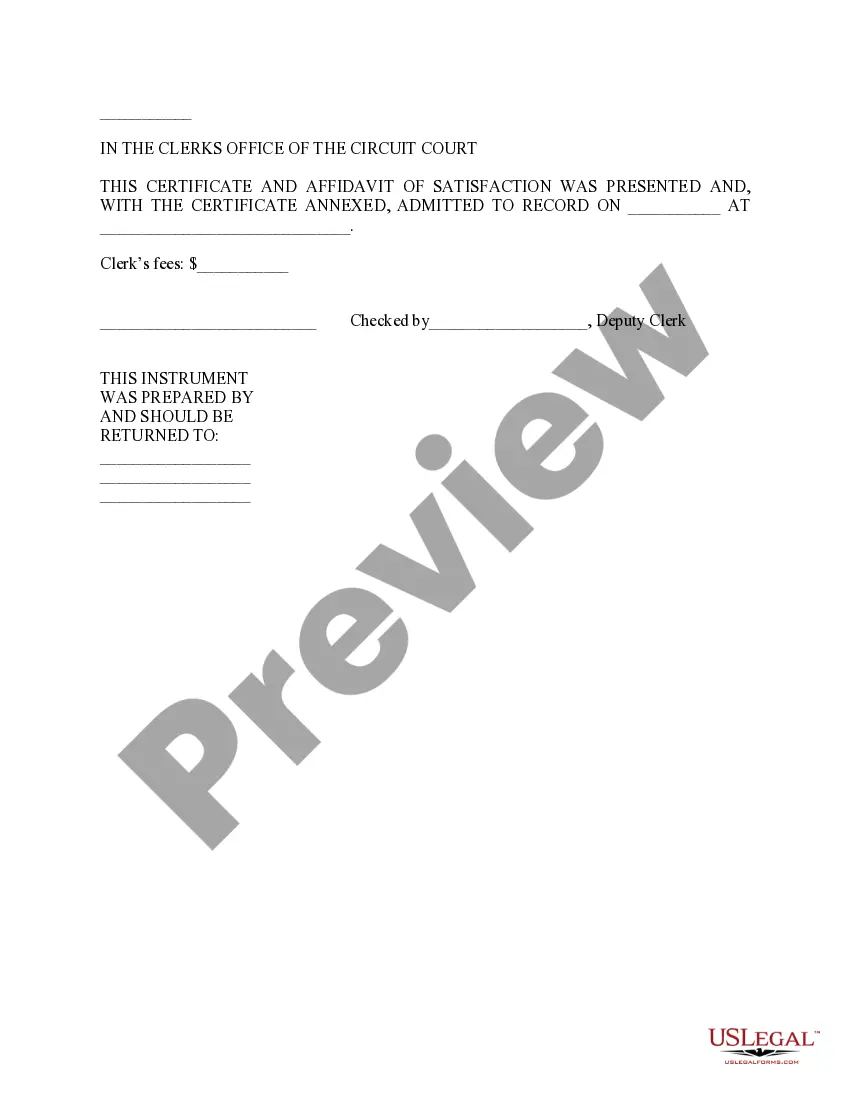
- Clerk's office details for recording
Situations where this form applies
This form is typically used after a borrower has paid off their mortgage or any lien on their property. It is a critical step in ensuring the property title is clear of claims, making it necessary when selling the property, refinancing, or obtaining new financing. Filing this form protects the owner's interest and informs potential buyers or future lienholders that the previous obligations have been satisfied.
Who should use this form
- Property owners who have paid off their mortgage or lien
- Lenders who need to confirm satisfaction of a loan secured by real property
- Real estate professionals managing property sales
- Title companies ensuring clear property titles
- Attorney representing clients in real estate matters
How to complete this form
- Identify the recorder's office and county where the property is located.
- Fill in the tax map number and place of record.
- Enter the details of the deed of trust, including dates and instrument number.
- Provide the names of grantors and trustees, along with the original note amount.
- Complete the certification statement indicating the lien has been paid in full.
- Obtain required signatures and notary acknowledgment.
Does this form need to be notarized?
Yes, this form must be notarized to be legally valid. Having the document notarized ensures that the identities of the signers are verified, thereby reinforcing the integrity of the certificate. US Legal Forms offers integrated online notarization services with 24/7 availability, secure video calls, and legal equivalence, making the process convenient and accessible.
Get your form ready online
Our built-in tools help you complete, sign, share, and store your documents in one place.
Make edits, fill in missing information, and update formatting in US Legal Forms—just like you would in MS Word.
Download a copy, print it, send it by email, or mail it via USPS—whatever works best for your next step.
Sign and collect signatures with our SignNow integration. Send to multiple recipients, set reminders, and more. Go Premium to unlock E-Sign.
If this form requires notarization, complete it online through a secure video call—no need to meet a notary in person or wait for an appointment.
We protect your documents and personal data by following strict security and privacy standards.

Make edits, fill in missing information, and update formatting in US Legal Forms—just like you would in MS Word.

Download a copy, print it, send it by email, or mail it via USPS—whatever works best for your next step.

Sign and collect signatures with our SignNow integration. Send to multiple recipients, set reminders, and more. Go Premium to unlock E-Sign.

If this form requires notarization, complete it online through a secure video call—no need to meet a notary in person or wait for an appointment.

We protect your documents and personal data by following strict security and privacy standards.
Typical mistakes to avoid
- Failing to include all necessary property and mortgage details.
- Not obtaining the correct signatures before filing.
- Omitting the notary acknowledgment requirement.
- Submitting the form to the wrong recording office.
Why complete this form online
- Convenient access to legal forms from anywhere, at any time.
- Editable templates that allow customization to fit specific needs.
- Reliability of forms drafted by licensed attorneys.
- Time-saving option by avoiding in-person visits to legal offices.
Key takeaways
- The Certificate of Satisfaction confirms the payment of a lien on property.
- Proper completion and filing of this form is necessary for clear property titles.
- The form requires notarization for legal validity.
- Using online resources can simplify the process and ensure compliance.
Looking for another form?

Form popularity
FAQ
Colorado Certificate of Satisfaction is a standard form used in Colorado to document that a lien or judgment has been satisfied. It provides formal proof to release the lien and update public records or titles. Use it once the debt has been paid to obtain an official release and clear title.
Satisfaction and release of judgment means the court or lienholder recognizes the debt is paid in full and the lien or judgment is discharged. The Colorado Certificate of Satisfaction serves as proof of that status and may be filed with the appropriate office to release the lien from records.
If a judgment remains unpaid, it stays enforceable and remains a lien on the property or debtor. A Colorado Certificate of Satisfaction cannot be issued until payment or a settlement resolves the judgment. After payment, the form is used to document satisfaction and release the lien.
The lienholder or judgment creditor who has been paid in full should use this form to document satisfaction and request release of the lien. In Colorado practice, it serves as formal proof that the obligation has been satisfied and the lien can be discharged from records.
Use it after the debt or lien is paid in full to document satisfaction and seek release of the lien from Colorado records. Complete the form and file or record it as required by Colorado practice to ensure the lien is officially discharged.
This form is tailored to Colorado’s procedures for documenting satisfaction of liens or judgments and releasing related records. Other states may use different titles or filing rules, so the Colorado version emphasizes recording in Colorado records and the specific release of Colorado liens.