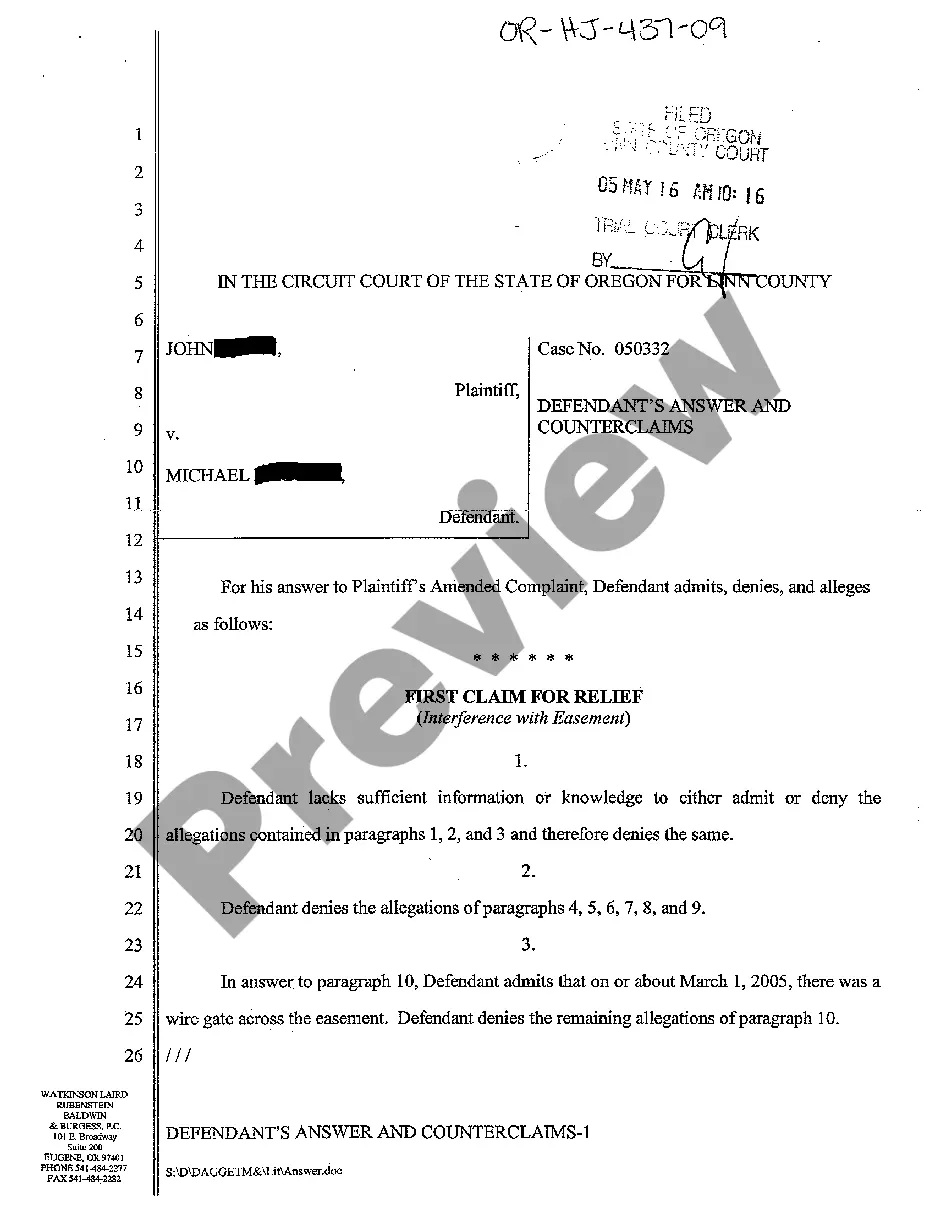
Maine Refrigeration Contract for Contractor
What is this form?
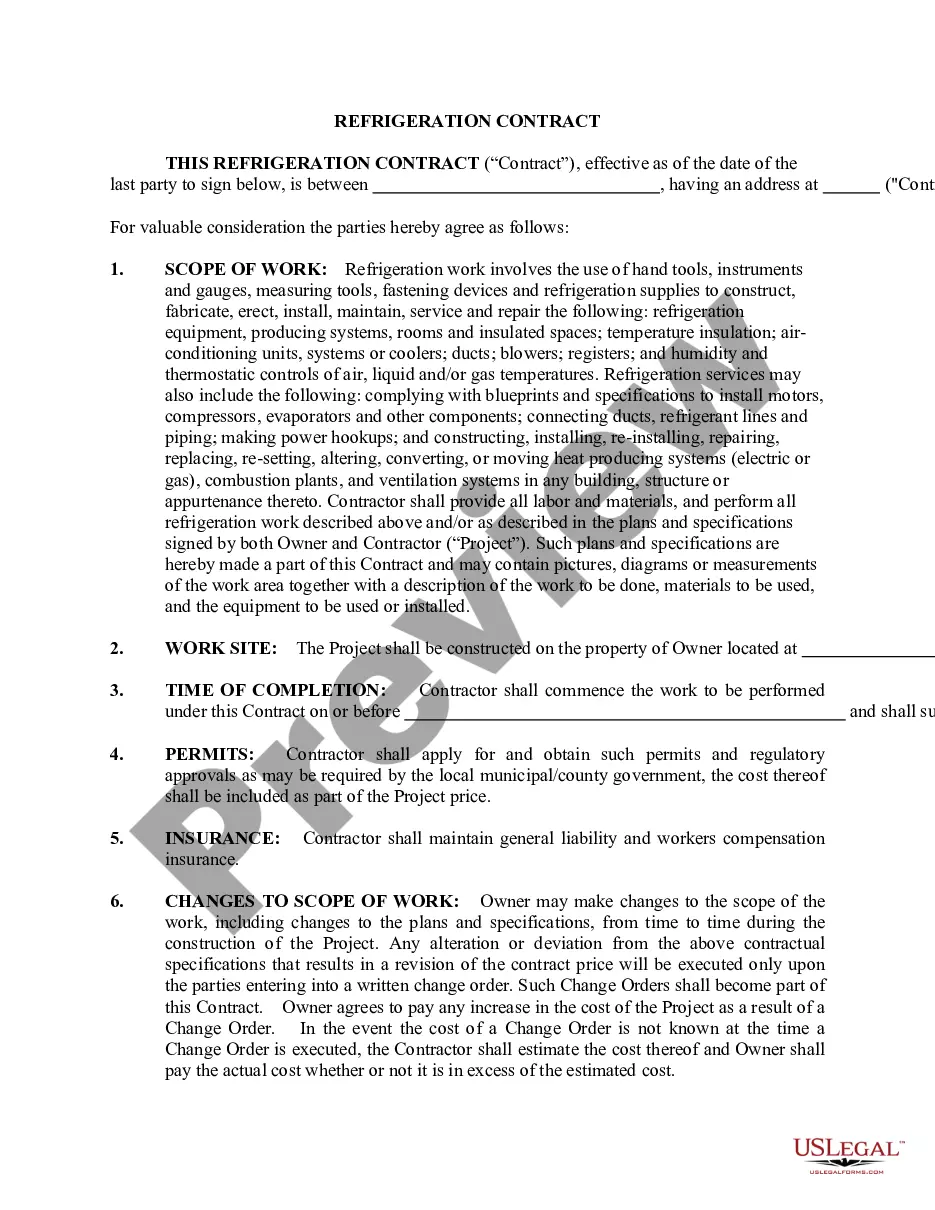
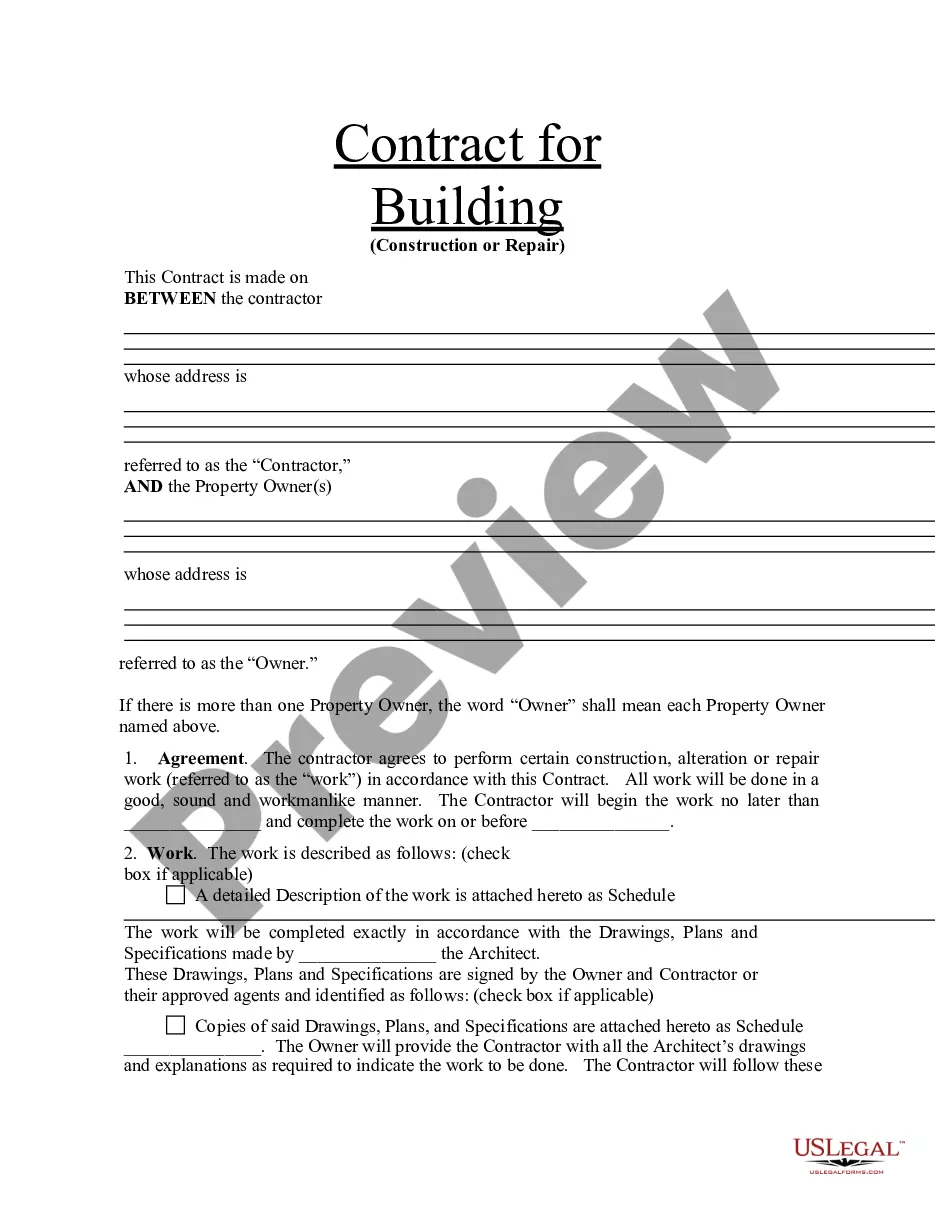
This Refrigeration Contract for Contractor is a legal agreement between refrigeration contractors and property owners. It outlines the terms of service, payment arrangements, and obligations of both parties, ensuring clarity and legal protection during refrigeration projects. Unlike general contractor agreements, this specific contract addresses refrigeration-related work and complies with the laws of the State of Maine.
Form components explained
- Work site details: Specifies the location of the project.
- Permits: Obligates the contractor to obtain necessary permits and regulatory approvals.
- Insurance: Requires the contractor to maintain general liability and workers' compensation insurance.
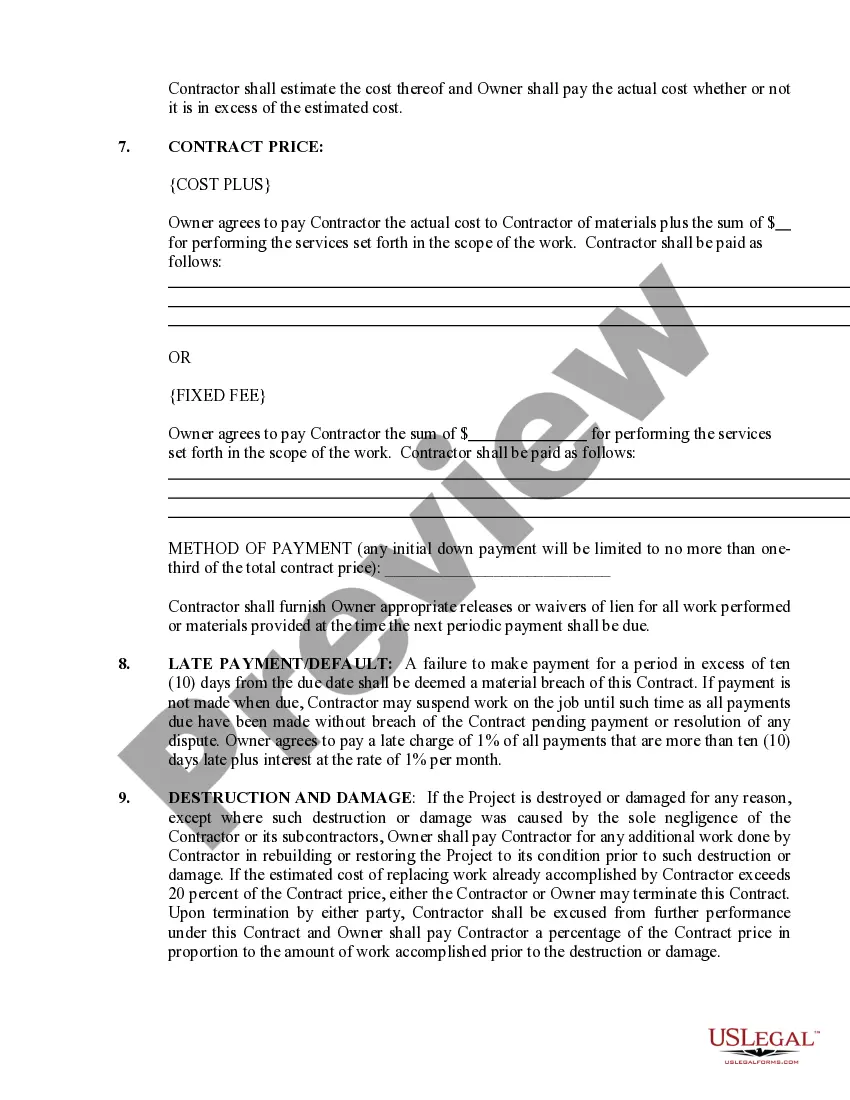
- Payment terms: Discusses late payments, default conditions, and applicable fees.
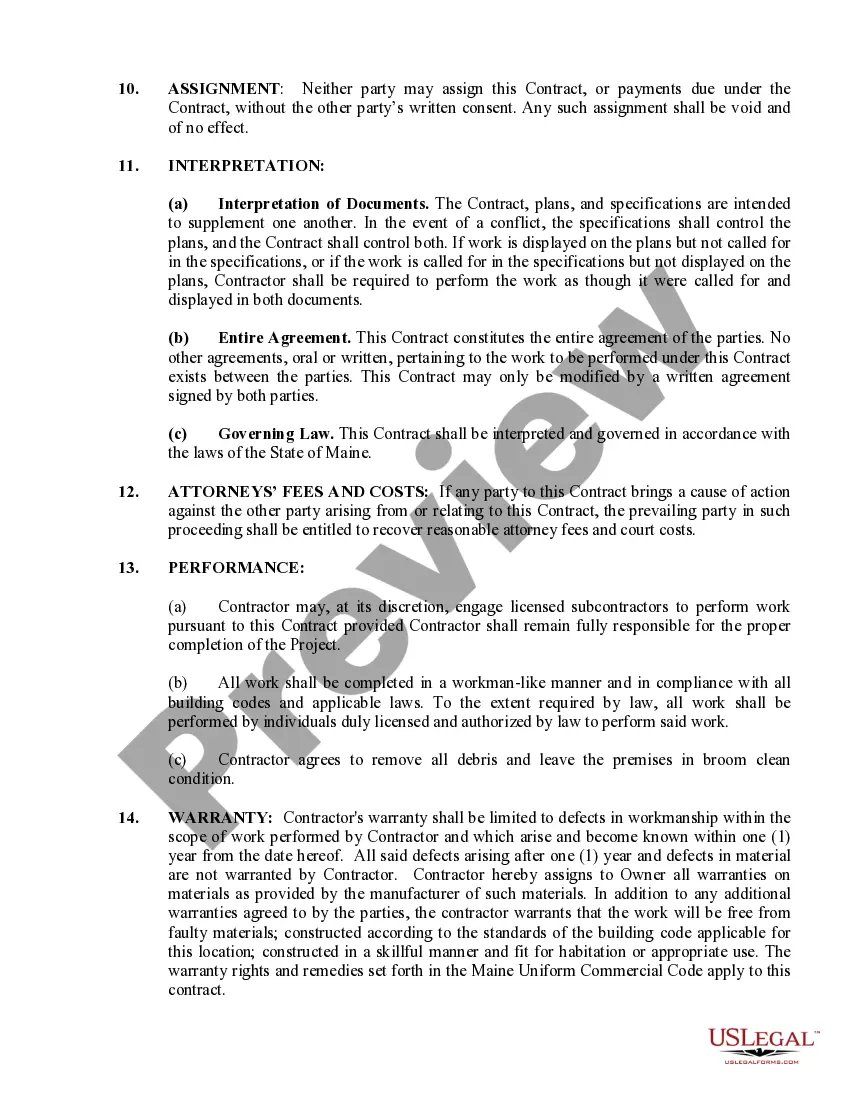
- Warranty: Limits contractor liability for defects in workmanship and material warranties.
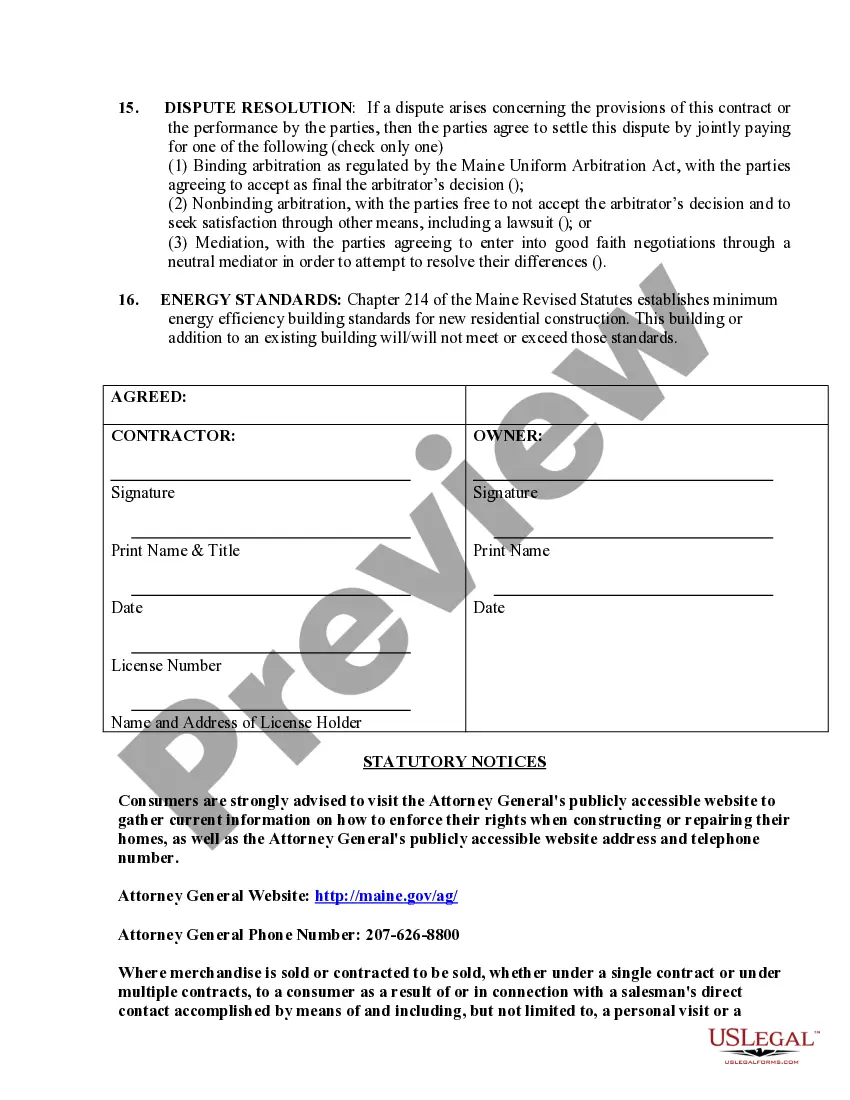
- Dispute resolution: Outlines methods for handling disputes that may arise between parties.

When this form is needed
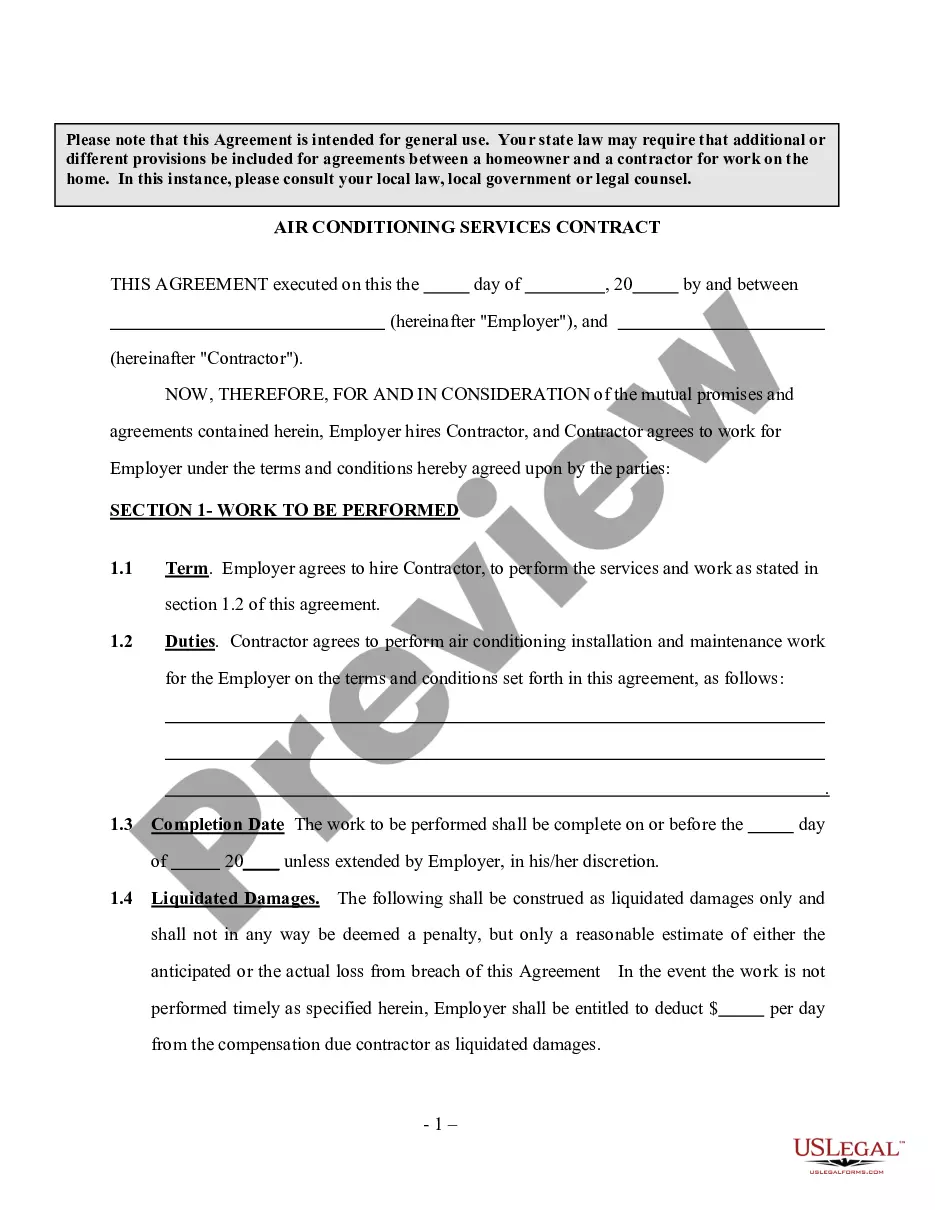
Use this refrigeration contract when entering into a working relationship with a refrigeration contractor for projects involving the installation, repair, or maintenance of refrigeration systems. It is essential when specific terms need to be clarified regarding payment, scope of work, insurance, and warranties to protect the interests of both the contractor and the property owner.
Who this form is for
This contract is intended for:
- Refrigeration contractors seeking clear terms for projects.
- Property owners requiring professional refrigeration services.
- Businesses or homeowners looking to establish a formal agreement for refrigeration work.
Completing this form step by step
Follow these steps to complete the Refrigeration Contract:
- Identify the parties involved, including legal names and addresses of the contractor and owner.
- Specify the work site location and detailed project description.
- Outline the payment structure, indicating fixed fee or cost-plus arrangements.
- Ensure all required permits are mentioned and the contractor is responsible for obtaining them.
- Include the necessary insurance details and warranty provisions for the work to be performed.
- Both parties should sign and date the contract to finalize the agreement.
Notarization requirements for this form
This form does not typically require notarization unless specified by local law. Ensure compliance with any additional requirements that may apply in your specific situation.
Get your form ready online
Our built-in tools help you complete, sign, share, and store your documents in one place.
Make edits, fill in missing information, and update formatting in US Legal Forms—just like you would in MS Word.
Download a copy, print it, send it by email, or mail it via USPS—whatever works best for your next step.
Sign and collect signatures with our SignNow integration. Send to multiple recipients, set reminders, and more. Go Premium to unlock E-Sign.
If this form requires notarization, complete it online through a secure video call—no need to meet a notary in person or wait for an appointment.
We protect your documents and personal data by following strict security and privacy standards.

Make edits, fill in missing information, and update formatting in US Legal Forms—just like you would in MS Word.

Download a copy, print it, send it by email, or mail it via USPS—whatever works best for your next step.

Sign and collect signatures with our SignNow integration. Send to multiple recipients, set reminders, and more. Go Premium to unlock E-Sign.

If this form requires notarization, complete it online through a secure video call—no need to meet a notary in person or wait for an appointment.

We protect your documents and personal data by following strict security and privacy standards.
Typical mistakes to avoid
- Failing to clearly define the scope of work, leading to disputes later.
- Not specifying payment terms, which can cause confusion regarding fees and deadlines.
- Overlooking to include necessary permit information, which may delay the project.
Benefits of completing this form online
- Convenience of having a ready-to-use legal template.
- Editability allows for customization based on specific project needs.
- Reliability of a contract drafted by licensed attorneys to ensure legal compliance.
Key takeaways
- The Refrigeration Contract is essential for formalizing the agreement between contractors and property owners.
- It details key provisions such as payment, scope of work, and responsibilities.
- Understanding local laws in Maine is crucial for proper execution and enforcement of the contract.
Looking for another form?


Form popularity
FAQ
Both parties should sign the contract, and both should be bound by the terms and conditions spelled out in the agreement. In general that means the contractor will be obliged to provide specified materials and to perform certain services for you. In turn, you will be required to pay for those goods and that labor.
Name of contractor and contact information. Name of homeowner and contact information. Describe property in legal terms. List attachments to the contract. The cost. Failure of homeowner to obtain financing. Description of the work and the completion date. Right to stop the project.
Check Contract Basics. The basic job of a contractor agreement is to spell out the scope of the project's work. Set a Payment Schedule. Schedule Start and End Dates. Specify Change Orders. Research Your Arbitration Options. Turn Down the Contractor's Warranty.
Identifying/Contact Information. Title and Description of the Project. Projected Timeline and Completion Date. Cost Estimate and Payment Schedule. Stop Work Clause and Stop Payment Clause. Act of God Clause. Change Order Agreement. Warranty.
If you run a small business that hires 1099 contractors, also known as independent contractors, it is vital that you have them sign an independent contractor contract. This is because there is a significant gray area between who is classified as an independent contractor and who is classified as an employee.
Yes, absolutely. Starting work without a signed contract means that your position isn't clear, or even worse it's weak.It also means that the contract is legally enforceable and will be able to support you if you decide to take legal action.
For most types of projects you hire an independent contractor (IC) to do, the law does not require you to put anything in writing. You can meet with the IC, agree on the terms of your arrangement, and have an oral contract or agreement that is legally binding. Just because you can doesn't mean you should, however.
A certified contractor passed the state licensing examination. Certified contractors can work anywhere within the state in which they are licensed. A registered contractor is registered by a local county or municipality and receives a certificate of competency from the Electrical Contractors' Licensing Board.
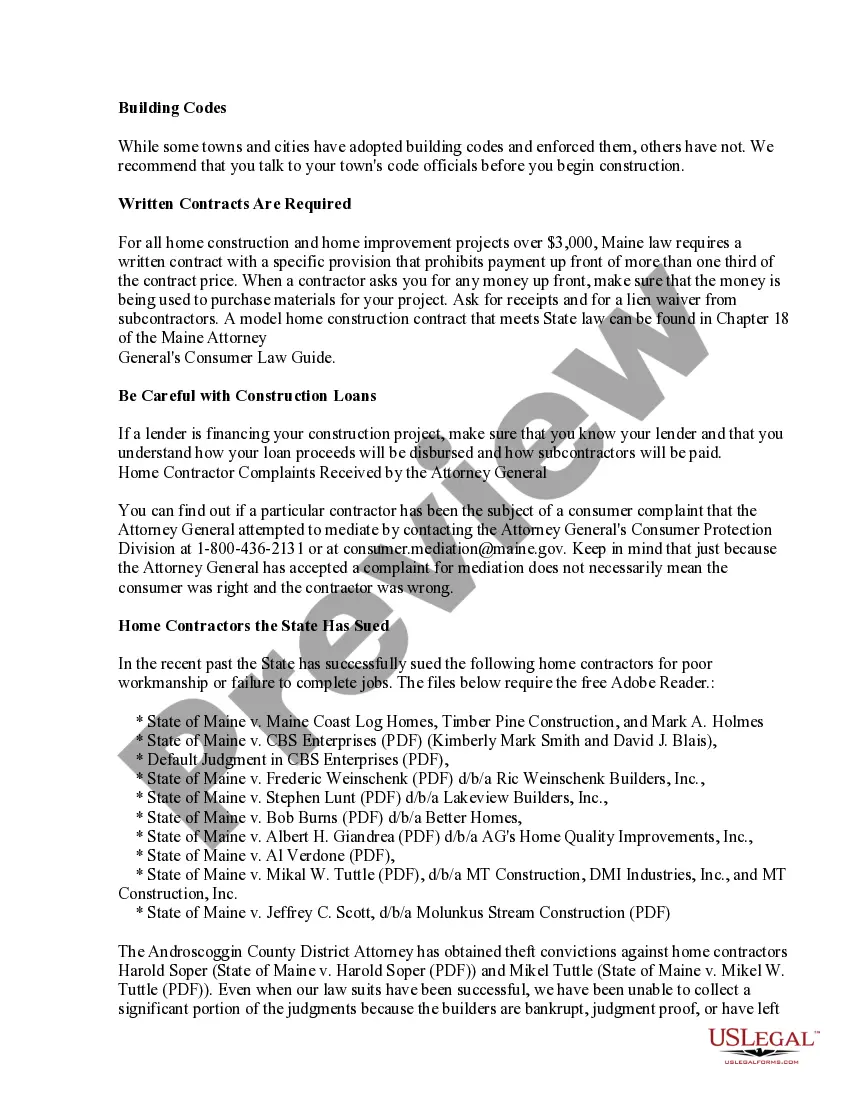
Unlike other states, Maine doesn't require general contractors to be licensedonly plumbers, electricians, and contractors who do specialty work. Check out the full list of who needs to be licensed here. Instead, general contractors need to apply for Maine business licenses.