New Hampshire Fiduciary Deed for use by Executors, Trustees, Trustors, Administrators and other Fiduciaries
Understanding this form
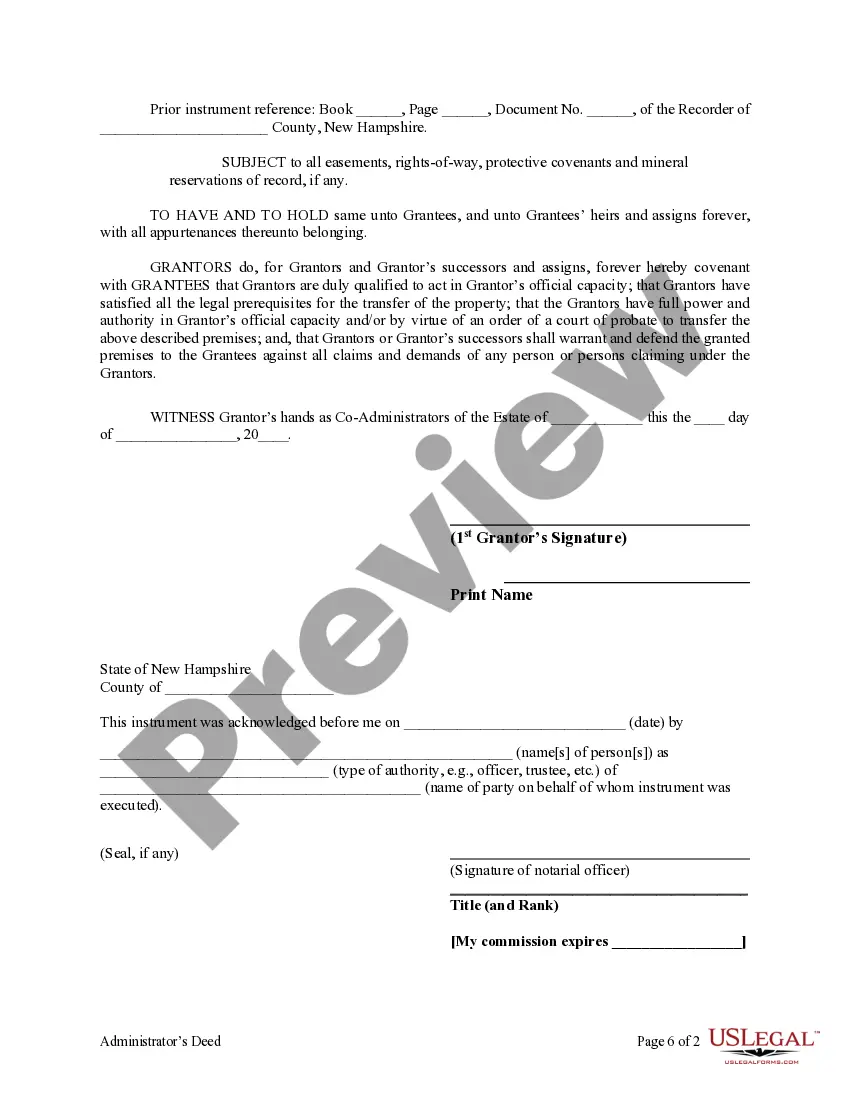
A fiduciary deed is a legal document utilized by executors, trustees, trustors, administrators, and other fiduciaries to convey real estate. This form allows individuals acting in a fiduciary capacity to transfer property in accordance with the authority granted to them, such as through a will or trust. Unlike other deeds, a fiduciary deed specifically addresses the unique role of the grantor as a fiduciary, ensuring that the transfer complies with the legal obligations of their position.
Key components of this form
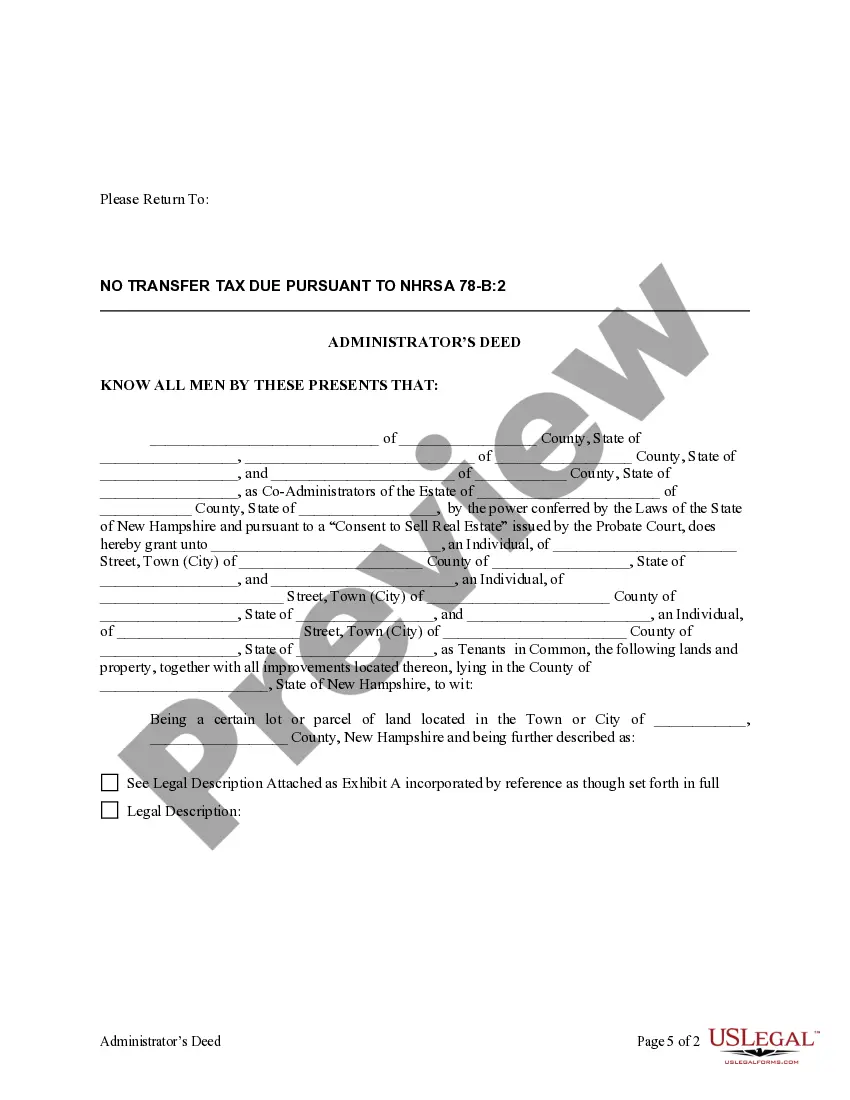
- Grantor and Grantee Information: Details regarding the individuals or entities involved in the property transfer.
- Legal Description: A precise description of the property being transferred, often included as an attachment.
- Covenant of Authority: A statement confirming the grantor's authority to make the transfer on behalf of the estate or trust.
- Notarial Section: A space for notarization, confirming the identity of those signing the deed.






Situations where this form applies
This form should be used when a fiduciary, such as an executor of a will or a trustee, needs to transfer ownership of real property on behalf of an estate or trust. Common scenarios include distributing property according to a deceased personâs will, managing assets within a trust, or handling real estate during guardianship or conservatorship proceedings.
Who should use this form
This form is intended for:
- Executors of estates managing the distribution of property.
- Trustees administering a trust and transferring real estate to beneficiaries.
- Trustors or individuals creating a trust who want to transfer assets into it.
- Administrators handling an estate without a will.
- Guardians or conservators acting on behalf of a minor or incapacitated person.
Steps to complete this form
To complete this form, follow these steps:
- Identify the parties involved by entering the names of the grantor (fiduciary) and grantee (recipient).
- Provide a detailed legal description of the property being transferred.
- Include the date of the transaction and the signatures of all relevant parties.
- Have the document notarized in the designated section if required.
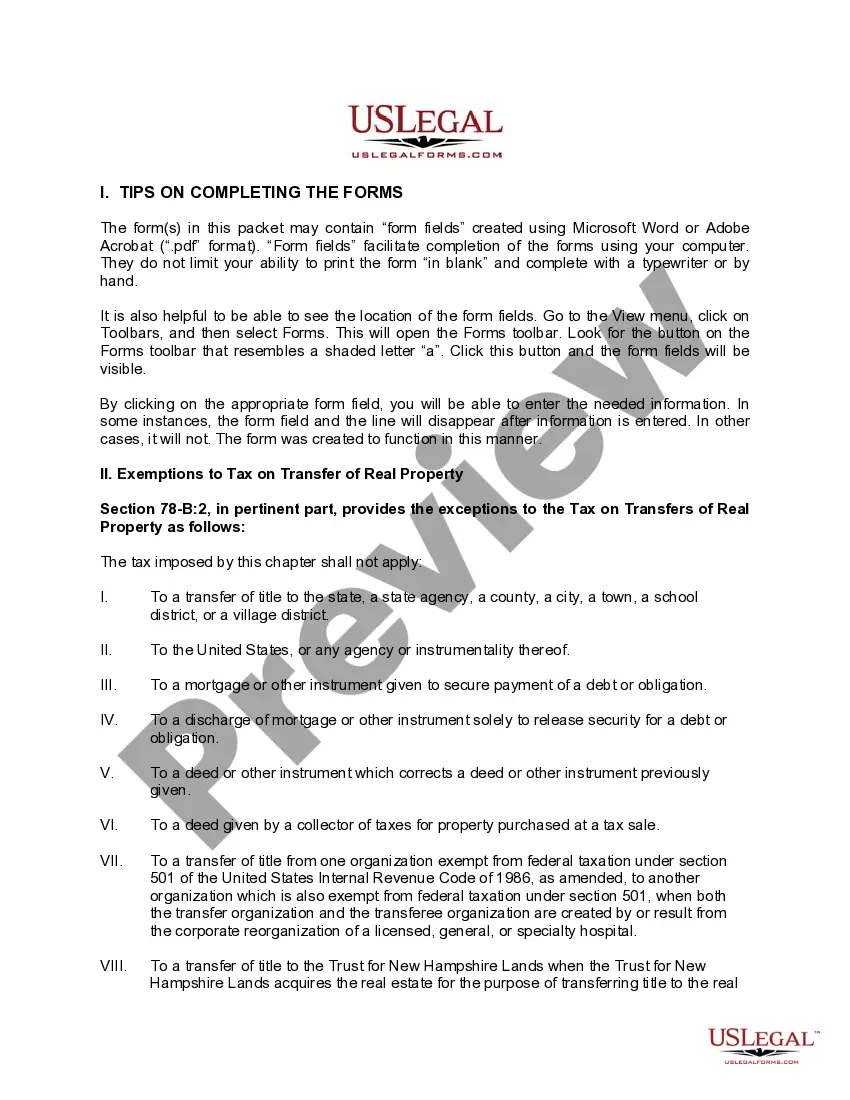
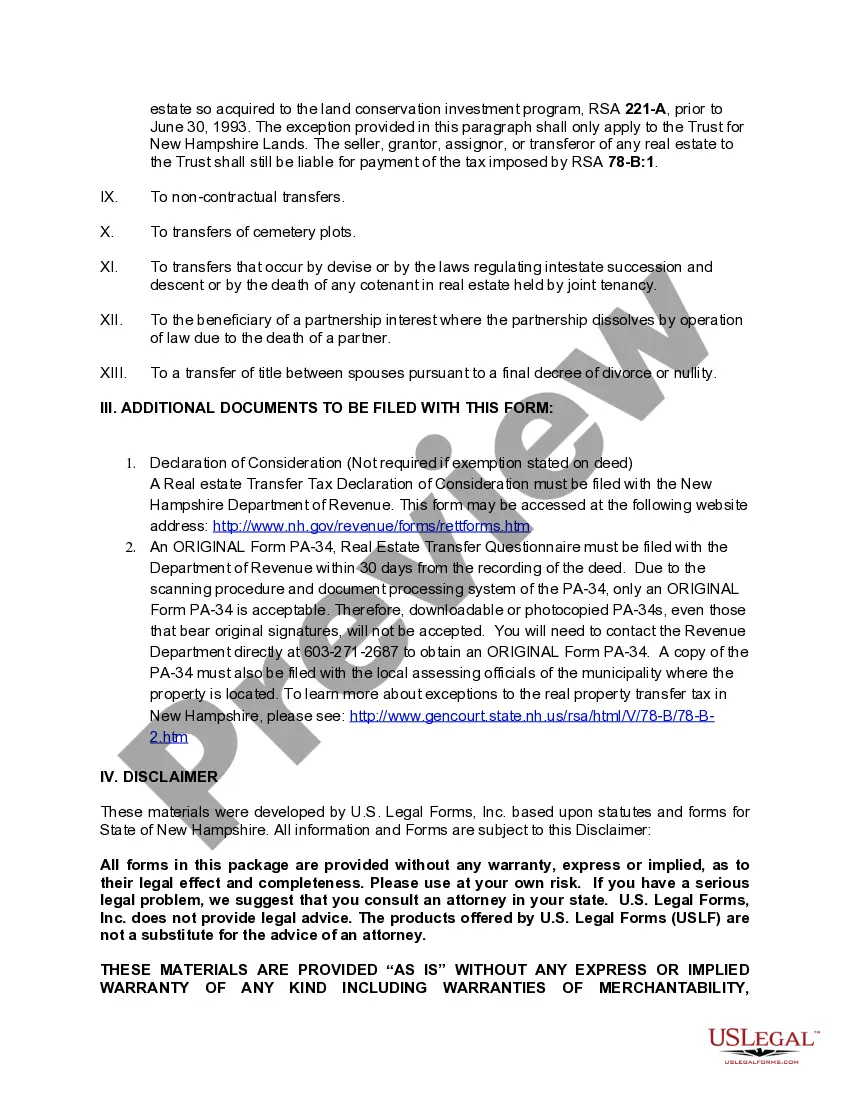
- Ensure any additional documents, such as the Real Estate Transfer Tax Declaration, are prepared and submitted where applicable.
Is notarization required?
Yes, this form must be notarized to be legally valid. Proper notarization ensures that the identities of the signing parties are verified, which is critical for the enforceability of the fiduciary deed. US Legal Forms offers integrated online notarization options to facilitate this process, allowing you to complete the notarization via a secure video call, available 24/7, without needing to travel.
Get your form ready online
Our built-in tools help you complete, sign, share, and store your documents in one place.
Make edits, fill in missing information, and update formatting in US Legal Forms—just like you would in MS Word.
Download a copy, print it, send it by email, or mail it via USPS—whatever works best for your next step.
Sign and collect signatures with our SignNow integration. Send to multiple recipients, set reminders, and more. Go Premium to unlock E-Sign.
If this form requires notarization, complete it online through a secure video call—no need to meet a notary in person or wait for an appointment.
We protect your documents and personal data by following strict security and privacy standards.

Make edits, fill in missing information, and update formatting in US Legal Forms—just like you would in MS Word.

Download a copy, print it, send it by email, or mail it via USPS—whatever works best for your next step.

Sign and collect signatures with our SignNow integration. Send to multiple recipients, set reminders, and more. Go Premium to unlock E-Sign.

If this form requires notarization, complete it online through a secure video call—no need to meet a notary in person or wait for an appointment.

We protect your documents and personal data by following strict security and privacy standards.
Mistakes to watch out for
- Failing to accurately describe the property can lead to legal disputes.
- Not including all necessary signatures from the fiduciary and grantee may invalidate the deed.
- Neglecting to notarize the document when required can render the deed unenforceable.
- Overlooking the need to file accompanying forms with the local tax office, which can result in tax complications.
Why complete this form online
- Convenient online availability allows you to complete the form from the comfort of your home.
- Editability of the document helps ensure accurate information before finalization.
- Access to templates created by licensed attorneys supports compliance with legal standards.
- Downloading the form enables you to quickly print and file as needed, avoiding delays.
Main things to remember
- A fiduciary deed is essential for transferring property by fiduciaries under specific legal circumstances.
- Understanding the key components and completing the form correctly is crucial to avoid mistakes.
- Notarization is required to ensure the document is legally binding.
- Utilizing online forms can streamline the process, ensuring compliance with legal requirements.
Looking for another form?

Form popularity
FAQ
The New Hampshire Fiduciary Deed is a real estate transfer document used by executors, trustees, administrators, and other fiduciaries to convey title for an estate or trust. It requires grantor and grantee identification, a legal property description, authority declarations, and signatures with dates, plus attachments such as a Real Estate Transfer Tax Declaration of Consideration. Use it when a fiduciary must transfer property as part of administering the estate or trust.
A fiduciary deed is a deed signed by someone in a fiduciary capacity (like an executor, trustee, or administrator) to transfer property on behalf of an estate or trust, rather than by the owner. It includes declarations of the fiduciary’s authority and may require attachments. A regular deed is executed by the property owner to transfer title to a buyer or other grantee.
Fiduciary deed means a deed executed by a fiduciary to convey property for an estate or trust, using the fiduciary’s authority. This form ensures the transfer follows the fiduciary’s duties and includes required elements such as grantor/grantee identification, a legal description, authority declarations, signatures with dates, and any attachments.
Attachments may include the Real Estate Transfer Tax Declaration of Consideration, as noted in the form components. In addition, the deed should include grantor and grantee identification, a legal property description, and declarations of authority. Attachments help document consideration and other required details when transferring real property under fiduciary duties.
The grantors must sign the fiduciary deed, with space for dates. The grantors are executors, trustees, administrators, or other fiduciaries acting on behalf of the estate or trust, and the signatures affirm their authority to convey the property.
This form is designed for transfers by fiduciaries acting on behalf of an estate or trust and requires declarations of authority and capacity, plus potential attachments. A standard deed is typically executed by the property owner in a personal capacity and may not include fiduciary declarations or capacity attestations.