California Land Trust Agreement

State:
Multi-State
Control #:
US-02093BG
Format:
Word; 
Rich Text
Instant download

Description

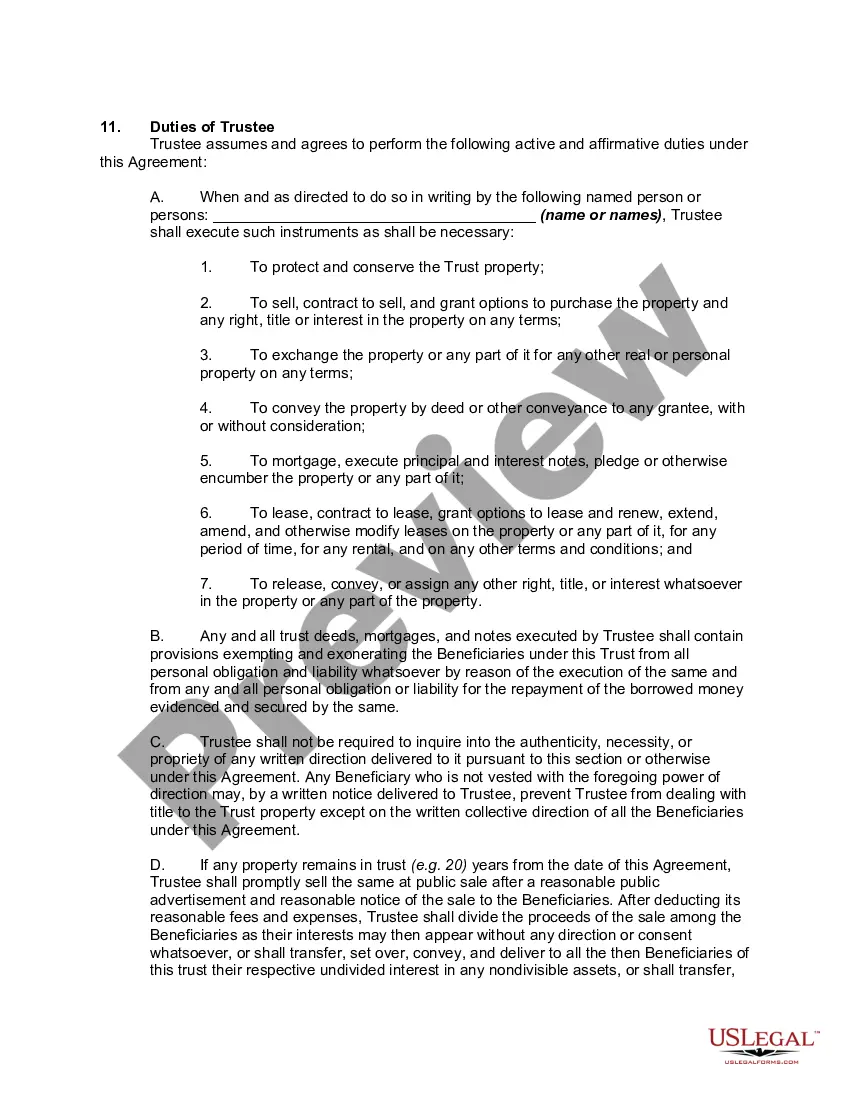
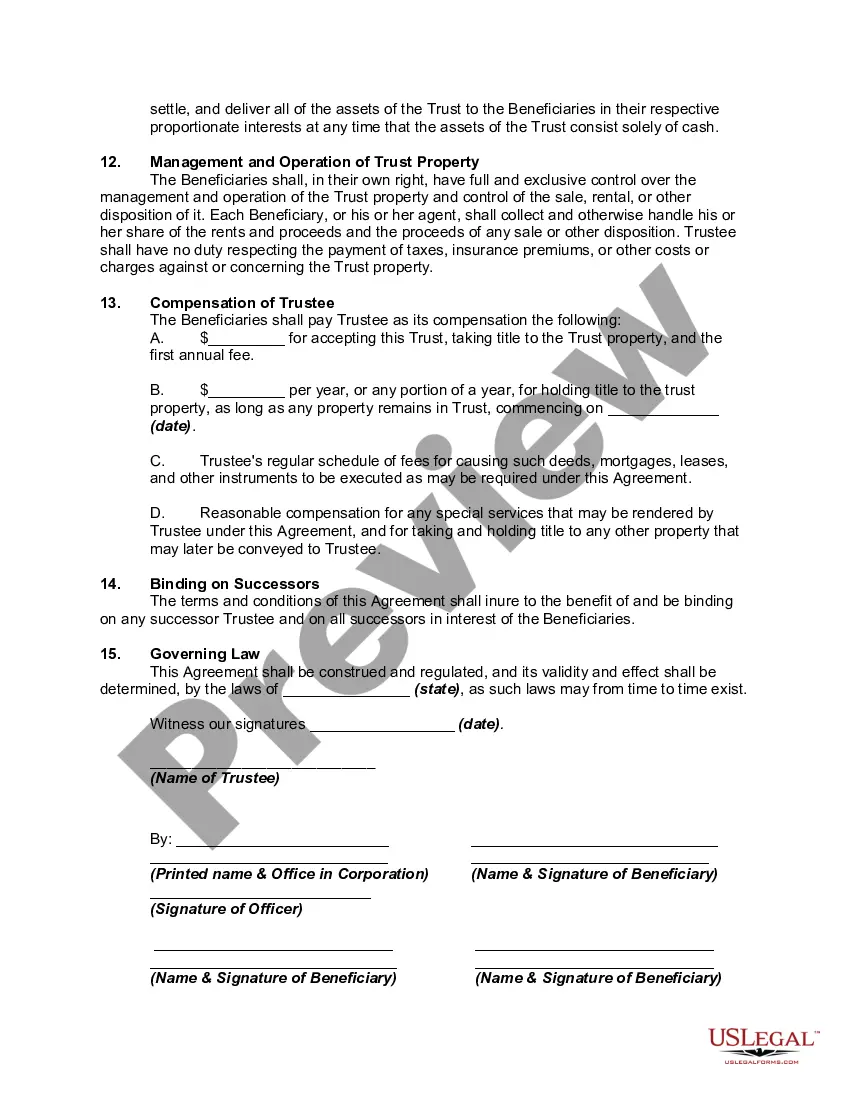
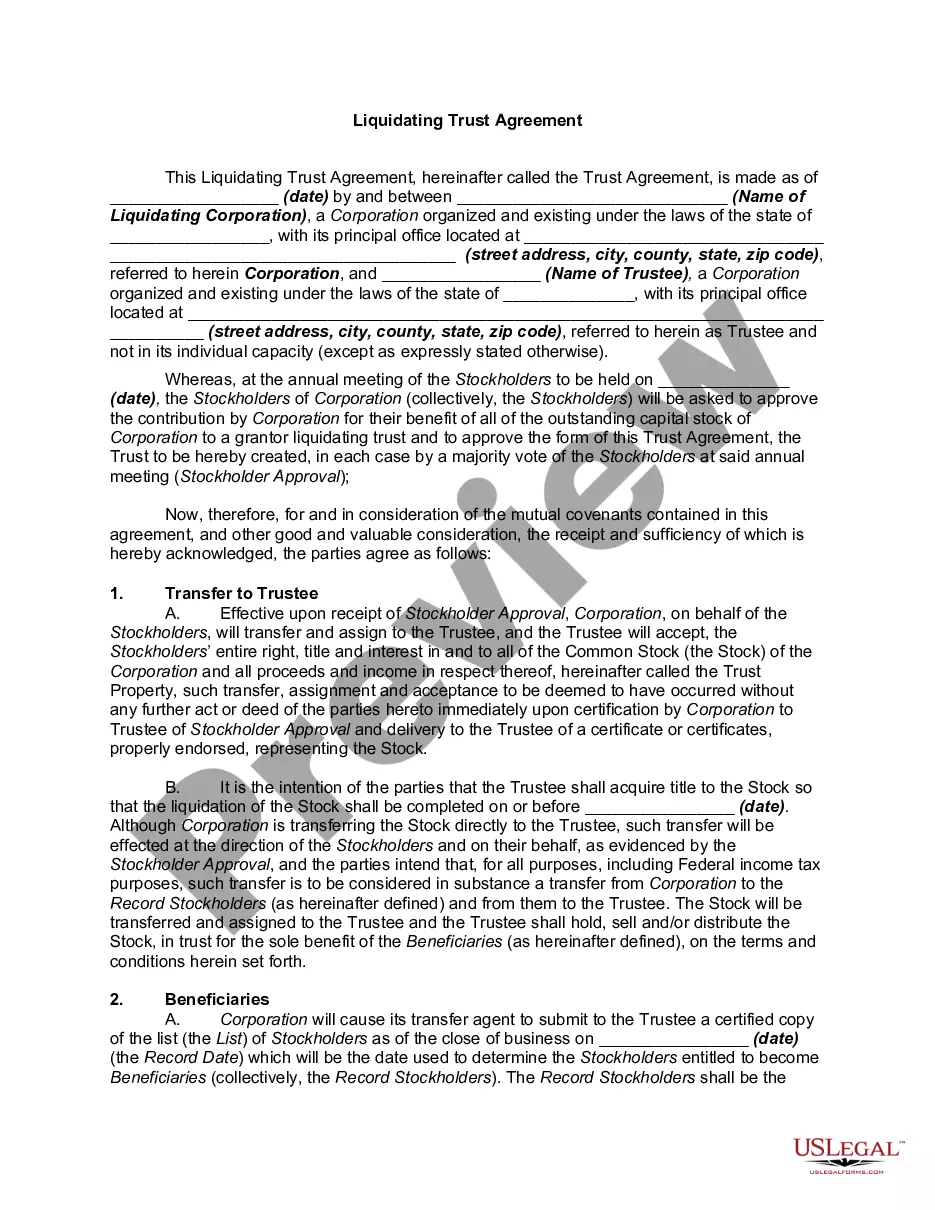
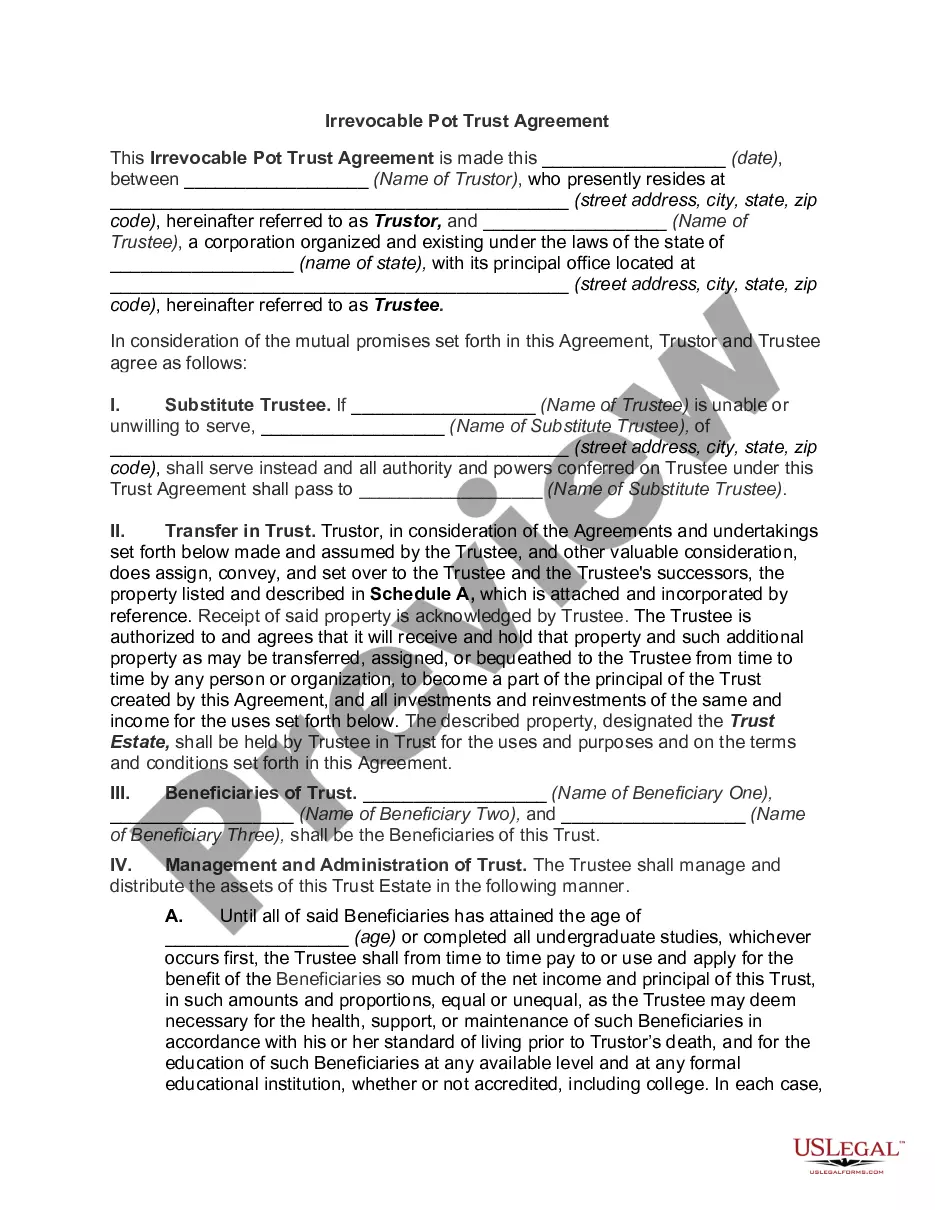
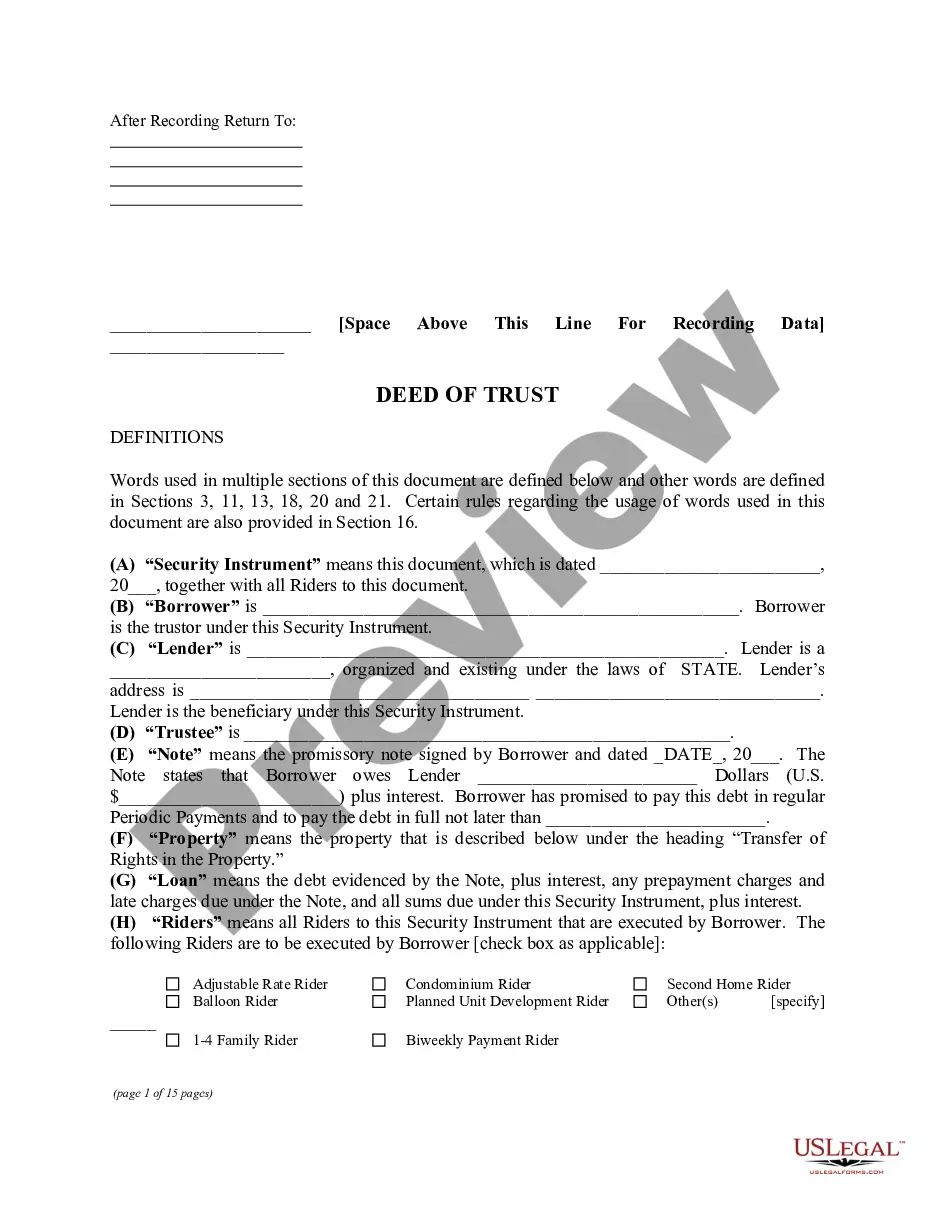
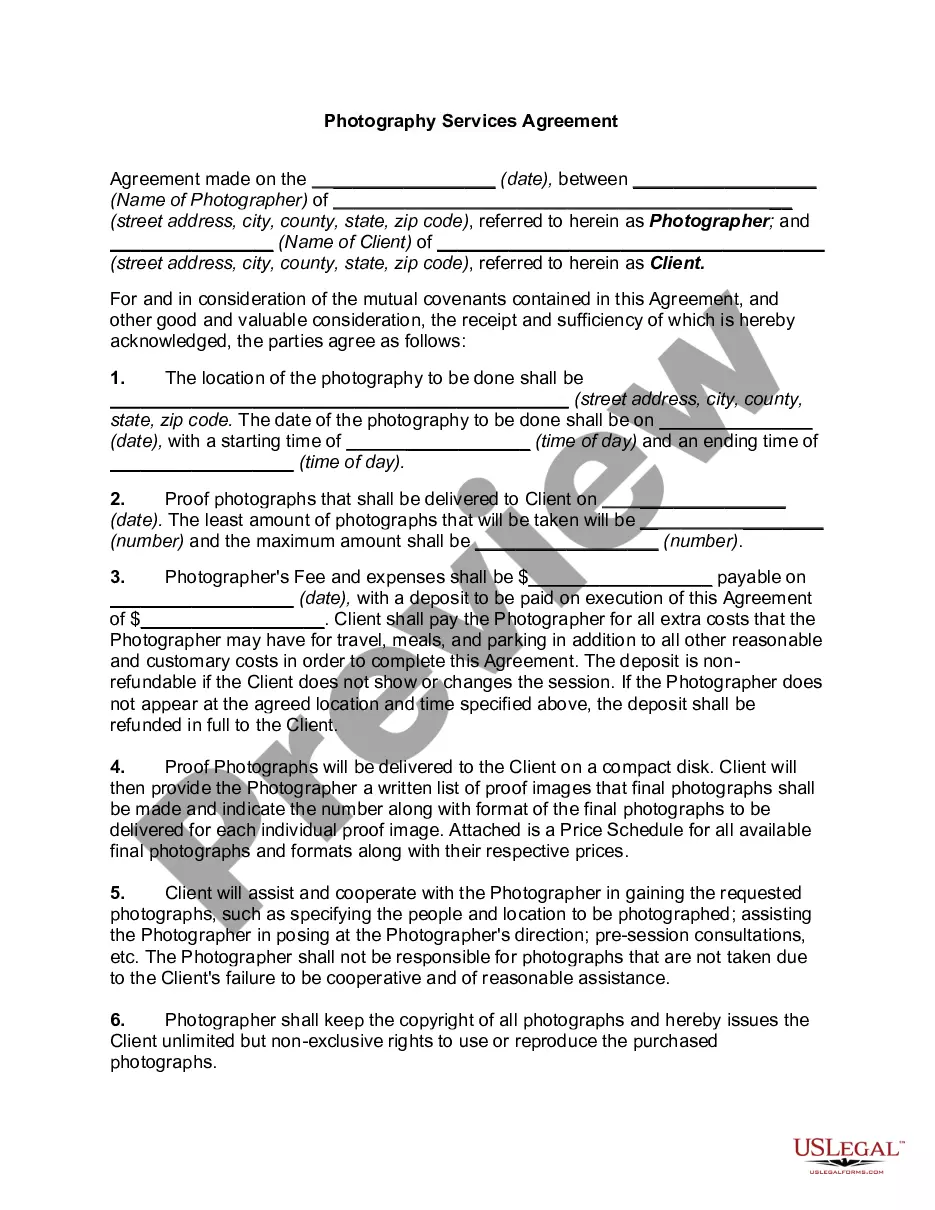
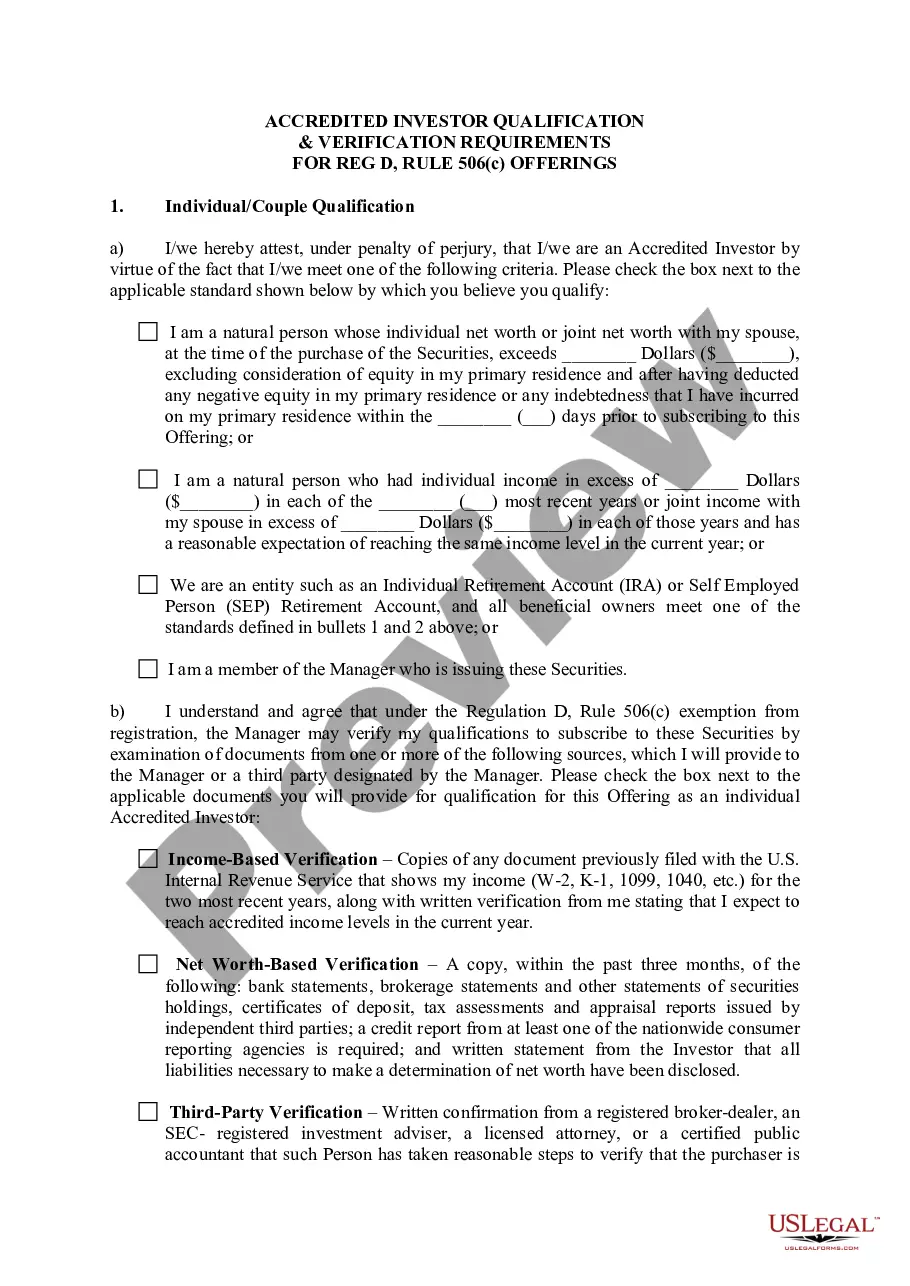
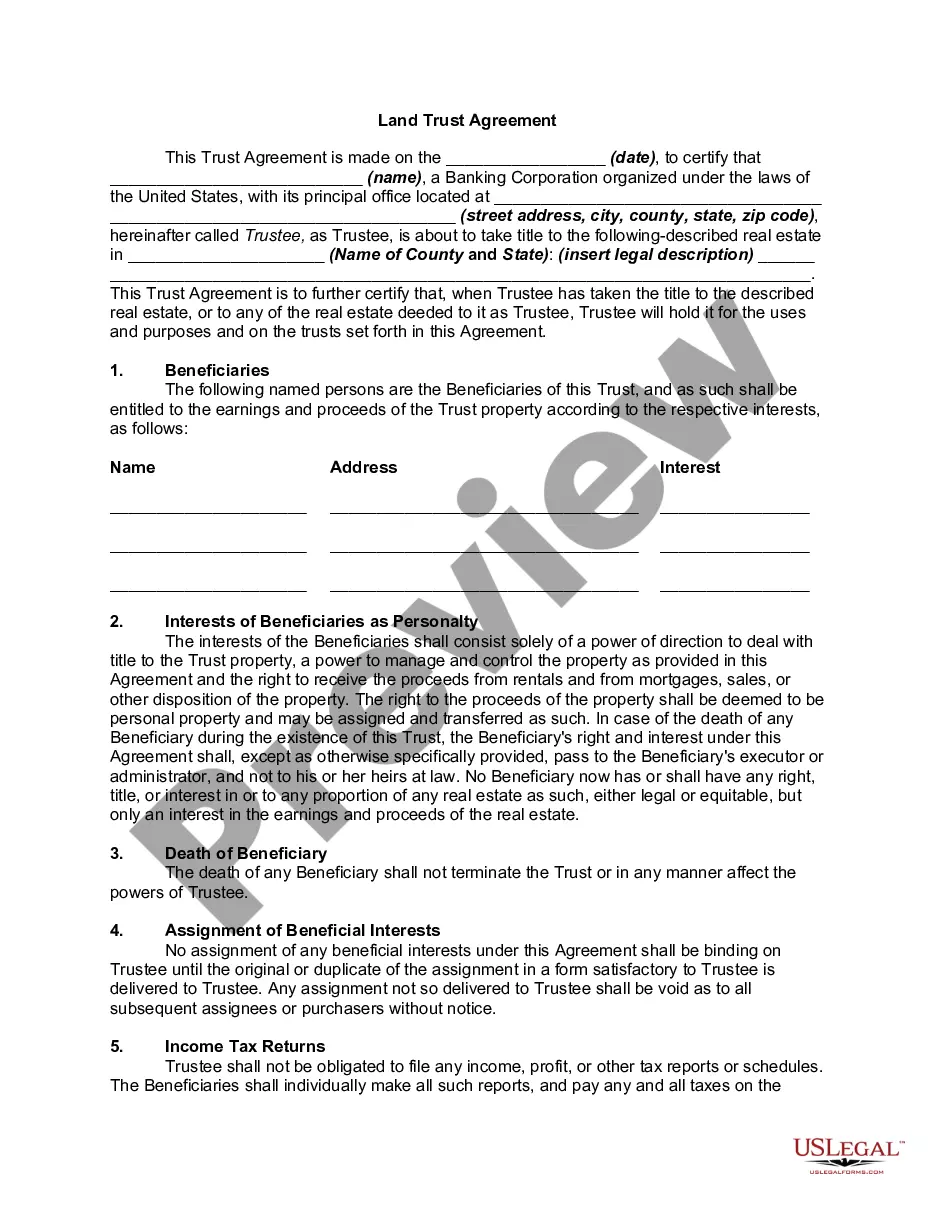
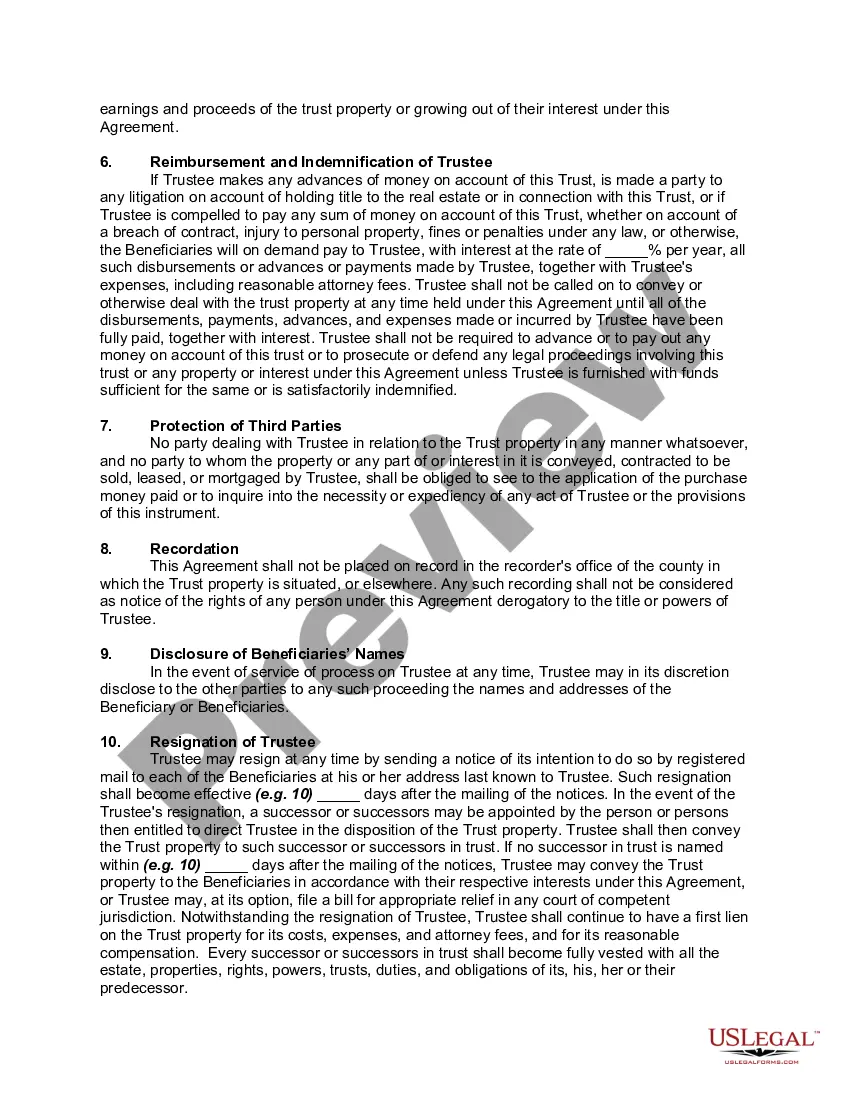
There are two basic instruments required to establish a land trust. One is a deed in trust conveying the real estate to a trustee. The other is a trust agreement defining the rights and duties of the trustee and the beneficiaries, which is mentioned in the deed of trust but is not recorded. The deed in trust should convey title to real property to a trustee and confer complete trust powers on the trustee so that the trustee can deal with third parties without reference to the trust agreement. Restrictions on the trustee's powers should be set forth in the trust agreement.


This form is a generic example that may be referred to when preparing such a form for your particular state. It is for illustrative purposes only. Local laws should be consulted to determine any specific requirements for such a form in a particular jurisdiction.
Free preview
  • Preview Land Trust Agreement
  • Preview Land Trust Agreement
  • Preview Land Trust Agreement
  • Preview Land Trust Agreement
  • Preview Land Trust Agreement

How to fill out Land Trust Agreement?

Selecting the finest legal document format can be a challenge. Indeed, there are numerous templates accessible online, but how do you locate the legal template you need.

Utilize the US Legal Forms website. This platform offers thousands of templates, such as the California Land Trust Agreement, suitable for both business and personal requirements. Every form is vetted by experts and complies with federal and state regulations.

If you are already registered, sign in to your account and click on the Download button to locate the California Land Trust Agreement. Use your account to browse through the legal forms you may have acquired before. Navigate to the My documents section of your account and retrieve another copy of the document you need.

Choose the file format and download the legal document to your device. Finally, complete, revise, print, and sign the obtained California Land Trust Agreement. US Legal Forms is the premier collection of legal documents where you can discover a variety of document templates. Leverage the service to download professionally crafted papers that adhere to state regulations.

  1. First, make sure you have selected the correct document for your city/state.
  2. You can preview the document by using the Review option and examine the document summary to confirm it is appropriate for you.
  3. If the document does not meet your requirements, utilize the Search field to find the suitable document.
  4. Once you are confident the document is correct, click the Get now button to acquire the document.
  5. Select the pricing plan you want and enter the necessary information.
  6. Create your account and pay for the order using your PayPal account or credit card.

Form popularity

FAQ

To put your property in a trust in California, you need to start by creating a California Land Trust Agreement. This legal document outlines how the property will be managed and who will benefit from it. You will typically need to transfer the title of your property to the trust, which may involve filing paperwork with the county. Using a trusted platform like US Legal Forms can simplify the process, providing templates and guidance tailored for California.

Individuals often place land in a trust to safeguard assets, maintain privacy, and simplify the transfer of property upon death. With a California Land Trust Agreement, owners can also enjoy tax benefits and protect their holdings from creditors. Ultimately, this strategy allows for better control over the property while ensuring the owner's wishes are honored.

A California Land Trust Agreement facilitates a unique arrangement where the trustee manages the property as per the wishes of the beneficiary. The trust outlines the purpose of the property, responsibilities of the trustee, and the rights of the beneficiaries. This setup provides flexibility and can simplify the transfer of ownership without going through probate, making it an appealing choice for many property owners.

In a California Land Trust Agreement, the legal title of the property is held by the trustee, while the beneficiary retains the use and benefits of the property. This arrangement allows the beneficiary to maintain privacy and manage the property without direct ownership. Essentially, the trustee acts on behalf of the beneficiary, ensuring that their interests are protected and respected.

In California, a trust does not typically require court filing to be valid. This includes a California Land Trust Agreement, which can often be created and managed privately without court involvement. However, if disputes arise or if you seek to enforce the terms of the trust, legal intervention may become necessary. UsLegalForms offers resources to help you establish and manage your California Land Trust Agreement effectively.

In a California Land Trust Agreement, the tax responsibility typically falls on the beneficiaries, as they are considered the rightful owners of the trust’s assets. However, the trustee may handle tax filings on behalf of the trust. It's important to consult with a tax professional to fully understand the implications of your specific trust arrangement.

A common mistake parents make when establishing a trust fund is failing to clearly communicate their intentions to the beneficiaries. This can lead to misunderstandings and conflicts down the line. Thus, crafting a well-defined California Land Trust Agreement that articulates your goals can minimize these risks and promote family harmony.

Holding property in a California Land Trust Agreement can provide significant advantages, including asset protection and privacy from public view. However, you'll also face some cons, such as limited financing options and potential administrative fees. Balancing these factors can help you make informed choices about property management and ownership.

To form a land trust in California, you should start by drafting a California Land Trust Agreement that identifies the trustee and beneficiaries. Then, you must transfer the property title to the trust, usually by recording a deed with the appropriate county office. Utilizing US Legal Forms can simplify this process and ensure compliance with California trust laws.

While a California Land Trust Agreement offers privacy and flexibility, it also has some disadvantages. One major downside is the limited ability to access traditional financing since some lenders may hesitate with properties held in a trust. Additionally, managing a trust might involve extra costs and administrative tasks, potentially complicating ownership.

Trusted and secure by over 3 million people of the world’s leading companies

California Land Trust Agreement