California Letter to Lienholder to Notify of Trust
Overview of this form
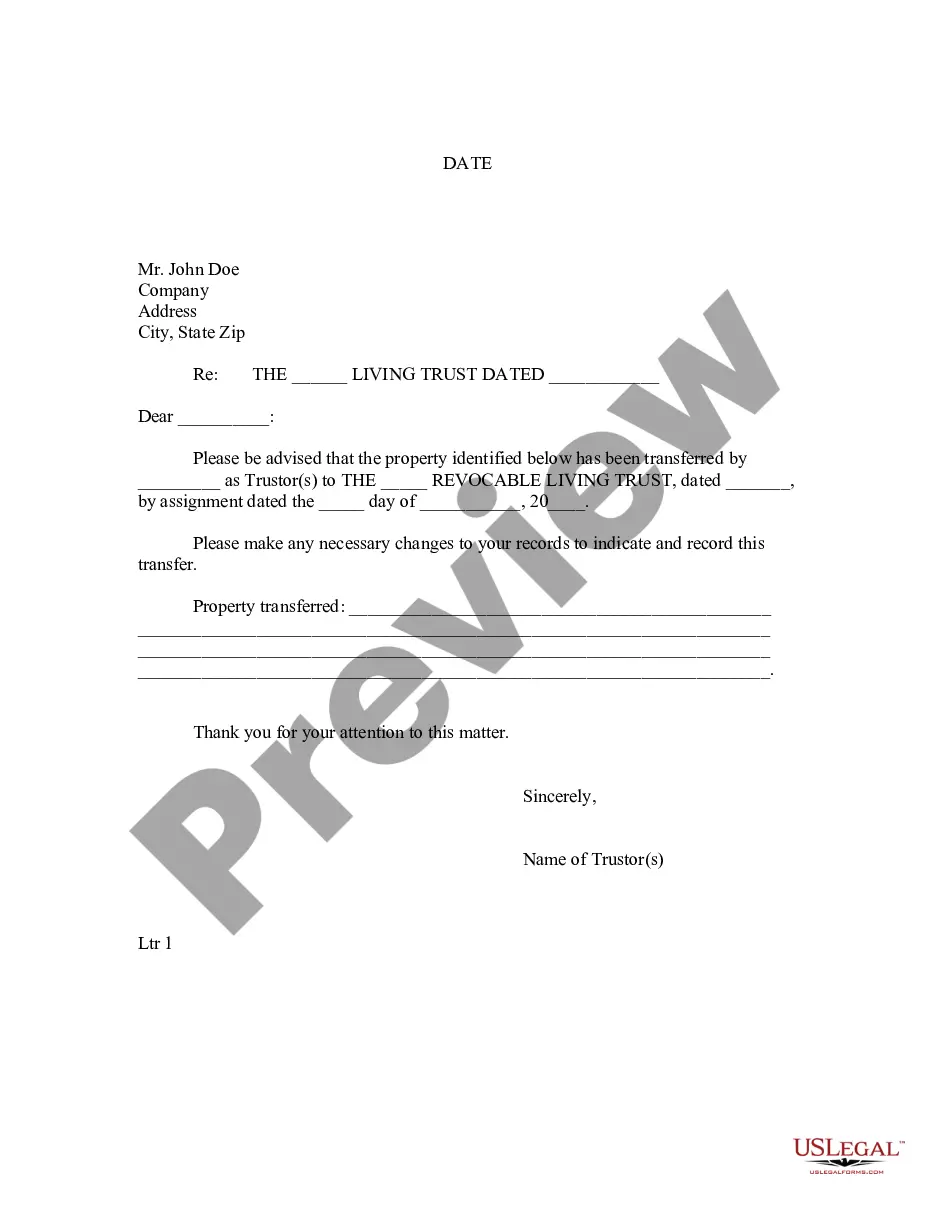
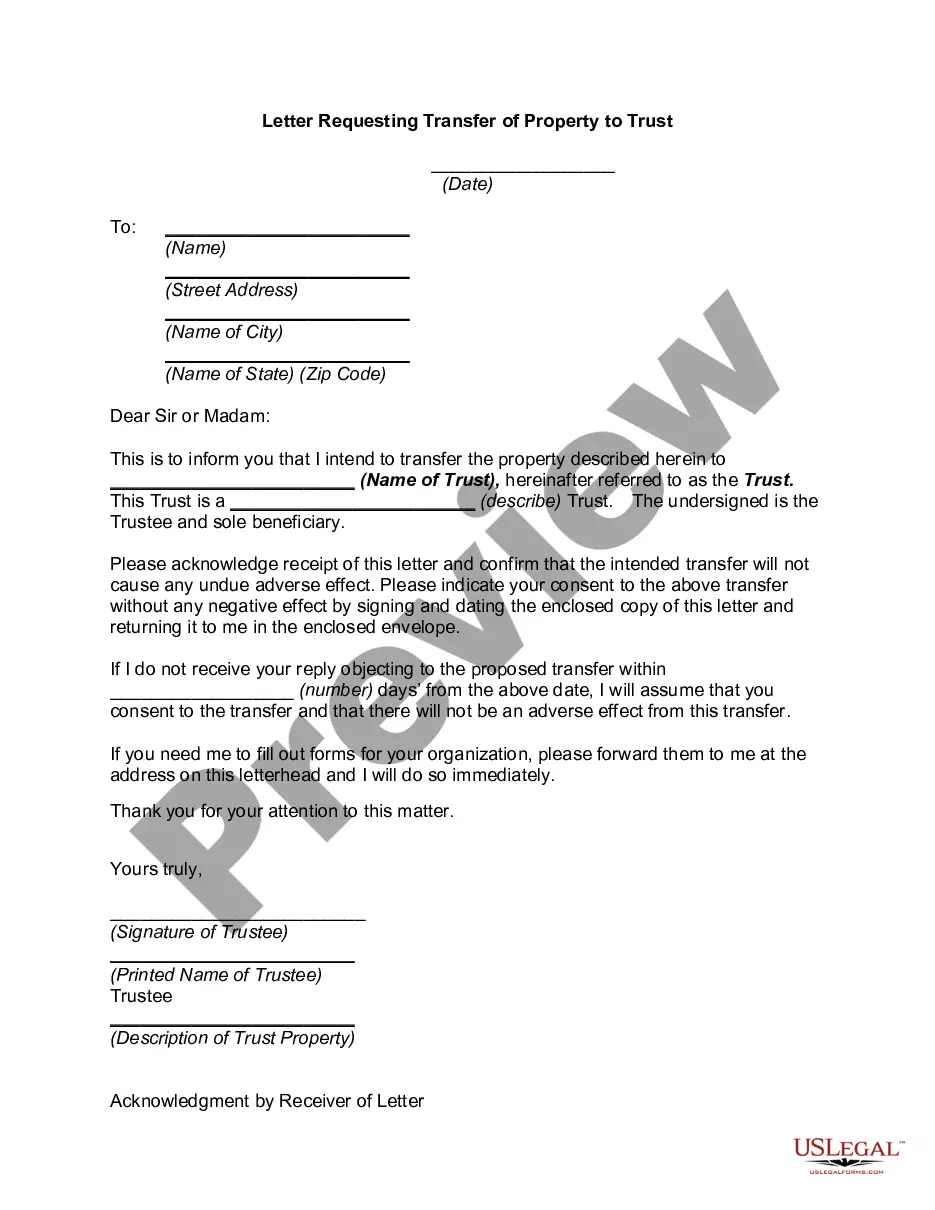
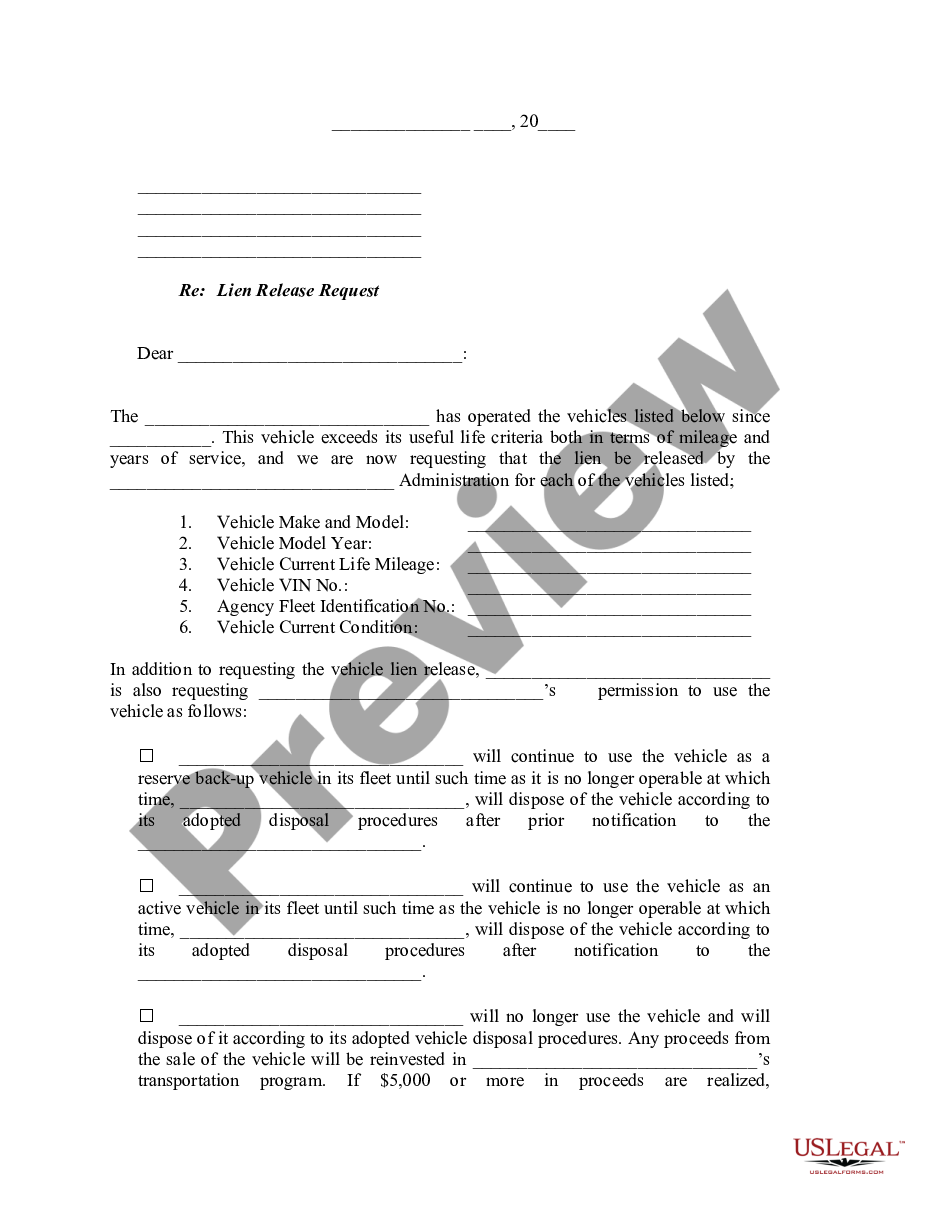
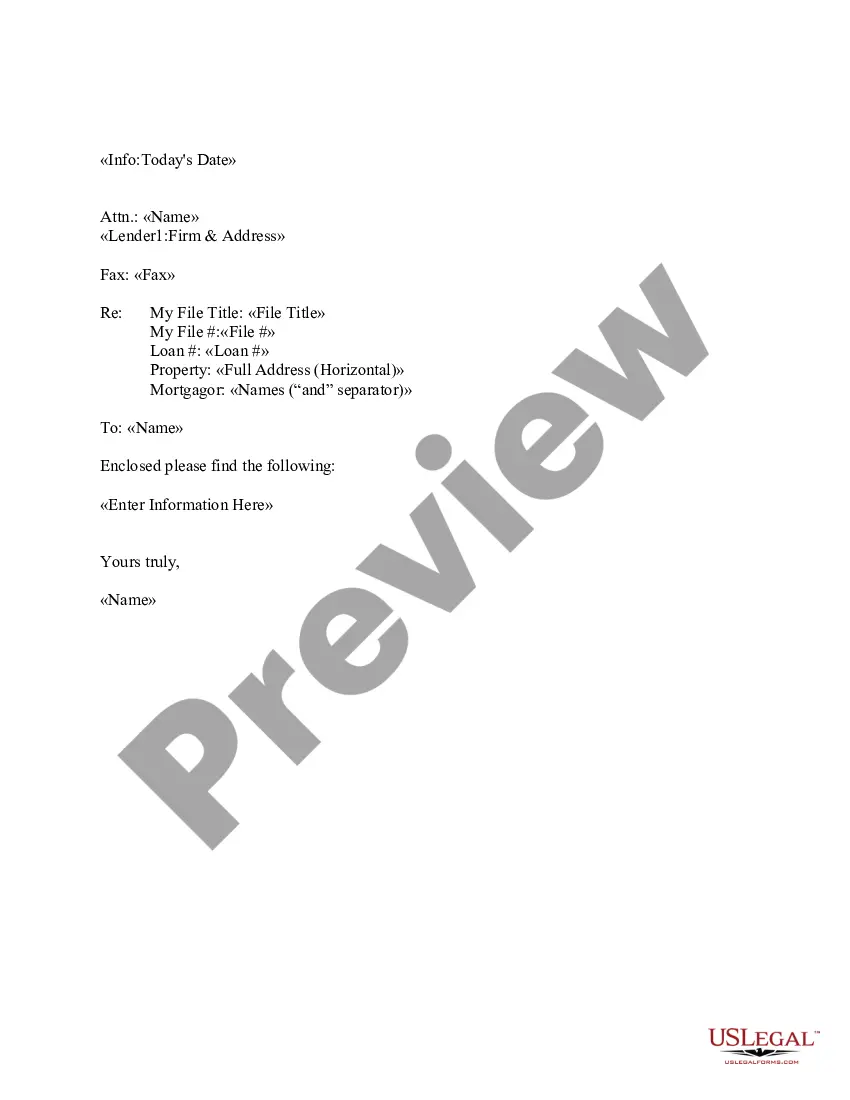
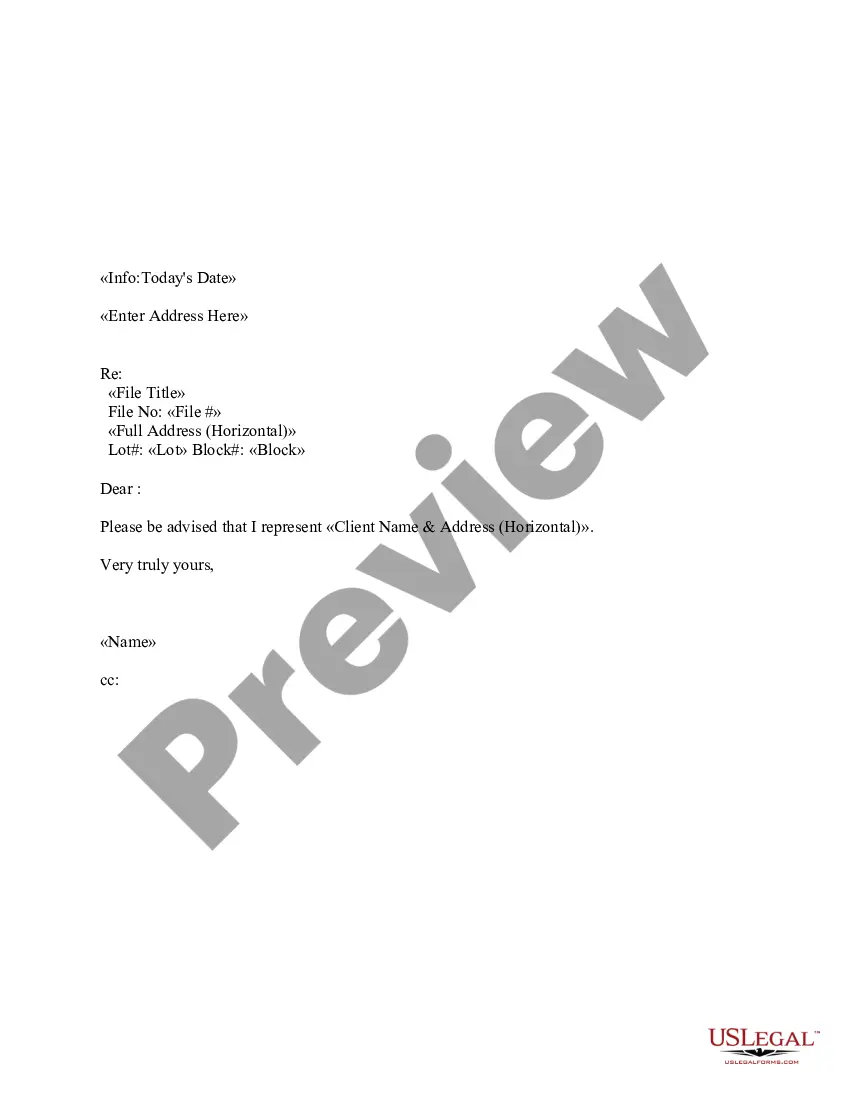
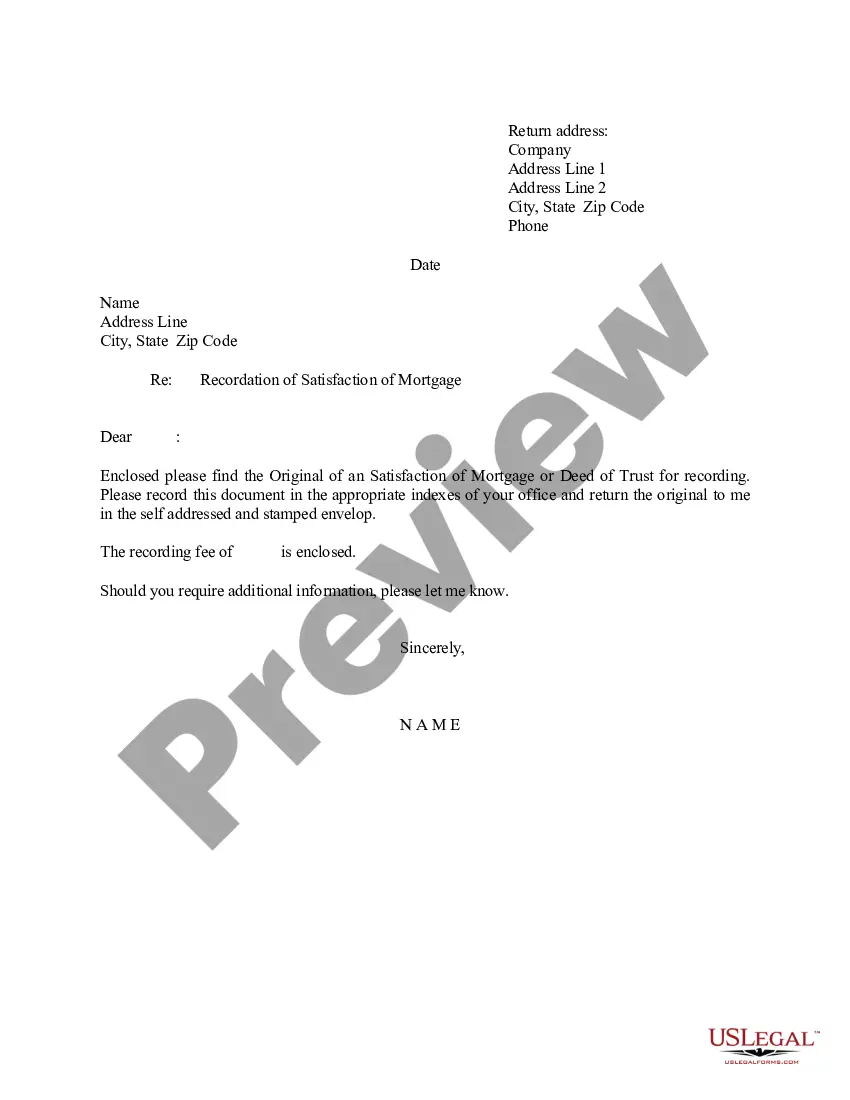
The Letter to Lienholder to Notify of Trust is a formal notice that informs a lienholder about the transfer of property into a living trust. This form is essential for estate planning and ensures that the lienholder updates their records accordingly. Unlike standard property transfer documents, this letter specifically communicates the details needed to recognize the trust ownership.
Form components explained
- Date of the notice
- Name and address of the lienholder
- Identification of the living trust
- Details of the property transferred
- Trustor's signature
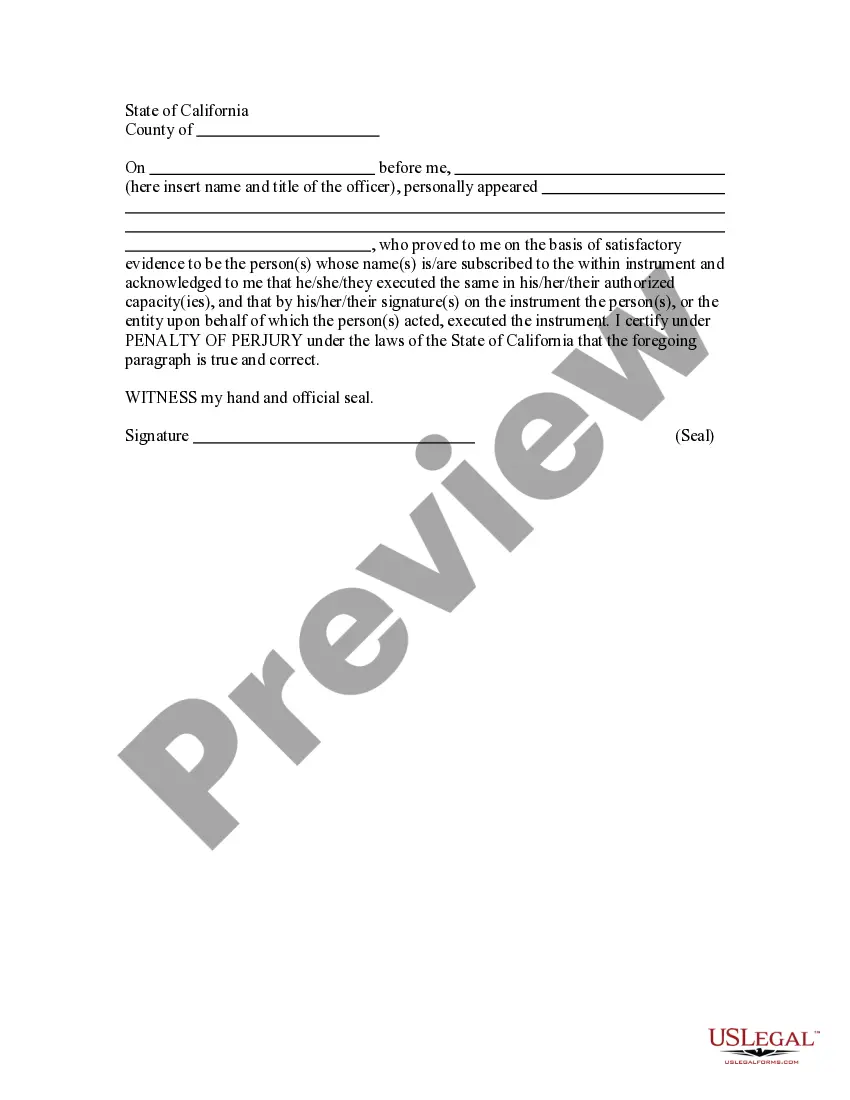
- Notarization section if applicable
Common use cases
This form should be used when you have transferred property to a living trust and need to inform the lienholder of this change. Use this letter whenever property ownership needs official documentation for lienholders, such as mortgage companies or other financial institutions that hold a claim on the property.
Intended users of this form
- Individuals who have established a living trust
- Trustors transferring property into the trust
- Property owners with outstanding liens
- Anyone looking to ensure proper legal acknowledgment of trust property
Completing this form step by step
- Enter the date at the top of the letter.
- Fill in the lienholder's name and address.
- Specify the name and date of the living trust.
- List the property that has been transferred to the trust.
- Sign the letter as the trustor.
- If required, arrange for notarization of the completed letter.
Notarization guidance
Notarization is required for this form to take effect. Our online notarization service, powered by Notarize, lets you verify and sign documents remotely through an encrypted video session, available 24/7.
Get your form ready online
Our built-in tools help you complete, sign, share, and store your documents in one place.
Make edits, fill in missing information, and update formatting in US Legal Forms—just like you would in MS Word.
Download a copy, print it, send it by email, or mail it via USPS—whatever works best for your next step.
Sign and collect signatures with our SignNow integration. Send to multiple recipients, set reminders, and more. Go Premium to unlock E-Sign.
If this form requires notarization, complete it online through a secure video call—no need to meet a notary in person or wait for an appointment.
We protect your documents and personal data by following strict security and privacy standards.

Make edits, fill in missing information, and update formatting in US Legal Forms—just like you would in MS Word.

Download a copy, print it, send it by email, or mail it via USPS—whatever works best for your next step.

Sign and collect signatures with our SignNow integration. Send to multiple recipients, set reminders, and more. Go Premium to unlock E-Sign.

If this form requires notarization, complete it online through a secure video call—no need to meet a notary in person or wait for an appointment.

We protect your documents and personal data by following strict security and privacy standards.
Avoid these common issues
- Failing to provide complete property details.
- Omitting the trust's full name and date.
- Not updating records with the lienholder promptly.
- Missing the trustor's signature or notarization.
Why complete this form online
- Convenient access to a professionally drafted template.
- Easy to edit and fill out according to your specific needs.
- Fast downloading and printing options.
- Reliable and legally compliant format designed by licensed attorneys.
Looking for another form?
Form popularity
FAQ
Yes, you can place a lien on a trust if the trust holds property that is subject to a debt. The lien typically attaches to the real property owned by the trust and must be properly recorded with the county. It is crucial to follow all legal procedures for ensuring that the lien is valid. If appropriate, a California Letter to Lienholder to Notify of Trust should be sent to inform relevant parties about the lien.
California Form 541 must be filed by all estates and trusts that have gross income of $20,000 or more or have a beneficiary who resides in California. Additionally, any fiduciary responsible for managing the trust must ensure that the form is accurately filled and submitted on time. It is advisable to consult a tax professional to ensure compliance. Don’t forget to issue a California Letter to Lienholder to Notify of Trust if there are outstanding liens.
The IRS form required for filing a trust return is Form 1041, known as the U.S. Income Tax Return for Estates and Trusts. This form records income, deductions, credits, and distributions that the trust makes to its beneficiaries. It is important to accurately complete this form to comply with federal tax obligations. Additionally, remember that notifications may require a California Letter to Lienholder to Notify of Trust.
Finalizing a trust in California entails ensuring that all assets are properly titled in the name of the trust. You’ll also complete all necessary tax filings, such as the California Form 541. Lastly, consider drafting a termination document if the trust is revocable and is meant to end. If you're dealing with outstanding liens, using a California Letter to Lienholder to Notify of Trust might be essential.
Recording a trust in California involves creating a written declaration of trust and possibly funding the trust with assets. You typically do not file the trust document itself with any court or government entity; however, assets held in the trust, like real estate, need to be transferred to the trust. Always check with a legal professional to ensure compliance with state laws, and remember to send a California Letter to Lienholder to Notify of Trust if necessary.
In California, the form you need to file for a trust return is Form 541, also known as the California Fiduciary Income Tax Return. This form accounts for the income earned by the trust, distributions to beneficiaries, and any applicable deductions. Ensure you maintain records of all transactions related to the trust. Don’t forget, when notifying involved parties, you might need to issue a California Letter to Lienholder to Notify of Trust.
Changing your property title to a trust in California requires preparing a new deed that transfers ownership from you to the trust. You must fill out a grant deed or a quitclaim deed, depending on your situation. After preparing the deed, sign it in front of a notary, then record it with the county recorder's office. Keep in mind that a California Letter to Lienholder to Notify of Trust may be needed if there are existing liens on the property.
To file a tax return for a trust in California, you need to use California Form 541. This form specifically addresses income tax reporting for trusts. Additionally, ensure that you gather all relevant financial documents, such as income generated by the trust and any deductions. You might want to consult a tax professional for guidance, especially when drafting a California Letter to Lienholder to Notify of Trust.
The trustee has a legal obligation to keep beneficiaries informed about the trust's activities and financial status. This includes disclosing information such as asset values, income, and significant decisions affecting the trust. A well-crafted California Letter to Lienholder to Notify of Trust is an excellent tool for fulfilling this duty, especially when there are liens or loans associated with trust assets.
Beneficiaries in California should generally expect to be notified about a trust within 60 days after the person's death if they are named in the trust. The trustee is responsible for this communication, which may include sending a California Letter to Lienholder to Notify of Trust if there are assets involved. This timely notification helps beneficiaries understand their rights and the next steps in managing the trust.