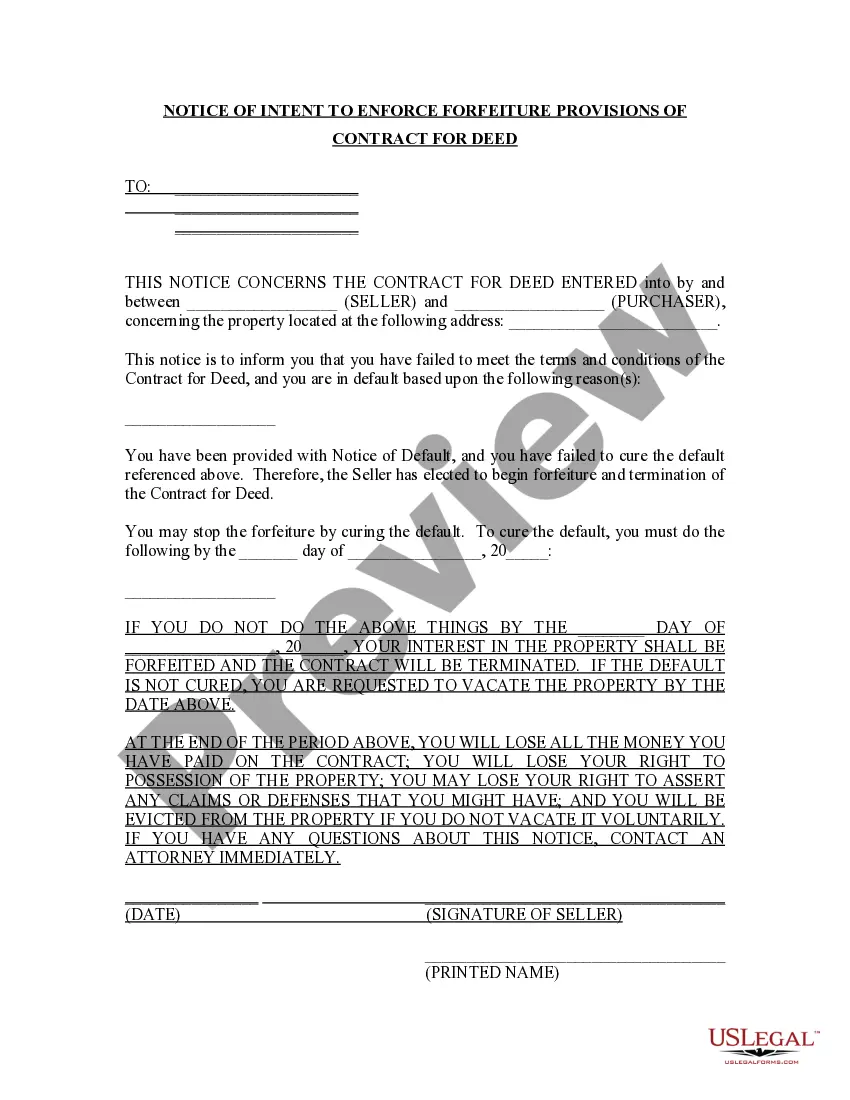
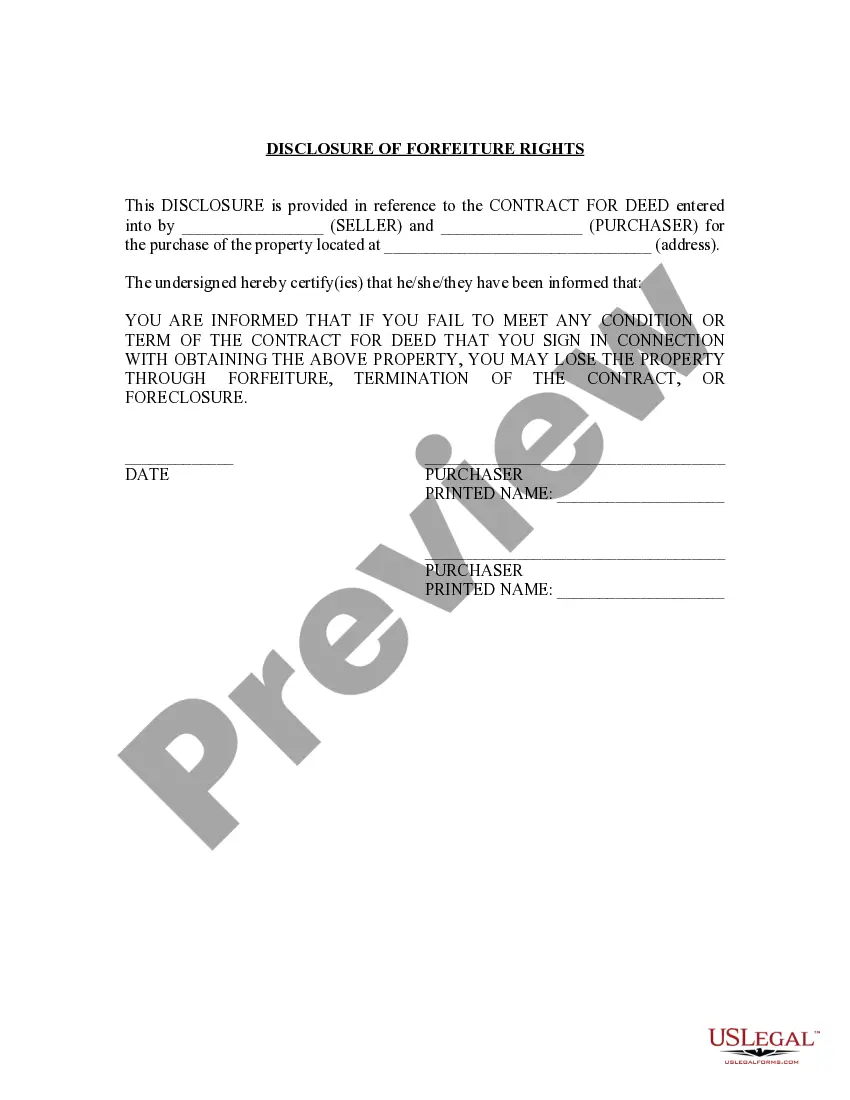
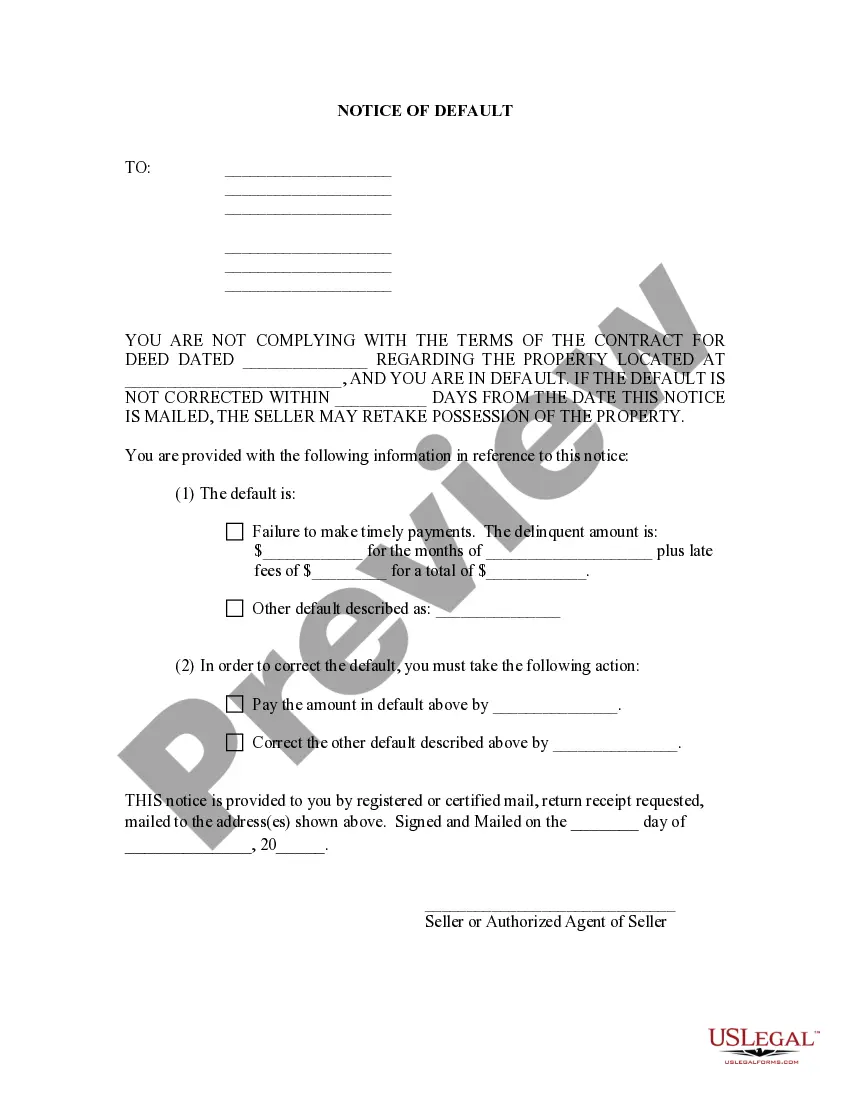
California Landlord Agreement to allow Tenant Alterations to Premises
Understanding this form
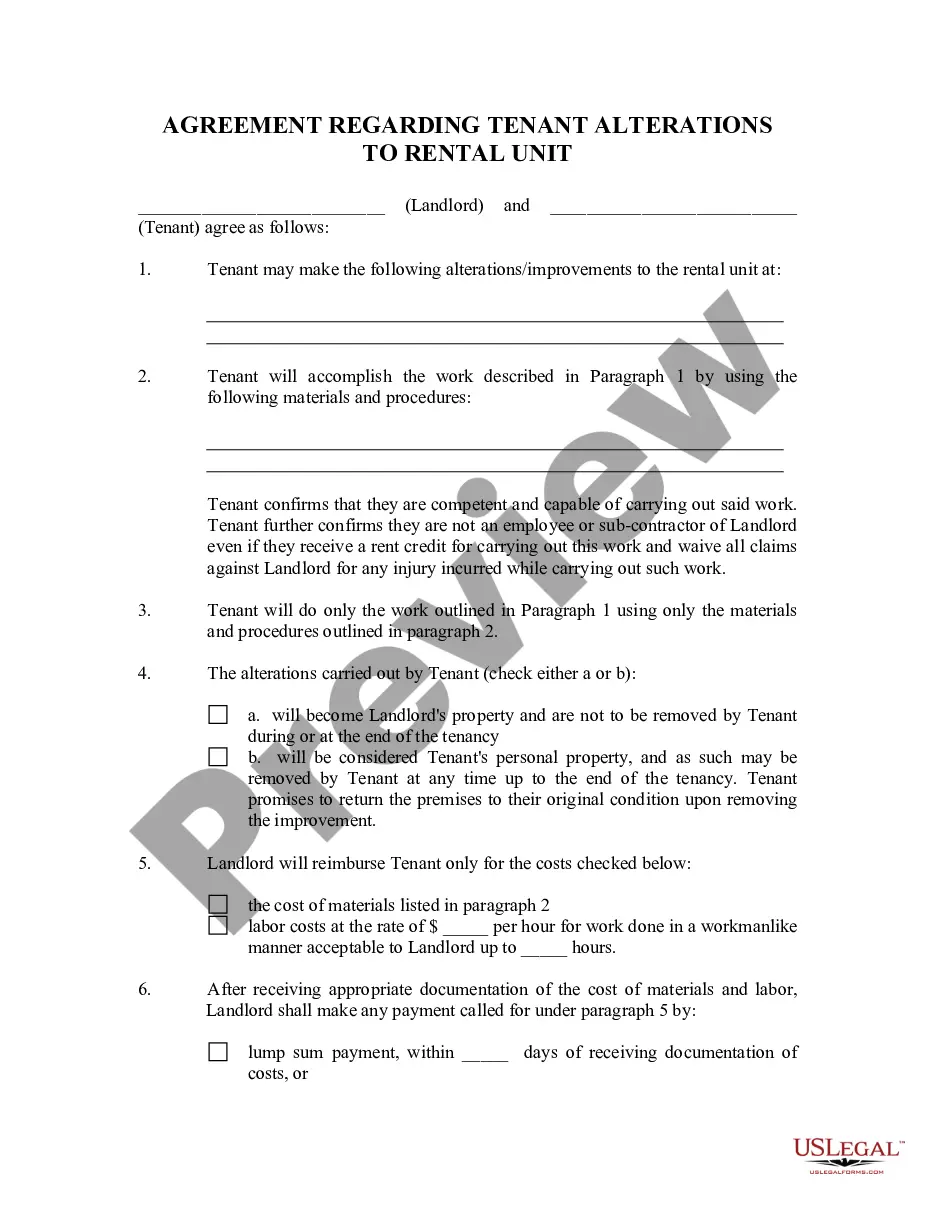
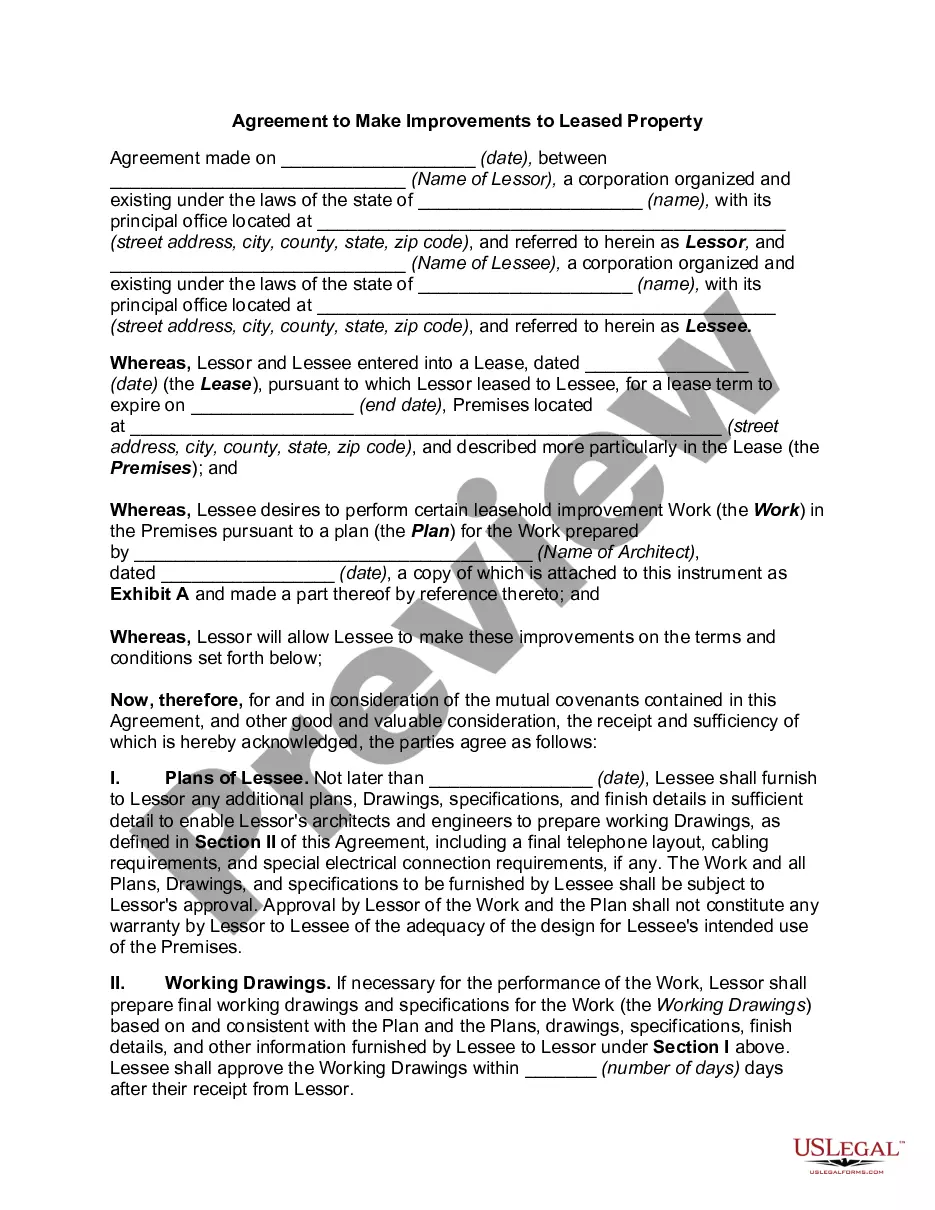
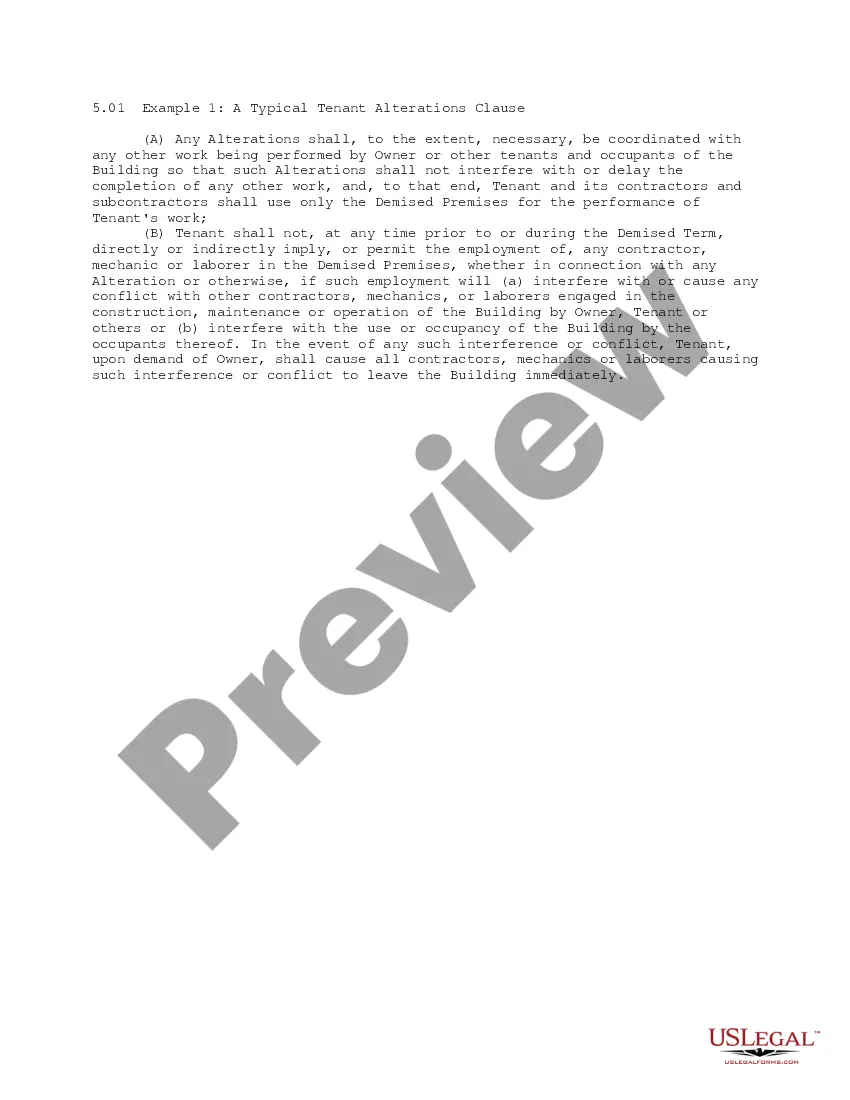
The Landlord Agreement to allow Tenant Alterations to Premises is a legal document that outlines the terms under which a tenant may make modifications to a rented property. This agreement serves to clarify responsibilities and rights between landlords and tenants, ensuring that both parties understand who will bear the costs of any alterations, how the changes will be classified (as landlord or tenant property), and the procedures for restoring the premises after changes are made. Unlike standard rental agreements, this form specifically addresses improvements and alterations, making it essential for any tenant looking to modify their living space.
Main sections of this form
- Identification of the landlord and tenant parties
- Details on the specific alterations the tenant is permitted to make
- Clarification of ownership of the alterations (landlord vs tenant)
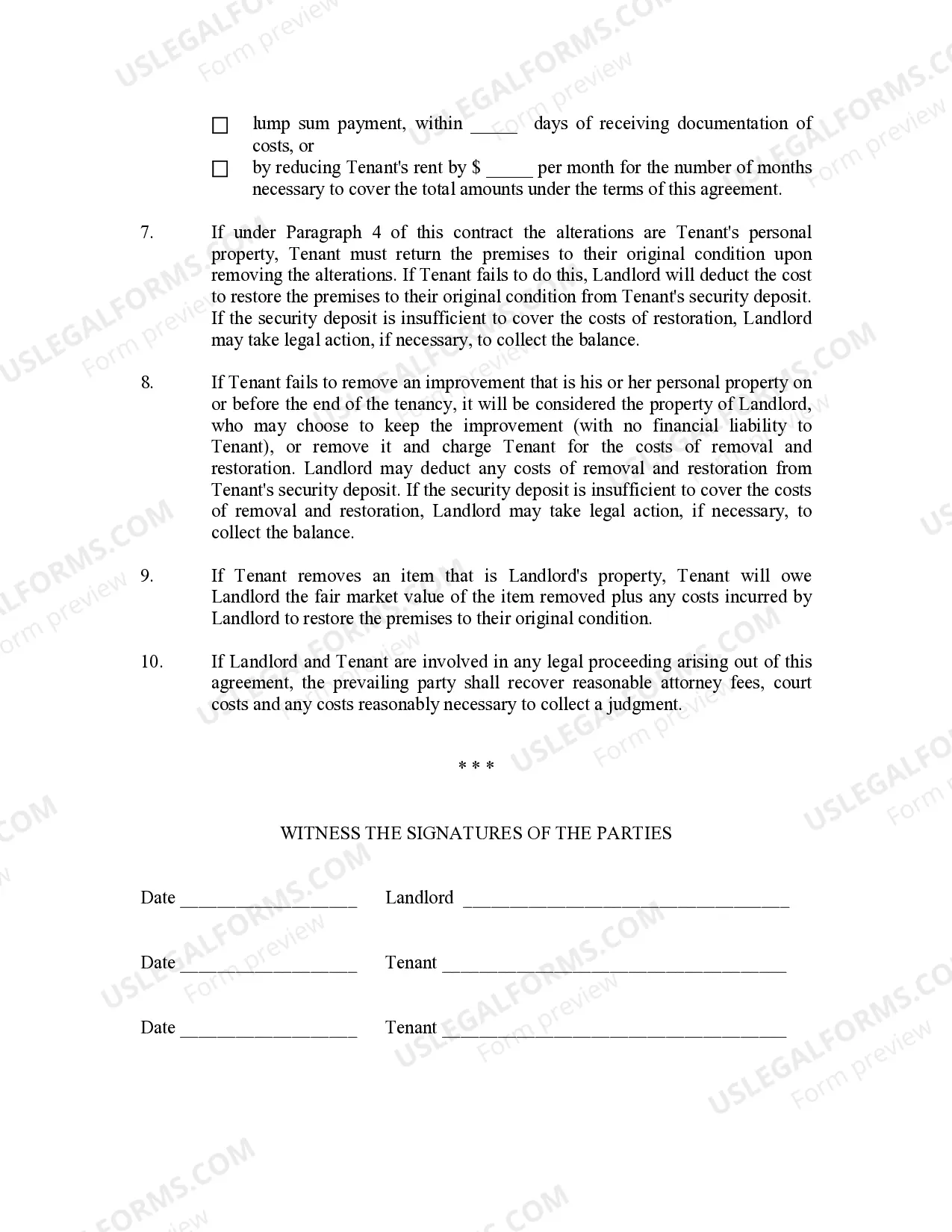
- Financial responsibilities, including who pays for materials and labor
- Conditions for restoring the premises upon the end of tenancy
- Provisions for resolving disputes and recovery of costs through legal means
When this form is needed
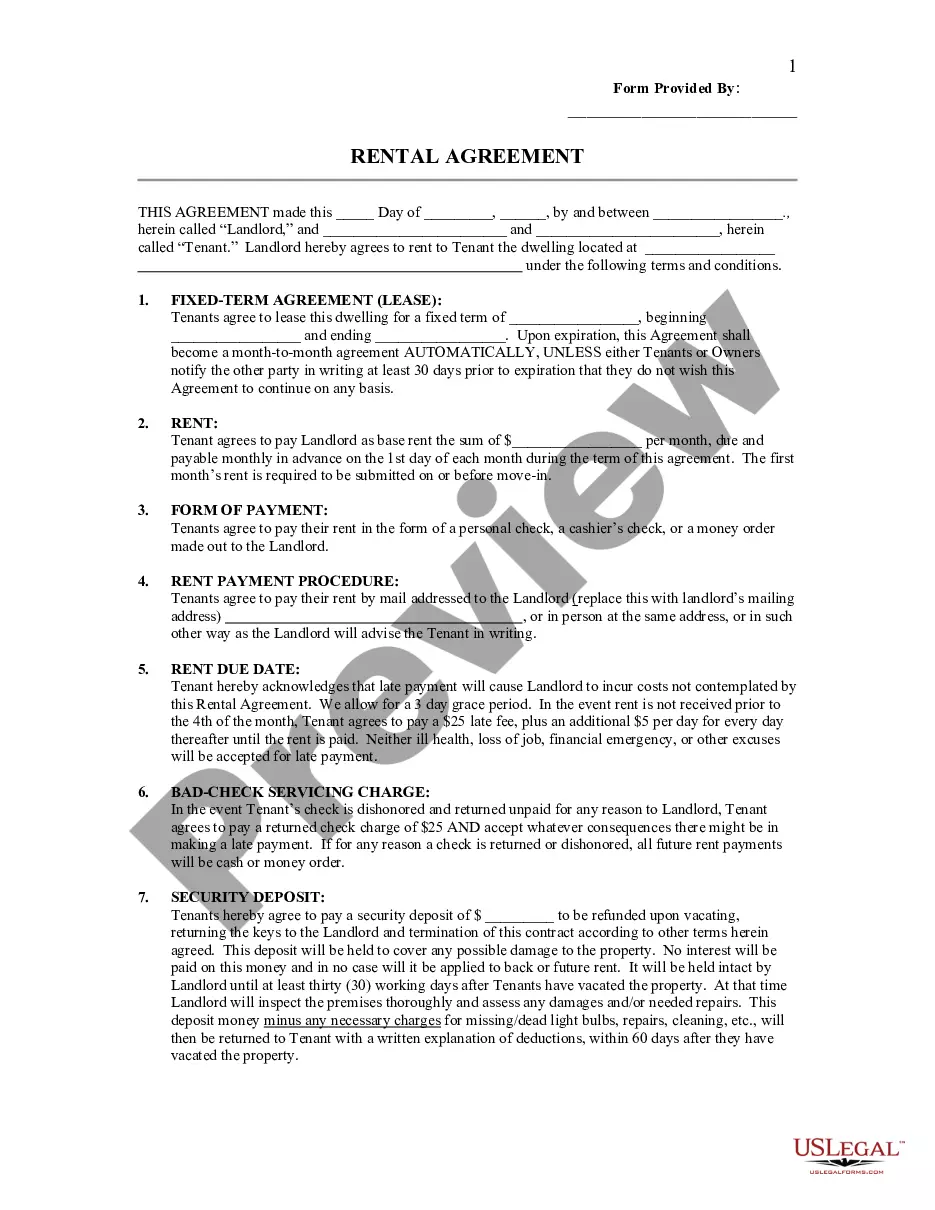
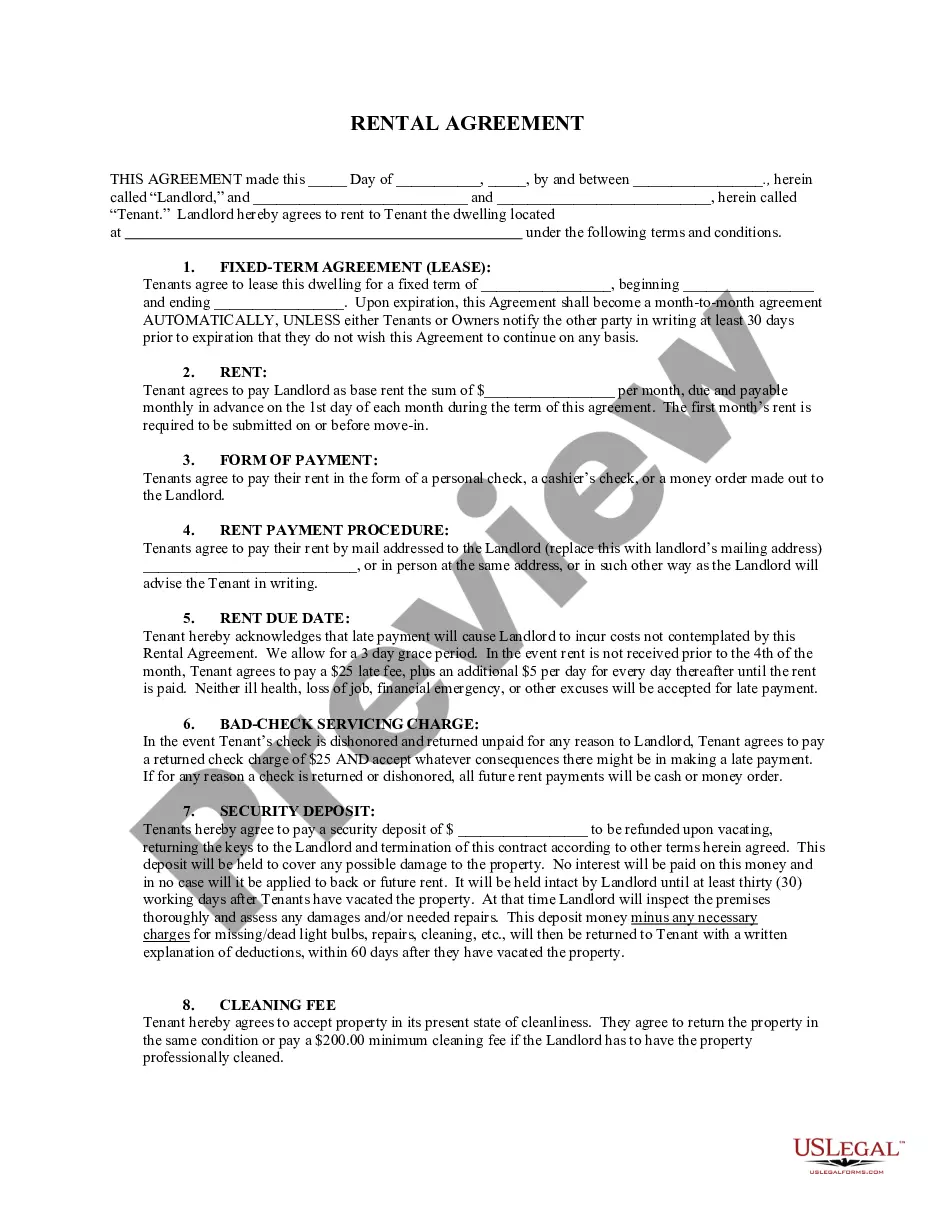
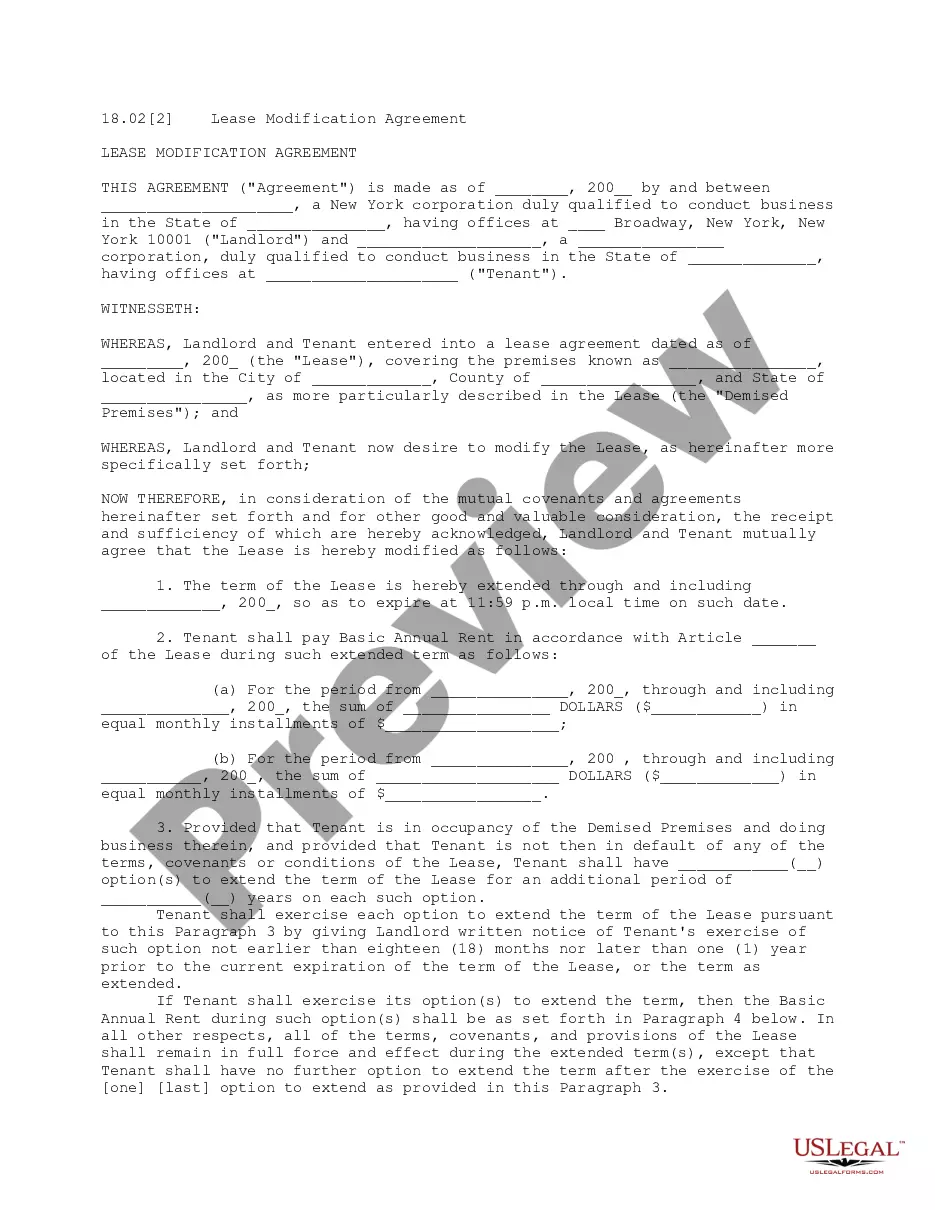
This form should be used when a tenant wishes to make improvements or alterations to a rental unit. It is particularly useful in situations where a tenant wants to personalize their living space, such as painting walls, installing shelves, or making other significant changes. Having a written agreement can prevent disputes and misunderstandings regarding the alterations, the associated costs, and what happens to the improvements upon the tenant's departure.
Who can use this document
- Landlords seeking to formalize agreements regarding tenant alterations
- Tenants who want to make improvements to their rented premises
- Property managers overseeing rental properties with alterations by tenants
Instructions for completing this form
- Identify the parties involved by entering the landlord's and tenant's names.
- Specify the details of the alterations the tenant wishes to make.
- Outline financial agreements regarding material and labor costs.
- Determine who will own the alterations and the conditions for their removal.
- Enter the timelines for payment and restoration obligations.
- Ensure both parties sign and date the agreement to validate it.
Does this document require notarization?
This form does not typically require notarization to be legally valid. However, some jurisdictions or document types may still require it. US Legal Forms provides secure online notarization powered by Notarize, available 24/7 for added convenience.
Get your form ready online
Our built-in tools help you complete, sign, share, and store your documents in one place.
Make edits, fill in missing information, and update formatting in US Legal Forms—just like you would in MS Word.
Download a copy, print it, send it by email, or mail it via USPS—whatever works best for your next step.
Sign and collect signatures with our SignNow integration. Send to multiple recipients, set reminders, and more. Go Premium to unlock E-Sign.
If this form requires notarization, complete it online through a secure video call—no need to meet a notary in person or wait for an appointment.
We protect your documents and personal data by following strict security and privacy standards.

Make edits, fill in missing information, and update formatting in US Legal Forms—just like you would in MS Word.

Download a copy, print it, send it by email, or mail it via USPS—whatever works best for your next step.

Sign and collect signatures with our SignNow integration. Send to multiple recipients, set reminders, and more. Go Premium to unlock E-Sign.

If this form requires notarization, complete it online through a secure video call—no need to meet a notary in person or wait for an appointment.

We protect your documents and personal data by following strict security and privacy standards.
Common mistakes to avoid
- Failing to provide clear details about the alterations allowed
- Not specifying who pays for the alterations and how much
- Neglecting to include terms regarding the restoration of the property
- Overlooking the need for signatures from all parties
Why use this form online
- Convenient access to professionally drafted legal forms
- Edit and customize the form according to specific needs
- Reliable templates created by licensed attorneys
- Time-saving for both landlords and tenants to finalize agreements
Looking for another form?
Form popularity
FAQ
In California, several actions are illegal for landlords, including retaliating against tenants for exercising their legal rights, failing to provide a habitable living environment, and entering your home without proper notice. Landlords must also refrain from discriminating against tenants for protected reasons such as race, gender, or family status. Understanding your rights detailed in the California Landlord Agreement to allow Tenant Alterations to Premises can safeguard you against potential landlord abuses. If any issues arise, consider using platforms like uslegalforms for assistance.
Yes, landlords can perform renovations while the unit is occupied; however, they must minimize disruptions to your living situation. In California, landlords should provide prior notice and reasonably accommodate your needs during renovations. It's beneficial to refer to your California Landlord Agreement to allow Tenant Alterations to Premises, as it may outline specifics about renovations and tenant rights. Planning and communication between you and your landlord can lead to a smoother renovation process.
Yes, your landlord can show your apartment while you are living there, but they must provide you with reasonable notice. Generally, California law requires at least 24 hours’ notice before such visits, unless it’s an emergency. This process ensures that your rights as a tenant are respected, and it is good practice for landlords to schedule these showings at convenient times for you. If you have a California Landlord Agreement to allow Tenant Alterations to Premises, it can clarify such terms.
Yes, you can renovate your apartment as an owner, but it is essential to understand any local laws or regulations before starting. In California, certain alterations may require a California Landlord Agreement to allow Tenant Alterations to Premises. This agreement helps ensure that renovations comply with safety and building codes. You should also consider informing your tenants and possibly getting their consent if applicable.
The alteration clause in a Memorandum of Agreement (MOA) specifies how tenants can alter the premises and what prior approvals are required. This clause helps set clear expectations for both landlords and tenants regarding modifications. When drafting a California Landlord Agreement to allow Tenant Alterations to Premises, including a well-defined alteration clause can prevent misunderstandings and enhance cooperation.
The principle of alteration in real estate revolves around the rights and responsibilities regarding changes made to a property. This principle emphasizes the legal balance between a landlord’s ownership and a tenant's right to personalize their living space. A California Landlord Agreement to allow Tenant Alterations to Premises provides a framework to navigate these complexities smoothly, fostering a positive relationship.
Alterations in a lease refer to any changes or modifications made to the rental premises by the tenant. These can include physical improvements, like adding partitions or changing fixtures. A California Landlord Agreement to allow Tenant Alterations to Premises should clearly define what constitutes an alteration to ensure proper communication and expectations between parties.
An alteration clause is a part of a lease agreement that outlines the rules regarding changes to the rental property. This clause specifies whether tenants can make modifications, such as renovations or improvements. In the context of a California Landlord Agreement to allow Tenant Alterations to Premises, it is essential for both landlords and tenants to understand these terms to avoid disputes.
Permitted use refers to the activities and purposes for which you can legally use the premises as outlined in your lease. This concept ensures that tenants are aware of boundaries regarding their rental space. Review your California Landlord Agreement to allow Tenant Alterations to Premises for specific information on permitted uses.
Making changes to a rented house is possible, but usually requires prior approval from your landlord. Depending on the California Landlord Agreement to allow Tenant Alterations to Premises, you may need to submit requests for both minor and major modifications. Always communicate clearly with your landlord to avoid any potential disputes.