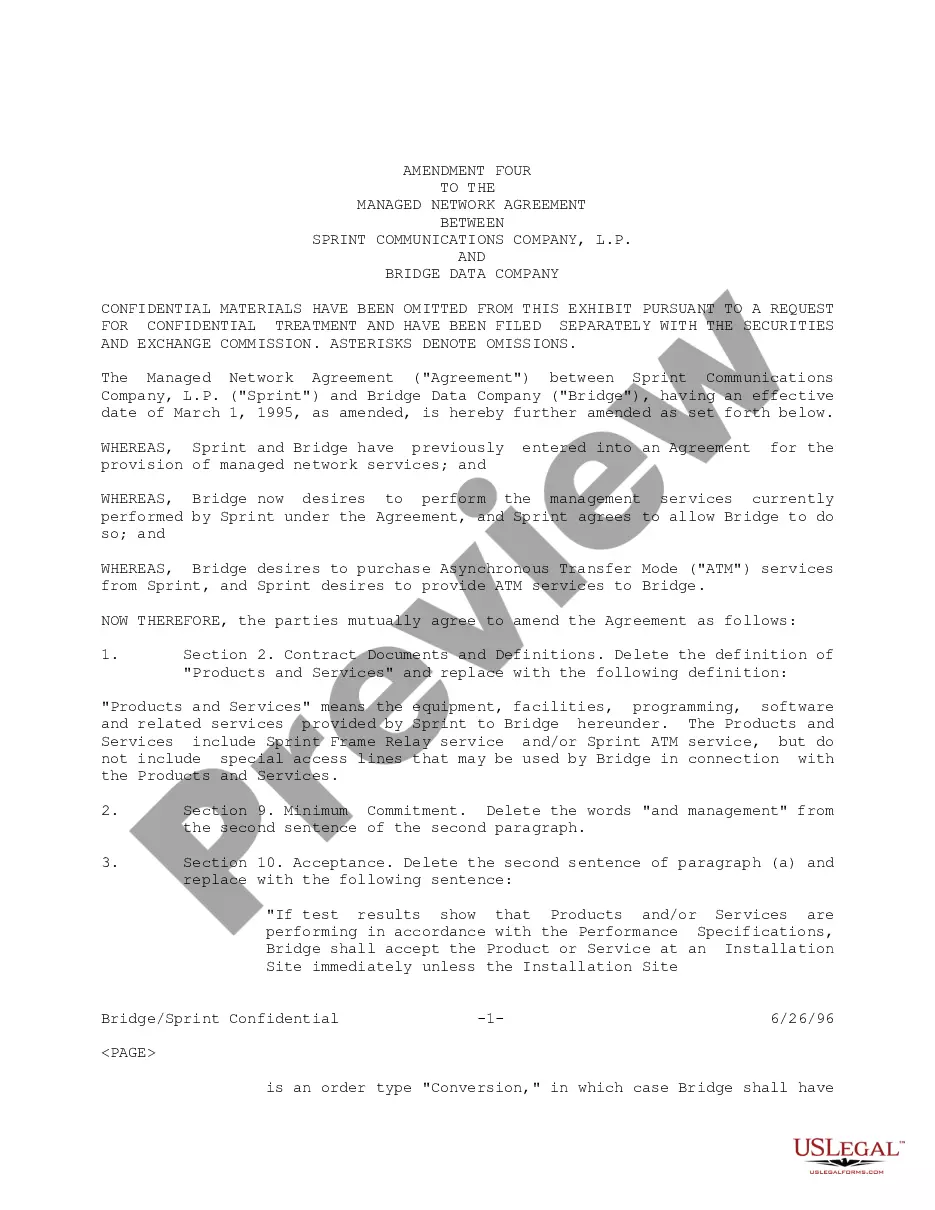
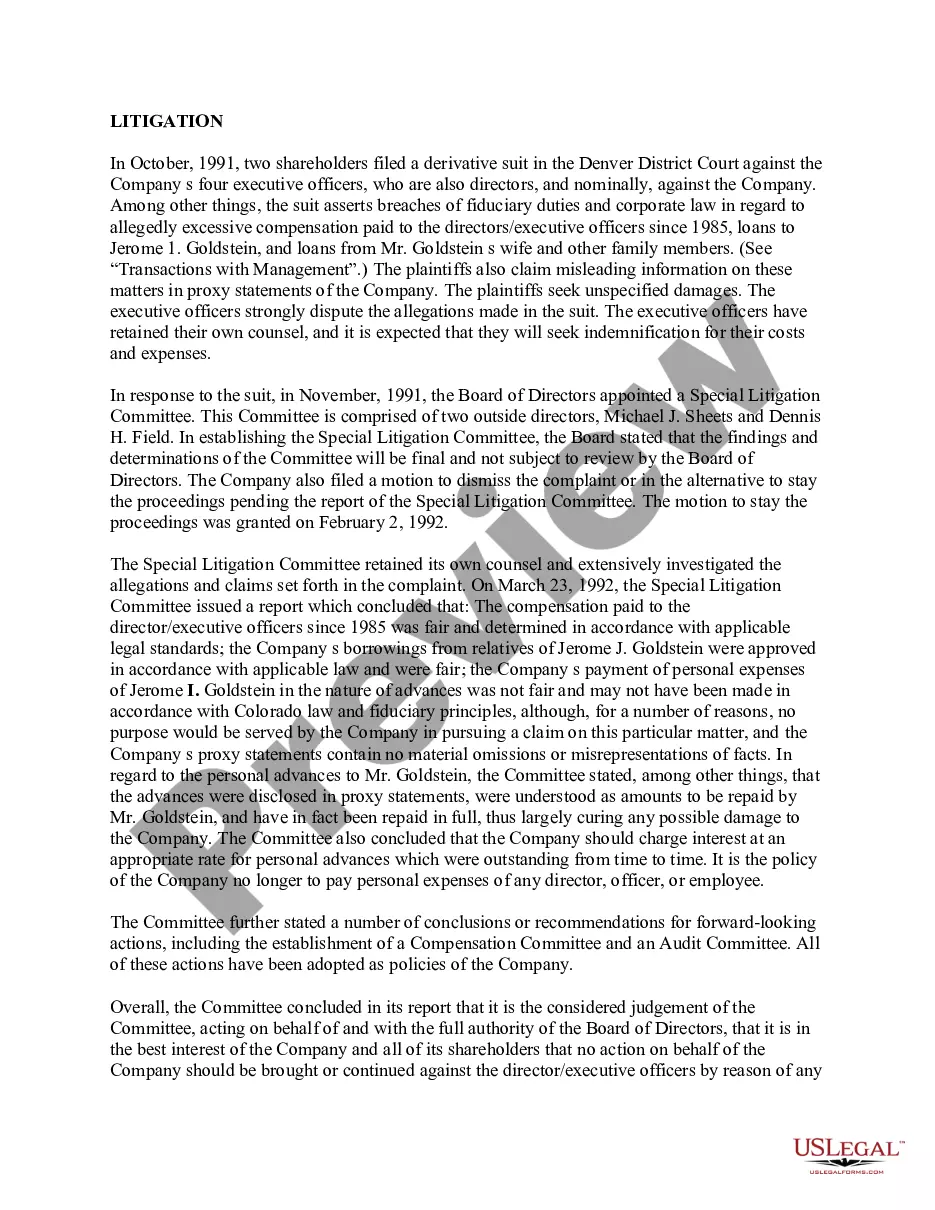
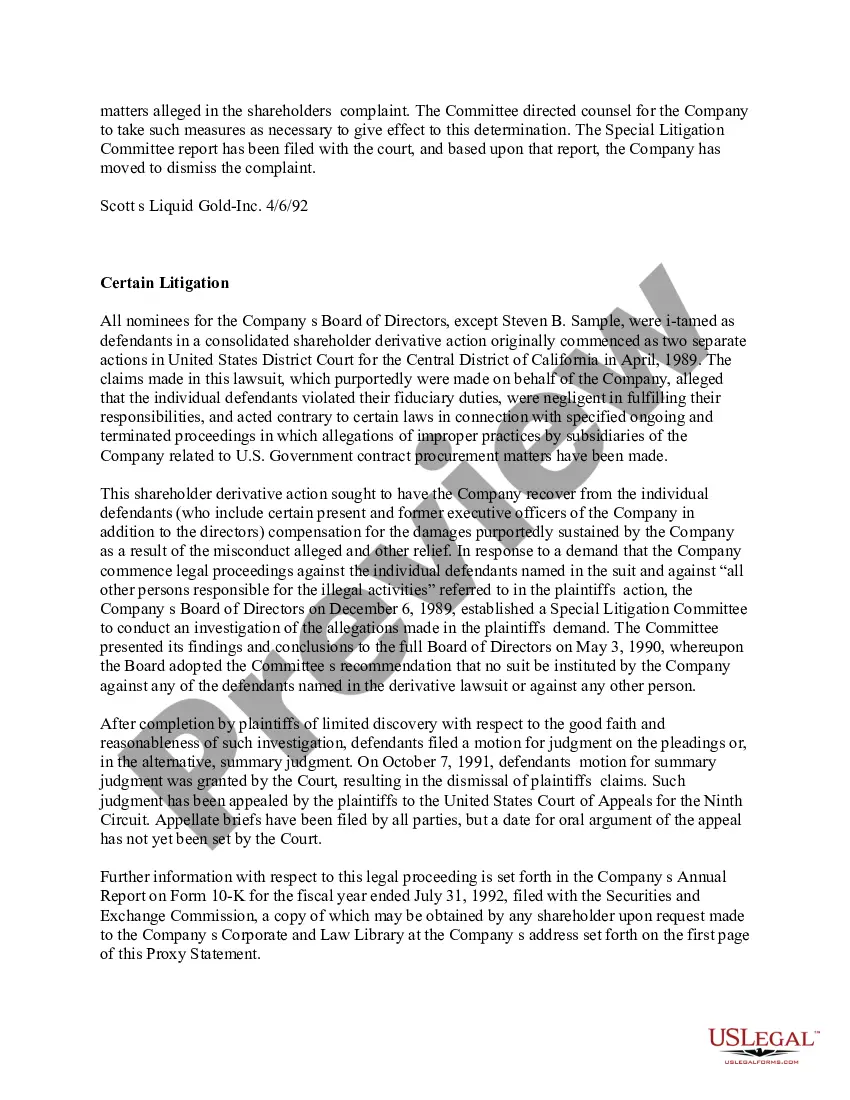
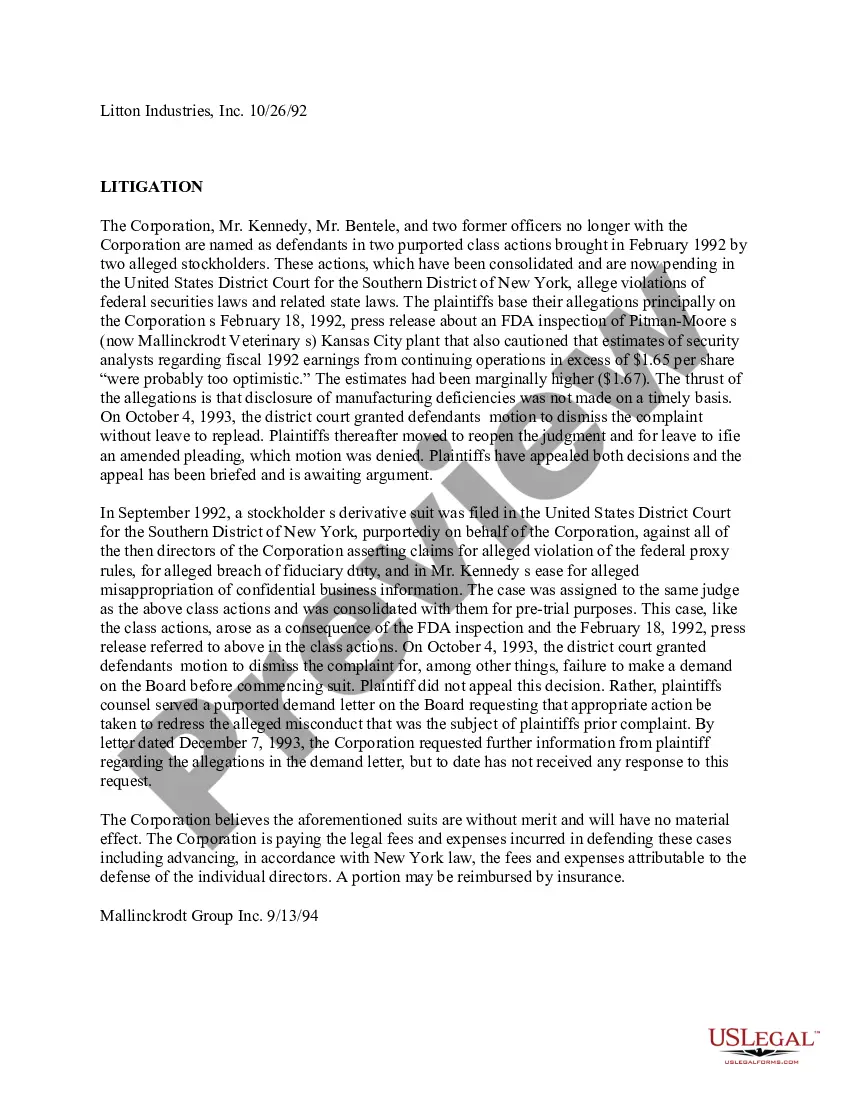
Arizona Stockholder derivative actions
Description
Get your form ready online
Our built-in tools help you complete, sign, share, and store your documents in one place.
Make edits, fill in missing information, and update formatting in US Legal Forms—just like you would in MS Word.
Download a copy, print it, send it by email, or mail it via USPS—whatever works best for your next step.
Sign and collect signatures with our SignNow integration. Send to multiple recipients, set reminders, and more. Go Premium to unlock E-Sign.
If this form requires notarization, complete it online through a secure video call—no need to meet a notary in person or wait for an appointment.
We protect your documents and personal data by following strict security and privacy standards.

Make edits, fill in missing information, and update formatting in US Legal Forms—just like you would in MS Word.

Download a copy, print it, send it by email, or mail it via USPS—whatever works best for your next step.

Sign and collect signatures with our SignNow integration. Send to multiple recipients, set reminders, and more. Go Premium to unlock E-Sign.

If this form requires notarization, complete it online through a secure video call—no need to meet a notary in person or wait for an appointment.

We protect your documents and personal data by following strict security and privacy standards.
Looking for another form?

How to fill out Stockholder Derivative Actions?
US Legal Forms - one of many biggest libraries of lawful varieties in America - offers a wide array of lawful papers web templates you may acquire or produce. Using the web site, you can find a huge number of varieties for organization and specific reasons, categorized by categories, suggests, or search phrases.You will find the latest types of varieties like the Arizona Stockholder derivative actions in seconds.
If you have a subscription, log in and acquire Arizona Stockholder derivative actions in the US Legal Forms collection. The Download key will appear on every kind you perspective. You have access to all earlier saved varieties inside the My Forms tab of your bank account.
If you would like use US Legal Forms the first time, listed below are straightforward instructions to help you started:
- Be sure to have chosen the right kind for the town/county. Select the Preview key to check the form`s content. Browse the kind explanation to ensure that you have chosen the proper kind.
- When the kind does not satisfy your demands, take advantage of the Research discipline towards the top of the screen to obtain the one that does.
- When you are pleased with the form, affirm your option by simply clicking the Get now key. Then, opt for the prices prepare you favor and offer your references to register for an bank account.
- Process the deal. Make use of your bank card or PayPal bank account to perform the deal.
- Pick the formatting and acquire the form on your own product.
- Make alterations. Fill out, change and produce and indicator the saved Arizona Stockholder derivative actions.
Every format you included in your money does not have an expiration date and is also the one you have forever. So, if you would like acquire or produce one more duplicate, just go to the My Forms portion and click on around the kind you want.
Get access to the Arizona Stockholder derivative actions with US Legal Forms, probably the most considerable collection of lawful papers web templates. Use a huge number of professional and condition-distinct web templates that satisfy your organization or specific demands and demands.
Form popularity
FAQ
The purpose of the disclosure requirements of this Rule 26.1 is to ensure that all parties are fairly informed of the facts, legal theories, witnesses, documents, and other information relevant to the action.
Examples of successful derivative actions may include lawsuits against directors or officers for mismanagement of funds, failure to divulge material information, or breach of fiduciary duty.
A derivative action may be settled, voluntarily dismissed, or compromised only with the court's approval. Notice of a proposed settlement, voluntary dismissal, or compromise must be given to shareholders or members in the manner that the court orders.
Rule 24(b). Upon timely application anyone may be permitted to intervene in an action: (1) When a statute confers a conditional right to intervene. (2) When an applicant's claim or defense and the main action have a question of law or fact in common.
A shareholder (stockholder) derivative suit is a lawsuit brought by a shareholder or group of shareholders on behalf of the corporation against the corporation's directors, officers, or other third parties who breach their duties. The claim of the suit is not personal but belongs to the corporation.
Rule 22 - Interpleader (a) Grounds (1)Generally. Interpleader is a procedure where one holding money or property subject to adverse claims may seek to avoid multiple liability by joining in a single action anyone who asserts or may assert claims to the money or property.
The derivative action is the route by which shareholders, usually minority shareholders, are able to enforce the company's rights where directors have breached their duties (since in these circumstances it is unlikely that the directors, who usually act on behalf of the company, will want to take action).
A derivative action may not be settled, voluntarily dismissed, or compromised without court approval. Notice of a proposed settlement, voluntary dismissal, or compromise must be given to shareholders, members, or partners-as applicable-in the manner that the court orders.
What is the difference between a stockholder's derivative suit and a class action? A derivative lawsuit is brought by a shareholder of a corporation for the benefit of the corporation. A shareholder's class action lawsuit is brought by a shareholder for the benefit of themselves and the other shareholders.