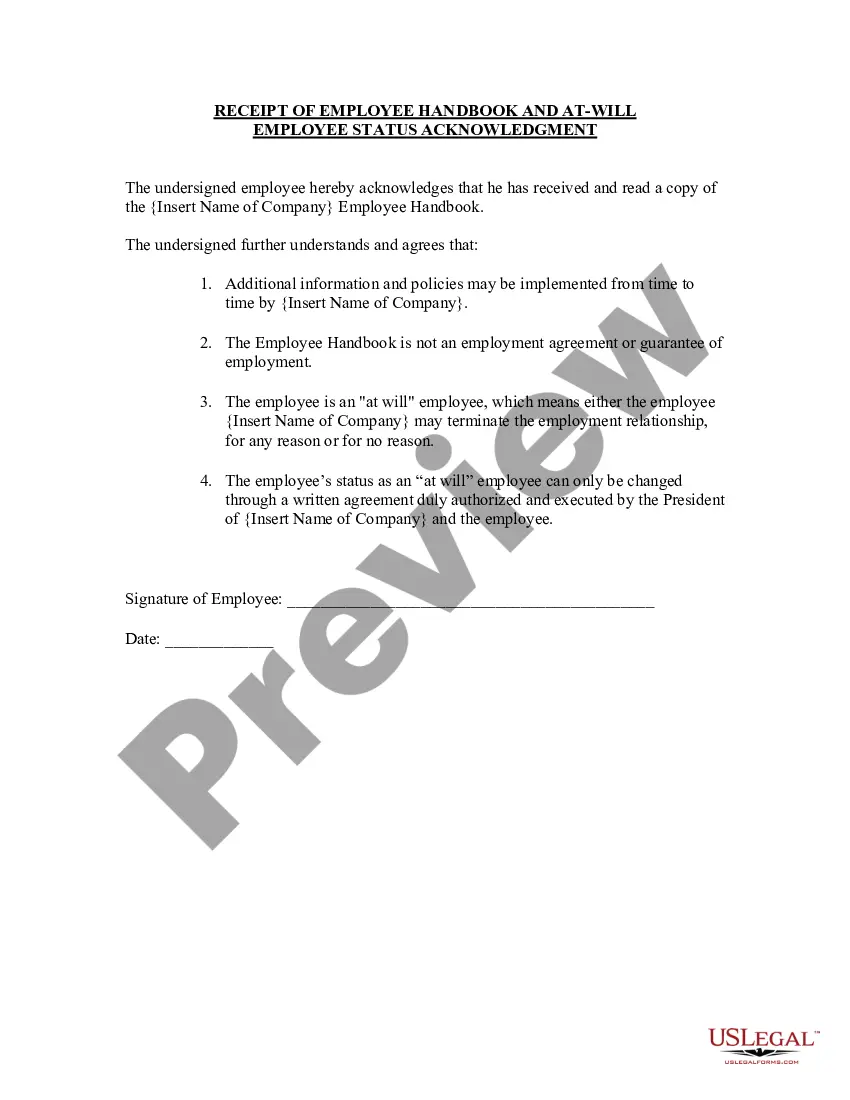
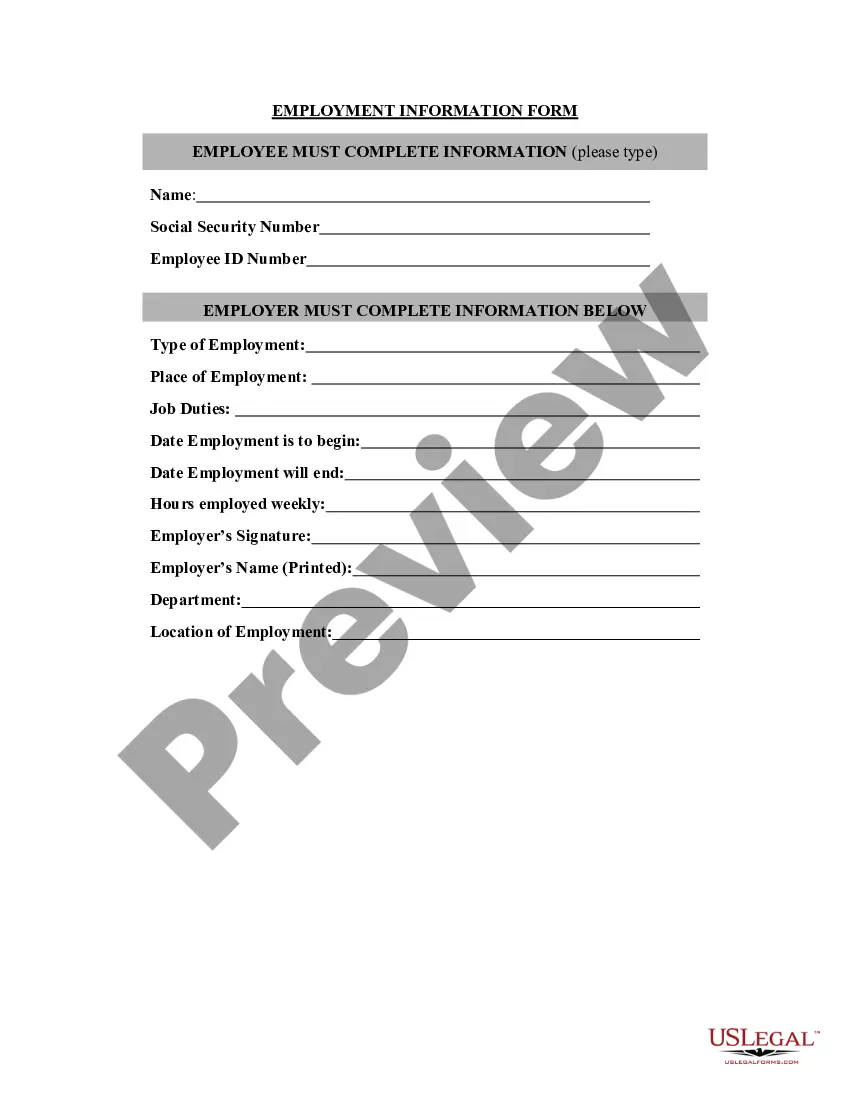
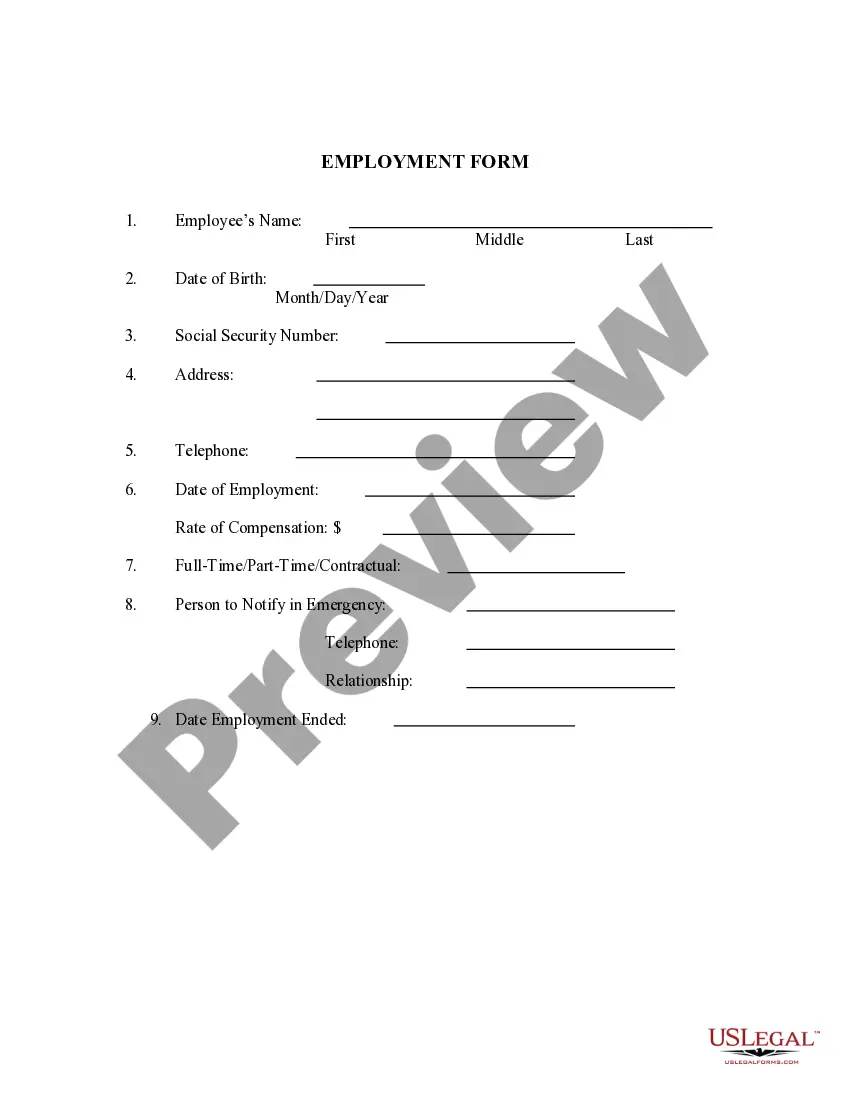
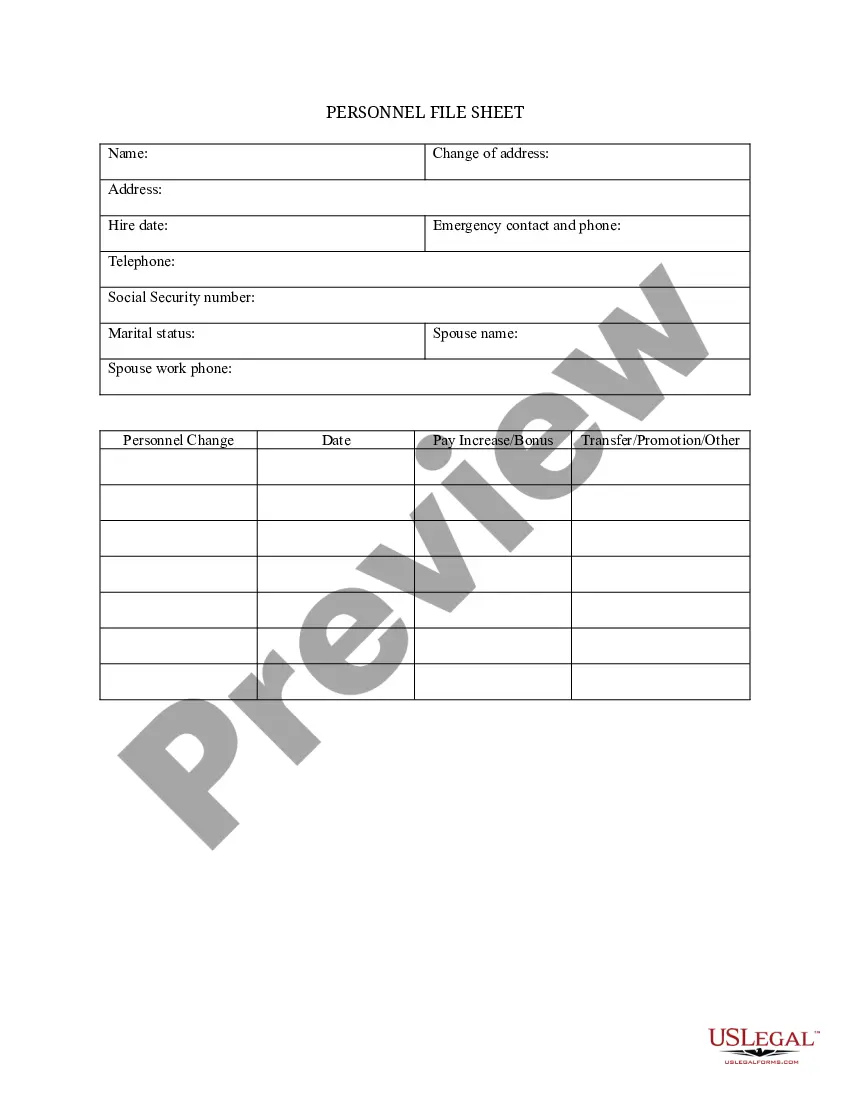
Arizona Request for Dual Employment
Description

Get your form ready online
Our built-in tools help you complete, sign, share, and store your documents in one place.
Make edits, fill in missing information, and update formatting in US Legal Forms—just like you would in MS Word.
Download a copy, print it, send it by email, or mail it via USPS—whatever works best for your next step.
Sign and collect signatures with our SignNow integration. Send to multiple recipients, set reminders, and more. Go Premium to unlock E-Sign.
If this form requires notarization, complete it online through a secure video call—no need to meet a notary in person or wait for an appointment.
We protect your documents and personal data by following strict security and privacy standards.

Make edits, fill in missing information, and update formatting in US Legal Forms—just like you would in MS Word.

Download a copy, print it, send it by email, or mail it via USPS—whatever works best for your next step.

Sign and collect signatures with our SignNow integration. Send to multiple recipients, set reminders, and more. Go Premium to unlock E-Sign.

If this form requires notarization, complete it online through a secure video call—no need to meet a notary in person or wait for an appointment.

We protect your documents and personal data by following strict security and privacy standards.
Looking for another form?




How to fill out Request For Dual Employment?
If you wish to obtain, download, or print authentic document formats, utilize US Legal Forms, the largest selection of legal templates available online.
Make use of the site's straightforward and user-friendly search feature to locate the documents you need.
Various templates for business and personal purposes are categorized by types and states, or by keywords.
Step 4. After locating the form you need, click the Buy now button. Choose the pricing plan you prefer and enter your details to register for an account.
Step 5. Complete the payment process. You can use your credit card or PayPal account to finalize the transaction.
- Utilize US Legal Forms to obtain the Arizona Request for Dual Employment with just a few clicks.
- If you are an existing US Legal Forms user, Log In to your account and select the Obtain button to find the Arizona Request for Dual Employment.
- You can also access templates you have previously downloaded within the My documents section of your account.
- If this is your first time using US Legal Forms, follow the instructions below.
- Step 1. Make sure you have chosen the form for your specific state/region.
- Step 2. Use the Review option to examine the form's content. Don't forget to read the description.
- Step 3. If you are not satisfied with the form, take advantage of the Search field at the top of the page to find alternative versions of the legal form template.
Form popularity
FAQ
At-will employment in Arizona means employers can terminate employees for any reason, though some exceptions exist. Exceptions include discrimination based on protected characteristics, retaliation against whistleblowers, and breaches of employment contracts. Understanding these exceptions is essential, especially when considering the Arizona Request for Dual Employment for your rights and protections.
Non-represented employees may hold dual employment appointments. Dual employment occurs when a staff employee who holds a full-time (100%) staff position in one department takes on an additional staff appointment in another department.
Yes, definitely you can work on both companies.
Can an employee have a second job? Legally speaking, there is nothing to stop an employee from having a second job. However, consideration needs to be given to the terms of the contract of employment as they may prohibit an employee from carrying out secondary employment.
Review your employment contractsThere are no legal restrictions on how many jobs you are allowed to work at one time. However, if you already have a full-time job and want to take on a second one, check your current employment contract or talk to human resources.
Where should the right boundaries be? California law makes it clear that it is unlawful for an employer to interfere with an employee's off-duty activities. It is not possible to forbid employees from taking other jobs or pursuing hobbies, endeavors, projects, or other efforts while they are not at the workplace.
Review your employment contractsThere are no legal restrictions on how many jobs you are allowed to work at one time. However, if you already have a full-time job and want to take on a second one, check your current employment contract or talk to human resources.
The efficiency of the employee will go down because he may be too tired by handling two jobs at a time. The second job may interfere with the first job or first with the second. There may be chances of breach of confidentiality. There may be conflict of interest.
Can an employee have a second job? Legally speaking, there is nothing to stop an employee from having a second job. However, consideration needs to be given to the terms of the contract of employment as they may prohibit an employee from carrying out secondary employment.
There is no provision under the Indian labour laws barring dual employment. Thus the Indian employment laws provide no specific provisions dealing with the legality of dual employment. But in the case of employees working in factories section 60 of the Factories Act 1948 lays restriction on double employment in India.