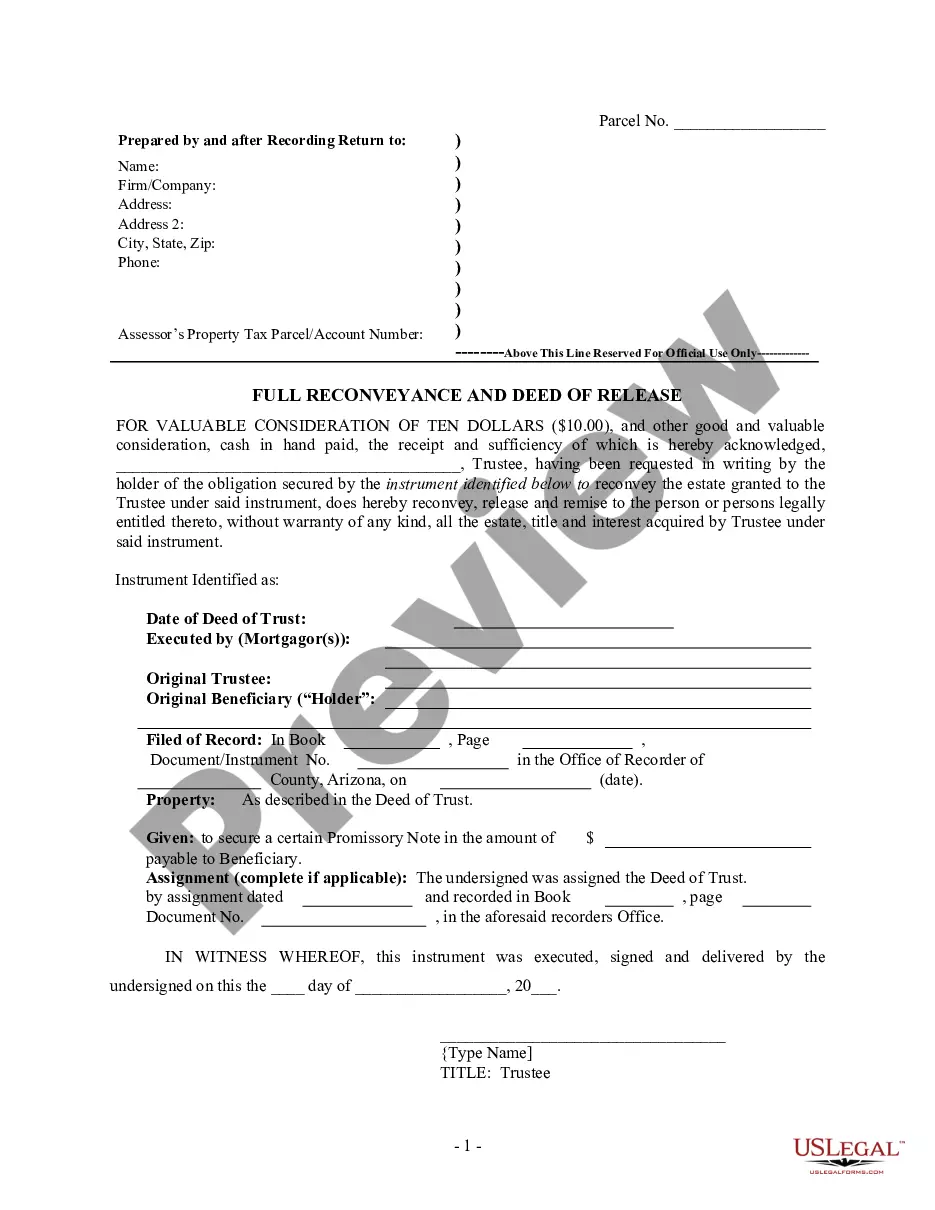
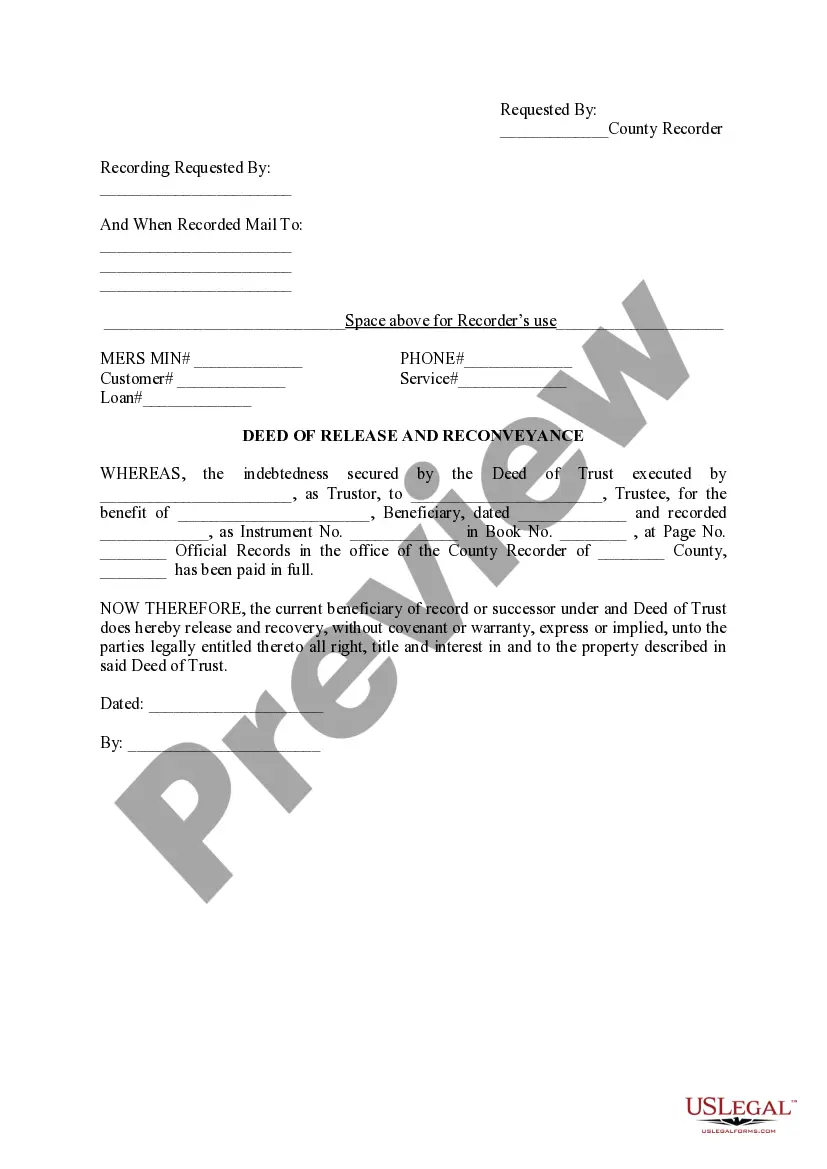
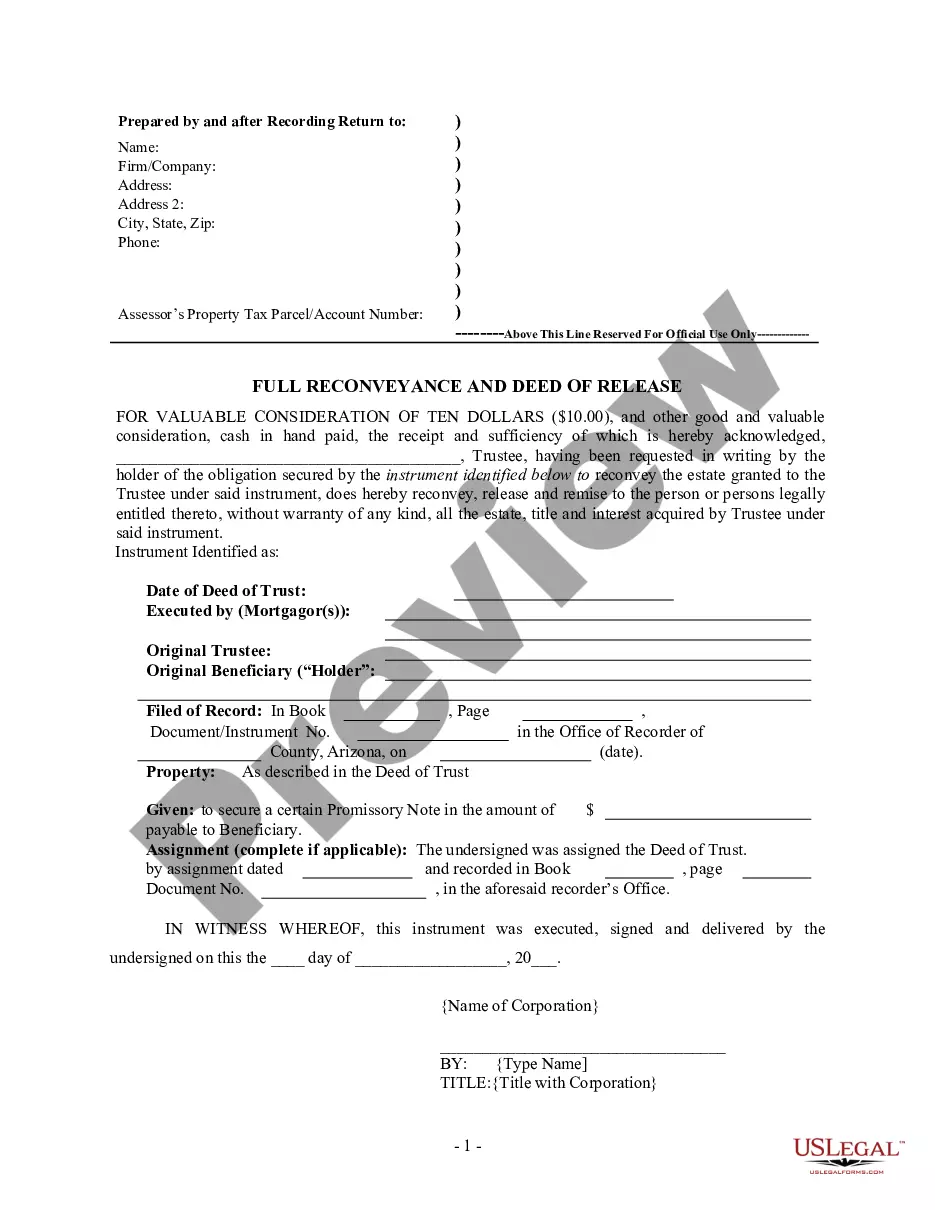
Full Reconveyance and Deed of Release - Satisfaction, Release or Cancellation of Deed of Trust by Individual
Assignments Generally: Lenders, or holders of mortgages or deeds of trust, often assign mortgages or deeds of trust to other lenders, or third parties. When this is done the assignee (person who received the assignment) steps into the place of the original lender or assignor. To effectuate an assignment, the general rules is that the assignment must be in proper written format and recorded to provide notice of the assignment.
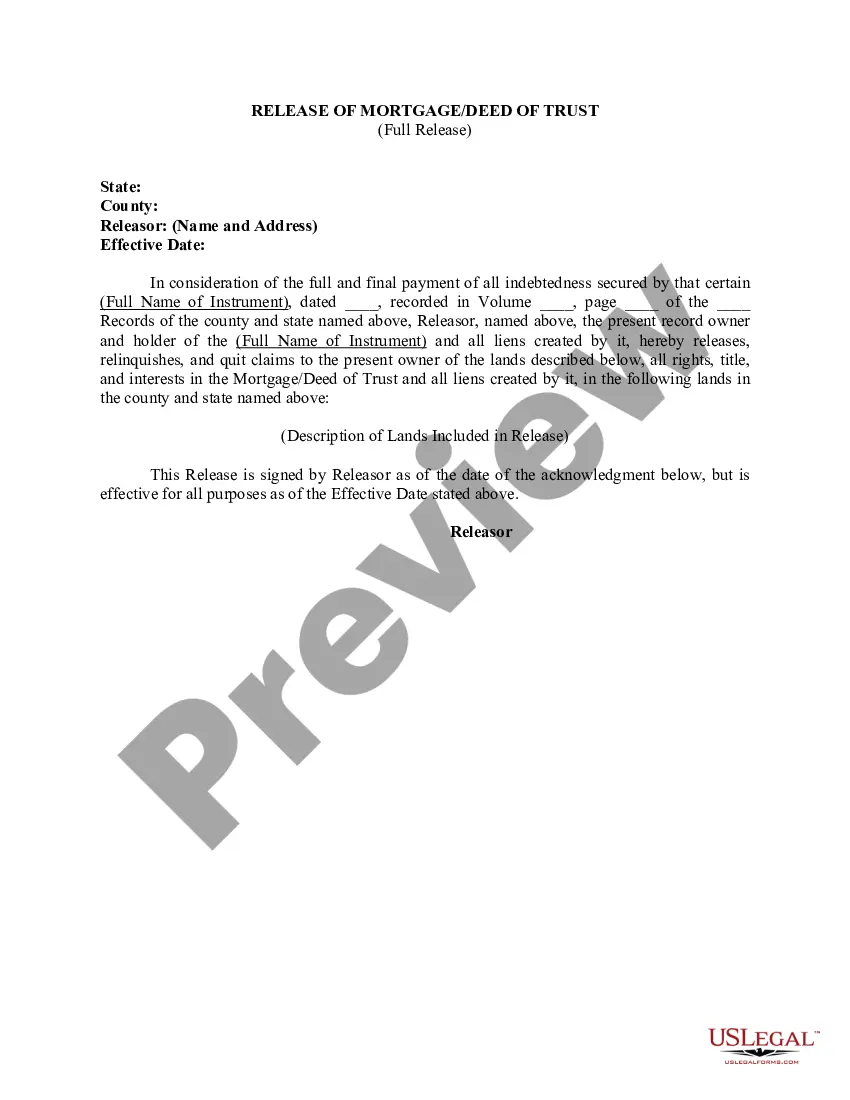
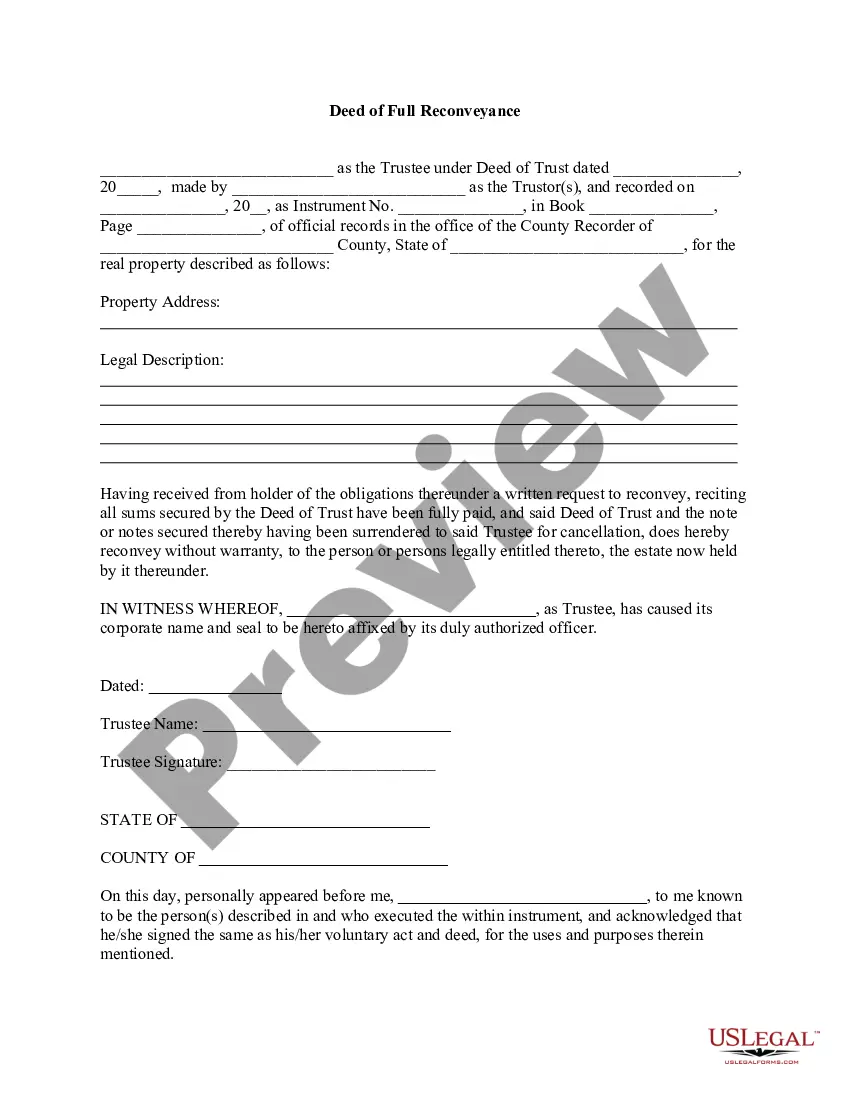
Satisfactions Generally: Once a mortgage or deed of trust is paid, the holder of the mortgage is required to satisfy the mortgage or deed of trust of record to show that the mortgage or deed of trust is no longer a lien on the property. The general rule is that the satisfaction must be in proper written format and recorded to provide notice of the satisfaction. If the lender fails to record a satisfaction within set time limits, the lender may be responsible for damages set by statute for failure to timely cancel the lien. Depending on your state, a satisfaction may be called a Satisfaction, Cancellation, or Reconveyance. Some states still recognize marginal satisfaction but this is slowly being phased out. A marginal satisfaction is where the holder of the mortgage physically goes to the recording office and enters a satisfaction on the face of the the recorded mortgage, which is attested by the clerk.
Arizona Law
Execution of Assignment or Satisfaction: Assignment must be signed by mortgagee. Satisfaction must be signed by mortgagee or trustee.
Assignment: An assignment of a mortgage may be recorded in like manner as a mortgage, and the record is notice to all persons subsequently deriving title to the mortgage from the assignor.
Demand to Satisfy: If the lender has failed to record the satisfaction of the deed of trust within 30 days of full payment, he becomes liable to the borrower for damages caused by the failure. If the borrower then sends a written request to record satisfaction by certified mail to the lender, and the lender fails to do so within 30 days of receipt thereof, then lender becomes liable for $1000 plus damages. (See below, sec. 33-712.)
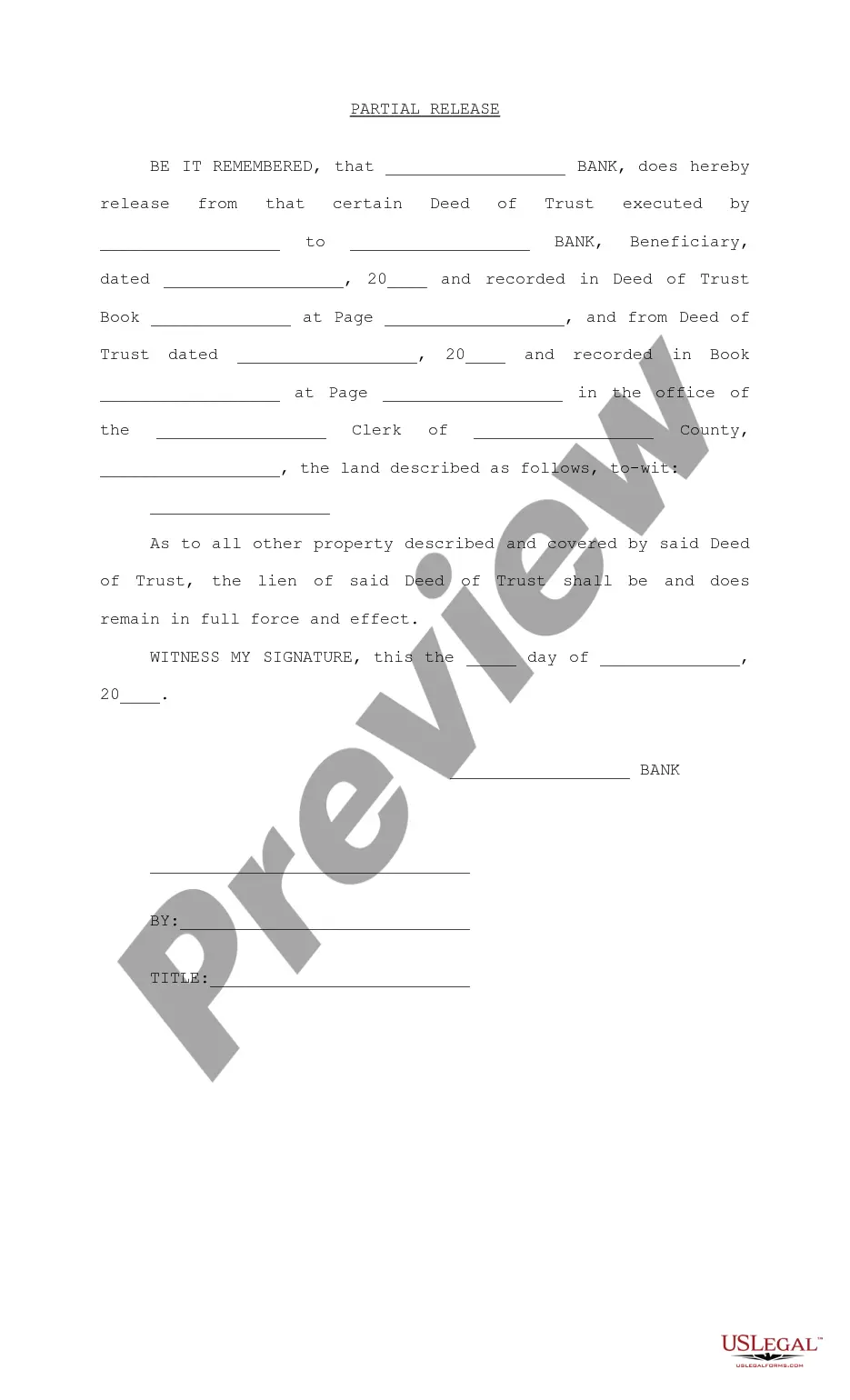
Recording Satisfaction: If a mortgagee, trustee or person entitled to payment receives full satisfaction of a mortgage or deed of trust, he shall acknowledge satisfaction of the mortgage or deed of trust by delivering to the person making satisfaction or by recording a sufficient release or satisfaction of mortgage or deed of release and reconveyance of the deed of trust, which release, satisfaction of mortgage or deed of release and reconveyance shall contain the docket and page number or recording number of the mortgage or deed of trust.
Marginal Satisfaction: Marginal satisfaction is still recognized.
Penalty: See above entry for Demand to Satisfy.
Acknowledgment: An assignment or satisfaction must contain a proper Arizona acknowledgment, or other acknowledgment approved by Statute.
Arizona Statutes
33-706. Assignment of mortgage; recording as notice
An assignment of a mortgage may be recorded in like manner as a mortgage, and the record is notice to all persons subsequently deriving title to the mortgage from the assignor.
33-707. Acknowledgment of satisfaction; recording
A. If a mortgagee, trustee or person entitled to payment receives full satisfaction of a mortgage or deed of trust, he shall acknowledge satisfaction of the mortgage or deed of trust by delivering to the person making satisfaction or by recording a sufficient release or satisfaction of mortgage or deed of release and reconveyance of the deed of trust, which release, satisfaction of mortgage or deed of release and reconveyance shall contain the docket and page number or recording number of the mortgage or deed of trust. If a mortgagee, trustee or person entitled to payment receives an amount less than full satisfaction of a mortgage or deed of trust, but has agreed in writing to release the mortgage or deed of trust, the mortgagee, trustee or person shall acknowledge release of the mortgage or deed of trust by delivering to the person making payment of the agreed amount that is less than full satisfaction or by recording a sufficient release of the mortgage or release and reconveyance of the deed of trust, which release or release and reconveyance shall contain the docket and page number or recording number of the mortgage or deed of trust. It shall not be necessary for the trustee to join in the acknowledgment or satisfaction, or in the release, satisfaction of mortgage or deed of release and reconveyance. The recorded release or satisfaction of mortgage or deed of release and reconveyance constitutes conclusive evidence of full or partial satisfaction and release of the mortgage or deed of trust in favor of purchasers and encumbrancers for value and without actual notice.
B. When a mortgage or deed of trust is satisfied by a release or satisfaction of mortgage or deed of release and reconveyance, except where the record of such deed of trust or mortgage has been destroyed or reduced to microfilm, the recorder shall record the release or satisfaction of the deed of trust or mortgage showing the book and page or recording number where the deed of trust or mortgage is recorded.
C. If the record of such mortgage or deed of trust has been destroyed and the record thereof reduced to microfilm, it shall be sufficient evidence of satisfaction of any such mortgage or deed of trust for the release or satisfaction of mortgage or deed of release and reconveyance to be recorded and indexed as such. The instrument shall sufficiently identify the mortgage or deed of trust by parties and by book and page or recording number of the official records. Such instrument shall be treated as a release or satisfaction of mortgage or deed of release and reconveyance and recorded.
D. If the note secured by a mortgage or deed of trust has been lost or destroyed, the assignee, mortgagee or beneficiary shall, before acknowledging satisfaction, make an affidavit that he is the lawful owner of the note and that it has been paid, but cannot be produced for the reason that it has been lost or destroyed, and the affidavit shall be recorded. If the record of such mortgage or deed of trust has been destroyed and the record thereof reduced to microfilm, such affidavit shall be recorded and indexed as releases, satisfactions of mortgage and deeds of release and reconveyance are recorded and indexed and shall have the same force and effect as a release or satisfaction of a mortgage or deed of release and reconveyance as provided in subsection A of this section.
E. If a full release or satisfaction of mortgage or deed of release and reconveyance of deed of trust that, according to its terms, recites that it secures an obligation having a stated indebtedness not greater than one million dollars exclusive of interest, or a partial release or satisfaction of mortgage or partial deed of release and reconveyance of deed of trust that, according to its terms, recites that the payment required for the partial satisfaction or release does not exceed one million dollars exclusive of interest, or a release of mortgage or deed of release and reconveyance of deed of trust by a mortgagee, trustee or person who has agreed in writing to release the mortgage or deed of trust in exchange for receipt of an amount less than full satisfaction of the mortgage or deed of trust and that, according to its terms, recites that it secures an obligation having a stated indebtedness not greater than one million dollars exclusive of interest, has not been executed and recorded pursuant to subsection A or C of this section within sixty days of full or partial satisfaction of the obligation secured by such mortgage or deed of trust, or within sixty days of the receipt by the mortgagee, trustee or other person of an amount less than full satisfaction if agreed in writing, a title insurer as defined in section 20-1562 may prepare, execute and record a full or partial release or satisfaction of mortgage or deed of full or partial release and reconveyance of deed of trust. No earlier than sixty days after full or partial satisfaction and at least thirty days prior to the issuance and recording of any such release or satisfaction of mortgage or deed of release and reconveyance pursuant to this subsection, the title insurer shall mail by certified mail with postage prepaid, return receipt requested, to the mortgagee of record or to the trustee and beneficiary of record and their respective successors in interest of record at their last known address shown of record and to any persons who according to the records of the title insurer received payment of the obligation at the address shown in such records, a notice of its intention to release the mortgage or deed of trust accompanied by a copy of the release or satisfaction of mortgage or deed of release and reconveyance to be recorded which shall set forth:
1. The name of the beneficiary or mortgagee or any successors in interest of record of such mortgagee or beneficiary and, if known, the name of any servicing agent.
2. The name of the original mortgagor or trustor.
3. The name of the current record owner of the property and if the release or satisfaction of mortgage or deed of release and reconveyance is a partial release, the name of the current record owner of the parcel described in the partial release or satisfaction of mortgage or deed of partial release and reconveyance of deed of trust.
4. The recording reference to the deed of trust or mortgage.
5. The date and amount of payment, if known.
6. A statement that the title insurer has actual knowledge that the obligation secured by the mortgage or deed of trust has been paid in full, or if the release or satisfaction of mortgage or deed of release and reconveyance of deed of trust is a partial release, a statement that the title insurer has actual knowledge that the partial payment required for the release of the parcel described in the partial release or satisfaction has been paid or, if the release of mortgage or deed or release and reconveyance of deed of trust results from a mortgagee's, trustee's of other person's written agreement to accept an amount less than full satisfaction of the obligation, a statement that the title insurer has actual knowledge that the agreed upon payment has been made in full.
F. The release or satisfaction of mortgage or release and reconveyance of deed of trust may be executed by a duly appointed attorney-in-fact of the title insurer, but such delegation shall not relieve the title insurer from any liability pursuant to this section.
G. A full or partial release or satisfaction of mortgage or deed of full or partial release and reconveyance of deed of trust issued pursuant to subsection E of this section shall be entitled to recordation and, when recorded, shall constitute a full or partial release or satisfaction of mortgage or deed of release and reconveyance of deed of trust issued pursuant to subsection A or C of this section.
H. Where an obligation secured by a deed of trust or mortgage was paid in full prior to September 21, 1991, and no release or satisfaction of mortgage or deed of release and reconveyance of deed of trust was issued and recorded by November 20, 1991, a release or satisfaction of mortgage or deed of release and reconveyance of deed of trust as provided for in subsection E of this section may be prepared and recorded without the notice prescribed by subsection E of this section.
I. A release or satisfaction of mortgage or a release and reconveyance of deed of trust by a title insurer under the provisions of subsection E of this section shall not constitute a defense nor release any person from compliance with subsections A through D of this section or from liability under section 33-712.
J. In addition to any other remedy provided by law, a title insurer preparing or recording the release and satisfaction of mortgage or the release and reconveyance of deed of trust pursuant to subsection E of this section shall be liable to any party for actual damage, including attorney fees, which any person may sustain by reason of the issuance and recording of the release and satisfaction of mortgage or release and reconveyance of deed of trust.
K. The title insurer shall not record a release and satisfaction of mortgage or release and reconveyance of deed of trust if, prior to the expiration of the thirty day period specified in subsection E of this section, the title insurer receives a notice from the mortgagee, trustee, beneficiary, holder or servicing agent which states that the mortgage or deed of trust continues to secure an obligation, or in the case of a partial release or satisfaction of mortgage or deed of partial release and reconveyance of deed of trust, a notice that states that the partial payment required to release the parcel described in the partial release or satisfaction has not been paid.
L. The title insurer may charge a reasonable fee to the owner of the land or other person requesting a release and satisfaction of mortgage or release and reconveyance of deed of trust for services, including but not limited to search of title, document preparation and mailing services rendered, and may in addition collect official fees.
33-708. Release by attorney in fact
An attorney in fact to whom the money due on a mortgage or deed of trust is paid may execute the release provided for in this article. Such acknowledgment of satisfaction or deed of release, duly acknowledged and recorded, showing the docket and page or recording number, releases the mortgage or deed of trust and revests in the mortgagor or person who executed the deed of trust, or his legal representatives, all title to the property affected by the mortgage or deed of trust.
33-709. Acknowledgment of satisfaction by personal representative of mortgagee to whom indebtedness was paid before death
The executor or administrator of a mortgagee or of the holder or owner of an indebtedness secured by a mortgage or deed of trust shall, if the indebtedness was paid to the decedent in his lifetime, acknowledge satisfaction thereof by delivering to such person a sufficient release, satisfaction of mortgage or deed of release of the mortgage or deed of trust or acknowledge satisfaction as provided in subsection C of section 33-707. If the executor or administrator, upon proof to him of the payment of the indebtedness to his decedent, does not, within thirty days, acknowledge satisfaction by delivering to the person owning the property a sufficient release, satisfaction of mortgage or deed of release, or acknowledge satisfaction as provided in subsection C of section 33-707, he shall personally forfeit to the party aggrieved one hundred dollars and be personally liable for the damages thereby sustained. The executor or administrator shall not be liable to the estate of which he is executor or administrator for any indebtedness by mortgage or deed of trust released by him in accordance with this section.
33-712. Liability for failure to acknowledge satisfaction
A. If any person receiving satisfaction of a mortgage or deed of trust shall, within thirty days, fail to record or cause to be recorded, with the recorder of the county in which the mortgage or deed of trust was recorded, a sufficient release, satisfaction of mortgage or deed of release or acknowledge satisfaction as provided in section 33-707, subsection C, he shall be liable to the mortgagor, trustor or current property owner for actual damages occasioned by the neglect or refusal.
B. If, after the expiration of the time provided in subsection A of this section, the person fails to record or cause to be recorded a sufficient release and continues to do so for more than thirty days after receiving a written request which identifies a certain mortgage or deed of trust by certified mail from the mortgagor, trustor, current property owner or his agent, he shall be liable to the mortgagor, trustor or current property owner for one thousand dollars, in addition to any actual damage occasioned by the neglect or refusal.
C. Any action to enforce the provisions of this section, including any action to recover amounts due under this section, shall be brought and maintained in the individual names of, and shall be prosecuted by, persons entitled to recover under the terms thereof, and not in a representative capacity or otherwise. This subsection shall apply to all actions under this section, whether brought before or after July 13, 1988.