Arizona Apartment Rules and Regulations
Overview of this form
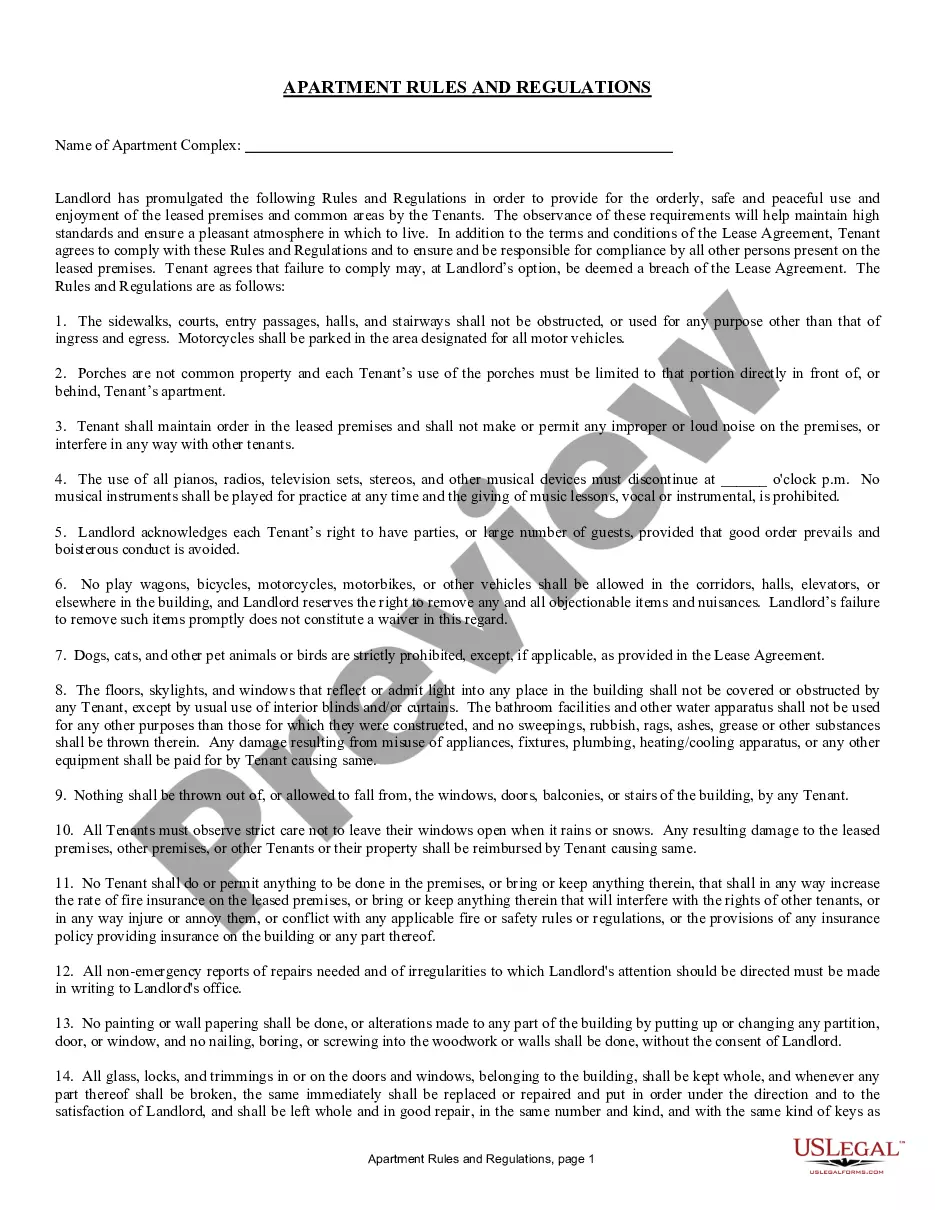
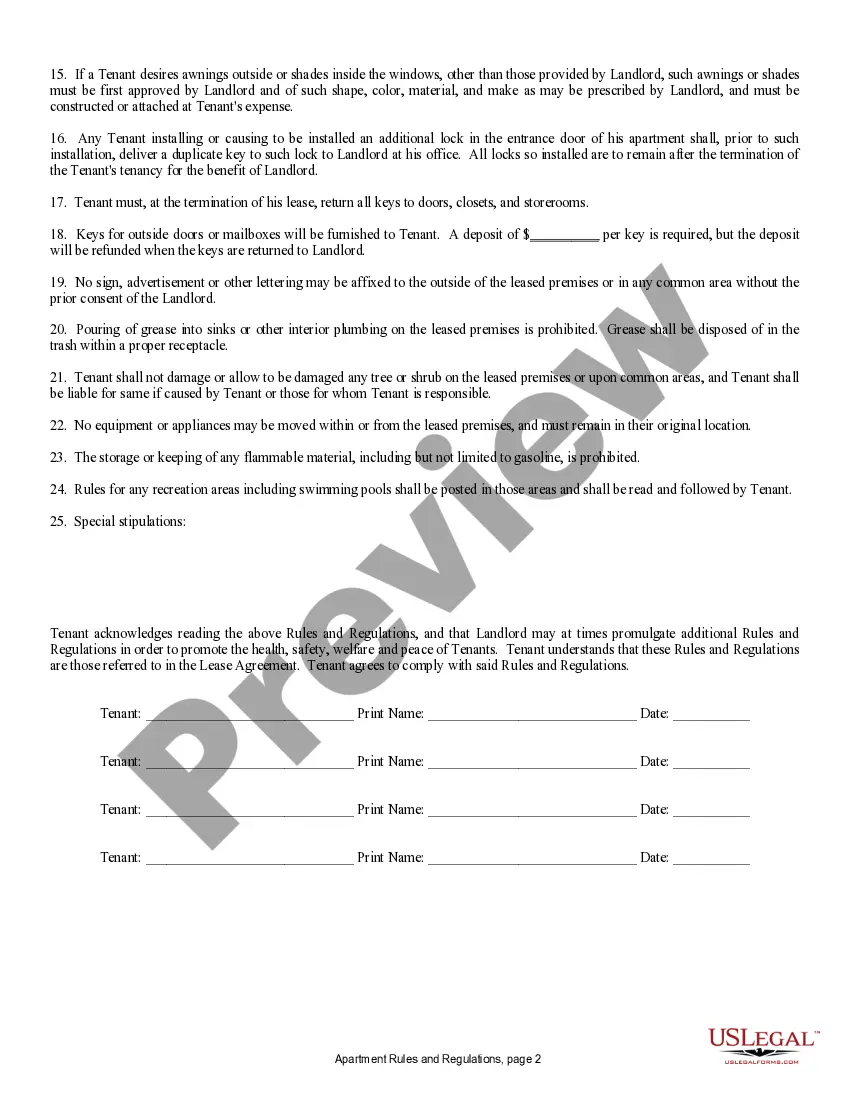
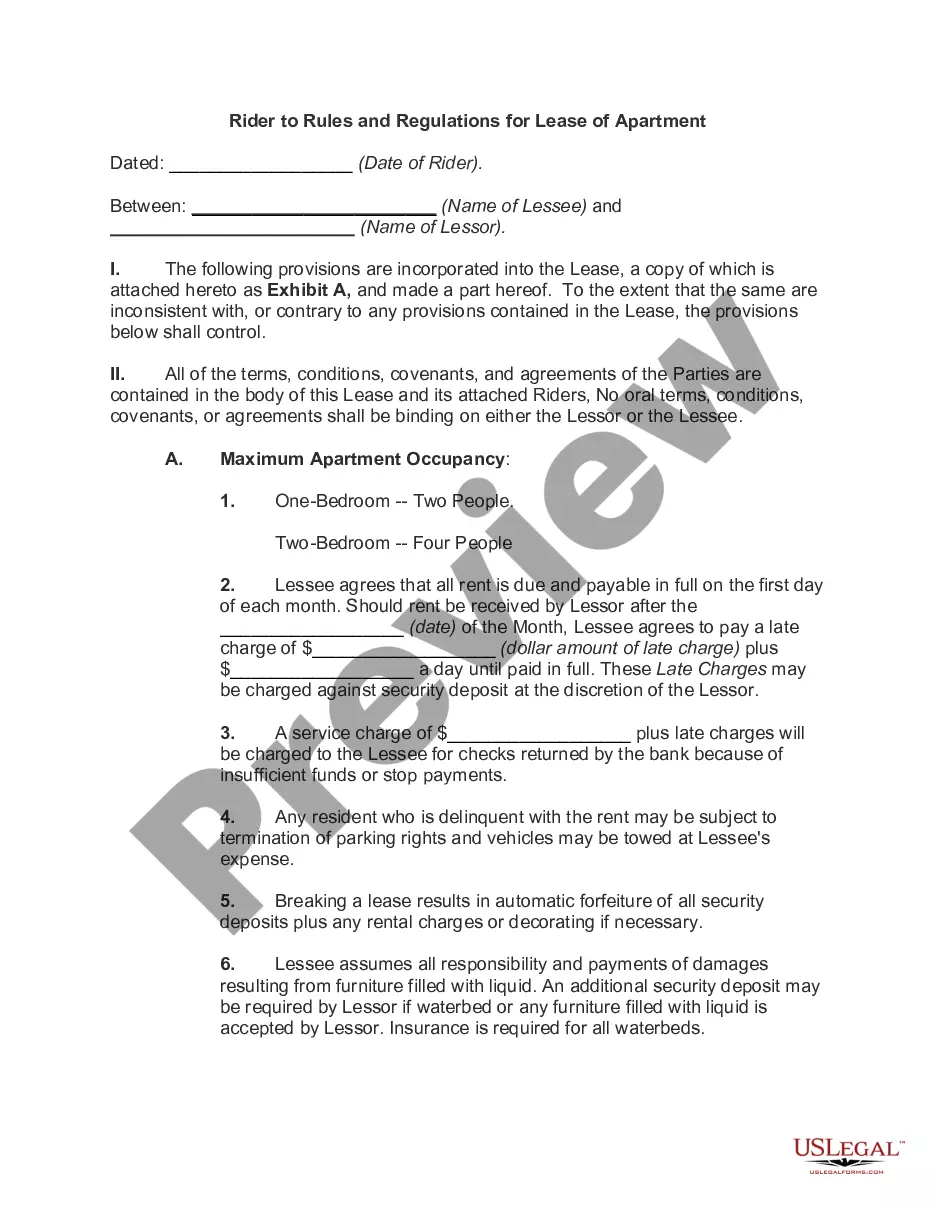
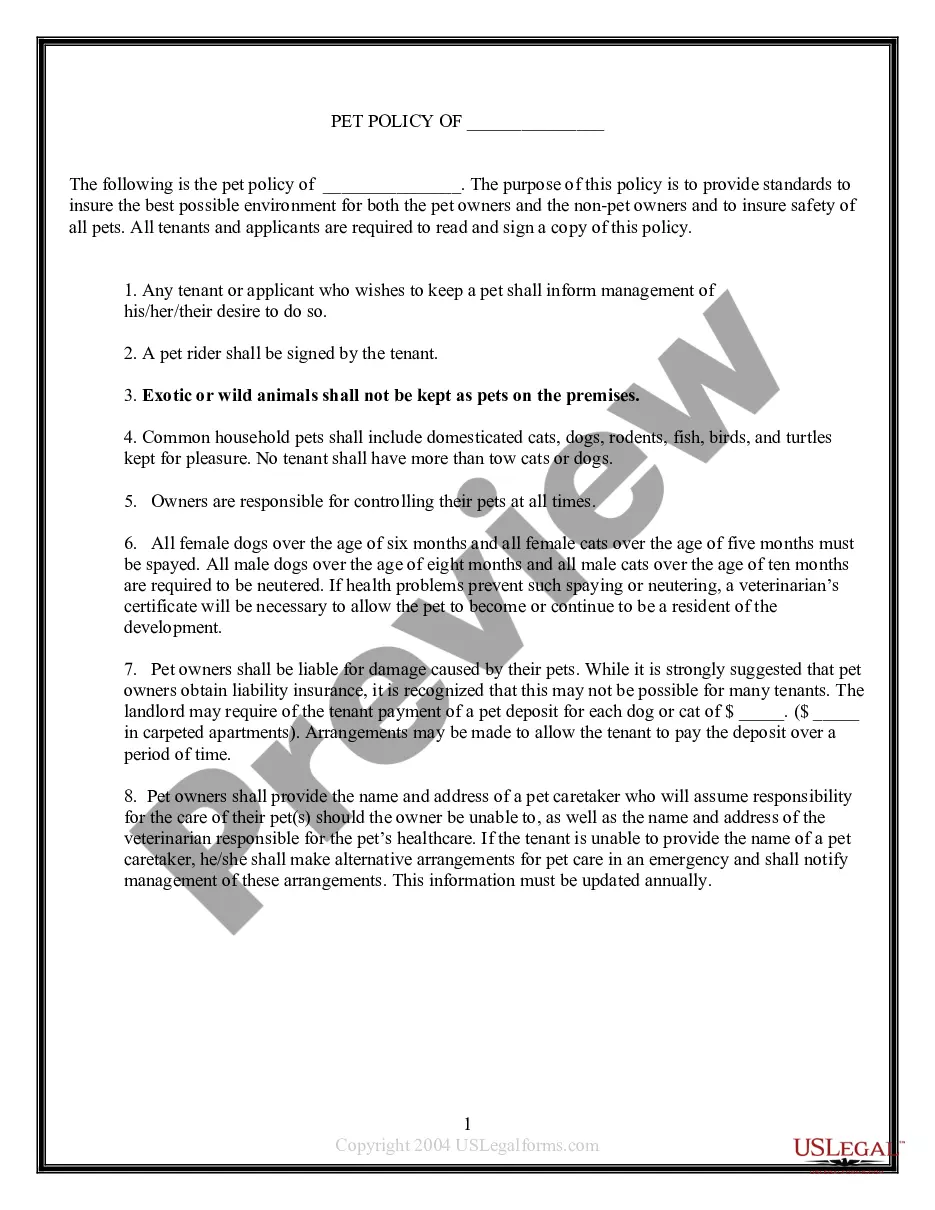
The Apartment Rules and Regulations form provides a set of rules and guidelines that tenants must follow to ensure a safe and peaceful living environment. Unlike the Apartment Lease Agreement, which outlines the specific terms of the tenancy, this form focuses on daily conduct and communal living standards within the apartment complex. This helps landlords maintain order and ensures tenants understand their responsibilities while residing in the property.
Key parts of this document
- Name of the apartment complex.
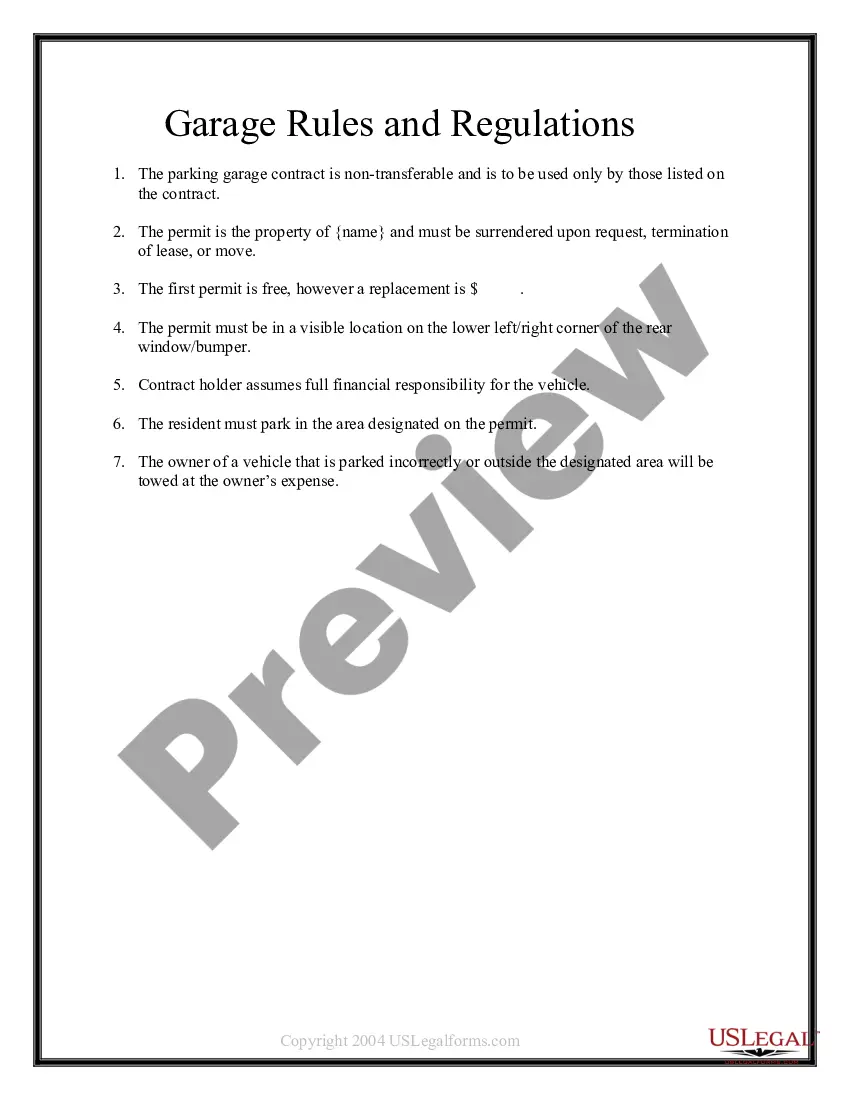
- List of rules regarding communal areas, tenant behavior, and property maintenance.
- Responsibilities concerning pets, noise levels, and property alterations.
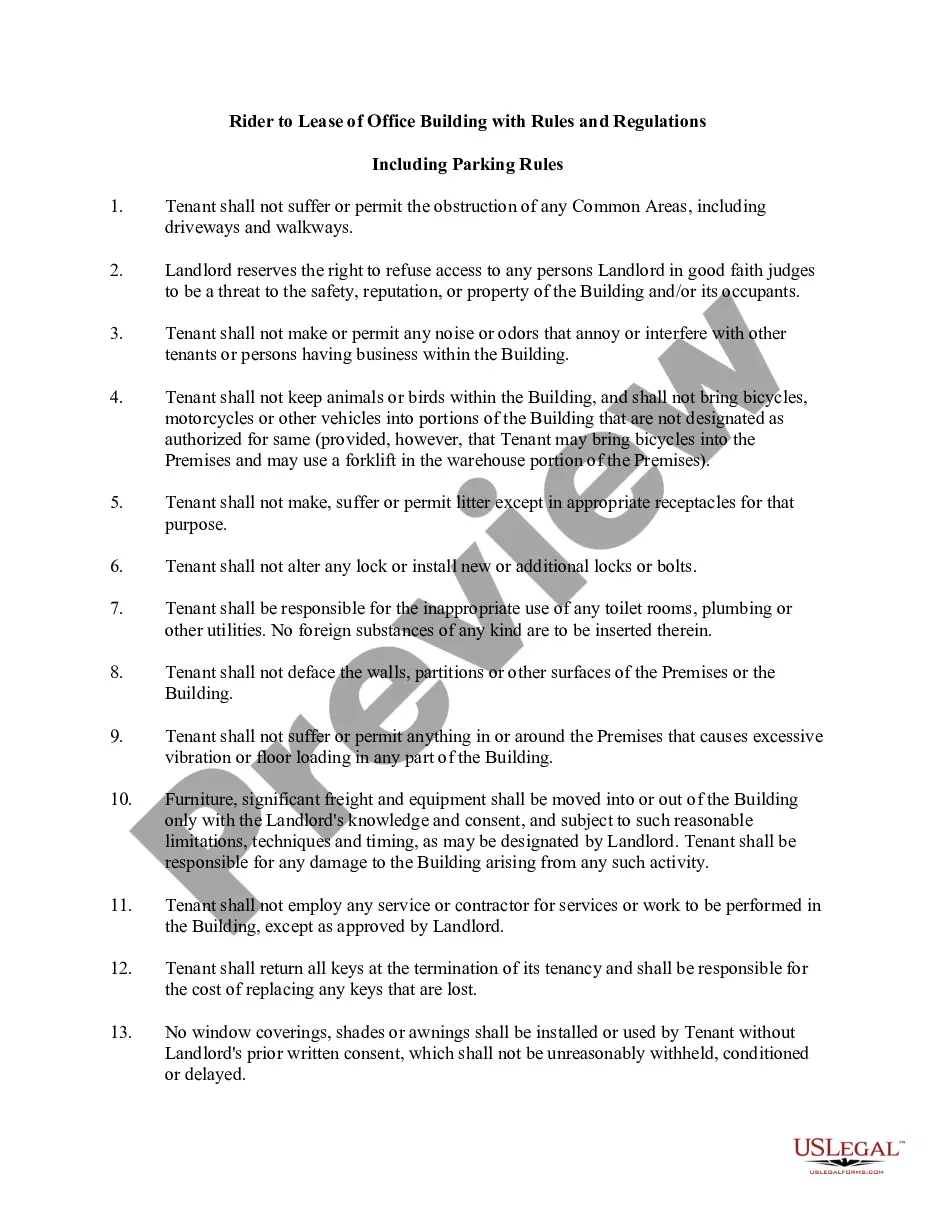
- Procedures for reporting repairs and keeping common areas clear.
- Regulations related to the use of locks, keys, and any alterations to rented space.
When to use this document
This form should be used when a landlord wishes to establish clear expectations for tenant behavior in an apartment complex. It is applicable when new tenants sign their lease or when existing tenants need to be reminded of the rules governing their living space. It ensures that both landlords and tenants are on the same page regarding acceptable conduct and property maintenance.
Who can use this document
- Landlords looking to outline the standards of conduct for their tenants.
- Tenant associations seeking to clarify community rules.
- Property managers who manage apartment complexes and want to set communal living guidelines.
- Tenants wanting to understand their rights and responsibilities within their living environment.
Completing this form step by step
- Begin by filling in the name of the apartment complex at the top of the form.
- Review the outlined rules and regulations to ensure understanding.
- Enter any specific details where indicated, such as time restrictions and deposits for keys.
- Have each tenant or participant sign and date the form to acknowledge acceptance of the rules.
- Distribute copies of the completed form to all tenants to ensure everyone has access to the regulations.
Notarization guidance
In most cases, this form does not require notarization. However, some jurisdictions or signing circumstances might. US Legal Forms offers online notarization powered by Notarize, accessible 24/7 for a quick, remote process.
Get your form ready online
Our built-in tools help you complete, sign, share, and store your documents in one place.
Make edits, fill in missing information, and update formatting in US Legal Forms—just like you would in MS Word.
Download a copy, print it, send it by email, or mail it via USPS—whatever works best for your next step.
Sign and collect signatures with our SignNow integration. Send to multiple recipients, set reminders, and more. Go Premium to unlock E-Sign.
If this form requires notarization, complete it online through a secure video call—no need to meet a notary in person or wait for an appointment.
We protect your documents and personal data by following strict security and privacy standards.

Make edits, fill in missing information, and update formatting in US Legal Forms—just like you would in MS Word.

Download a copy, print it, send it by email, or mail it via USPS—whatever works best for your next step.

Sign and collect signatures with our SignNow integration. Send to multiple recipients, set reminders, and more. Go Premium to unlock E-Sign.

If this form requires notarization, complete it online through a secure video call—no need to meet a notary in person or wait for an appointment.

We protect your documents and personal data by following strict security and privacy standards.
Avoid these common issues
- Failing to have all tenants sign the form, which can lead to misunderstandings.
- Not updating the form when rules change or when tenants move in or out.
- Neglecting to clearly communicate the consequences of violating the rules.
Why complete this form online
- Easy access to a professionally prepared legal document that saves time.
- Customizable fields make it adaptable to specific needs and situations.
- Formalizes expectations, reducing potential conflicts between landlords and tenants.
Legal use & context
- Establishing apartment rules helps protect the landlord from liability by ensuring tenant compliance.
- Having signed rules on file can serve as evidence in disputes regarding tenant behavior.
Key takeaways
- The Apartment Rules and Regulations form clarifies expected tenant behavior.
- Each tenant must acknowledge their understanding of these rules.
- This form helps to maintain a respectful living environment and prevent disputes.
Looking for another form?
Form popularity
FAQ
A tenant in Arizona must provide written notice to their landlord at least 30 days before moving out. This requirement enables landlords to prepare for a new tenant and helps ensure a smooth transition for both parties. Being mindful of these Arizona Apartment Rules and Regulations can make the moving process less stressful and help you avoid potential disputes with your landlord.
Landlords in Arizona have several obligations to their tenants, including maintaining the property and ensuring it meets health and safety standards. Additionally, landlords must provide proper notice for entry and respect tenant privacy. Knowing these obligations, as outlined in the Arizona Apartment Rules and Regulations, helps tenants understand their rights and can improve the rental experience for everyone involved.
In Arizona, a landlord must provide written notice to a tenant at least 30 days before the lease expiration date if they do not intend to renew the lease. This notice allows tenants time to make necessary arrangements if they need to find a new place to live. Familiarizing yourself with these Arizona Apartment Rules and Regulations ensures you are well-prepared for any lease discussions with your landlord.
The new law for renters in Arizona addresses several issues in the rental market, particularly regarding tenant rights and landlord responsibilities. It emphasizes fair treatment of tenants, ensuring they receive essential information about the property. Understanding these Arizona Apartment Rules and Regulations can help renters feel more secure in their living conditions and foster a better landlord-tenant relationship.
Yes, you can report an apartment complex to the Better Business Bureau (BBB) if you have experienced unsatisfactory service or unethical practices. The BBB serves as a platform for consumers to voice their concerns about businesses. When addressing your issue, ensure to reference relevant Arizona Apartment Rules and Regulations to strengthen your report.
In Arizona, you can file a complaint against your landlord with the Arizona Department of Housing, which oversees tenant-landlord disputes. Additionally, local consumer protection agencies may offer assistance. Understanding your rights under Arizona Apartment Rules and Regulations will empower you as you navigate the complaint process.
Writing a complaint letter to your apartment complex involves clearly stating your issue and referencing the appropriate Arizona Apartment Rules and Regulations. Begin with your contact information, followed by a concise description of the problem, and include any steps you've taken to resolve it. Always keep a copy of your letter for your records.
To take legal action against an apartment complex, you should first gather all relevant evidence regarding your claim. After addressing your concerns with management, if they remain unresolved, consider filing a complaint in small claims court. Arizona Apartment Rules and Regulations allow tenants to pursue justice for various grievances, and using a platform like USLegalForms can streamline the process of filing the necessary paperwork.
Yes, you can sue your apartment complex if you experience unsafe living conditions. Under Arizona Apartment Rules and Regulations, landlords must provide a livable environment, which includes maintaining safe premises. If they fail to do so, you may have grounds to take legal action. It's advisable to document all issues and seek legal advice to strengthen your case.
The new rent laws in Arizona reflect a growing emphasis on tenant rights as part of the state's Apartment Rules and Regulations. These laws address issues such as the timing of rent increases and the condition of rental properties. Knowing your rights as a tenant can help you navigate any challenges you may face in your rental experience.