Arizona Substitution of Trustee for Deed of Trust
What is this form?
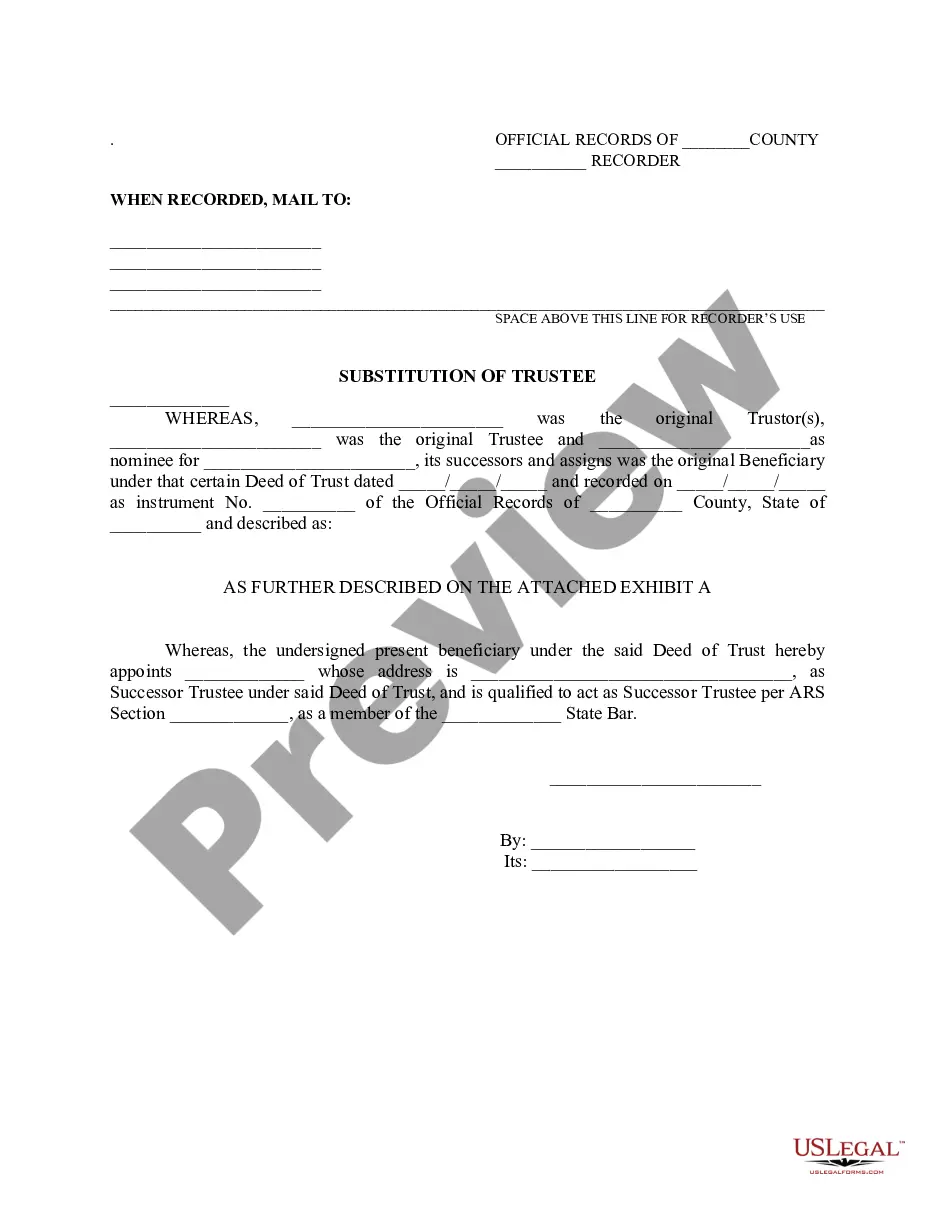
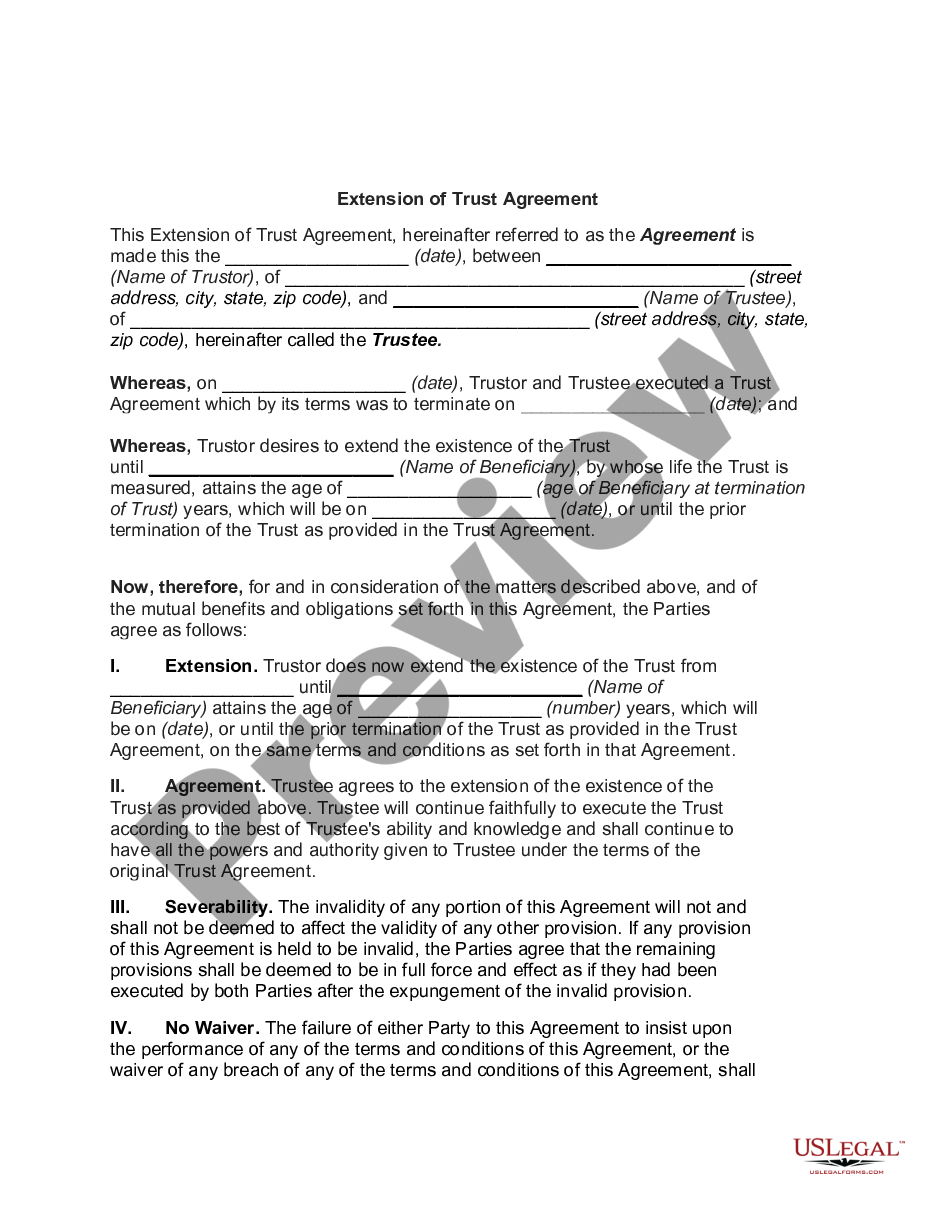
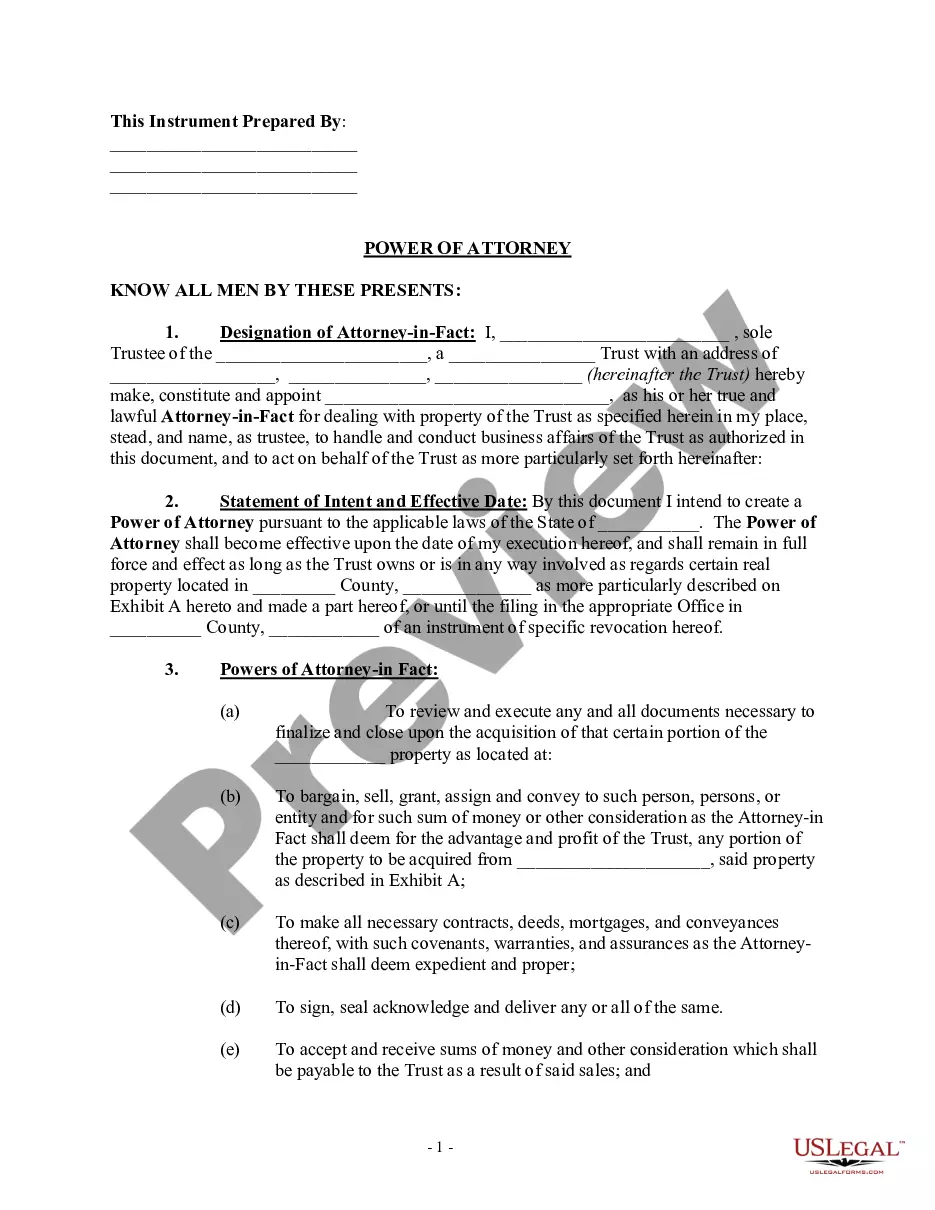
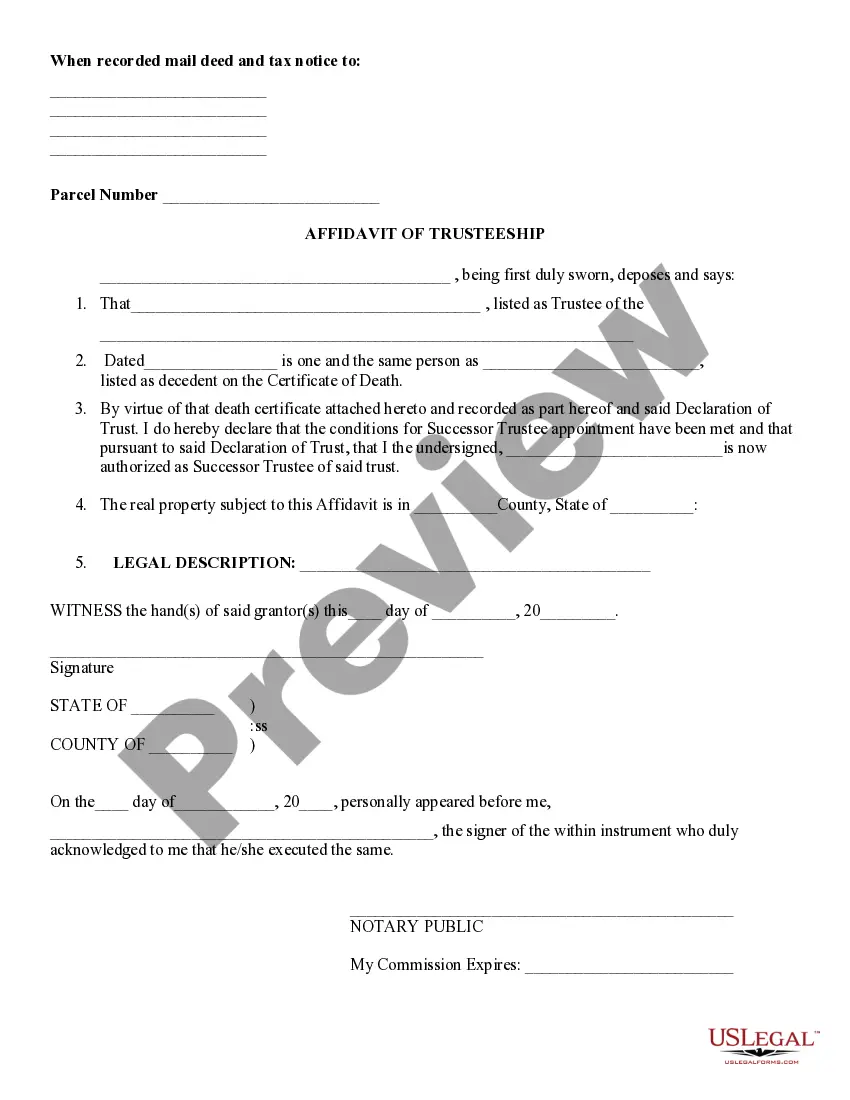
The Substitution of Trustee for Deed of Trust is a legal document used to appoint a new trustee when the original trustee is unable to fulfill their responsibilities. This form serves to officially recognize the change of trustee within a deed of trust, ensuring the continuity of the trust's management. Unlike similar forms, this specific document allows for the seamless transfer of oversight duties and maintains the integrity of the trust arrangement.
Key components of this form
- Official recording section for county documentation.
- Original trustor, trustee, and beneficiary identification.
- Appointment of a successor trustee with qualifications noted.
- Signature lines for the beneficiary and witnesses.
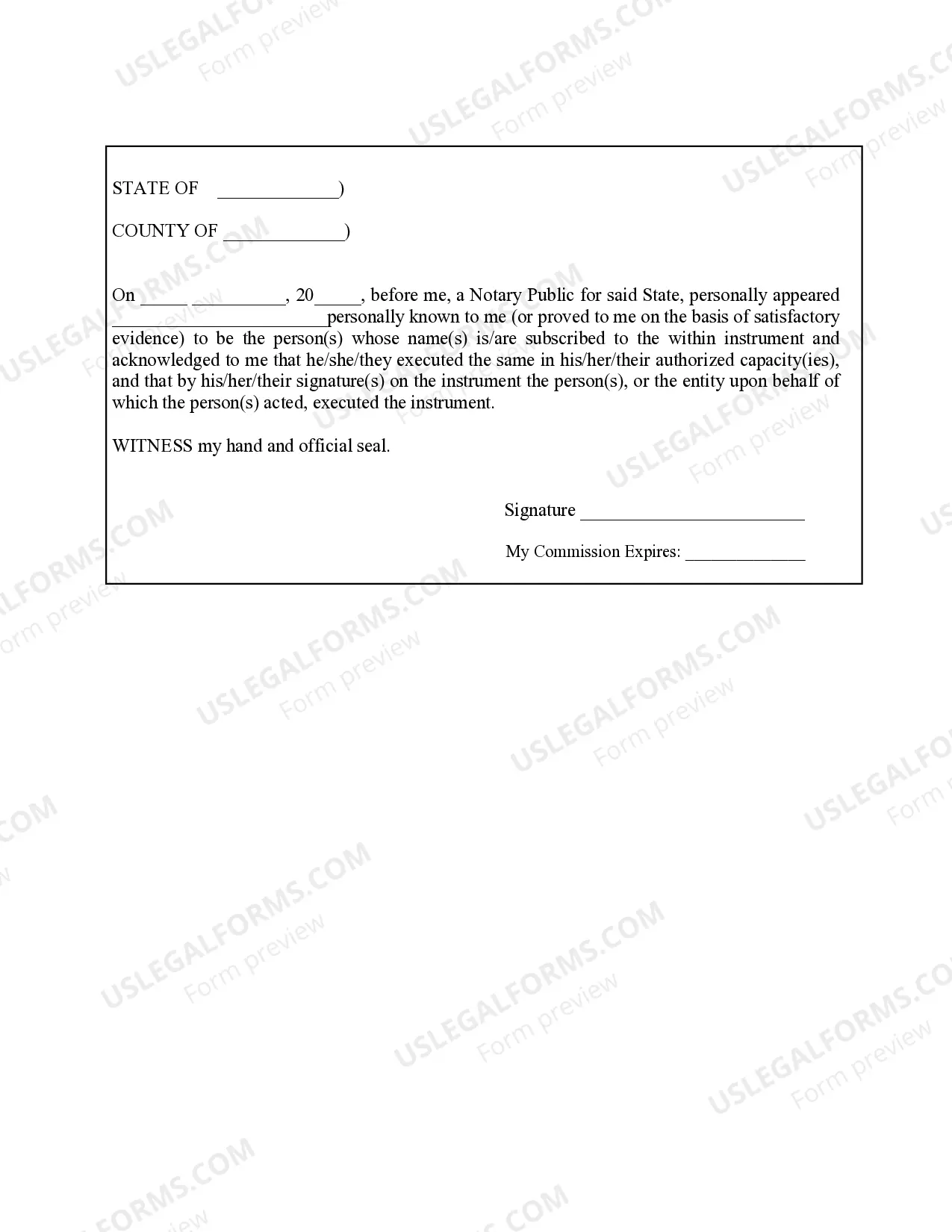
- Notarization section to validate the signatures.
Common use cases
This form is necessary in various scenarios, such as when the original trustee has passed away, is incapacitated, or has resigned from their role. It is also used when the beneficiary decides to change trustees for efficiency or dissatisfaction with the current trustee. Using this form helps clarify ownership and responsibility within the deed of trust, making it essential for maintaining the trust's legal integrity.
Who can use this document
This form is intended for:
- Beneficiaries of a deed of trust needing to replace a trustee.
- Estate executors managing trusts after the original trustee's incapacity or death.
- Anyone involved in a trust agreement where a trustee change is necessary.
How to complete this form
- Identify the original trustor, trustee, and beneficiary by entering the required names and dates.
- Complete the fields specifying the new trustee's name and address.
- Fill in the date of the original deed of trust and its recording information.
- Ensure the document is signed by the current beneficiary and any required witnesses.
- Finalize the form by having it notarized to ensure legality.
Does this document require notarization?
Yes, this form must be notarized to be legally valid. Having the form notarized provides an extra layer of authenticity, ensuring that the signatures are verified, which is critical for legal documents. US Legal Forms offers integrated online notarization, allowing you to schedule a secure video call with a notary public at your convenience.
Get your form ready online
Our built-in tools help you complete, sign, share, and store your documents in one place.
Make edits, fill in missing information, and update formatting in US Legal Forms—just like you would in MS Word.
Download a copy, print it, send it by email, or mail it via USPS—whatever works best for your next step.
Sign and collect signatures with our SignNow integration. Send to multiple recipients, set reminders, and more. Go Premium to unlock E-Sign.
If this form requires notarization, complete it online through a secure video call—no need to meet a notary in person or wait for an appointment.
We protect your documents and personal data by following strict security and privacy standards.
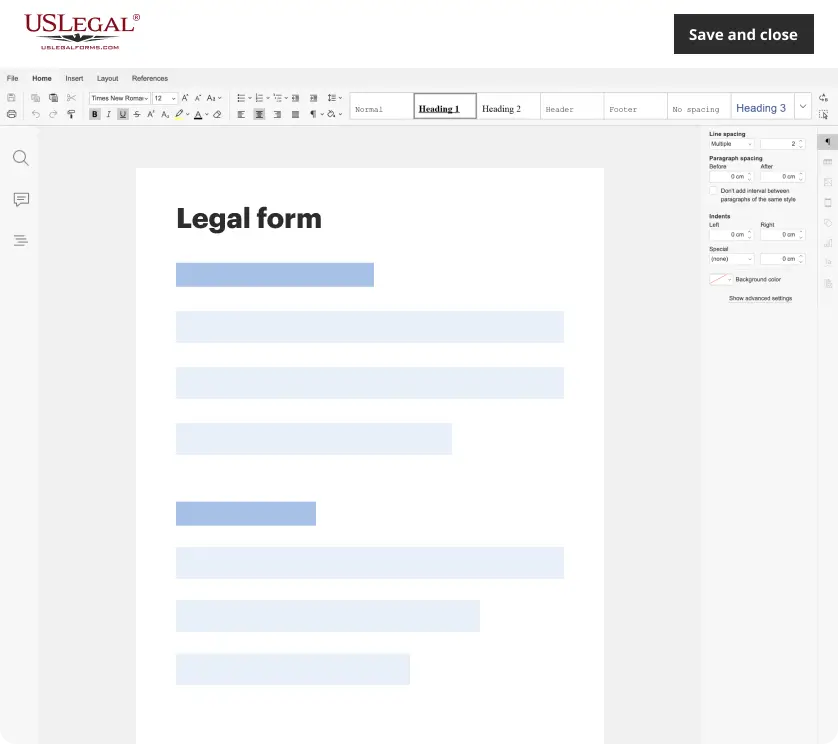
Make edits, fill in missing information, and update formatting in US Legal Forms—just like you would in MS Word.
Download a copy, print it, send it by email, or mail it via USPS—whatever works best for your next step.
Sign and collect signatures with our SignNow integration. Send to multiple recipients, set reminders, and more. Go Premium to unlock E-Sign.

If this form requires notarization, complete it online through a secure video call—no need to meet a notary in person or wait for an appointment.

We protect your documents and personal data by following strict security and privacy standards.
Common mistakes to avoid
- Failing to have the form notarized when required.
- Leaving out essential details, such as the correct names of parties involved.
- Not providing accurate recording information for the original deed of trust.
Why complete this form online
- Convenience of accessing and completing the form at your own pace.
- Editability to ensure all information can be reviewed and corrected easily.
- Reliable templates drafted by licensed attorneys, ensuring legal compliance.
Quick recap
- A Substitution of Trustee is essential for ensuring continuity in trust management.
- Correctly filling out and notarizing the form is crucial for its validity.
- The form can be completed conveniently online for ease of use.
Looking for another form?
Form popularity
FAQ
To assign a successor trustee, you must follow specific legal steps outlined in Arizona law. First, ensure that your trust document designates a successor trustee and clearly states the conditions for their appointment. Should the need arise, you can utilize resources like US Legal Forms to create and file the necessary legal documents for an Arizona Substitution of Trustee. This approach not only simplifies the process but also ensures that your trust remains compliant with state regulations.
A substitute trustee is a person designated to replace the original trustee in the administration of a trust or deed of trust. This arrangement usually takes place when the original trustee can no longer serve, ensuring the ongoing management of trust assets. In the context of Arizona Substitution of Trustee, the appointment of a substitute trustee is a vital process that guarantees the trust’s objectives are met without interruption. Knowing how to correctly designate a substitute trustee is crucial for effective trust management.
A change of trustee refers to the process where a new trustee is appointed to take over the management and administration of a trust. This change can arise for various reasons, including the original trustee's inability to continue in their role. In Arizona, a well-defined procedure exists for implementing the Arizona Substitution of Trustee, which ensures that the new trustee can effectively manage the trust's assets and obligations. It is essential to follow the correct legal steps during this process.
A replacement trustee is an individual or entity that assumes the responsibilities of the original trustee in a trust or deed of trust. This change often occurs when the original trustee is unable to fulfill their duties due to reasons such as incapacity or resignation. In Arizona, the process of appointing a new trustee is governed by state laws, specifically under the concept of Arizona Substitution of Trustee. Understanding this concept can help ensure a smooth transition.
To appoint another trustee, you must follow the procedures laid out in your trust document. Typically, this includes creating a formal document called a substitution of trustee, which may need to be signed and notarized. In an Arizona Substitution of Trustee situation, it's important to comply with state requirements to ensure proper legal standing. Platforms like US Legal Forms offer templates and guidance to help you navigate this process smoothly.
A trustee manages a trust and its assets according to the trust document's terms. In contrast, a successor trustee steps in when the original trustee can no longer fulfill their duties, often due to incapacity or death. Understanding this distinction is crucial for estate planning, especially in Arizona Substitution of Trustee cases, where appointing a successor may become necessary. You can rely on resources like US Legal Forms for detailed guidance on appointing trustees.
The power to replace a trustee typically lies with the trust's Grantor, or in their absence, the beneficiaries may have the authority to initiate a change. Additionally, certain circumstances may allow for a court to intervene and appoint a new trustee if disputes arise. Understanding the specific stipulations in your trust document is crucial, and resources like US Legal Forms can clarify your rights and procedures under Arizona laws regarding substitution of trust.
A trustee can be changed through a formal process that usually involves a substitution of trustee document being drafted and executed. Depending on the trust document’s terms, it may require consent from the beneficiaries or a court order. Engaging with US Legal Forms can provide you with the necessary documents and support needed for this transition in Arizona.
A substitution of trustee in Arizona is an official process that allows the replacement of a trustee on a trust's legal documents. This process ensures that the new trustee takes on all responsibilities and roles of the original trustee, maintaining the trust's integrity and function. To carry out this process correctly, it’s advisable to consult resources like US Legal Forms for guidance and templates specific to Arizona.
Changing a trustee typically requires a formal document that outlines the new trustee's appointment and the removal of the existing trustee. Beneficiaries may need to consent to the change, and in some cases, court approval might be necessary. Utilizing services from US Legal Forms can help you prepare the necessary documentation effectively, ensuring compliance with all legal standards in Arizona.