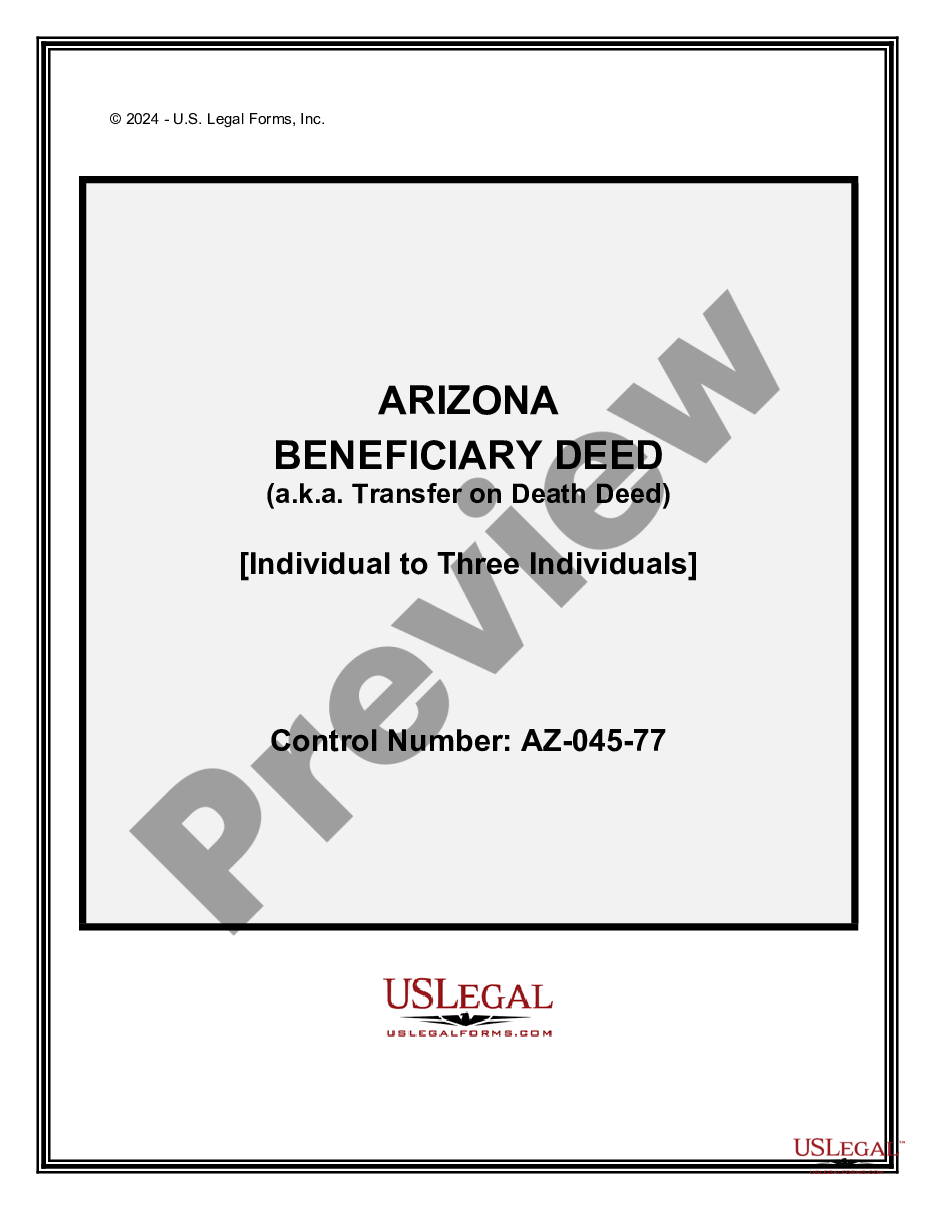
Arizona Transfer on Death Deed or TOD - Beneficiary Deed for Husband and Wife to Three Individuals
What this document covers
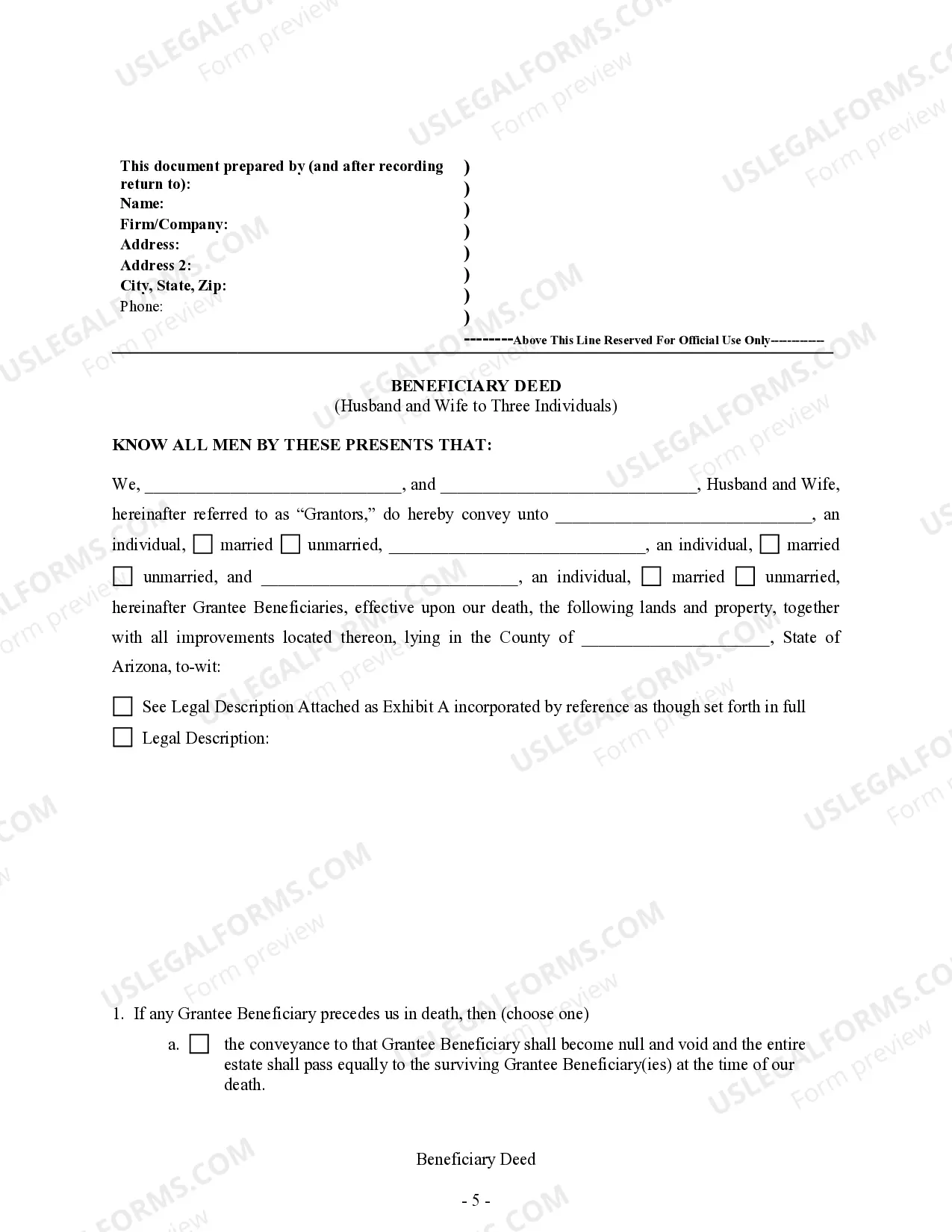
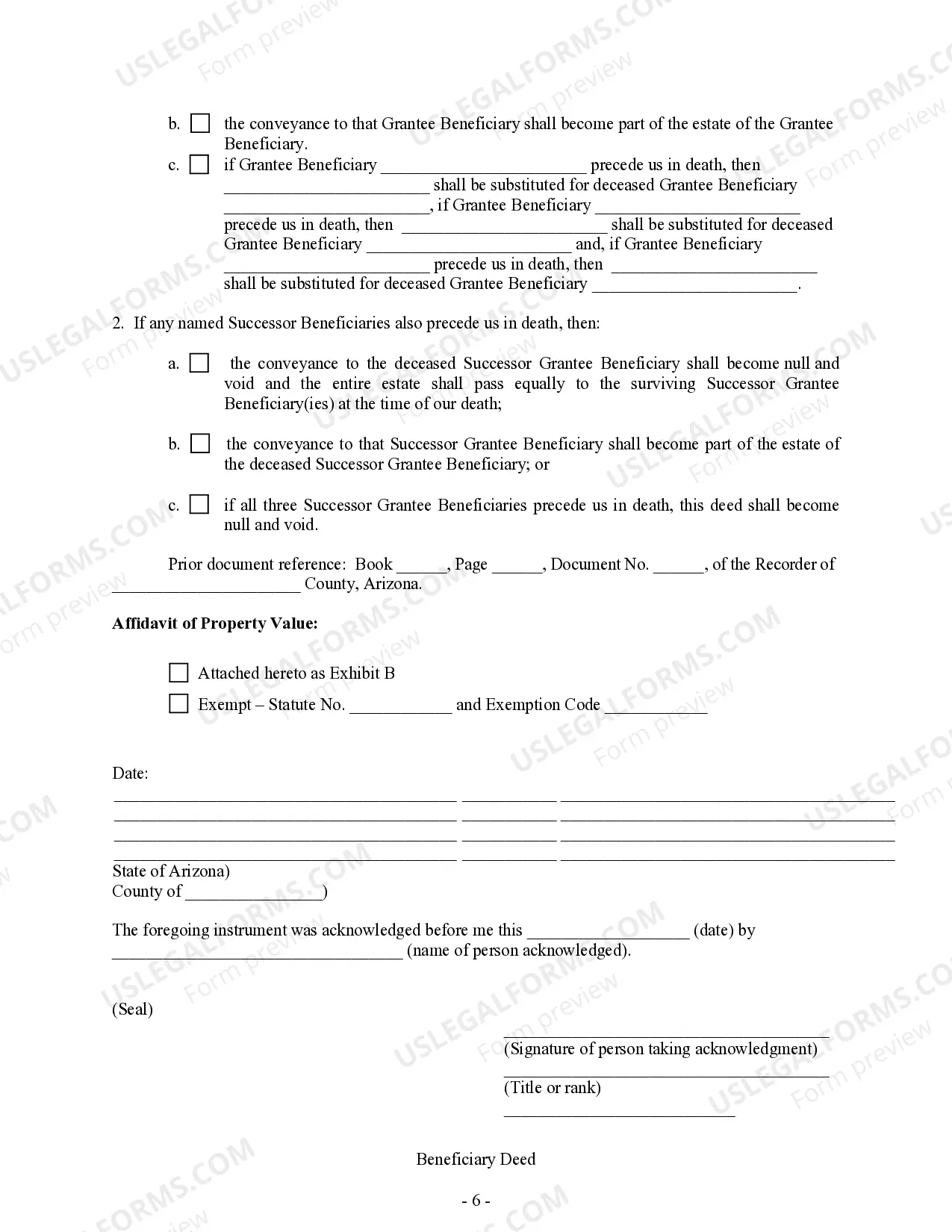
The Transfer on Death Deed, commonly known as the TOD or Beneficiary Deed, is a legal instrument that allows husband and wife grantors to transfer real estate to three designated grantees upon the death of the last surviving grantor. This deed is revocable during the grantors' lifetime, ensuring flexibility in estate planning. Unlike traditional deeds that transfer property immediately, this TOD deed only becomes effective upon death, making it a useful tool for managing inheritance without probate.
Form components explained
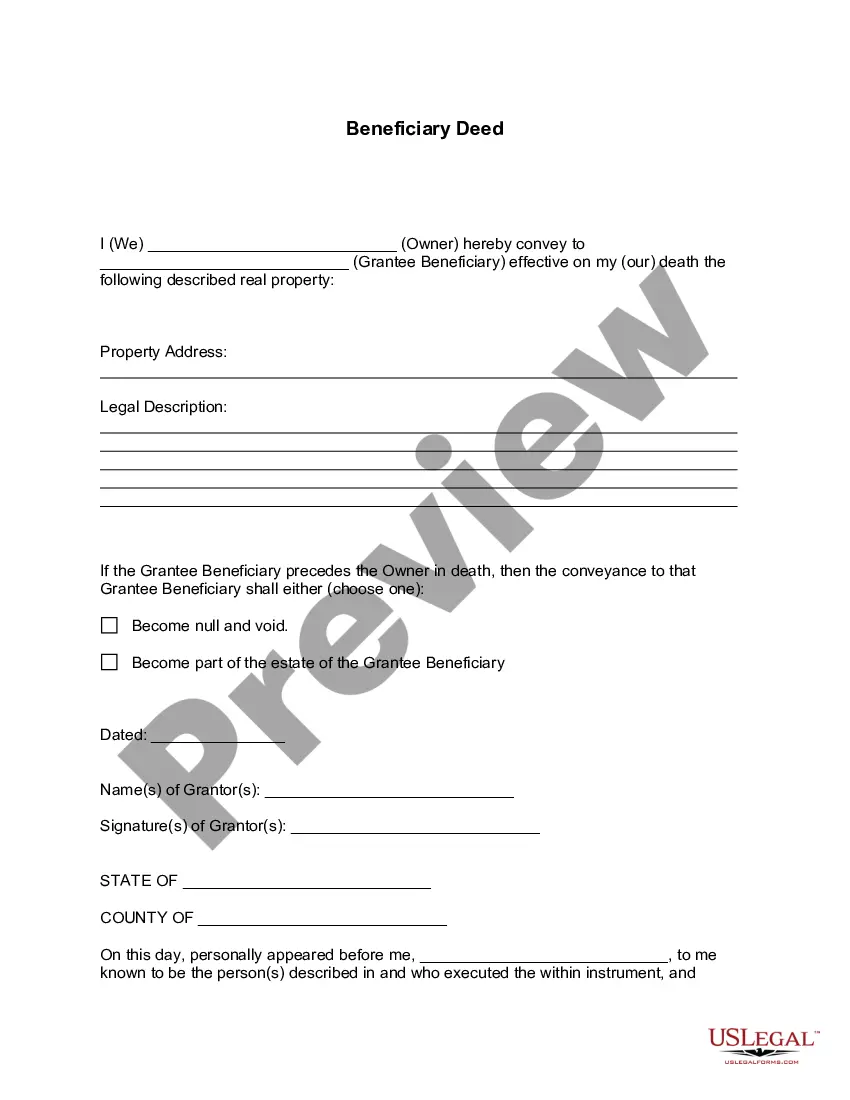
- Details of the grantors (husband and wife) and their intentions for property transfer.
- Identification of three grantees who will receive the property as tenants in common.
- Instructions on revocability of the deed before the death of the last grantor.
- Provisions for substituting grantees in the event of their premature death.
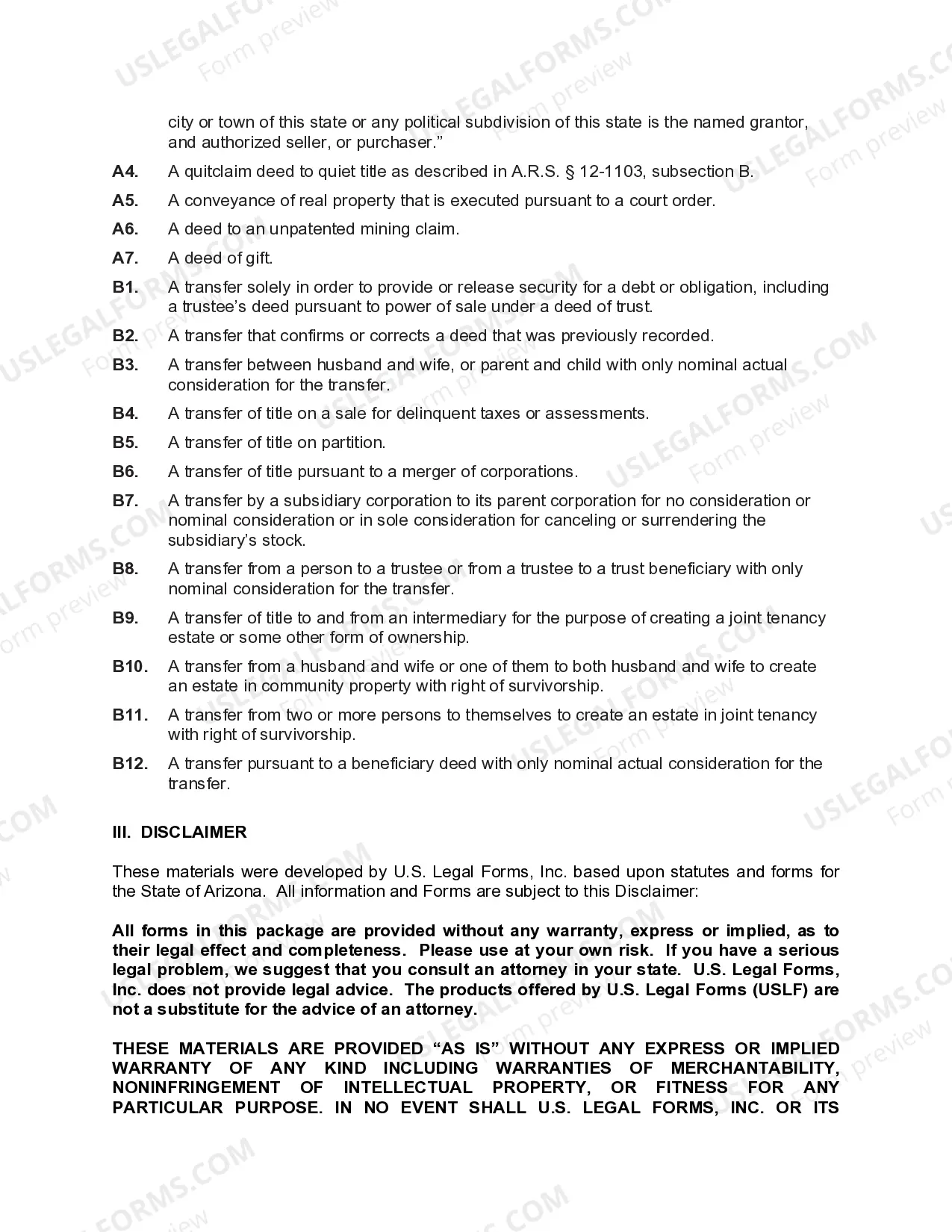
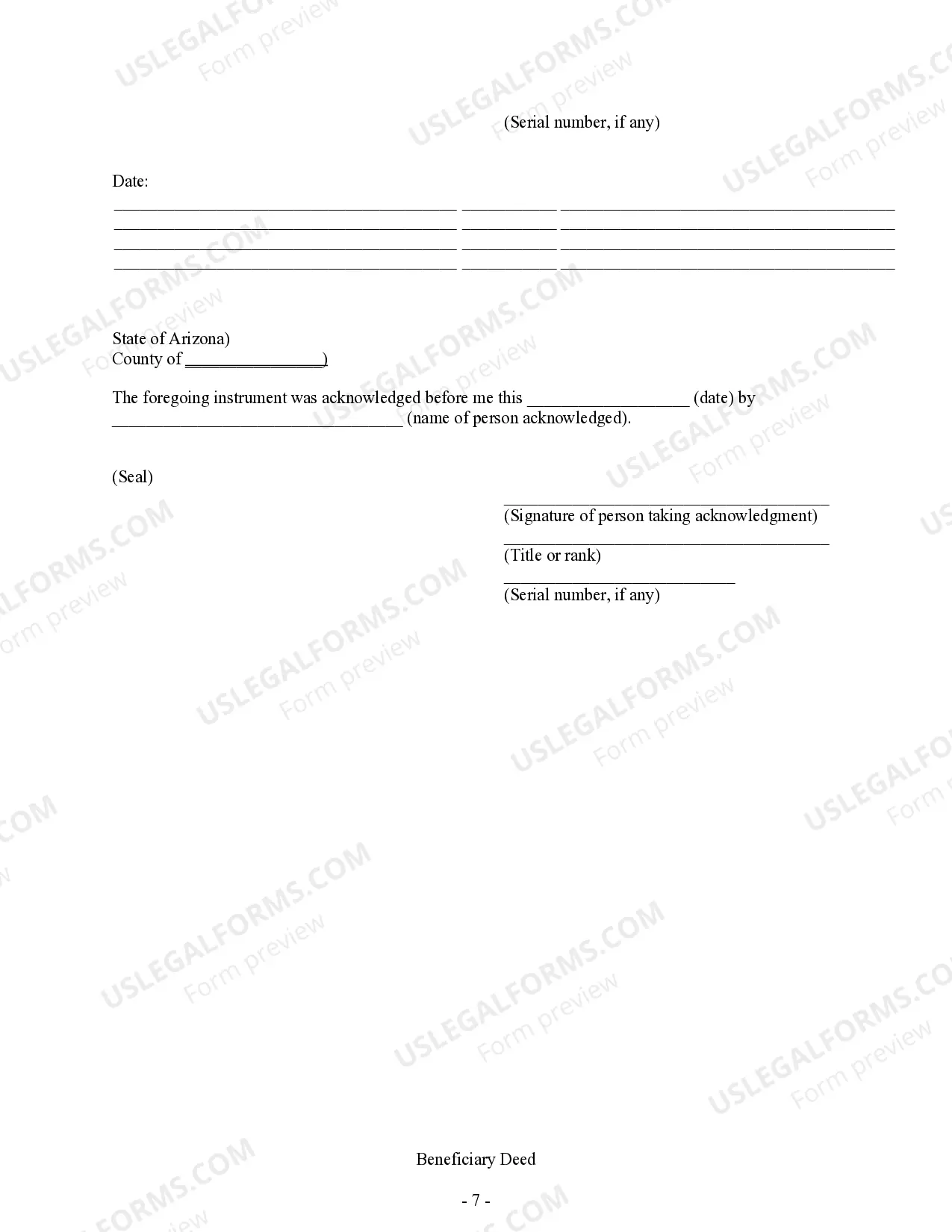
- Notary acknowledgment section for legal validation.




When to use this document
This form is essential for couples looking to streamline the transfer of property to their chosen beneficiaries upon their death. It is particularly helpful for those wanting to avoid probate, as the property will automatically pass to the grantees without the need for additional legal proceedings. You might use this form if you wish to specify multiple beneficiaries, ensuring that your property is distributed according to your wishes after both spouses have passed away.
Who needs this form
This form is suitable for:
- Married couples who own property together and wish to designate multiple beneficiaries.
- Couples wanting to ensure their estate is passed on efficiently to their heirs.
- Individuals looking for a flexible estate planning solution that can be revoked or changed during their lifetimes.
How to prepare this document
- Identify the grantors (husband and wife) by entering their full names.
- List the three beneficiaries who will inherit the property upon death.
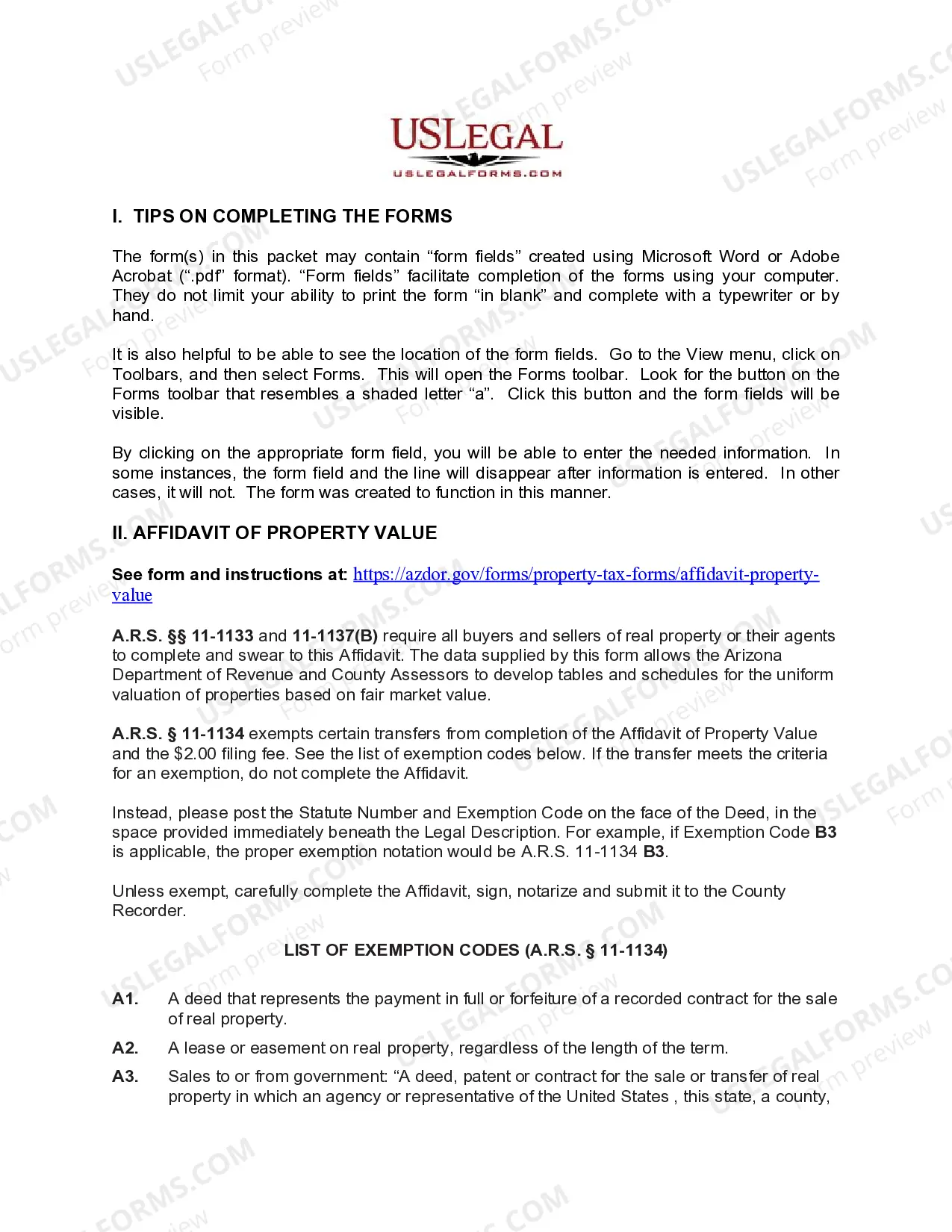
- Specify the property details, including address and legal description.
- Enter the dates and relevant information regarding revocation provisions.
- Have the form notarized by a certified notary public to ensure its legal validity.
Notarization requirements for this form
This form must be notarized to be legally valid. US Legal Forms provides secure online notarization powered by Notarize, allowing you to complete the process through a verified video call.
Get your form ready online
Our built-in tools help you complete, sign, share, and store your documents in one place.
Make edits, fill in missing information, and update formatting in US Legal Forms—just like you would in MS Word.
Download a copy, print it, send it by email, or mail it via USPS—whatever works best for your next step.
Sign and collect signatures with our SignNow integration. Send to multiple recipients, set reminders, and more. Go Premium to unlock E-Sign.
If this form requires notarization, complete it online through a secure video call—no need to meet a notary in person or wait for an appointment.
We protect your documents and personal data by following strict security and privacy standards.

Make edits, fill in missing information, and update formatting in US Legal Forms—just like you would in MS Word.

Download a copy, print it, send it by email, or mail it via USPS—whatever works best for your next step.

Sign and collect signatures with our SignNow integration. Send to multiple recipients, set reminders, and more. Go Premium to unlock E-Sign.

If this form requires notarization, complete it online through a secure video call—no need to meet a notary in person or wait for an appointment.

We protect your documents and personal data by following strict security and privacy standards.
Avoid these common issues
- Failing to properly identify all grantors and beneficiaries, which could lead to disputes.
- Not providing a legal description of the property, making the deed unenforceable.
- Overlooking the need for notarization, which is crucial for the deed's validity.
Why use this form online
- Convenient access from anywhere, allowing you to complete the form at your own pace.
- Editability, which allows you to make adjustments easily before finalizing.
- Reliability, ensuring the form is created based on up-to-date legal standards.
Looking for another form?

Form popularity
FAQ
Arizona Transfer on Death Deed or TOD - Beneficiary Deed for Husband and Wife to Three Individuals lets a married couple name three beneficiaries who will receive the real estate after the death of the last surviving grantor. The deed remains revocable during lifetime and avoids probate by transferring ownership only on death. It also records the property as tenants in common for the three grantees and requires notary acknowledgment.
Yes. Arizona allows transfer-on-death deeds to pass real property at death without probate. This form is designed for a husband and wife to designate three beneficiaries as tenants in common. The transfer becomes effective only after the last grantor dies, is revocable during lifetime, and requires notary acknowledgment and proper recording to be valid.
This template designates three beneficiaries; it isn't configured for only two. The three beneficiaries receive the property as tenants in common after the last grantor dies, and the deed can be revoked in the grantors' lifetimes or substituted if a beneficiary dies before then. If two is your goal, you would need a different TOD deed template.
Not required, but advisable for complex estates. Arizona allows DIY TOD deeds, and this form includes a notarization step to validate signature. People with complicated holdings or substitutions may benefit from legal advice to ensure the deed correctly names beneficiaries, handles substitutions, and reflects current wishes.
One main drawback is that the deed only takes effect after the last surviving grantor dies and is revocable during lifetime. It covers only the described property, not other assets. If circumstances change, the deed must be revoked or amended before death to reflect new beneficiaries or ownership.
This form names three beneficiaries to receive the property as tenants in common after the death of the last grantor and includes substitution provisions if a beneficiary dies prematurely, plus it remains revocable while alive. A single-beneficiary TOD typically names one recipient and may not include substitutions or the three-way tenancy provision.