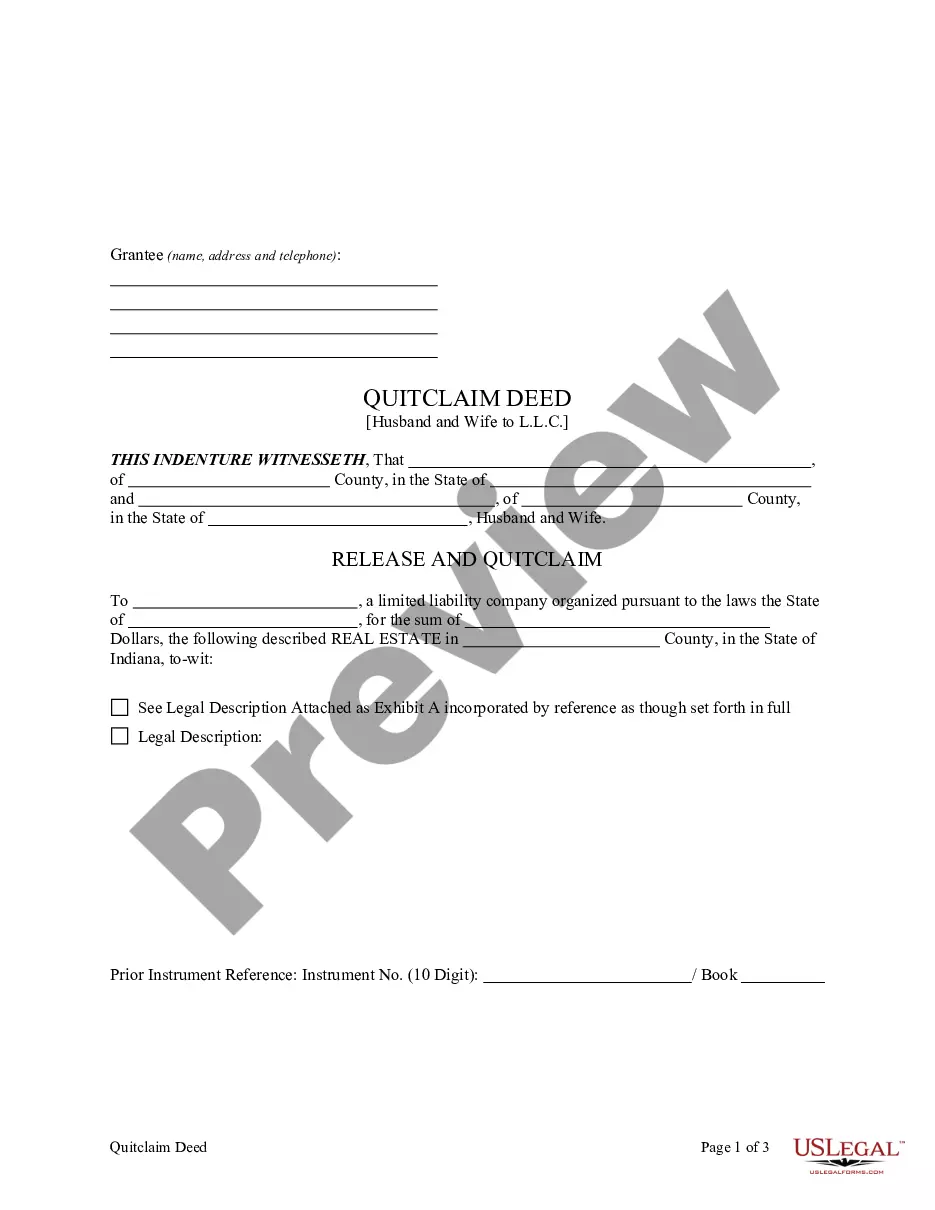
Arizona Affidavit of Scriveners Error
About this form
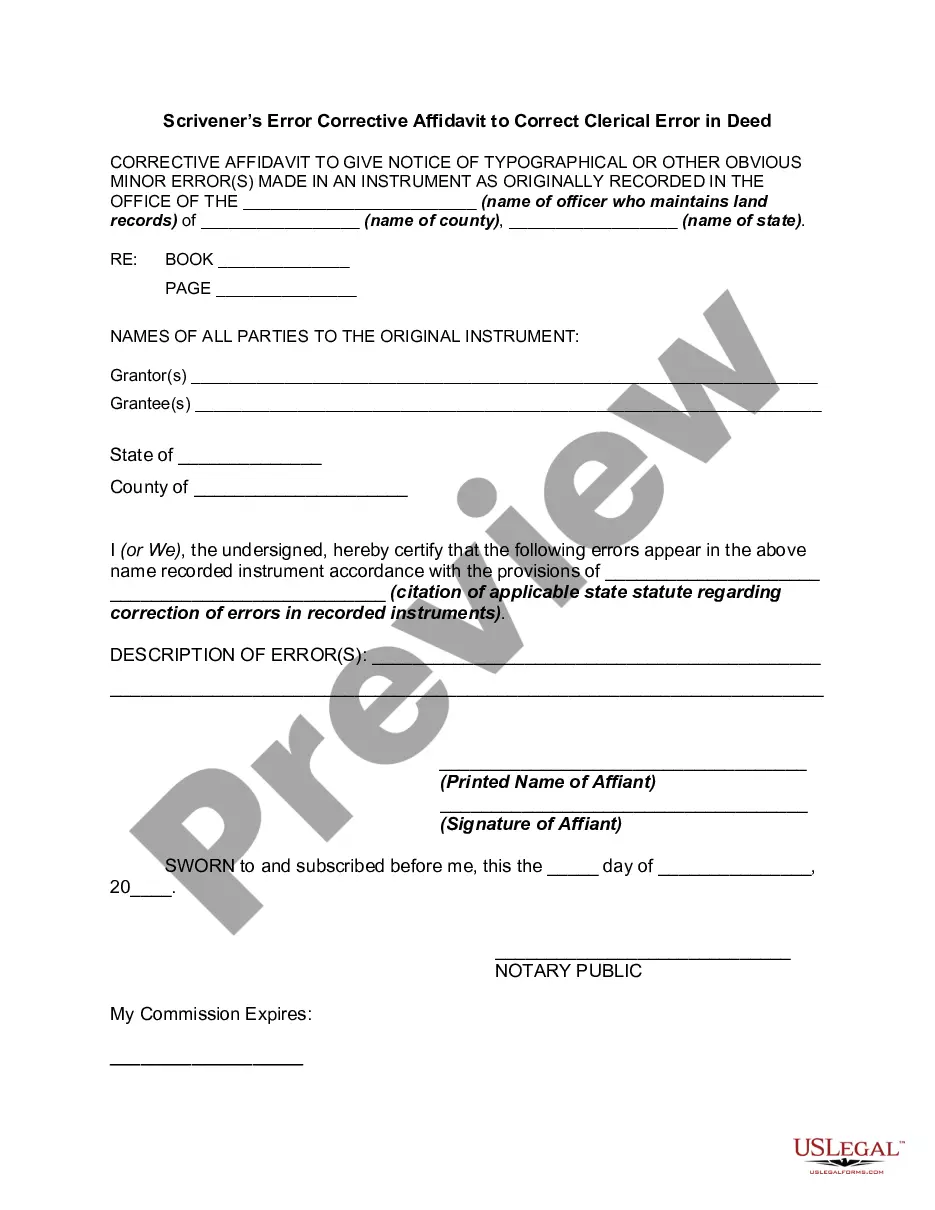
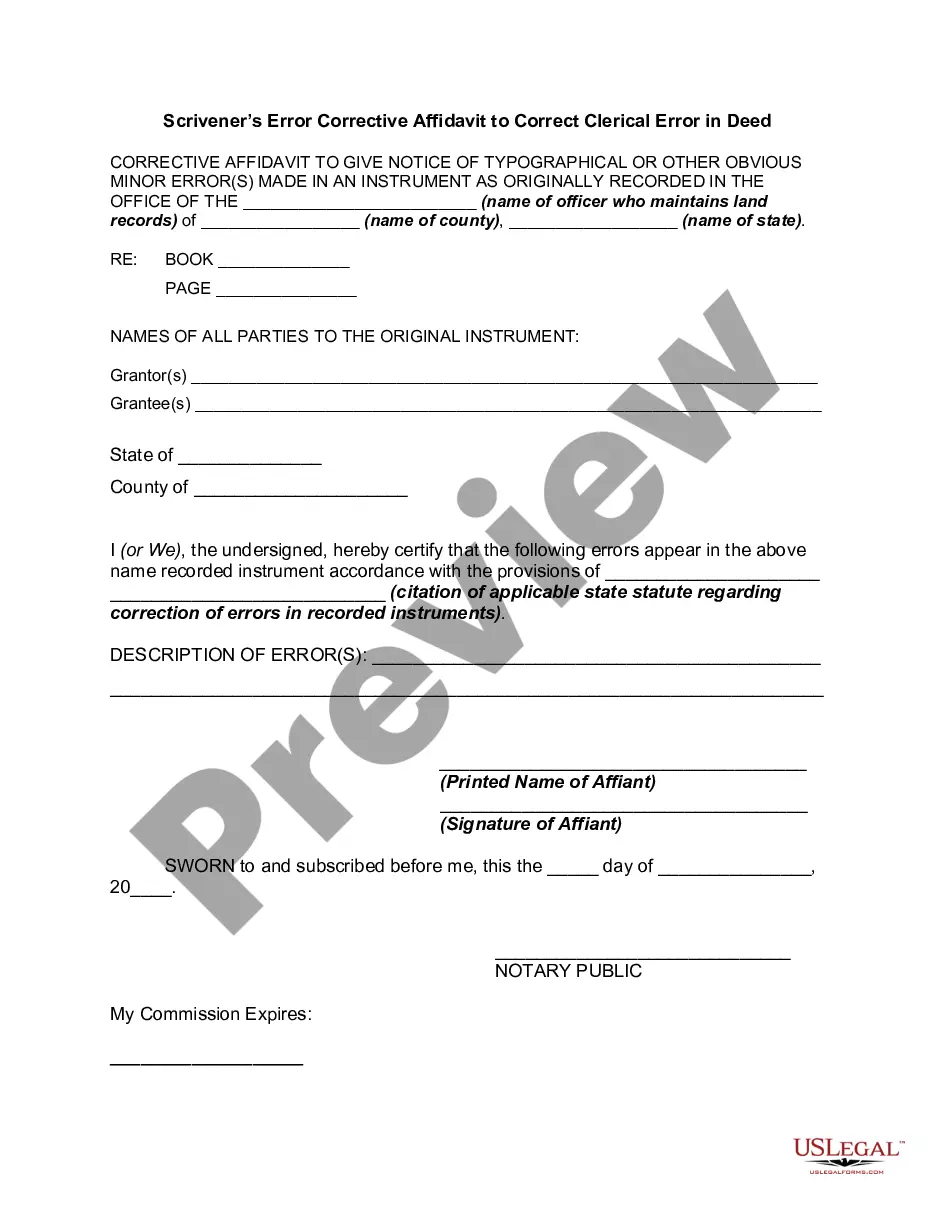
The Affidavit of Scrivener's Error is a legal document used to correct clerical mistakes in previously executed legal documents. This affidavit confirms that specific errors occurred in the original text, typically in the legal description of property. Unlike other affidavits that may pertain to different issues, this form focuses solely on correcting typographical or clerical errors, ensuring the document reflects accurate information.
What’s included in this form
- Identification of the county recorder and the state where the affidavit is filed.
- Details of the grantor and grantee involved in the original legal document.
- Reference to the original document, including its date and recorded information.
- Specification of the clerical error in the propertyâs legal description.
- Inclusion of an exhibit that outlines the correct legal description.
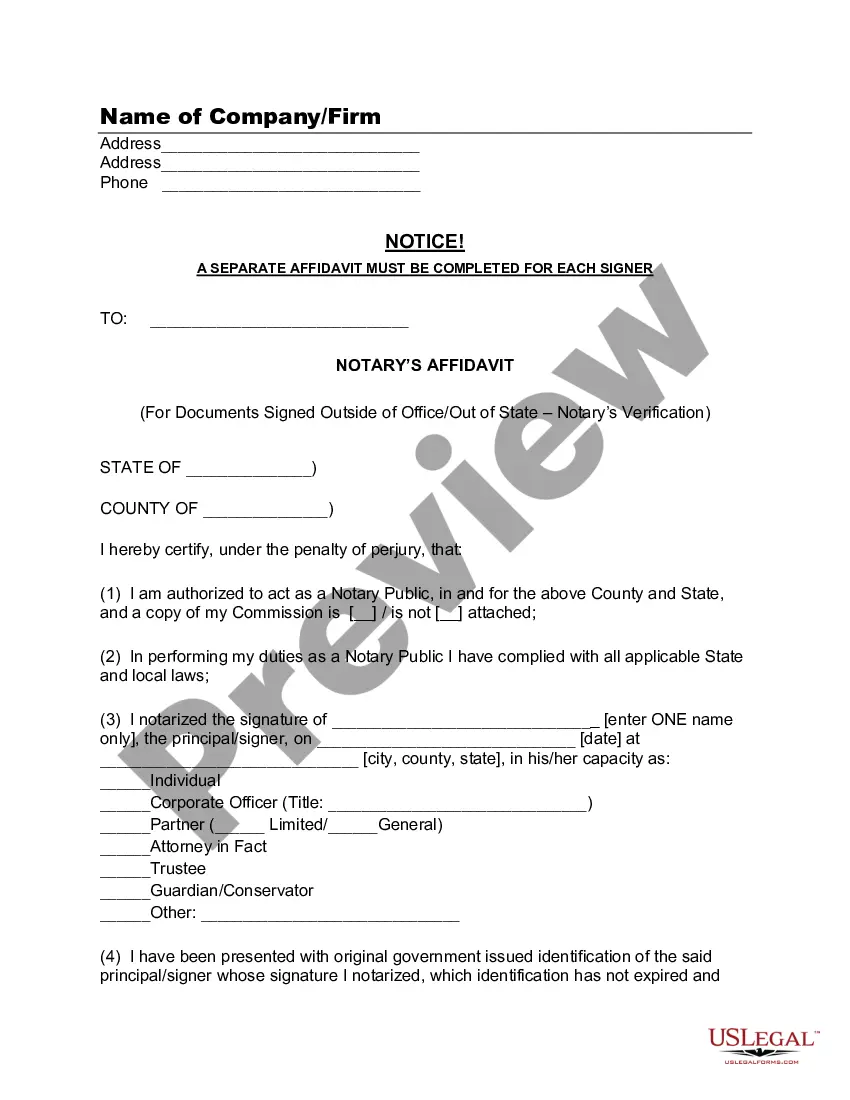
- Signature of the authorized party and acknowledgment by a notary public.
Common use cases
This form is necessary when a legal document contains clerical errors that need correction to ensure all information is accurate. Common scenarios for using the Affidavit of Scrivener's Error include real estate transactions where the property description was improperly documented or alterations in the names of involved parties. It is important to address these errors to maintain the integrity of legal documents and prevent potential disputes.
Who can use this document
Individuals or entities involved in real estate transactions should use this form. Typical users include:
- Homeowners or property owners looking to correct a mistake in a recorded deed.
- Real estate agents or title companies acting on behalf of clients.
- Legal representatives and attorneys handling property transactions.
Instructions for completing this form
- Identify the county where the affidavit will be recorded and enter the appropriate details.
- Fill in the names of the grantor and grantee, along with their roles in the transaction.
- Specify the original property's legal description and the file number for reference.
- Clearly state the clerical error found in the original document and provide the correct legal description.
- Sign the affidavit in the presence of a notary public, who will acknowledge your signature.
Notarization guidance
Yes, this form must be notarized to be legally valid. It is essential to have the affidavit signed in front of a notary public to ensure authenticity and compliance with legal requirements.
Get your form ready online
Our built-in tools help you complete, sign, share, and store your documents in one place.
Make edits, fill in missing information, and update formatting in US Legal Forms—just like you would in MS Word.
Download a copy, print it, send it by email, or mail it via USPS—whatever works best for your next step.
Sign and collect signatures with our SignNow integration. Send to multiple recipients, set reminders, and more. Go Premium to unlock E-Sign.
If this form requires notarization, complete it online through a secure video call—no need to meet a notary in person or wait for an appointment.
We protect your documents and personal data by following strict security and privacy standards.

Make edits, fill in missing information, and update formatting in US Legal Forms—just like you would in MS Word.

Download a copy, print it, send it by email, or mail it via USPS—whatever works best for your next step.

Sign and collect signatures with our SignNow integration. Send to multiple recipients, set reminders, and more. Go Premium to unlock E-Sign.

If this form requires notarization, complete it online through a secure video call—no need to meet a notary in person or wait for an appointment.

We protect your documents and personal data by following strict security and privacy standards.
Common mistakes to avoid
- Failing to include the complete and correct legal description of the property.
- Not having the affidavit signed in front of a notary public.
- Using incorrect titles for the grantor or grantee.
Benefits of completing this form online
- Convenience of downloading and completing the form at your own pace.
- Editability allows for corrections before finalizing the document.
- Access to professionally drafted legal forms ensures compliance with local laws.
Looking for another form?
Form popularity
FAQ
The Arizona Affidavit of Scriveners Error is a sworn statement used to correct a clerical error made by a scrivener in an instrument intended to be recorded in Arizona. Use it when the recorded document does not reflect the parties’ true intent due to drafting mistakes, so the public record matches what was originally agreed.
A Scriveners affidavit explains and corrects a drafting or clerical error in an instrument prepared by a scrivener. In Arizona practice, it accompanies the corrected language to align the recorded document with the parties’ intent and to facilitate lawful correction of the record.
A Scriveners error affidavit is a sworn declaration that identifies a drafting or clerical mistake in a document prepared by a scrivener. It sets forth the correct language and is used to help update or correct the record in line with Arizona practice, ensuring the record reflects the intended terms.
Recording requirements depend on the underlying instrument and local Arizona rules. Typically, the correction is filed with the same office where the instrument was recorded to update the record, but filing guidance should be confirmed with a licensed attorney or the appropriate clerk.
Examples include a misspelled name, an incorrect date, or an inaccurate property description caused by drafting. The Arizona Affidavit of Scriveners Error is used to state the error and the intended correction so the recorded document matches the parties’ true terms.
The Arizona Affidavit of Scriveners Error is meant to fix drafting mistakes, not to remove a deceased spouse from a deed. For that situation, other remedies such as a corrective deed or probate-related actions may be required; consult a licensed attorney for guidance specific to the case.