Arkansas Motion for Permission to Proceed Ex Parte on Applications for Funds
Description
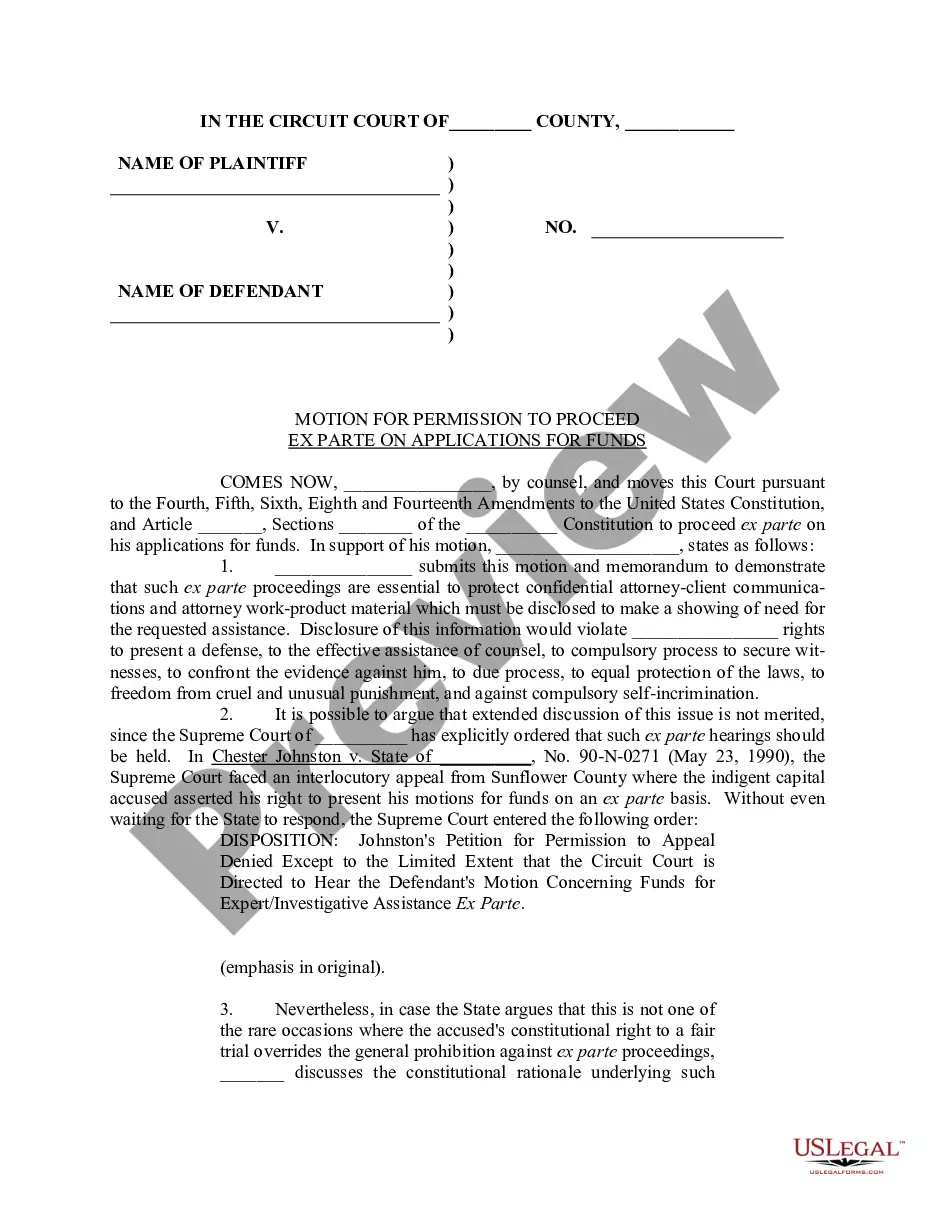
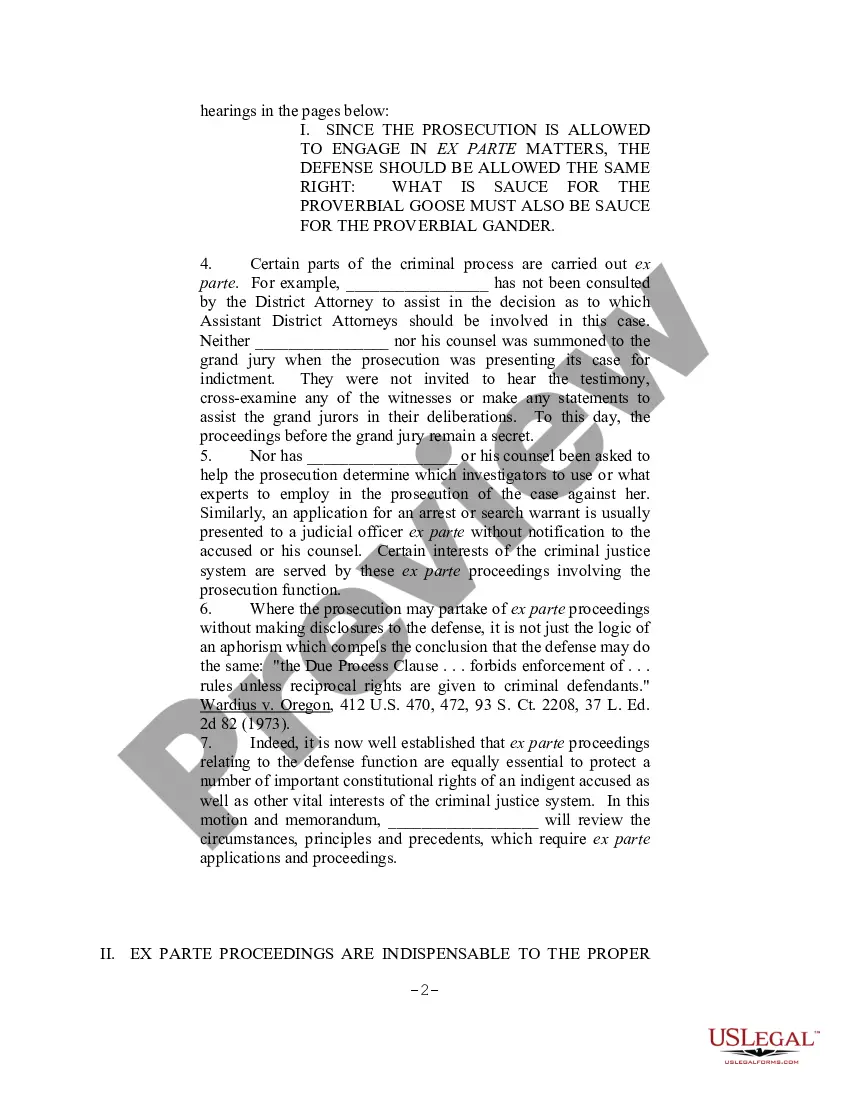
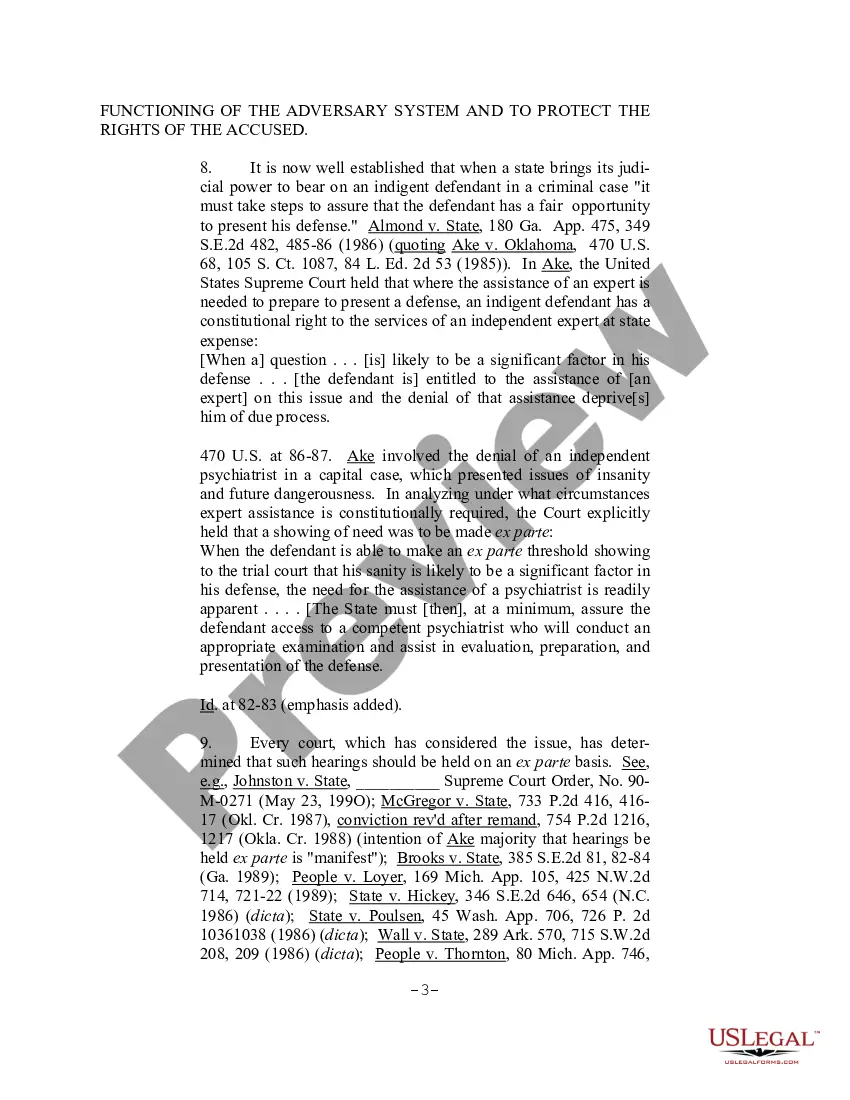
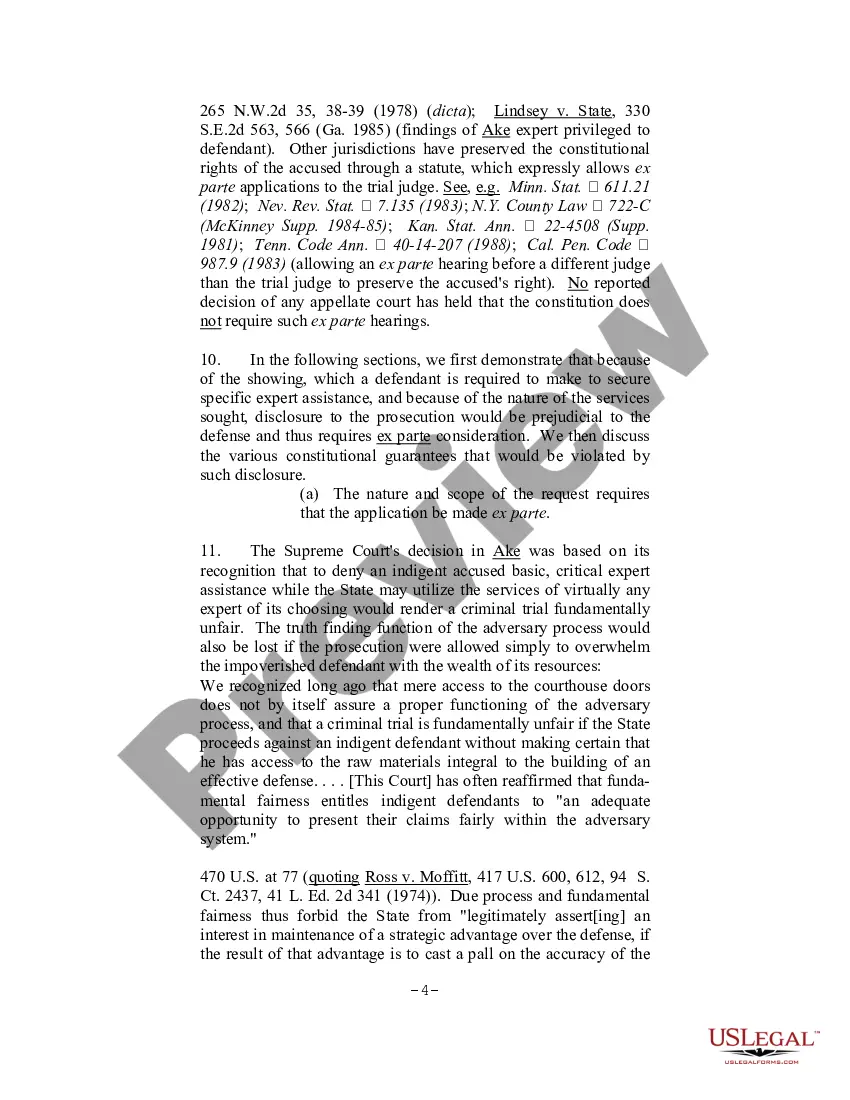
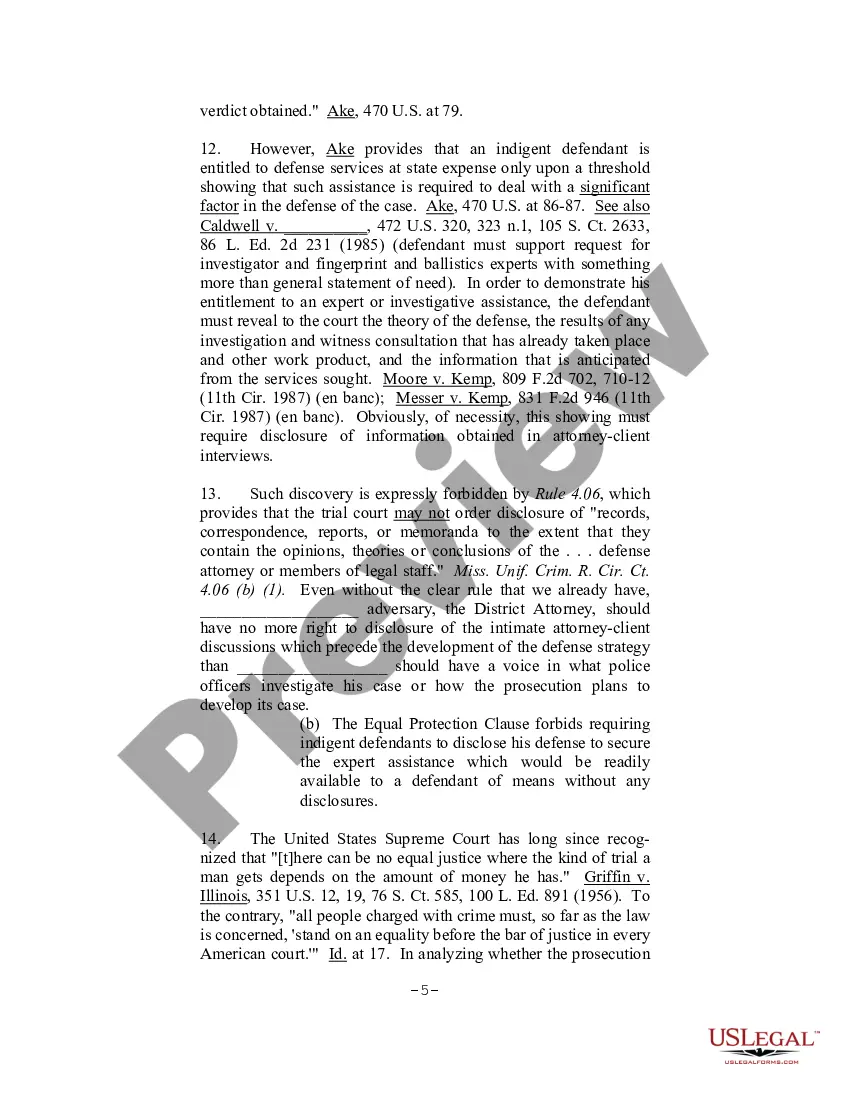
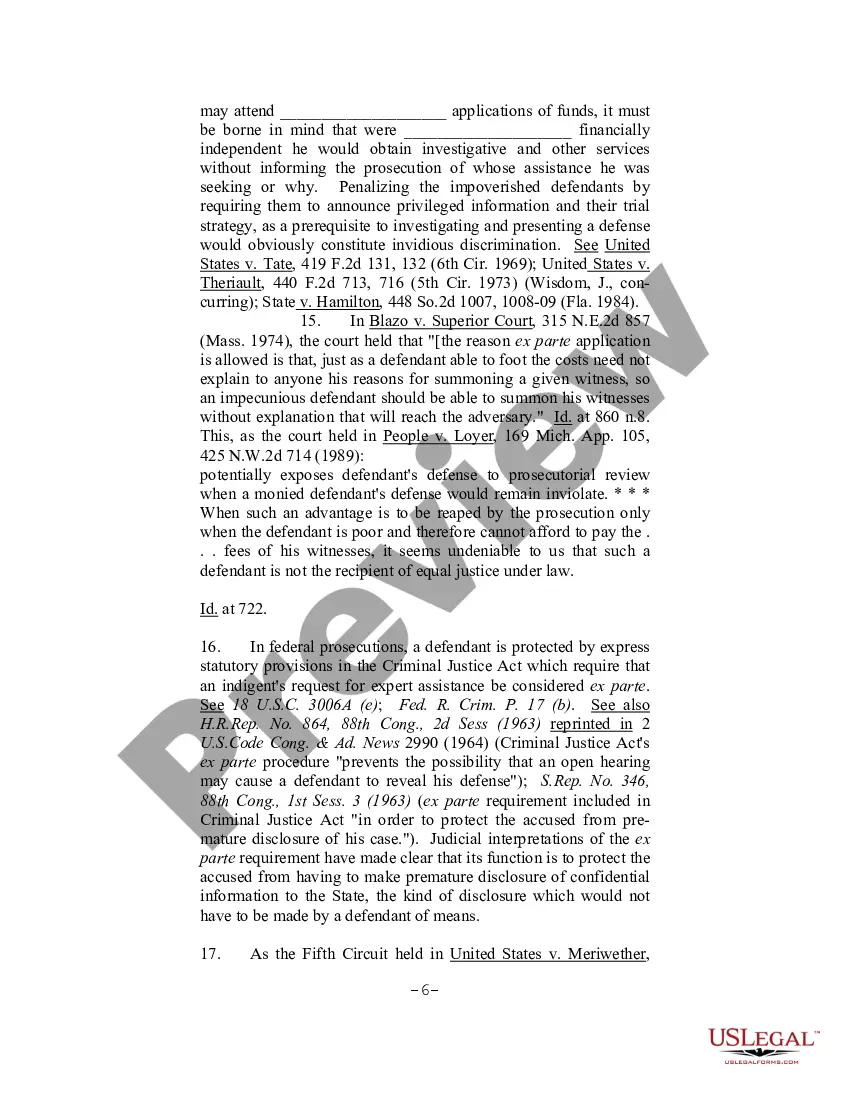
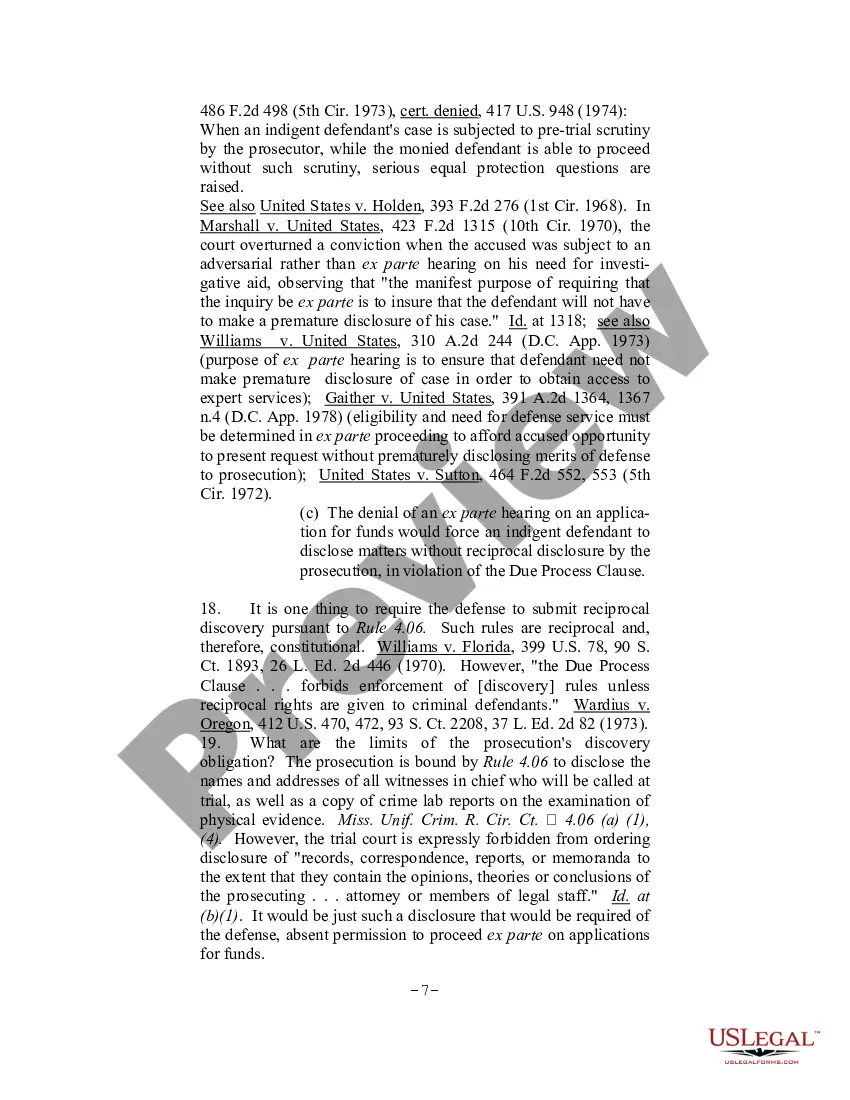
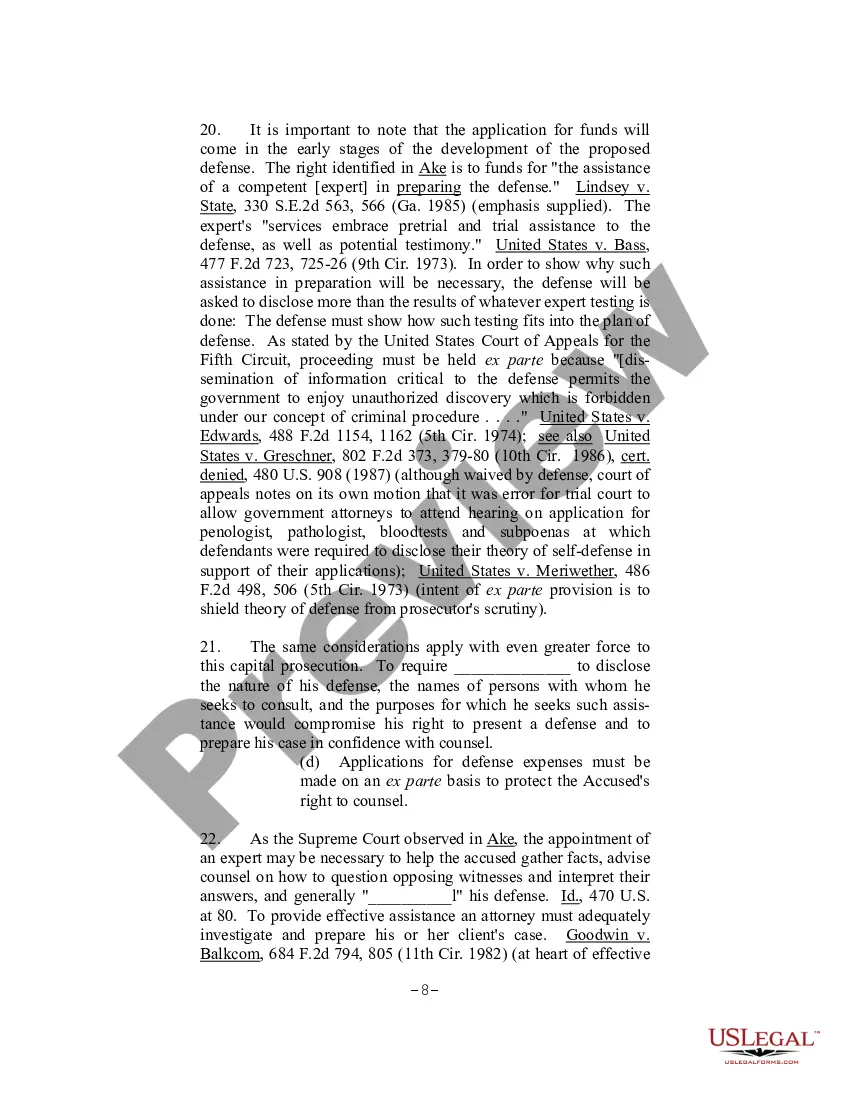
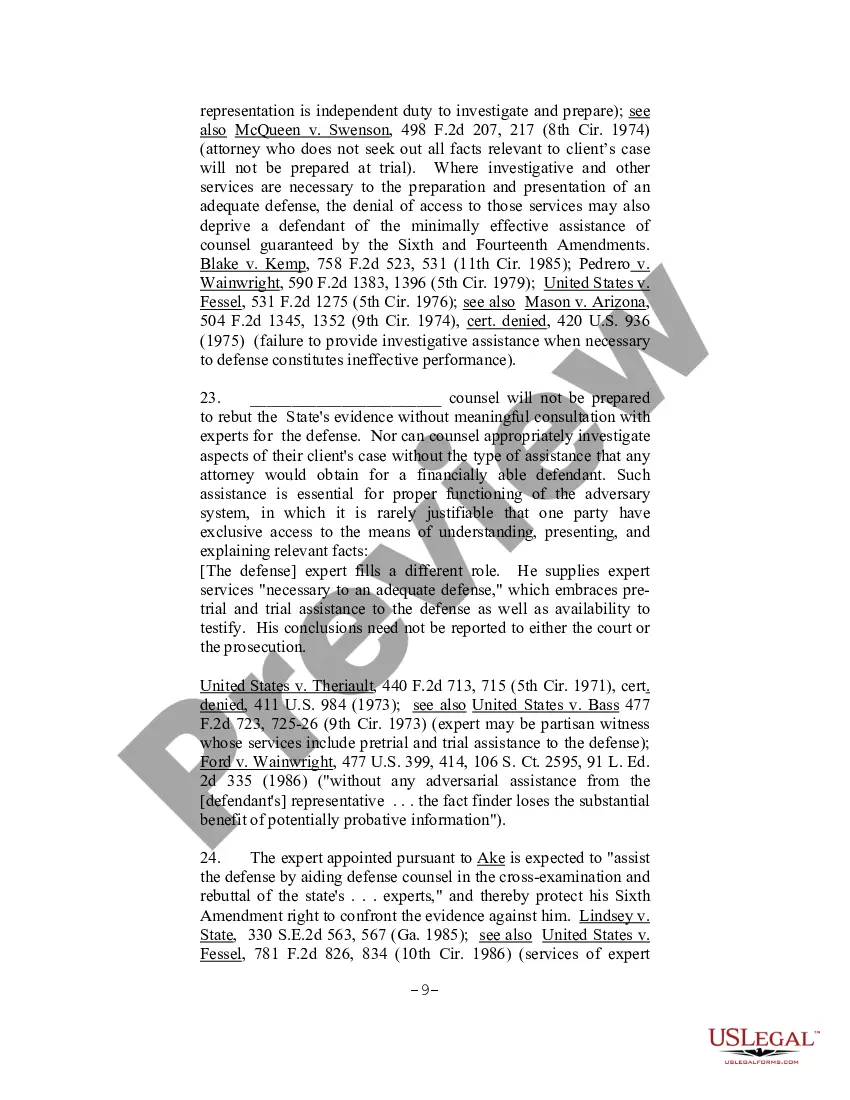
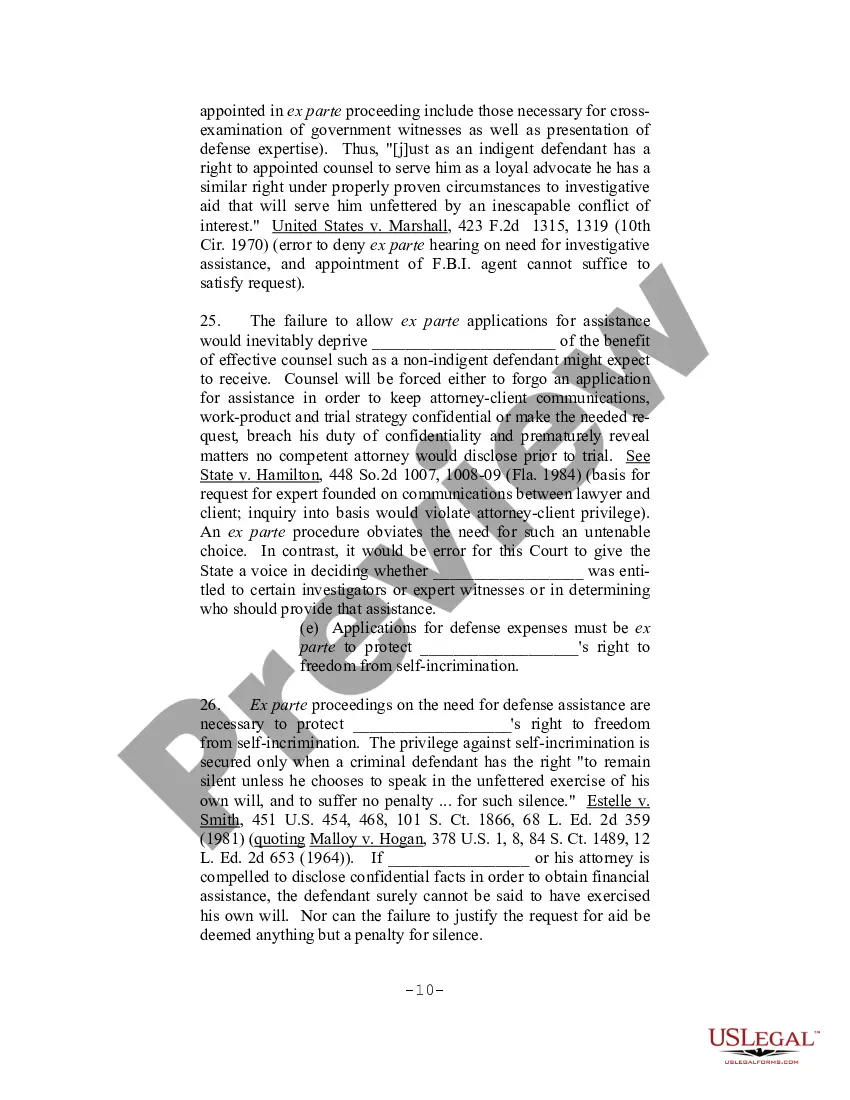

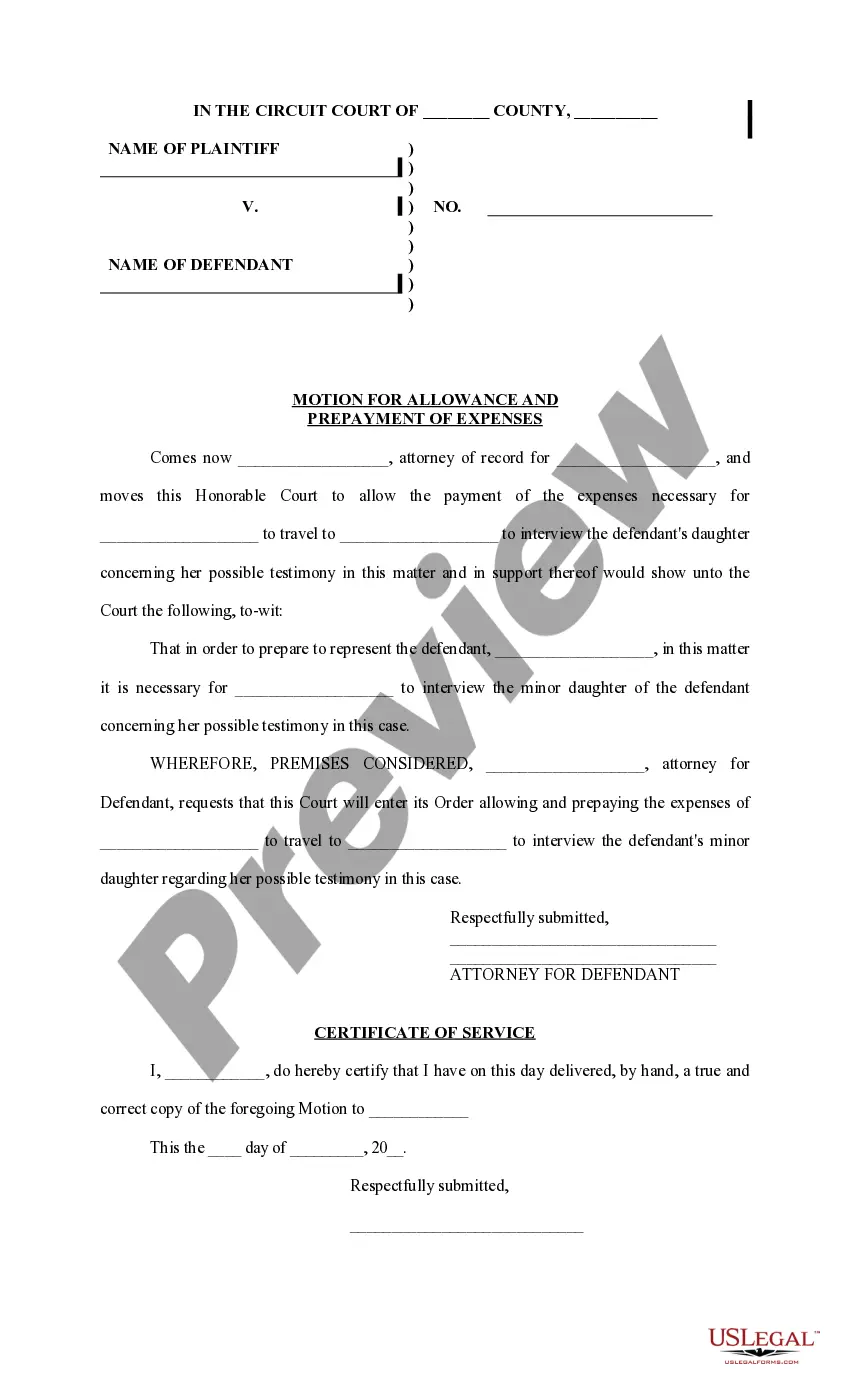
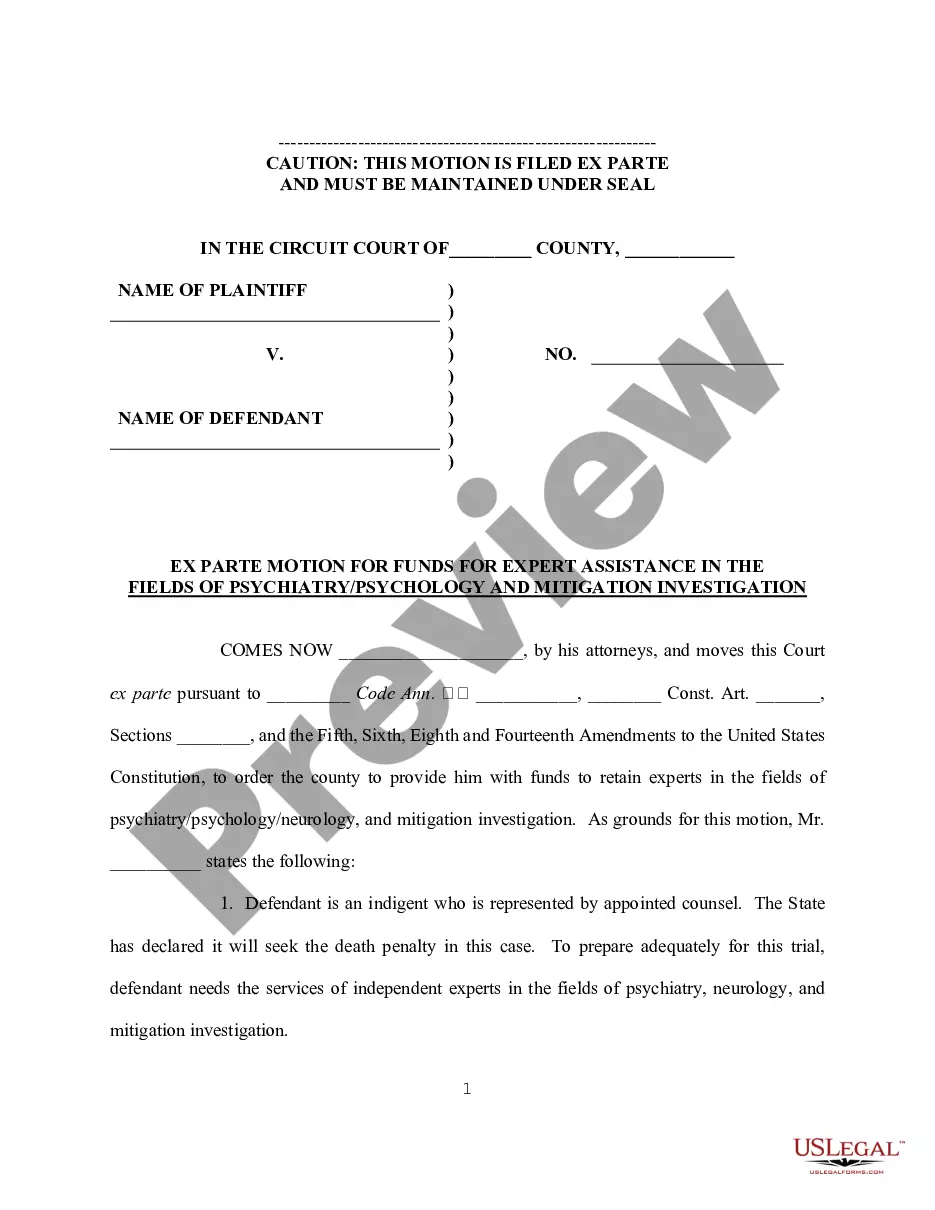
Get your form ready online
Our built-in tools help you complete, sign, share, and store your documents in one place.
Make edits, fill in missing information, and update formatting in US Legal Forms—just like you would in MS Word.
Download a copy, print it, send it by email, or mail it via USPS—whatever works best for your next step.
Sign and collect signatures with our SignNow integration. Send to multiple recipients, set reminders, and more. Go Premium to unlock E-Sign.
If this form requires notarization, complete it online through a secure video call—no need to meet a notary in person or wait for an appointment.
We protect your documents and personal data by following strict security and privacy standards.

Make edits, fill in missing information, and update formatting in US Legal Forms—just like you would in MS Word.

Download a copy, print it, send it by email, or mail it via USPS—whatever works best for your next step.

Sign and collect signatures with our SignNow integration. Send to multiple recipients, set reminders, and more. Go Premium to unlock E-Sign.

If this form requires notarization, complete it online through a secure video call—no need to meet a notary in person or wait for an appointment.

We protect your documents and personal data by following strict security and privacy standards.
Looking for another form?

How to fill out Motion For Permission To Proceed Ex Parte On Applications For Funds?
US Legal Forms - one of the largest collections of legal documents in the USA - provides a variety of legal form templates that you can download or print. While using the site, you can find numerous forms for business and personal uses, organized by categories, states, or keywords.
You can quickly find the latest versions of forms such as the Arkansas Motion for Permission to Proceed Ex Parte on Applications for Funds.
If you already possess a monthly subscription, Log In and download the Arkansas Motion for Permission to Proceed Ex Parte on Applications for Funds from the US Legal Forms library. The Download button will appear on every form you view. You have access to all previously downloaded forms in the My documents section of your account.
Process the payment. Use your credit card or PayPal account to complete the transaction.
Select the format and download the form to your device. Make edits. Fill out, modify, print, and sign the downloaded Arkansas Motion for Permission to Proceed Ex Parte on Applications for Funds. Each document you add to your account has no expiration date and is yours indefinitely. Therefore, if you wish to download or print another copy, simply navigate to the My documents section and click on the form you desire. Gain access to the Arkansas Motion for Permission to Proceed Ex Parte on Applications for Funds with US Legal Forms, the most comprehensive library of legal document templates. Utilize numerous professional and state-specific templates that cater to your business or personal needs and requirements.
- If you are using US Legal Forms for the first time, here are simple steps to get you started.
- Ensure you have selected the correct form for your city/county. Click on the Preview button to review the form's content.
- Read the form description to confirm that you have chosen the right form.
- If the form does not meet your needs, use the Search field at the top of the screen to find one that does.
- Once you are satisfied with the form, confirm your choice by clicking on the Buy now button.
- Then, select the pricing plan you prefer and provide your details to register for the account.
Form popularity
FAQ
A party may move for a more definite statement of a pleading to which a responsive pleading is allowed but which is so vague or ambiguous that the party cannot reasonably prepare a response. The motion must be made before filing a responsive pleading and must point out the defects complained of and the details desired.
Rule 12 - Defenses and Objections; When and How Presented; by Pleading or Motion; Motion for Judgment on The Pleadings (a)When Presented. (1) A defendant shall file his or her answer within 30 days after the service of summons and complaint upon him or her.
A party shall not be required, by order of court or otherwise, to authorize any communication with his or her physician or psychotherapist other than (A) the furnishing of medical records, and (B) communications in the context of formal discovery procedures.
(A) A defendant must serve an answer within 21 days after being served with the summons and complaint. (B) A party must serve an answer to a counterclaim or crossclaim within 21 days after being served with the pleading that states the counterclaim or crossclaim.
On request of any party in a case tried before a jury, deposition testimony offered other than for impeachment purposes shall be presented in nonstenographic form, if available, unless the court for good cause orders otherwise.
Rule 53 - Masters (a)Appointment and Compensation. Subject to the limitations contained herein, each court in which an action is pending may appoint a special master therein. As used in this rule, the word "master" includes a referee, an auditor, an examiner, a commissioner and an assessor.
Rule 34 of the Federal Rules of Civil Procedure provides for discovery and inspection of documents and things in the course of developing a case for trial. Subsection (b)(1)(A) states that the request must ?describe with reasonable particularity each item or category of items to be inspected.? See Fed.
Any party may serve on any other party a request (1) to produce and permit the party making the request, or someone acting on his behalf, to inspect and copy any designated documents (including writings, drawings, graphs, charts, photographs, phono-records, and other data compilations from which information can be ...
Any party may serve upon any other party written interrogatories to be answered by the party served or, if the party served is a public or private corporation or a partnership or association or governmental agency, by any officer or agent, who shall furnish such information as is available to the party.
It states the general rule that the court may, with prior notice to all parties, modify a judgment, decree or order within 90 days of its filing with the clerk to "correct errors or mistakes or to prevent the miscarriage of justice." Revised subdivision (b) expressly states an exception for "clerical mistakes" and ...