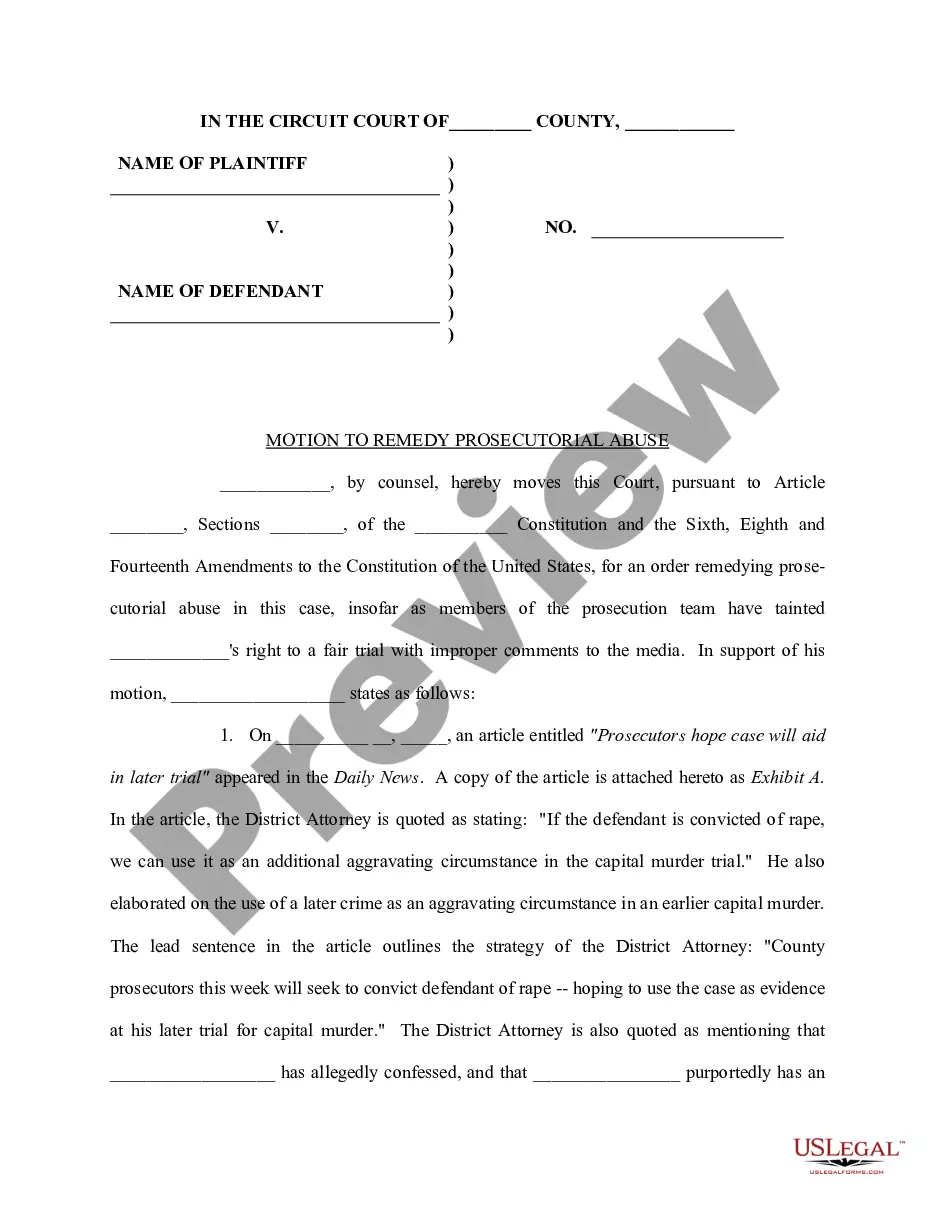
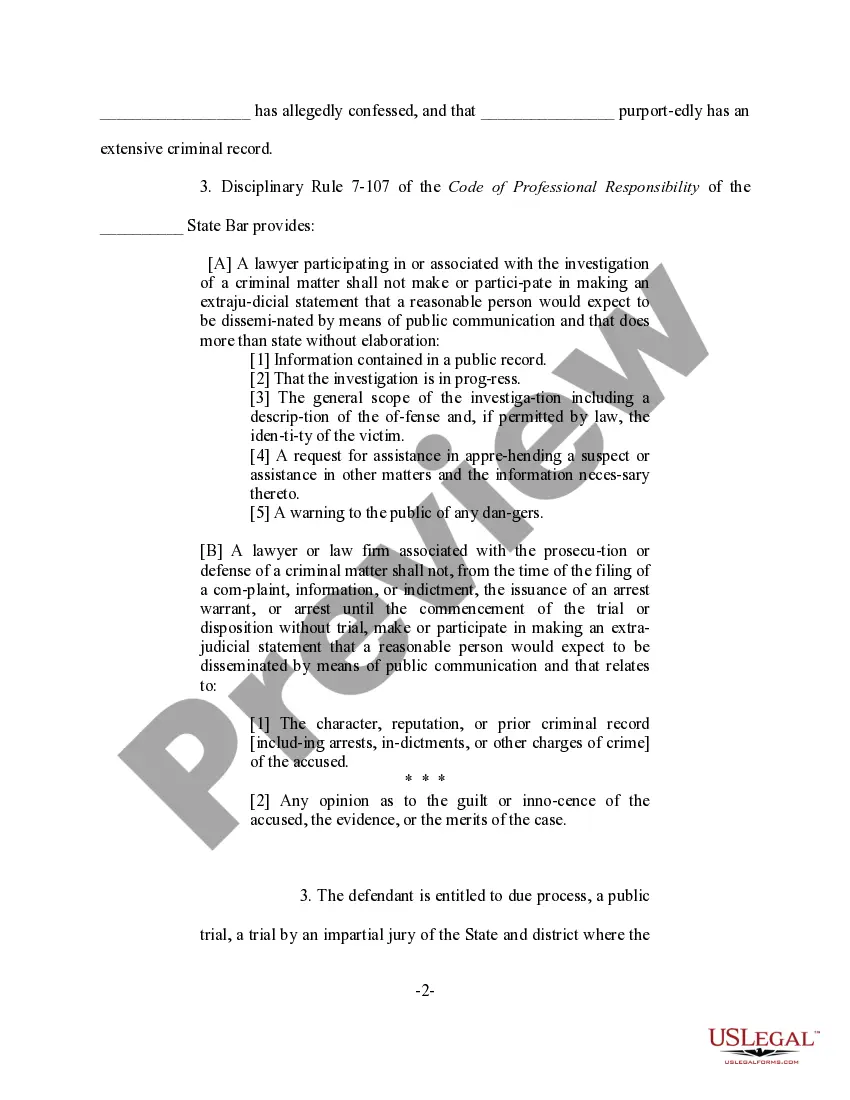
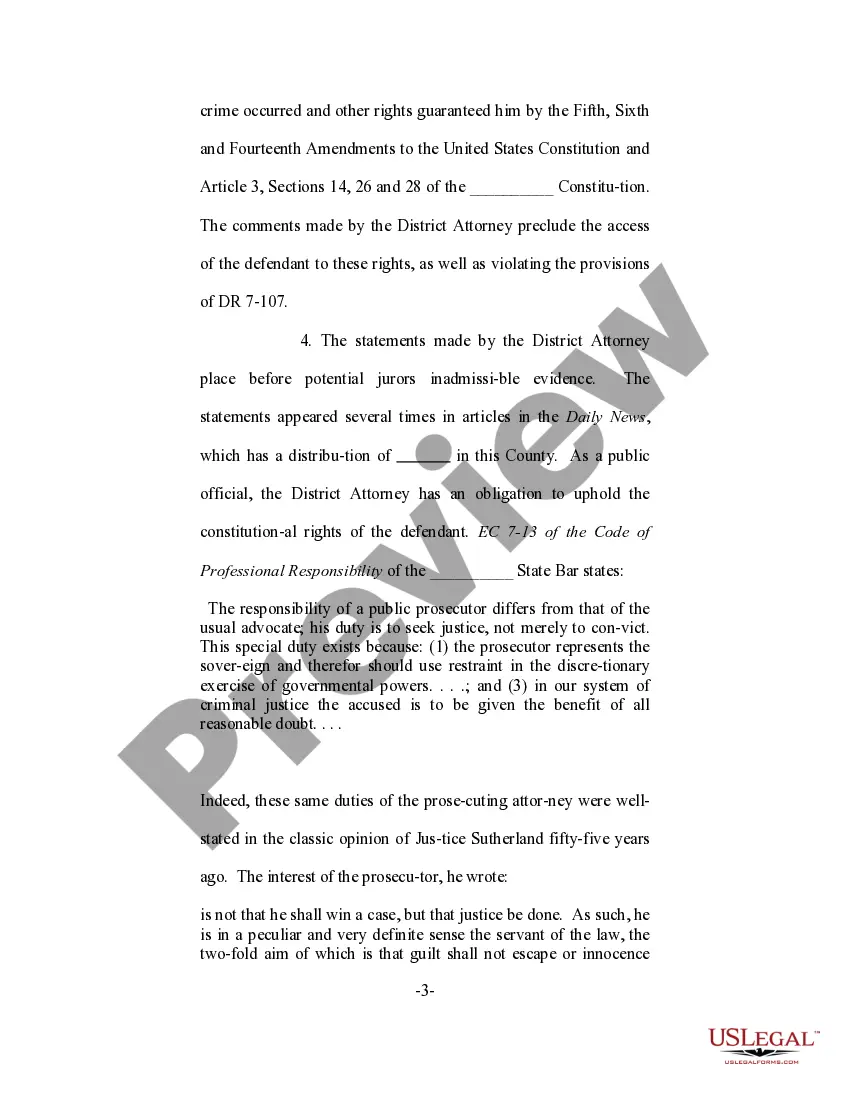
Arkansas Motion to Remedy Prosecutorial Abuse
Description
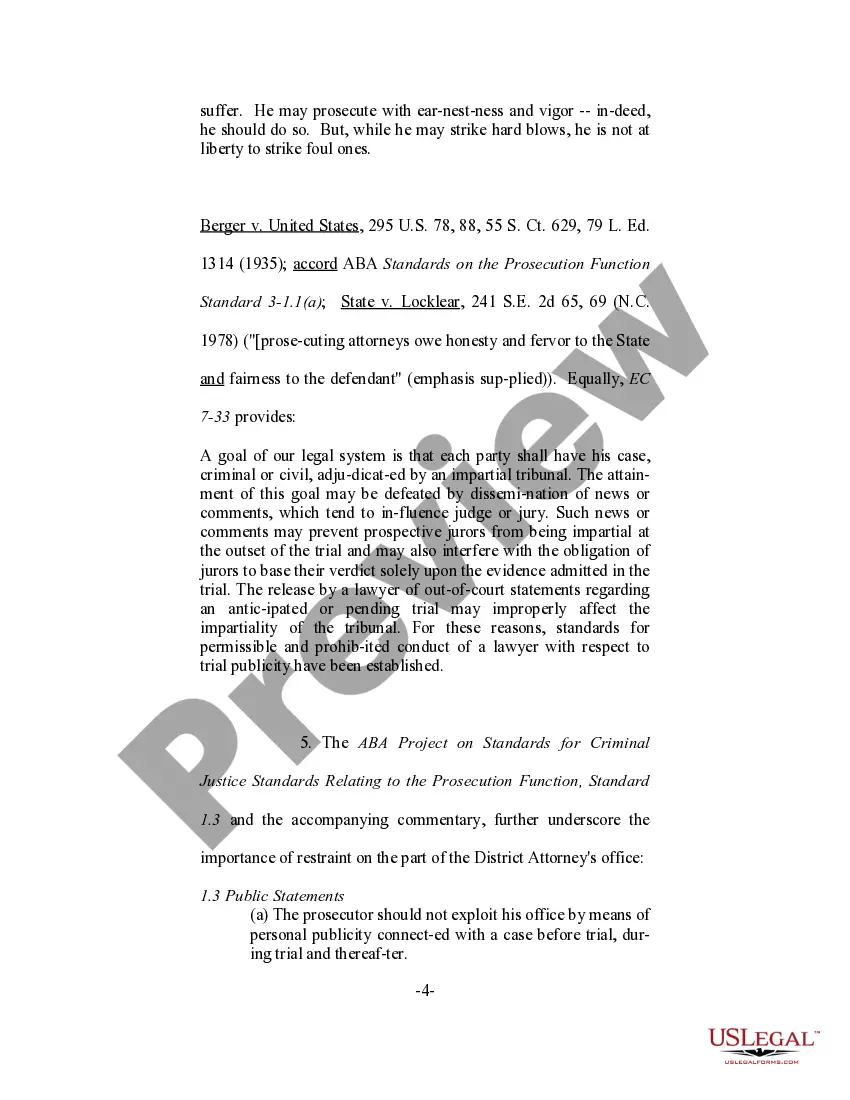
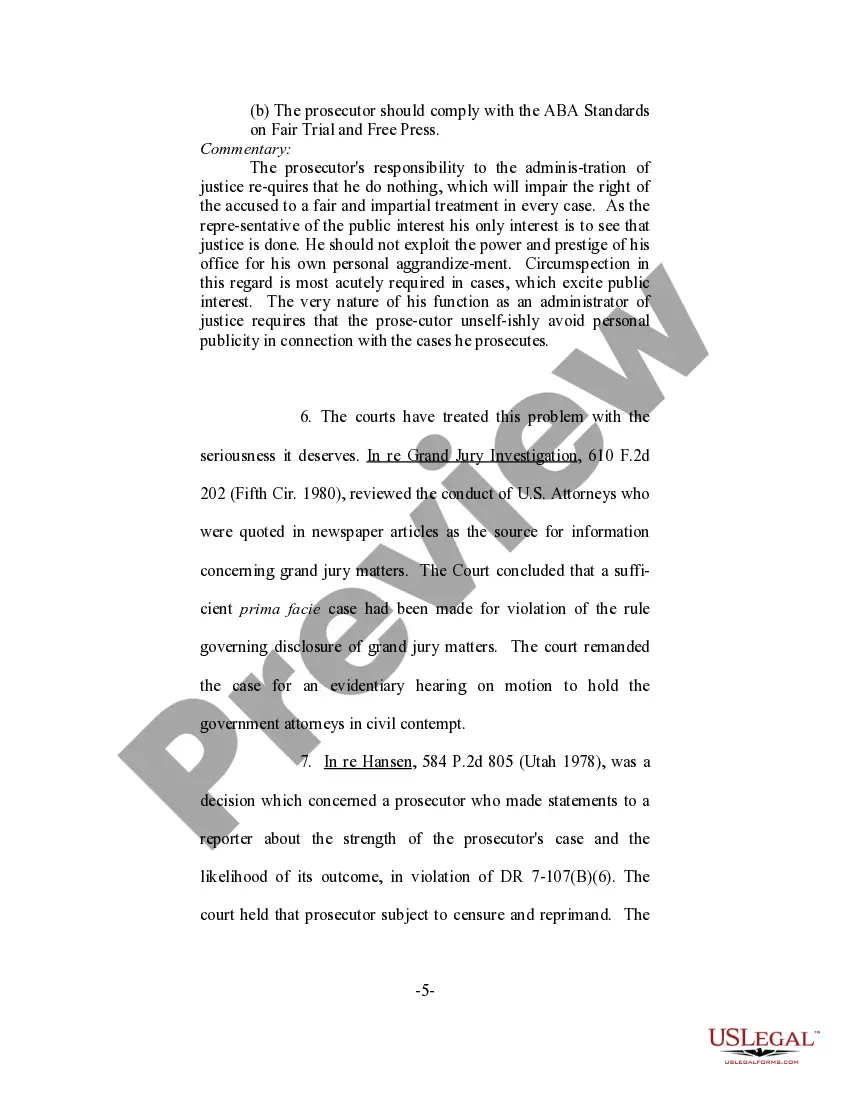
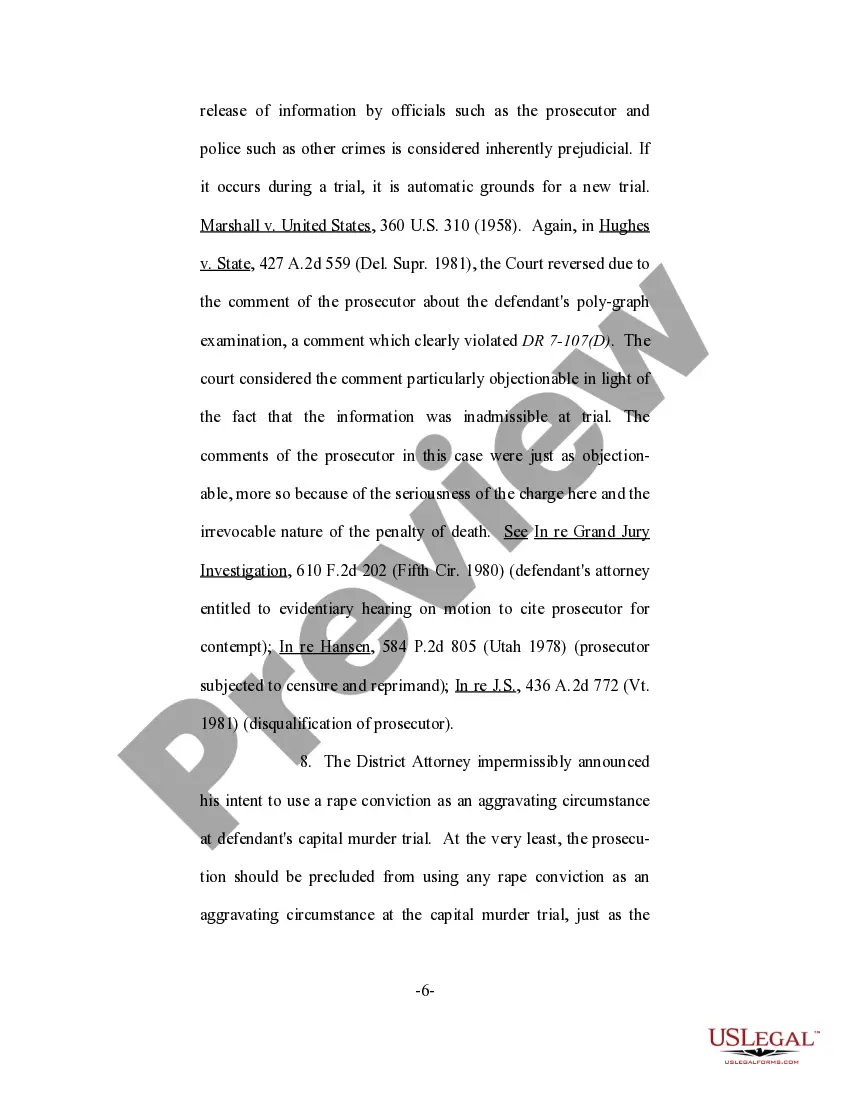
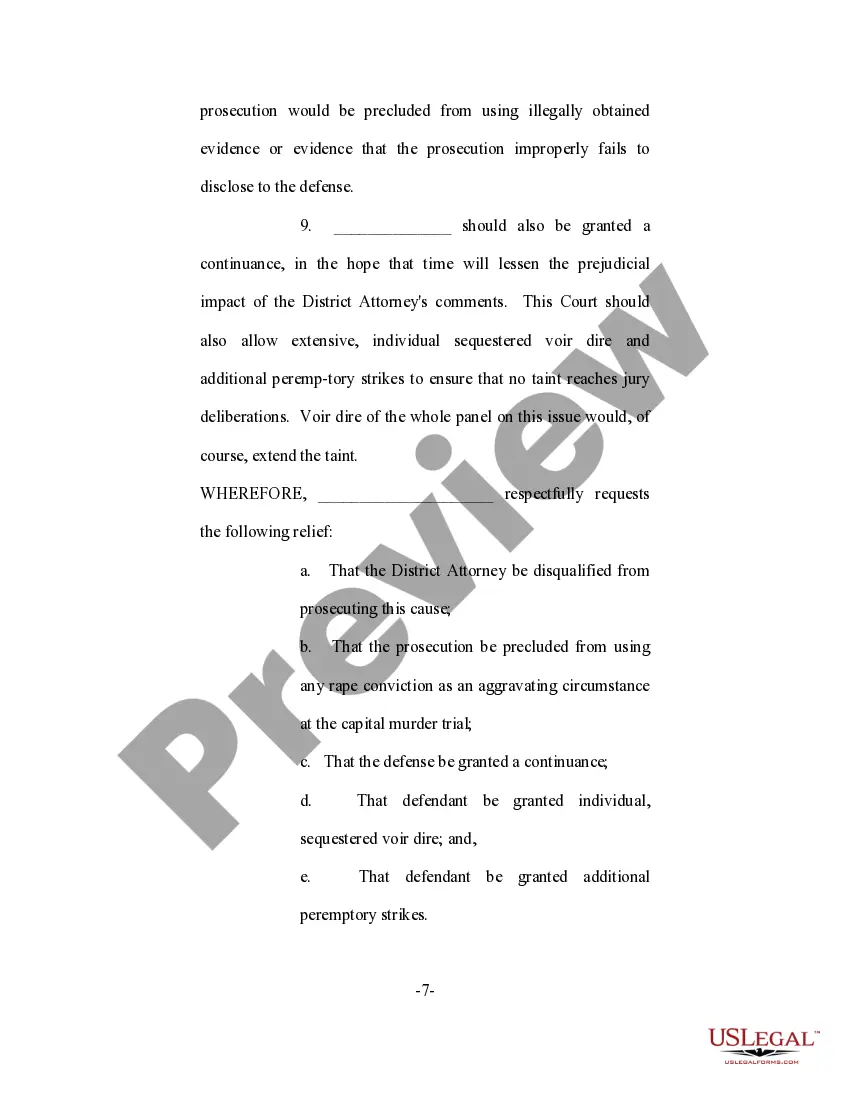
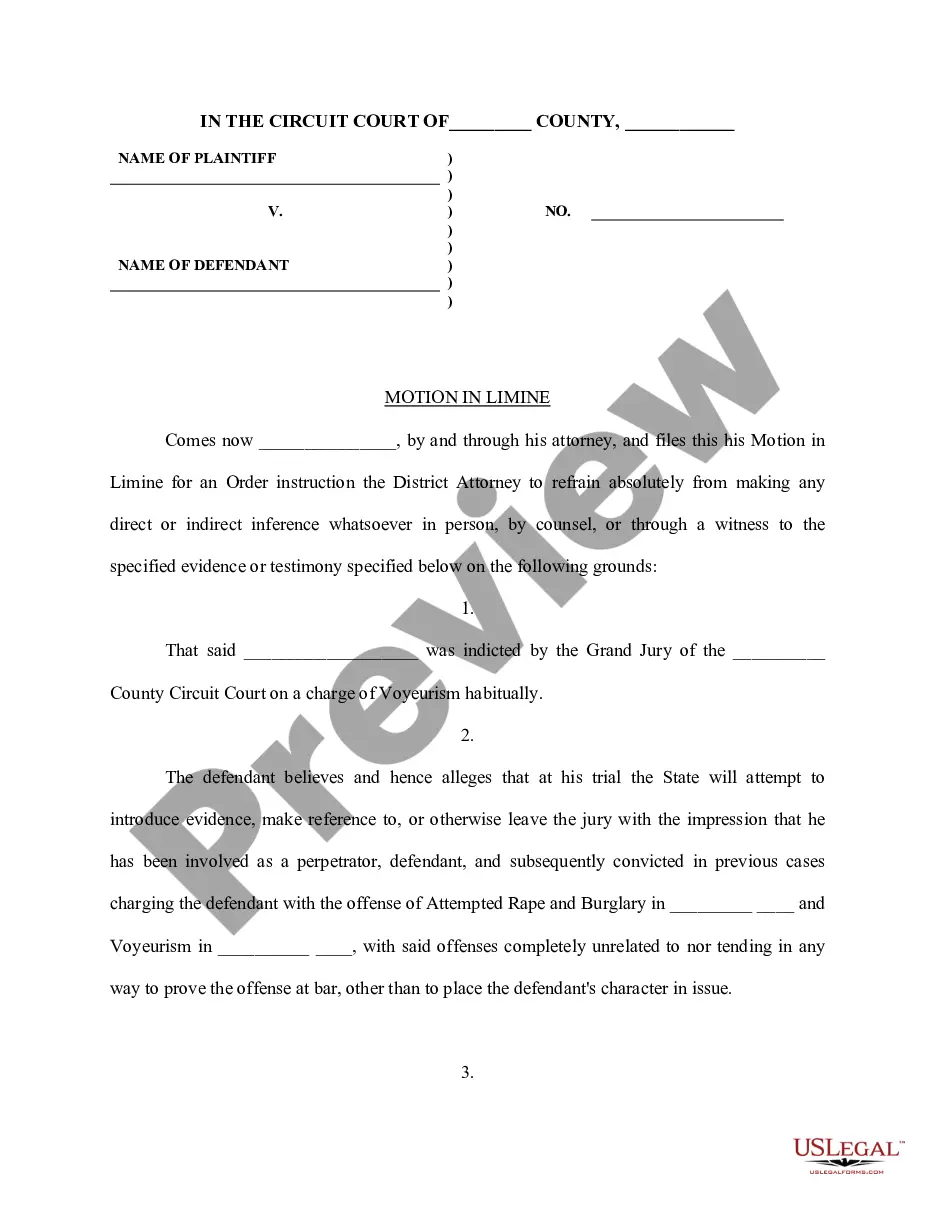
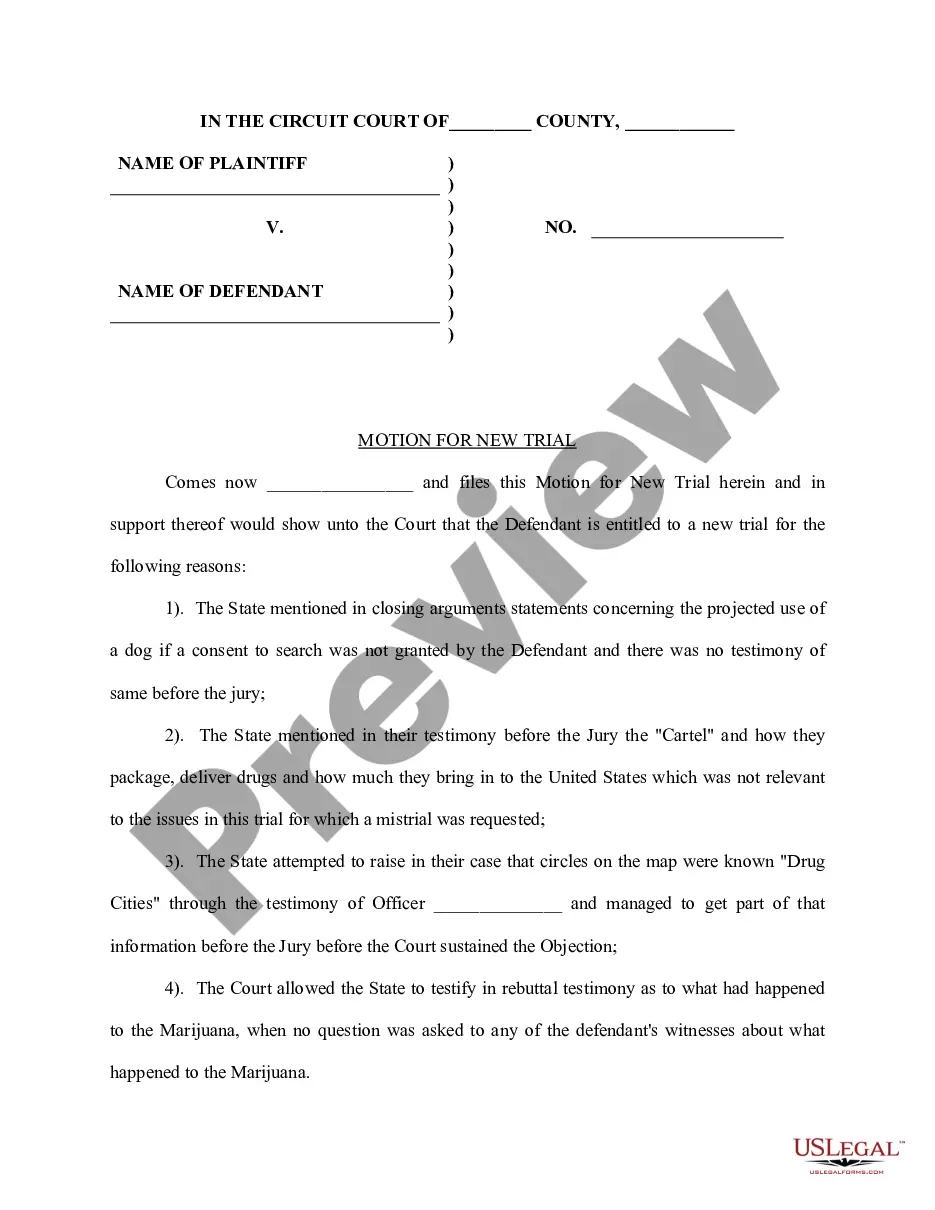
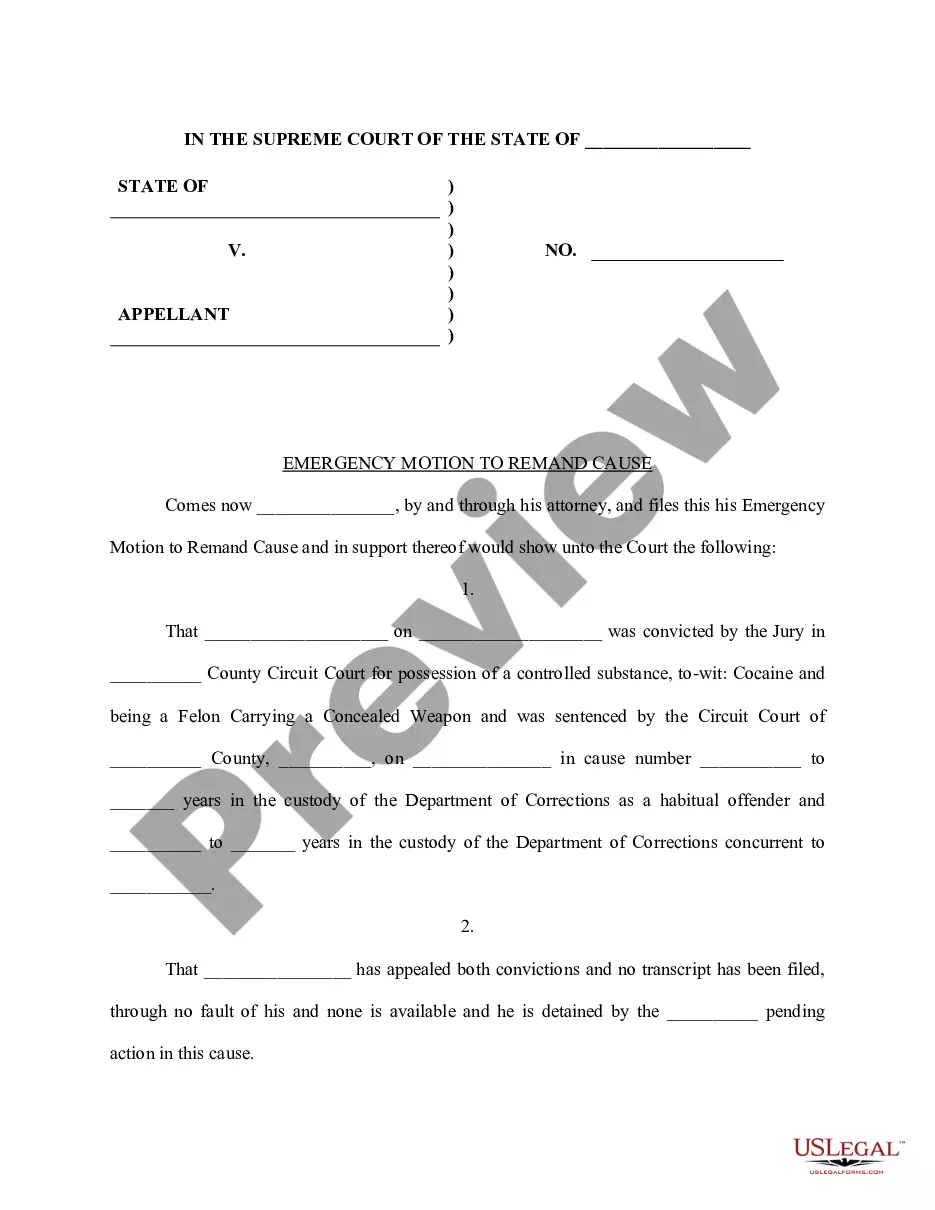
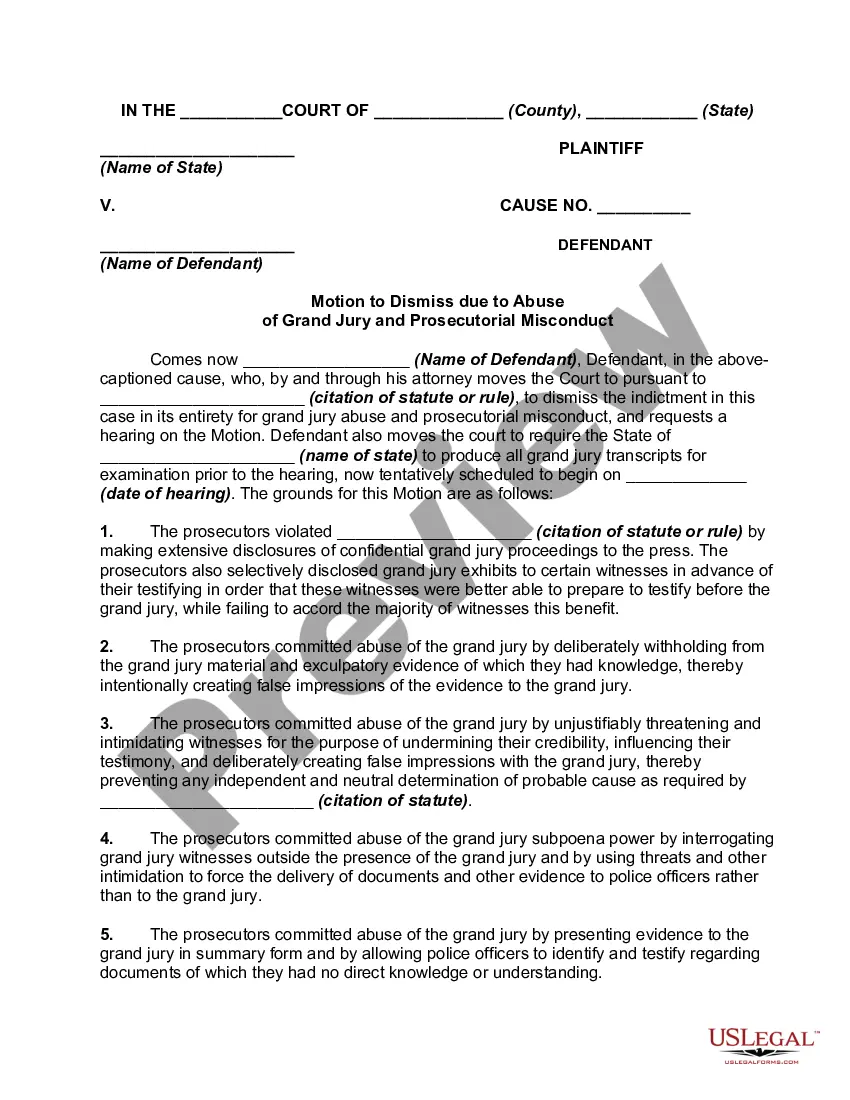
Get your form ready online
Our built-in tools help you complete, sign, share, and store your documents in one place.
Make edits, fill in missing information, and update formatting in US Legal Forms—just like you would in MS Word.
Download a copy, print it, send it by email, or mail it via USPS—whatever works best for your next step.
Sign and collect signatures with our SignNow integration. Send to multiple recipients, set reminders, and more. Go Premium to unlock E-Sign.
If this form requires notarization, complete it online through a secure video call—no need to meet a notary in person or wait for an appointment.
We protect your documents and personal data by following strict security and privacy standards.

Make edits, fill in missing information, and update formatting in US Legal Forms—just like you would in MS Word.

Download a copy, print it, send it by email, or mail it via USPS—whatever works best for your next step.

Sign and collect signatures with our SignNow integration. Send to multiple recipients, set reminders, and more. Go Premium to unlock E-Sign.

If this form requires notarization, complete it online through a secure video call—no need to meet a notary in person or wait for an appointment.

We protect your documents and personal data by following strict security and privacy standards.
Looking for another form?

How to fill out Motion To Remedy Prosecutorial Abuse?
Are you in a role that requires you to have documents for either business or specific needs almost daily? There are numerous legal form templates available online, but locating ones you can trust isn’t straightforward. US Legal Forms provides thousands of form templates, such as the Arkansas Motion to Remedy Prosecutorial Abuse, that are designed to comply with federal and state requirements.
If you are already familiar with the US Legal Forms website and possess an account, simply Log In. Afterwards, you can download the Arkansas Motion to Remedy Prosecutorial Abuse template.
If you do not have an account and want to start using US Legal Forms, follow these steps: Find the form you need and ensure it is for the correct city/county. Use the Preview button to review the form. Read the description to confirm that you have selected the right form. If the form isn’t what you are looking for, use the Search field to find the form that suits your requirements and specifications. Once you find the correct form, click on Get now. Choose the pricing plan you want, fill in the necessary details to create your account, and complete the transaction using your PayPal or Visa or Mastercard. Select a convenient document format and download your copy. Check all the form templates you may have purchased in the My documents list. You can obtain another copy of the Arkansas Motion to Remedy Prosecutorial Abuse anytime, if needed. Just click on the desired form to download or print the document template.
Avoid altering or removing any HTML tags. Only synonymize plain text outside of the HTML tags.
- Utilize US Legal Forms, the most comprehensive collection of legal forms, to save time and avoid errors.
- The service offers properly crafted legal document templates that can be used for a variety of purposes.
- Create an account on US Legal Forms and begin simplifying your life.
- Access thousands of templates designed to meet legal standards.
- Ensure you are selecting the right documents for your needs.
- Easily manage your forms and access them whenever necessary.
- Make transactions securely with various payment options.
Form popularity
FAQ
How could judges act earlier to prevent prosecutorial misconduct? The answer, perhaps surprisingly, is that a trial court could impose minimum training standards for avoiding prosecutorial misconduct. Unless prosecutors complete that training, the judge would not allow them to handle cases in the judge's courtroom.
Another form of misconduct that can lead to the dismissal of a case is when the prosecutor makes false or misleading statements in court. This can include knowingly presenting perjured testimony, or making statements that are not based on evidence or are intended to mislead the jury.
The most common form of improper witness examination is eliciting inadmissible evidence. It is misconduct for prosecutors to elicit inadmissible evidence in witness examinations, and especially improper when the examination violates a specific court order.
Some Examples Include: Evidence tampering. Failing to admit evidence that exonerates the defendant. Practices like entrapment or pressuring a person to commit a crime. Inducing a plea bargain through threat or unfounded assurances. Intentionally presenting false evidence or witness testimony that's factually untrue.
This is a violation to 5th Amendment right to due process and an abuse of discretion.