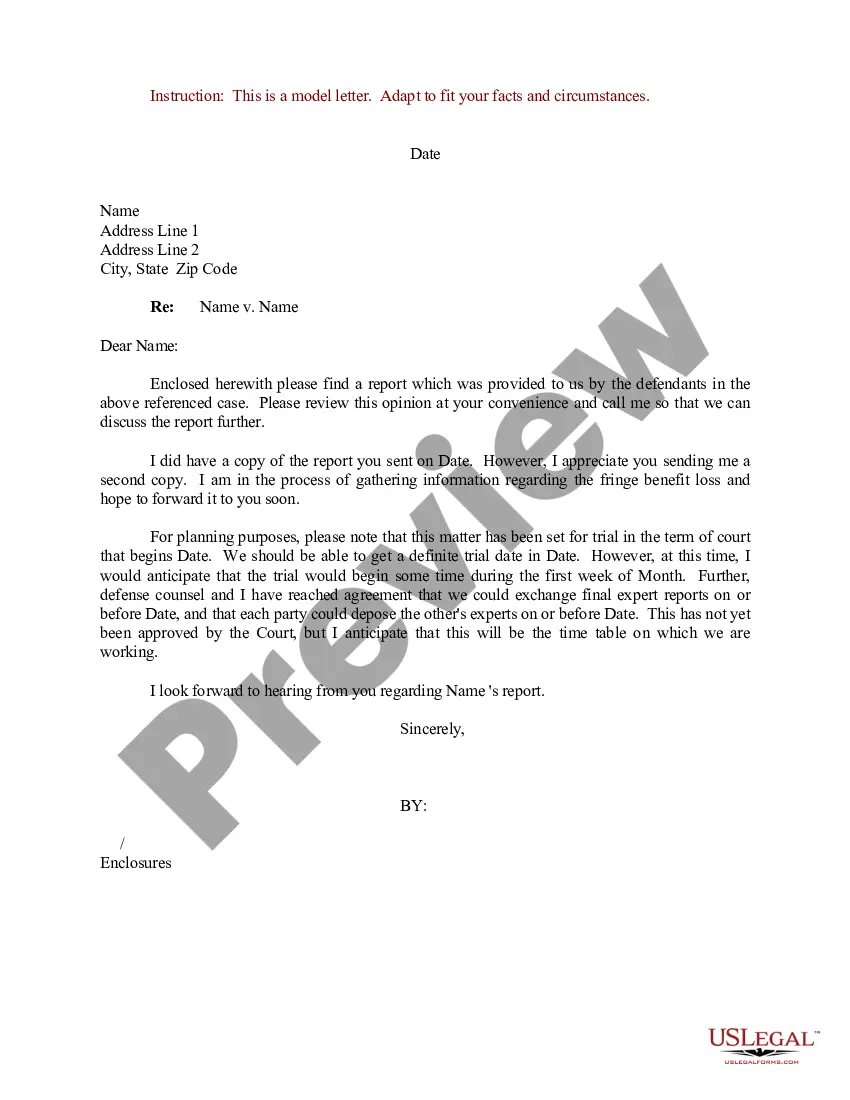
Sample Letter for Report and Trial Date for Case
What this document covers
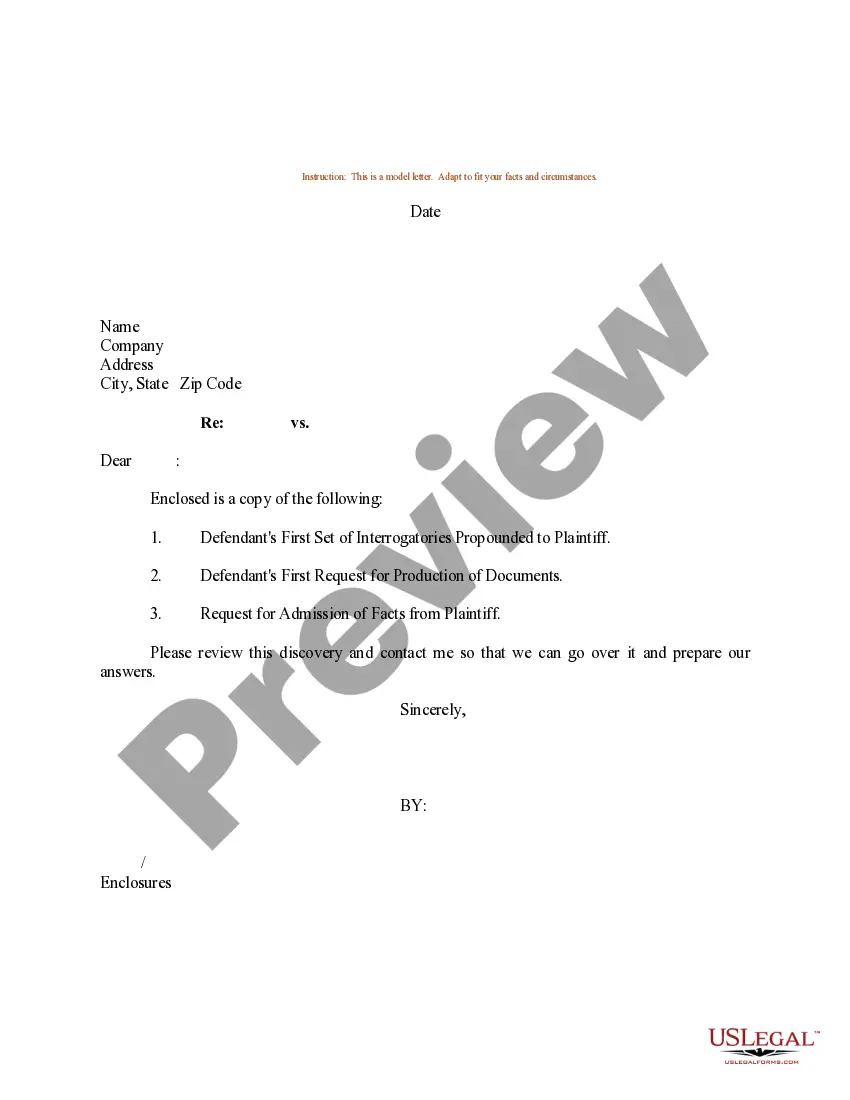
This form is a Sample Letter for Reporting and Trial Date for a Case. It serves as a communication tool between legal parties regarding details of an ongoing court case, including submitted reports and scheduling of future trial dates. This letter helps streamline the legal process by ensuring that relevant parties are informed and prepared for upcoming proceedings.
What’s included in this form
- Date and addresses: Includes the date and contact information of the sender and recipient.
- Case reference: Specifies the title of the case and the involved parties.
- Report mention: Acknowledges receipt of a report relevant to the case.
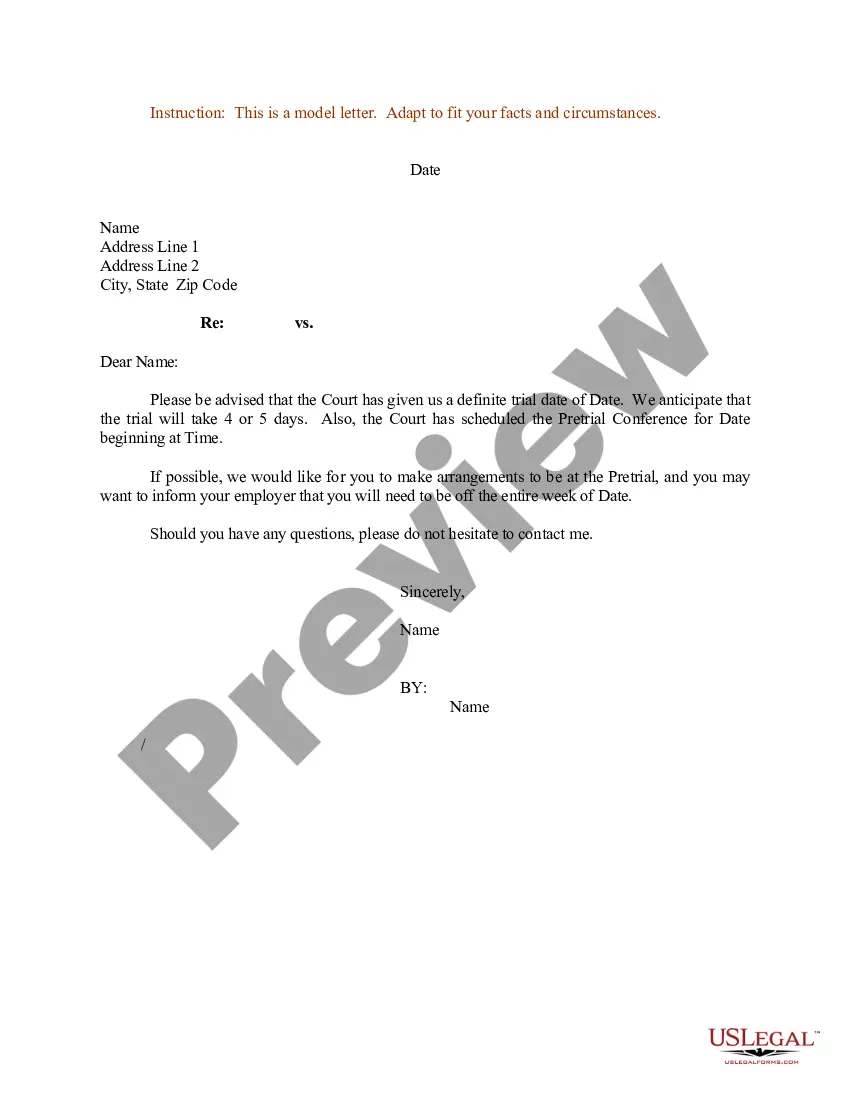
- Trial schedule: Provides details about the anticipated trial date and related timelines.
- Expert report exchange: Outlines the agreement on exchanging expert reports and scheduling depositions.
Common use cases
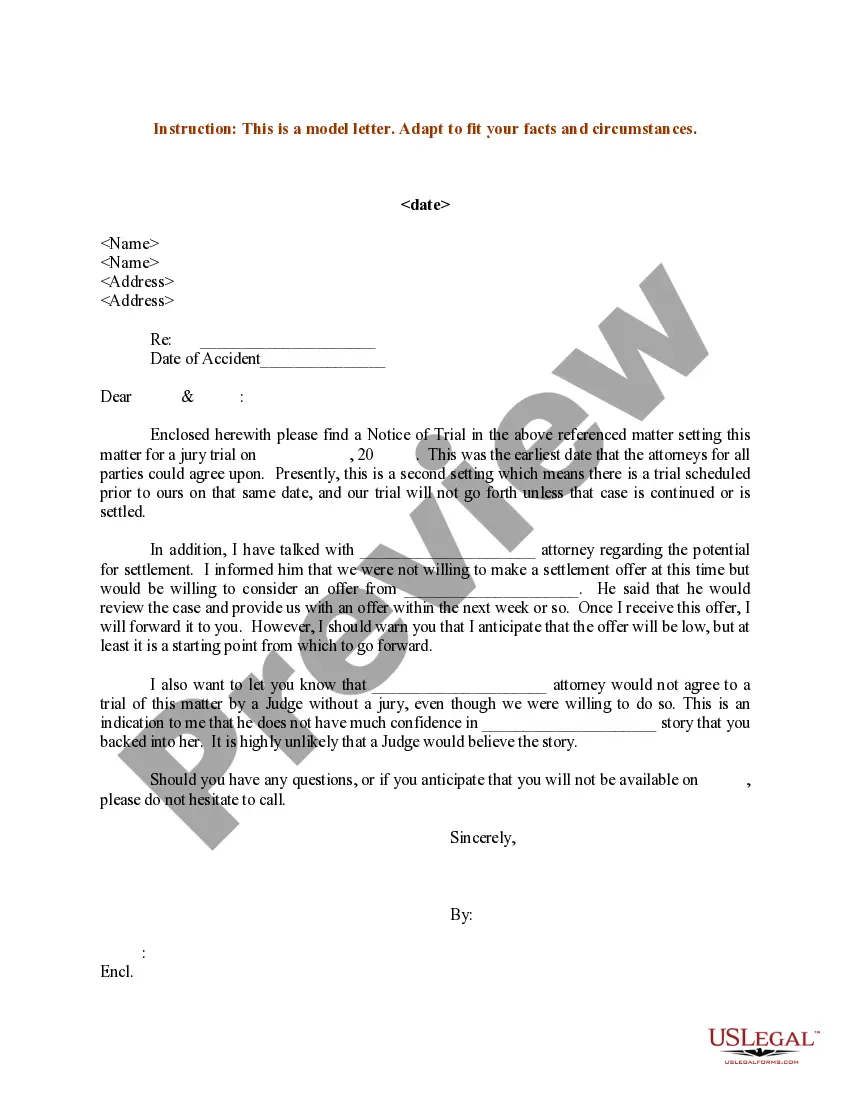
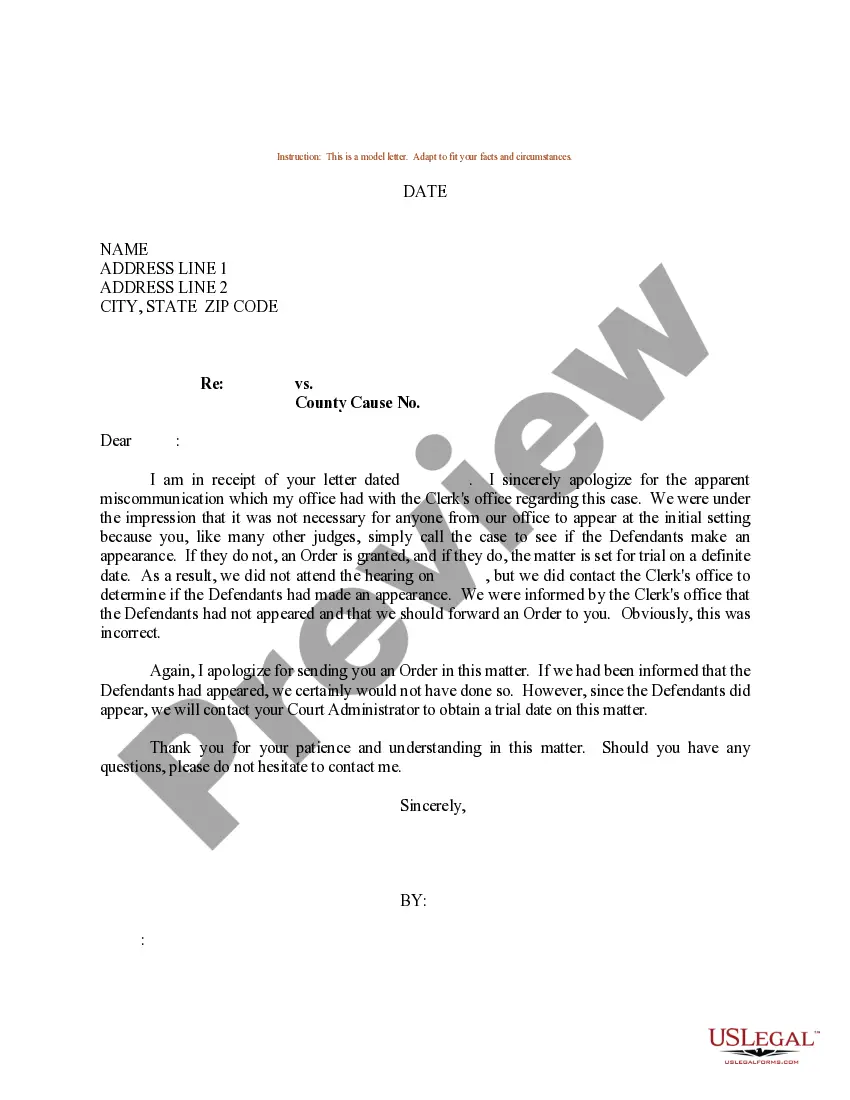
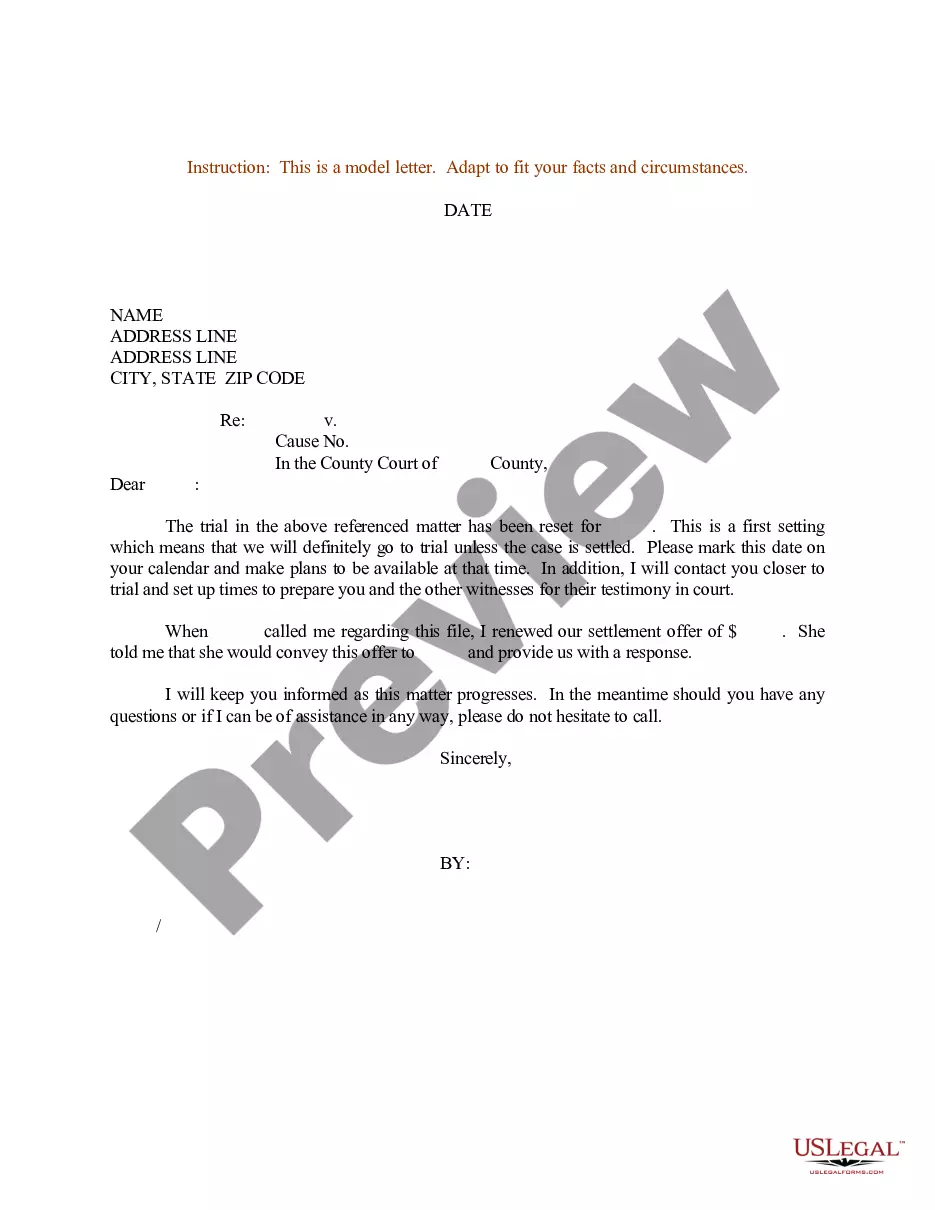
You should use this form when you need to formally communicate with another party in a legal case about important updates, including reports received and the scheduling of trial dates. It is particularly useful when coordinating timelines and expectations between attorneys or legal representatives.
Intended users of this form
This form is intended for:
- Attorneys representing clients in legal cases.
- Legal assistants tasked with communication in ongoing litigation.
- Parties involved in litigation seeking to update or confirm case-related information.
How to complete this form
- Enter the date and your contact information at the top of the letter.
- Clearly state the case reference, including the names of all parties involved.
- Include a brief acknowledgment of the report received and any relevant details.
- Specify the anticipated trial date and any critical deadlines for documents or expert exchanges.
- Close the letter with your signature and any necessary enclosures.
Is notarization required?
This form does not typically require notarization unless specified by local law. Always consider local requirements to ensure compliance.
Get your form ready online
Our built-in tools help you complete, sign, share, and store your documents in one place.
Make edits, fill in missing information, and update formatting in US Legal Forms—just like you would in MS Word.
Download a copy, print it, send it by email, or mail it via USPS—whatever works best for your next step.
Sign and collect signatures with our SignNow integration. Send to multiple recipients, set reminders, and more. Go Premium to unlock E-Sign.
If this form requires notarization, complete it online through a secure video call—no need to meet a notary in person or wait for an appointment.
We protect your documents and personal data by following strict security and privacy standards.

Make edits, fill in missing information, and update formatting in US Legal Forms—just like you would in MS Word.

Download a copy, print it, send it by email, or mail it via USPS—whatever works best for your next step.

Sign and collect signatures with our SignNow integration. Send to multiple recipients, set reminders, and more. Go Premium to unlock E-Sign.

If this form requires notarization, complete it online through a secure video call—no need to meet a notary in person or wait for an appointment.

We protect your documents and personal data by following strict security and privacy standards.
Common mistakes to avoid
- Failing to include the accurate date or case reference.
- Not confirming receipt of all necessary reports before sending the letter.
- Missing important deadlines for trial or report exchanges.
Advantages of online completion
- Convenient access to ready-to-use templates that save time.
- Editable in Word format, allowing for easy customization.
- Designed by licensed attorneys, ensuring reliability and compliance with legal standards.
Looking for another form?

Form popularity
FAQ
Dear Name, I am writing this letter to you to ask for a sincere apology for failing to attend my court date Mention Date. I accept that I have committed a mistake which is not acceptable in any way. However, I request you to understand that since Mention Reason, I couldn't show up to court on that day.
A valid emergency can serve as an excuse for missing a court date. Some examples of legitimate emergencies include: An emergency room visit for a sudden, debilitating medical condition. A sick child.
Their statements should be truthful, sincere and explain why they regret committing the crime. Also, a statement should be made accepting responsibility for the crime and reasons why they are writing the letter to the judge a defendant should ask for a lesser fine or a shorter sentence.
You can't write to the judge. You can hire your own attorney to make your case to the court.
Type your letter. Concisely review the main facts. Be polite. Write with your goal in mind. Ask for exactly what you want. Set a deadline. End the letter by stating you will promptly pursue legal remedies if the other party does not meet your demand. Make and keep copies.
Introduce yourself. State what your occupation is and any qualifications you hold. Outline your relationship with the person who is the subject of the legal proceedings. DO. Acknowledge the charges that have been brought against the person. DO. State your opinion of the person's general character. DO.
Insert the Date. In the top left line, include the date you are writing the letter. Write Your Contact Information. Leave one blank line of space below the date and then type your name and address on the left. Type the Name and Address of the Judge or Court Staff.
Use "Re:" (an abbreviation for "regarding" or "with reference to"), followed by a brief identifying phrase. Begin with a salutation. Write "Dear Judge (last name)," to start the message of your letter. Note that you should use "the Honorable" when referring to the judge, but use "Judge" addressing him or her directly.
However, when a person is awaiting trial, writing a letter to the judge will not help. At best, the letter will go unread by the judge, and will be of no help. In a worst-case scenario, the letter will end up being used by the prosecution as evidence against that person.