Alabama Crossclaims for Defendant
What is this form?
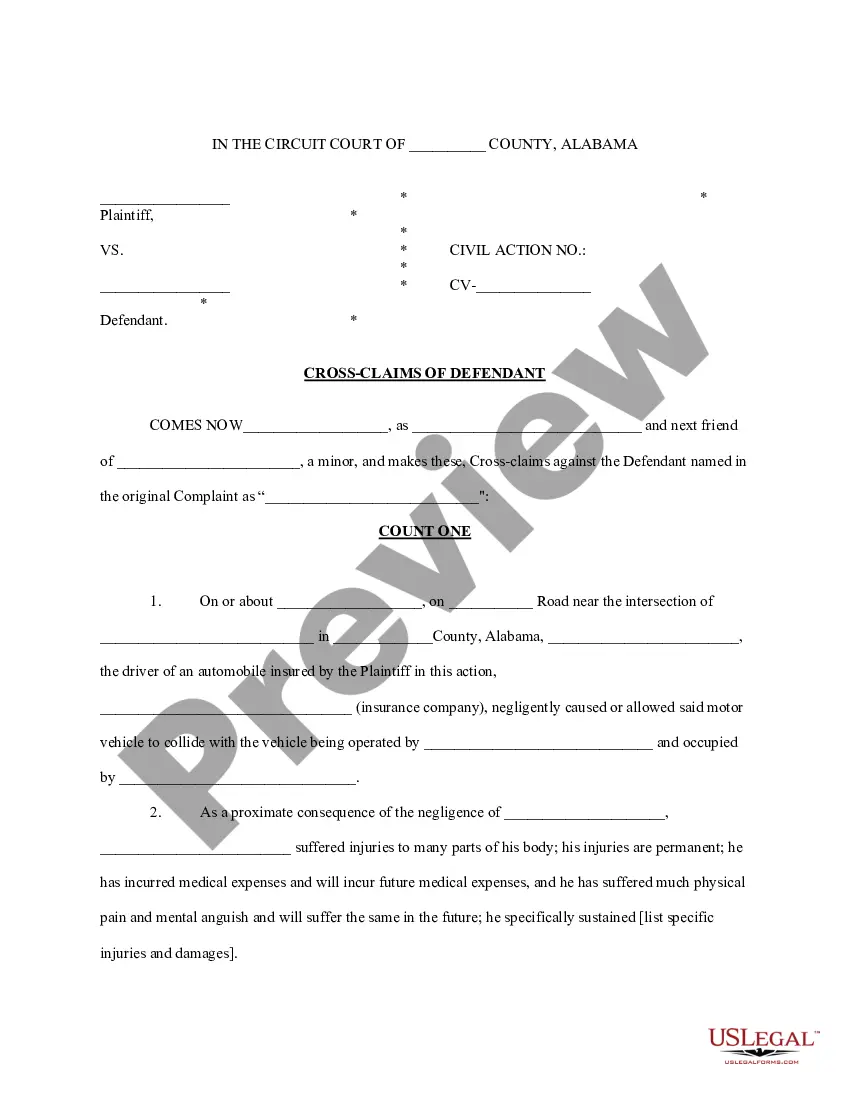
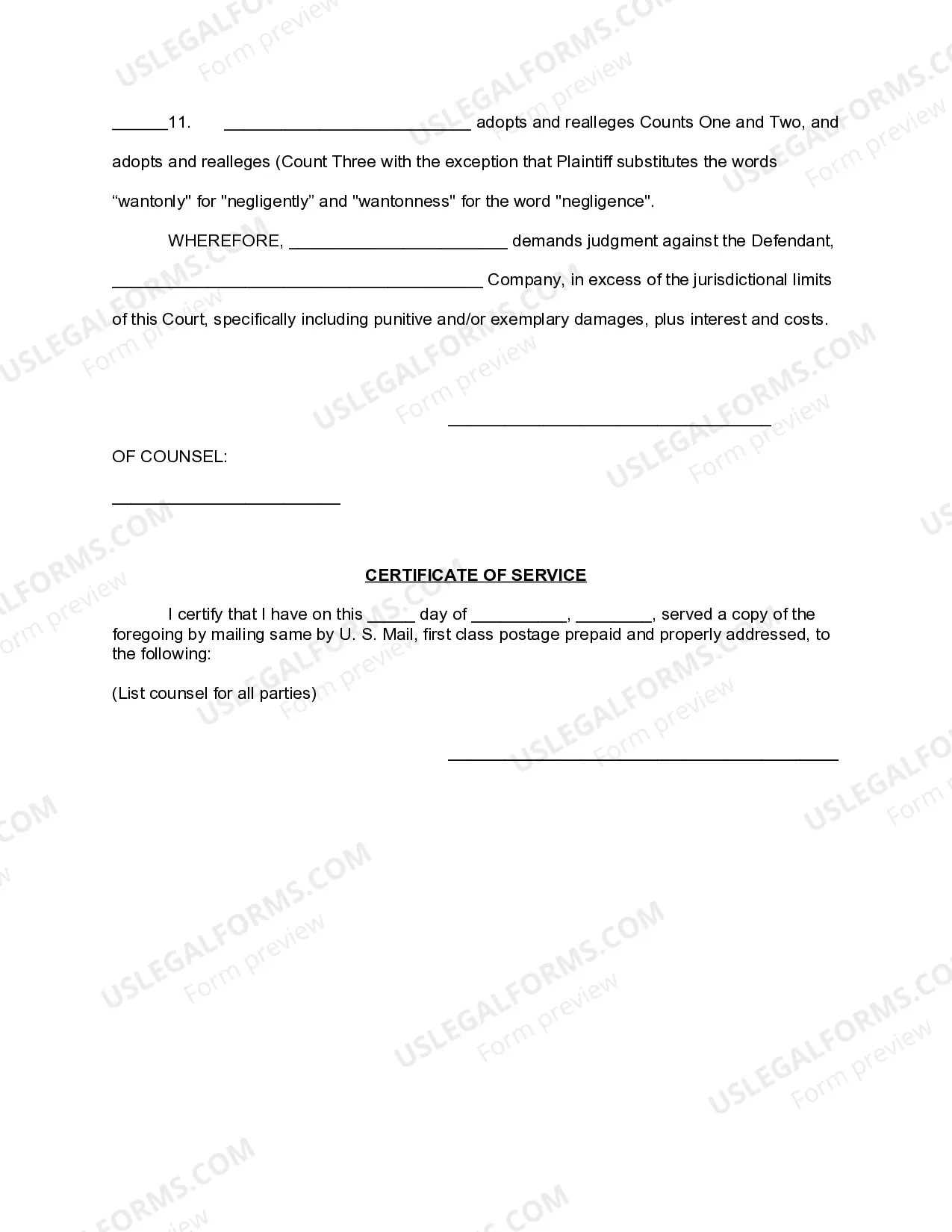
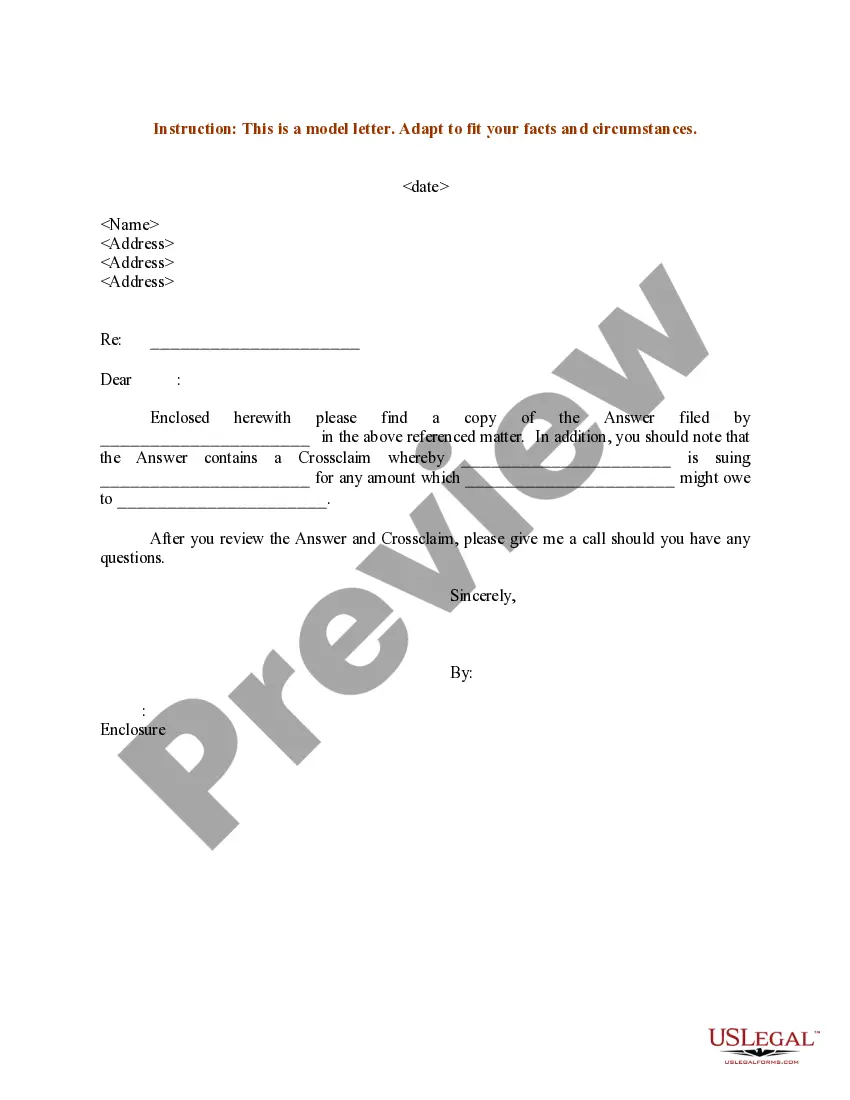
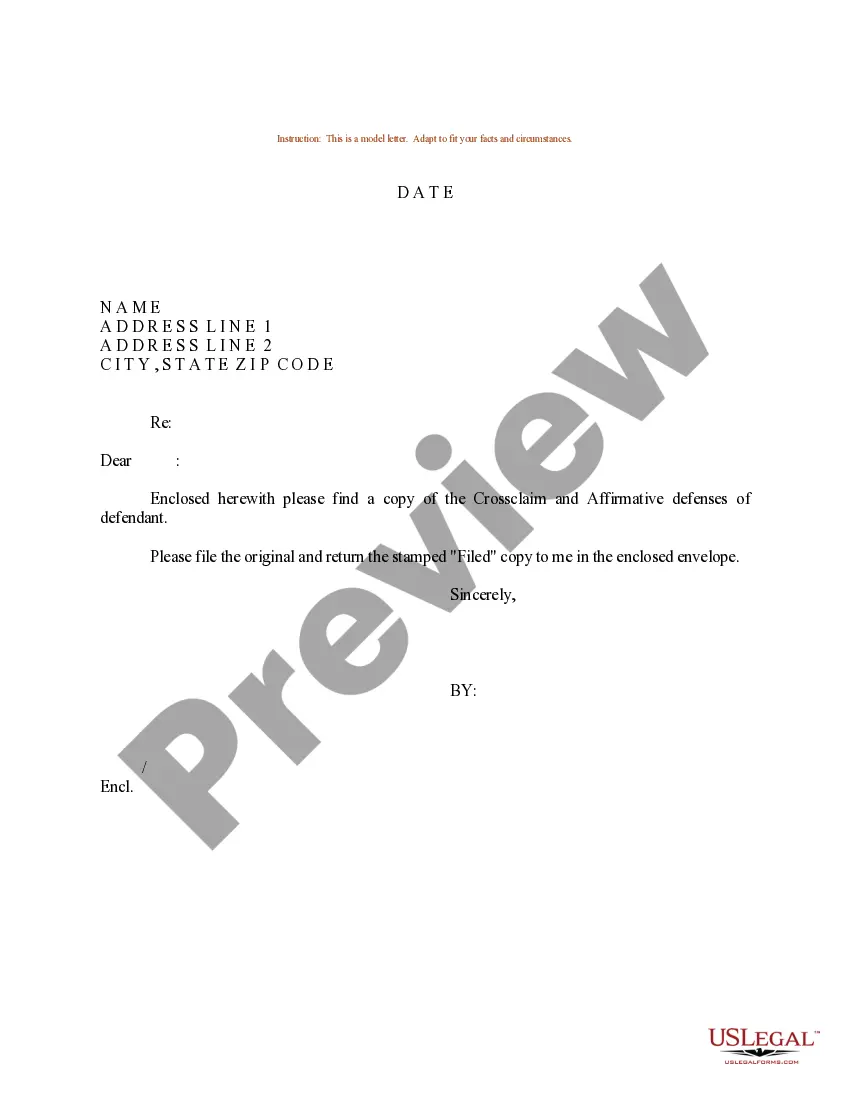
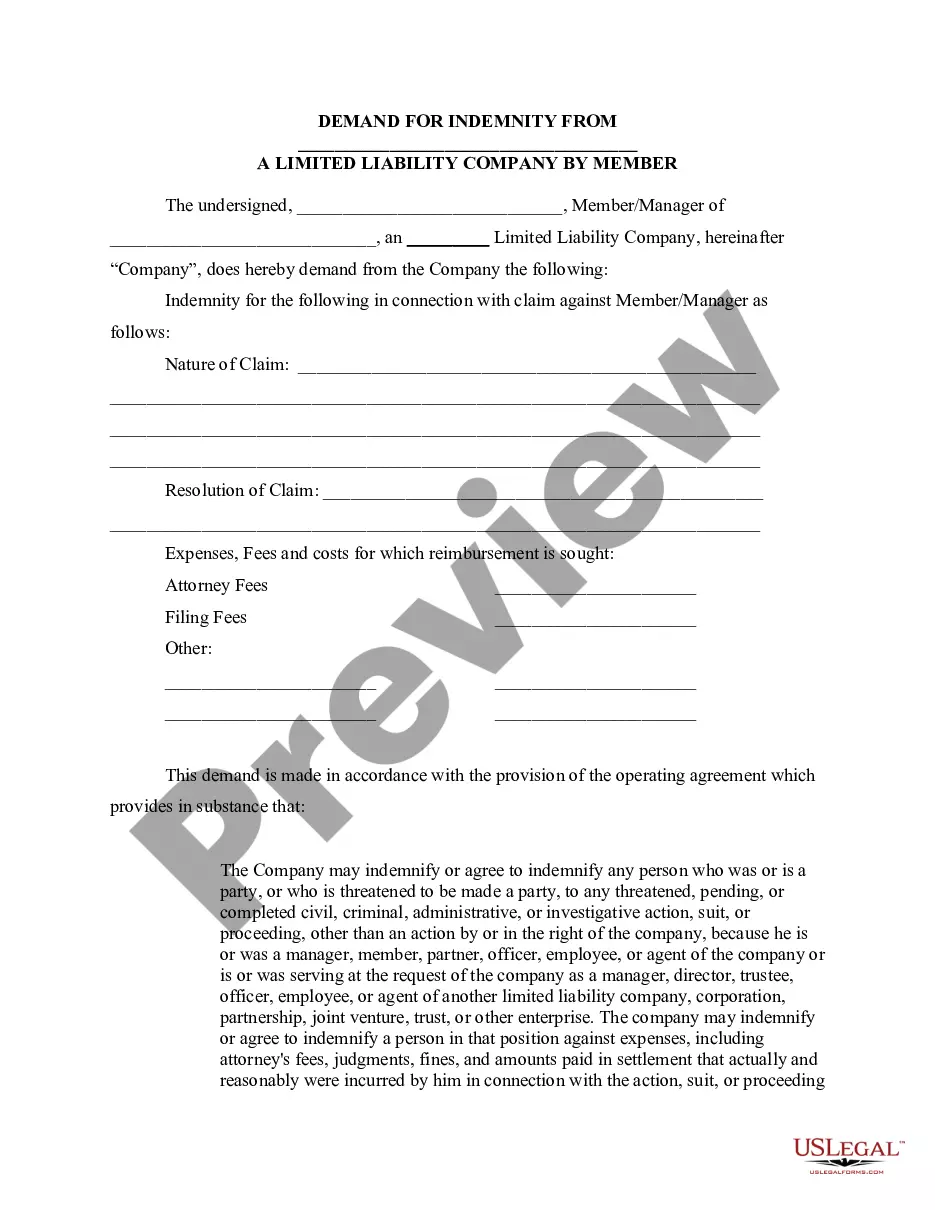
The Crossclaims for Defendant form is a legal document used in civil actions, specifically following a motor vehicle accident where the defendant seeks to assert claims against co-defendants or other parties. This form differs from standard defendant responses as it allows the defendant to address claims of negligence and seek compensation for injuries sustained in the incident, ensuring that all potentially liable parties are included in the proceedings.
Form components explained
- Identification of the parties involved in the civil action.
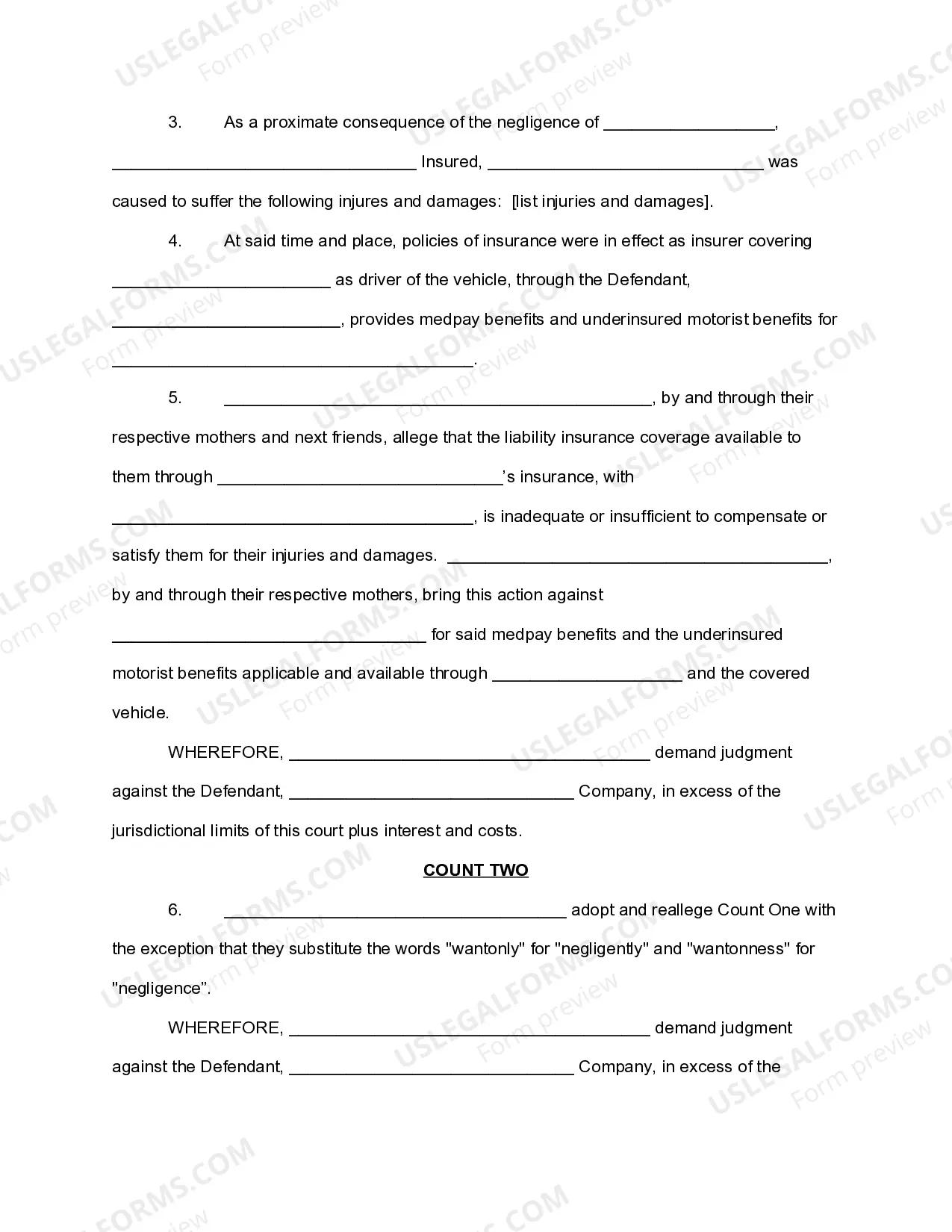
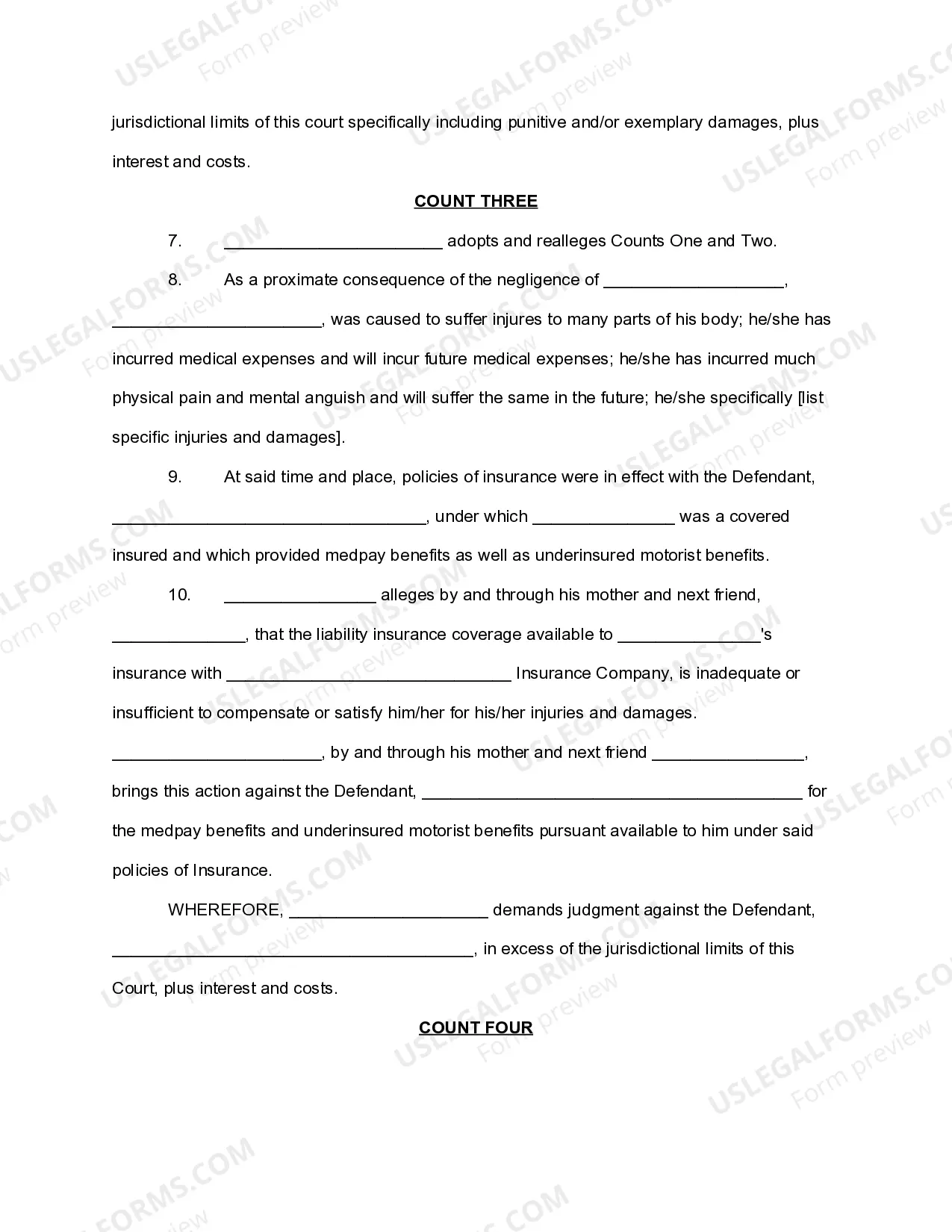
- Counts detailing allegations of negligence or wanton behavior.
- Specific injuries and damages claimed by the defendant.
- Insurance policy details related to medpay and underinsured motorist benefits.
- Requests for judgment including amounts exceeding jurisdictional limits.
Situations where this form applies
This form should be used when a defendant in a motor vehicle accident believes that another party shares liability for their injuries. It is suitable for scenarios where the defendant has a counterclaim against the original plaintiff or other defendants, particularly in cases of insufficient insurance coverage or alleged negligence in the accident.
Who should use this form
- Defendants involved in civil lawsuits related to motor vehicle accidents.
- Individuals seeking to file crossclaims against other defendants.
- Legal representatives managing cases involving personal injury due to vehicular incidents.
How to prepare this document
- Identify the parties involved, including the plaintiff and defendants.
- Document the specific dates and locations of the incident in question.
- List all injuries and damages incurred due to the alleged negligence.
- Include information about insurance coverage relevant to the parties.
- Formulate your demands clearly, specifying the compensation sought.
Notarization requirements for this form
In most cases, this form does not require notarization. However, some jurisdictions or signing circumstances might. US Legal Forms offers online notarization powered by Notarize, accessible 24/7 for a quick, remote process.
Get your form ready online
Our built-in tools help you complete, sign, share, and store your documents in one place.
Make edits, fill in missing information, and update formatting in US Legal Forms—just like you would in MS Word.
Download a copy, print it, send it by email, or mail it via USPS—whatever works best for your next step.
Sign and collect signatures with our SignNow integration. Send to multiple recipients, set reminders, and more. Go Premium to unlock E-Sign.
If this form requires notarization, complete it online through a secure video call—no need to meet a notary in person or wait for an appointment.
We protect your documents and personal data by following strict security and privacy standards.

Make edits, fill in missing information, and update formatting in US Legal Forms—just like you would in MS Word.

Download a copy, print it, send it by email, or mail it via USPS—whatever works best for your next step.

Sign and collect signatures with our SignNow integration. Send to multiple recipients, set reminders, and more. Go Premium to unlock E-Sign.

If this form requires notarization, complete it online through a secure video call—no need to meet a notary in person or wait for an appointment.

We protect your documents and personal data by following strict security and privacy standards.
Common mistakes
- Failing to provide complete details about the parties involved.
- Omitting specific injuries and damages sought.
- Using vague language in outlining negligence claims.
- Not aligning the claims with the jurisdictional requirements of Alabama.
Advantages of online completion
- Convenience of instant access and downloadable formats.
- Editable templates that allow customization to suit individual cases.
- Guidance from licensed attorneys ensuring the form meets legal standards.
Legal use & context
The Crossclaims for Defendant form plays a crucial role in personal injury litigation, allowing defendants to protect their rights and claiming against other liable parties. Its enforceability depends on accurate completion and adherence to Alabama's judicial standards.
Summary of main points
- The form is essential for defendants in motor vehicle accident cases asserting crossclaims.
- Proper completion can lead to significant compensation for injuries and damages.
- Understanding jurisdictional nuances ensures better legal outcomes.
Looking for another form?
Form popularity
FAQ
A crossclaim involves a claim made by a defendant against another defendant within the same lawsuit. In contrast, impleader is a procedure that allows a defendant to bring in a third party who may be liable for all or part of the plaintiff's claim. While both processes are used within Alabama's legal framework, they serve different purposes in litigation. Understanding these distinctions is vital; for assistance with Alabama Crossclaims for Defendant, you can explore resources offered by US Legal Forms.
In Alabama, the jurisdiction of a crossclaim typically falls under the same court that is handling the primary case. This means that if you are involved in a lawsuit as a defendant, and you file a crossclaim, the same Alabama court will hear your crossclaim against another defendant. It is essential to ensure that the crossclaim complies with Alabama's procedural rules to be valid. With proper guidance, navigating Alabama Crossclaims for Defendant can help you effectively address disputes between parties.
Writing a cross-claim requires clarity and structure, particularly in Alabama Crossclaims for Defendant. Start by clearly stating the relevant facts and the basis of the claim against the other defendant. Be sure to include specific legal grounds for the cross-claim, ensuring it aligns with local rules. Utilizing a platform like USLegalForms can provide templates and guidance, making the process more straightforward and efficient.
In Alabama, a cross-claim typically does not require personal service on the opposing party if initiated within the same lawsuit. Instead, serving it through the existing case methods is usually sufficient. However, it is wise to consult an attorney familiar with Alabama Crossclaims for Defendant to ensure compliance with the rules and avoid potential pitfalls.
An instance of a counterclaim may arise in a contract dispute where the plaintiff sues for breach of contract. In this scenario, the defendant could file a counterclaim for damages caused by breaches from the plaintiff's side, showcasing how both parties may have grievances that need addressing. This illustrates the dual nature of claims in litigation, emphasizing how Alabama Crossclaims for Defendant can simplify complex interactions.
A practical example of a cross-claim in the context of Alabama Crossclaims for Defendant might involve two co-defendants in a car accident case. If one co-defendant blames the other for causing the accident, they can file a cross-claim against the other defendant. This approach clarifies responsibilities and allows for efficient resolution without burdening the court with separate lawsuits.
When dealing with Alabama Crossclaims for Defendant, it's essential to understand the distinction between a counterclaim and a cross-claim. A counterclaim occurs when a defendant asserts their own claim against the plaintiff in the same lawsuit. In contrast, a cross-claim allows a defendant to bring a claim against another defendant, which can streamline complex litigation and resolve multiple issues in one proceeding.
An impleader claim allows a defendant to bring in a third party who may be liable for some or all of the claims against them. This is often done to protect oneself from additional liability and to resolve all related issues in one case. If you're navigating the complexities of litigation, platforms like US Legal Forms can help you manage Alabama Crossclaims for Defendant effectively.
The main difference between a cross-claim and an impleader lies in the parties involved. A cross-claim involves existing parties in the lawsuit, typically defendants fighting against each other, while an impleader brings in a new party who may share liability. Both mechanisms are crucial in shaping the litigation process, especially when considering Alabama Crossclaims for Defendant.
claim is a claim made by one defendant against another defendant within the same legal action. This type of claim addresses issues that arise out of the same transaction or occurrence that led to the original lawsuit. By utilizing crossclaims, defendants can clarify their positions and ensure all relevant parties are included in the resolution of the casethis is particularly pertinent under Alabama Crossclaims for Defendant.