Alabama Interrogatories
What this document covers
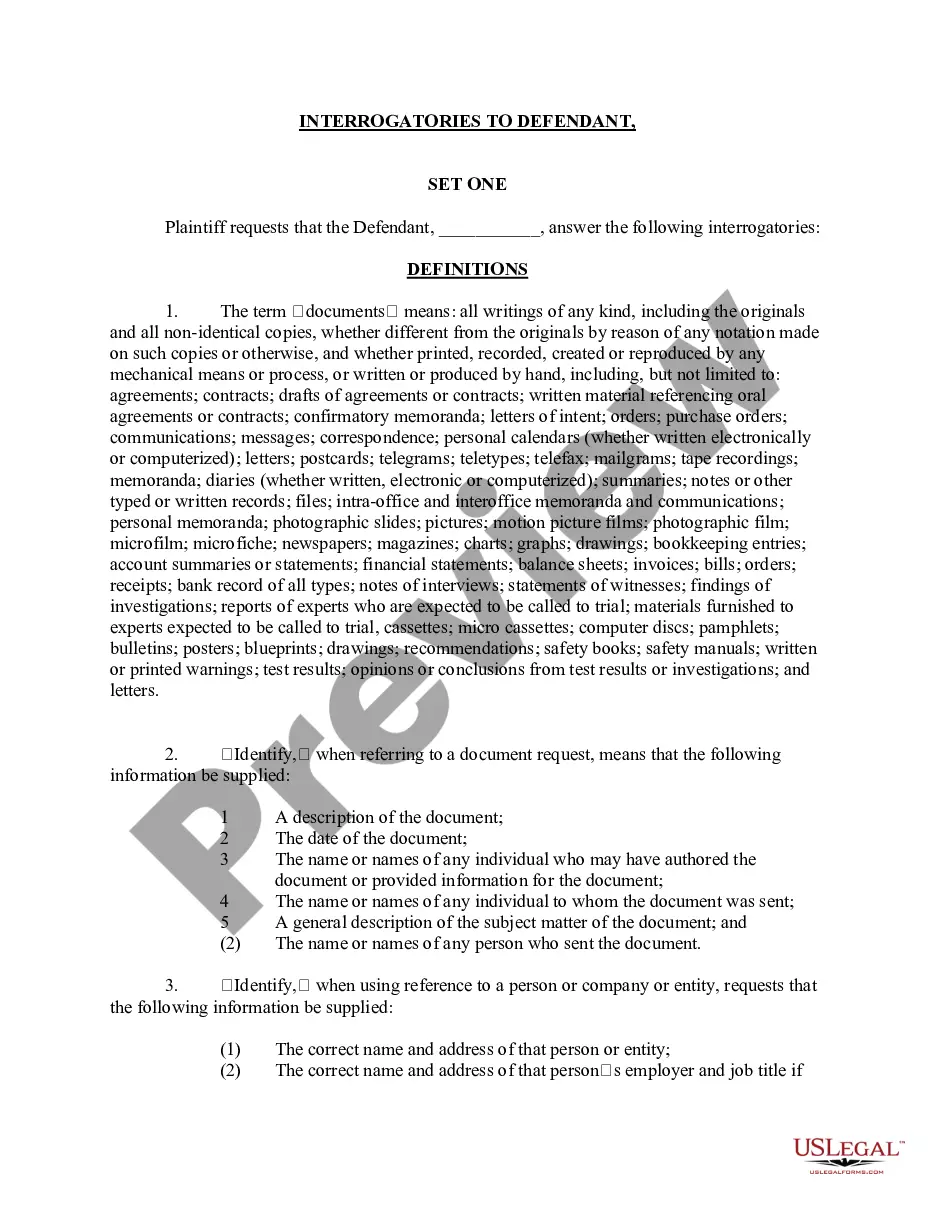
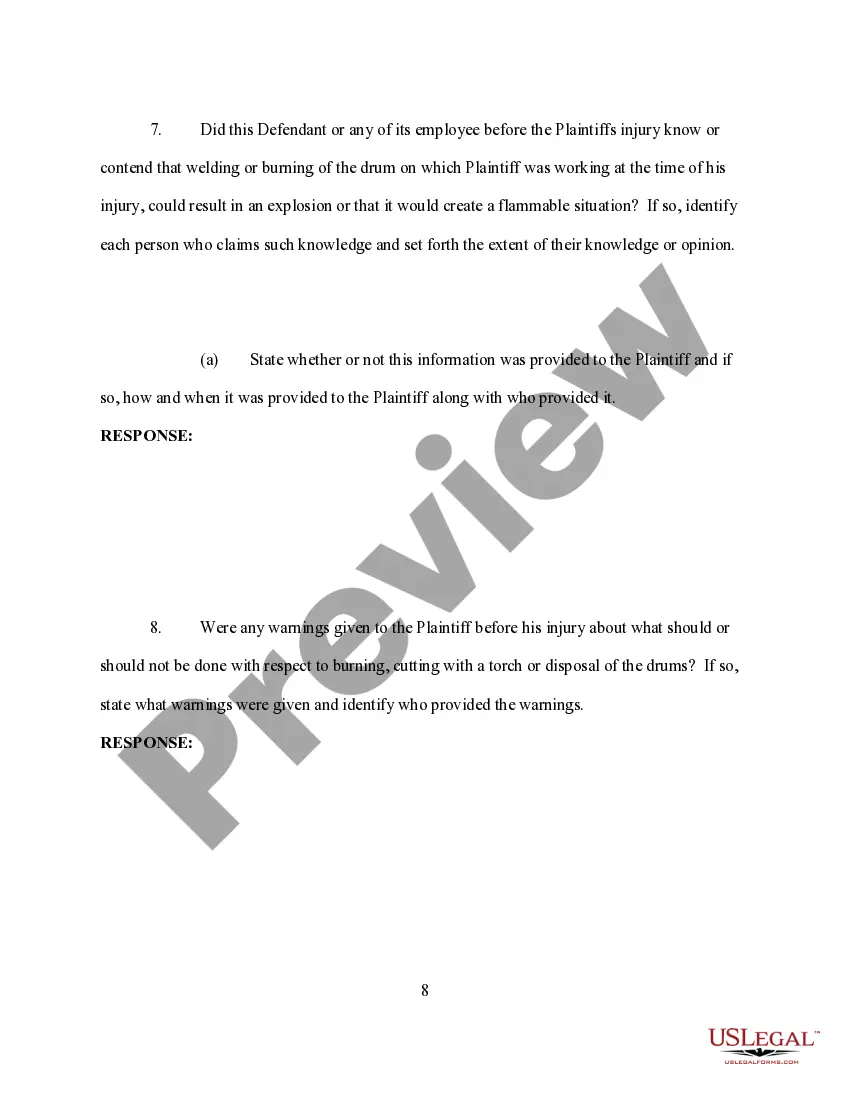
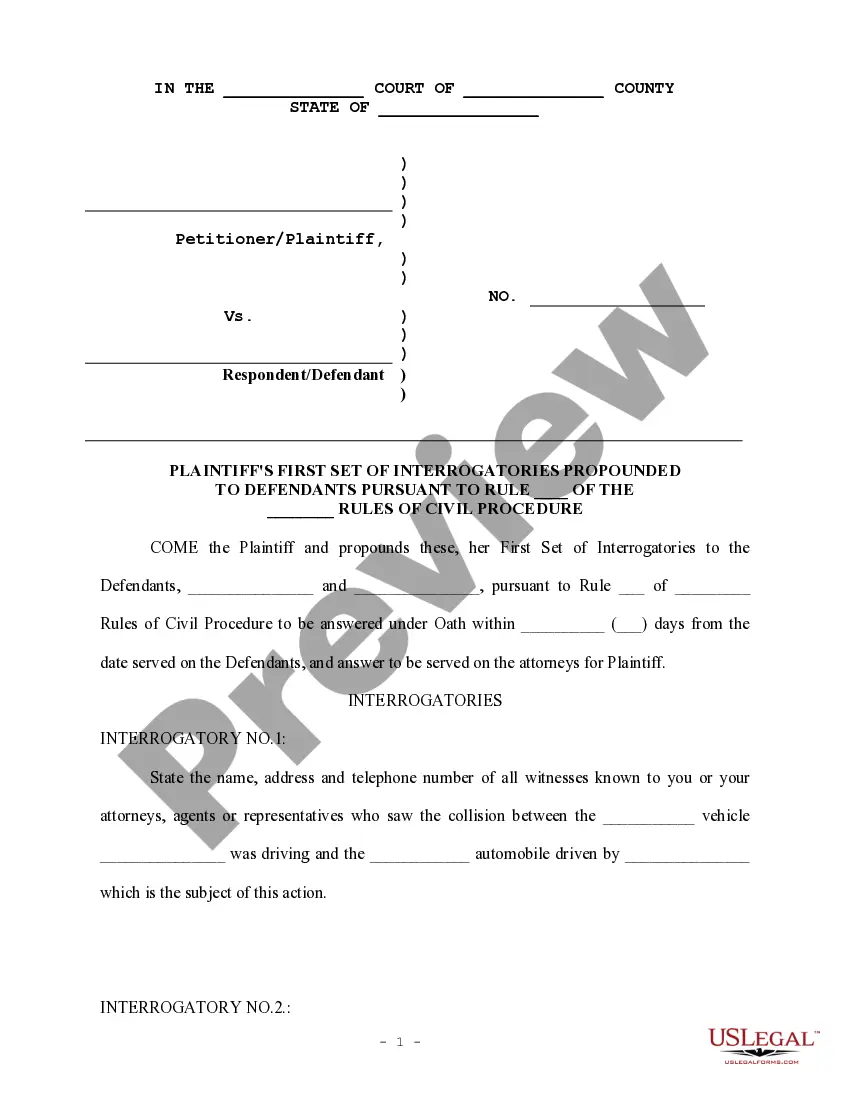
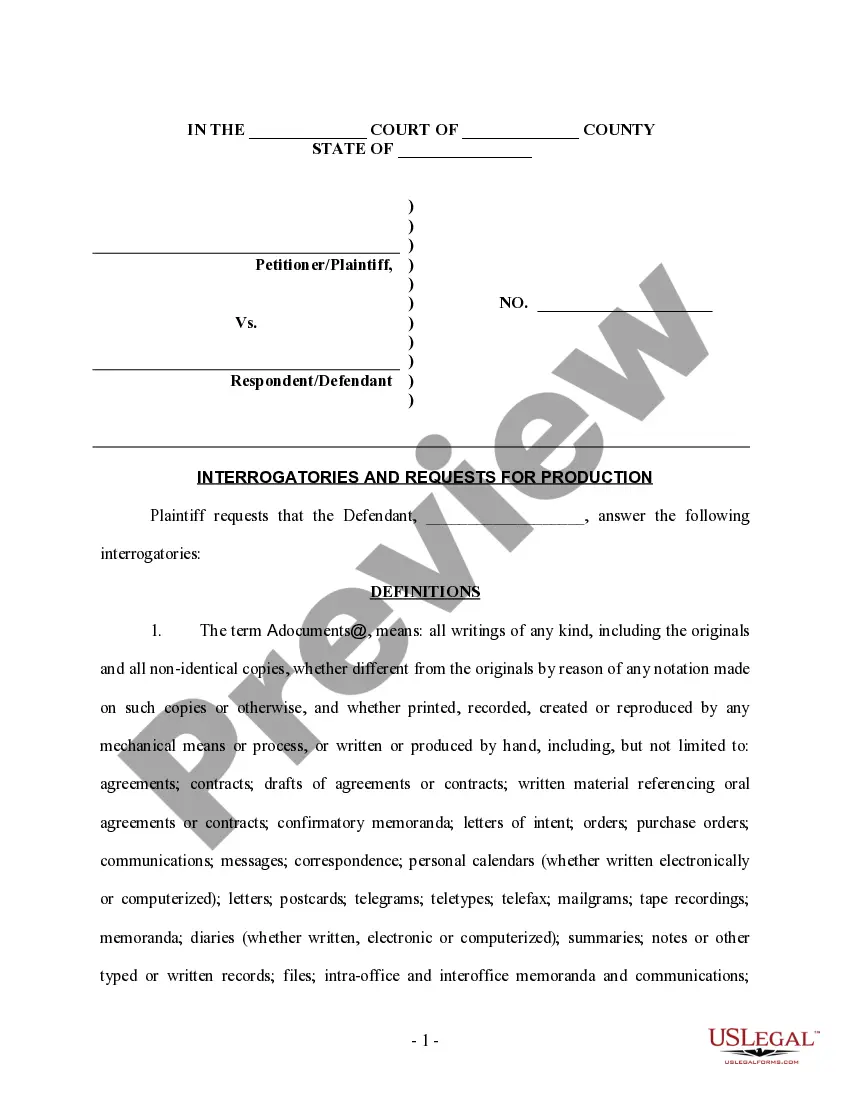
Interrogatories are a set of formal written questions used in legal proceedings to gather information from the opposing party. This legal form allows one party (the plaintiff) to request answers from the other party (the defendant) regarding specific issues related to the case. Unlike other legal documents, interrogatories are designed to elicit detailed information necessary for preparing for trial.
Form components explained
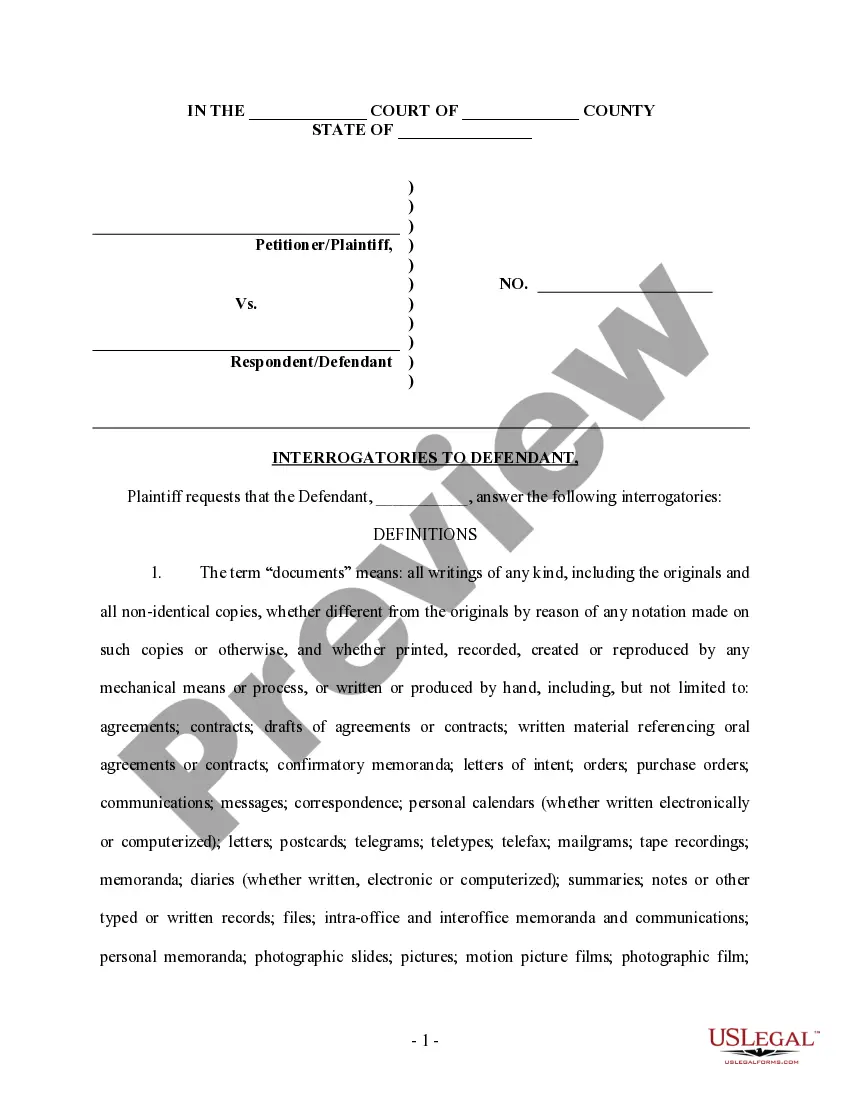
- Definitions of key terms relevant to the interrogatories.
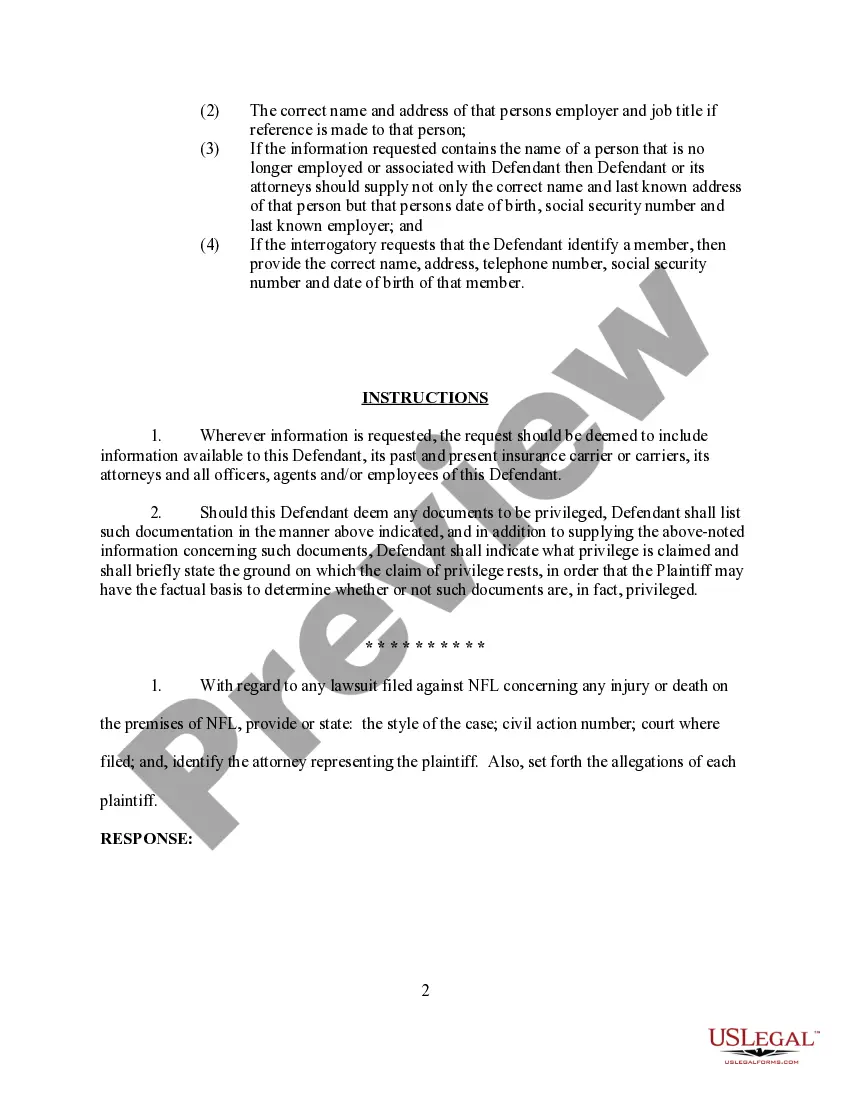
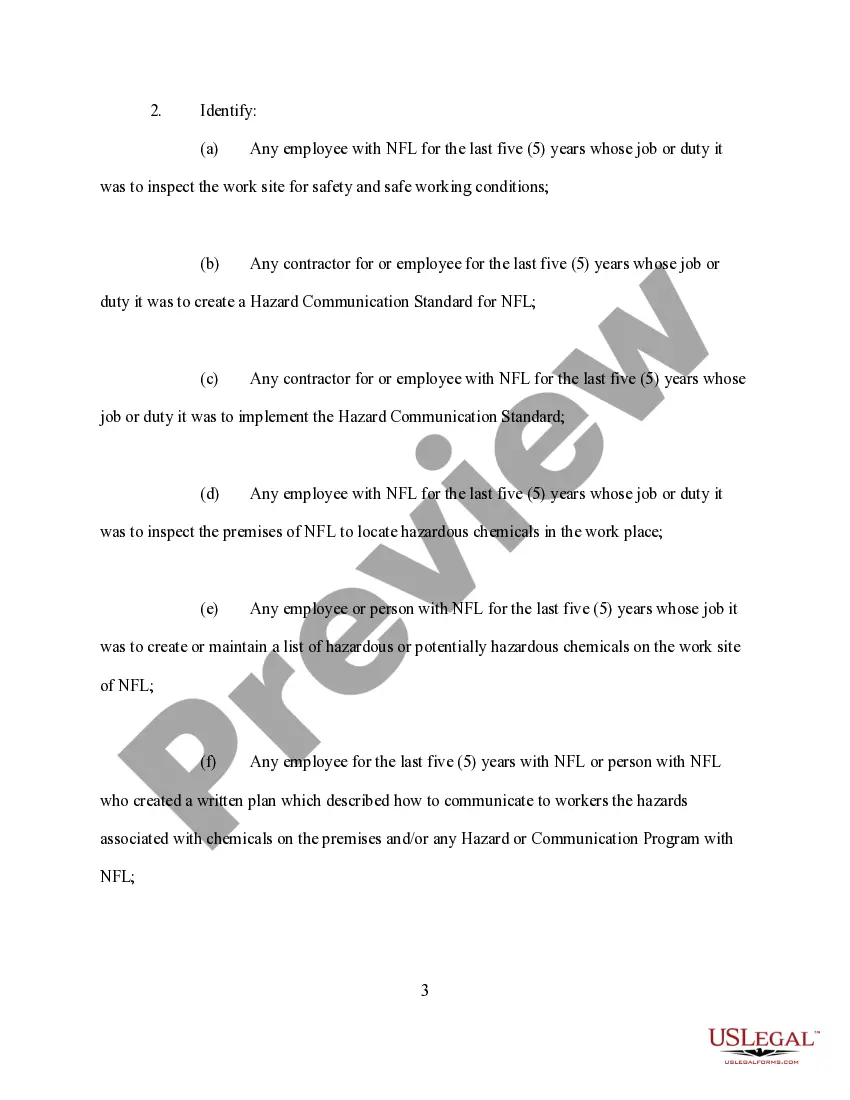
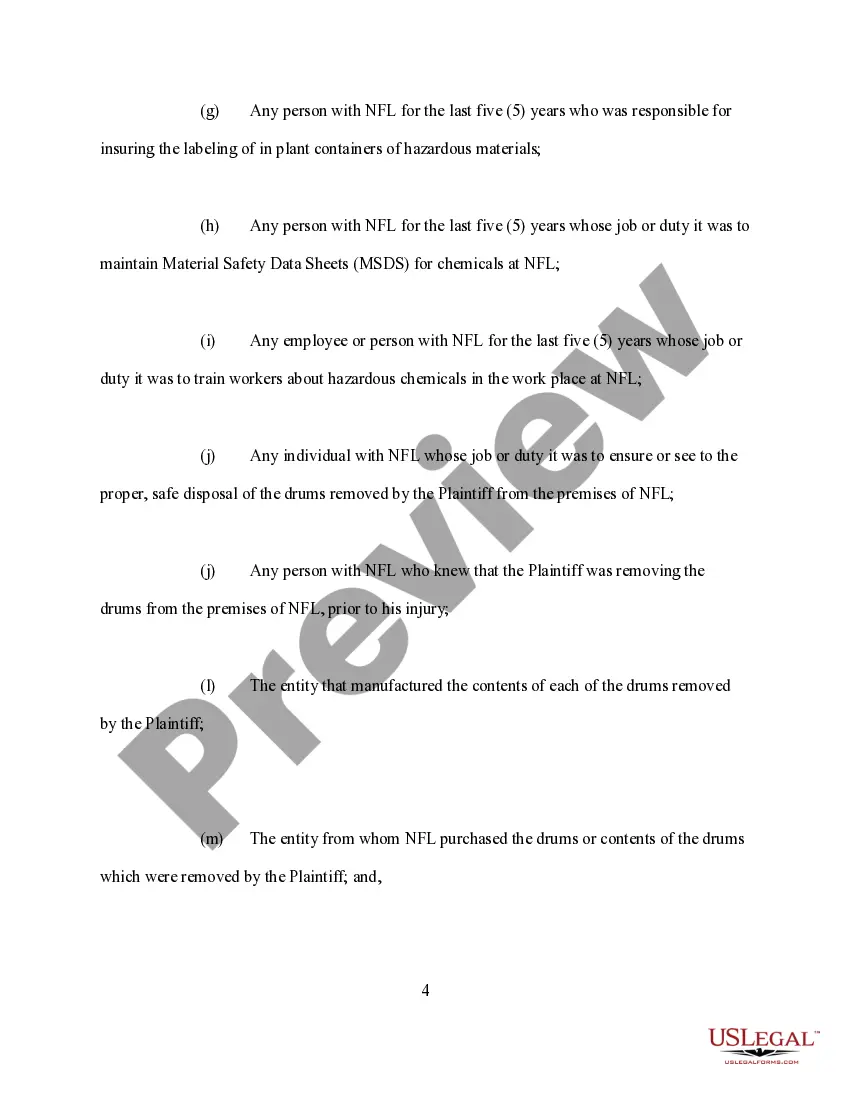
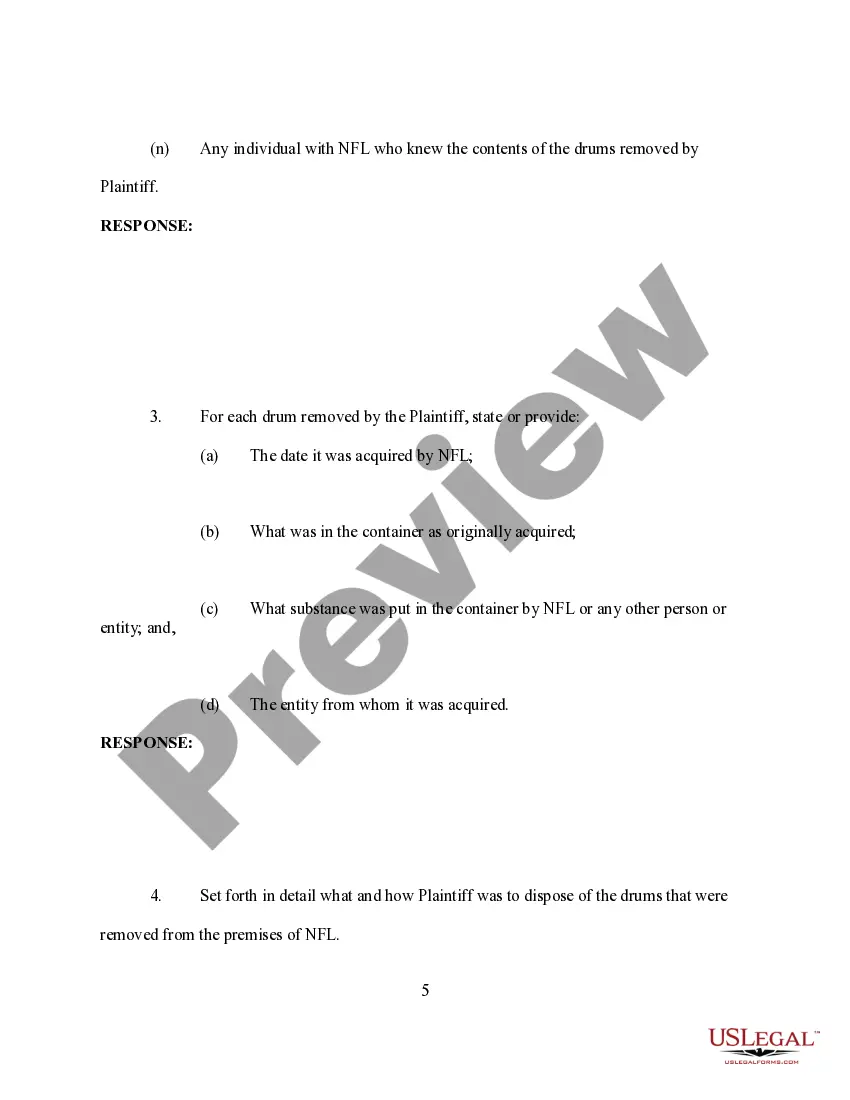
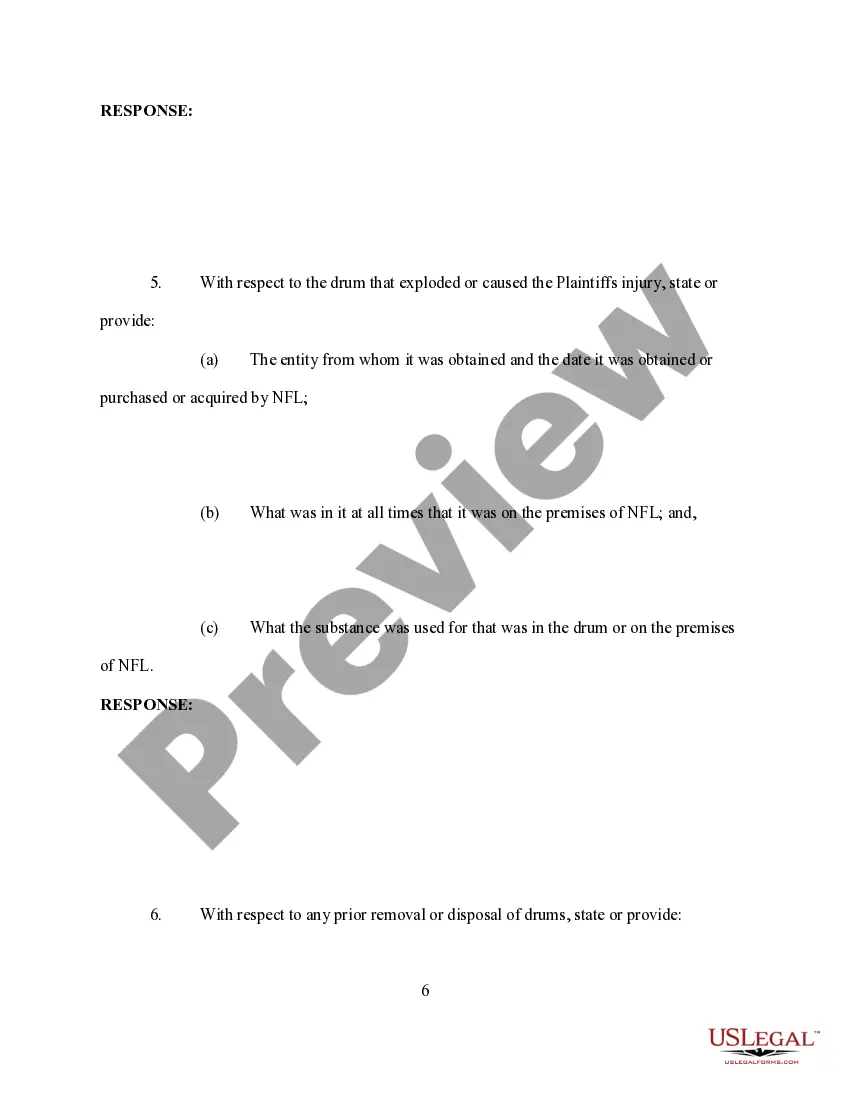
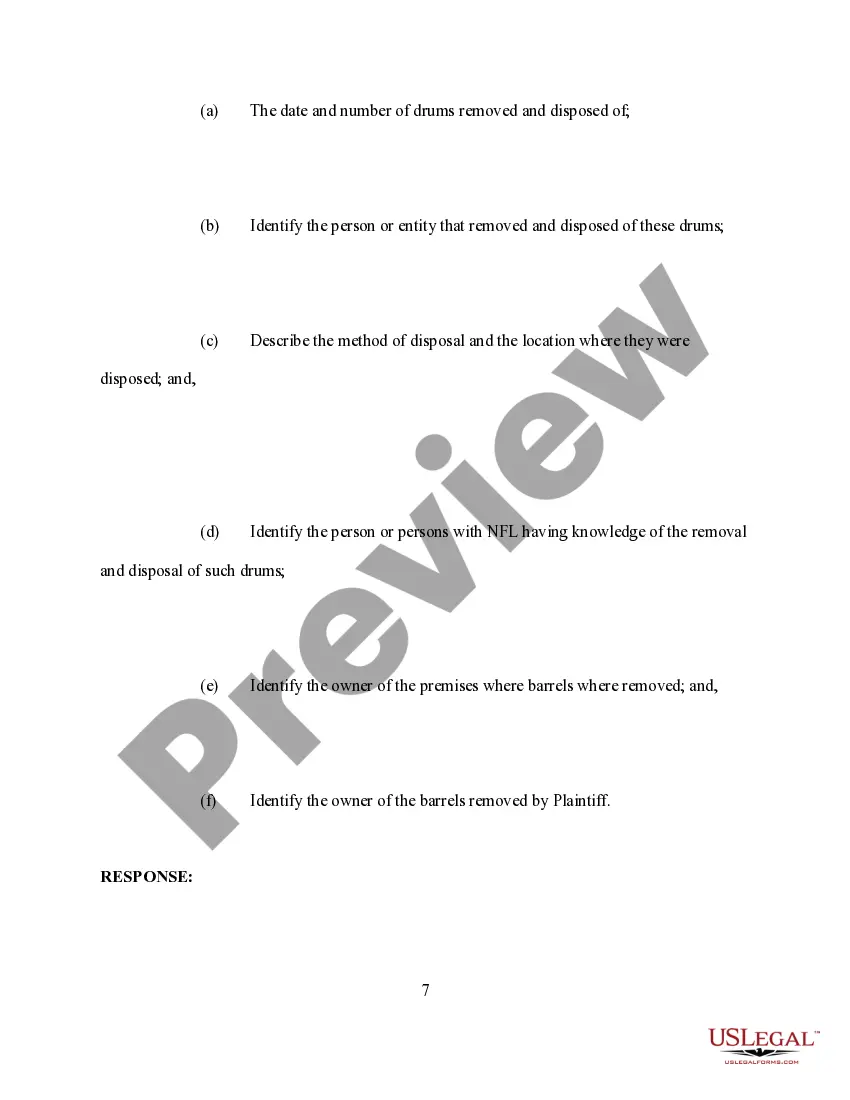
- A list of specific questions that the defendant must answer.
- Instructions detailing what information must be provided, including any claims of privilege.
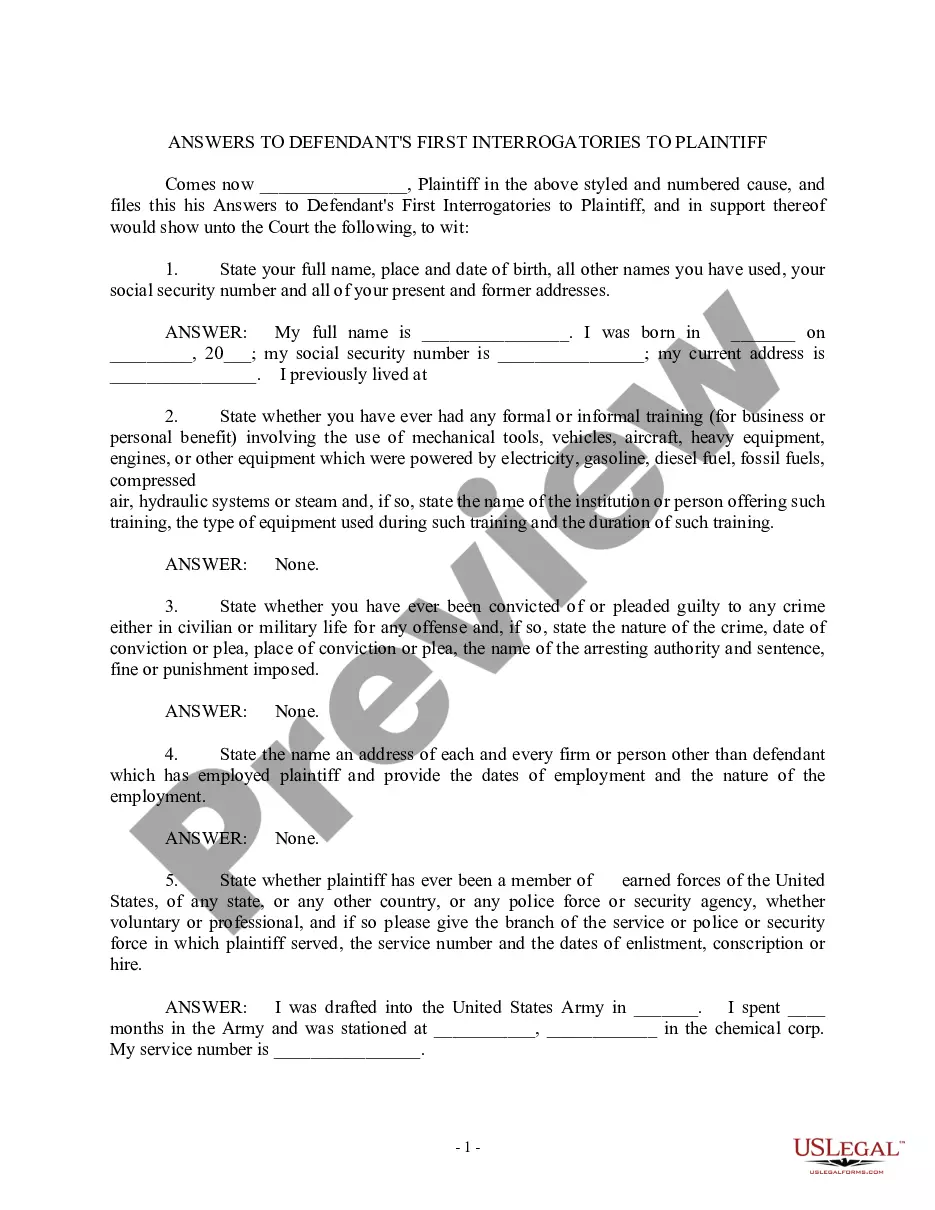
- Sections for the defendant's responses to each question.

When this form is needed
This form should be used in situations where one party needs to obtain information from another party involved in a legal dispute. For example, if you are involved in a personal injury case, you may issue interrogatories to gather facts about the other party's actions and responsibilities. It is commonly utilized in various types of lawsuits where specific factual inquiries need to be addressed to aid in the case preparations.
Intended users of this form
This form is suitable for:
- Plaintiffs seeking information from defendants in a lawsuit.
- Defendants who need to respond to factual inquiries as part of the discovery process.
- Legal practitioners preparing for trial or wanting to clarify issues before proceeding.
Completing this form step by step
- Identify the parties involved: Clearly specify the plaintiff and defendant.
- Modify the interrogatory questions: Tailor the questions to fit the specifics of your case.
- Complete the definitions section: Ensure that all terms are clearly defined to avoid ambiguity.
- Provide instructions: Follow the included instructions on how the responses should be framed.
- Gather supporting evidence: Collect any documents or evidence that may support your interrogatory responses.
Notarization requirements for this form
Notarization is generally not required for this form. However, certain states or situations might demand it. You can complete notarization online through US Legal Forms, powered by Notarize, using a verified video call available anytime.
Get your form ready online
Our built-in tools help you complete, sign, share, and store your documents in one place.
Make edits, fill in missing information, and update formatting in US Legal Forms—just like you would in MS Word.
Download a copy, print it, send it by email, or mail it via USPS—whatever works best for your next step.
Sign and collect signatures with our SignNow integration. Send to multiple recipients, set reminders, and more. Go Premium to unlock E-Sign.
If this form requires notarization, complete it online through a secure video call—no need to meet a notary in person or wait for an appointment.
We protect your documents and personal data by following strict security and privacy standards.

Make edits, fill in missing information, and update formatting in US Legal Forms—just like you would in MS Word.

Download a copy, print it, send it by email, or mail it via USPS—whatever works best for your next step.

Sign and collect signatures with our SignNow integration. Send to multiple recipients, set reminders, and more. Go Premium to unlock E-Sign.

If this form requires notarization, complete it online through a secure video call—no need to meet a notary in person or wait for an appointment.

We protect your documents and personal data by following strict security and privacy standards.
Avoid these common issues
- Failing to specify the parties correctly in the interrogatories.
- Using overly broad or vague questions that may lead to objections.
- Neglecting to define key terms, which can cause misunderstandings.
- Not following up on the responses received for further clarification.
Why complete this form online
- Convenience: Access and download the form at any time from the comfort of your home.
- Editability: Tailor the form to fit the specific needs of your case before printing or filing.
- Reliability: Ensure that your documents are drafted based on templates created by licensed attorneys.
Legal use & context
- Interrogatories are a standard part of the discovery process in civil litigation.
- Responses are made under oath, making them legally binding.
- Inaccurate or incomplete answers can lead to legal penalties or sanctions.
Looking for another form?

Form popularity
FAQ
In law, interrogatories (also known as requests for further information) are a formal set of written questions propounded by one litigant and required to be answered by an adversary in order to clarify matters of fact and help to determine in advance what facts will be presented at any trial in the case.
A party shall not propound more than forty (40) interrogatories to any other party without leave of court. Upon motion, and for good cause shown, the court may increase the number of interrogatories that a party may serve upon another party.
You must answer each interrogatory separately and fully in writing under oath, unless you object to it. You must explain why you object. You must sign your answers and objections.
So, can you refuse to answer interrogatories? The answer is, no, you may not. You must answer a Rule 33 interrogatory within 30 days of being served with it. That answer must either permit inspection of the requested information or object to the production of the information for a specific reason.
Your answers to the interrogatories should usually be short, clear, and direct and should answer only the question that is being asked. This is not the time to set out your entire case or defense to the other side. Take the time to make sure your answers are correct and truthful.