Alabama Opposition to Stay State Court
Overview of this form
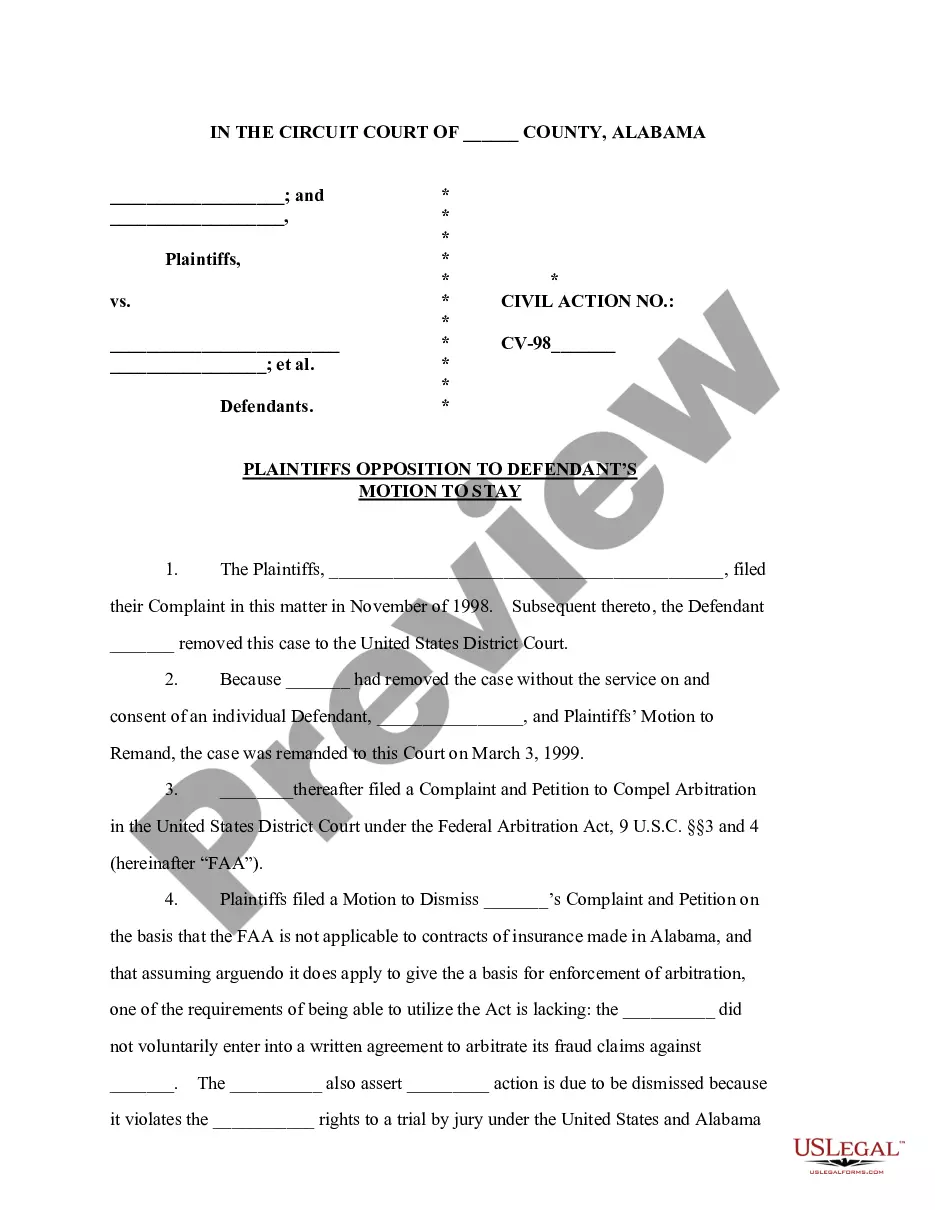
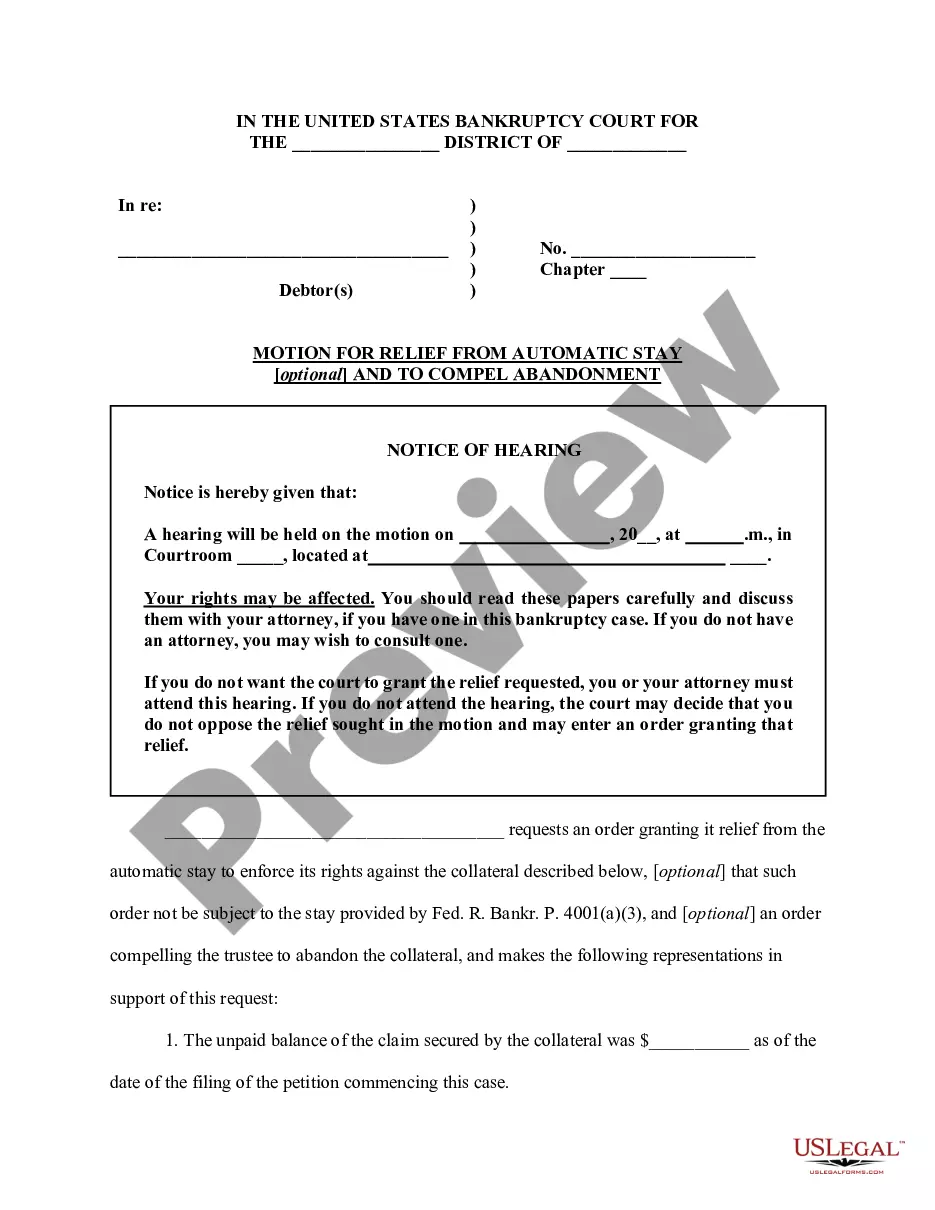
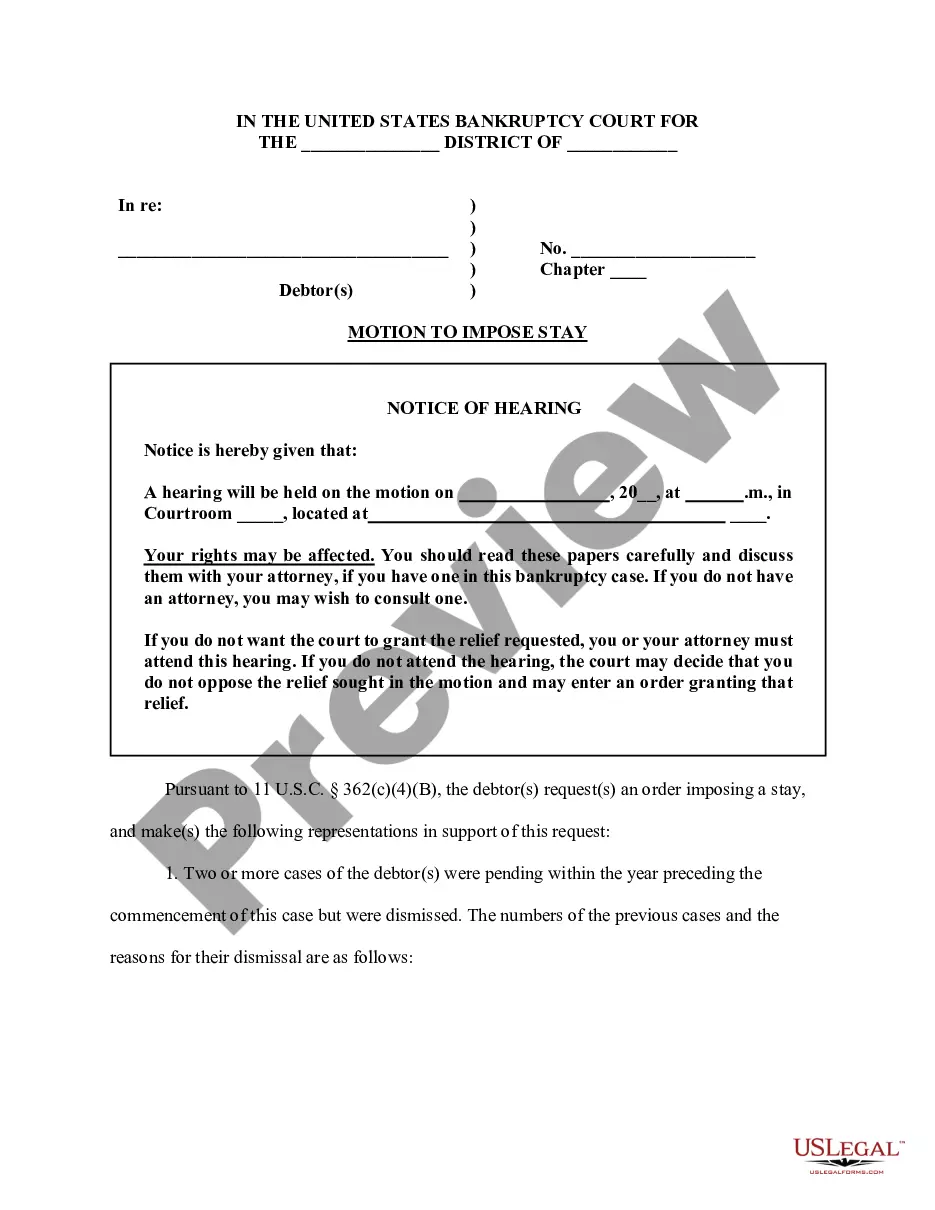
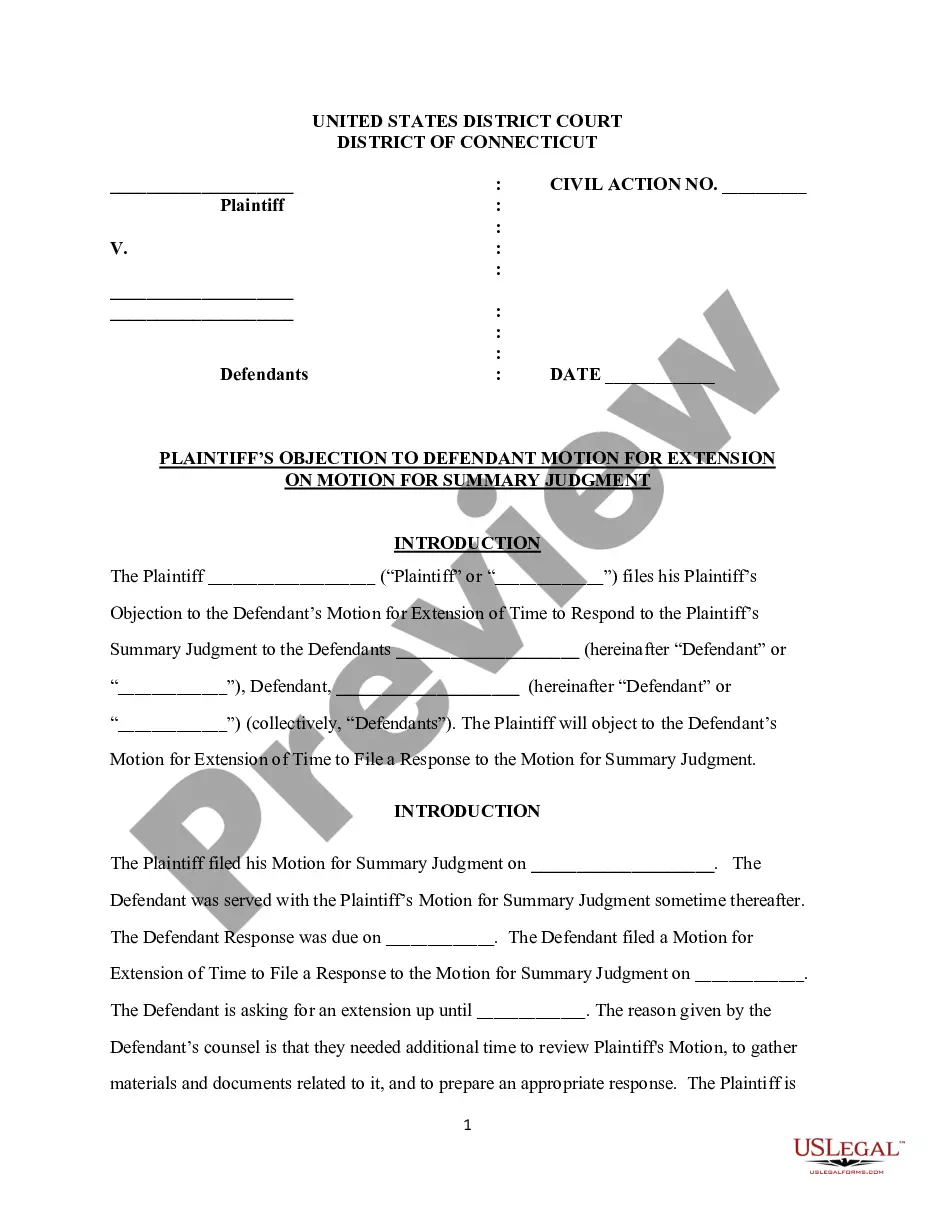
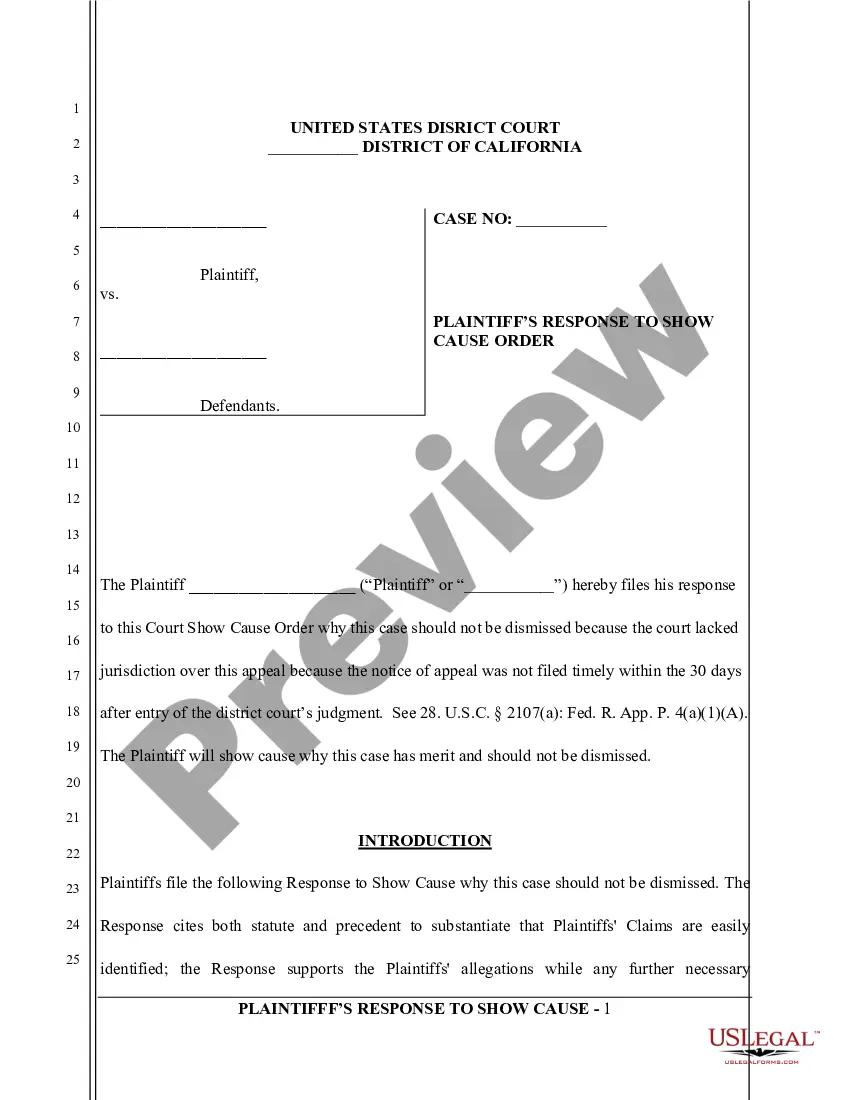
The Opposition to Stay State Court form allows plaintiffs to contest a motion to stay proceedings in a state court while awaiting the outcome of a related federal case. Unlike other legal forms that may simply request a stay, this form actively opposes the stay, arguing for the continuation of the case. It's essential for plaintiffs who believe that delaying their case would cause unnecessary prejudice or complications.
Key components of this form
- Identification of plaintiffs and defendants, including case numbers.
- Summary of the procedural history of the case, including details of removal and remand.
- Arguments against the applicability of the Federal Arbitration Act.
- Claims regarding the preservation of trial rights under state and federal constitutions.
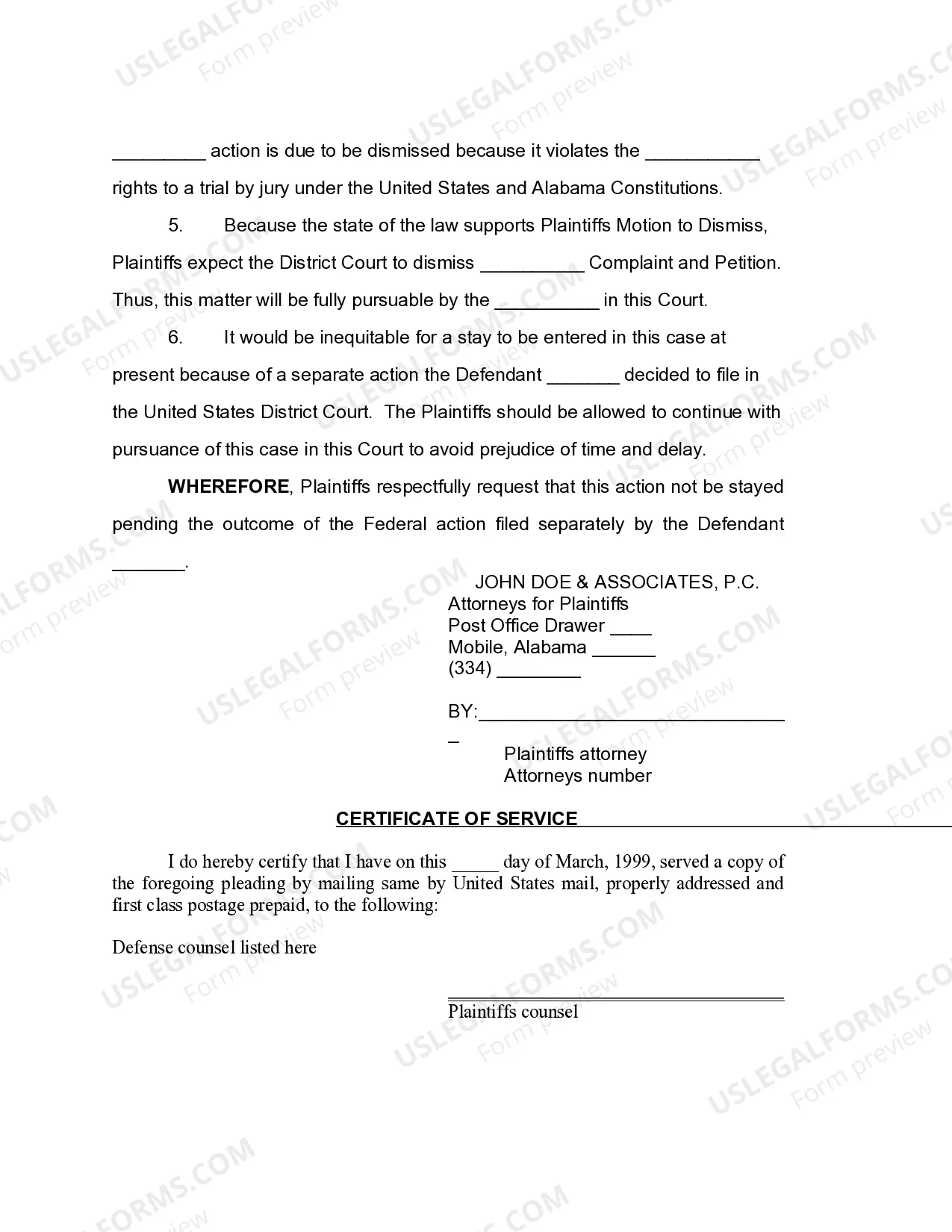
- A conclusion requesting the court to deny the motion to stay.
- Certification of service to ensure proper notification to defense counsel.
Situations where this form applies
This form is typically used in situations where a defendant has filed a motion to stay state court proceedings due to an associated federal action. If you are a plaintiff and believe that proceeding with your case is crucial to avoid delays or prejudice, this form is necessary to formally oppose the stay and continue your case in the state court.
Who this form is for
- Plaintiffs engaged in a civil action where a defendant has filed to stay proceedings.
- Individuals or entities seeking to maintain the progress of their case despite related federal actions.
- Attorneys representing plaintiffs in state court who need to respond to a motion to stay.
Instructions for completing this form
- Identify and fill in the names of the plaintiffs and defendants, as well as the civil action number.
- Clearly summarize the case history, outlining significant events such as removal and remand.
- State your opposition to the motion to stay, citing relevant legal principles and implications of the Federal Arbitration Act.
- Conclude by respectfully requesting the court to deny the stay request, stating the reasons for urgency.
- Complete the certification of service section to confirm that all parties have been properly notified.
Does this form need to be notarized?
This form does not typically require notarization unless specified by local law. Ensure that you follow any additional requirements for your jurisdiction.
Get your form ready online
Our built-in tools help you complete, sign, share, and store your documents in one place.
Make edits, fill in missing information, and update formatting in US Legal Forms—just like you would in MS Word.
Download a copy, print it, send it by email, or mail it via USPS—whatever works best for your next step.
Sign and collect signatures with our SignNow integration. Send to multiple recipients, set reminders, and more. Go Premium to unlock E-Sign.
If this form requires notarization, complete it online through a secure video call—no need to meet a notary in person or wait for an appointment.
We protect your documents and personal data by following strict security and privacy standards.

Make edits, fill in missing information, and update formatting in US Legal Forms—just like you would in MS Word.

Download a copy, print it, send it by email, or mail it via USPS—whatever works best for your next step.

Sign and collect signatures with our SignNow integration. Send to multiple recipients, set reminders, and more. Go Premium to unlock E-Sign.

If this form requires notarization, complete it online through a secure video call—no need to meet a notary in person or wait for an appointment.

We protect your documents and personal data by following strict security and privacy standards.
Common mistakes to avoid
- Failing to include the correct names of all parties involved in the case.
- Not providing sufficient legal rationale for opposing the stay.
- Neglecting to correctly format the certification of service.
Benefits of completing this form online
- Convenience of downloading and filling out the form at your own pace.
- Editability allows for customized responses to specific legal situations.
- Reliable templates drafted by licensed attorneys to ensure legal adequacy.
Looking for another form?

Form popularity
FAQ
The Alabama District Courts are trial courts of limited jurisdiction that handle the cases where the dollar amount in question is more than $3,000 (small claims) but less than $10,000 (circuit court).
This legislation cites that all public records are presumed to be available to all public citizens for investigation.Alabama State Records maintains information about publicly available records including criminal records, court records, and vital records, as well as over 45 million transparent public records.
The Alabama Public Health official website is the first place to look for information on vital records. The site has links that can facilitate a search for birth certificates, death certificates, marriage certificates, and divorce certificates.
Established by Congress in 1981, the United States Court of Appeals for the Eleventh Judicial Circuit has jurisdiction over federal cases originating in the states of Alabama, Florida and Georgia. The circuit includes nine district courts with each state divided into Northern, Middle and Southern Districts.
Why are court records public?Any resident of Alabama can request and copy public records held by the state or local government, unless it is prohibited by law.
The structure of state court systems varies by state, but four levels generally can be identified: minor courts, major trial courts, intermediate appellate courts, and state supreme courts. Minor courts handle the least serious cases.
The Supreme Court of Alabama is composed of a chief justice and eight associate justices. As the highest state court, the Supreme Court has both judicial and administrative responsibilities. The Supreme Court has authority to review decisions rendered by the other courts of the state.
The federal court system has three main levels: district courts (the trial court), circuit courts which are the first level of appeal, and the Supreme Court of the United States, the final level of appeal in the federal system.
Excluding confidential records, public court records are available to anyone and may be used for news publications, academic research and non-profit organizations. They may not, however be used for commercial purposes of any nature.