Alabama Unable to Serve - Service By Mail
About this form
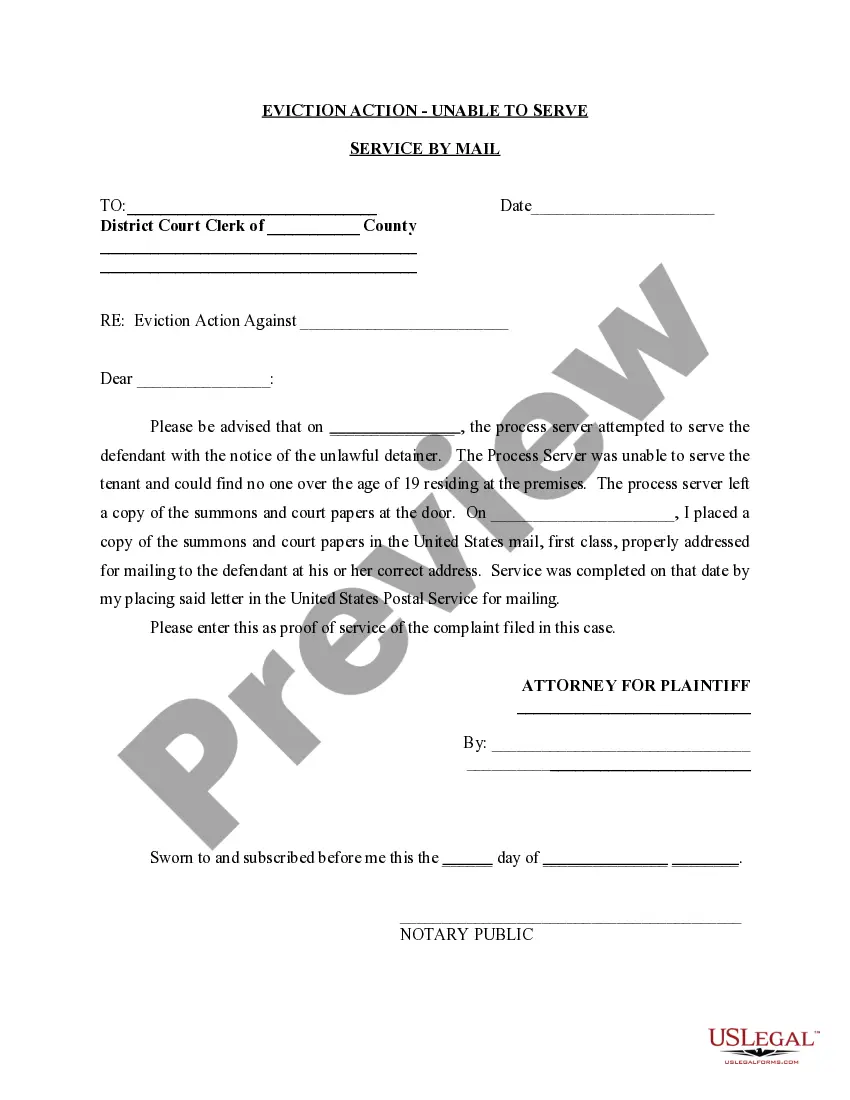
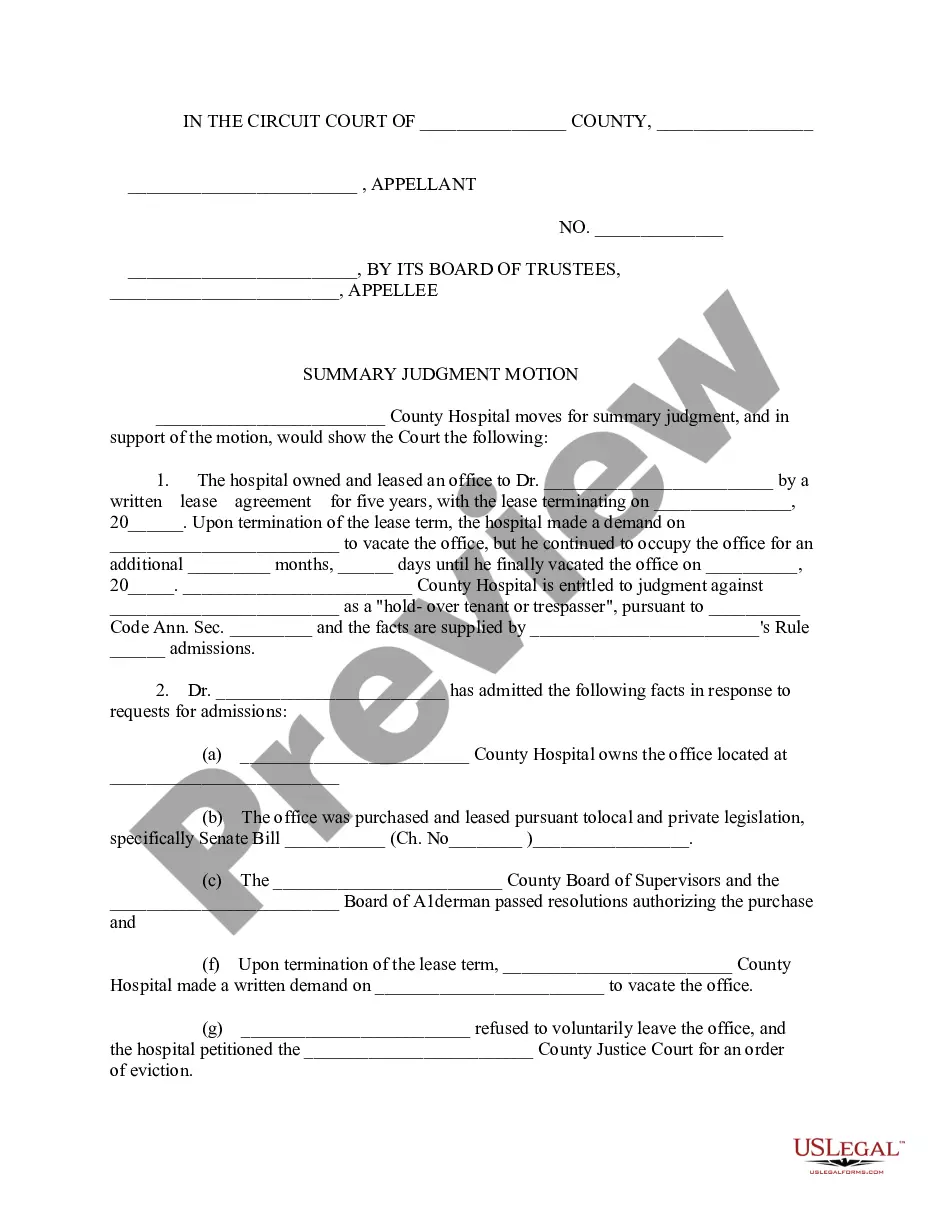
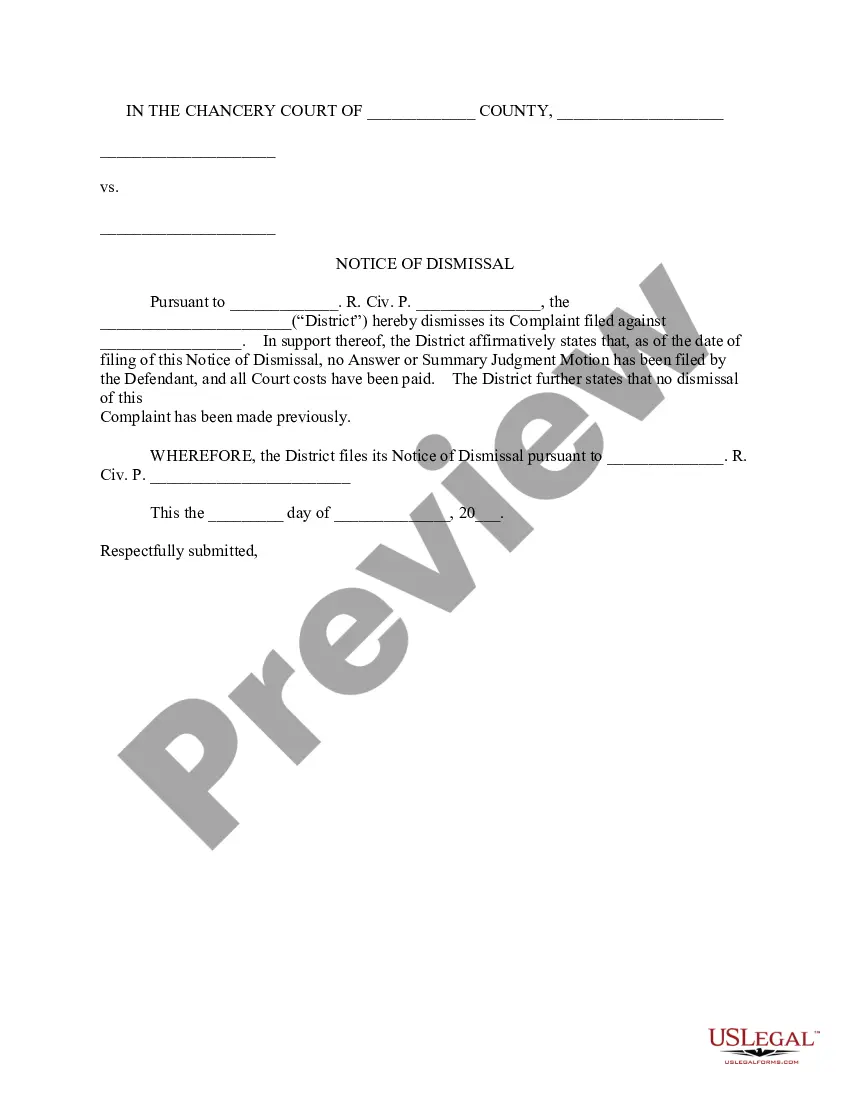
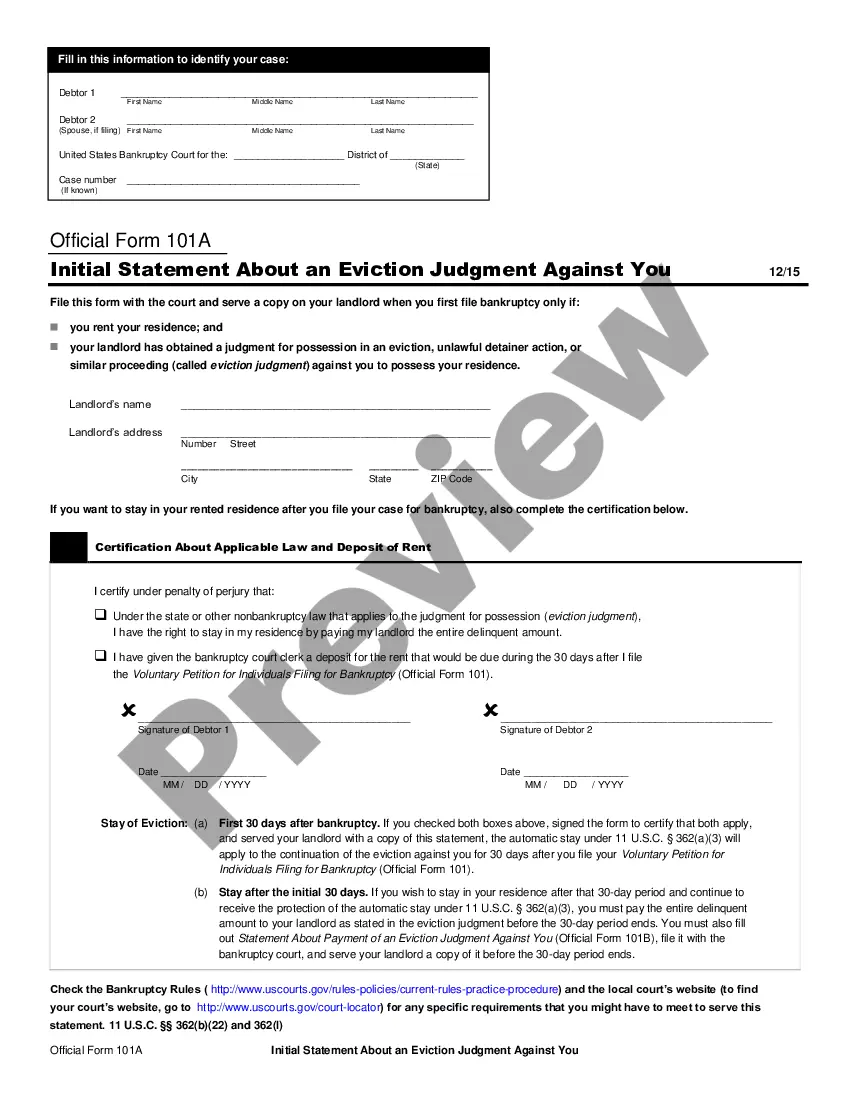
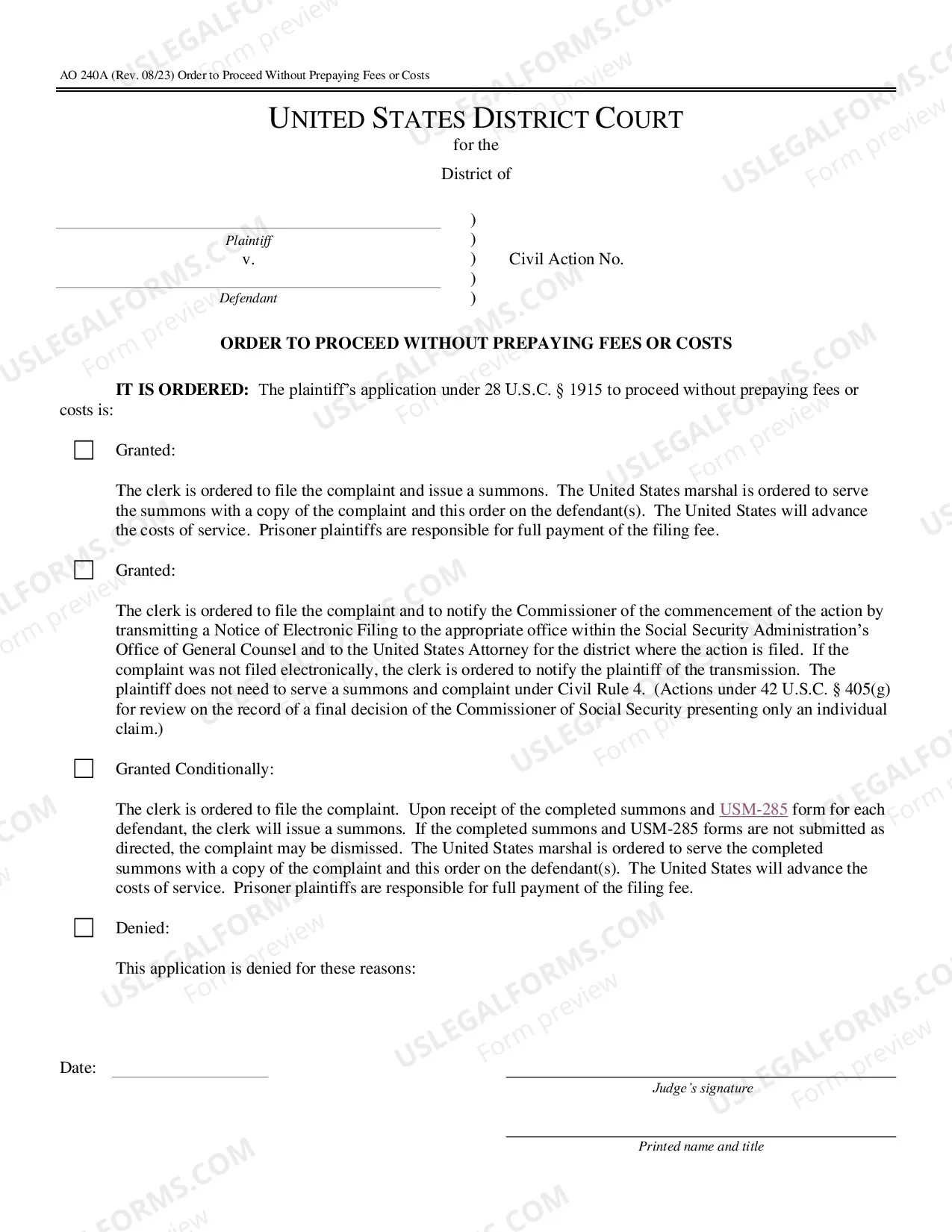
The Unable to Serve - Service By Mail form is a legal document used when attempts to serve court documents have failed. This form allows for service via mail, which can be a necessary alternative when personal service is not possible. It serves as a way to ensure that parties are notified of legal actions against them, maintaining due process in the judicial system.
What’s included in this form
- Service by mail to the defendantâs address.
- Date of attempted personal service by the process server.
- Details of the eviction action, including the names of the parties involved.
- Proof of mailing, confirming that the documents were sent via first-class mail.
- Signature of the attorney for the plaintiff, along with notarization confirmation.
Situations where this form applies
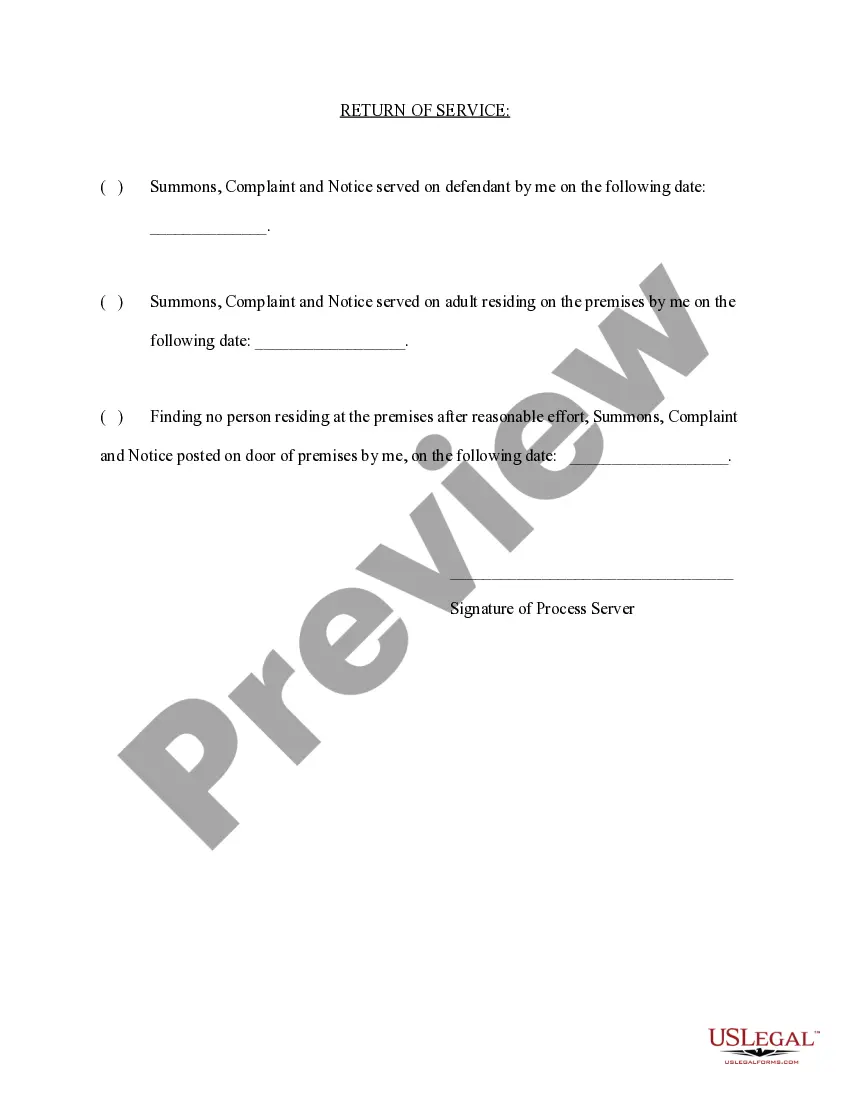
This form should be used in scenarios where the process server has made multiple attempts to serve a defendant but has been unsuccessful. It is especially useful in eviction actions where personal service is required by law, but the defendant cannot be located. Using this form ensures that the legal proceedings can continue by providing an alternative method of service.
Who should use this form
- Landlords or property owners involved in eviction proceedings.
- Attorneys representing landlords in eviction cases.
- Individuals seeking to notify a party of legal actions when personal service fails.
Steps to complete this form
- Identify the defendant and provide their mailing address.
- Enter the date when personal service attempts were made.
- Detail the intentions of the eviction action and the names of the involved parties.
- Document the date you mailed the court documents to the defendant.
- Sign the form as the attorney for the plaintiff and secure notarization if required by local law.
Does this document require notarization?
This form does not typically require notarization unless specified by local law. However, it is advisable to check specific state requirements to ensure compliance with relevant legal standards.
Get your form ready online
Our built-in tools help you complete, sign, share, and store your documents in one place.
Make edits, fill in missing information, and update formatting in US Legal Forms—just like you would in MS Word.
Download a copy, print it, send it by email, or mail it via USPS—whatever works best for your next step.
Sign and collect signatures with our SignNow integration. Send to multiple recipients, set reminders, and more. Go Premium to unlock E-Sign.
If this form requires notarization, complete it online through a secure video call—no need to meet a notary in person or wait for an appointment.
We protect your documents and personal data by following strict security and privacy standards.

Make edits, fill in missing information, and update formatting in US Legal Forms—just like you would in MS Word.

Download a copy, print it, send it by email, or mail it via USPS—whatever works best for your next step.

Sign and collect signatures with our SignNow integration. Send to multiple recipients, set reminders, and more. Go Premium to unlock E-Sign.

If this form requires notarization, complete it online through a secure video call—no need to meet a notary in person or wait for an appointment.

We protect your documents and personal data by following strict security and privacy standards.
Common mistakes to avoid
- Failing to provide accurate mailing addresses.
- Not documenting all attempts made for personal service.
- Overlooking the necessity for notarization if required.
- Not retaining proof of mailing for future reference.
Benefits of completing this form online
- Convenience of downloading and completing the form from any location.
- Editable formats allow for easy customization to fit specific details.
- Access to forms reviewed by licensed attorneys ensures reliability.
- No need for in-person visits to legal offices or courthouses.
Looking for another form?
Form popularity
FAQ
Take Action Immediately: Contact Your AttorneyDo not ignore the summons and complaint. You must respond to the lawsuit and any delay can jeopardize your case. Upon being served, the defendant should promptly contact an attorney to schedule a meeting to discuss the situation.
Defendants That Avoid Being Served Risk Forfeiting Their Rights. The best reason to not pursue a strategy of avoiding being served with legal documents is that it can cause you to forfeit your legal rights, creating consequences potentially much worse than the lawsuits themselves.
In the majority of states, you can serve papers by sending them to the defendant via certified mail with a return receipt requested. In some states, service by certified (or registered) mail is one among several ways you may serve papers.Normally, the court clerk does the mailing for you and charges a small fee.
When the party that has to be served lives out of state, papers can usually be served by sending a copy of the paperwork to be served to that party by first-class mail, postage prepaid, and return receipt requested. The person who mails the papers must be at least 18 and NOT a party to the case.
If you haven't already, go down to the court house and get a copy of the proof of service from the records department. Identify the details of the service (where the services allegedly took place, the description of the person served etc.)
You can be served through the mail. It would have to be certified mail, return receipt requested, restricted delivery. You would have to sign for it.
You cannot serve your own papers. But, in some cases your friend or co-worker could serve your papers, as long as they are not part of the case and 18 years or older.Improper service can cause case delays. You can even risk your case being dismissed.
USPS Certified Mail provides the sender proof of mailing and proof of delivery. Because Certified Mail is used for compliance and regulatory requirements, being able to provide evidence or proof that a Certified Mail letter was sent is important.
Process servers will call you, but they won't threaten you over the phone. A process server is always paid by the party hiring them to deliver legal documents. Whether it's a divorce, child support, or debt collection case, the party being served will never pay the server directly.