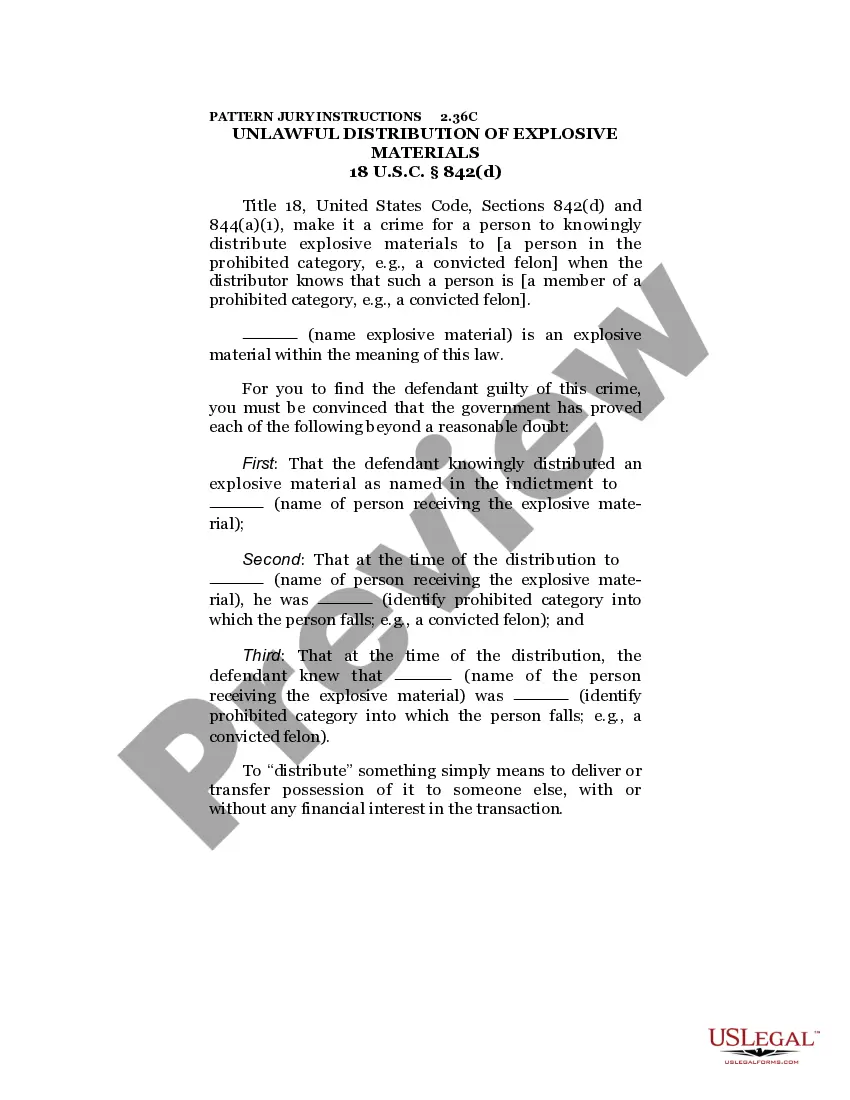
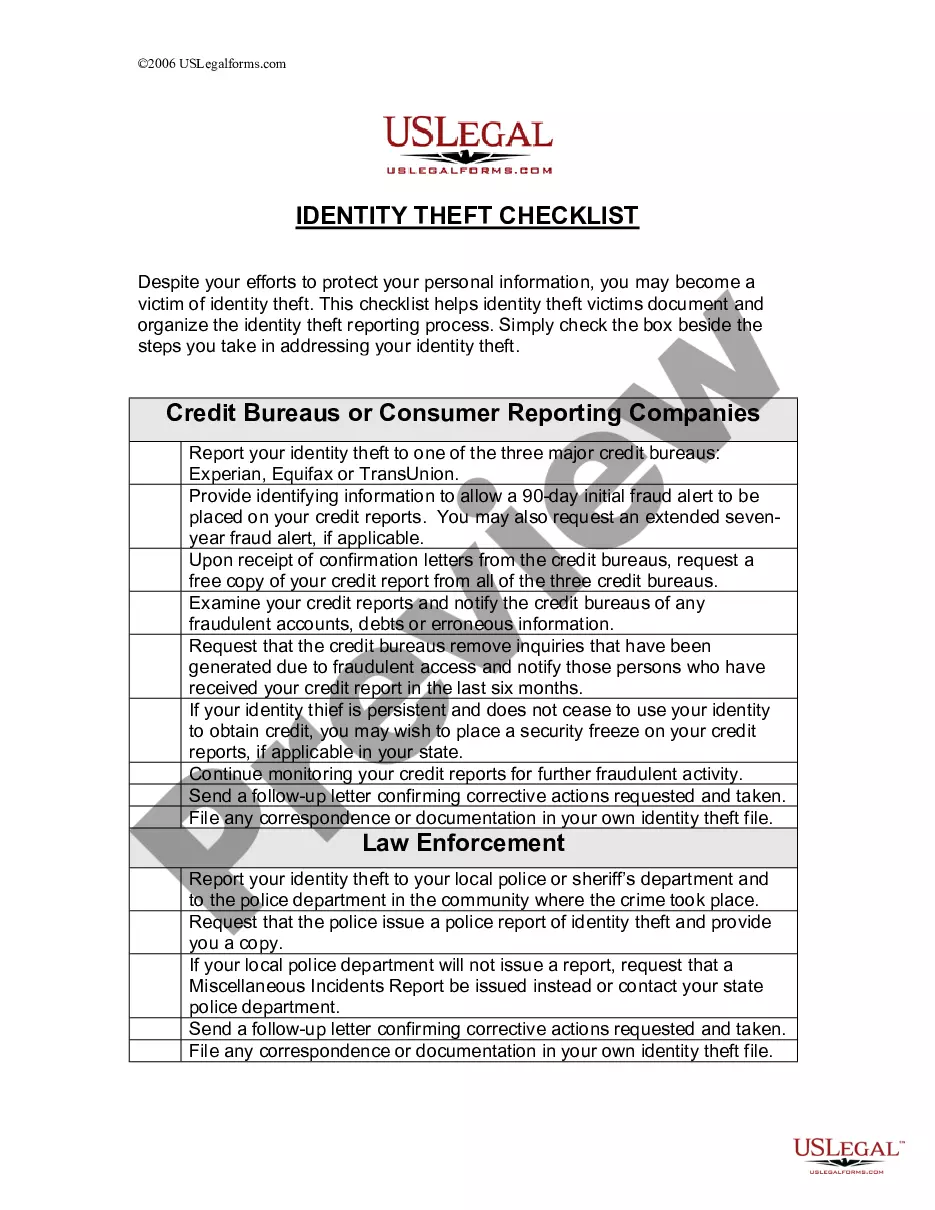
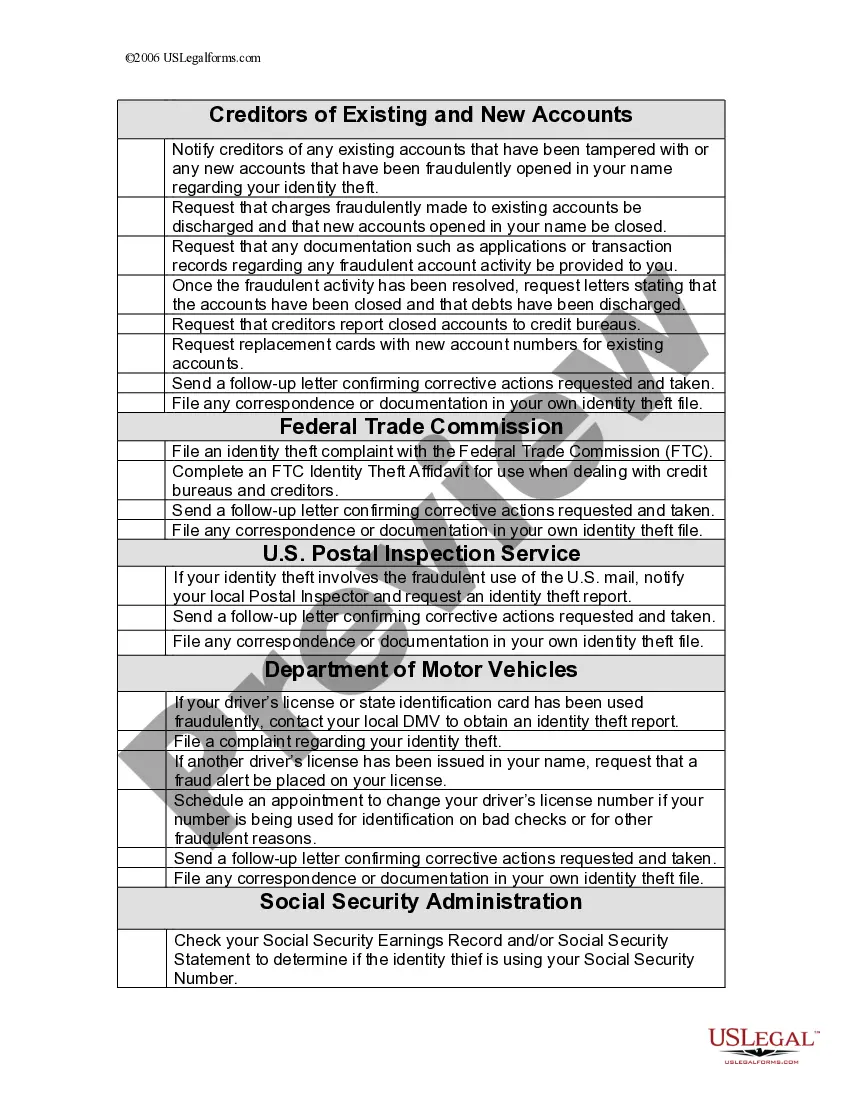
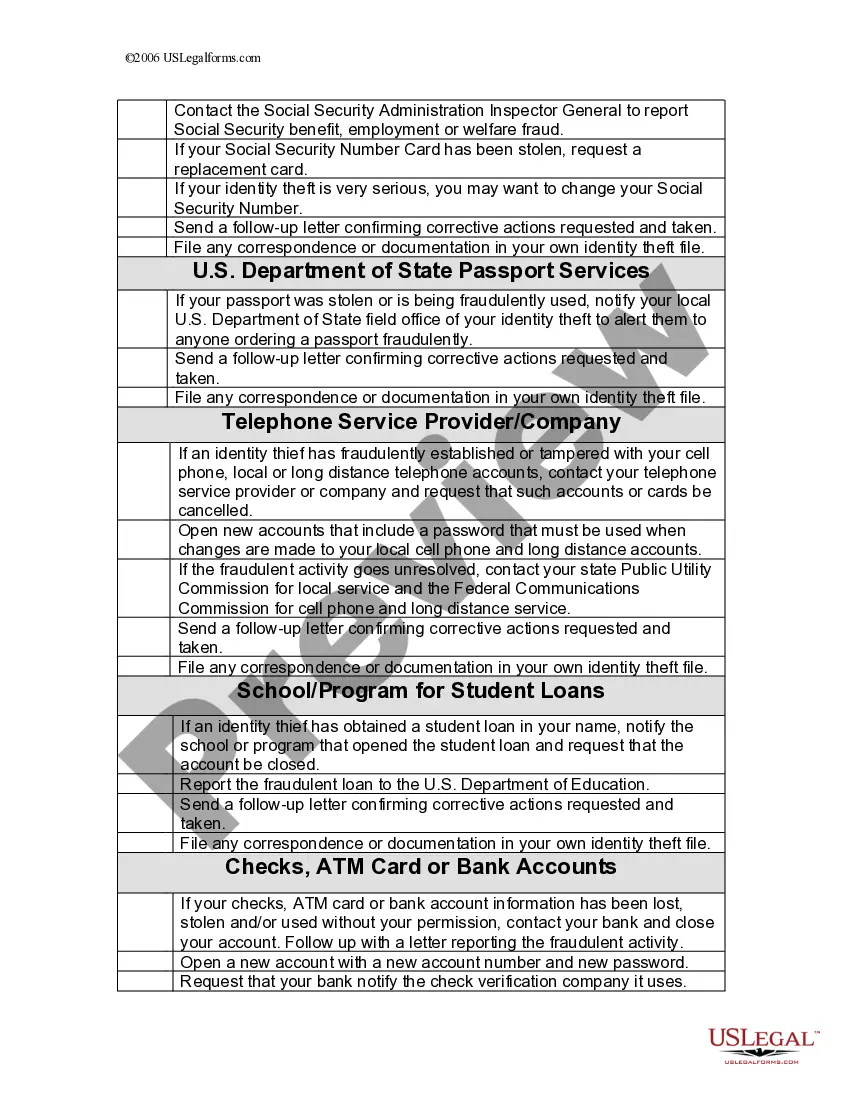
Alaska Identity Theft Checklist
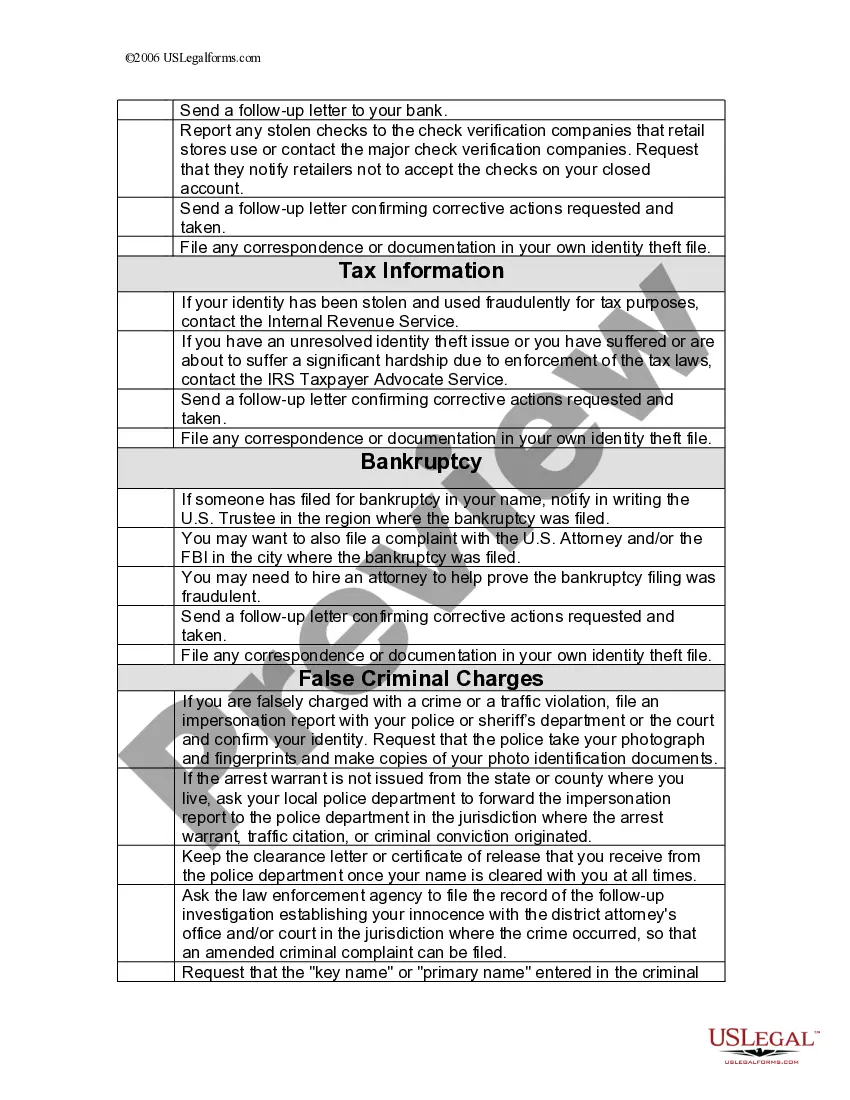
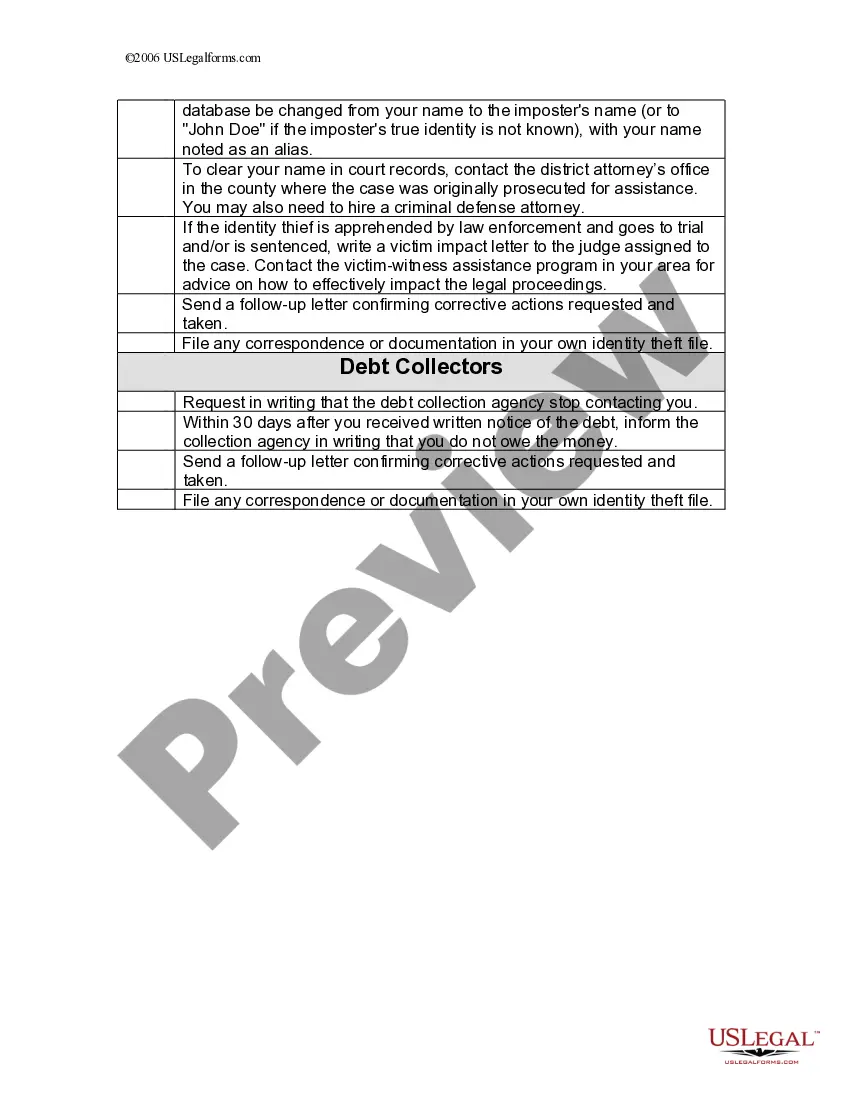
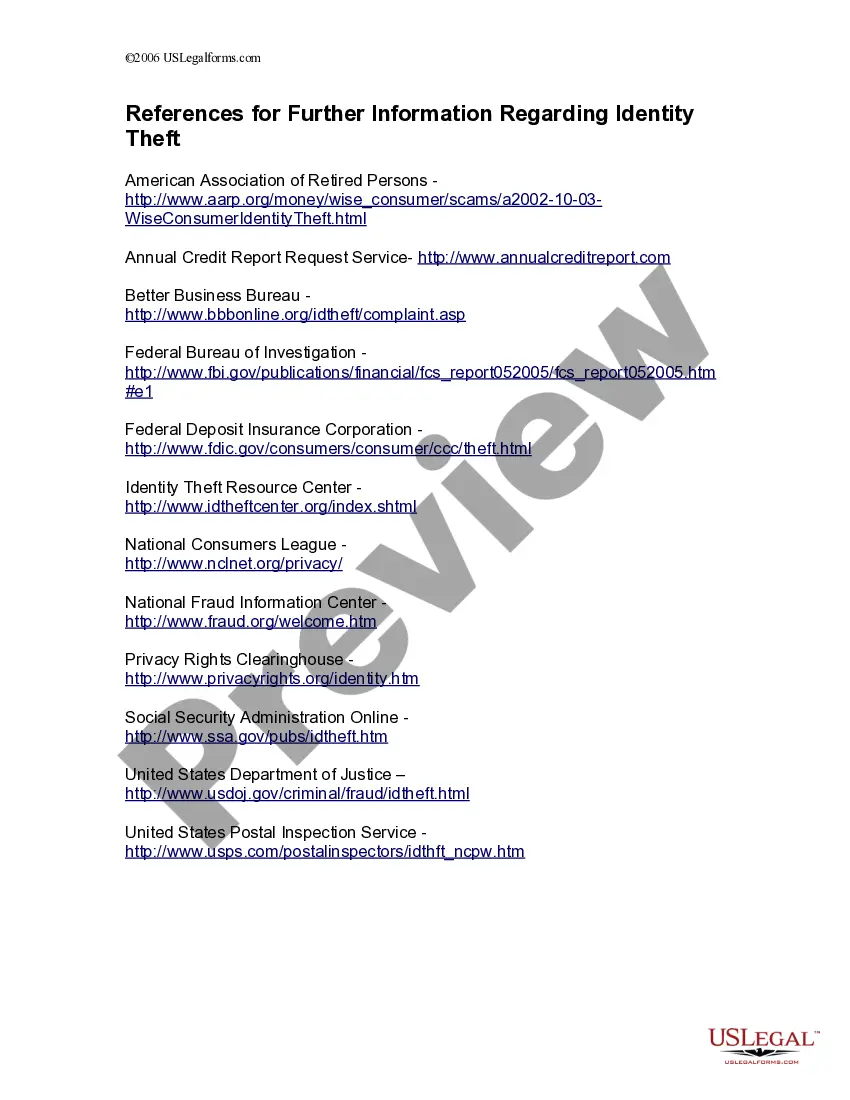
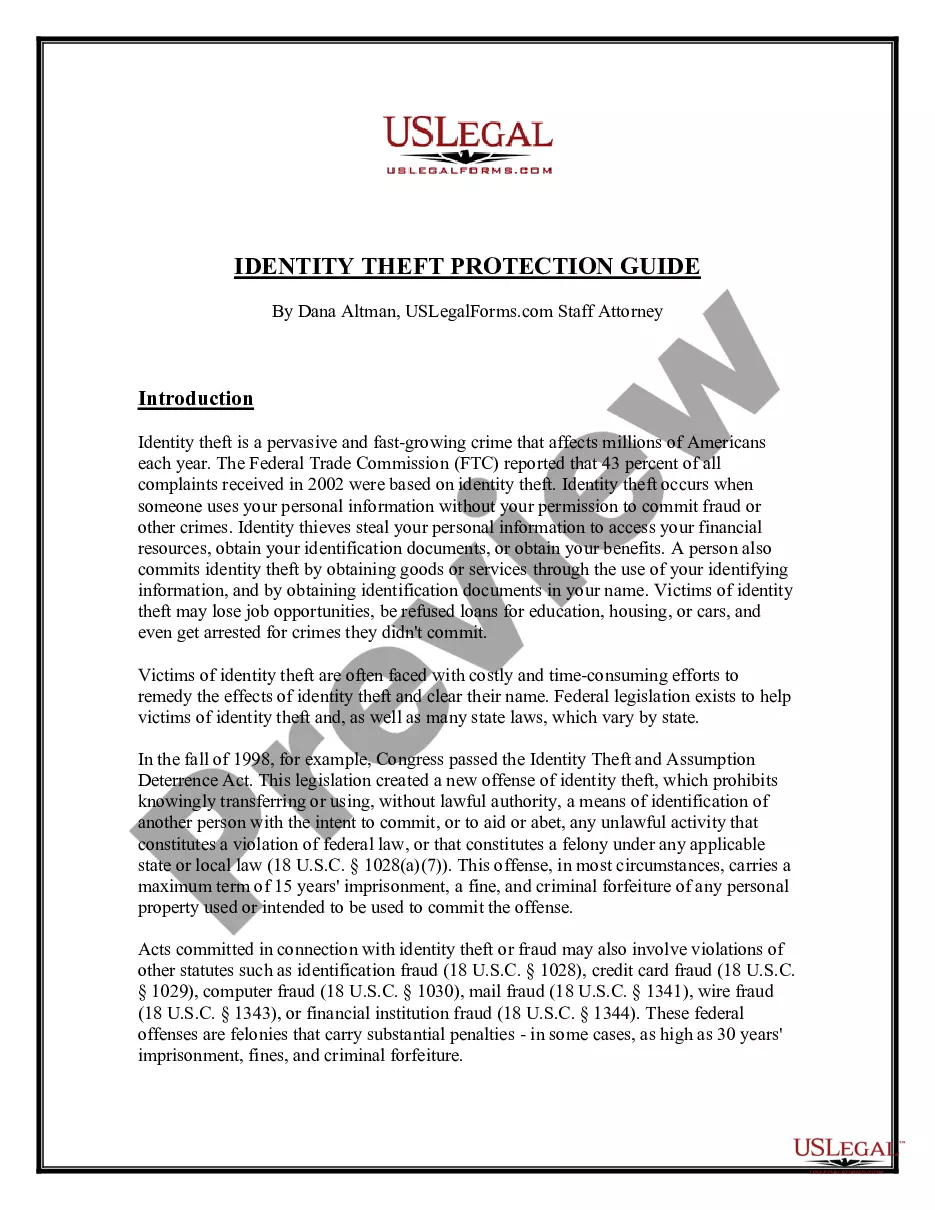
Description
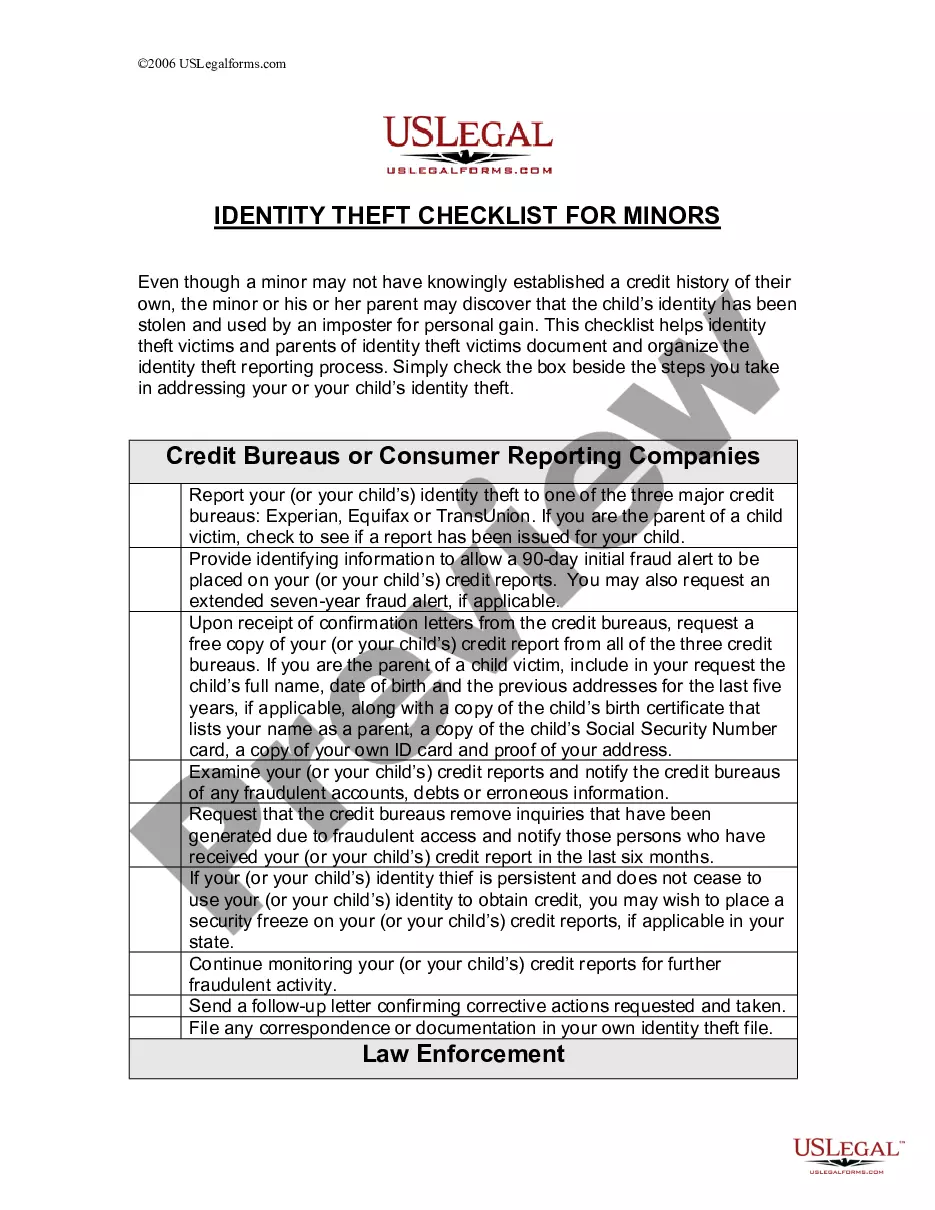
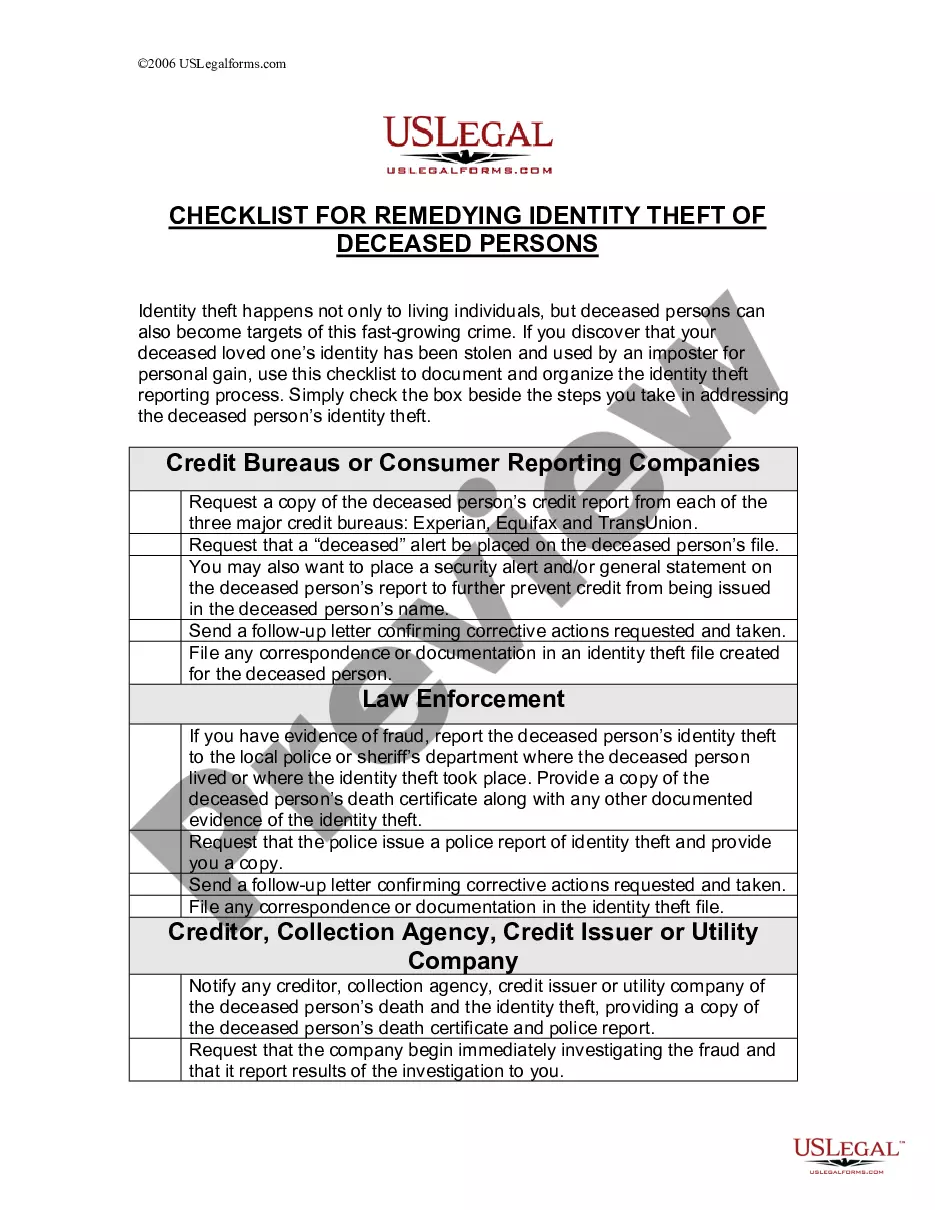
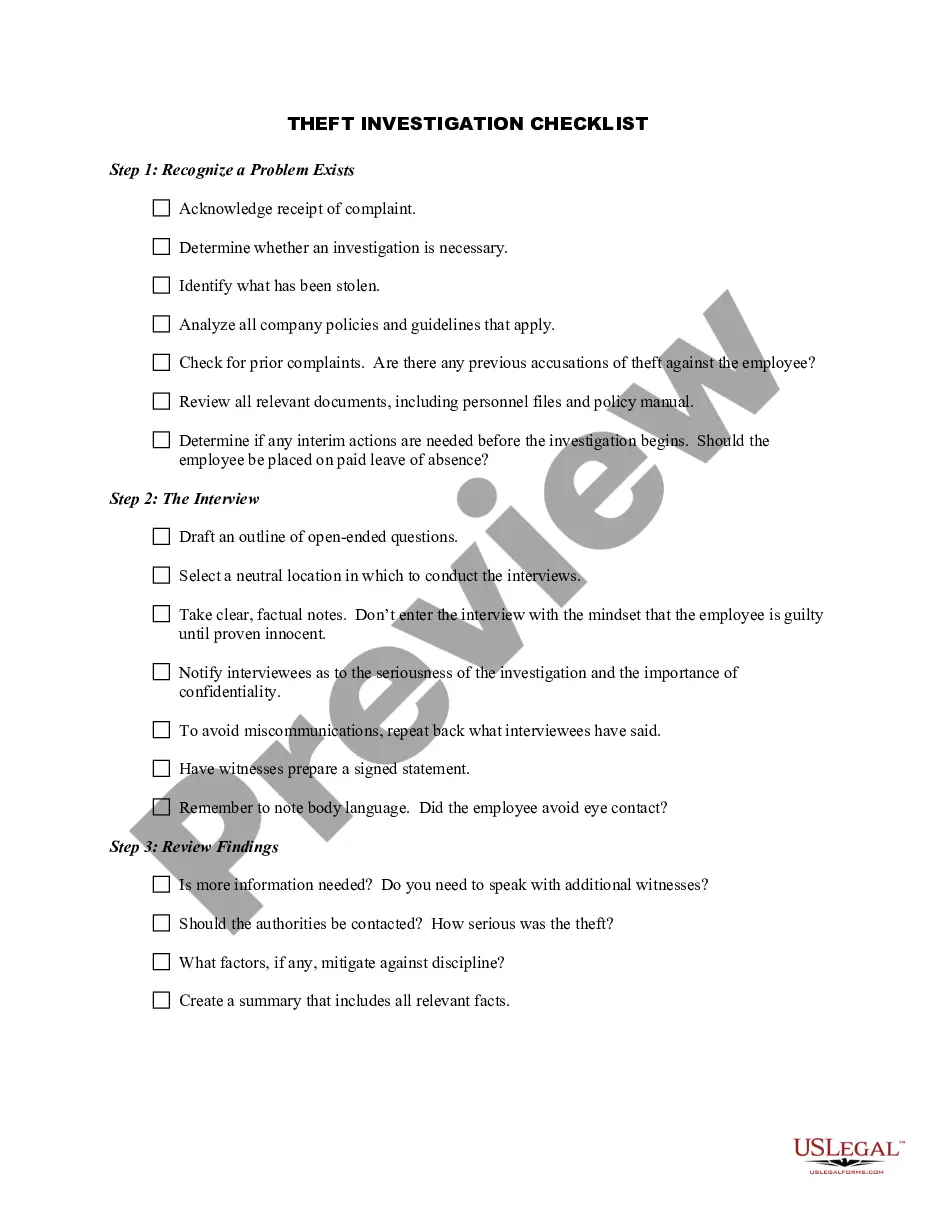
Get your form ready online
Our built-in tools help you complete, sign, share, and store your documents in one place.
Make edits, fill in missing information, and update formatting in US Legal Forms—just like you would in MS Word.
Download a copy, print it, send it by email, or mail it via USPS—whatever works best for your next step.
Sign and collect signatures with our SignNow integration. Send to multiple recipients, set reminders, and more. Go Premium to unlock E-Sign.
If this form requires notarization, complete it online through a secure video call—no need to meet a notary in person or wait for an appointment.
We protect your documents and personal data by following strict security and privacy standards.

Make edits, fill in missing information, and update formatting in US Legal Forms—just like you would in MS Word.

Download a copy, print it, send it by email, or mail it via USPS—whatever works best for your next step.

Sign and collect signatures with our SignNow integration. Send to multiple recipients, set reminders, and more. Go Premium to unlock E-Sign.

If this form requires notarization, complete it online through a secure video call—no need to meet a notary in person or wait for an appointment.

We protect your documents and personal data by following strict security and privacy standards.
Looking for another form?





How to fill out Identity Theft Checklist?
Are you currently in a situation where you require documents for occasional business or personal reasons nearly every day.
There are numerous legal document templates accessible online, but finding ones you can trust isn't easy.
US Legal Forms offers a wide variety of form templates, including the Alaska Identity Theft Checklist, that are designed to meet state and federal requirements.
Once you find the appropriate form, click Get now.
Choose the pricing plan you prefer, fill in the necessary information to set up your account, and complete the purchase using your PayPal or credit card.
- If you are already familiar with the US Legal Forms website and have an account, just Log In.
- Then, you can download the Alaska Identity Theft Checklist template.
- If you do not have an account and wish to start using US Legal Forms, follow these steps.
- Select the form you require and ensure it is for your specific area/state.
- Utilize the Preview button to review the form.
- Check the description to confirm you have selected the correct form.
- If the form isn't what you're looking for, use the Search field to find the form that meets your needs.
Form popularity
FAQ
Burden of Proof in Being Convicted for Identity Theft In ance to Penal Code 530.5 PC, the prosecutor must show proof that: The other person's information was willfully obtained by the defendant. The defendant knowingly, and willingly used the other person's information unlawfully.
Section 45.48. 400 prohibits a person from making a SSN available to the public. This section also prohibits a person from requiring a SSN to access products or services, including internet access, and prohibits the printing of a SSN on material mailed to a consumer unless required by state or federal law.
It is the unlawful violation of an individual's right to the protection of his/her privacy. This illegitimate acquisition of your information can be performed in a variety of ways. Most commonly, identity theft includes stealing, misrepresenting or hijacking the identity of another person or business.
The law requires businesses and government agencies to notify you if your personal information has been compromised, restricts the use of social security numbers, and requires records containing your personal information to be destroyed as soon as it is no longer needed.
You should review your bank account statements regularly; if you see unknown purchases, that could be a sign that your identity has been stolen. Check credit reports. Similarly, monitor your credit reports from all three credit-reporting bureaus for any unknown accounts or inaccurate information.
The Fair Credit Reporting Act (FCRA) This is a federal law regulating how employers collect, distribute, and use consumer (in this case, the applicant) credit information. In the context of employment background checks, FCRA aims to protect job applicants from unfair or inaccurate information being used against them.
Your name, address and date of birth provide enough information to create another 'you'. An identity thief can use a number of methods to find out your personal information and will then use it to open bank accounts, take out credit cards and apply for state benefits in your name.
§ 11.46. 100. (1) with intent to deprive another of property or to appropriate property of another to oneself or a third person, the person obtains the property of another; (2) the person commits theft of lost or mislaid property under AS 11.46.