Wyoming Living Trust for Husband and Wife with No Children
What is this form?
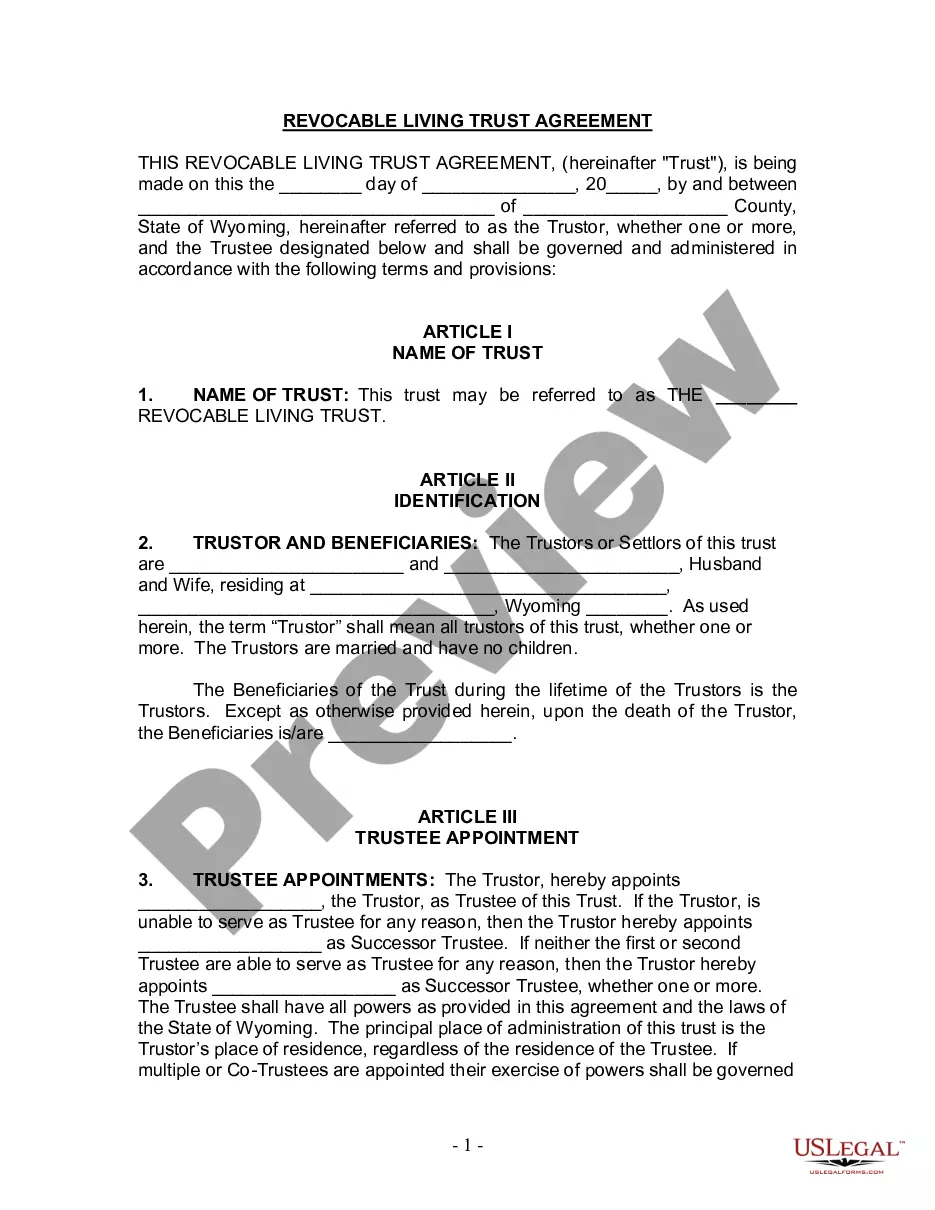
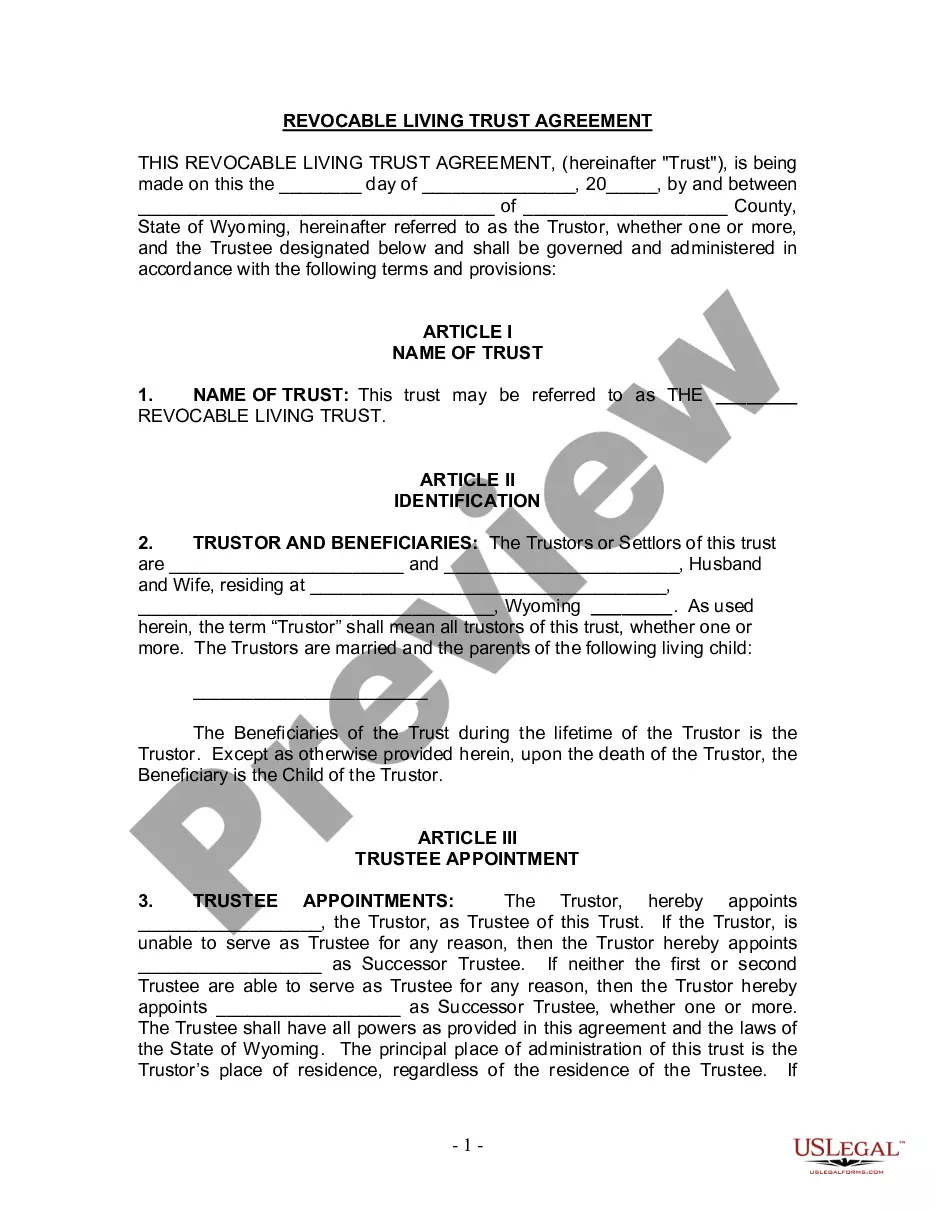
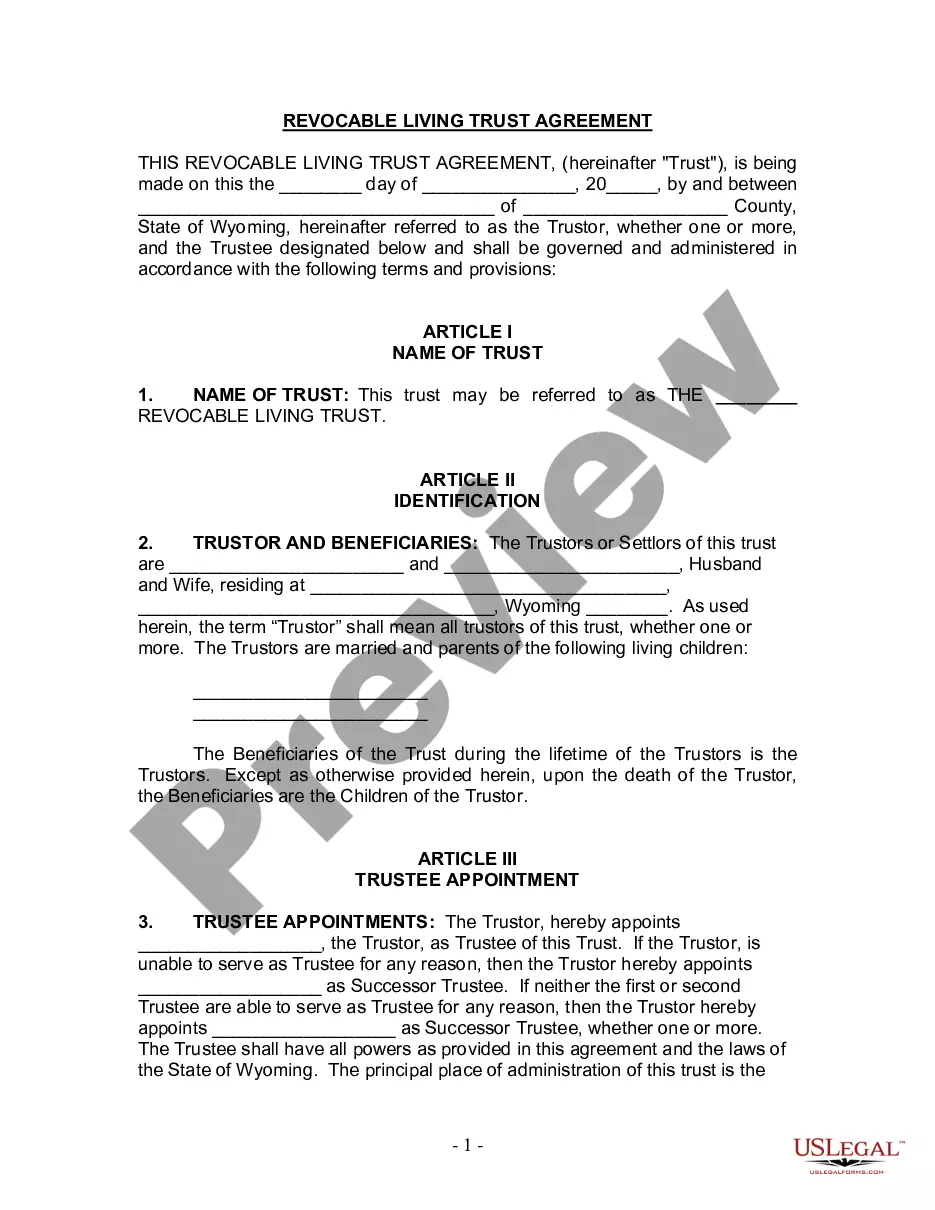
This Living Trust for Husband and Wife with No Children is a legal document used for estate planning purposes. It allows spouses to manage their assets during their lifetime and to direct how these assets will pass to beneficiaries after their death, avoiding probate. This form is specifically designed for couples who do not have children, distinguishing it from other living trust documents that may involve additional complexities concerning dependent heirs.
Key components of this form
- Name of Trust: Specifies the designated name for the trust.
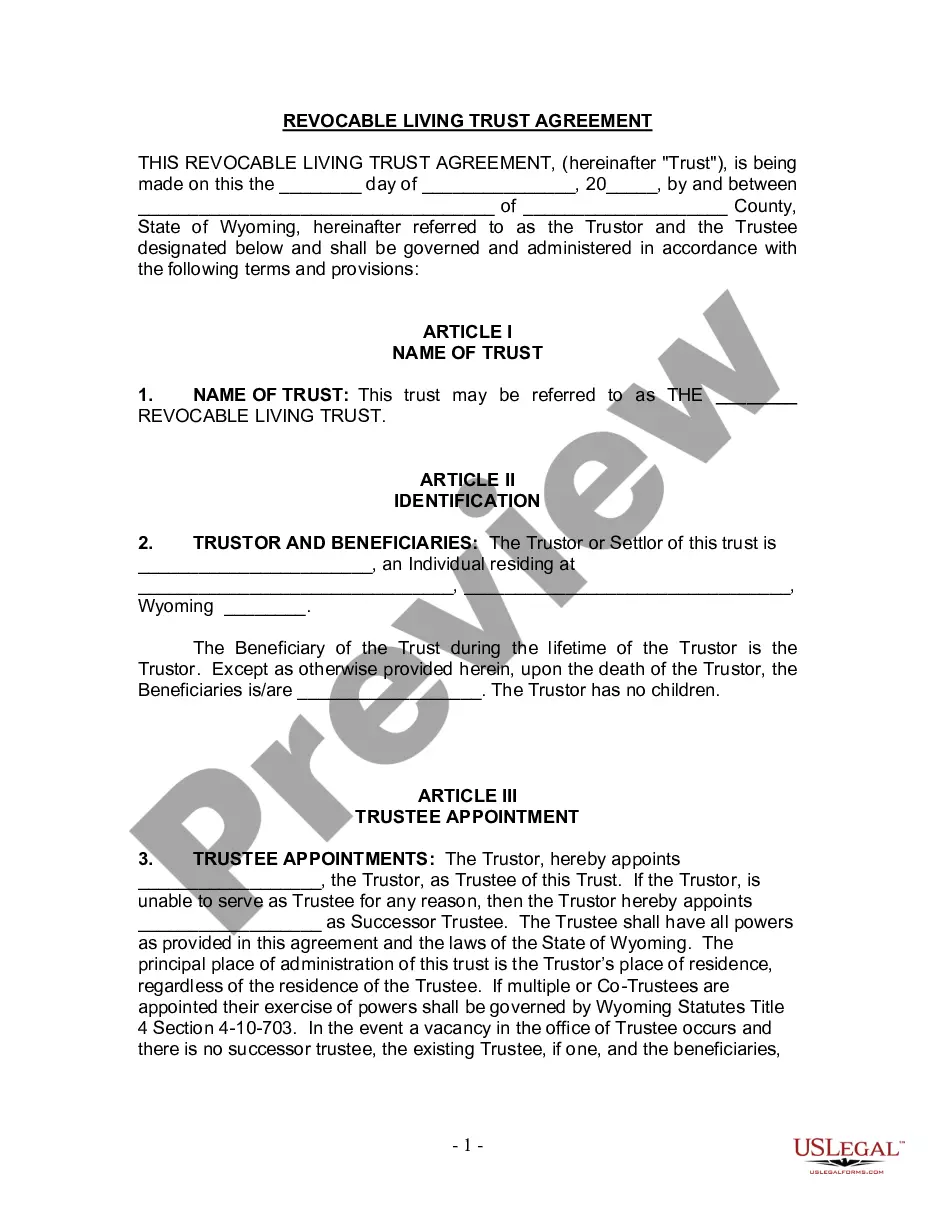
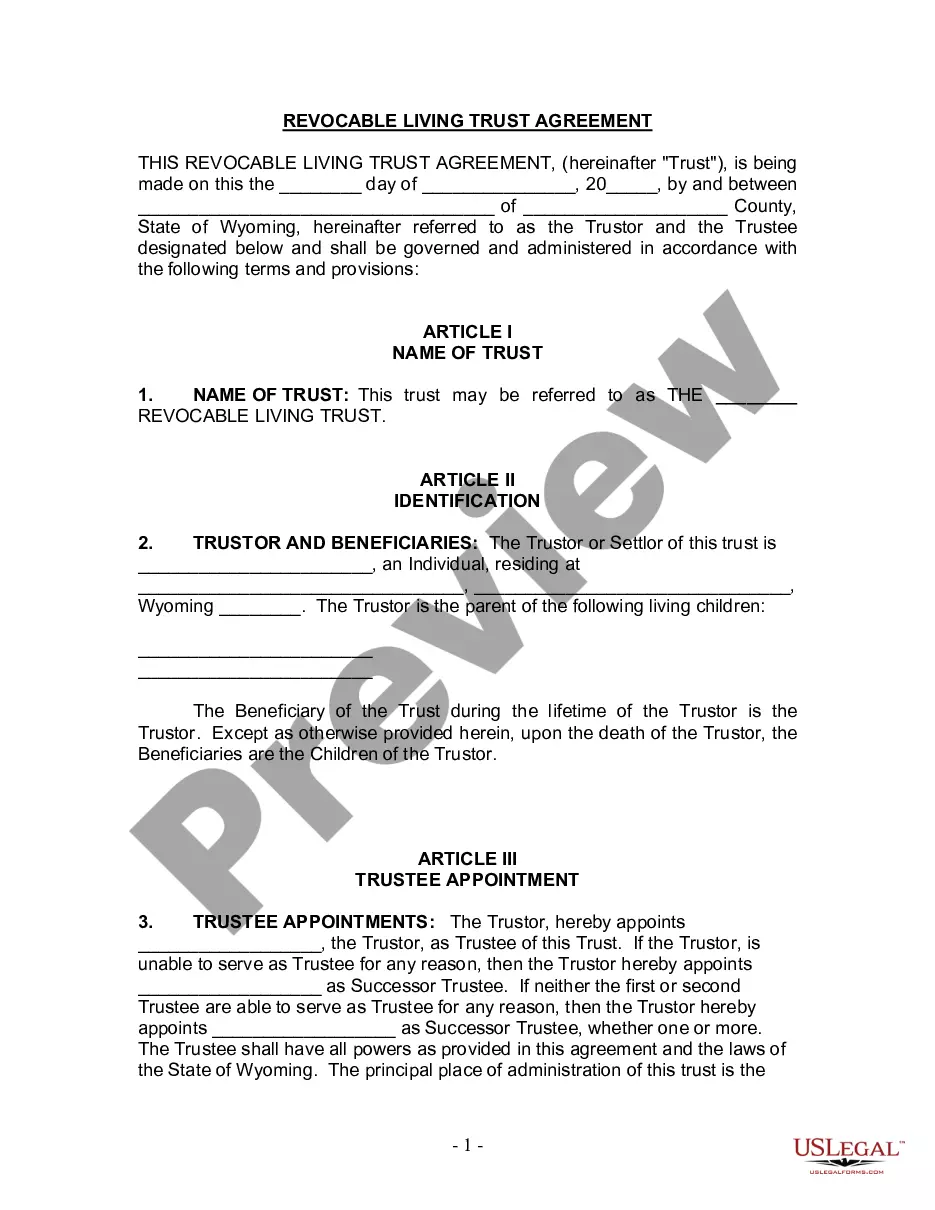
- Trustor and Beneficiaries: Identifies the couple as the Trustors and beneficiaries during their lifetime.
- Trustee Appointment: Details the appointment of a Trustee and successor Trustees to manage the trust.
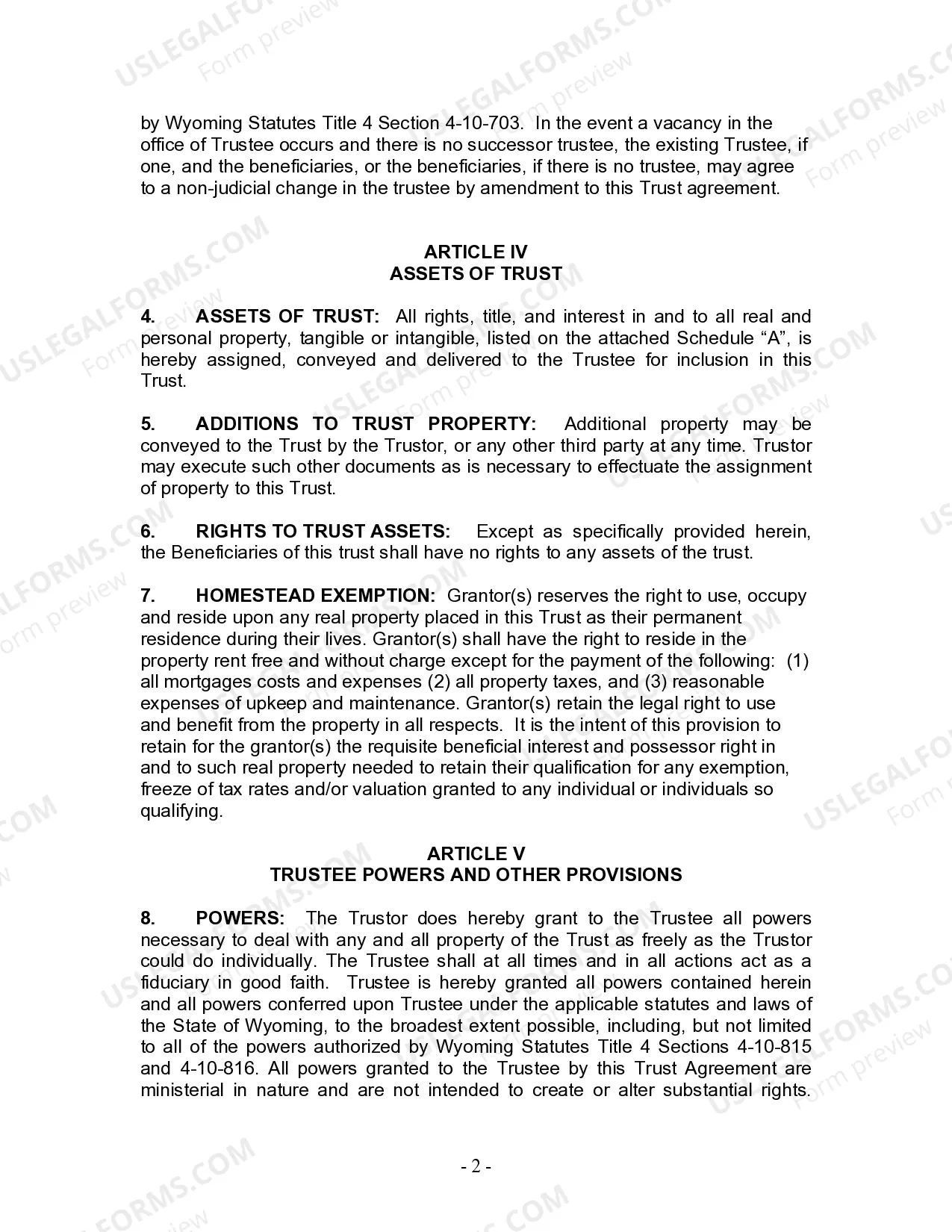
- Assets of Trust: Lists the property and assets included in the trust.
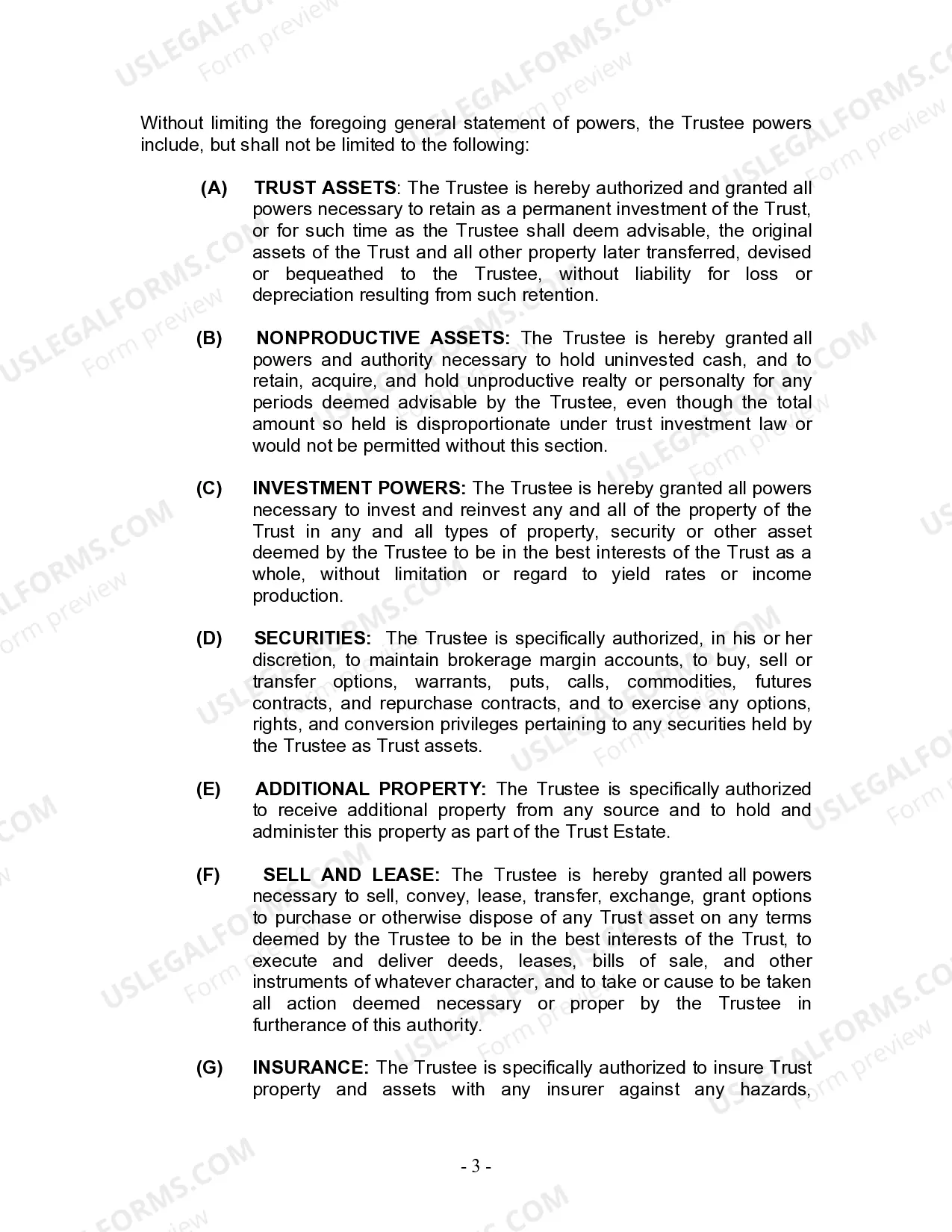
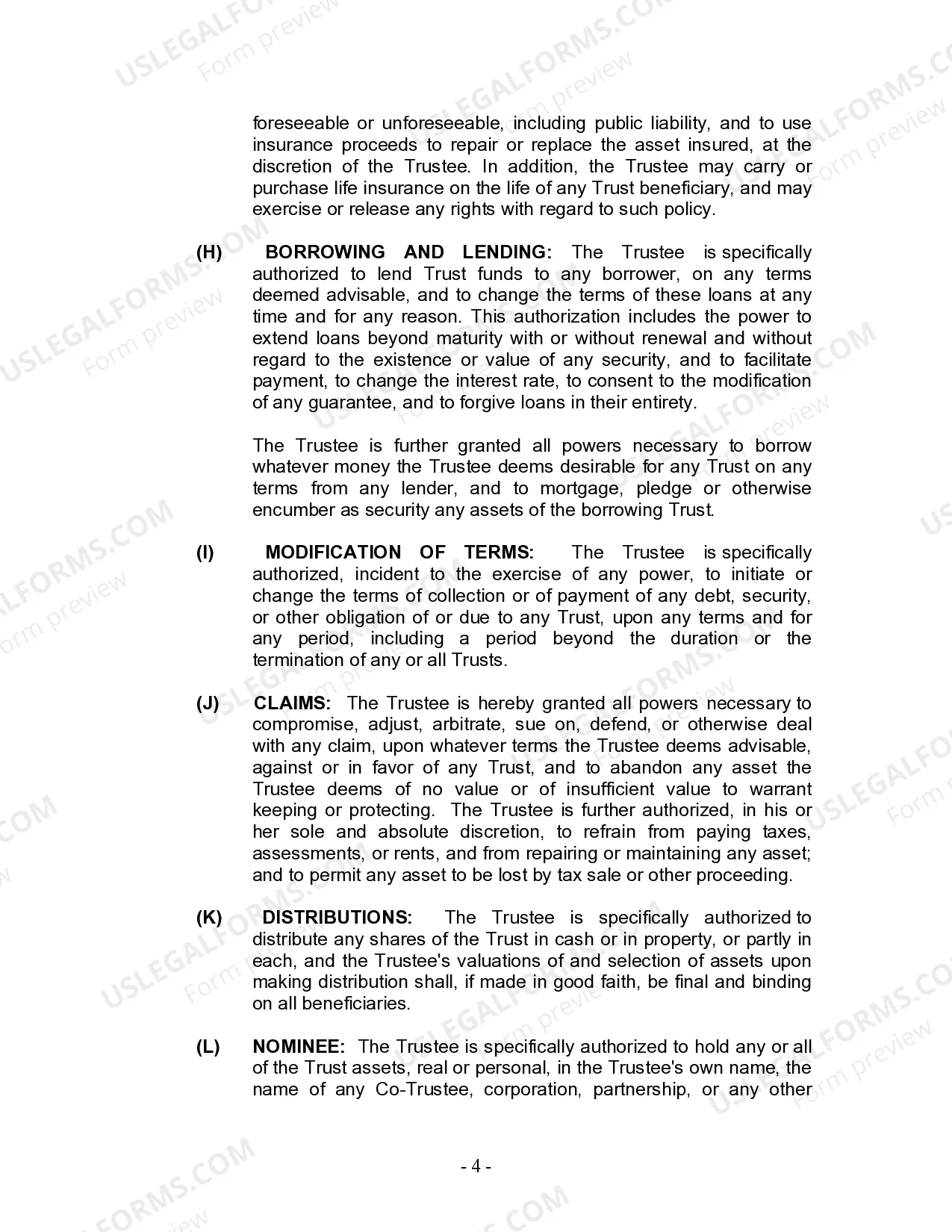
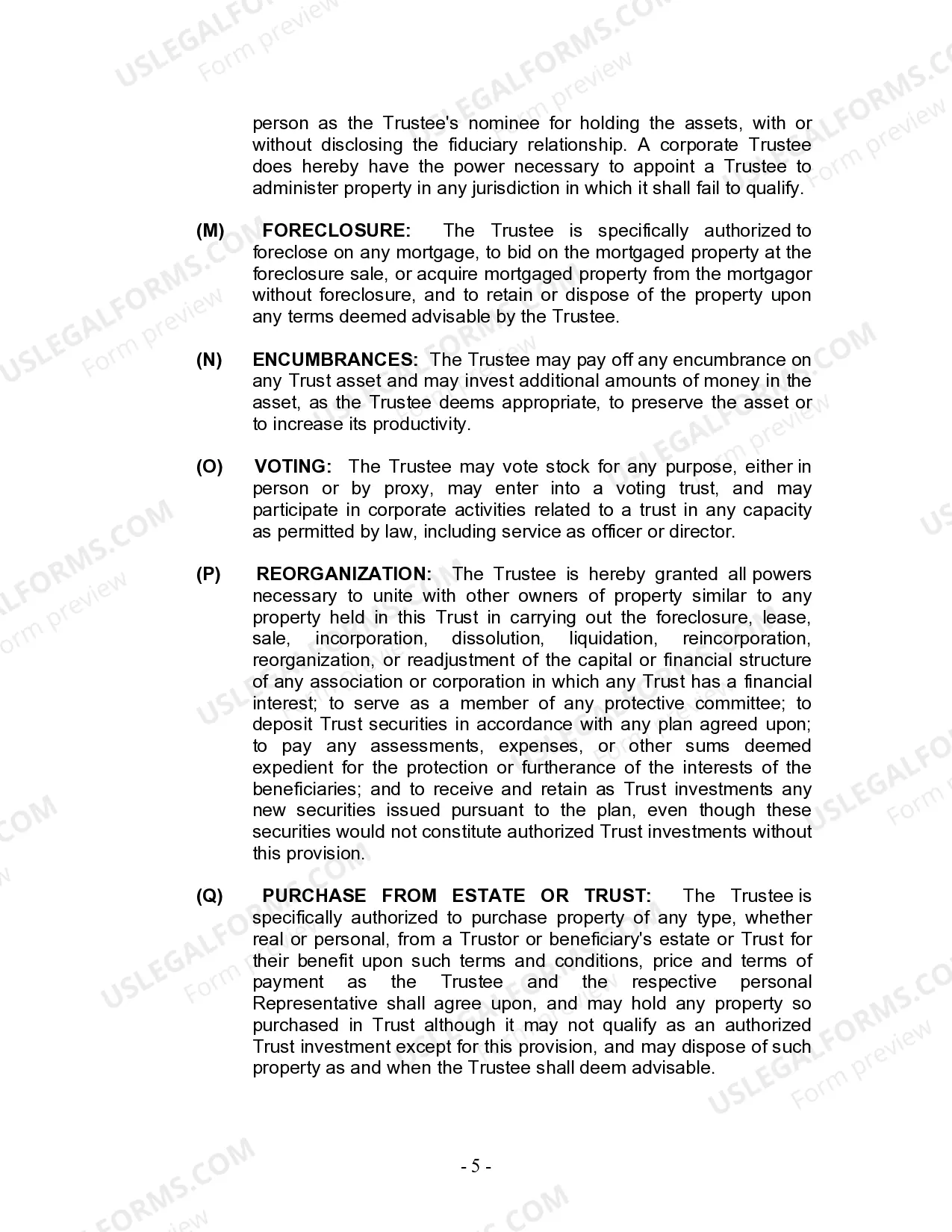
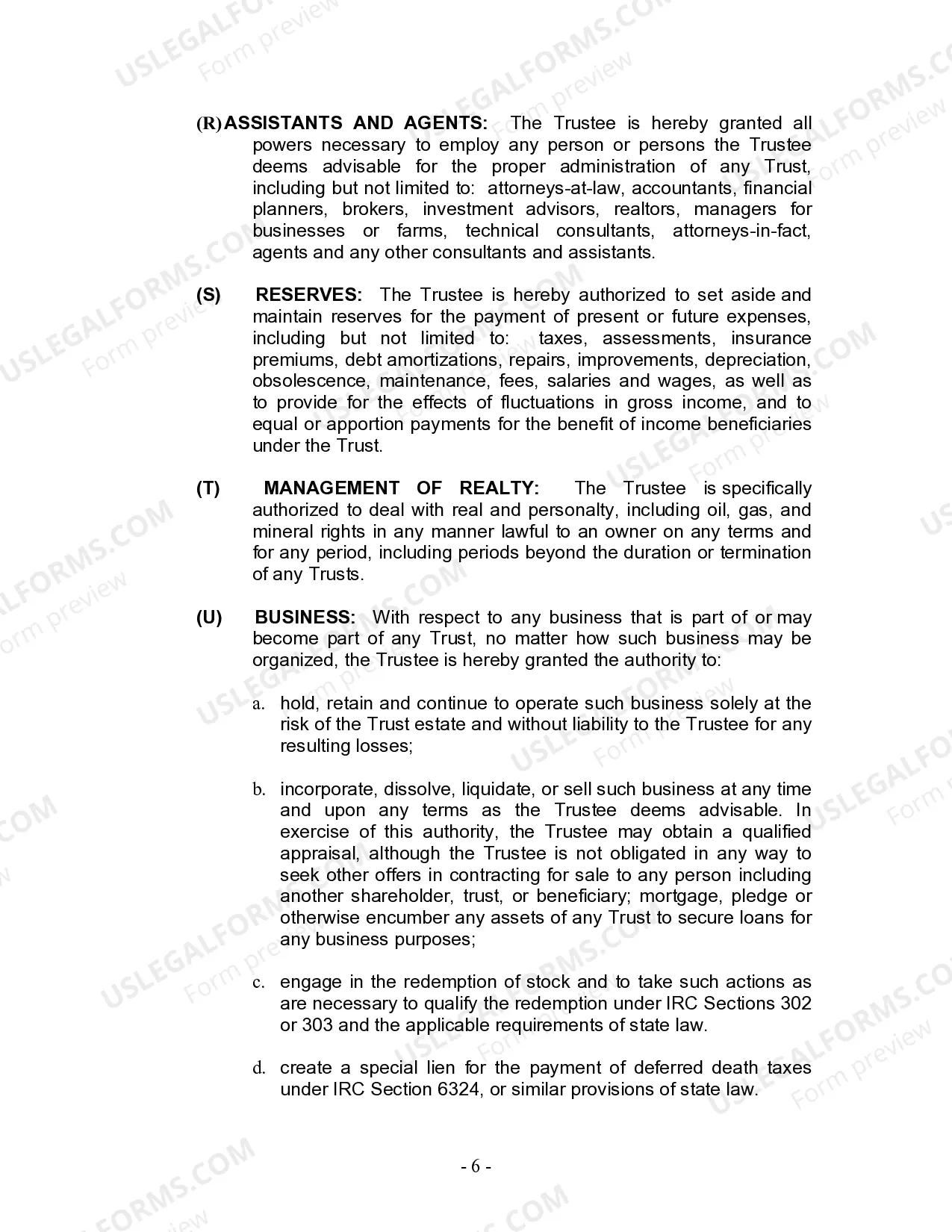
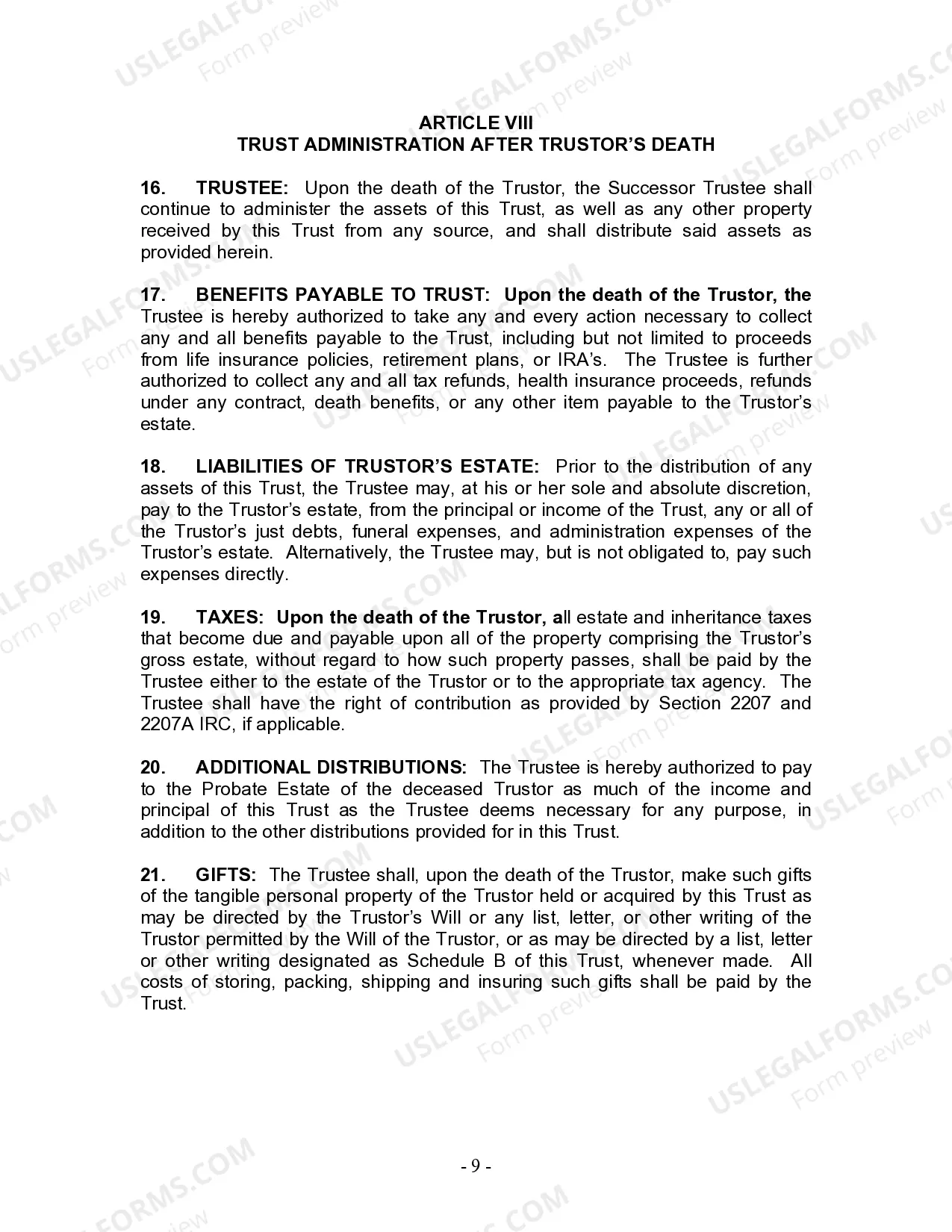
- Trustee Powers: Enumerates the powers granted to the Trustee to manage the trust assets effectively.
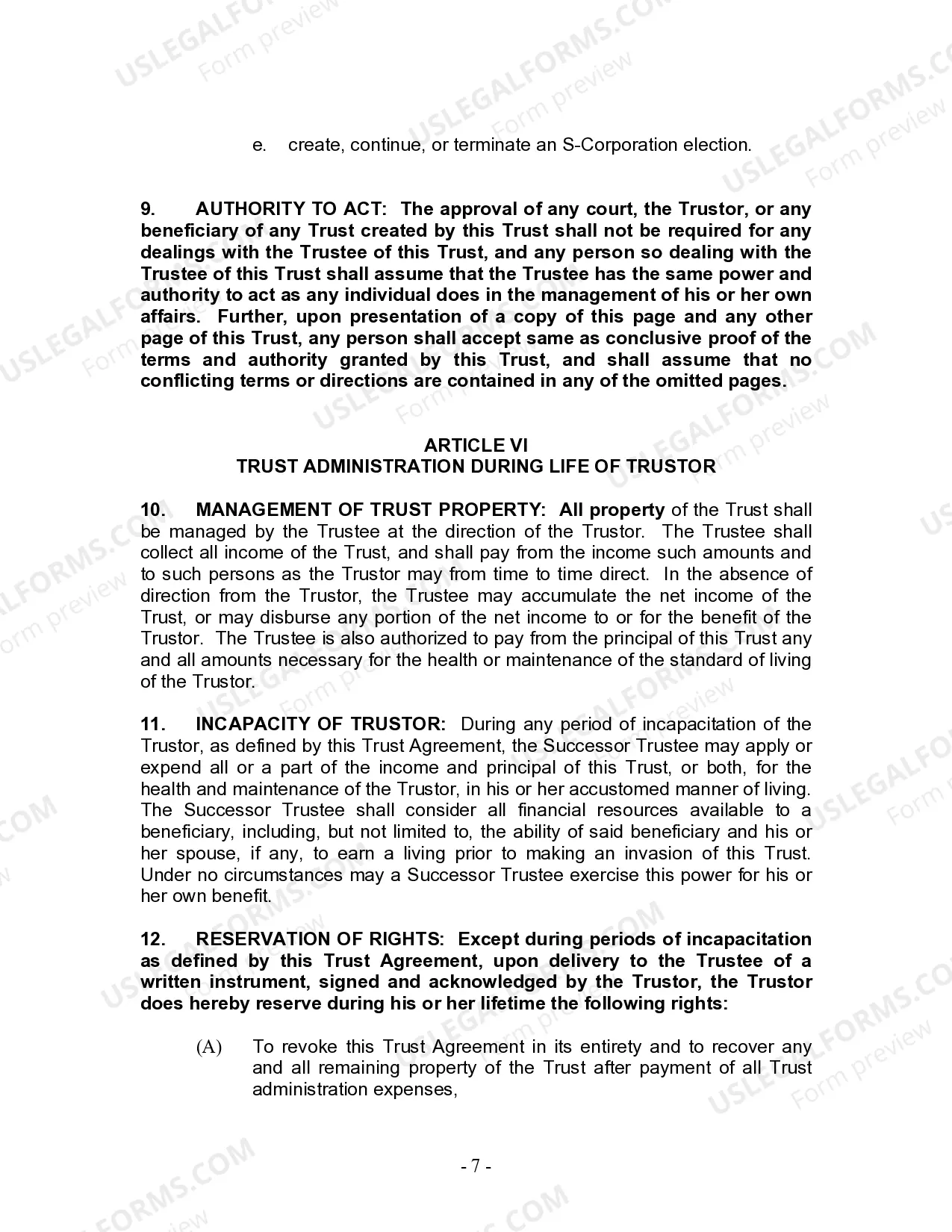
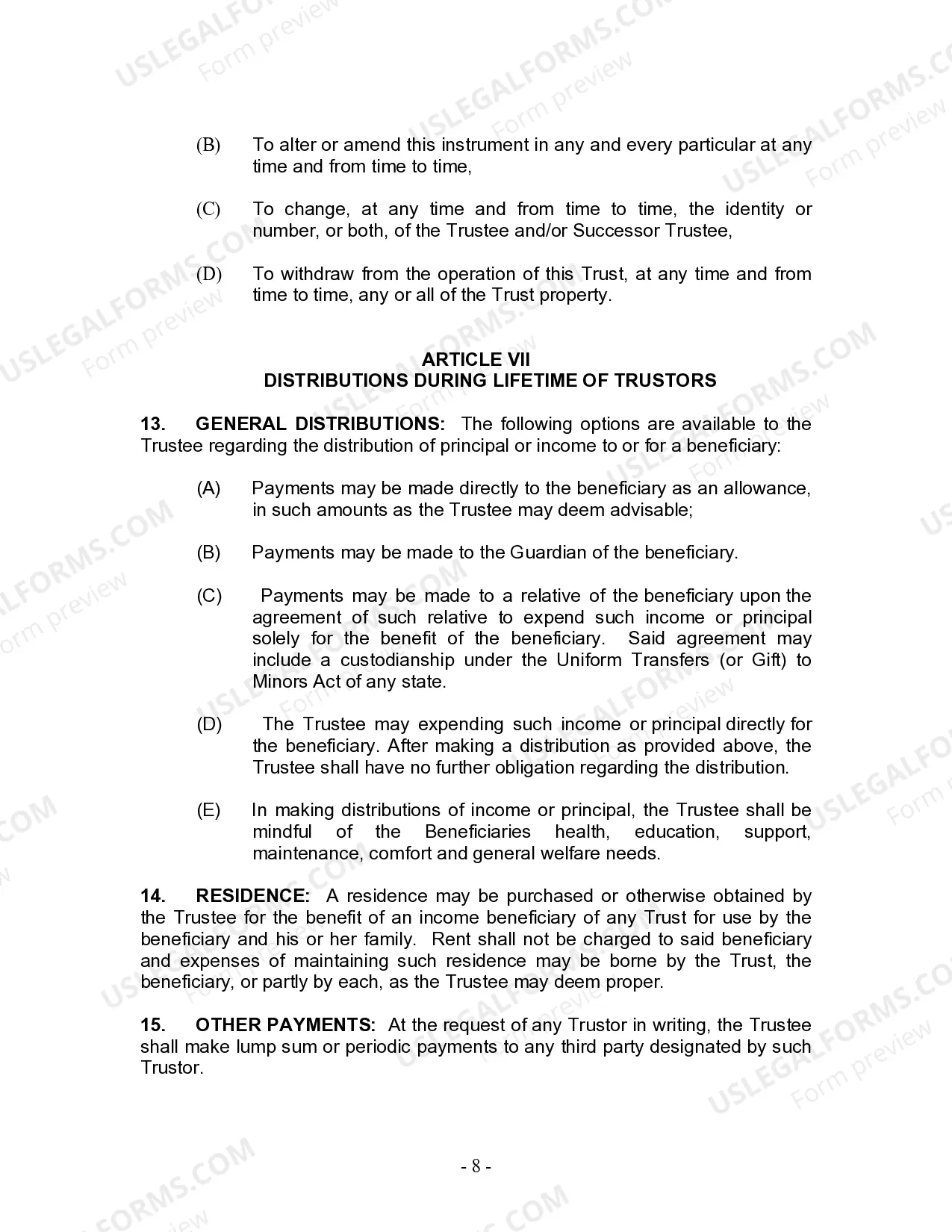
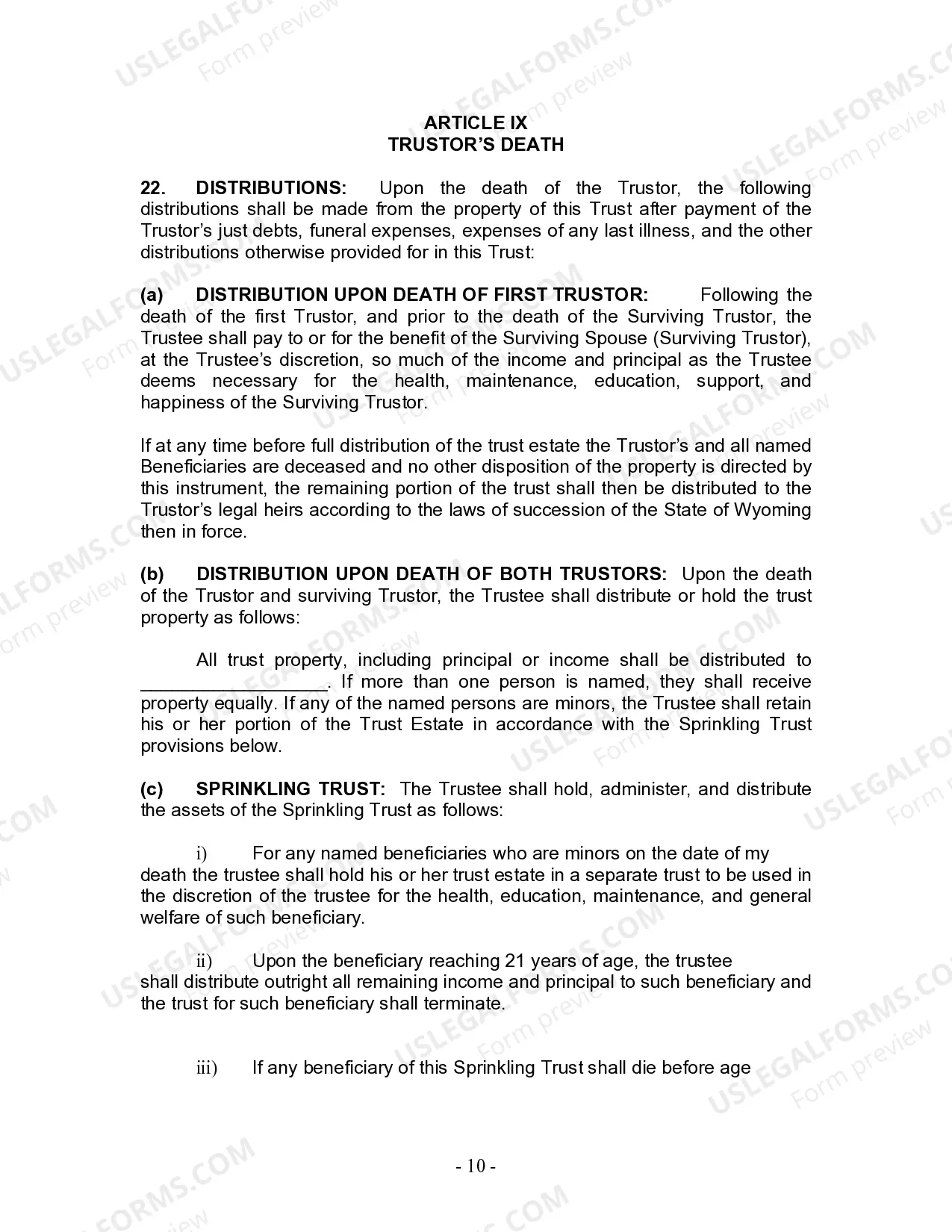
- Distributions: Outlines how assets will be distributed upon the death of the Trustors.

Common use cases
This form is appropriate when a husband and wife want to protect their assets and ensure they are managed according to their wishes after death. It is particularly useful for couples without children who wish to make specific arrangements for asset distribution among other relatives, friends, or charities. This form should be utilized as part of a comprehensive estate planning strategy.
Who needs this form
- Couples who wish to manage their assets collectively.
- Married individuals without children looking to streamline the distribution of their estate.
- Spouses who want to avoid the probate process after their passing.
- Those wanting a flexible, revocable way to manage their property during their lives.
How to complete this form
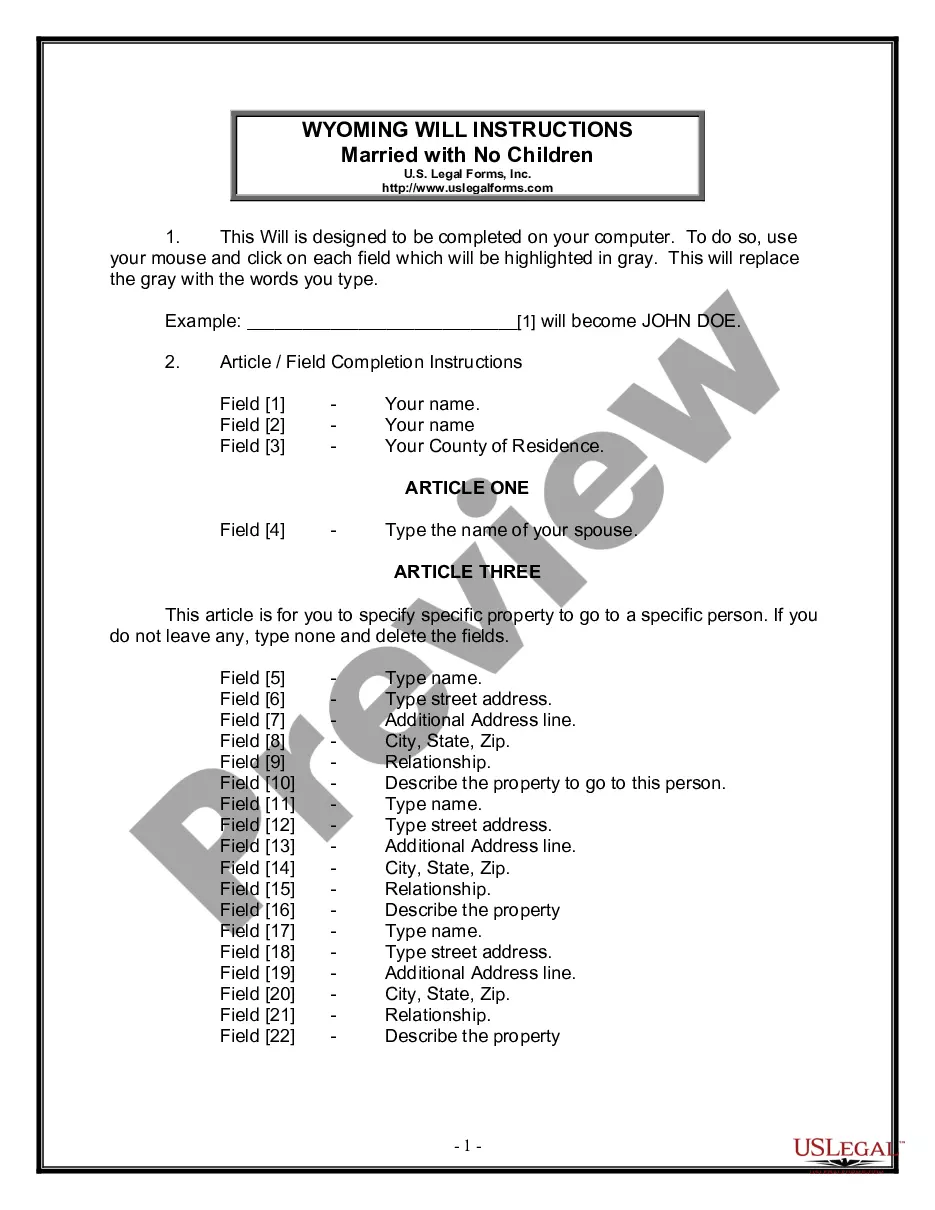
- Identify the parties involved by filling in the names of the Trustors and their residence.
- Choose a name for the trust that distinguishes it clearly.
- Designate the Trustee and any successor Trustees who will manage the trust.
- List all assets to be included in the trust in Schedule A.
- Sign and date the trust document in the presence of a notary public, if required.
Is notarization required?
Notarization is required for this form to take effect. Our online notarization service, powered by Notarize, lets you verify and sign documents remotely through an encrypted video session, available 24/7.
Get your form ready online
Our built-in tools help you complete, sign, share, and store your documents in one place.
Make edits, fill in missing information, and update formatting in US Legal Forms—just like you would in MS Word.
Download a copy, print it, send it by email, or mail it via USPS—whatever works best for your next step.
Sign and collect signatures with our SignNow integration. Send to multiple recipients, set reminders, and more. Go Premium to unlock E-Sign.
If this form requires notarization, complete it online through a secure video call—no need to meet a notary in person or wait for an appointment.
We protect your documents and personal data by following strict security and privacy standards.
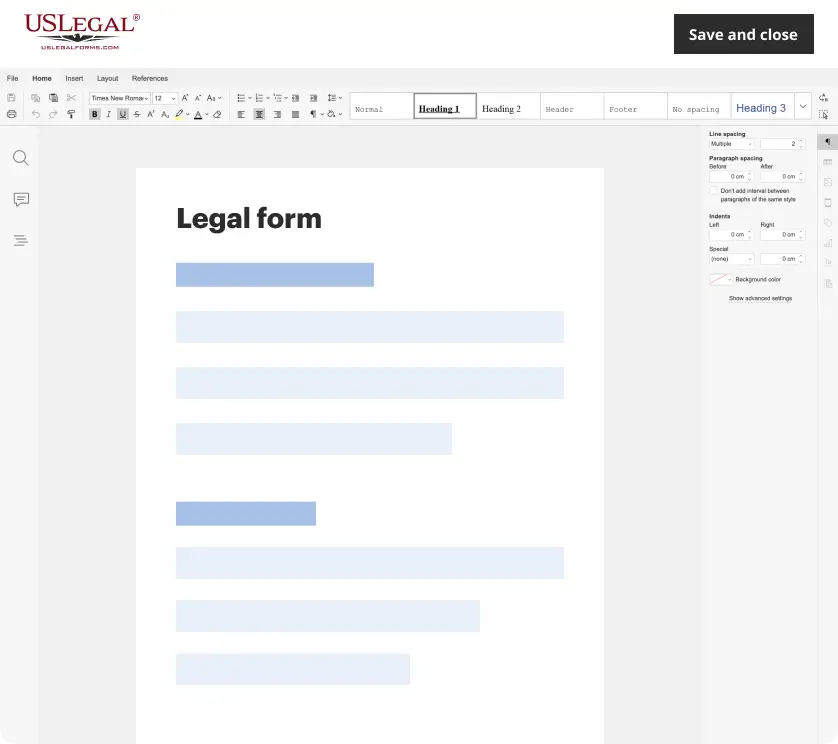
Make edits, fill in missing information, and update formatting in US Legal Forms—just like you would in MS Word.
Download a copy, print it, send it by email, or mail it via USPS—whatever works best for your next step.
Sign and collect signatures with our SignNow integration. Send to multiple recipients, set reminders, and more. Go Premium to unlock E-Sign.

If this form requires notarization, complete it online through a secure video call—no need to meet a notary in person or wait for an appointment.
We protect your documents and personal data by following strict security and privacy standards.
Avoid these common issues
- Failing to list all intended assets, which can lead to disputes later.
- Not updating the trust after significant life changes, such as a move or change in financial status.
- Neglecting to choose or update the successor Trustee, which could complicate trust management.
Benefits of completing this form online
- Convenience: Downloadable and fillable forms allow for easy access and completion.
- Editability: Users can customize the trust to fit their specific needs.
- Reliability: Forms are drafted by licensed attorneys, ensuring legal validity and compliance with state law.
Looking for another form?


Form popularity
FAQ
Make a List of All Your Assets. Be sure to include make a list of your assets that includes everything you own. Find the Paperwork for Your Assets. Choose Beneficiaries. Choose a Successor Trustee. Choose a Guardian for Your Minor Children.
The UTC provides that a trust must meet the following requirements (UTC 402): 1) the settlor must have the capacity to create the trust; 2) the settlor must have the intent to create the trust 3) there must be at least one definite beneficiary; 4) there must be duties for the trustee to perform; and 5) the sole trustee
Here's a good rule of thumb: If you have a net worth of at least $100,000 and have a substantial amount of assets in real estate, or have very specific instructions on how and when you want your estate to be distributed among your heirs after you die, then a trust could be for you.
No, you don't need a lawyer to set up a trust, but it might be a good idea to seek legal advice to ensure the trust is set up correctly and that you have considered all long-term financial and estate planning aspects of the trust.Some living trusts are revocable, which means the trust can be changed at any time.
A living trust is designed to allow for the easy transfer of the trust creator or settlor's assets while bypassing the often complex and expensive legal process of probate. Living trust agreements designate a trustee who holds legal possession of assets and property that flow into the trust.
When you create a DIY living trust, there are no attorneys involved in the process.It is also possible to choose a company, such as a bank or a trust company, to be your trustee. You'll also need to choose your beneficiary or beneficiaries, the person or people who will receive the assets in your trust.
Its primary purpose is to avoid probate court, since revocable living trusts do not reduce estate taxes. With a revocable trust, your assets will not be protected from creditors looking to sue. That's because you maintain ownership of the trust while you're alive.
Paperwork. Setting up a living trust isn't difficult or expensive, but it requires some paperwork. Record Keeping. After a revocable living trust is created, little day-to-day record keeping is required. Transfer Taxes. Difficulty Refinancing Trust Property. No Cutoff of Creditors' Claims.
An estate plan that includes a trust costs $1,000 to $3,000, versus $300 or less for a simple will. What a living-trust promoter may not tell you: You don't need a trust to protect assets from probate. You can arrange for most of your valuable assets to go to your heirs outside of probate.
To set up a Living Trust, you first create a Revocable Living Trust document and appoint a trustee. You may then list the property you will place in the trust, as well as your beneficiaries. After executing your Living Trust document properly, you will need to transfer your property into the trust.