West Virginia Last Will and Testament with All Property to Trust called a Pour Over Will
Understanding this form
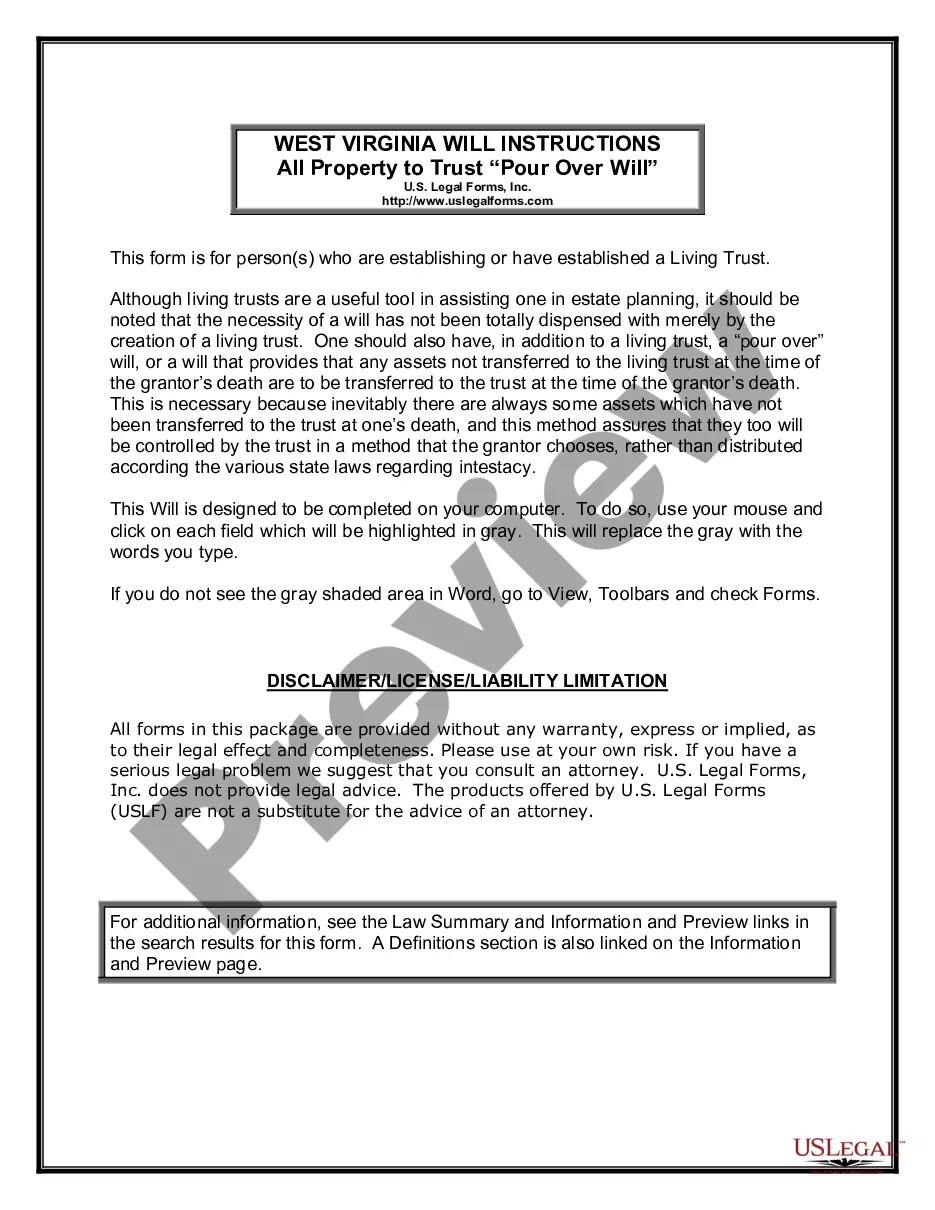
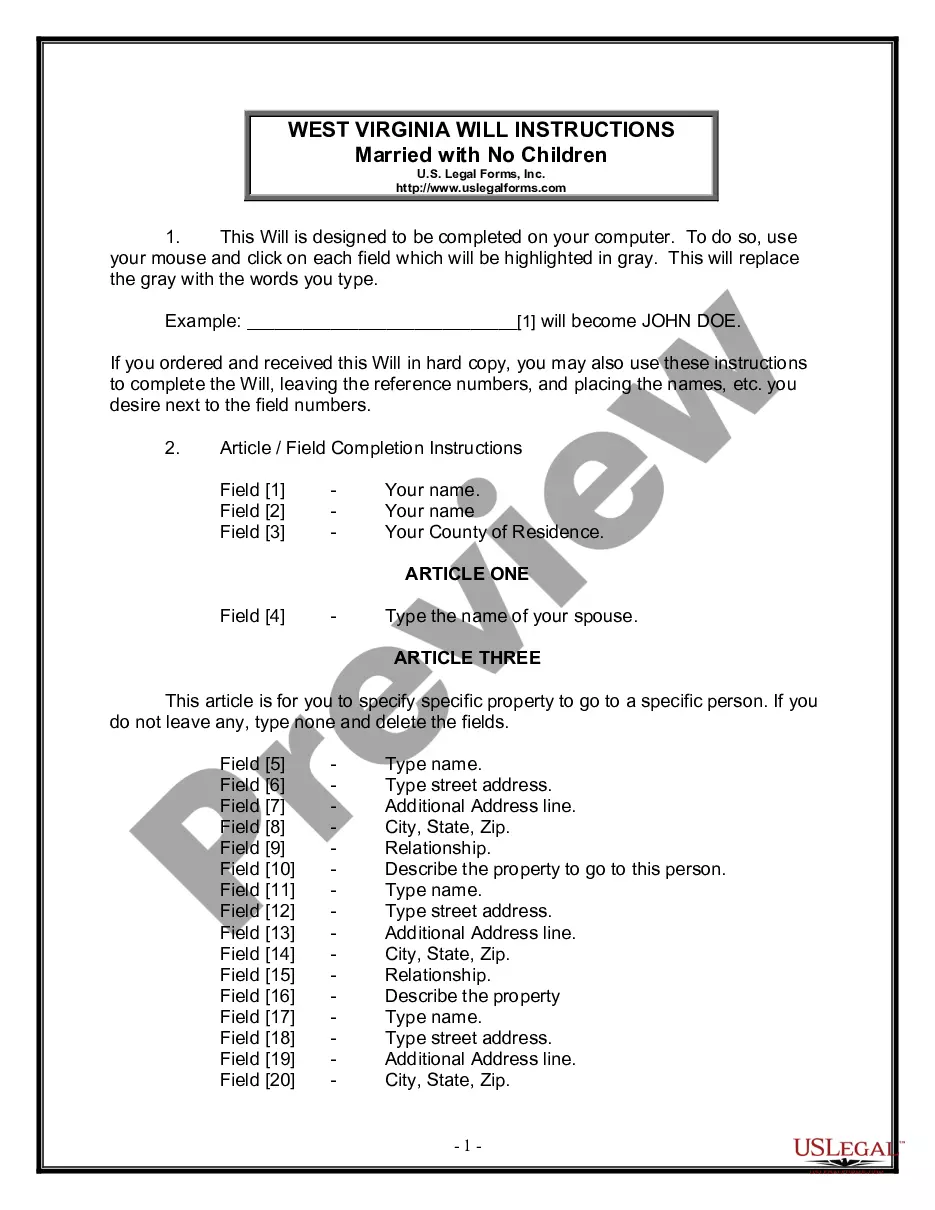
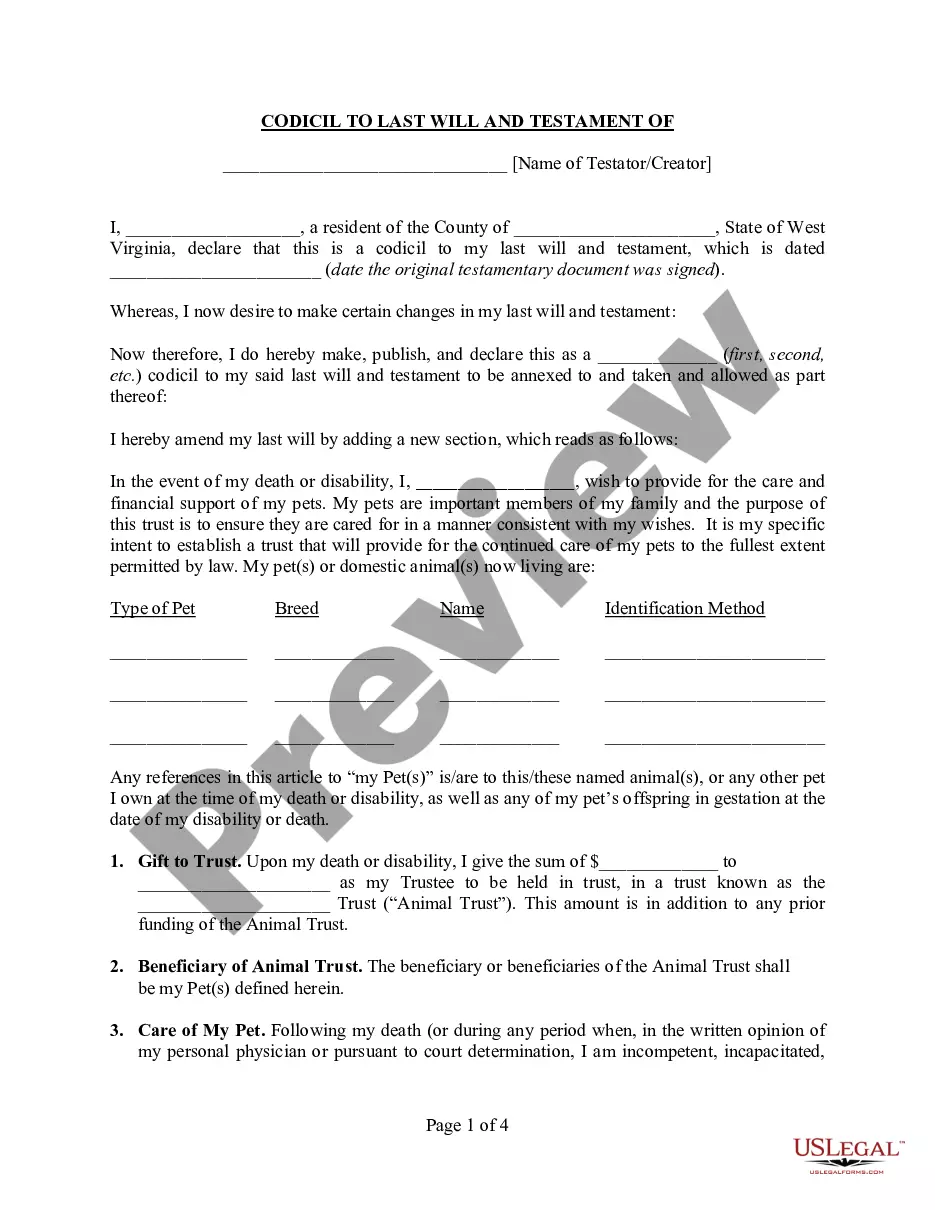
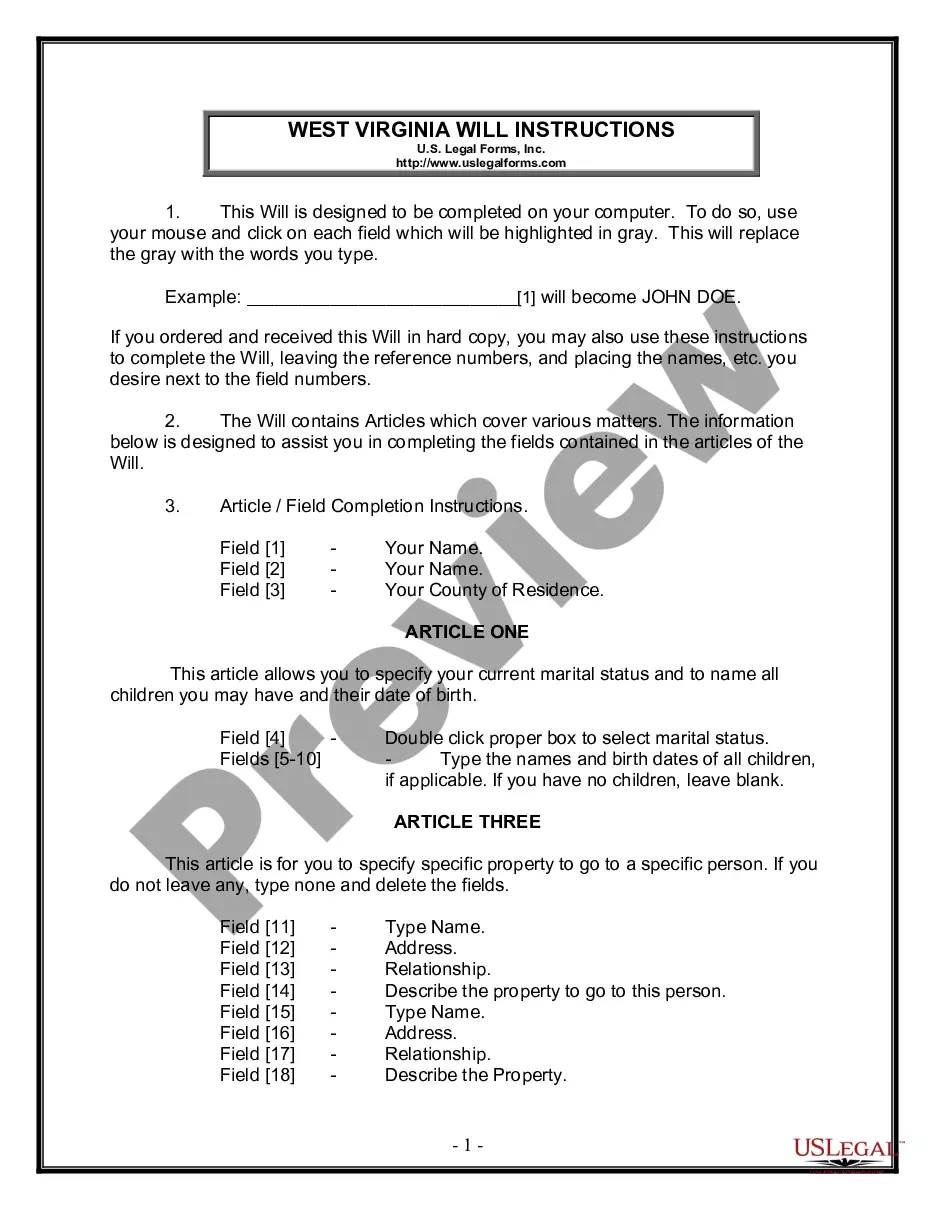
This Pour Over Will is a specific type of Last Will and Testament that directs any assets not already transferred to a living trust to be transferred to that trust upon the person's death. By utilizing this form, individuals ensure that all their property is managed according to their wishes, minimizing the risk of intestacy laws affecting their estate. Unlike a standard will, a Pour Over Will works in conjunction with a living trust, making it a vital tool in estate planning.
Form components explained
- Conveyance to Trust: Directs that all property not transferred to the living trust is bequeathed to the trust upon death.
- Debts and Expenses: Specifies that all debts, funeral expenses, and administrative costs are to be paid before remaining assets are transferred.
- Guardian of Minor Children: Allows for the appointment of a guardian for any minor children, if applicable.
- Appointment of Personal Representative: Designates an individual responsible for carrying out the provisions of the will.
- Waiver of Bond: Waives the requirement for the personal representative to post a bond.
- Powers of Personal Representative: Grants the personal representative broad authority to manage the estate without needing court approval.


When this form is needed
This form is beneficial when establishing or managing a living trust. It should be used when a person wishes to ensure that any assets not previously designated to a living trust are appropriately directed to it after their death, thereby maintaining their estate management within the confines of the trust's guidelines.
Who this form is for
- Individuals who have created or are in the process of creating a living trust.
- Anyone wanting a comprehensive estate plan that covers assets not yet included in a trust.
- People with dependent minor children who wish to name guardians in their will.
- Anyone seeking to clarify their wishes in the event of their passing and minimize potential legal complications for heirs.
Instructions for completing this form
- Identify the parties: Fill in your name as the testator and any necessary details about the living trust.
- Specify the property: Clearly state the assets that will be transferred to the living trust upon your death.
- Enter debts and expenses: Indicate how debts and expenses should be handled.
- Name guardians: If applicable, appoint guardians for any minor children included in your estate.
- Sign and date: Ensure that you and your witnesses sign the document to validate it.
Is notarization required?
This form must be notarized to be legally valid. US Legal Forms provides secure online notarization powered by Notarize, allowing you to complete the process through a verified video call.
Get your form ready online
Our built-in tools help you complete, sign, share, and store your documents in one place.
Make edits, fill in missing information, and update formatting in US Legal Forms—just like you would in MS Word.
Download a copy, print it, send it by email, or mail it via USPS—whatever works best for your next step.
Sign and collect signatures with our SignNow integration. Send to multiple recipients, set reminders, and more. Go Premium to unlock E-Sign.
If this form requires notarization, complete it online through a secure video call—no need to meet a notary in person or wait for an appointment.
We protect your documents and personal data by following strict security and privacy standards.

Make edits, fill in missing information, and update formatting in US Legal Forms—just like you would in MS Word.

Download a copy, print it, send it by email, or mail it via USPS—whatever works best for your next step.

Sign and collect signatures with our SignNow integration. Send to multiple recipients, set reminders, and more. Go Premium to unlock E-Sign.

If this form requires notarization, complete it online through a secure video call—no need to meet a notary in person or wait for an appointment.

We protect your documents and personal data by following strict security and privacy standards.
Mistakes to watch out for
- Not updating the will after changing or acquiring assets.
- Failing to properly sign the document in front of required witnesses.
- Omitting language that directs assets to the trust, leading to estate mismanagement.
Why use this form online
- Convenient access: Easily download and complete the form from the comfort of home.
- Editability: Fill out the document electronically for greater accuracy and neatness.
- Reliable foundation: Utilize a legally drafted form that complies with state requirements.
Legal use & context
- This will allows the testator to bypass intestacy laws by directing all assets to a trust.
- It ensures that all assets are managed according to the testator's wishes after death.
- Provides a clear framework for the management and distribution of an estate, minimizing court involvement.
Looking for another form?



Form popularity
FAQ
The pour over will does not need to be notarized; however, in California it does need to be signed by two disinterested witnesses.
Important: Although a revocable trust supersedes a will, the trust only controls those assets that have been placed into it. Therefore, if a revocable trust is formed, but assets are not moved into it, the trust provisions have no effect on those assets, at the time of the grantor's death.
A pour-over will is a legal document that ensures an individual's remaining assets will automatically transfer to a previously established trust upon their death.
A will and a trust are separate legal documents that typically share a common goal of facilitating a unified estate plan.Since revocable trusts become operative before the will takes effect at death, the trust takes precedence over the will, when there are discrepancies between the two.
A pour-over will is a testamentary device wherein the writer of a will creates a trust, and decrees in the will that the property in his or her estate at the time of his or her death shall be distributed to the Trustee of the trust.
The pour over will does not need to be notarized; however, in California it does need to be signed by two disinterested witnesses.
Combining a Will and Trust Together: Should You Use Both? The use of a living trust and a will together as part of your estate planning is acceptable under California law. The benefit of this approach is that you can address separate issues on each document.
Pour-over wills are subject to probate since the assets have not yet been transferred into the trust. Some states also require your assets to go through the probate process any time your assets or property are over a certain value.Even though pour-over wills don't avoid probate, there is still a measure of privacy.