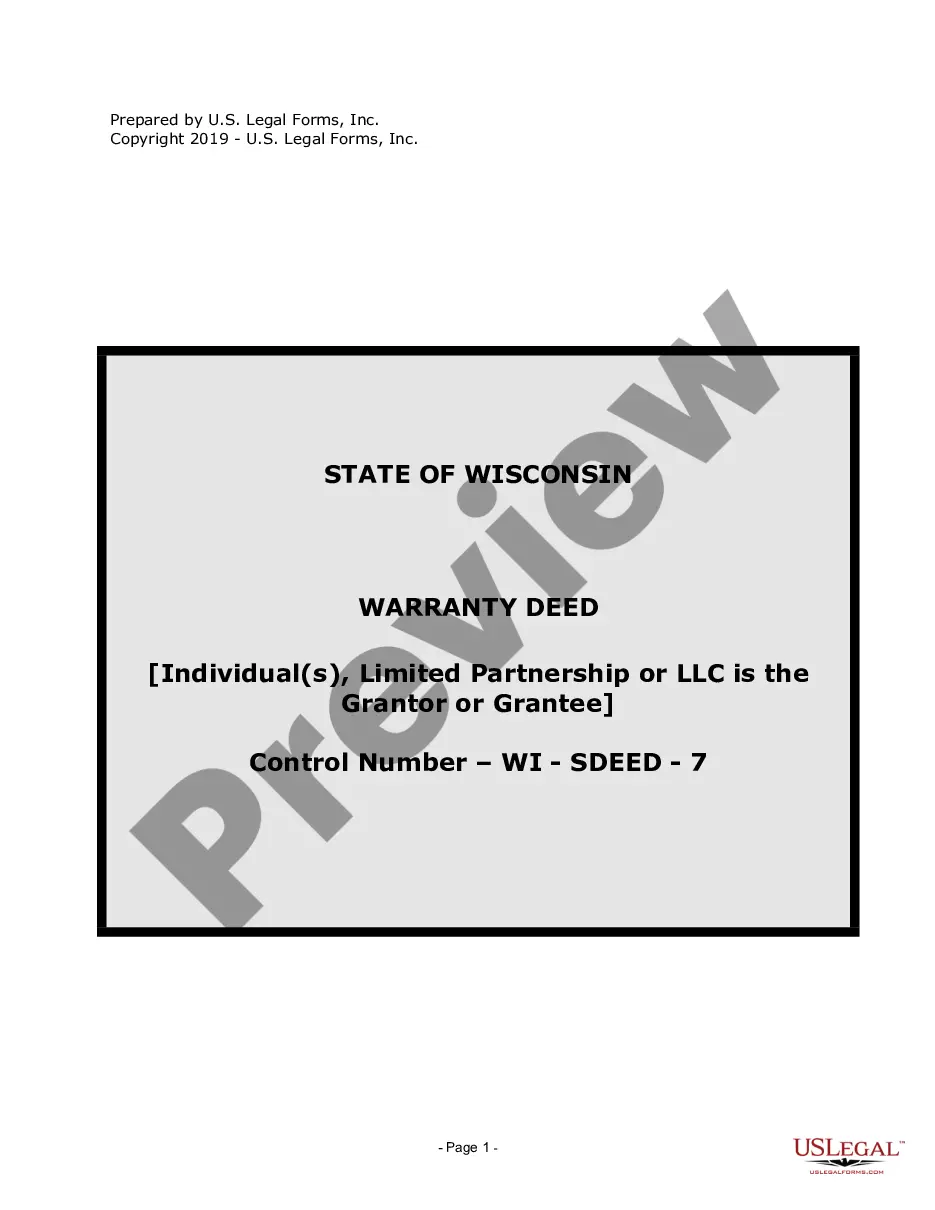
Wisconsin Warranty Deed for Limited Partnership or LLC is the Grantor, or Grantee
About this form
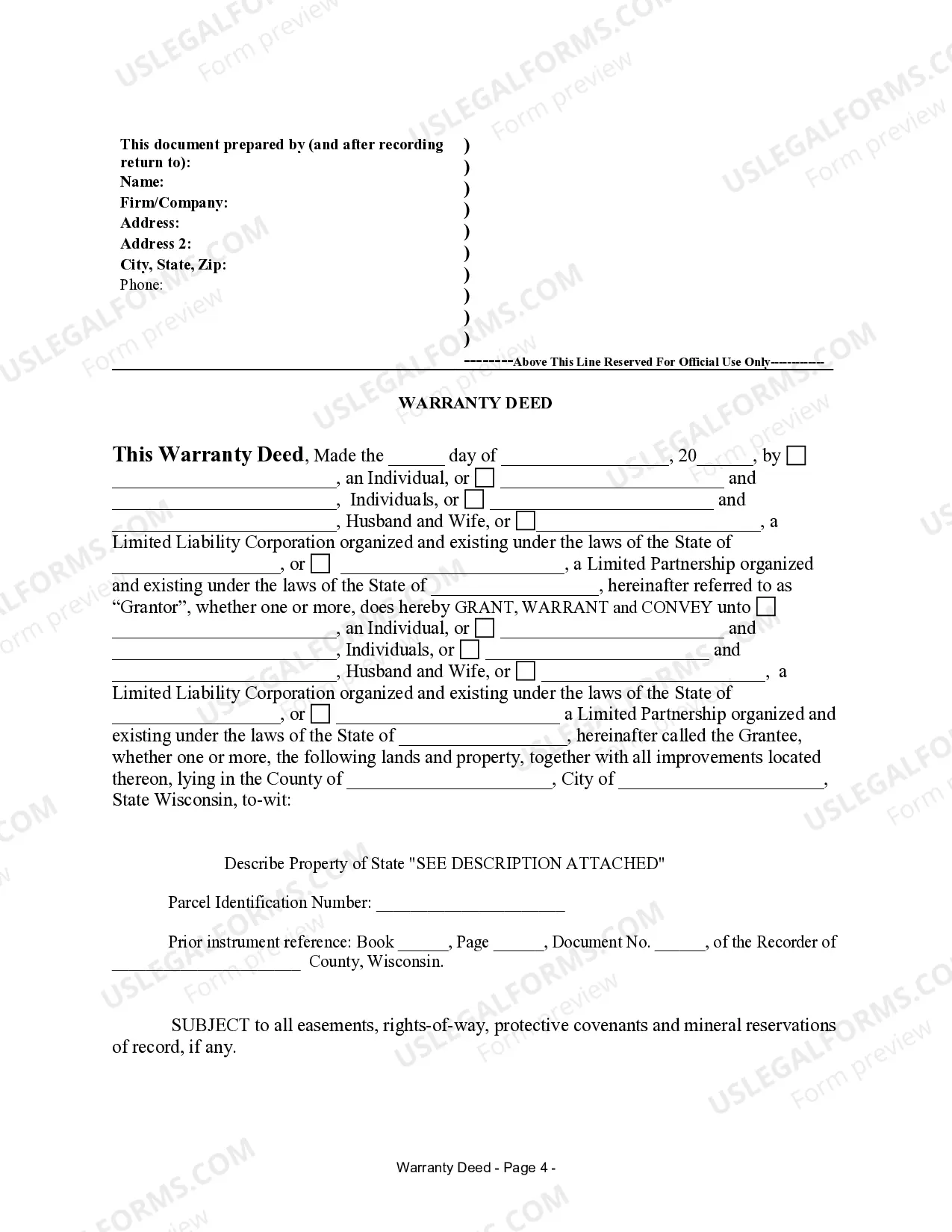
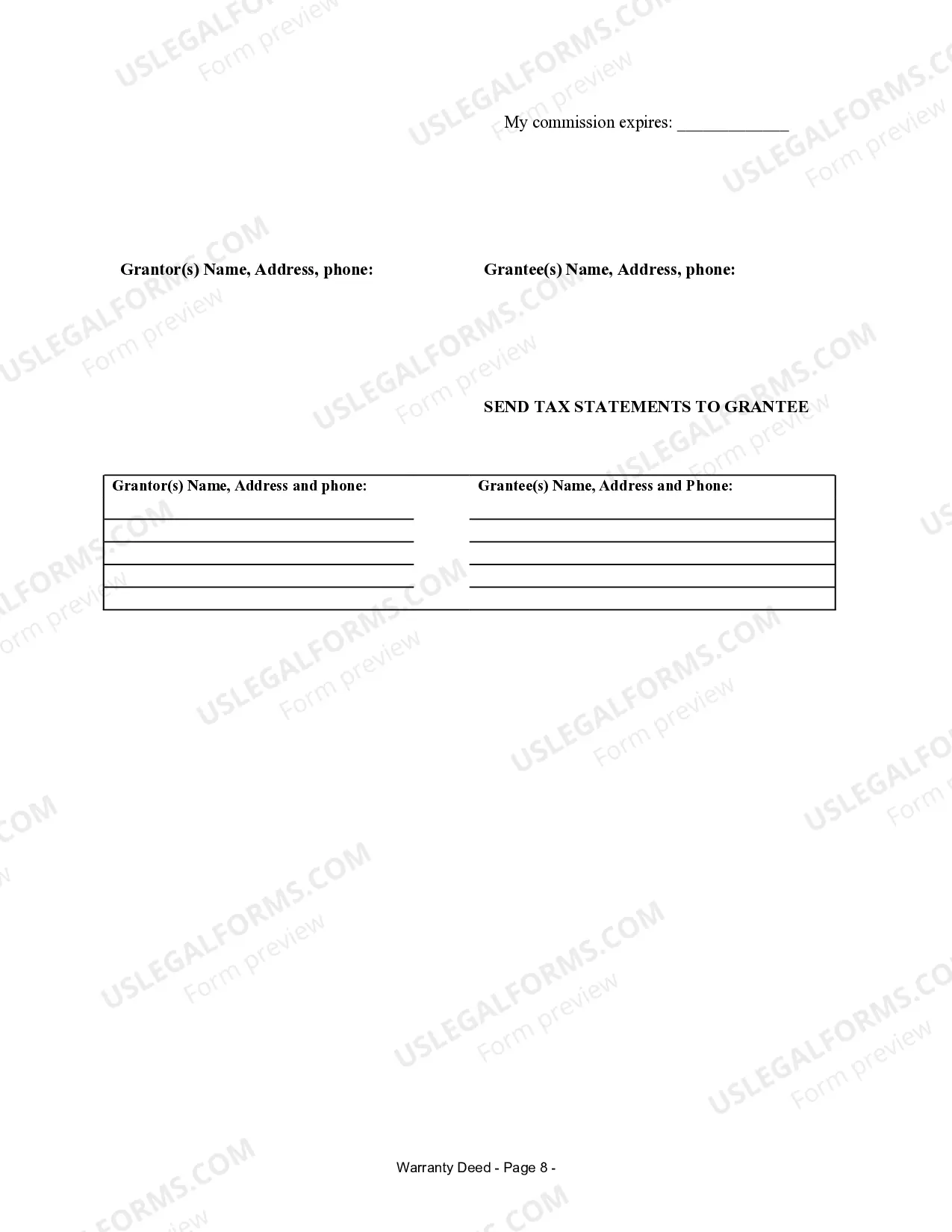
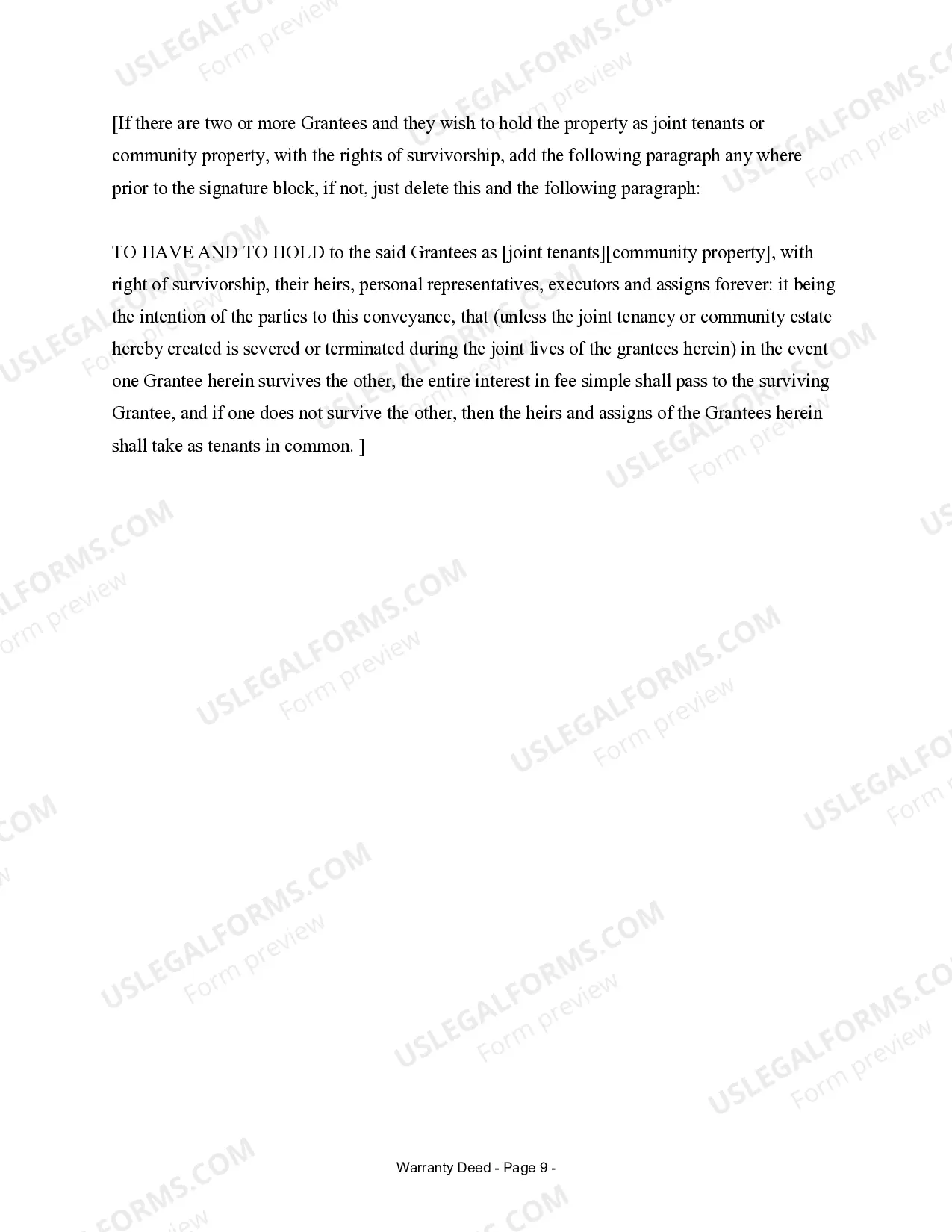
This Warranty Deed for Limited Partnership or LLC is a legal document used to transfer property ownership where either the grantor or grantee is a limited partnership or limited liability company. Unlike a standard warranty deed, this form accommodates the specific legal structures of business entities, ensuring compliance with state laws while protecting the interests of the parties involved.
Form components explained
- Details of the grantor and grantee, including their legal entity status.
- Identification and description of the property being transferred.
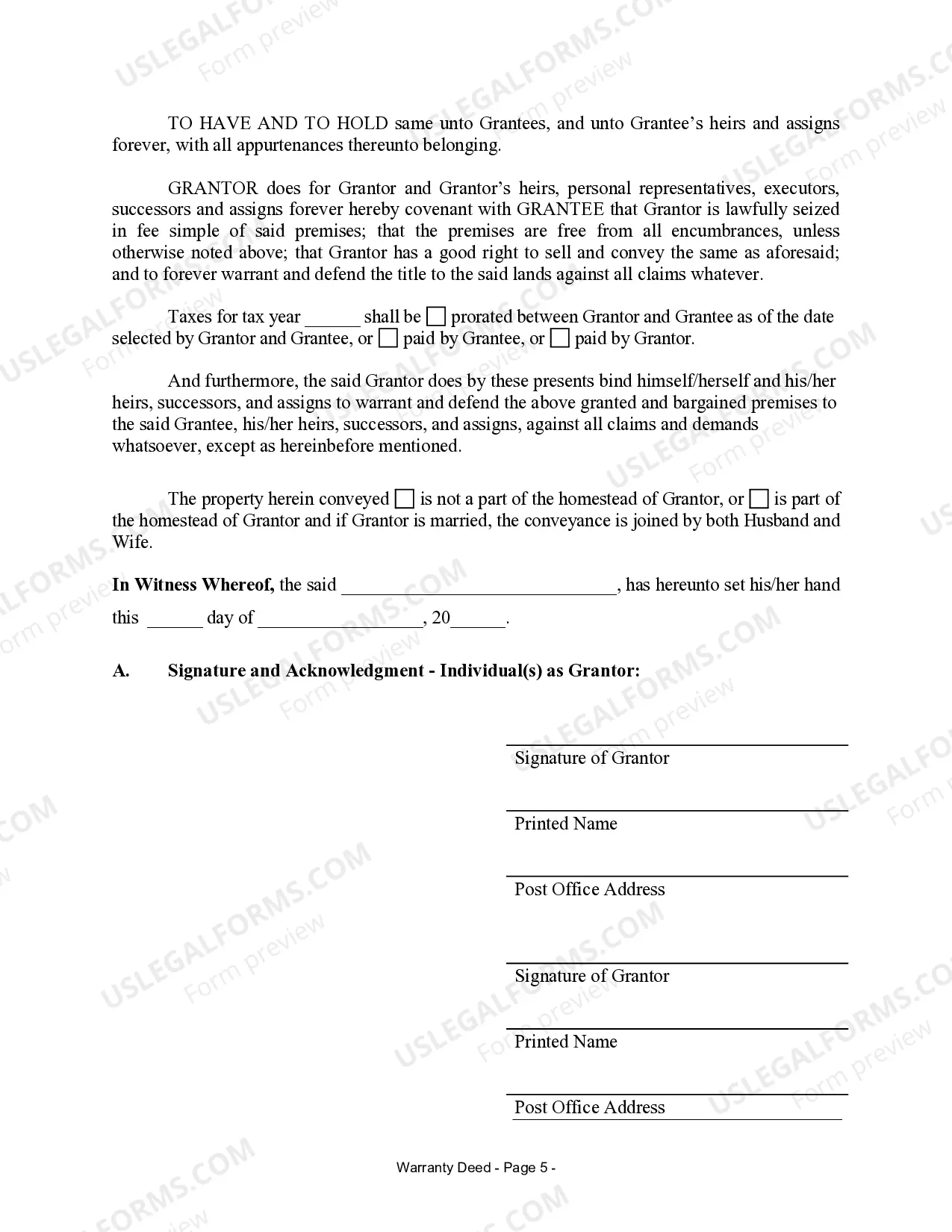
- Covenants and warranties provided by the grantor regarding the property title.
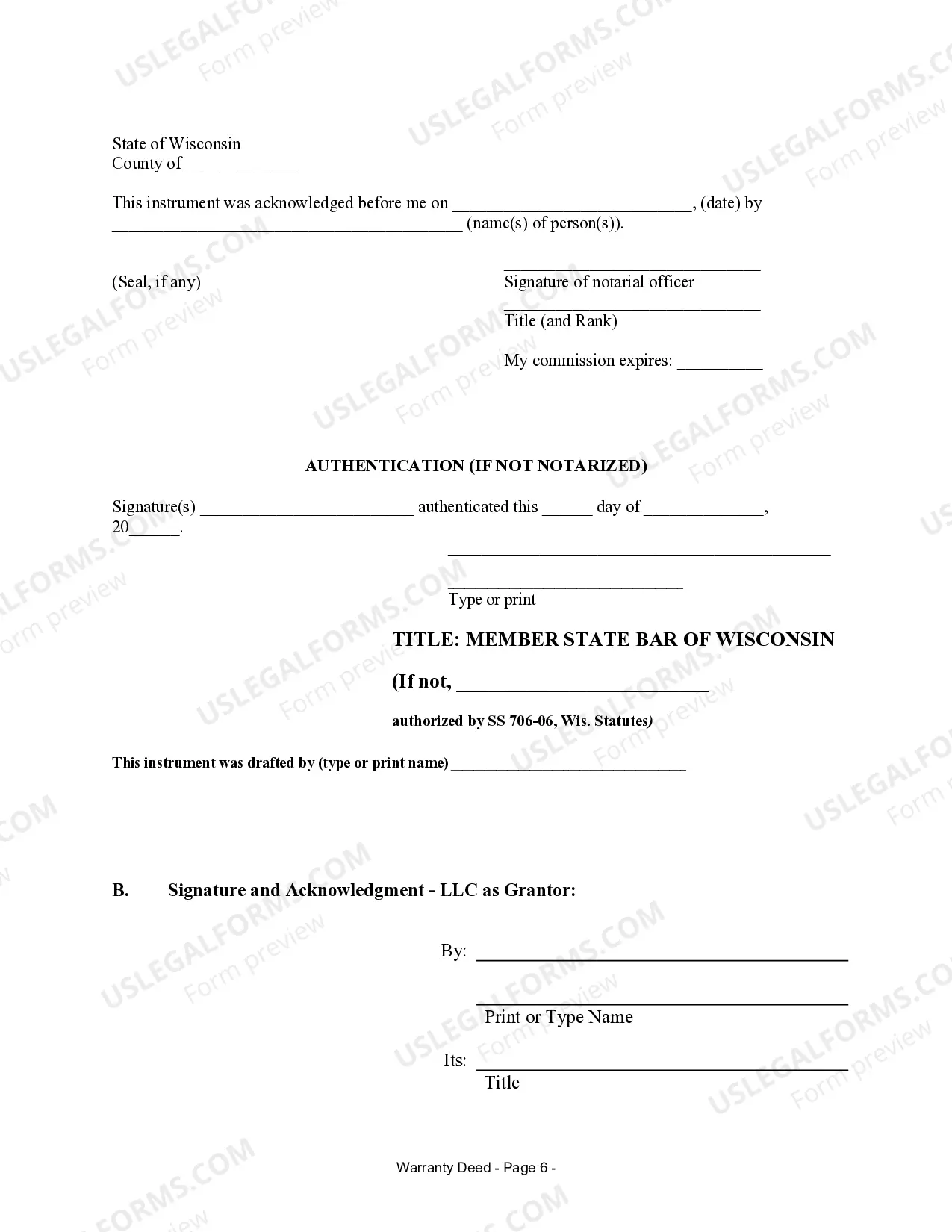
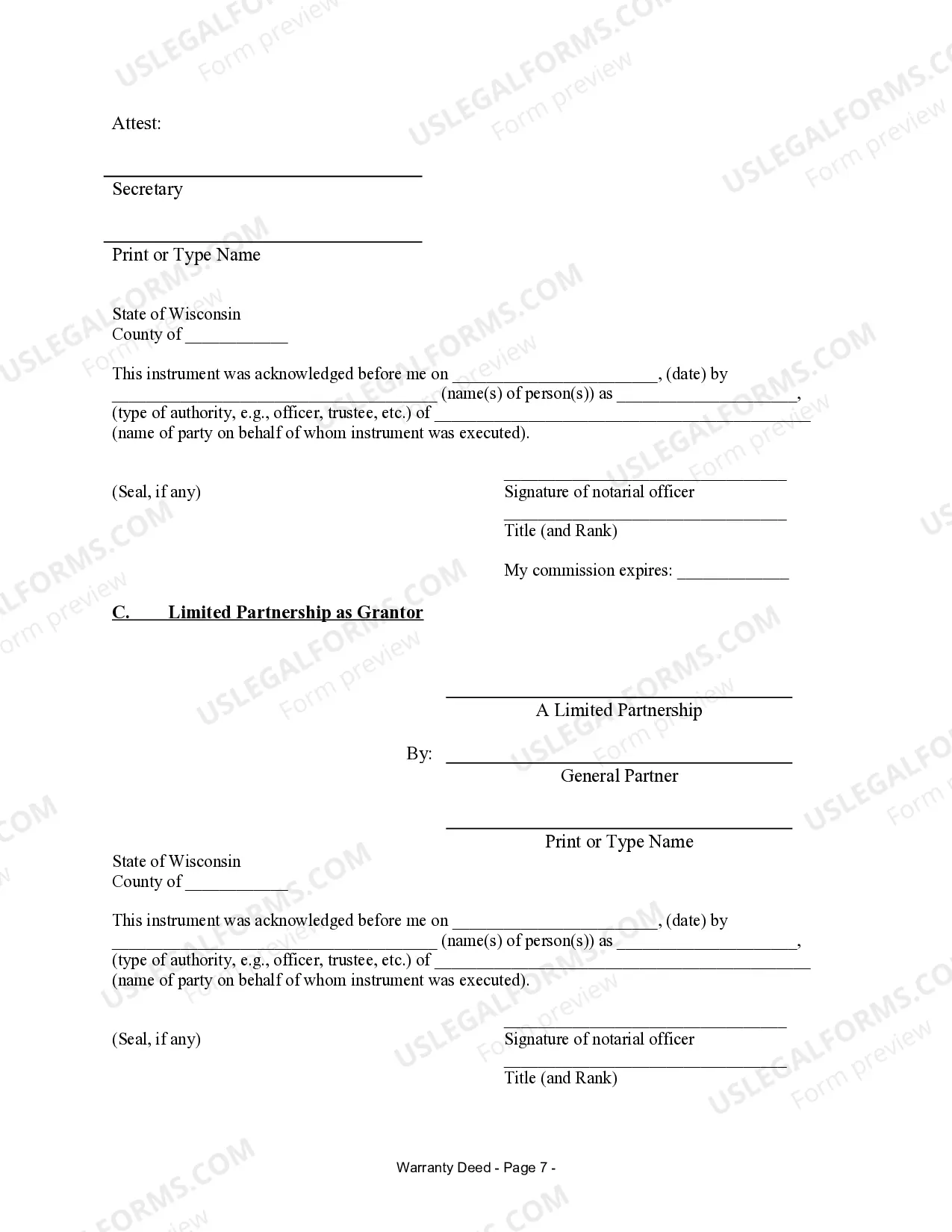
- Notarization section to validate the execution of the deed.
- Provisions for tax responsibilities between the parties.



When this form is needed
This warranty deed should be used when a limited partnership or LLC is involved in the sale or transfer of real estate. It is essential for transactions where the property title is being conveyed to or from a business entity. Common scenarios include property sales, transfers of partnership assets, or changes in ownership structures within the entity.
Who needs this form
- Limited partnerships involved in property transactions.
- Limited liability companies that are acquiring or disposing of real property.
- Attorneys and legal representatives acting on behalf of these entities.
- Business owners who need to document a real estate transaction involving their business entity.
Instructions for completing this form
- Identify the grantor and grantee, specifying if they are individuals or business entities.
- Provide a detailed description of the property being transferred, including identification numbers.
- Include any warranties regarding the property title and outline tax responsibilities.
- Complete the notarization section to ensure legal effectiveness of the deed.
- Review the form for accuracy before signing and filing it with the appropriate authorities.
Does this document require notarization?
To make this form legally binding, it must be notarized. Our online notarization service, powered by Notarize, lets you verify and sign documents remotely through an encrypted video session.
Get your form ready online
Our built-in tools help you complete, sign, share, and store your documents in one place.
Make edits, fill in missing information, and update formatting in US Legal Forms—just like you would in MS Word.
Download a copy, print it, send it by email, or mail it via USPS—whatever works best for your next step.
Sign and collect signatures with our SignNow integration. Send to multiple recipients, set reminders, and more. Go Premium to unlock E-Sign.
If this form requires notarization, complete it online through a secure video call—no need to meet a notary in person or wait for an appointment.
We protect your documents and personal data by following strict security and privacy standards.

Make edits, fill in missing information, and update formatting in US Legal Forms—just like you would in MS Word.

Download a copy, print it, send it by email, or mail it via USPS—whatever works best for your next step.

Sign and collect signatures with our SignNow integration. Send to multiple recipients, set reminders, and more. Go Premium to unlock E-Sign.

If this form requires notarization, complete it online through a secure video call—no need to meet a notary in person or wait for an appointment.

We protect your documents and personal data by following strict security and privacy standards.
Typical mistakes to avoid
- Failing to properly identify the grantor or grantee as a legal entity.
- Omitting required property details or failing to describe it accurately.
- Neglecting to include or properly fill out the notarization section.
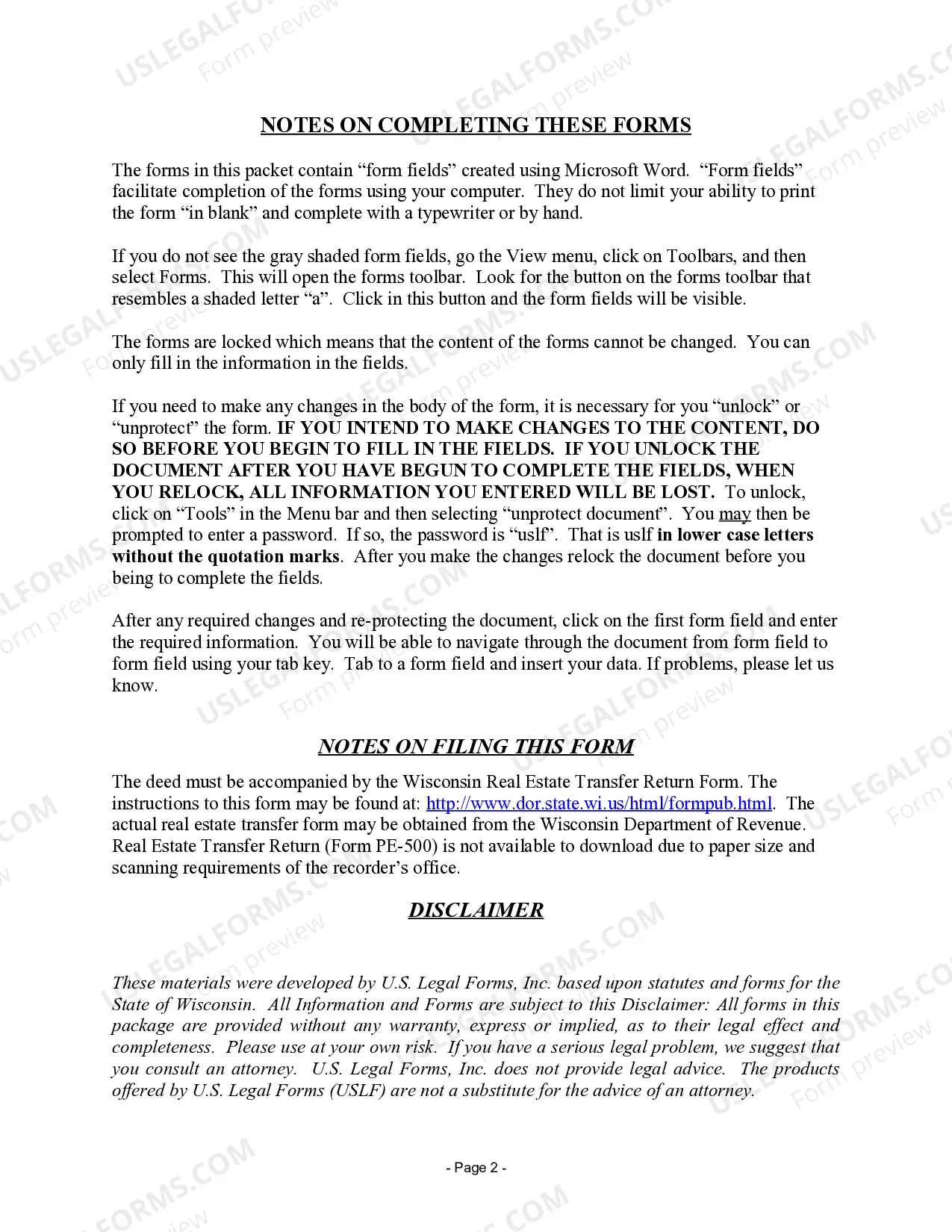
- Not attaching the necessary real estate transfer return form.
- Incorrectly assigning tax responsibilities between the parties.
Why use this form online
- Easy download options allow for quick access to necessary legal documents.
- Editable fields make it simple to fill out the form accurately from your computer.
- Reliable guidance ensures compliance with state-specific legal requirements.
- No need for travel or in-person meetings; complete everything from home.
What to keep in mind
- This warranty deed is specifically tailored for use by limited partnerships and LLCs in Wisconsin.
- Ensure all details about the grantor, grantee, and property are accurate and complete.
- Notarization is required for legal validity.
- Tax responsibilities should be clearly defined between the parties involved in the transaction.
Looking for another form?

Form popularity
FAQ
No, in most states, the Grantee is not required to sign the Quitclaim Deed. However, some counties do require that the Quitclaim Deed be signed by the Grantee in addition to the Grantor.
Typically, the lender will provide you with a copy of the deed of trust after the closing. The original warranty deeds are often mailed to the grantee after they are recorded. These are your original copies and should be kept in a safe place, such as a fireproof lockbox or a safe deposit box at a financial institution.
To make the form legally binding, you must sign it in front of a notary public. You must then file your signed and notarized deed with the county office that's in charge of recording property documents. Once the grantee signs the warranty deed, he/she legally has ownership and claim to the property.
In a Warranty Deed, the grantee is the person who the interest in a property is being transferred to. For example, if you are buying a property from someone else, you are the grantee, and the person selling it is the grantor.
It's important to note that a warranty deed does not actually prove the grantor has ownership (a title search is the best way to prove that), but it is a promise by the grantor that they are transferring ownership and if it turns out they don't actually own the property, the grantor will be responsible for compensating
The deed must be signed by all grantors, in front of a qualified notary, and notarized by the notary to be complete. Contact the local county recorder's office to find out what type of notaries are allowed to notarize deeds and where the notaries are located.
Grantor's signature: The grantor must sign the deed for it to be valid. Usually, if more than one person owns a property, all the owners must sign. In some states a husband or wife who own property by themselves may have to have the spouse also sign the deed even though the spouse does not have title to the property.
No, California does not require that the Grantee sign a warranty deed. However, some states and counties require that the deed be signed by the Grantee in addition to the Grantor.
The mortgage company usually prepares this deed as part of the loan package and delivers it to the title company for you to sign at closing. The title company is commonly the trustee to the deed and holds legal title to the property until the loan gets fully repaid.