Utah Sheetrock Drywall Contract for Contractor
What this document covers
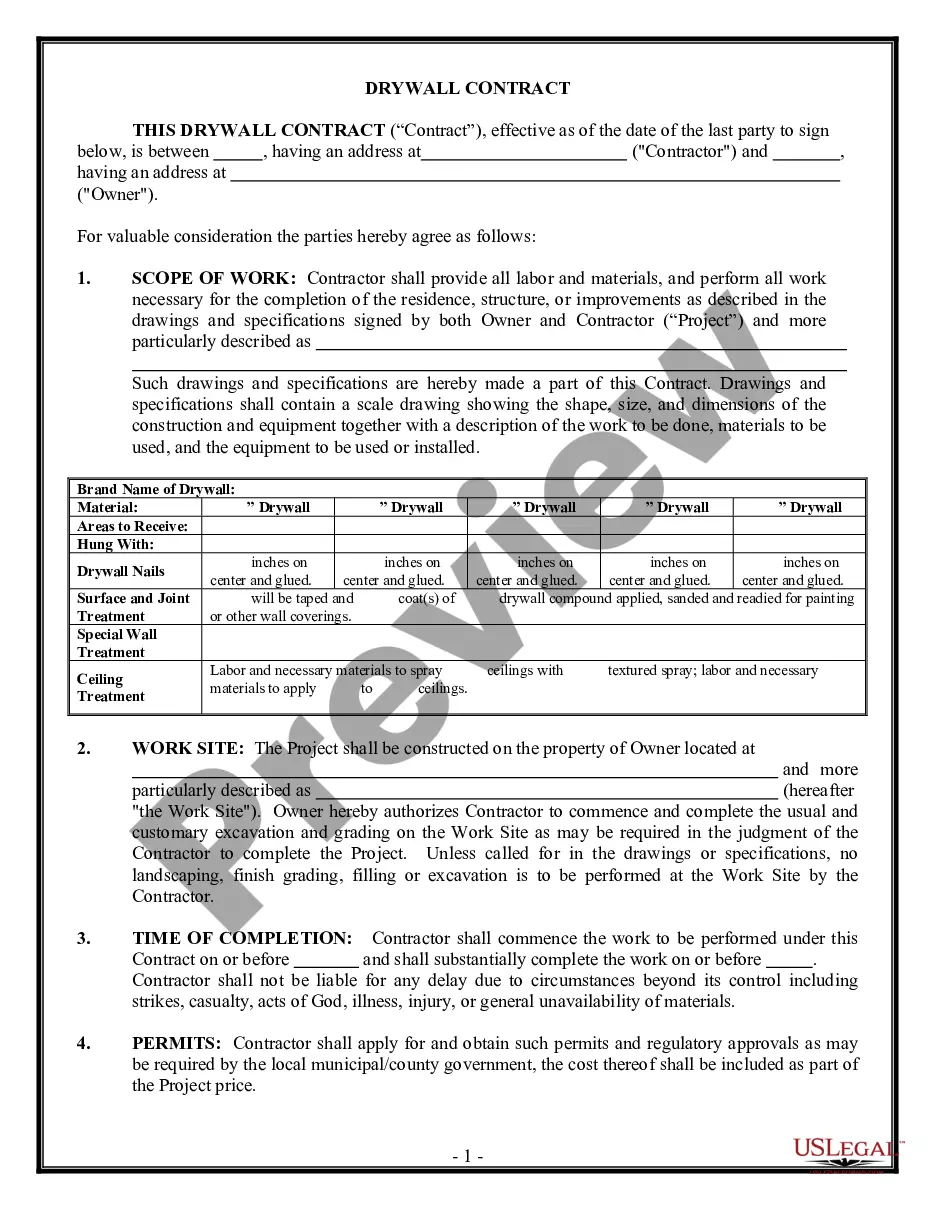
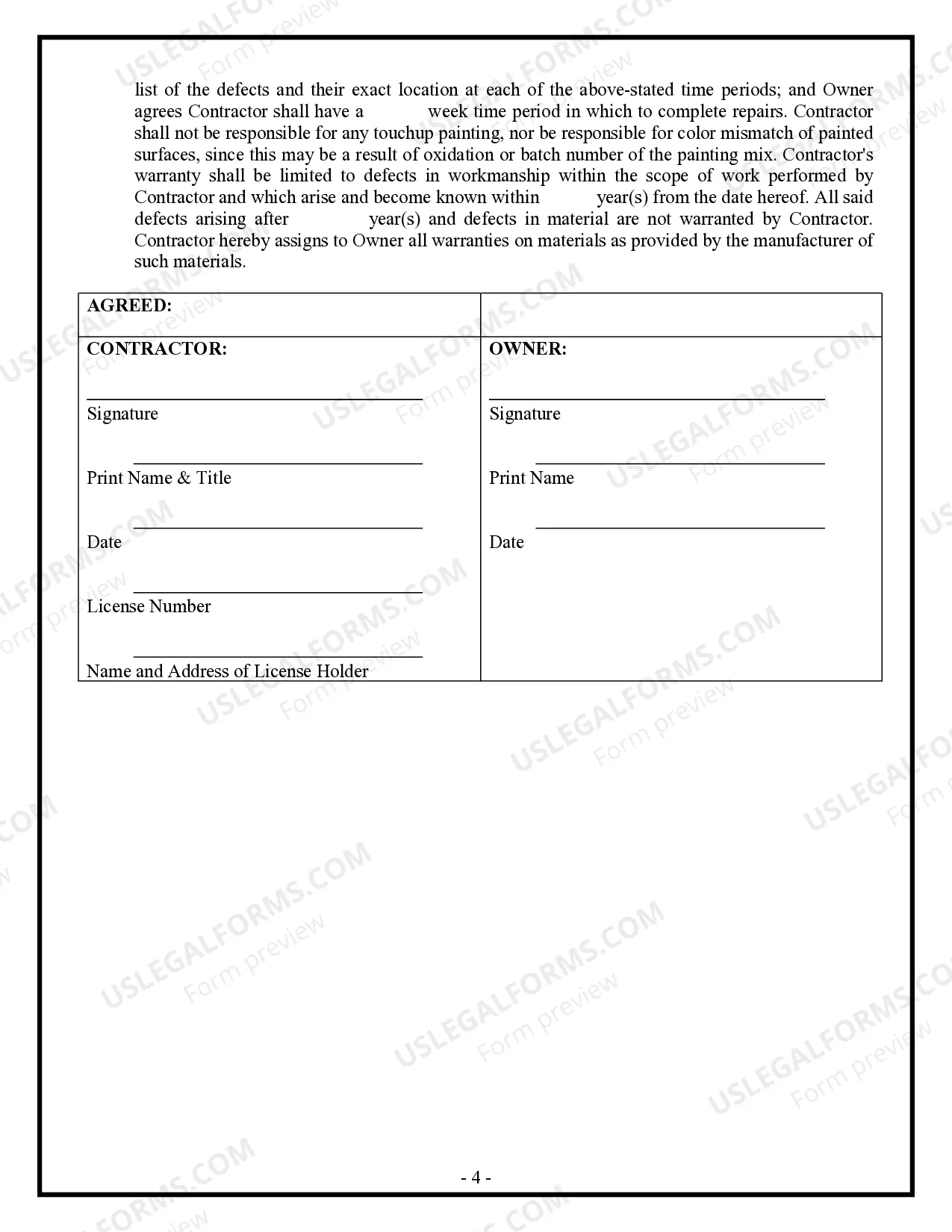
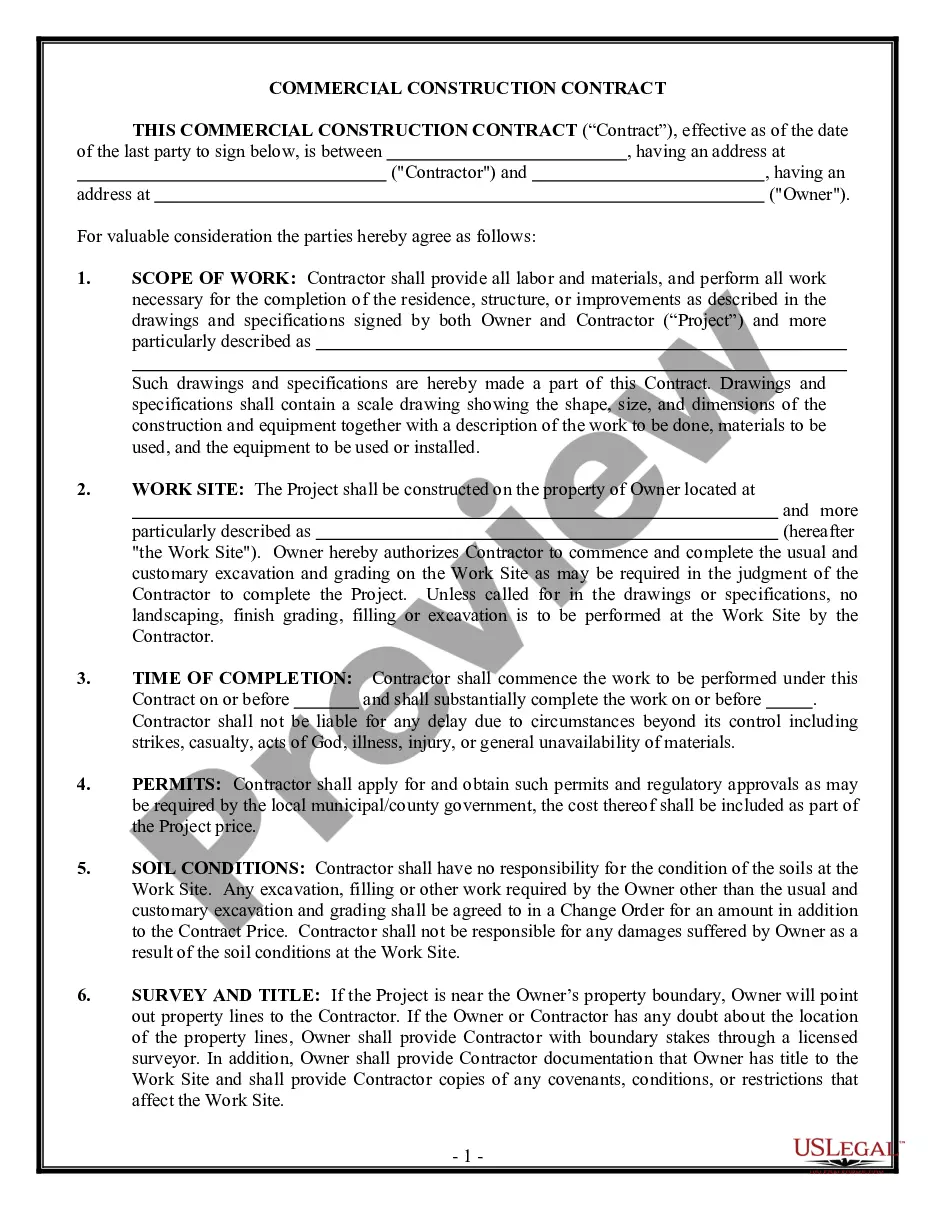
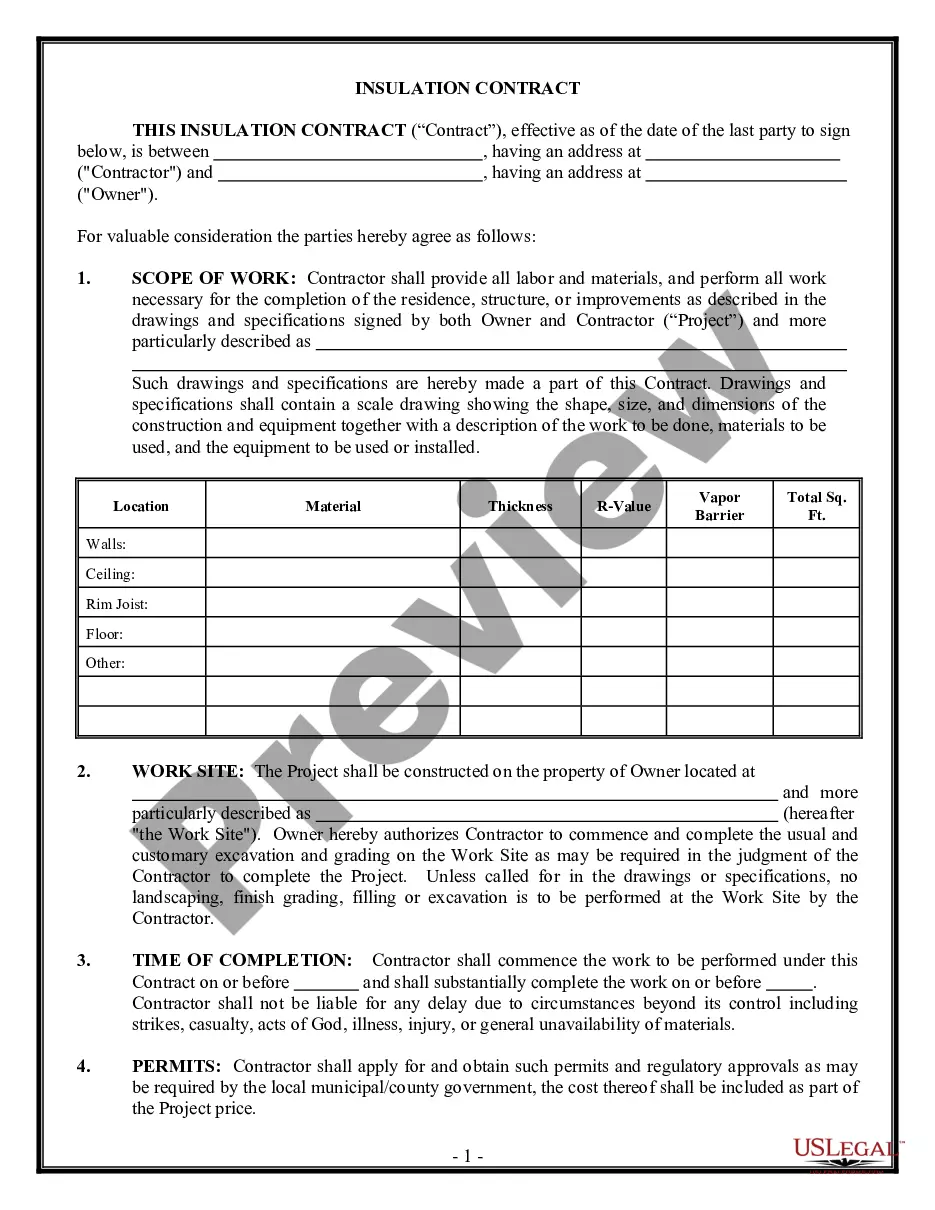
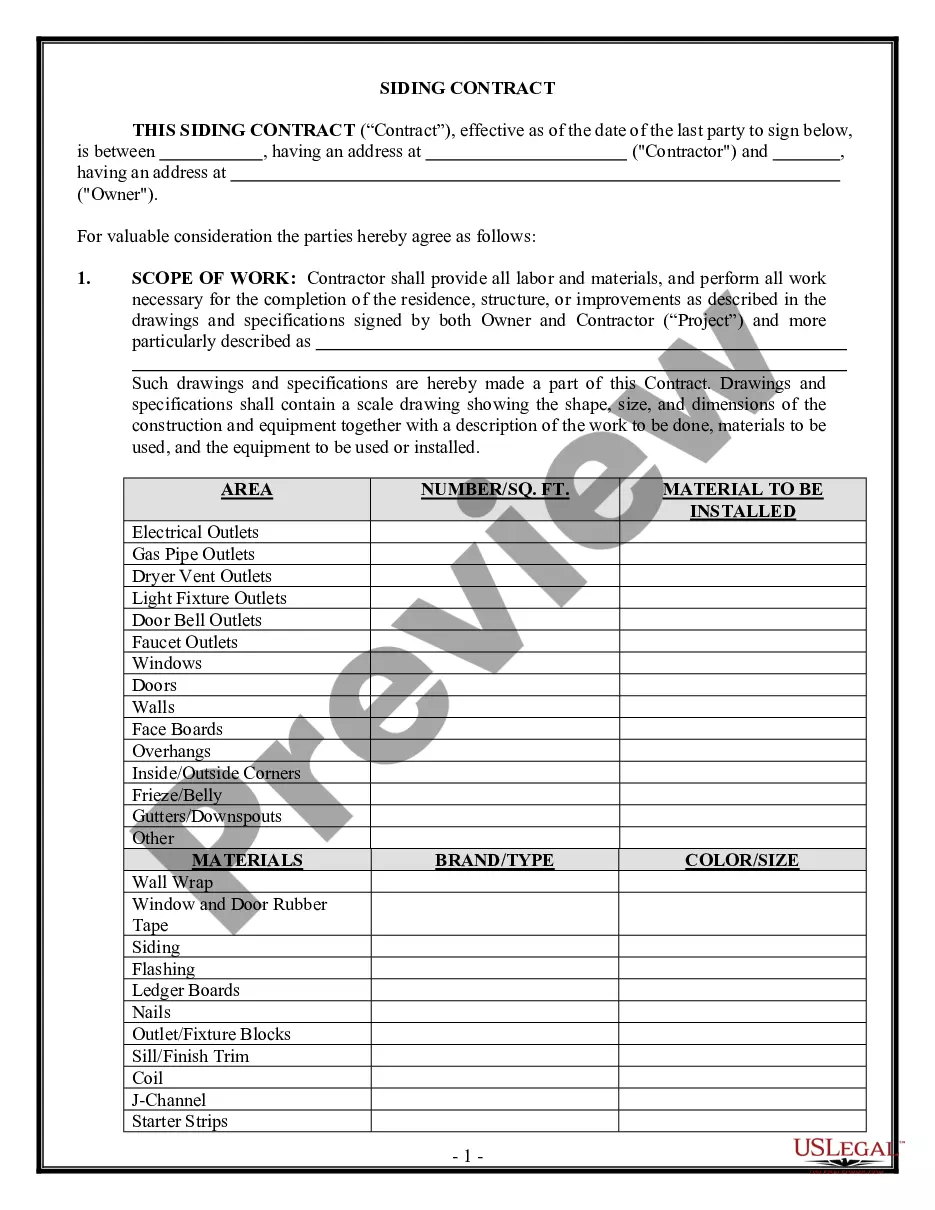
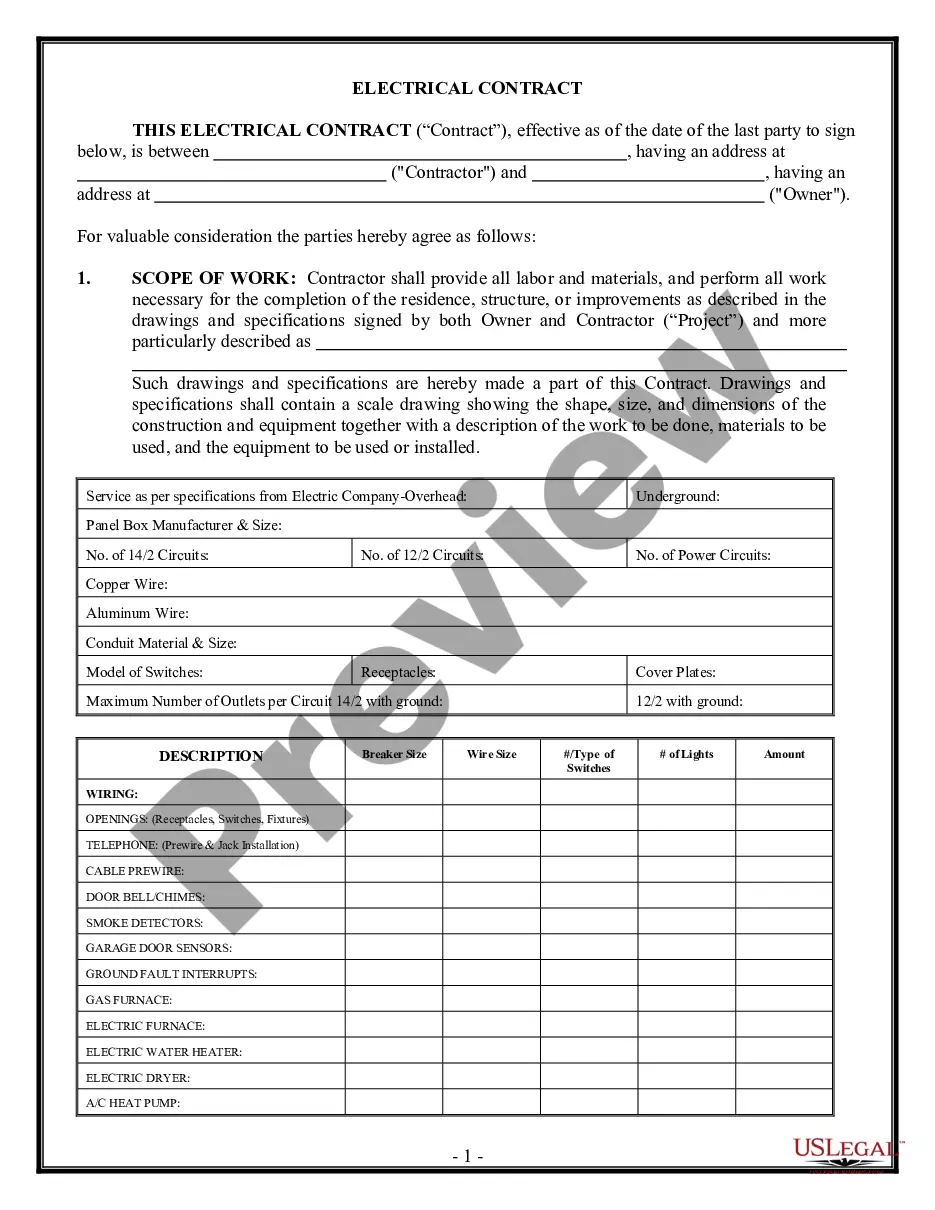
The Sheetrock Drywall Contract for Contractor is a legal document that formalizes the agreement between Sheetrock or drywall contractors and property owners. This contract is designed for use in the State of Utah and can be structured as a cost-plus or fixed fee agreement. It covers essential aspects such as scope of work, change orders, payments, warranties, and insurance, ensuring that both parties understand their rights and obligations throughout the project.
Main sections of this form
- Permits: Outlines the contractor's responsibility for obtaining necessary permits.
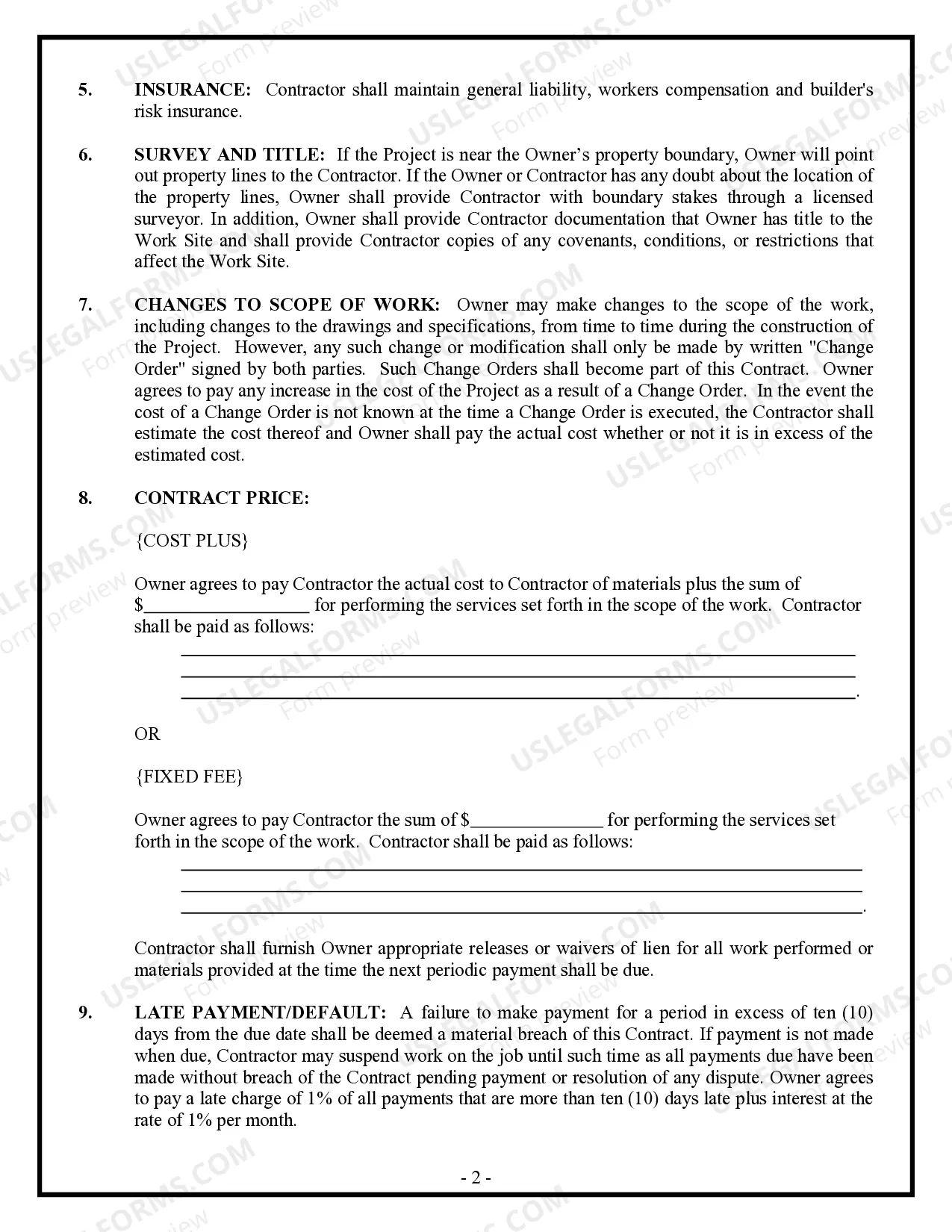
- Insurance: Specifies the types of insurance the contractor must maintain.
- Survey and Title: Details the owner's obligation to clarify property boundaries.
- Changes to Scope of Work: Describes how changes can be made through written change orders.
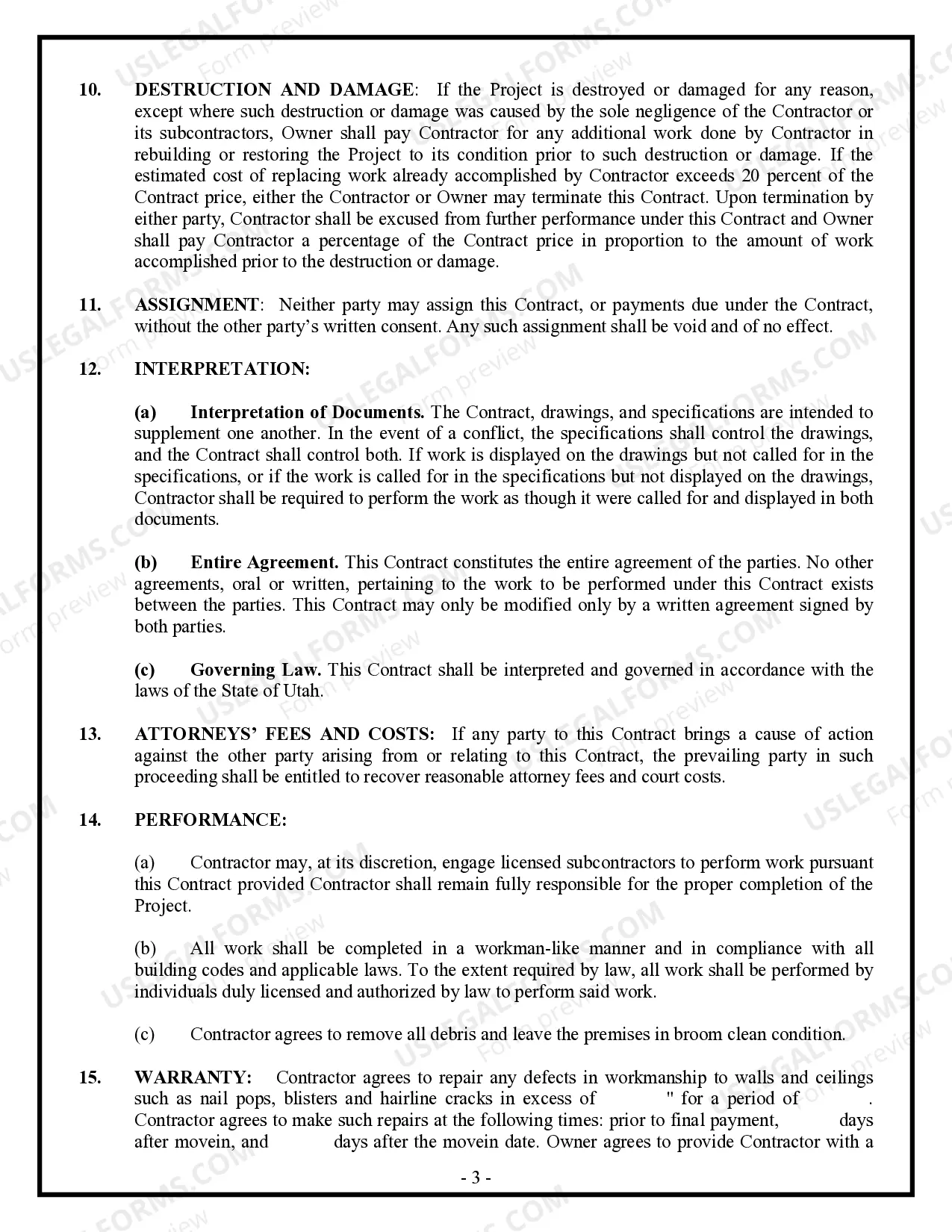
- Destruction and Damage: Addresses the protocol if the project is damaged during construction.
When to use this form
This form should be used whenever a property owner engages a contractor for drywall installation or repair work. It is particularly useful in situations where the scope of work may change or if there are concerns about insurance and liability. Using this contract helps to clearly define the responsibilities of both parties and protect their interests during the construction project.
Who can use this document
- Property owners looking to hire a drywall contractor for a construction project.
- Contractors who want a legal framework to define their relationship with the property owner.
- Individuals unfamiliar with legal contracts who need a clear template to facilitate their agreement.
How to complete this form
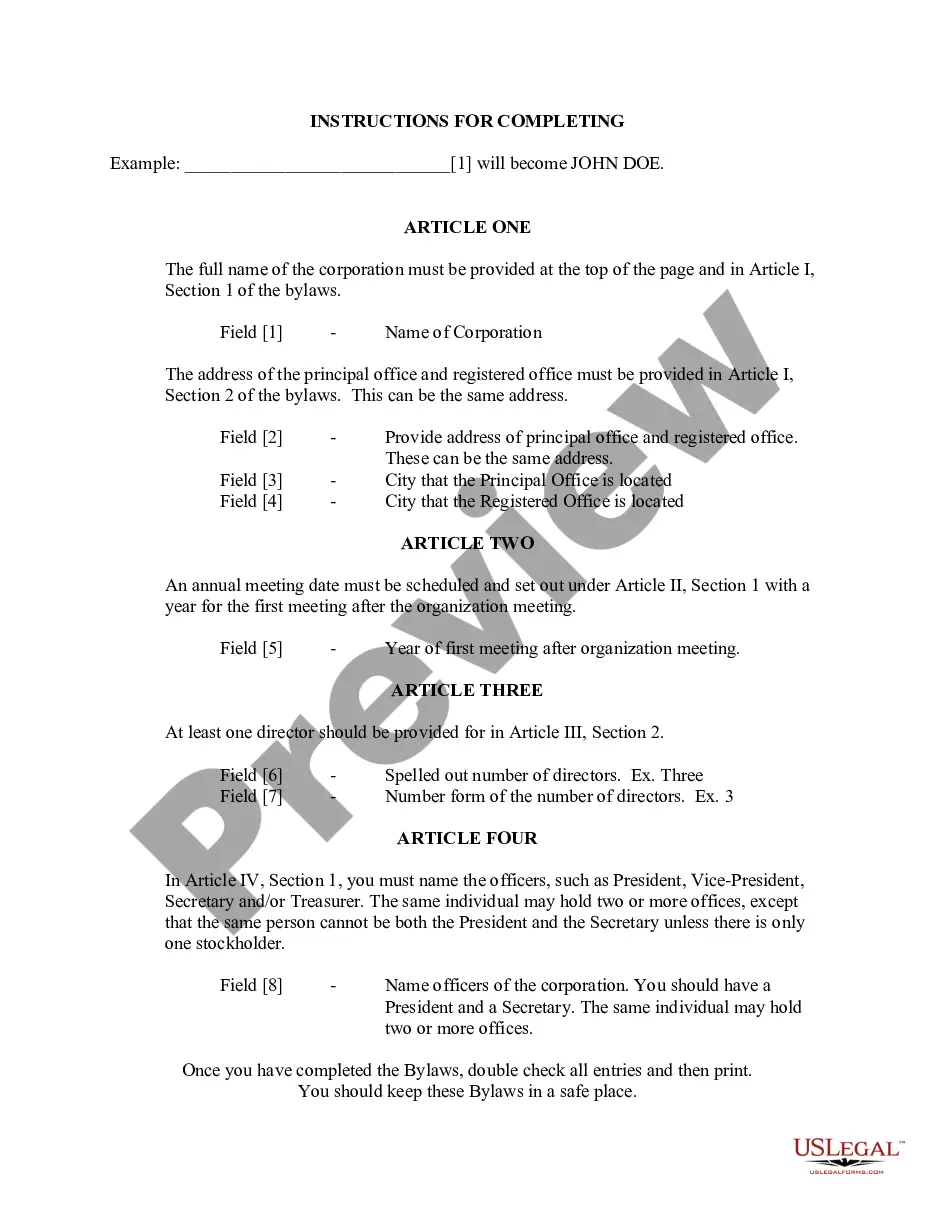
- Identify the parties: Input the names and contact information of both the contractor and the property owner.
- Specify the project details: Clearly define the scope of work to be performed, including any drawings or specifications.
- Agree on payment terms: Indicate whether the payment will be fixed or based on costs plus an agreed amount.
- Address changes: Outline how change orders will be handled if modifications to the scope of work are necessary.
- Sign and date the contract: Both parties must sign and date the form to make it legally binding.
Notarization guidance
This form usually doesn’t need to be notarized. However, local laws or specific transactions may require it. Our online notarization service, powered by Notarize, lets you complete it remotely through a secure video session, available 24/7.
Get your form ready online
Our built-in tools help you complete, sign, share, and store your documents in one place.
Make edits, fill in missing information, and update formatting in US Legal Forms—just like you would in MS Word.
Download a copy, print it, send it by email, or mail it via USPS—whatever works best for your next step.
Sign and collect signatures with our SignNow integration. Send to multiple recipients, set reminders, and more. Go Premium to unlock E-Sign.
If this form requires notarization, complete it online through a secure video call—no need to meet a notary in person or wait for an appointment.
We protect your documents and personal data by following strict security and privacy standards.

Make edits, fill in missing information, and update formatting in US Legal Forms—just like you would in MS Word.

Download a copy, print it, send it by email, or mail it via USPS—whatever works best for your next step.

Sign and collect signatures with our SignNow integration. Send to multiple recipients, set reminders, and more. Go Premium to unlock E-Sign.

If this form requires notarization, complete it online through a secure video call—no need to meet a notary in person or wait for an appointment.

We protect your documents and personal data by following strict security and privacy standards.
Common mistakes
- Failing to specify the scope of work clearly, leading to disputes later.
- Not obtaining necessary permits before starting the project.
- Overlooking insurance requirements, which can lead to liability issues.
Benefits of using this form online
- Convenient access: Download and complete the form from the comfort of your home.
- Editability: Customize the contract to fit your specific project needs.
- Reliability: Forms drafted by licensed attorneys ensure legal compliance and clarity.
Legal use & context
- This contract serves as a legal framework for agreements between contractors and property owners.
- It outlines the obligations of both parties, helping to prevent disputes.
- The contract is enforceable in court, provided it adheres to state laws and regulations.
Main things to remember
- The Sheetrock Drywall Contract is essential for formalizing agreements in drywall projects.
- It includes legal protections and clear terms for both contractors and property owners.
- Using this contract helps ensure compliance with Utah laws and prevents future disputes.
Looking for another form?

Form popularity
FAQ
Drywall work is hard. The hanging of the large, heavy sheets is mind-numbing. If you decide to do it yourself, you can rent or buy mechanical lifts that hold the sheets up to save your back.Once the drywall is hung, then you need to finish it.
A few drywall and ceiling tile installers learn their trade through a three- or four-year apprenticeship. For each year of the program, apprentices must have at least 144 hours of related technical work and 2,000 hours of paid on-the-job training.
In large commercial projects, the drywall contractor is one of the last specialty trades to work on a building. After the mechanical, electrical, and plumbing work has been completed, the project is at the stage for the drywall contractor to construct framing, install insulation, and place drywall.
You must have a minimum of 4 years journeyman experience as well as pass a two-part exam issued by the Contractor State Licensing Board. California offers a study guide for the exam as well. Other states may offer this, depending on the exam and the region.
To be certified as a Plasterer/Drywall Installer and Finisher/Lather, you usually need to complete a three- to four-year apprenticeship program. Once you successfully complete the required on-the-job training, technical training and exams, you are awarded a journeyperson certificate.
Register your drywall-finishing business name with your state's secretary of state. Fill out any necessary applications for tax identification numbers. Complete the paperwork if you plan to operate as a limited liability company, also known as an LLC, or as a corporation. Obtain a local business license.
Drywall Contractors in America make an average salary of $86,429 per year or $42 per hour. The top 10 percent makes over $129,000 per year, while the bottom 10 percent under $57,000 per year.
Drywall contracting business is highly profitable especially if you have the expertise and capacity to deliver quality jobs.The success of a drywall contracting company to a large extent depends on their relationship with the biggest clients in the industry; the government of any country.