Wisconsin Letter from Landlord to Tenant as Notice that rent was voluntarily lowered in exchange for tenant agreeing to make repairs normally required of landlord
About this form
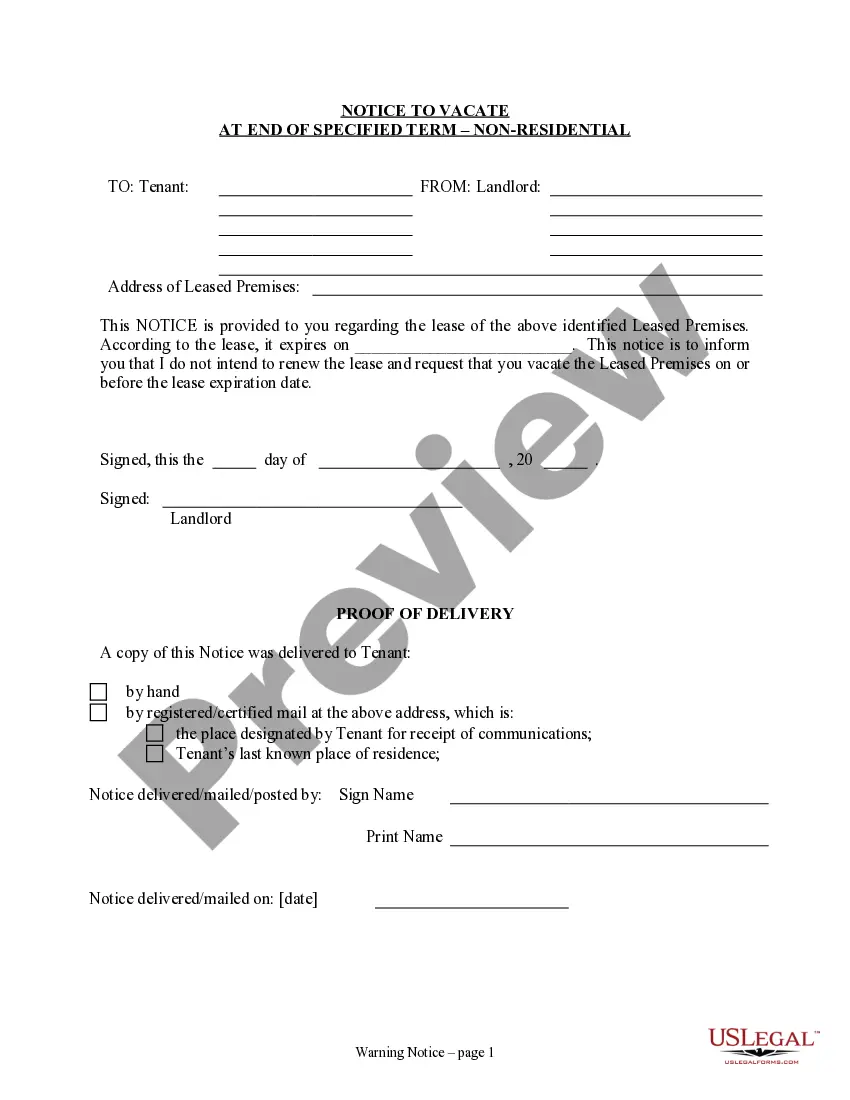
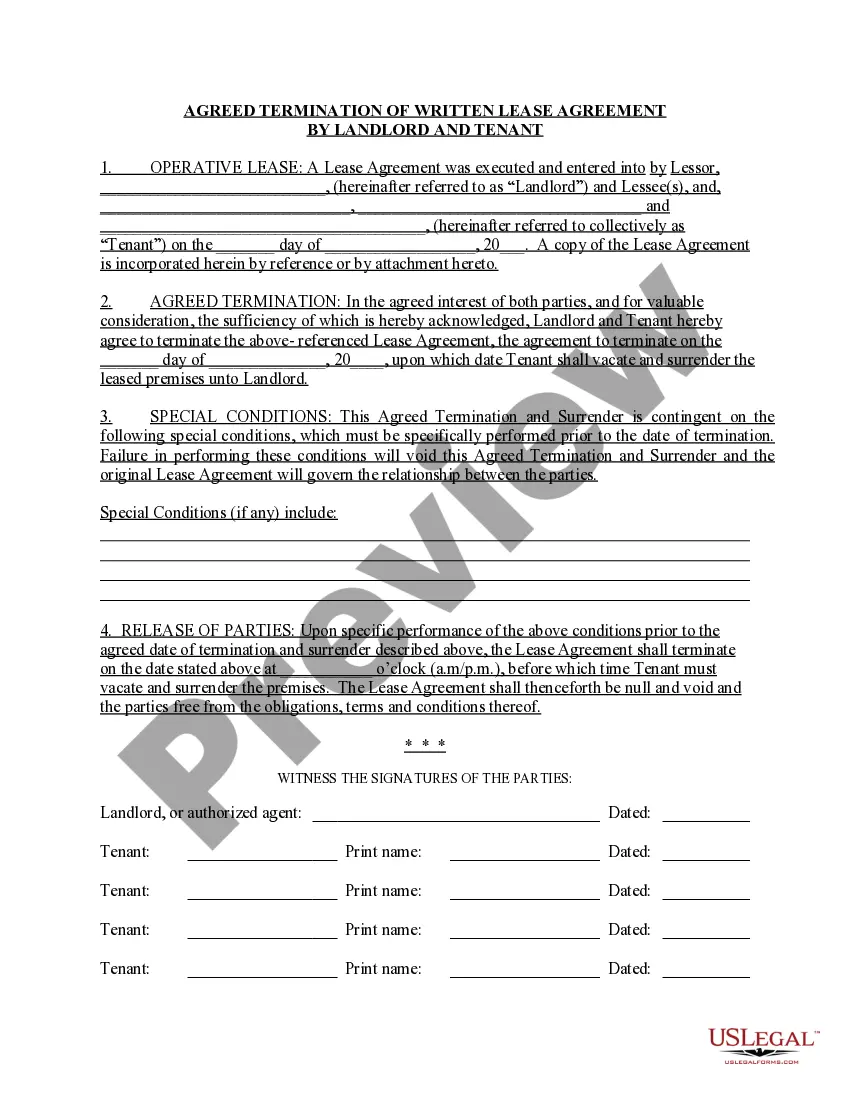
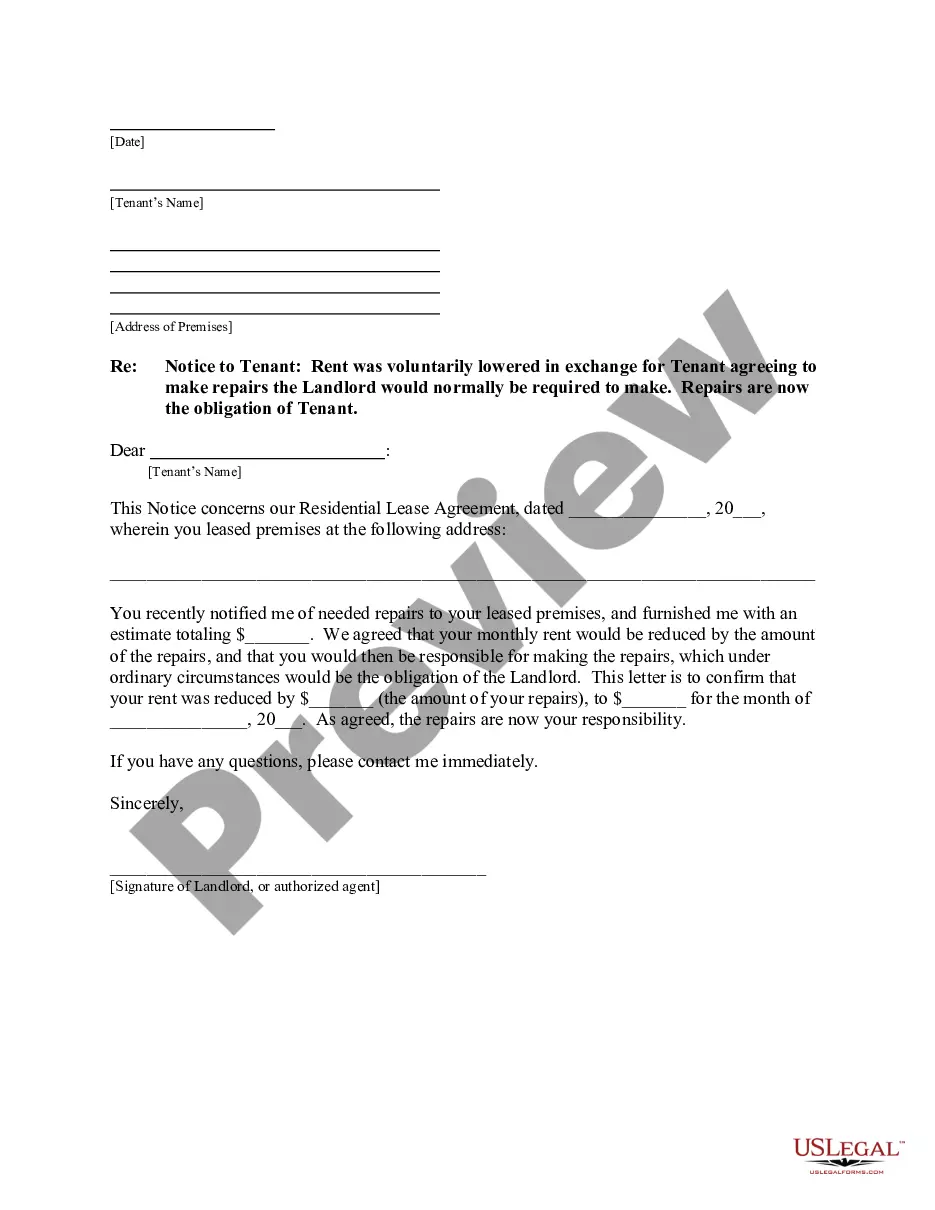
This form is a Letter from Landlord to Tenant that serves as official notice of a voluntary reduction in rent in exchange for the tenant agreeing to perform repairs typically the landlord's responsibility. This form is essential for outlining the new agreement while protecting both parties' interests, differentiating it from standard rental agreements or lease forms.
Form components explained
- Explanation of the repairs needed and their estimated cost.
- Confirmation of the new reduced rent amount.
- Specification of the month for the reduced rent and the year.
- Statement detailing that the tenant is now responsible for completing the repairs.
- Contact information and signature of the landlord or authorized agent.
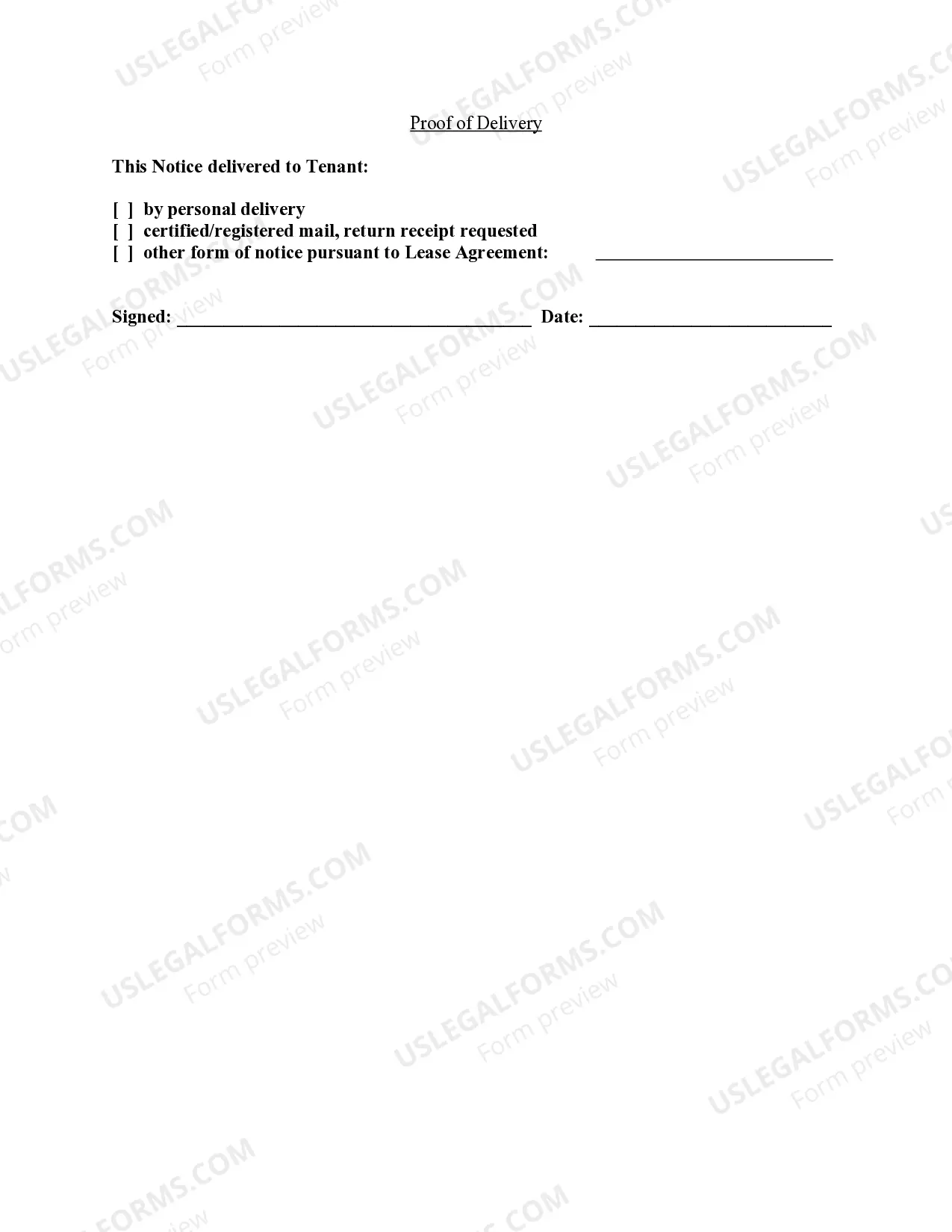
- Proof of delivery section to ensure receipt by the tenant.
Common use cases
This form should be used when a landlord and tenant agree to lower the rent due to the tenant taking on the responsibility of necessary repairs. It is particularly useful when repairs exceed the normal obligations of the tenant, ensuring all parties have a clear understanding of the new agreement.
Intended users of this form
- Landlords wishing to lower rent in exchange for repairs.
- Tenants who have identified necessary repairs and agreed to manage them.
- Property managers acting on behalf of landlords.
Completing this form step by step
- Identify and include the cost estimate for the necessary repairs.
- Specify the new rent amount after the adjustment.
- Enter the month and year the reduced rent applies.
- Confirm the tenant's responsibility for the repairs.
- Sign the letter as the landlord or authorized agent.
- Provide proof of delivery to the tenant.
Notarization guidance
This form does not typically require notarization unless specified by local law. However, it is advised to check local regulations to ensure compliance with any specific requirements.
Get your form ready online
Our built-in tools help you complete, sign, share, and store your documents in one place.
Make edits, fill in missing information, and update formatting in US Legal Forms—just like you would in MS Word.
Download a copy, print it, send it by email, or mail it via USPS—whatever works best for your next step.
Sign and collect signatures with our SignNow integration. Send to multiple recipients, set reminders, and more. Go Premium to unlock E-Sign.
If this form requires notarization, complete it online through a secure video call—no need to meet a notary in person or wait for an appointment.
We protect your documents and personal data by following strict security and privacy standards.

Make edits, fill in missing information, and update formatting in US Legal Forms—just like you would in MS Word.

Download a copy, print it, send it by email, or mail it via USPS—whatever works best for your next step.

Sign and collect signatures with our SignNow integration. Send to multiple recipients, set reminders, and more. Go Premium to unlock E-Sign.

If this form requires notarization, complete it online through a secure video call—no need to meet a notary in person or wait for an appointment.

We protect your documents and personal data by following strict security and privacy standards.
Common mistakes
- Failing to specify the exact repairs or their costs.
- Not clearly stating the new rent amount.
- Neglecting to include the date the new rent applies.
- Omitting the landlord's signature.
- Not keeping a record of the delivery proof.
Benefits of using this form online
- Convenience of accessing and downloading the form anywhere, anytime.
- Editable format allows for easy customization to fit specific needs.
- Reliability of templates drafted by licensed attorneys.
Main things to remember
- This form is essential for changing a tenant's responsibilities regarding repairs and rent.
- Clear communication and documentation help prevent disputes.
- Using this form standardizes the agreement and protects both partiesâ interests.
Looking for another form?
Form popularity
FAQ
The landlord can enter at reasonable times to inspect the premises, make repairs, or show the premises to prospective tenants. The landlord usually must give 12 hours notice before entry, unless immediate entry is necessary to preserve or protect the premises, such as in case of a fire or a burst water pipe.
Wisconsin landlords must provide at least 12 hours' notice before entering a property. This notice requirement does not apply in the case of emergencies.
Step 1: Mention the Reason for Giving a Notice. Step 2: Use Formal Language. Step 3: Mention the Date for Vacating. Step 4: Address the Formalities to Be Taken Care Of. Step 5: Proofread the Letter.
In all states, a landlord can enter the property in an emergency without notice or permission.Even if your landlord gives you notice, he or she must have a good reason to enter the property. In most cases, your landlord can enter your home: In an emergency.
Be in writing, Say the full name of the tenant or tenants, Have the address the notice is about, Say everything that the tenant did to break the lease or deserve a 3 day notice to leave, and include details and dates, Say clearly that the tenant has to move out as soon as the 3 days are up, and.
Your landlord only needs to give 'reasonable notice' to quit. Usually this means the length of the rental payment period so if you pay rent monthly, you'll get one month's notice. The notice does not have to be in writing.
Dear (Name of landlord or manager), This letter constitutes my written (number of days' notice that you need to give based on your lease agreement)-day notice that I will be moving out of my apartment on (date), the end of my current lease. I am leaving because (new job, rent increase, etc.)
Landlords are prohibited from harassing or retaliating against tenants who exercise their legal rights. In Wisconsin, the landlord must not terminate, refuse to renew a lease, or fine a tenant for complaining to the landlord regarding the deposit, complaining to a government agency, or exercising a legal right.
A landlord can only enter a rented property with the tenants' permission and after explaining why they need to get in.Remember landlords have a legal obligation to keep a property in good repair, and its appliances and services in good working order.